
If your scalp feels clean for a day and then flips back to waxy, itchy, or dull, you’re not imagining it. You probably are just in need of a scalp detox.
Scalp “detox” can sound like another haircare buzzword - but in reality, it just means a targeted deep cleanse and gentle exfoliation to lift residue from shampoos, conditioners, and hair serums.
The result? Your scalp and hair can behave the way they’re meant to.
Interested in finding out more? Take a look at our blog below, where we’ll discuss everything you need to know about a scalp detox, signs you might need one, as well as how you can perform one at home…
What is a Scalp Detox?
A scalp detox is a periodic deep cleaning that utilises controlled exfoliation to remove:
-
Product film
-
Excess oil
-
Dead skin cells
-
Hard-water minerals
-
Pollution particles.
It’s not a medical treatment, cure-all, or an excuse to scrub your scalp raw. Think of it as maintenance - like descaling a bathtub or shower. So, every day shampoo can continue to do its job, plus, your leave-ins don’t have to fight through build-up. It’s just one of the ways you can maintain a healthier scalp.
Signs You Might Need One
Now you know what a scalp detox is - what are the signs you might need one? Well, if you notice that:
-
Hair looks flat by day two, even with light styling
-
You have waxy roots, dry ends, or a “film” you can feel on your fingertips
-
There are flakes in your scalp that return quickly after washing (especially around the part line)
-
Itch or odour improves right after washing and creeps back fast
-
Products seem to “sit on top” - and you keep adding more for the same effect
You could benefit from a scalp detox.
Scalp Build Up 101: What Causes It?
If you’re washing your hair regularly, how does scalp build-up still occur? Well, some causes include:
-
Sebum + sweat: Completely normal, but mixed with daily life, they form residue.
-
Styling polymers & waxes: Gels, creams, dry shampoos, edge controls - great on day one, clingy by day three.
-
Silicones & heavy oils: Brilliant slip and shine, but they layer without the right cleanse.
-
Hard-water minerals: Common across the UK; calcium/magnesium deposits can leave hair feeling rough and scalp dull.
-
Pollution & particulates: Urban air settles on the scalp just like it does on skin.
Detox Methods
Chemical Exfoliants
What they do: AHAs (like glycolic) loosen the “glue” between dead cells; BHAs (salicylic) help dissolve oil in pores/follicles.
How to use: Apply to dry or lightly damp scalp, leave for the label’s time (often 5-10 minutes), then shampoo.
Good for: Oily, product-heavy routines; stubborn film; micro-flaking not due to a medical scalp condition.
Mechanical Exfoliation
What it is: Fine, rounded scrubs or a very soft scalp brush in the shower.
How to use: Tiny amount, light pressure, short circles; rinse thoroughly.
Good for: People who prefer a tactile clean or who don’t tolerate acids.
Clarifying Shampoos
What they do: Higher-cleansing formulas (sometimes chelating) lift polymers, heavy oils, and minerals.
How to use: Work into the scalp first, let suds run through lengths; follow with a lightweight conditioner.
Good for: Hard-water areas, swimmers, dry shampoo devotees.
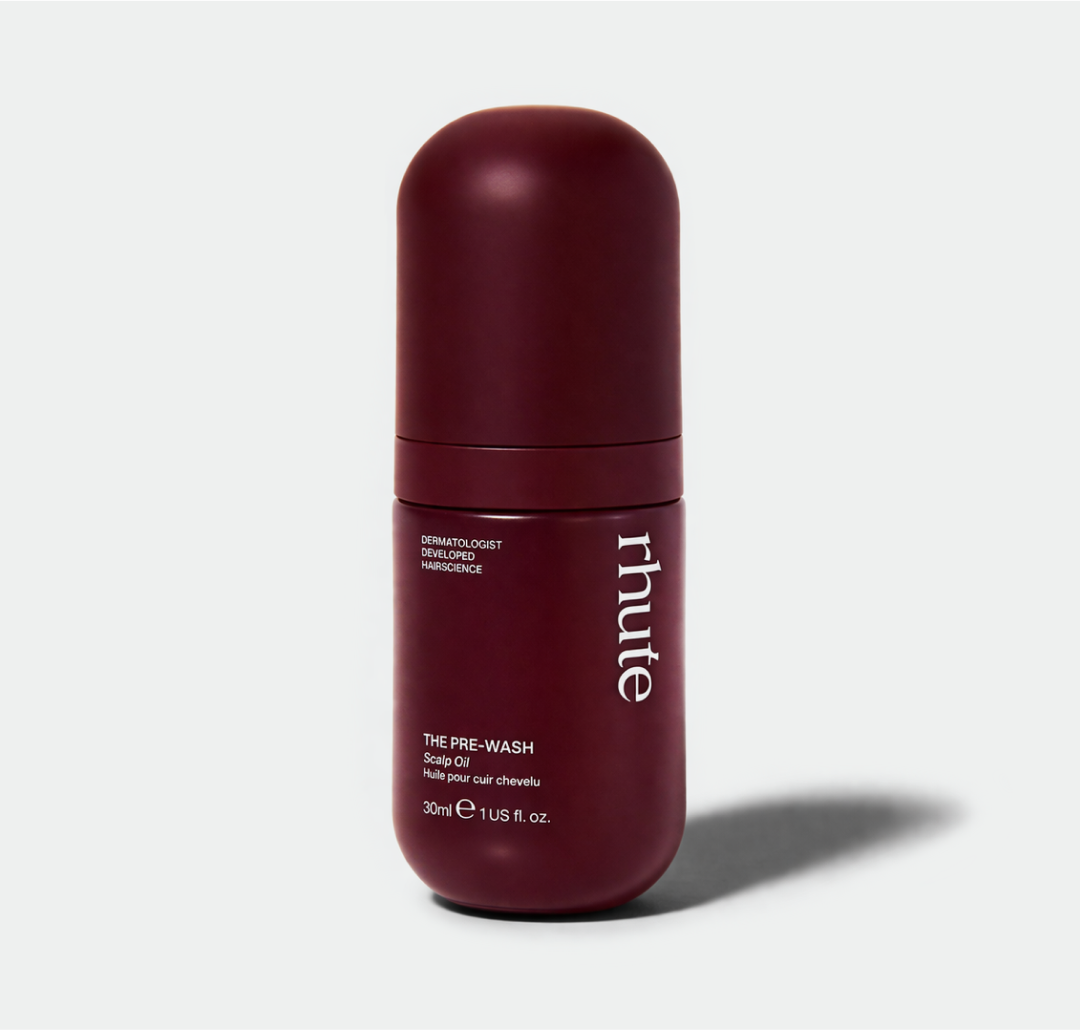
Pre-wash Oils/Serums
What they do: Loosen debris, soften compacted scale, and give slip before shampoo.
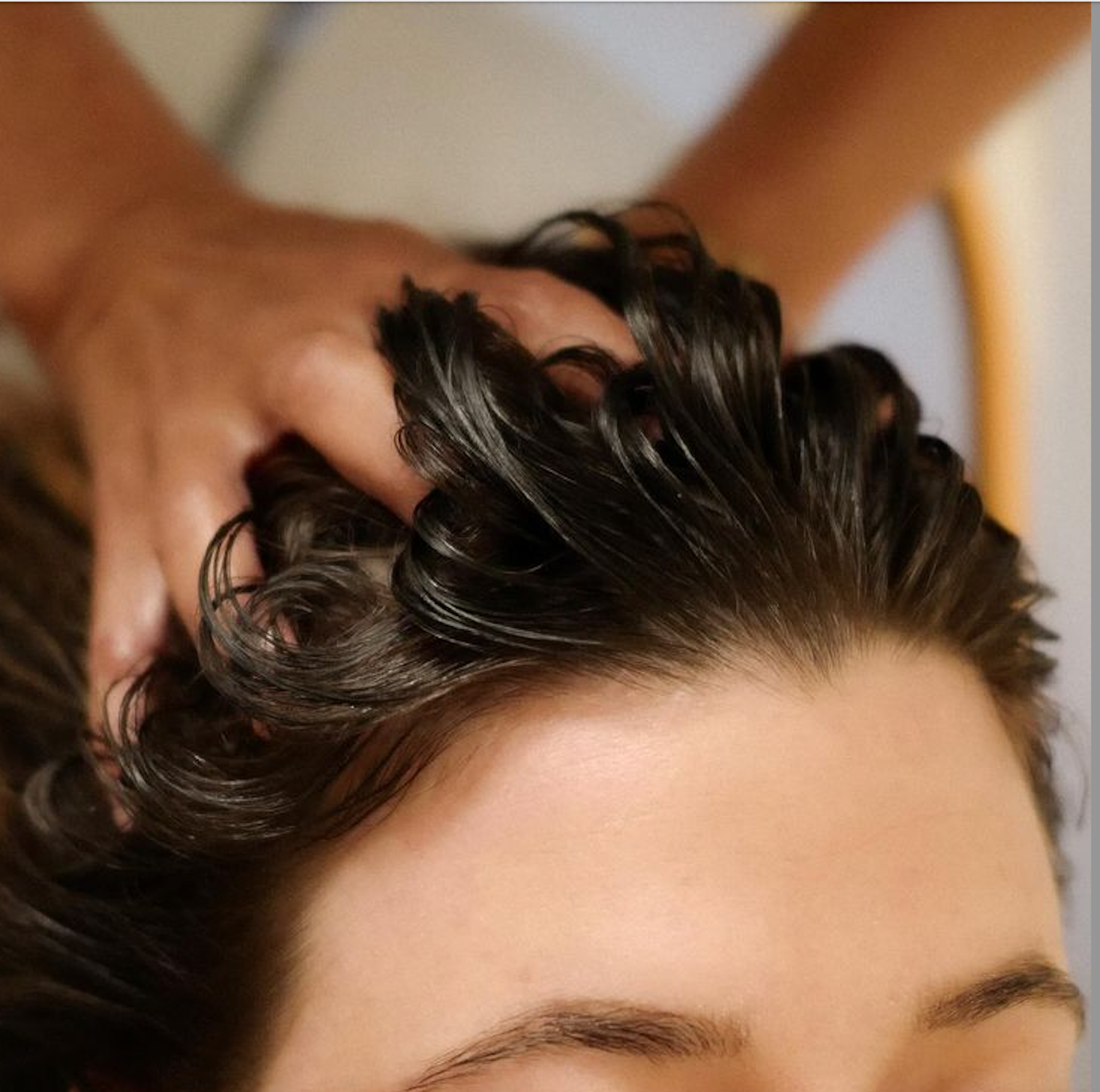
How to use: Massage a light oil or pre-wash serum into the scalp for 2-3 minutes, leave on for 10-20 minutes, then shampoo well.
Good for: Dry or curly hair that tangles easily; those who want gentler exfoliation days.

How Often Should You Scalp Detox?
Oily scalp/lots of stylers / hard water: Every 12 weeks
Typical routines: Every 3-4 weeks
Sensitive or dry scalp: Monthly or as needed
Please note: It’s best to listen to symptoms over the calendar. If your scalp feels calm and hair is behaving, stretch the gap. If it’s waxy by day two, bring the next reset forward.
Who Should Skip a Scalp Detox?
Pause and seek advice first if you have active eczema, psoriasis, infected follicles, broken skin, or persistent redness/burning. A medical shampoo or prescription care may be the right first step. Once the condition is quiet, you can reintroduce gentle maintenance. As always, it’s best to consult a doctor if you’re unsure.
How to Do An At Home Scalp Detox
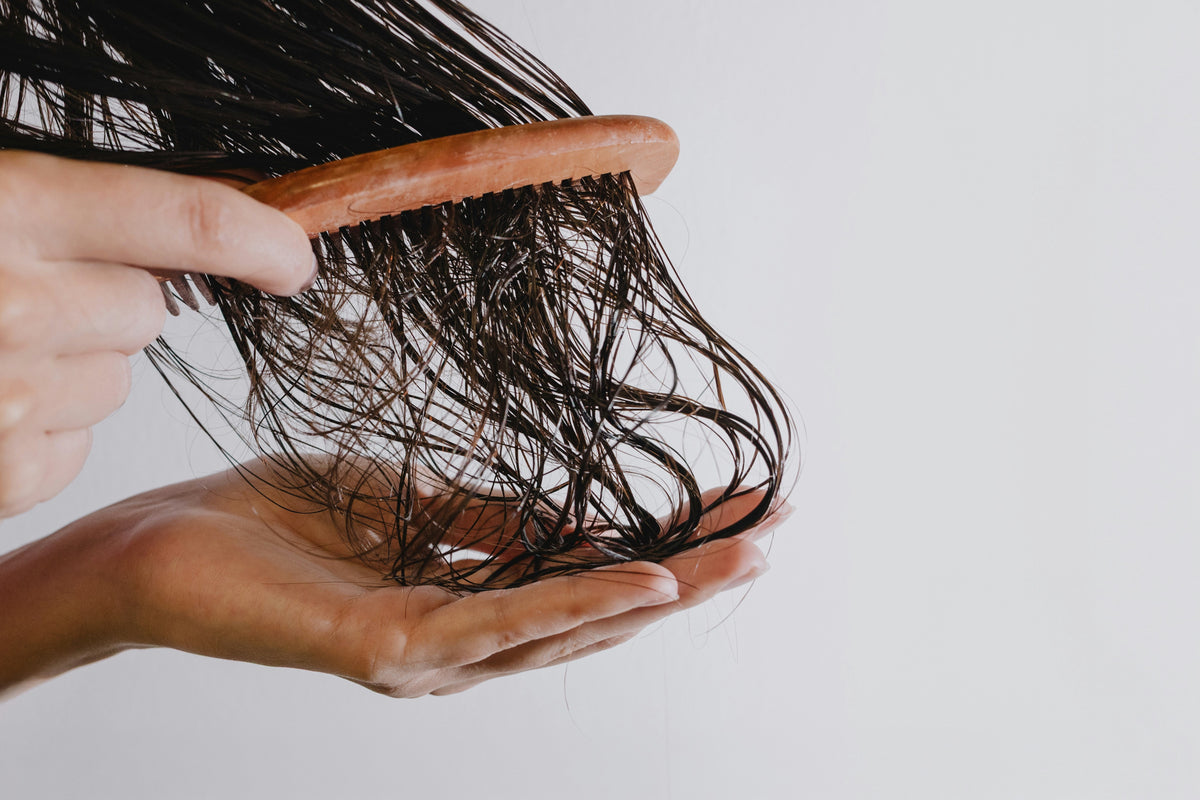
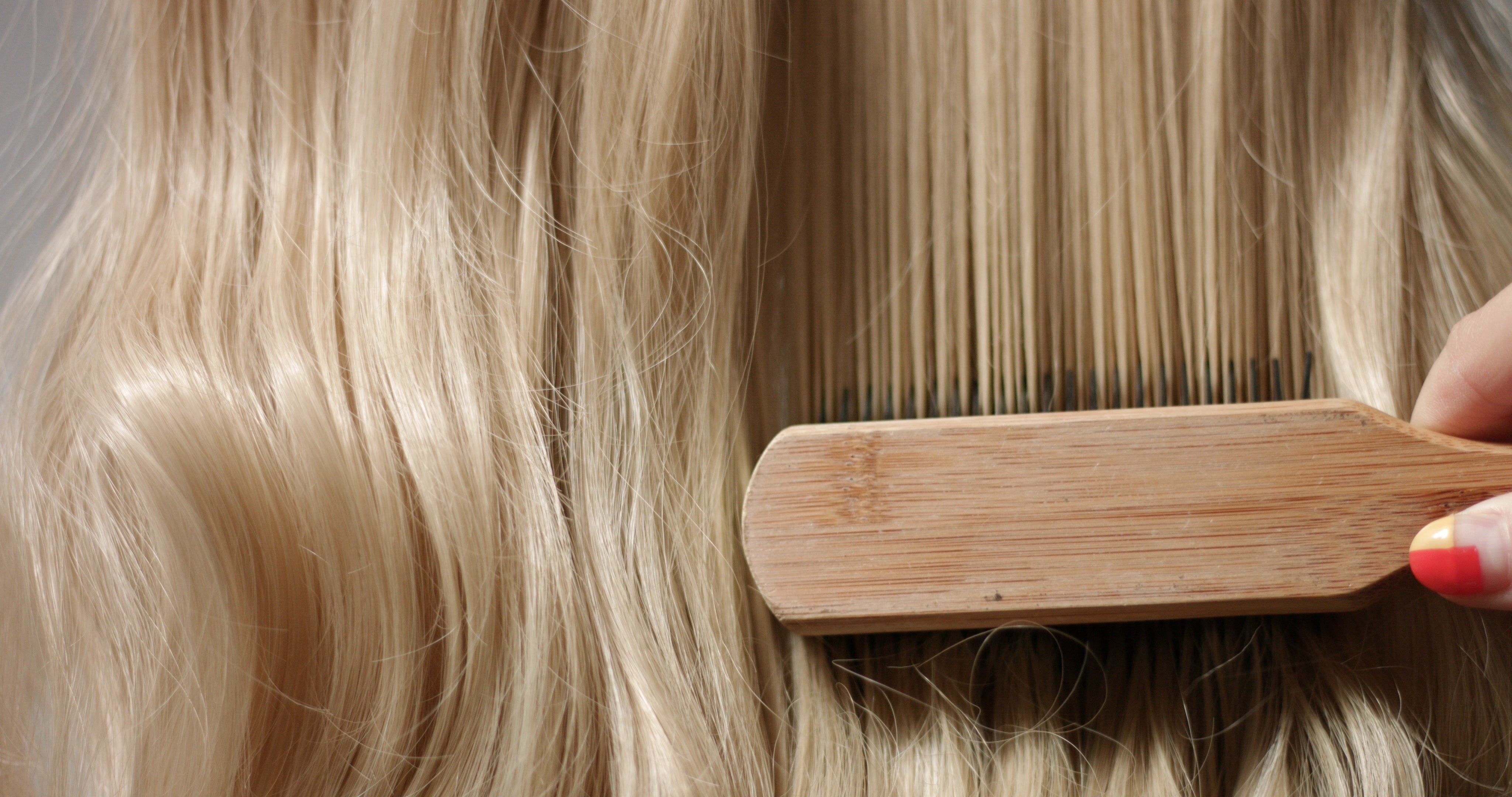
Begin by brushing your hair to comb out all of the tangles so the next steps are easy to perform:
-
Optional pre-treat: Massage a light pre-wash oil/serum into the scalp for 2-3 minutes; leave 10-20 minutes.
-
Exfoliate: Use a fine scrub or very soft brush with featherlight pressure.
-
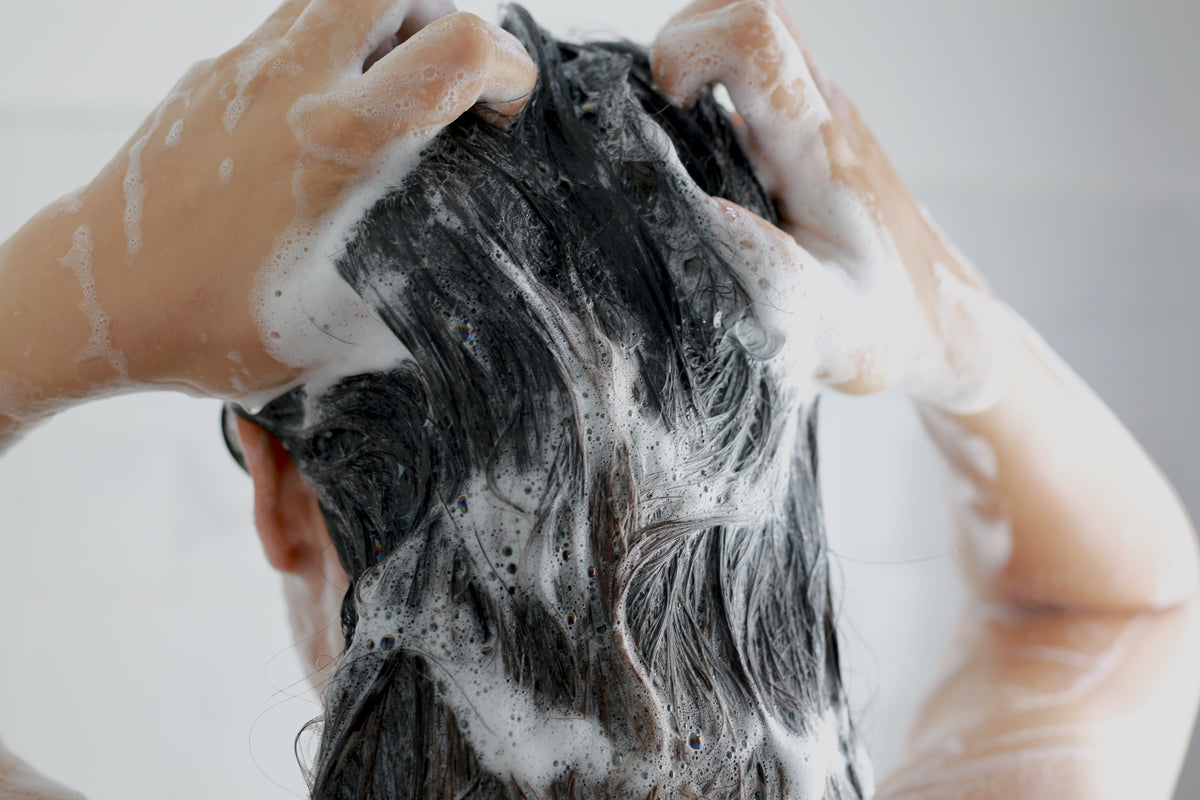
Cleanse: Rinse well. Shampoo the scalp (not just the hair), then rinse thoroughly. If minerals or heavy build-up are an issue, use a clarifying/chelating shampoo for this step.
-
Condition: Apply conditioner to lengths only unless your product is scalp-safe.
-
Finish: Cool rinse; blot with a microfibre towel; then use heat protectant if styling to avoid heat damage.
-
Maintain: On non-detox days, stick to a gentle shampoo cadence (2-3×/week for most) and keep styling layers light so you don’t rebuild film immediately.
The rhute Way: Find More Answers To Your Hair Care Questions
For deeper dives into HairScience and keeping your hair healthy and lustrous, explore rhute’s blog. Our medical experts break down your biggest questions - plus share practical, proven care tips.
Scalp Detox: FAQs
How Do I Detox a Sensitive Scalp?
Keep it minimal and infrequent. Choose one method (a very mild AHA or the softest mechanical option) once a month, and patch test behind the ear first. Skip fragrance-heavy scrubs, avoid hot water, and always follow with a gentle routine. If sensitivity flares - stop, return to basics, and check in with your GP.
How Do I Know If It’s Seborrhoeic Dermatitis or Just Build-Up?
Build-up usually feels waxy/filmy and improves clearly after a deep cleanse. Seborrhoeic dermatitis tends to bring itch, redness, and recurring flakes that come back despite good cleansing, often around the brows/ears too. If that sounds like you, try a medicated anti-dandruff shampoo as directed and speak to your GP; treat the condition first, then re-introduce gentle maintenance.
Can Scalp Detoxes Promote Hair Growth?
A detox doesn’t switch on follicles, but it improves the environment: fewer blockages, calmer scalp, better product access to skin. That can make hair look fuller and behave better, and it pairs well with any evidence-based hair-loss plan your clinician recommends. Think of detox as housekeeping - important, but not a medical treatment on its own.