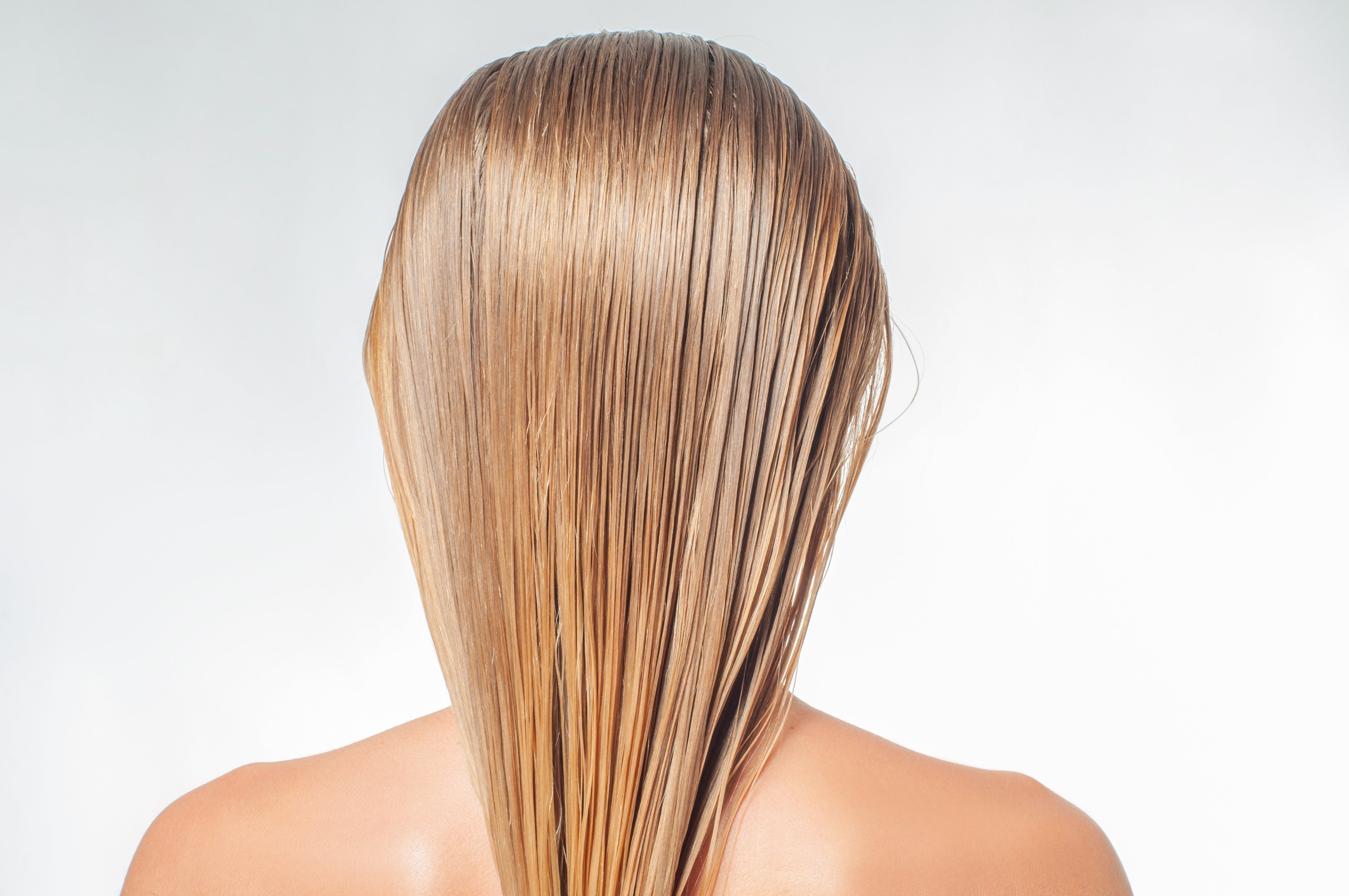

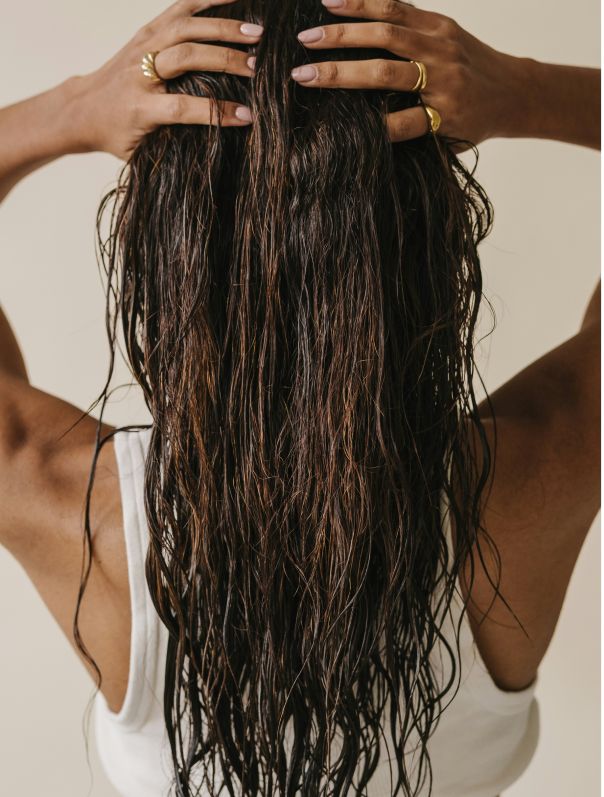

Every woman dreams of effortlessly fresh, luminous hair that turns heads from the moment she steps outside. Yet, between demanding work schedules, busy personal lives, and the endless list of last-minute to-dos, maintaining a consistent hair-washing routine can feel nearly impossible.
That’s where time-saving heroes like dry shampoo come in - helping women extend the life of their blow-dry and keep their hair looking as clean and vibrant as day one. More recently, a new contender has entered the scene: micellar water.
But how exactly does micellar water work to cleanse the hair - and does it truly deliver on its promises? We dive into the science, the benefits, and the results in our latest blog. Read on to discover everything you need to know about using micellar water to revive greasy hair…
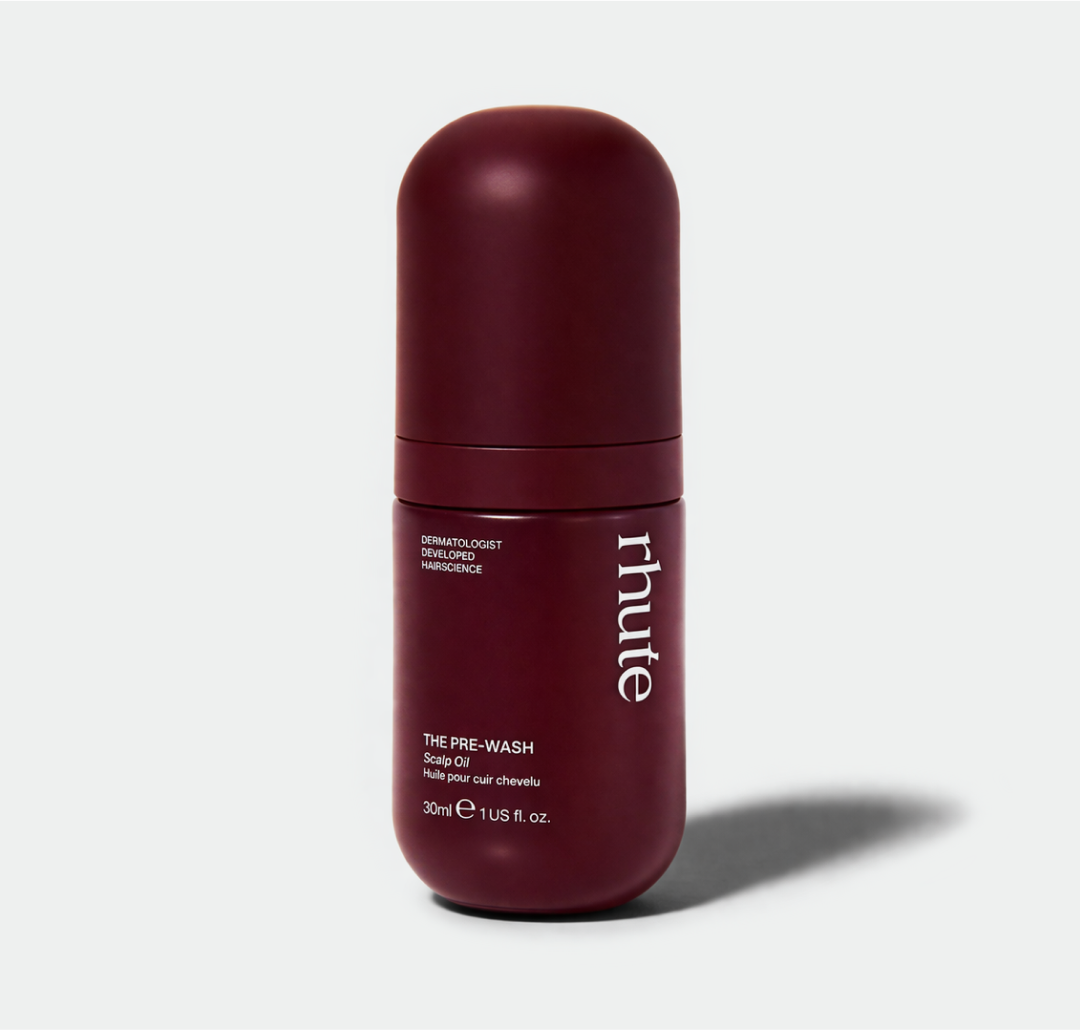
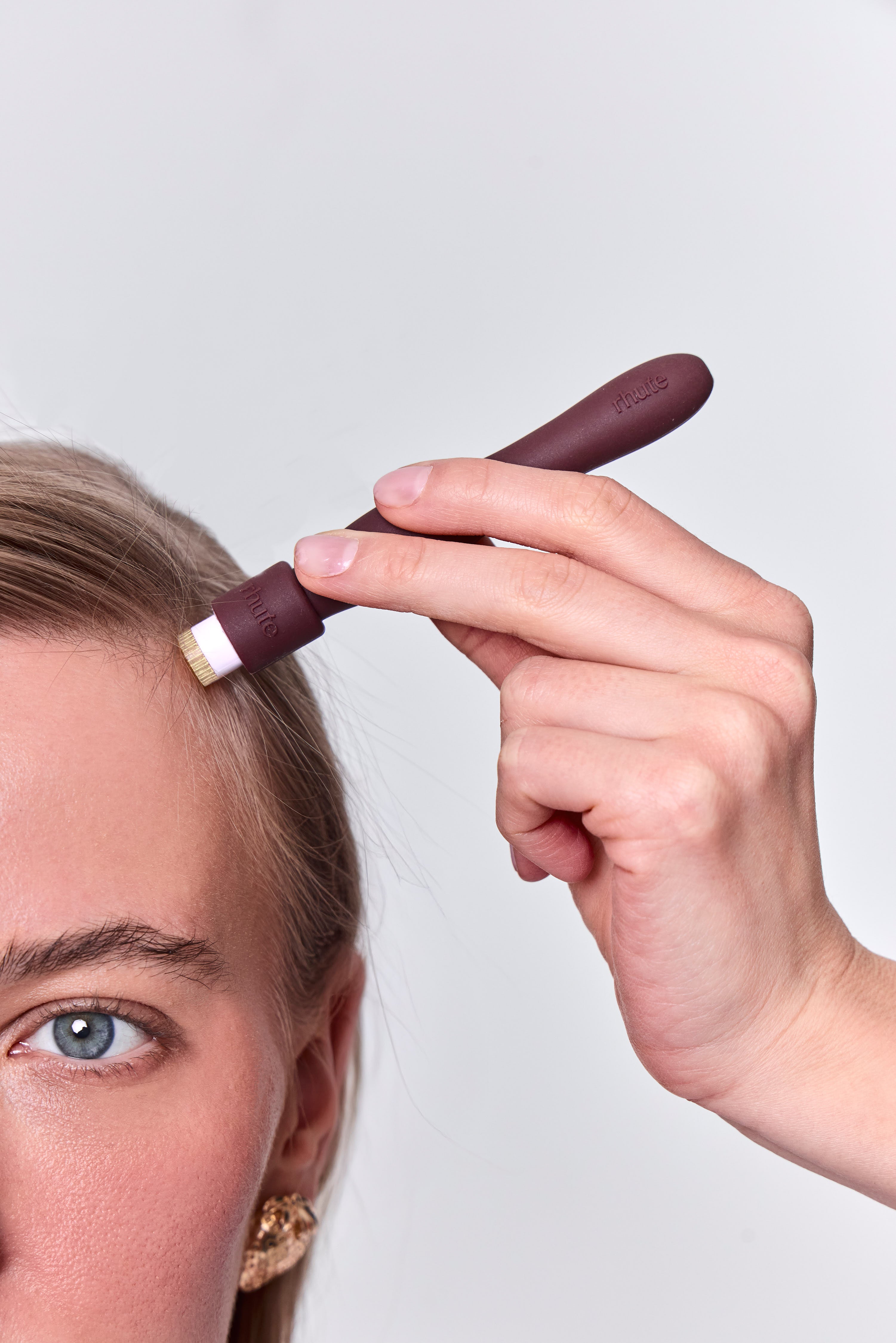
For hair that feels as healthy as it looks, check out rhute’s very own hair serum for fuller, healthier-looking hair.
What is Micellar Water?
Micellar water is a gentle cleansing liquid that’s become a go-to in many skincare routines - and even some haircare routines. It’s made up of micelles, which are tiny clusters of cleansing molecules called surfactants.
Surfactants have a clever structure: one end loves water, and the other loves oil. Because of this, they naturally settle between substances that don’t usually mix.
When micellar water touches your skin or scalp, the oil-loving ends latch onto sebum, dirt, and impurities, while the water-loving ends stay in the liquid. This allows the micelles to sweep away buildup without any harsh scrubbing.
So, what does that actually mean? In simple terms, micellar water is a mild, low-foaming cleanser that removes oil and dirt while still being gentle - even on sensitive skin and scalp. That’s why it works so well for both skincare and haircare.
What is Micellar Water Used For?
Micellar water is used as a cleanser to help women remove their makeup - without having to scrub harshly on their skin. It also helps to preserve the skin’s natural barrier and avoid over-stripping its natural oils.
What Does the Science Say About Micellar Water on Greasy Hair?
There is little scientific research into how micellar water can be used on greasy hair - and how effective it is. Let’s take a look at what has been found:
-
Mechanically, micellar water does make sense for oil removal in hair because of its micelle compounds, with their hydrophobic tails attracting lipids (oils, sebum), meanwhile, the hydrophilic heads remain in water and allow for removal
-
Some beauty insiders have tried the micellar water hair hack and found the results speak for themselves. But have advised it works better on hair that was washed a day or so before, rather than any longer period
-
Whilst micellar water can be a great stand-in between washes, experts warn that it shouldn’t be used as a substitute for washing your hair, removing product build-up or removing oil
In short: micellar water can give your roots a moment of refresh, but your scalp still needs proper cleansing to stay healthy in the long run.

How Can Micellar Water Be Used On Hair?
Many women have begun using micellar water on their hair as a way to stop it from looking greasy. To use it on yours, we suggest:
-
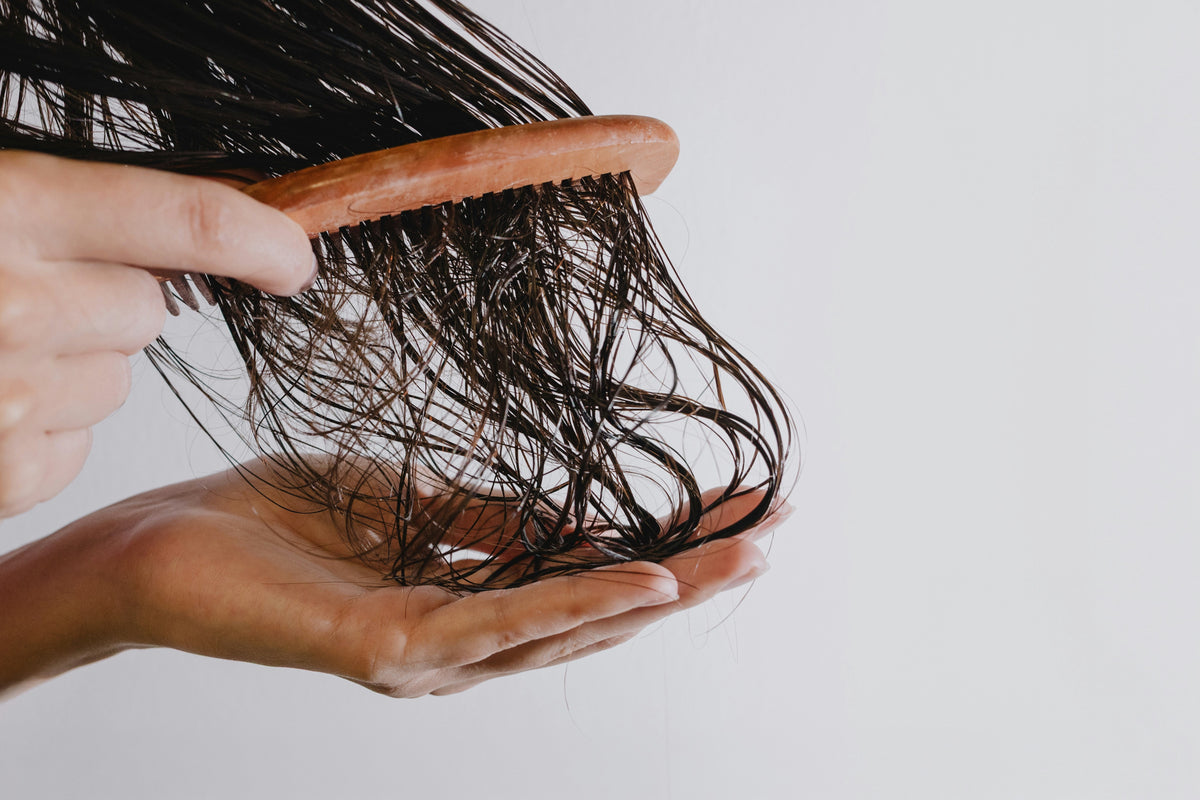
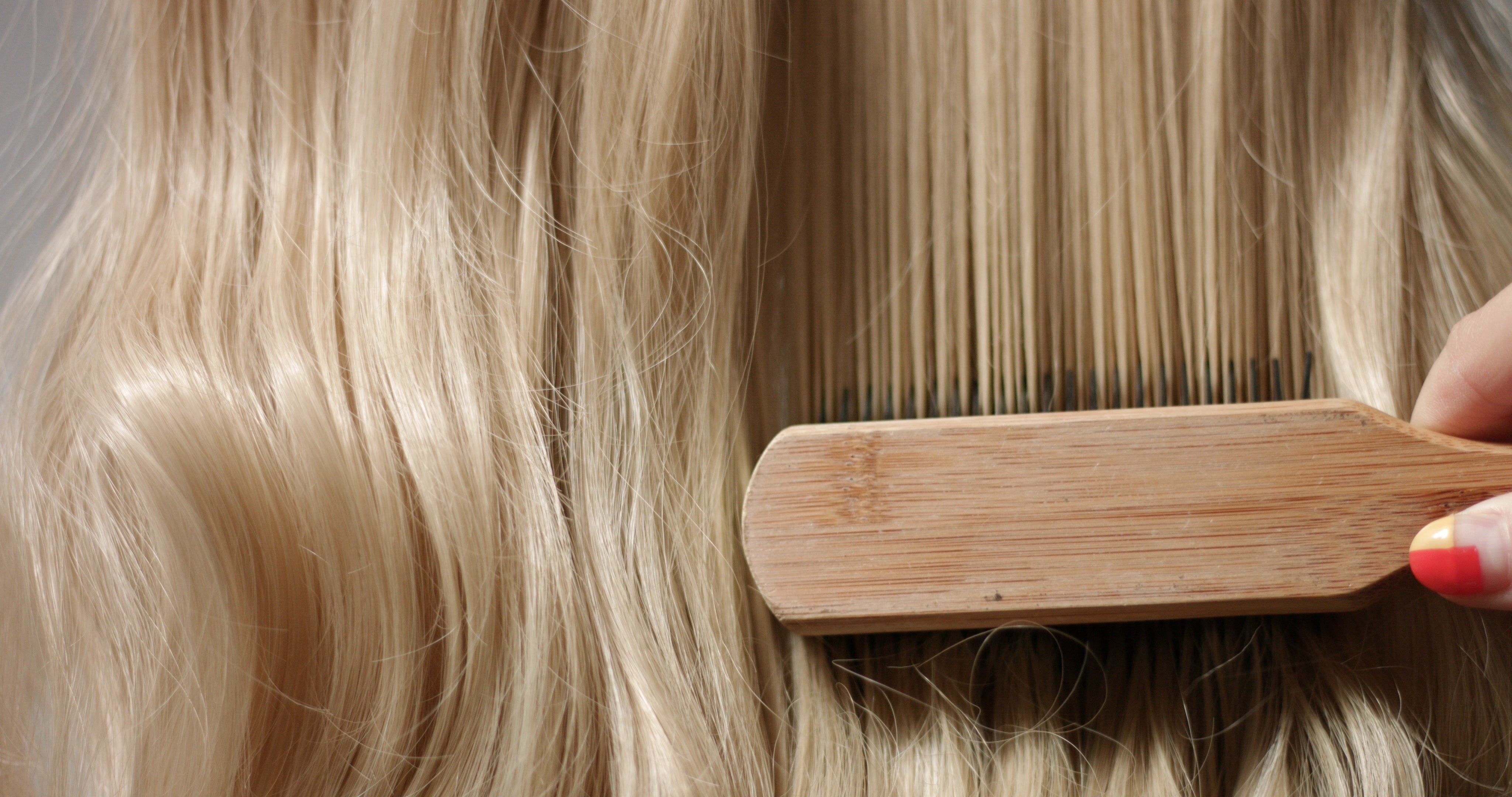
Brush your hair and comb out any tangles: this will make it easier to apply the micellar water to your scalp and roots
-
Part your hair into sections: this way you can better target the areas where oil is more prevalent
-
Apply micellar water: Apply the micellar water with a cotton pad or by using a spray bottle to your roots and wherever else it might be oily
-
Blow dry or rinse: If you’re just looking for a little refresh, you can just blow dry your hair after applying micellar water. For a deeper cleanse, you can spray with water first and then blow dry.
How Can I Keep My Hair Looking Fresh?
Here’s how to put together a hair-care routine for that “fresh”, clean-feel look - especially if you’re managing oily/greasy roots or want to maintain your hair between washes.
Wash Smartly
Pick a shampoo that suits your scalp and hair type - if you get oily quickly, consider a shampoo with gentle surfactants and oil-regulating agents. Use a clarifying shampoo occasionally (once every 2-4 weeks) if you use styling products or feel build-up.
After cleansing, gently towel-dry or use a cool/medium blow-dry to finish - avoid using high heat which can stimulate scalp oil production.
Keep Your Hair Hydrated
After shampooing, apply conditioner only from the mid-lengths to ends - avoid heavy conditioner at the scalp if you get oily roots.
Use a weekly deep conditioning mask or leave-in conditioner if your hair is texturised, chemically treated or dry, to keep ends healthy and avoid imbalance (healthy hair looks fresh). Use lightweight styling products or hair oils (such as argan oil or jojoba) but sparingly at the roots - heavier oils can weigh hair down and accelerate the greasy look.
Protect From Heat & The Environment
Before using heat styling tools (straightener, curling iron, blow-dryer), always use a heat-protectant spray. Heat damage can make hair look dull and less fresh. Protect your scalp and hair from UV exposure and pollution - consider wearing a hat or applying a UV-protective mist if you spend a lot of time outdoors.
Try sleeping on a silk or satin pillowcase - less friction means less breakage and fewer flyaways, which helps keep your hair looking smoother and fresher. When you exercise or sweat, try to rinse or refresh your scalp soon afterwards - sweat + oil build-up = greasiness quicker.
Our Verdict…
For those of us chasing hair that looks clean, light, and fresh from rhute to tip - especially if oily roots or frequent refreshes are your challenge - micellar water is a smart addition to your routine. It aligns with the rhute ethos of scalp-first, science-driven care.
However - it’s not a magic bullet. It helps when you’re between washes or need a quick uplift, but you still need the fundamentals: good shampoos and scalp care, as well as hydration for the lengths and protection from styling and the environment.
In short: Add micellar water as a tool for “now” (fast refreshes, oily days, post-workout root fix), but maintain the full routine for “later” (scalp health, hair length/quality, long-term freshness).
Follow the wash smartly, hydration, and protection framework above - and your hair will not just feel fresh, it’ll look fresh.
Discover More HairScience Tips on rhute’s Blog…
For more information on everything related to HairScience, plus the latest trends in hair care, check out our blog.