

When it comes to caring for your hair, knowing which ingredients to embrace - and which to avoid - can make all the difference. But with countless opinions circulating online, trying to separate fact from fiction can feel overwhelming. And honestly…who has the time?
One ingredient that often sparks debate is silicone. At rhute, we’re committed to cutting through the confusion and bringing clarity to your routine. Our goal is to empower our community with straightforward, science-led insights so you can make confident, informed choices about your hair.
If you’re curious about silicones and whether they deserve a place in your routine, you’re in the right spot. Below, we break down the different silicone types, what they really do, and the facts behind the controversy - including expert insight from rhute’s own Dr Aamna Adel. Read on to explore the truth behind silicones and discover what’s best for your strands.
What Are Silicones?
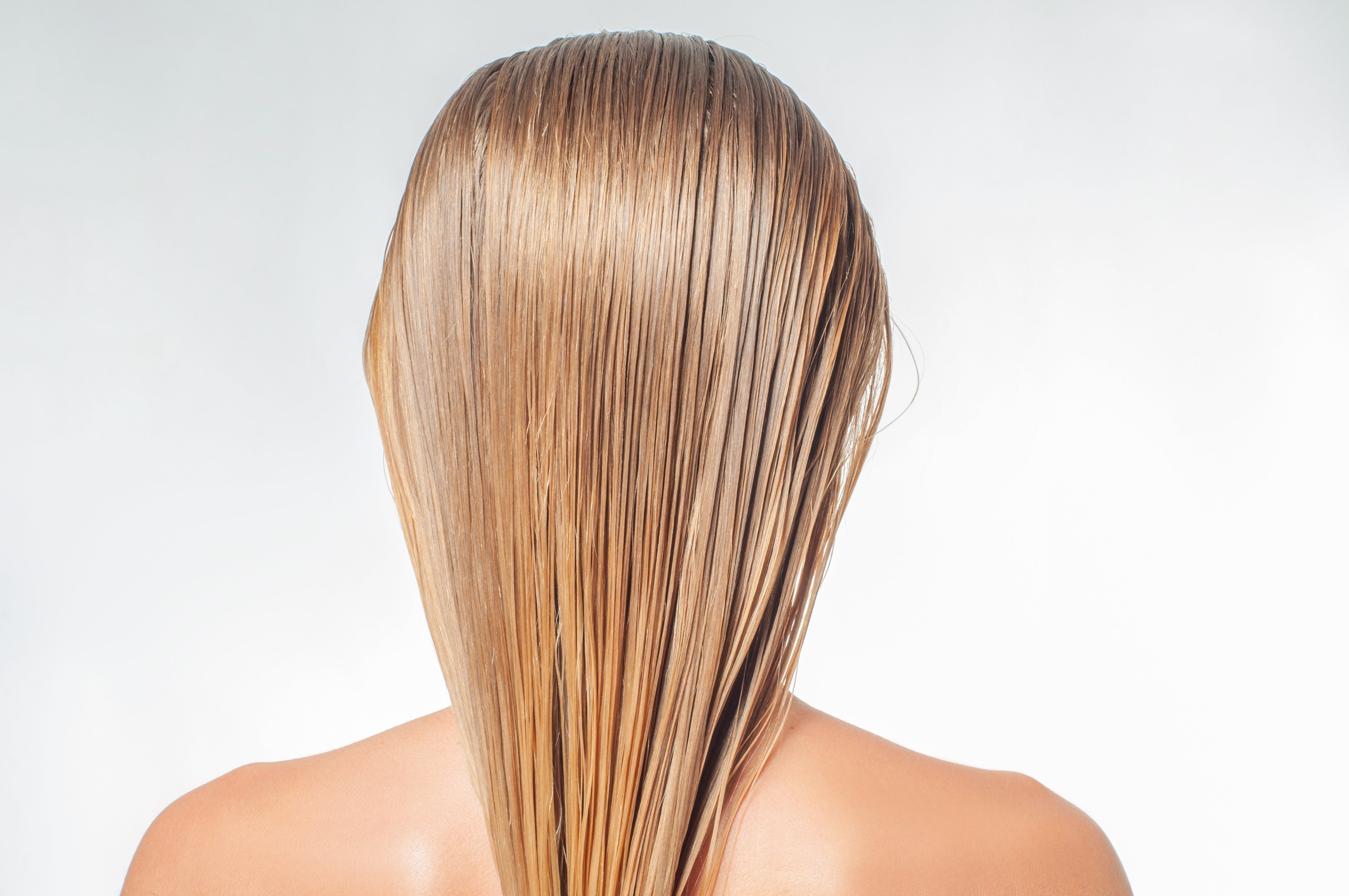
Silicones are synthetic compounds derived from silica, a mineral naturally found in sand. In simple terms, they’re used in haircare to coat the hair shaft with a lightweight, flexible film that enhances shine and reduces frizz, as well as improving manageability. This smoothing effect happens almost instantly, which is why silicones are commonly found in styling products and hair serums.
They might have gained a reputation for being ‘bad’ or ‘artificial,’ but the reality is far more nuanced - and depends largely on the type of silicone used, as well as how it interacts with your hair’s needs.
What Are The Different Types of Silicones?
Occlusive Silicones
Occlusive silicones create a long-lasting barrier around the hair shaft. This barrier locks in moisture and gives the hair a sleek, glossy finish, making these silicones popular in products designed for frizz control or heat protection - such as hair serums and conditioners.
However, because they are not easily removed with water alone, they may accumulate on the hair over time if you’re not using a cleansing or clarifying shampoo. This buildup can leave hair feeling coated, flat, or dry underneath - especially for finer hair types or curls that rely on consistent hydration.
Examples: Dimethicone, Cyclopentasiloxane (when non-volatile), Amodimethicone
Water Soluble Silicones
Water-soluble silicones are designed to rinse out easily, so you don't need harsh shampoos. They provide many of the benefits of traditional silicones - smoothness, slip, shine - but without the same risk of buildup.
Because of their gentle nature, they’re often preferred by those with curly, fine, or low-porosity hair, who may be more prone to heaviness from occlusive formulas.
Examples: Dimethicone Copolyol, PEG-8 Dimethicone
Volatile Silicones
Volatile silicones evaporate shortly after application. They’re typically used in styling and heat-protection products to help distribute formulas evenly through the hair before disappearing, leaving little to no residue behind.
These silicones create a temporary smoothing effect and help reduce friction during styling, without clinging to the hair once dry.
Examples: Cyclomethicone, Cyclopentasiloxane (when volatile)
So, Are Silicones Bad For Your Hair?
The short answer: not necessarily. Silicones aren’t inherently harmful, and for many hair types, they can be incredibly beneficial. Issues only tend to arise when occlusive silicones are used frequently without proper cleansing, which can lead to buildup that prevents moisture from reaching the hair shaft.
For some people, this can feel like dryness or dullness over time. However, with the right type of silicone - and a balanced wash routine - these concerns can be easily avoided. Ultimately, whether silicones “work” for you depends on your hair texture, styling habits, and the specific formulas you use.

What Are the Benefits of Using Silicones?
Silicones offer a range of benefits that are difficult to replicate with natural alternatives. In simple terms, they:
-
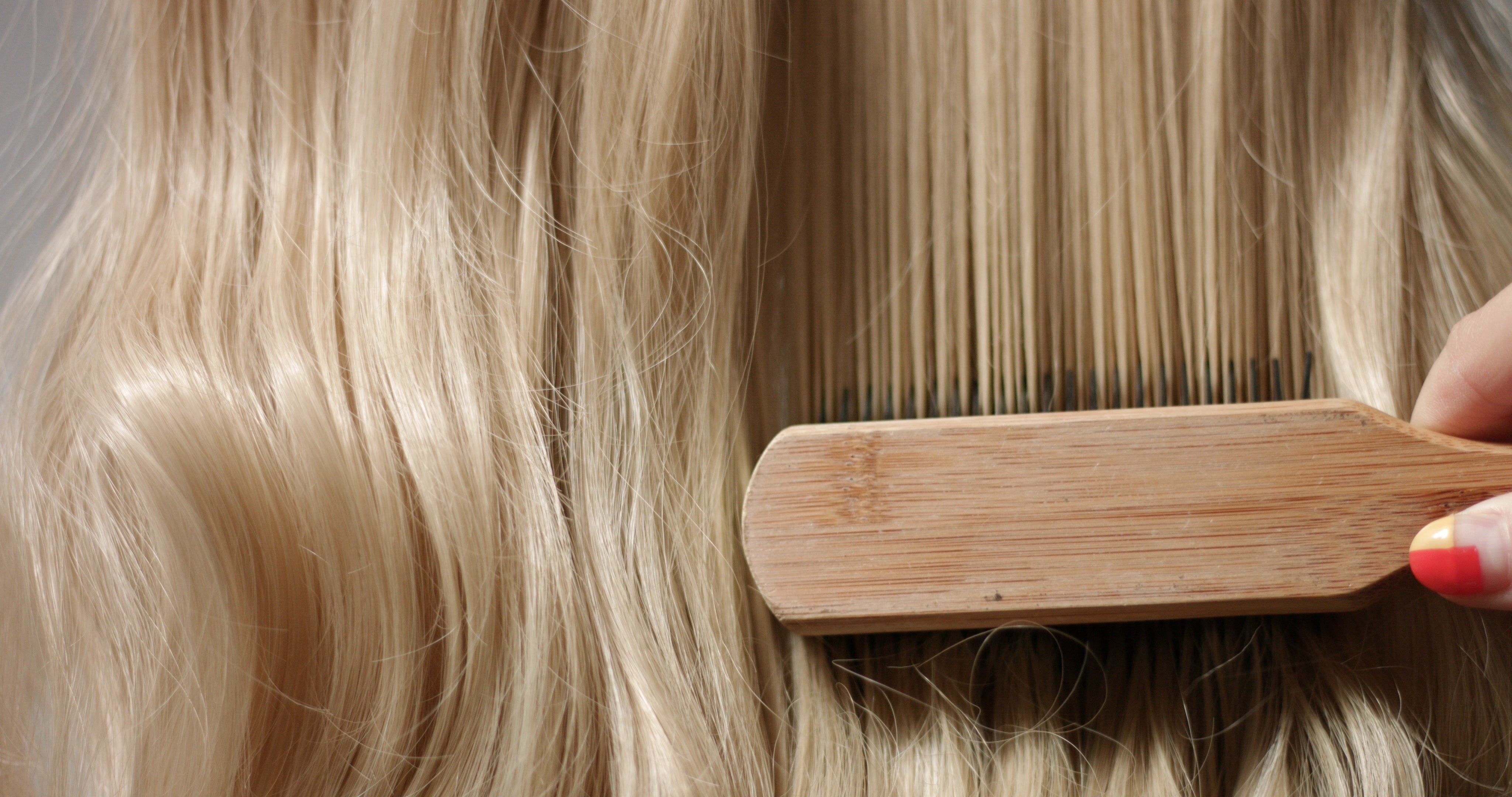
Smooth the cuticle
-
Reduce breakage by minimising friction
-
Enhance shine; and
-
Protect the hair from heat damage and environmental stressors
For those who style regularly or struggle with frizz and flyaways, silicones can instantly improve hair's look and feel.
Water-soluble and volatile silicones provide these perks with minimal buildup, making them a great middle ground for anyone seeking smoothness without heaviness - such as those with curly hair. When used thoughtfully, silicones can be a powerful tool in achieving softer, shinier, more manageable hair.
Tips For Using Silicones
Whilst silicones can add shine, smoothness, and protection to your routine, using them effectively is key to reaping the benefits without drawbacks. With a few simple considerations, silicones can be a supportive, effective part of your haircare lineup.
Choose the Right Ones
Different silicones behave differently, so choosing the right type matters. If your hair is fine or easily weighed down, opt for water-soluble or volatile silicones that rinse out easily. For thicker or frizz-prone hair, occlusive silicones may offer longer-lasting smoothness and protection. For the best results? Match the silicone to your hair’s needs.
Use it Thoughtfully
Balance is key. If you’re using heavier, occlusive silicones, make sure you’re cleansing regularly to prevent buildup. A gentle clarifying shampoo every so often keeps hair feeling fresh and receptive to moisture. Pay attention to how your hair responds and adjust your routine if it starts to feel coated or dull.
Consider Alternative Options
If silicones aren’t the right fit for your routine, there are alternatives that can offer similar benefits. Lightweight plant oils, esters, and modern silicone-free conditioners can help smooth and soften the hair.
Just remember: natural doesn’t always mean lighter - so experiment to see what your hair enjoys most.
The Journey to Healthier Hair - Join the rhute Community Today
Silicones don’t have to be the enemy - used wisely, they can help support smooth, strong hair. The key is understanding what works for your strands and staying consistent with your routine.
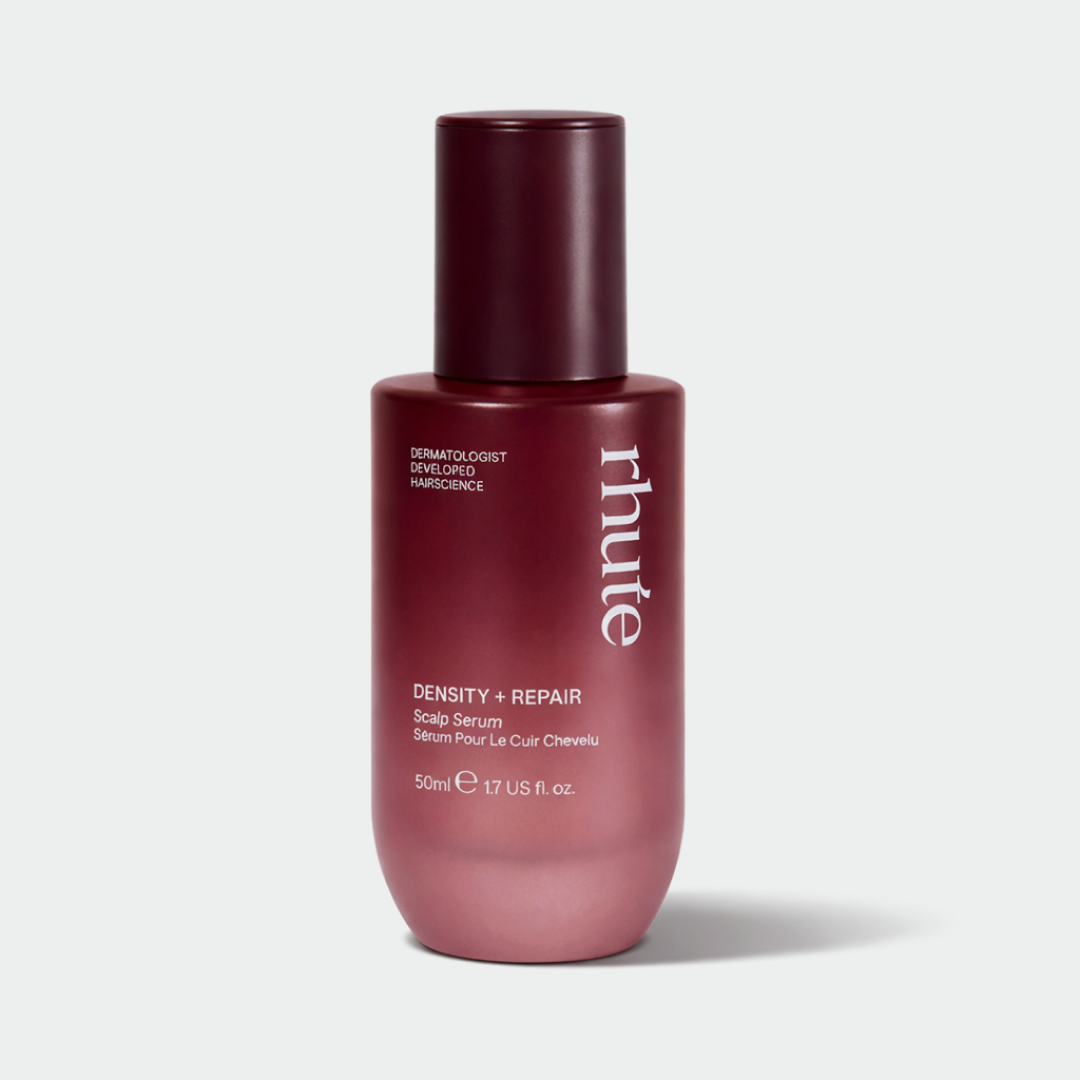
Ready to craft a haircare routine that really works? Explore rhute’s very own Density and Repair Hair Serum today. For more expert-backed insights, head to our blog where we break down everything you need to know about hair health.