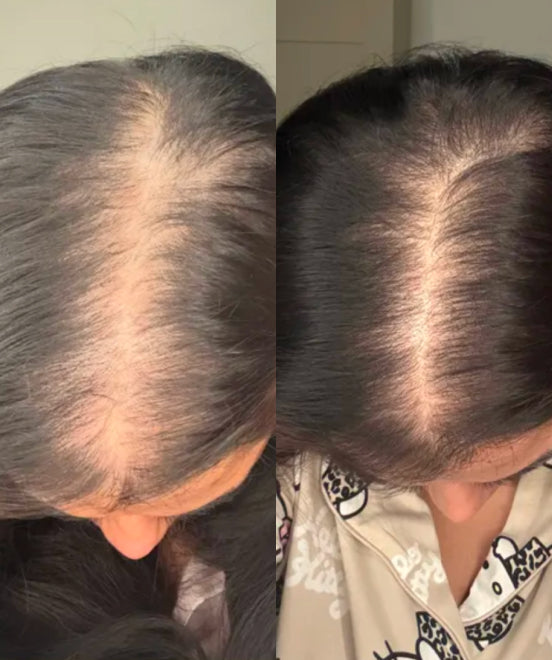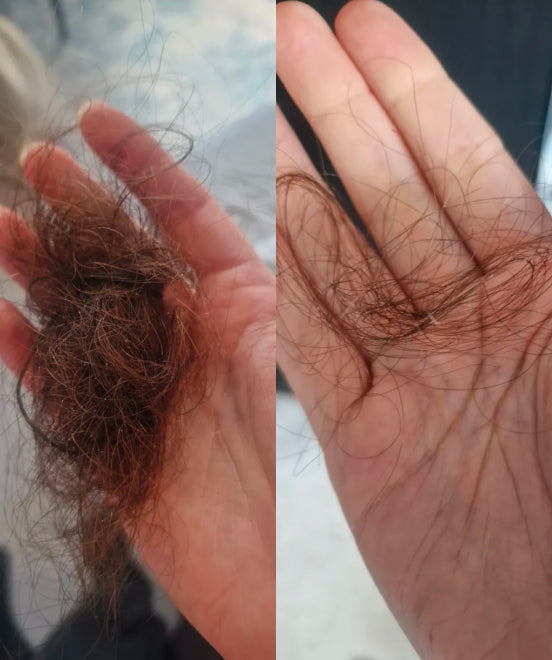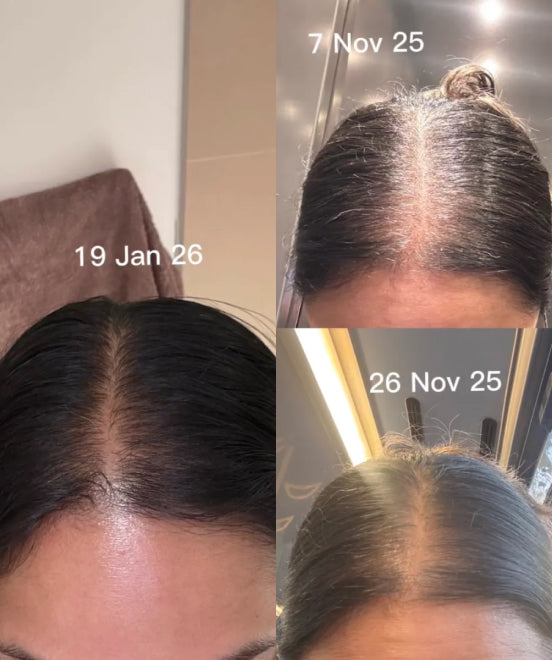



Shiny, strong hair doesn’t start with your styling routine; it starts at the root. Hair growth is influenced by many factors, but the research is clear: a healthy scalp is the foundation for healthy hair. A clean, balanced scalp creates the right environment for stronger, thicker strands to grow.
Whilst traditionally more commonly used in acne treatments or recommended for oily skin, salicylic acid might just be the solution you need to look for in your next hair serum - so you can optimise your hair growth. This gentle acid is well known for its ability to gently exfoliate the skin and remove excess oil/build-up that can disrupt your scalp’s environment.
Before diving deeper into how it works, let’s first understand why scalp health matters for growth.
Why Scalp Health Matters for Growth
To understand how salicylic acid helps scalp health, let’s understand our playing field. Your scalp is the foundation of your hair, the soil on which it grows, gets its nutrients from, and also gets its stability.
Just like the rest of your skin, it's composed of 3 key layers:
-
Epidermis: The outermost layer, also acting as a protective layer. It also contains pores where sebum (oil) is released, which is key to keeping your hair moisturised.
-
Dermis: This is where the follicle of your hair sits, surrounded by oil glands and blood vessels, which bring in nutrients and oxygen.
-
Subcutaneous layer: This is the deepest layer, which is mostly made of fat and connective tissue. It cushions the scalp and protects underlying structures such as blood vessels, nerves, and bone.
Some of the common factors that come into play affecting your scalp and hair health are:

-
Excess oil: This oil is naturally produced by the scalp, which varies from person to person, can accumulate and clog your pores.
-
Flakes and dead skin: During their natural shedding, flakes and dead skin may build up around your follicles and physically block healthy hair growth.
-
Product residue: If you use a lot of styling products, shampoos, or conditioners, these products can build up and form a barrier, preventing nutrients from reaching your hair roots.
-
Hard water: Hard water has higher concentrations of minerals like calcium and magnesium. Even though they are not directly harmful, they can build up on your head and, with time, lead to dryness and irritation.
Keeping a balanced scalp is key, and that’s where salicylic acid becomes important. By addressing these factors - from excess oil to product build-up - you can help create a healthier environment for your hair to grow more effectively.
Now, let’s take a closer look at how it achieves that.
What is Salicylic Acid & How Does it Work?
Salicyclic acid is a beta hydroxy acid (BHA), which has been used for more than 2000 years. Historically, salicylic acid was derived from willow bark and was used for its healing and anti-inflammatory properties thousands of years ago. The German dermatologist Paul Gerson Unna was, however, the first to describe its exfoliating and keratolytic (removing dead skin) effects on the skin.
It has been on the market for a very long time, mostly aimed towards acne and blemish-prone skin. It’s an oil-soluble ingredient, which means it can penetrate through sebum - otherwise known as the natural oil that is produced by your scalp.
This quality makes it particularly effective, as it can penetrate deeper and faster into your pores and around your follicles. This also means that it can efficiently help exfoliate dead skin cells and dissolve any excess oil and sebum.
This is particularly important, as it doesn’t just have cosmetic benefits. Ensuring that your scalp remains free of build-up and excess oil will ensure that an optimal environment for your hair growth is facilitated. This is done through a few ways, including:
-
Clearing the follicle environment: By removing excess oil, dead skin, and buildup, salicylic acid helps keep follicles open, which means that your hair can grow without being obstructed.
-
Reducing dandruff and flaking: Its exfoliative properties help loosen and remove the build-up of dead skin cells on the scalp. It can be used to manage conditions like seborrheic dermatitis, a very common scalp condition where excess oil and overgrowth of natural yeast cause flaking.
-
Improving balance: By clearing away excess oil and dead skin, salicylic acid helps create a healthier surface, allowing other products to penetrate more effectively and work as intended.
By reducing scalp inflammation and irritation, we can prevent disruption of the hair growth cycle. Additionally, evidence shows that reducing inflammation and irritation helps follicles stay in the anagen phase (the active growth phase) for longer, and ingredients like salicylic acid can help achieve this by soothing scalp inflammation.
Should Everyone Use It?
Salicylic acid has been widely studied in the field of dermatology, which covers hair, nail and skin health. Research shows that it is considered a safe and effective option for many people struggling with dandruff, flaking, and even product buildup.
It’s definitely ideal for people dealing with more oil-prone, flaky or build-up prone scalps. Not only does it give that fresh, clean feeling, but over time, it also improves the quality and health of your scalp.
You may have been told that washing your hair too often is not a good thing, and you should “train your scalp” to produce less oil. I have news for you - that claim is unfortunately not scientifically accurate. Oil production is controlled by hormones and not how often you wash. Evidence shows that leaving the build-up and oil can trigger irritation, even leading to hair shedding if not dealt with appropriately!
If you have seborrheic dermatitis or scalp psoriasis, salicylic acid can help. It is known as a keratolytic agent, an ingredient that breaks down excess keratin, but also softens thick plaques seen in psoriasis and helps reduce scaling and inflammation linked to seborrheic dermatitis.
However, if your scalp is drier or sensitive, you may experience some irritation. The signs to look out for include itching, redness, flaking or a burning feeling. This might mean that you are using it too frequently, the concentration is too high, or you are not following the recommended instructions of the product. It’s best to try it out and see how you respond to it on a personal basis.
Finding the Right Salicylic Acid Formula
Salicylic acid can be found in a variety of scalp products, from shampoos to leave-on treatments, and the best choice often depends on your scalp type, hair needs, and the condition you’re trying to manage.

-
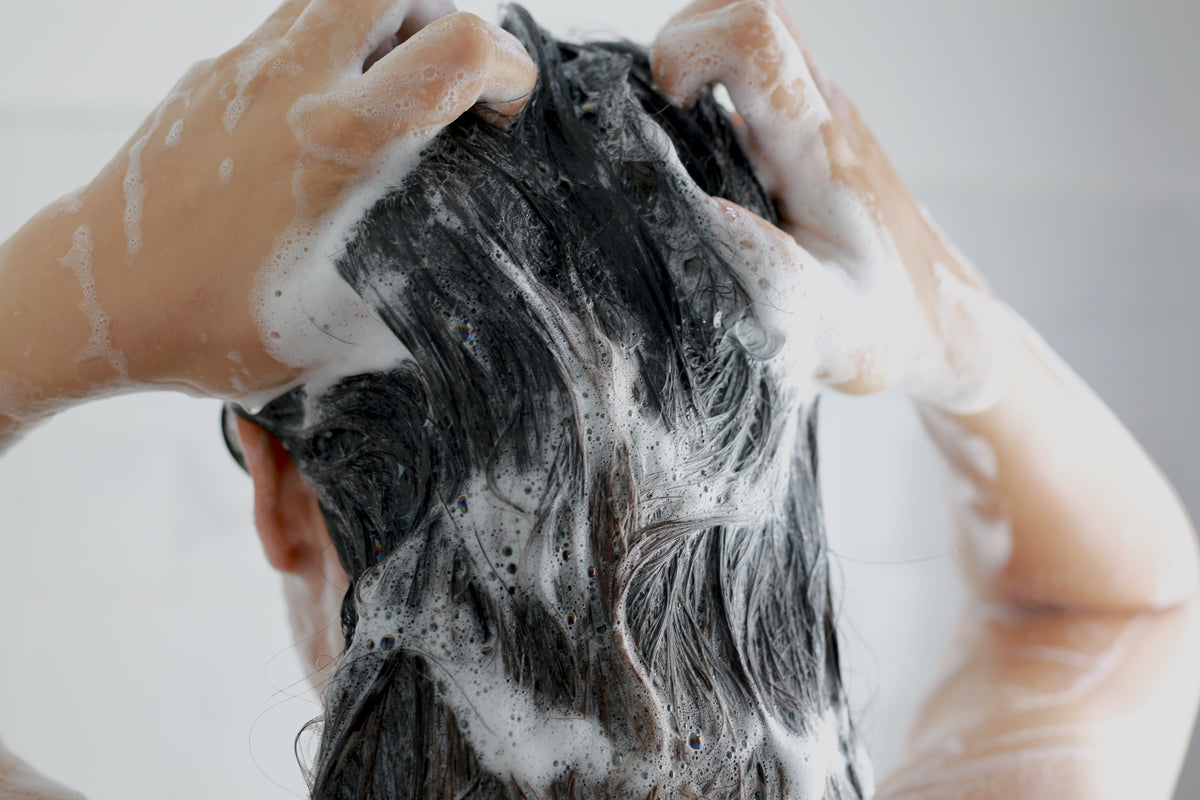
Shampoo: Usually found in a 1-2% salicylic acid concentration, this formula is best for people with dandruff or seborrheic dermatitis. It spreads over the scalp more evenly and can cover larger areas, and evidence shows that using it 1-2 times a week can reduce oil build-up.
-
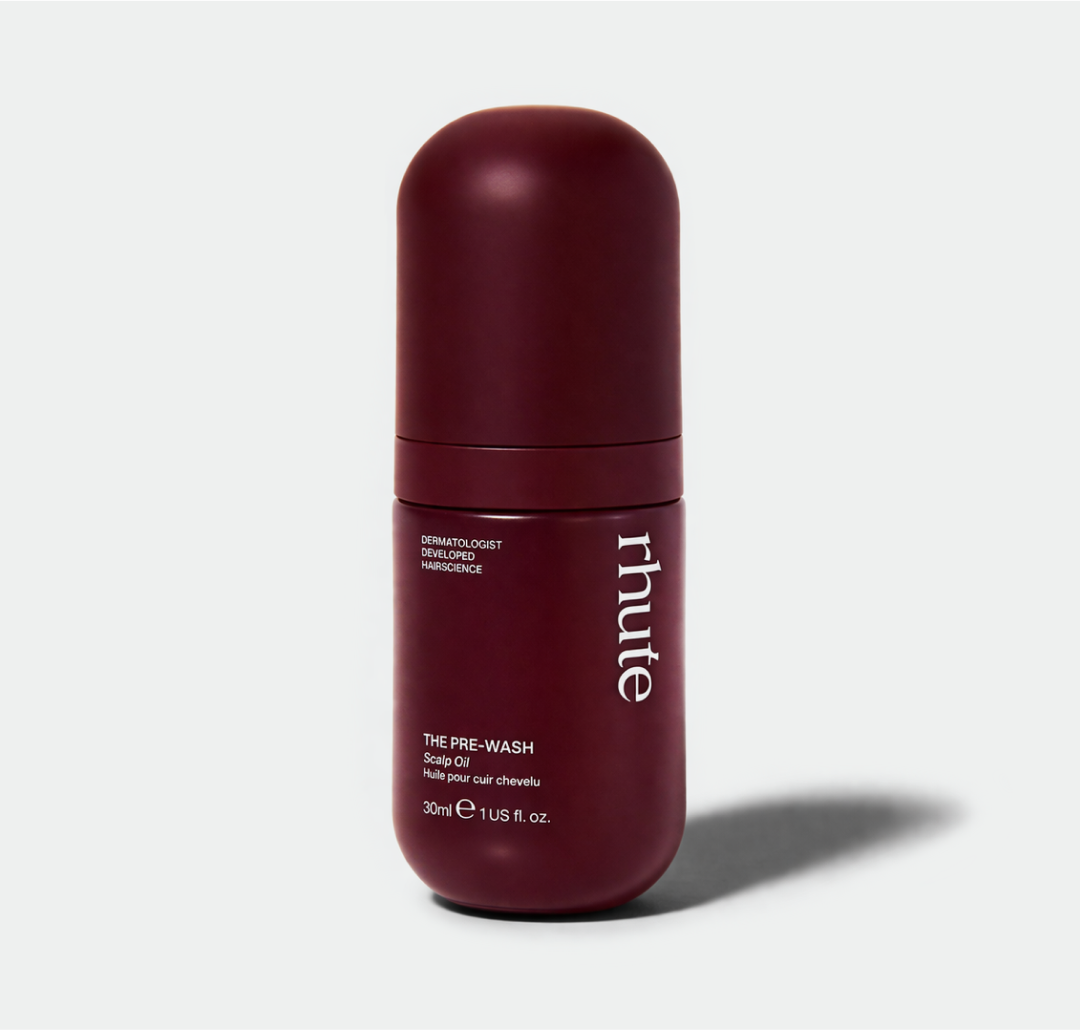
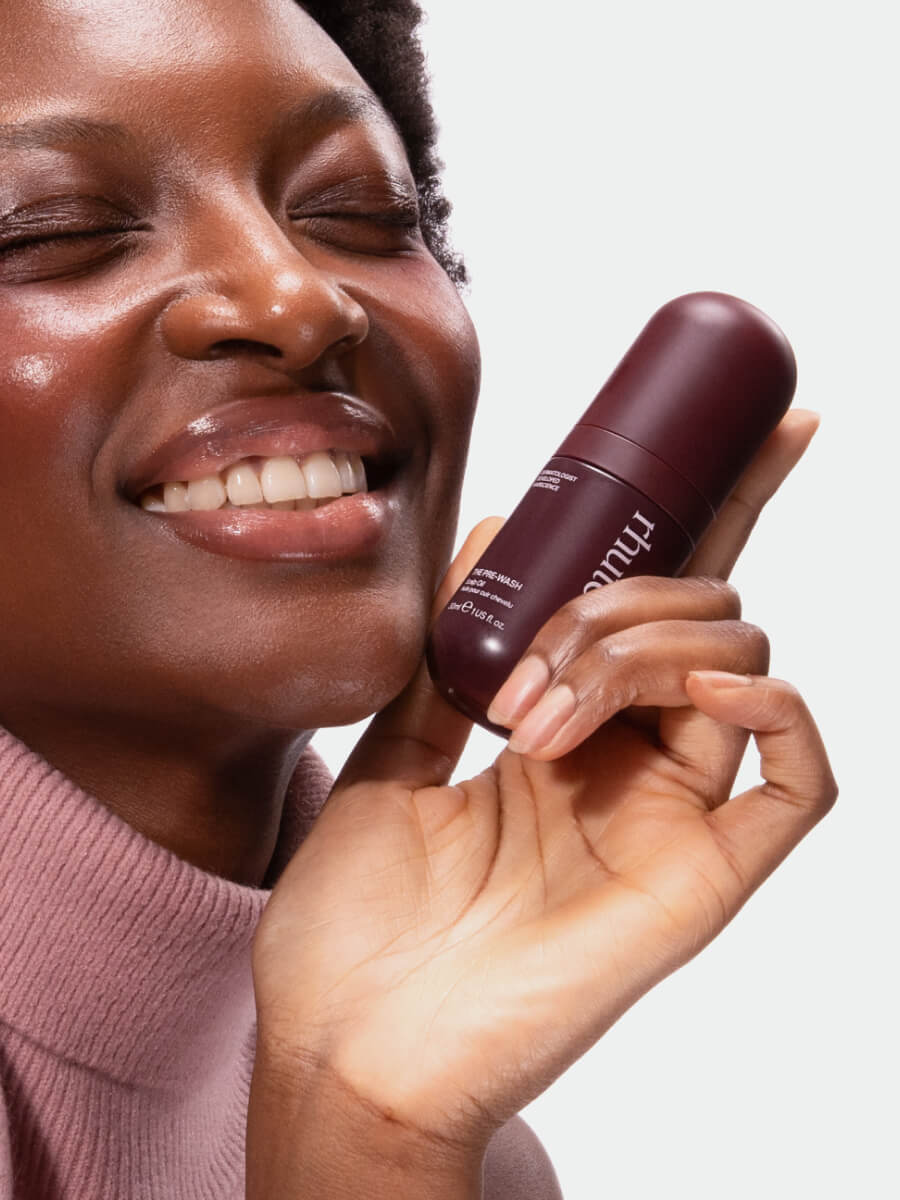
Pre-wash solution: These solutions are applied to the scalp before shampooing and left on for a few minutes before stepping into the shower. This way, the product has more time to break down build-up, oils or thick scaling, making your regular shampoo more effective.
-
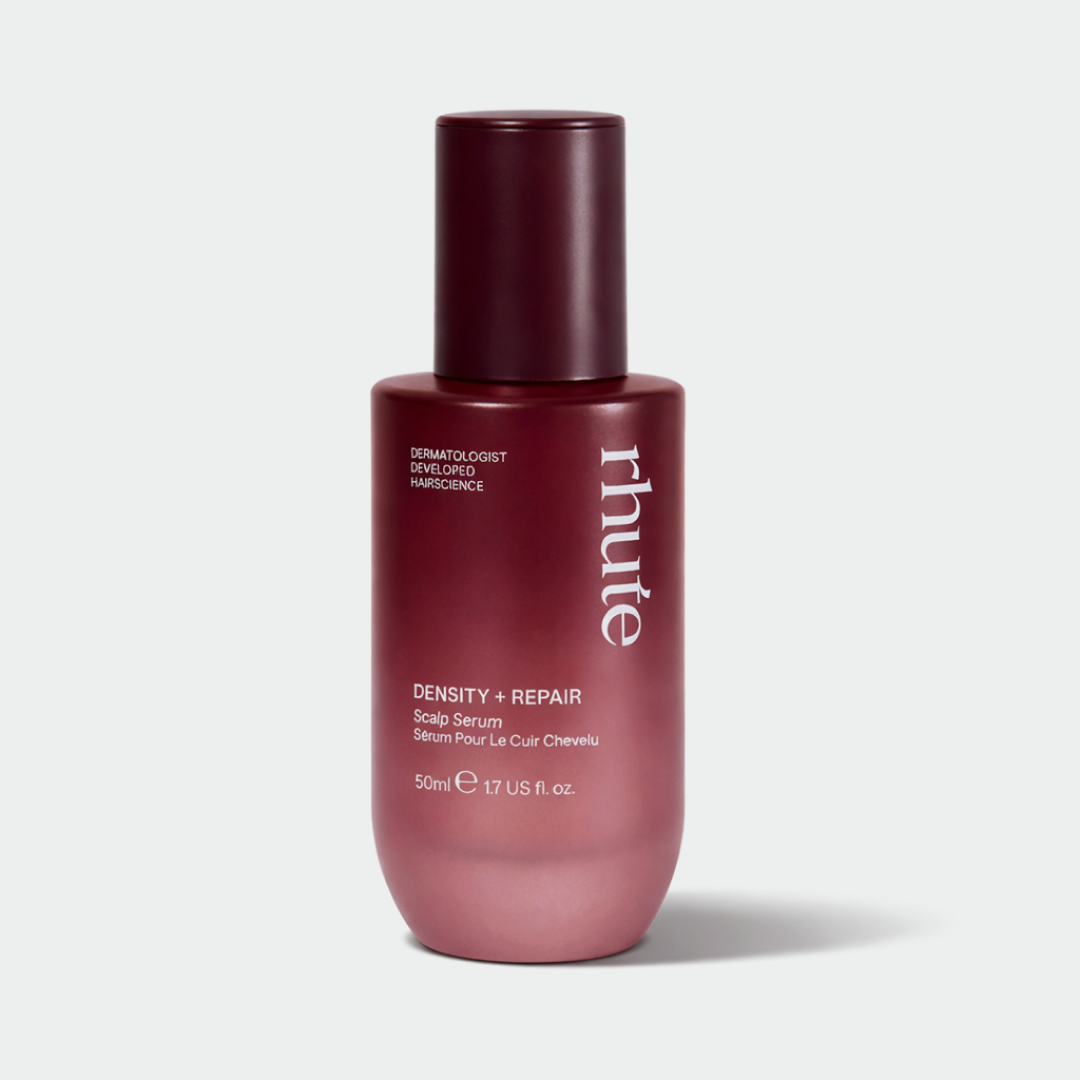
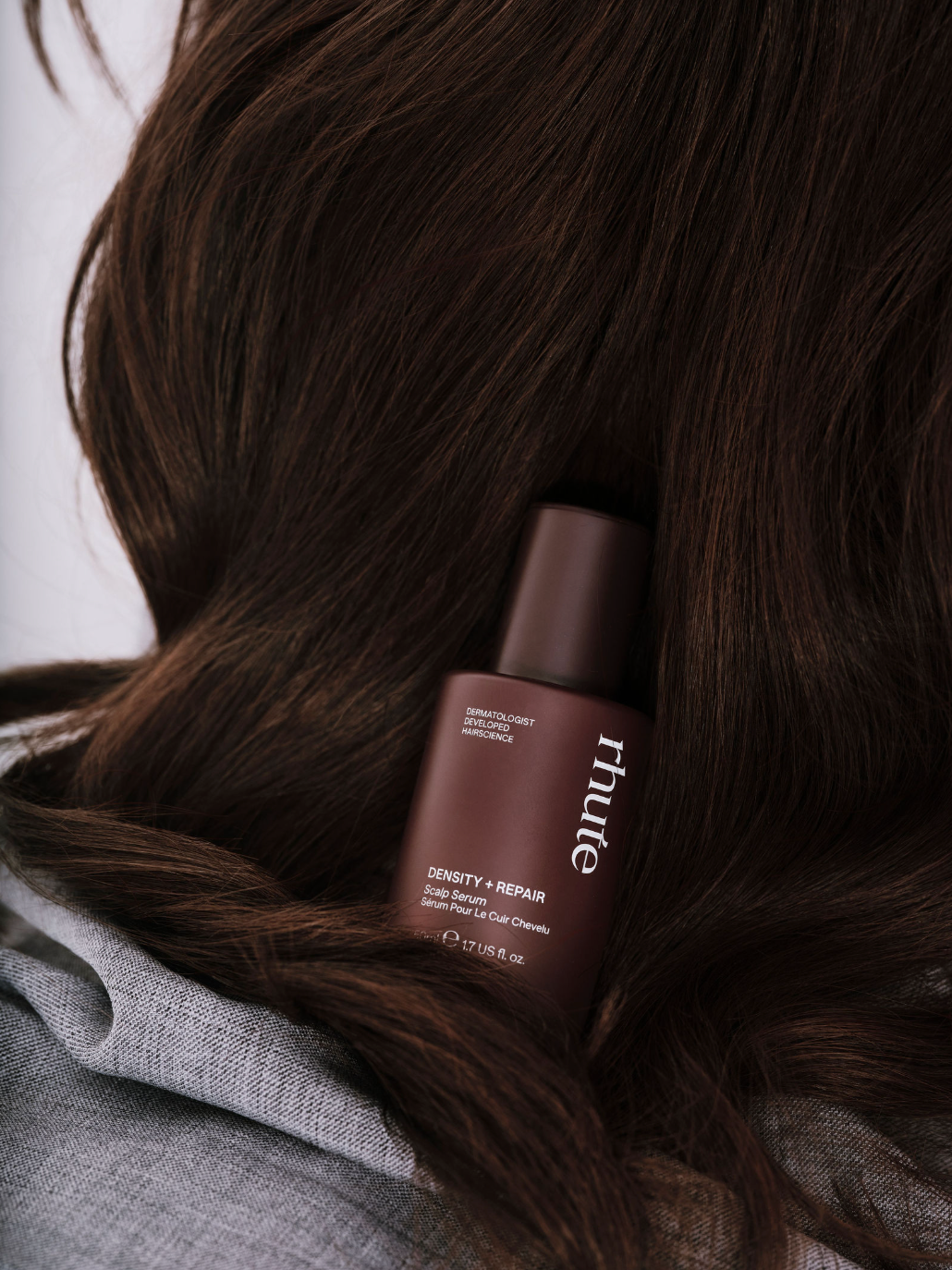
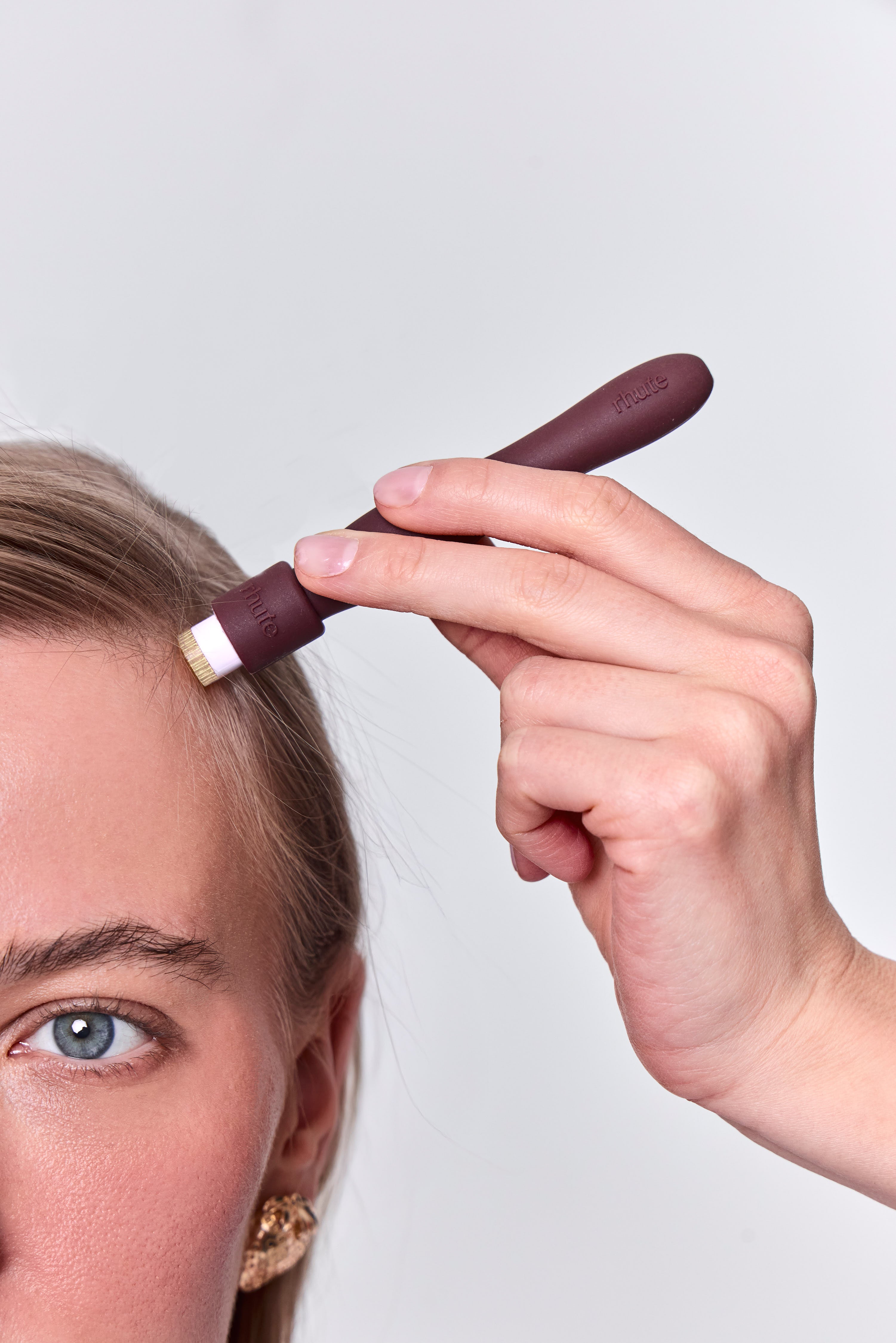
Leave-on serums: If you prefer leave-in treatments with a lighter formulation designed to stay for longer, a serum might be a better choice. The rhute Density & Repair serum contains salicylic acid, which helps to gently exfoliate, but also delivers nourishing and supportive ingredients for healthy growth!
-
Medicated treatments: These are usually prescribed and used for more stubborn conditions like scalp psoriasis or severe seborrheic dermatitis. Salicylic acid breaks down the thickened plaques, which enhances the penetration of other treatments. They are usually prescribed with antifungals or steroids.
With all these treatments, it remains important not to overdo it. Using salicylic acid too frequently or in high concentrations can also irritate the scalp and disrupt its natural barrier by “over-drying it”. For specific products like pre-wash serums or leave-in formulas, always read the recommended instructions!
Final Thoughts: Building a Healthy Scalp Routine
Salicylic acid is more than a cosmetic ingredient; it is a powerful scalp cleanser that helps keep the scalp clear, balanced, and healthy.
By reducing unwanted building and other excessive oil, it helps create the right environment for your follicles to function at their best. Introducing it into your routine and pairing it with nourishing treatment could be a game-changing option for you!
This will allow your scalp not only to stay clean but also to be part of a routine that goes beyond surface-level and truly supports your long-term hair health goals.
For All Your Haircare Questions & Answers - Check Out rhute
At rhute, our mission is to help you feel truly confident in your hair - whether that means understanding what’s behind the changes you’re noticing or discovering products that nurture stronger, healthier growth.
Got a topic you’d love us to dive into next? Share your thoughts in the comments - we always love hearing from you. And if you’re looking for more expert insights and hair care know-how, head over to our blog page for everything you need to keep your hair looking and feeling its best at every stage.