
We all know that a good night’s sleep can cure a multitude of ills. But when it comes to your hair - did you know that poor sleep hygiene and improper rest can result in unhealthy hair? That’s right, even your sleep can affect your hair, its cycle, and how it grows.
So just what does science say about hair and sleep? And how does lack of sleep lead to hair loss? We look at these questions and more in our blog below, as well as ways you can improve the relationship between your hair and your sleep hygiene…
The Hair Growth Cycle & Why Rest Matters
Your hair grows in a continuous cycle. This cycle is made up of three phases: anagen (growth), catagen (transition), and telogen (rest). A healthy balance between these stages is essential for maintaining strong, consistent growth.
As well as the above, sleep plays a crucial role in regulating this cycle. During deep rest, the body works hard to repair tissue and balance hormones - all of which directly support healthy hair follicles. So if you don’t get adequate sleep, or are frequently disturbed whilst you try to, these restorative processes are disrupted. Consequently, strands are more vulnerable to damage, shedding, and slower growth.
What The Science Says About Sleep & Hair Health
Growing research shows a strong connection between sleep quality and hair health. As poor sleep is linked to increased stress hormones, inflammation, and weakened immunity, this can influence your rate of hair growth and retention.
Studies also suggest that sleep disturbances can accelerate certain hair loss conditions or make existing thinning more noticeable. Whilst sleep alone may not be the sole cause of hair loss, it plays a key role in ensuring the hair has a healthy environment where it can thrive.
How Does Lack of Sleep Lead to Hair Loss?
Hormonal Disruption
Without proper sleep, the body's primary stress hormone cortisol rises. This elevation of cortisol can push hair follicles prematurely into the shedding (telogen) phase, so an increase in noticeable hair fall occurs. Over time, chronic sleep deprivation can make this cycle repeat more frequently, giving the appearance of thinning.
Reduced Repair & Nutrient Flow
Nighttime is when your body focuses on repairing itself - and distributing nutrition. Lack of sleep limits the amount of oxygen and essential nutrients delivered to the scalp. Without this support, follicles may weaken, leading to slower growth and increased fragility. The result? Duller looking strands.
Inflammation & Immune Effects
Without proper sleep - your immune system can become compromised because inflammation can increase throughout the body. Because of this heightened inflammatory response, existing scalp concerns and autoimmune-related hair issues can become more aggravated and more prone to flare-ups.

What Are Some Signs Sleep Is Causing Hair Loss?
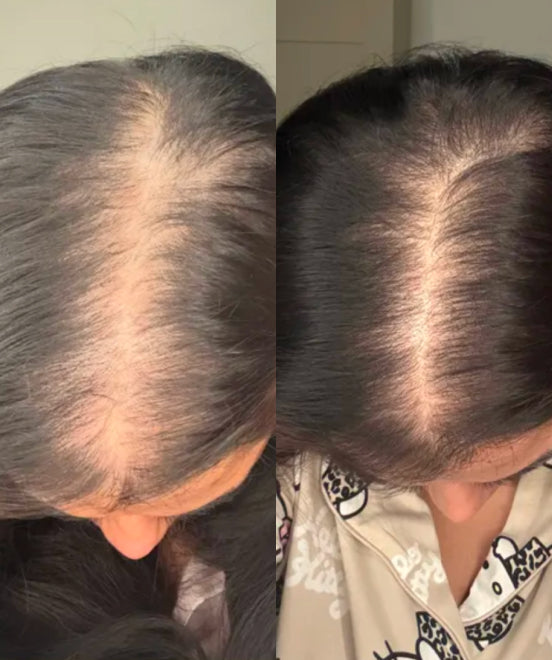
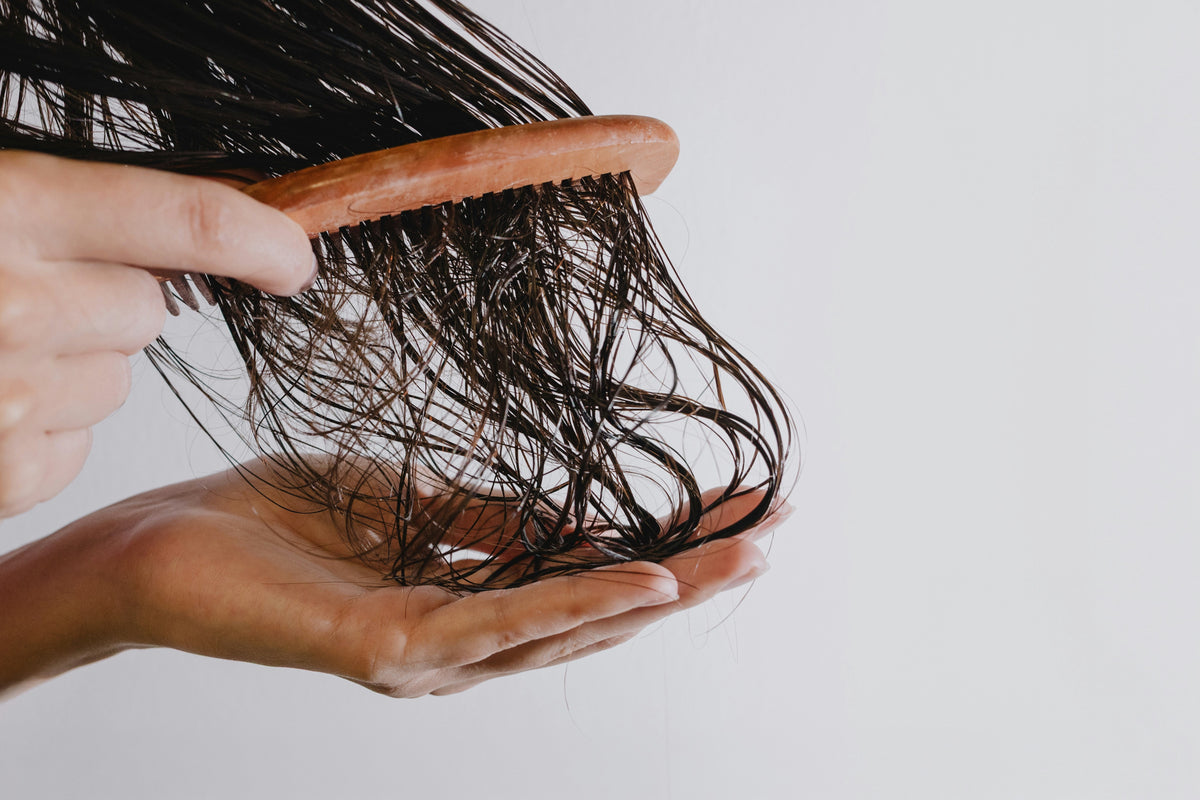
When we think about hair loss and sleep - we might be inclined to believe it looks like patches of baldness all over the scalp. In reality, hair loss linked to poor sleep often appears as diffuse hair shedding.
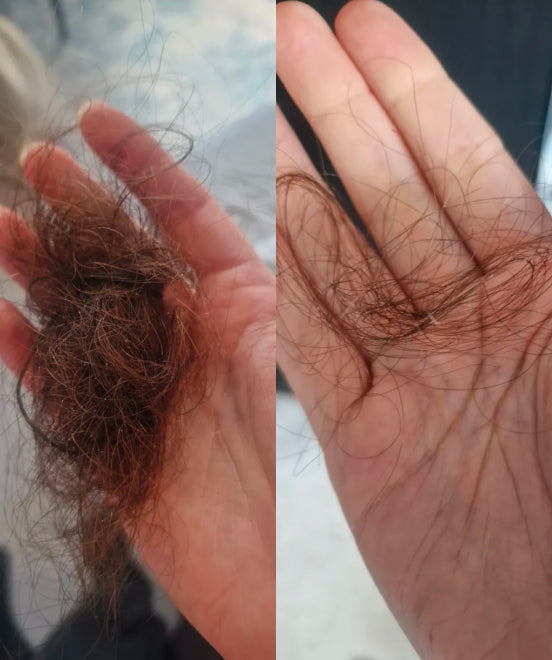
For example, you may notice increased hair on your pillow, in the shower, or on your brush. Other signs include:
-
Lacklustre strands
-
Increased breakage
-
A drier or more sensitive scalp; and
-
A general slowdown in hair growth
These changes typically coincide with periods of stress, disrupted sleep, or irregular sleep patterns.
What Can You Do To Improve The Relationship Between Sleep & Hair Health?
Improve Sleep Hygiene
Keep it simple and start with the basics. Ideally, you want to aim for 7-9 hours of sleep each night. Ensure you stick to a consistent bedtime, and create a calming wind-down routine. For example, you can read a book or listen to a podcast before bed.
Minimising screen time before bed, keeping your room cool and dark, and avoiding caffeine late in the day can also enhance sleep quality. These habits help regulate your circadian rhythm, supporting the body’s natural repair processes.
Implement Proper Haircare & Lifestyle Support
Healthy hair doesn’t come from sleep alone. Consider your daily habits too. Pair good sleep with a balanced diet, hydration, stress-management techniques, and a gentle haircare routine.
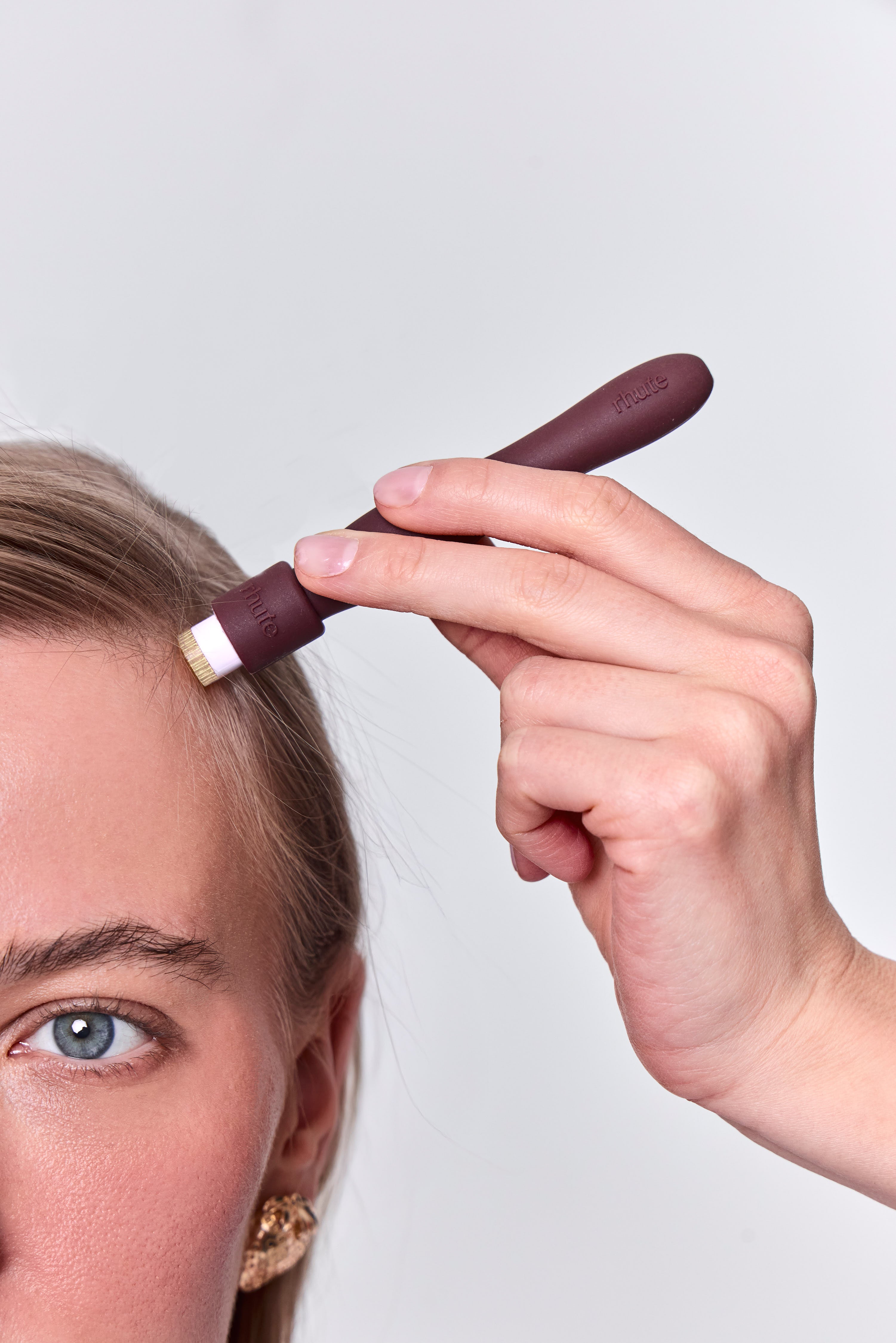
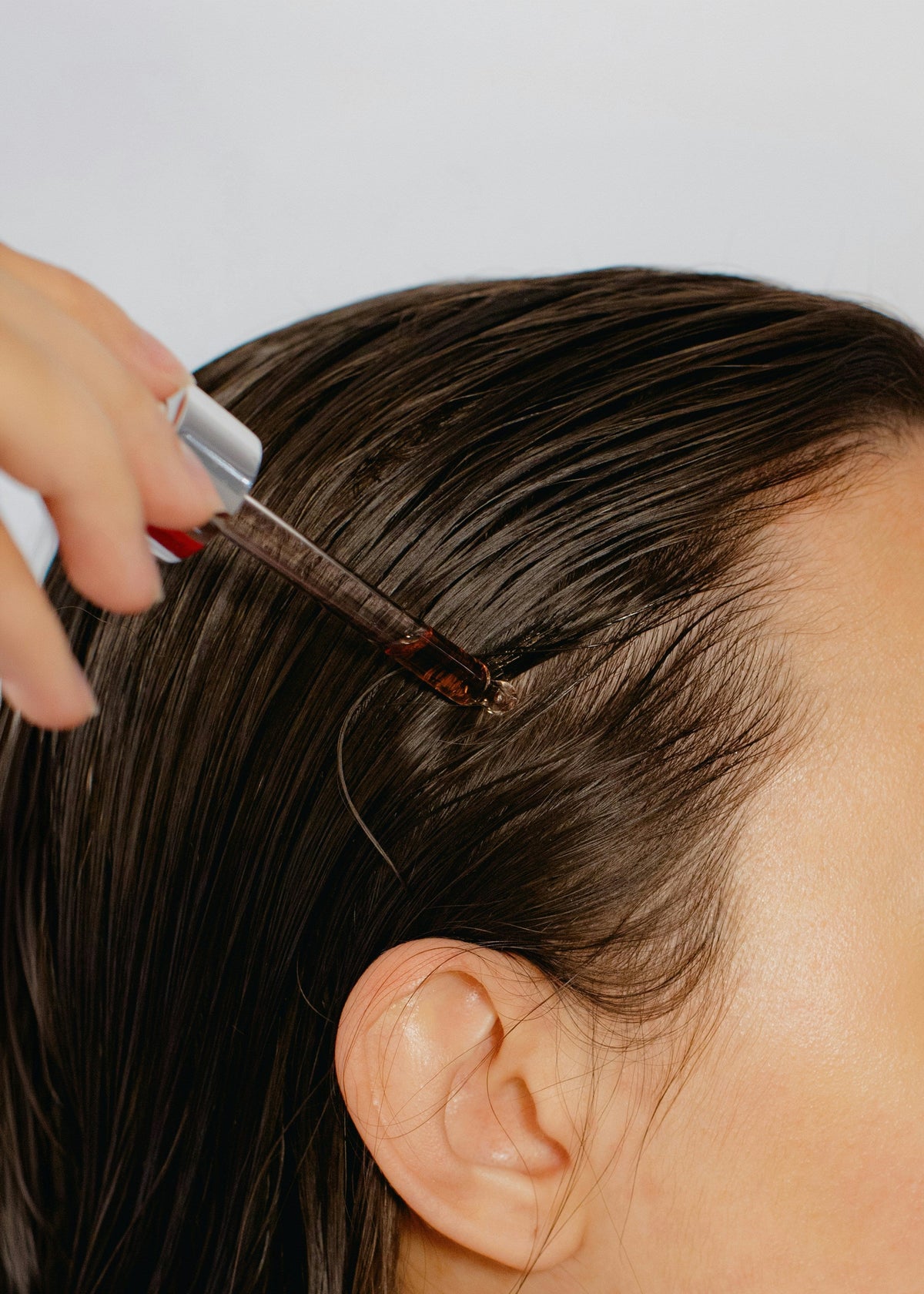
Regular scalp care, strengthening treatments, and avoiding excessive heat damage can all help improve resilience whilst your sleep patterns improve.
Be Patient & Consistent
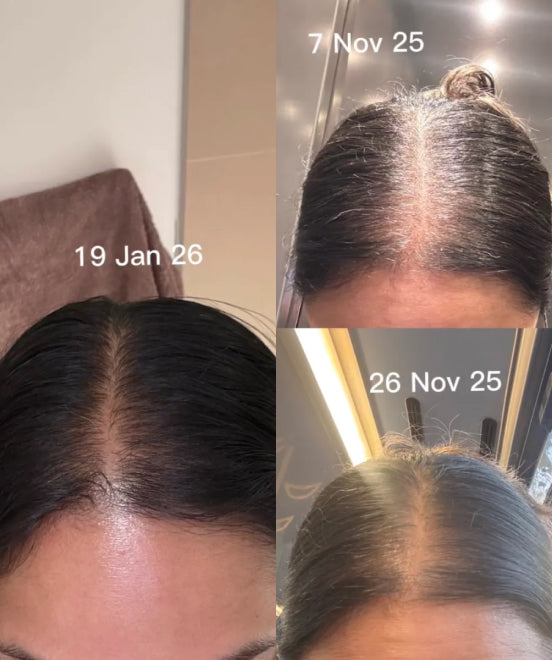
Hair growth takes time. Even with better sleep, visible improvements may take several months due to the natural pace of the hair cycle (it’s best to look out for improvements after three months).
Consistency is key - both in your sleep habits and your haircare routine. Over time, improvements in rest can lead to stronger, fuller, and healthier-looking hair.
Begin Your Path to Stronger, Healthier Hair - Join rhute Today
Quality sleep doesn’t have to be an afterthought - when prioritised, it can support stronger, healthier hair from the inside out. The key is understanding what your body needs and staying consistent with your rest routine.
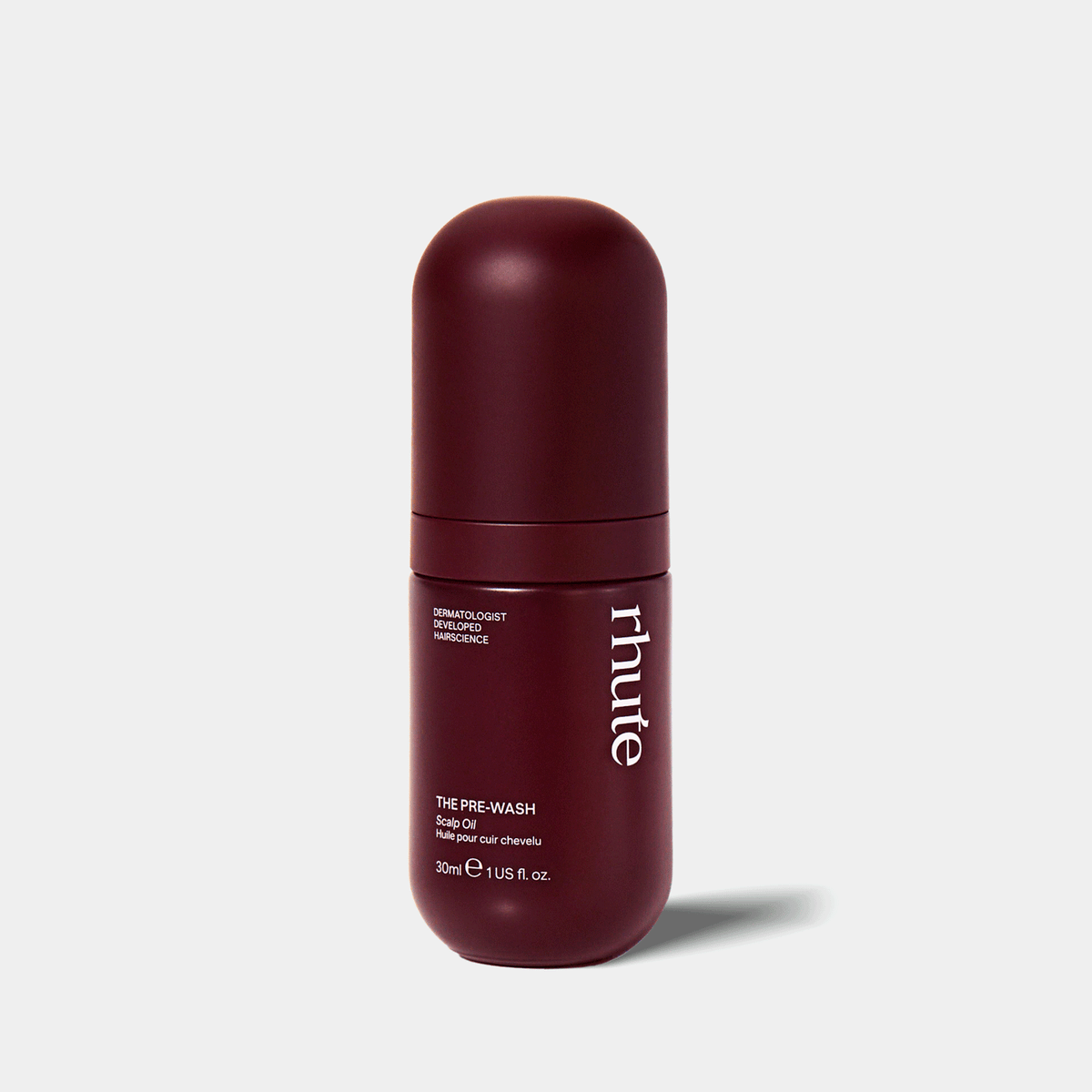
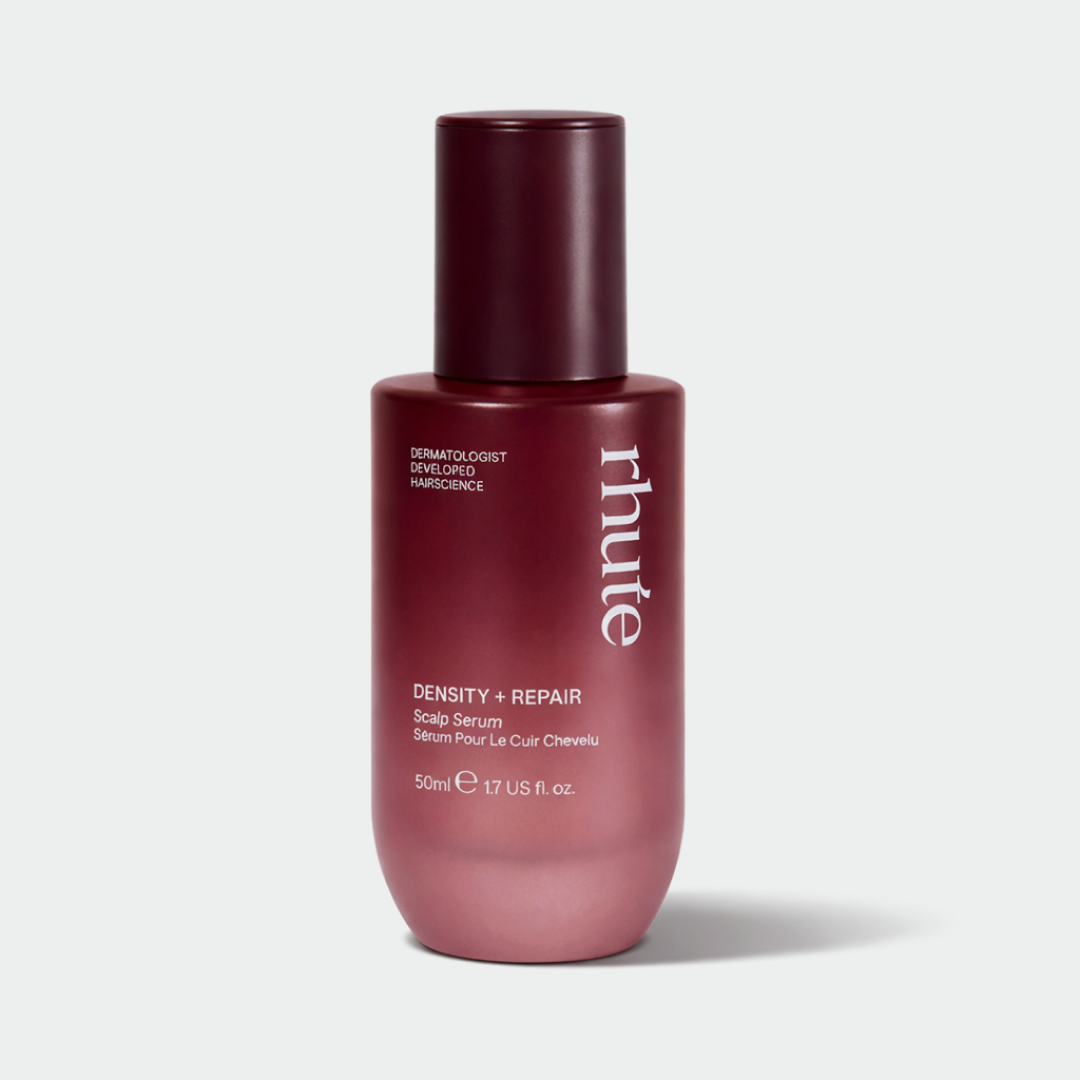
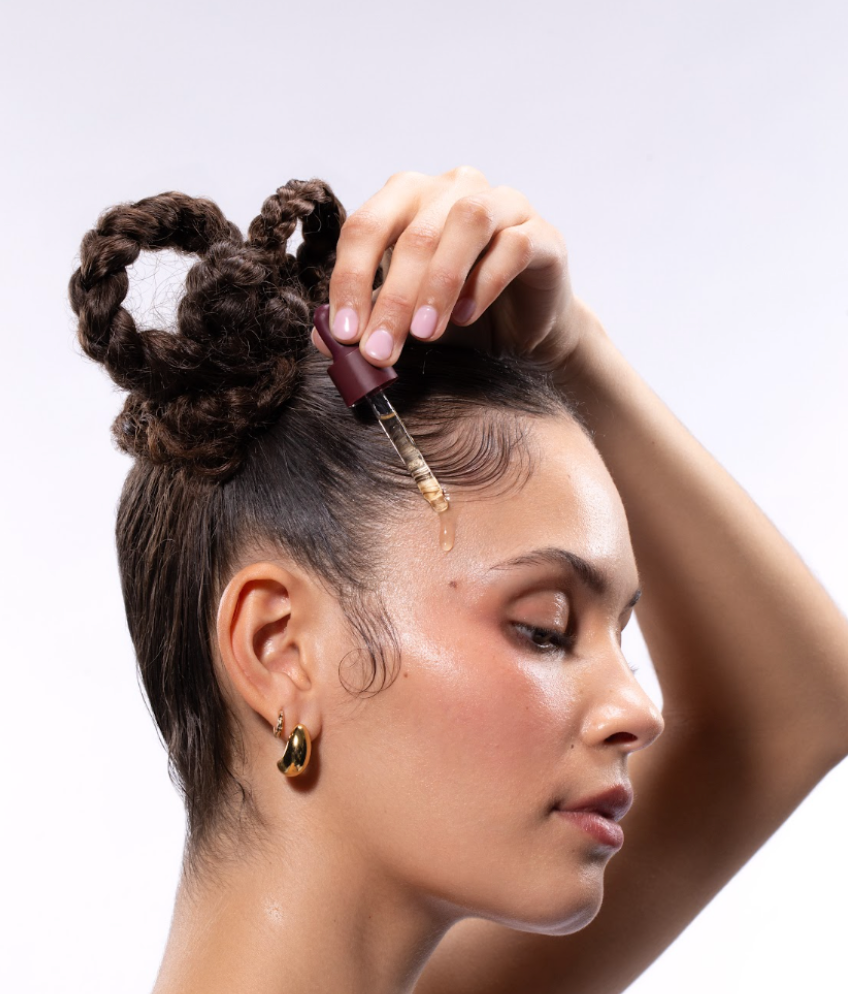
Want to improve your hair from root to tip? Explore rhute’s Density and Repair Hair Serum, and for more expert-backed guidance, visit our blog for insights on all things hair health and wellness.
Sleep & Hair Health: FAQs
Can sleep position affect my hair?
Yes - the way you sleep can influence the condition of your hair. Sleeping on one side every night can cause friction between your hair and the pillowcase, leading to breakage, frizz, or tangles.
If you move a lot during sleep, the repeated rubbing can intensify these effects. Over time, this friction can make hair appear rougher or thinner at the ends, especially for those with textured or fragile strands.
Is a silk or satin pillowcase worth it?
For many people, absolutely. Silk and satin pillowcases create far less friction than traditional cotton, helping to minimise breakage and reduce frizz, as well as keeping your hairstyle intact overnight.
As they have a smoother surface, silk and satin pillow cases allow hair to glide rather than snag, which can make a noticeable difference in the long-term health of your strands. They’re particularly helpful for curly, coily, or fine hair - but in reality, any hair type can benefit from the gentler surface.