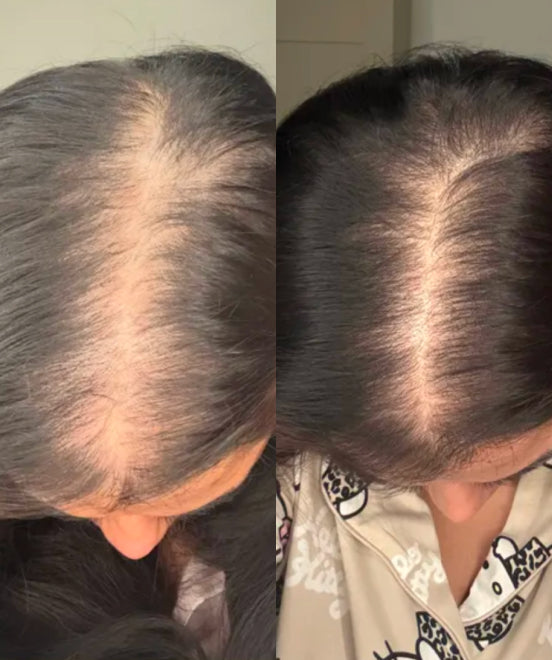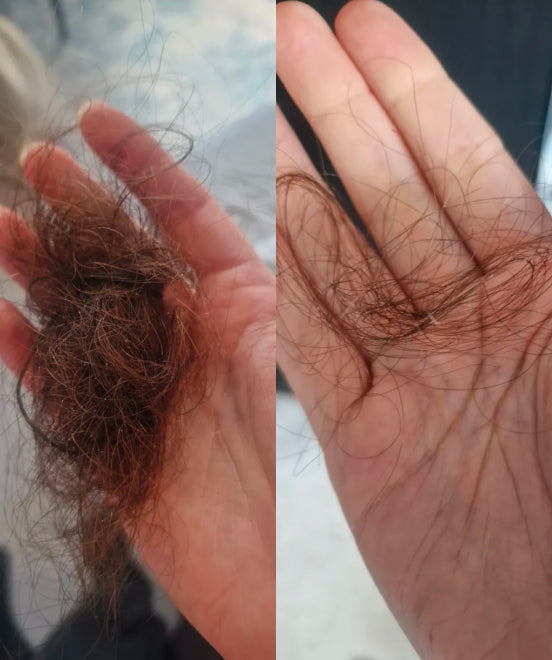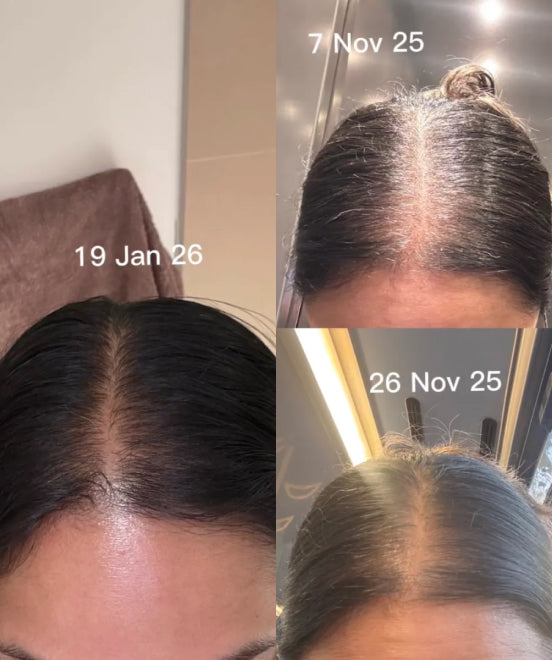

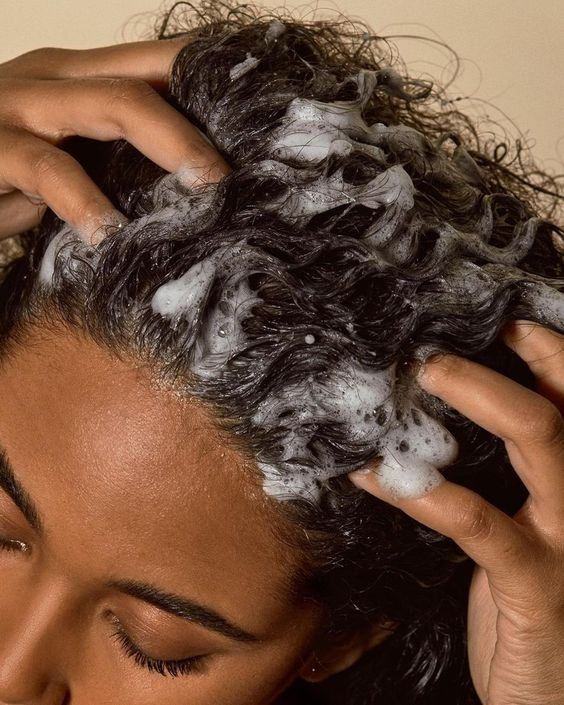
The health of your hair is inextricably linked to the health of your scalp, which serves as the essential incubator for every hair follicle before it becomes a luscious lock! Research shows that factors like oxidative stress and the proliferation of the Malassezia organism can compromise this precious incubator contributing to problems like premature hair loss (even in the absence of obvious underlying scalp disease!).
Hair care products and serums are only effective when they can reach their intended site. This isn’t always possible when they don’t address buildup of dead skin cells, excess sebum aka oil, and residual products that can accumulate and further stress the scalp. Exfoliation emerges as a critical next step in your complete haircare regimen, moving beyond simple washing to physically renewing the surface for optimal hair health and growth.
Effective exfoliation is an art, and we’re here to tell you the science…
What is Scalp Exfoliation?
It’s best to think of scalp exfoliation as an added level of TLC in your hair routine - just like you’d give your face as a part of your everyday skincare.
Throughout a long period of time, products, oils, and dead skin cells accumulate on your scalp - and can get in the way of healthy hair growth. Exfoliating the scalp removes this build up, so your scalp can absorb nutrients from your favourite haircare products, whilst also restoring and maintaining a clean balance.
If you want to begin exfoliating your scalp - aim to do it at least once a week. If you have an oilier scalp, you might want to do it twice a week instead.
How Scalp Exfoliation Works: What The Science Says
When exfoliating your body, the visible flakes you see rinsing away are primarily dead skin cells and product residue. Often, that is an accumulation of sweat, products and the top layer of your skin (the epidermis), shedding to make way for renewed skin cells to uncover. Exactly the same thing happens within your scalp; it is in a consistent state of desquamation, or cell turnover. These terms both mean that the body is shedding dead skin cells.
The scalp is full of hair follicles, which are each attached to sebum-producing glands called sebaceous glands. Sebum is an oil-like component and provides moisture to the hair and scalp. When the sebum gathers, it can accumulate with the corneocytes (dead skin cells) and contribute to hardened buildup.
Over time, if we don’t address this, it can lead to inflammation, itchiness and other unwanted problems. Not so cute. A particular issue that could be triggered from untreated build up is Seborrhoeic Dermatitis of the scalp, which is when yeasts like Malassezia can overgrow in excess and cause redness, itching, and extra dandruff.

The Different Types of Exfoliation
Scalp exfoliation addresses these issues caused by product build up in various ways. Let’s understand first the different types of exfoliation and then the evidence-based research behind them.
Physical Exfoliation
Physical exfoliation is a type of exfoliation that most people are likely aware of. It involves the use of physical particles in an abrasive agent, often with particles in them sold as ‘scalp scrubs’. These are massaged in and manually lift debris and dead skin flakes.
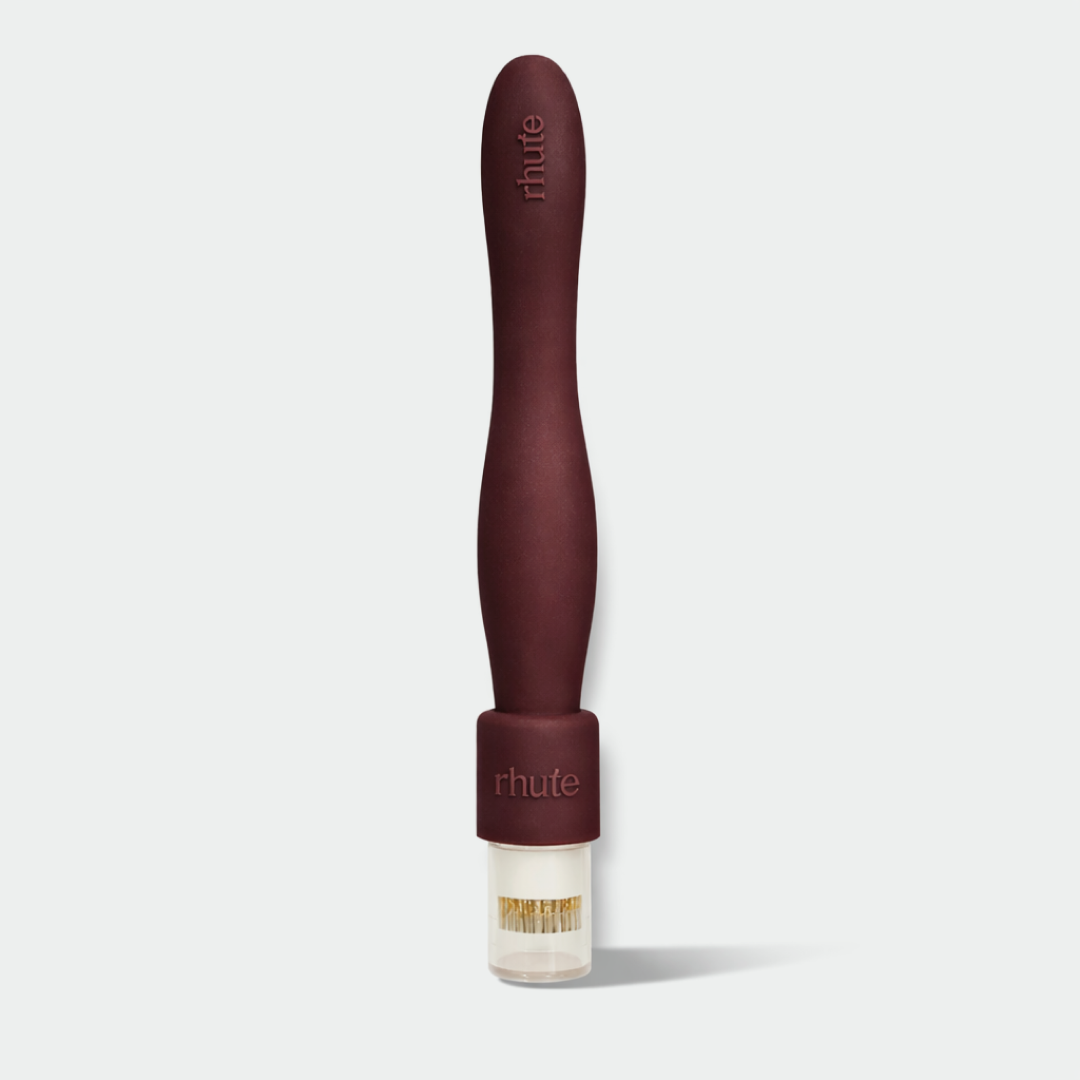
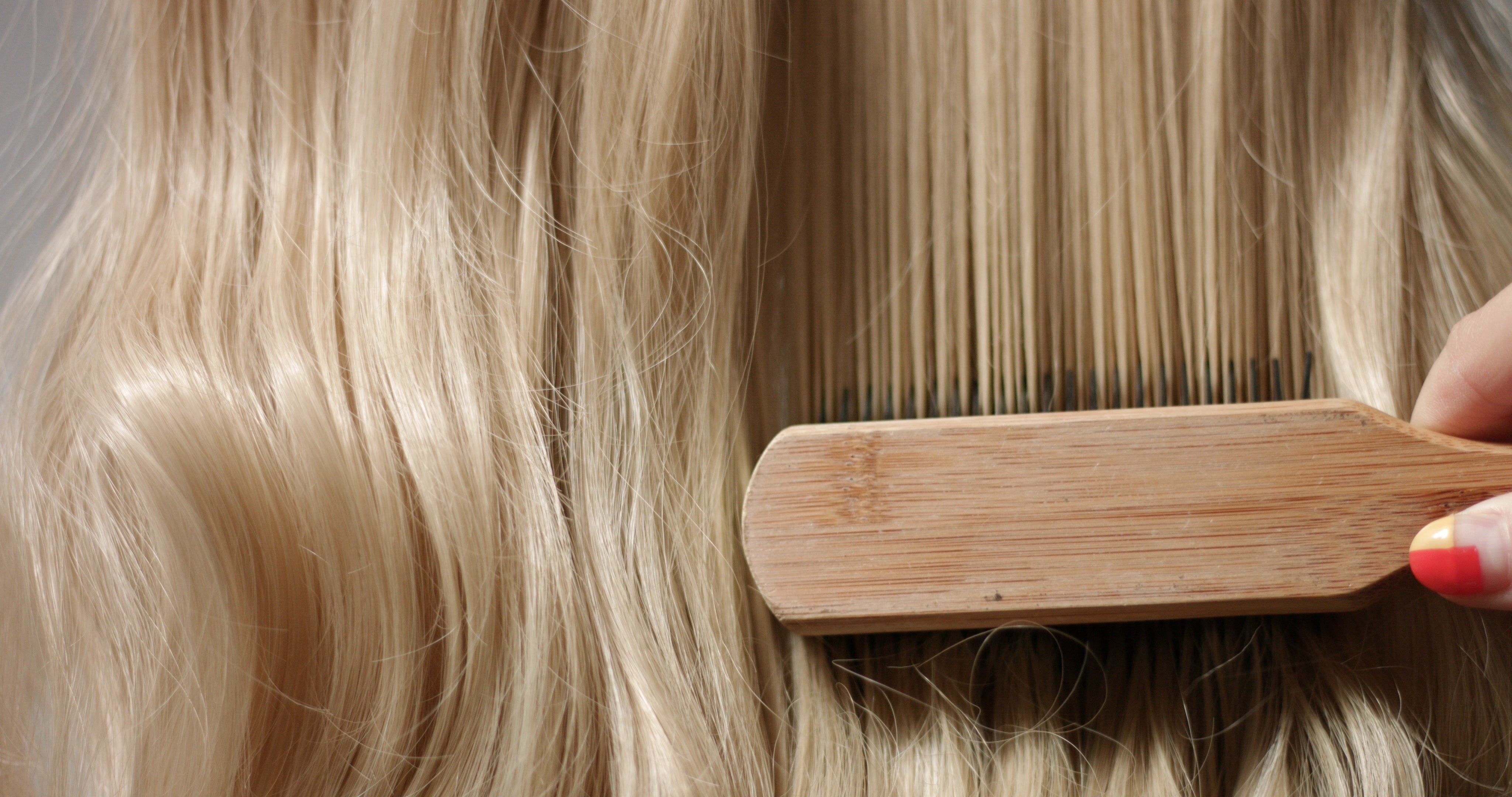
Social media has recently popularised some trends like drybrushing, with origins in Ayurvedic medicine and practised in East Asia, where a natural, coarse brush is used on dry skin to exfoliate, but also some anecdotal claims of increasing blood cell circulation and lymphatic drainage in the body.
There are multiple studies that show increased hair growth or density after regular scalp massage, though the studies are done in small groups and in various contexts. One study showed that 4 minutes of standardised scalp massage showed increased hair thickness at 24 weeks.
Chemical Exfoliation
Chemical exfoliation is the use of specific compounds in a hair serum or product, which dissolves the bonds held together by corneocytes. This then allows the build up to be washed away without having to use a traditional scrubbing technique with a physical exfoliant.
Chemical exfoliants to look out for:
-
Alpha-Hydroxy Acids (AHAs): This refers to glycolic acid and lactic acid. Glycolic acid is a particularly small compound, allowing it to effectively penetrate the stratum corneum, aka the outermost layer of skin, to break down the "glue" between cells. This promotes a normal shedding cycle and increases hydration. This is often an ingredient in toners or products used on the body.
-
Beta-Hydroxy Acids (BHAs): This includes salicylic acid. Crucially, salicylic acid is oil-soluble, which is a HUGE advantage for scalp health care. This is because it can penetrate into the oil-rich sebum on your scalp, and therefore be effective at removing the mixture of oil and dead skin (as well as the dry shampoo you’ve been using for too many days in a row). Salicylic acid has well-documented anti-inflammatory properties, making it highly effective for calming irritated, dandruff-prone scalps and suitable for those suffering from conditions such as Seborrhoeic Dermatitis.
A Dermatologist’s Guide to Scalp Exfoliation
Guided by Dr Aamna Adel, founder of rhute and consultant dermatologist specialising in hair health, these are the practices to gain a healthy, build-up-free, well-exfoliated scalp and hair:
-
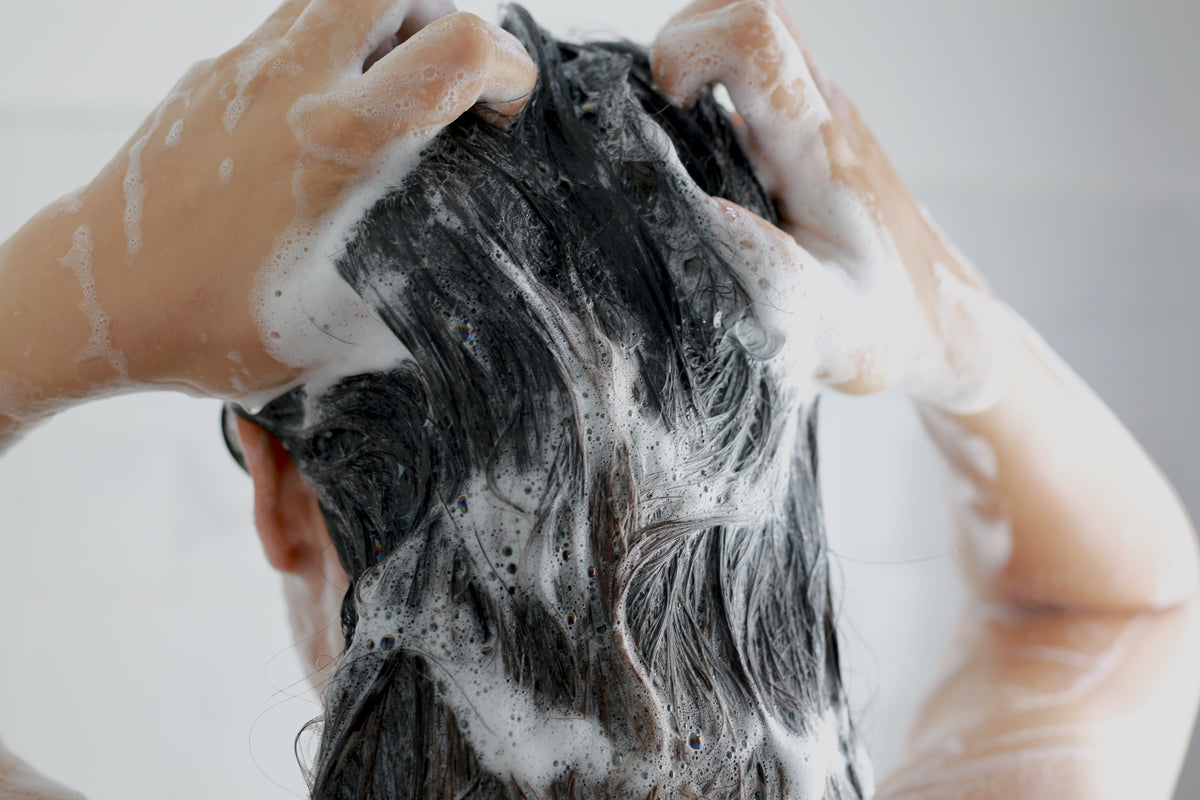
Double cleansing with a clarifying shampoo: "Regular shampoo simply won’t cut the mustard…or the hair pomades, sprays and gels. Ultimately, they will cause those hair follicles to clog up. Look out for clarifying shampoos with ingredients such as apple cider vinegar and charcoal, and use it once a week, applying and washing twice. Double cleansing is not just for your face!”
-
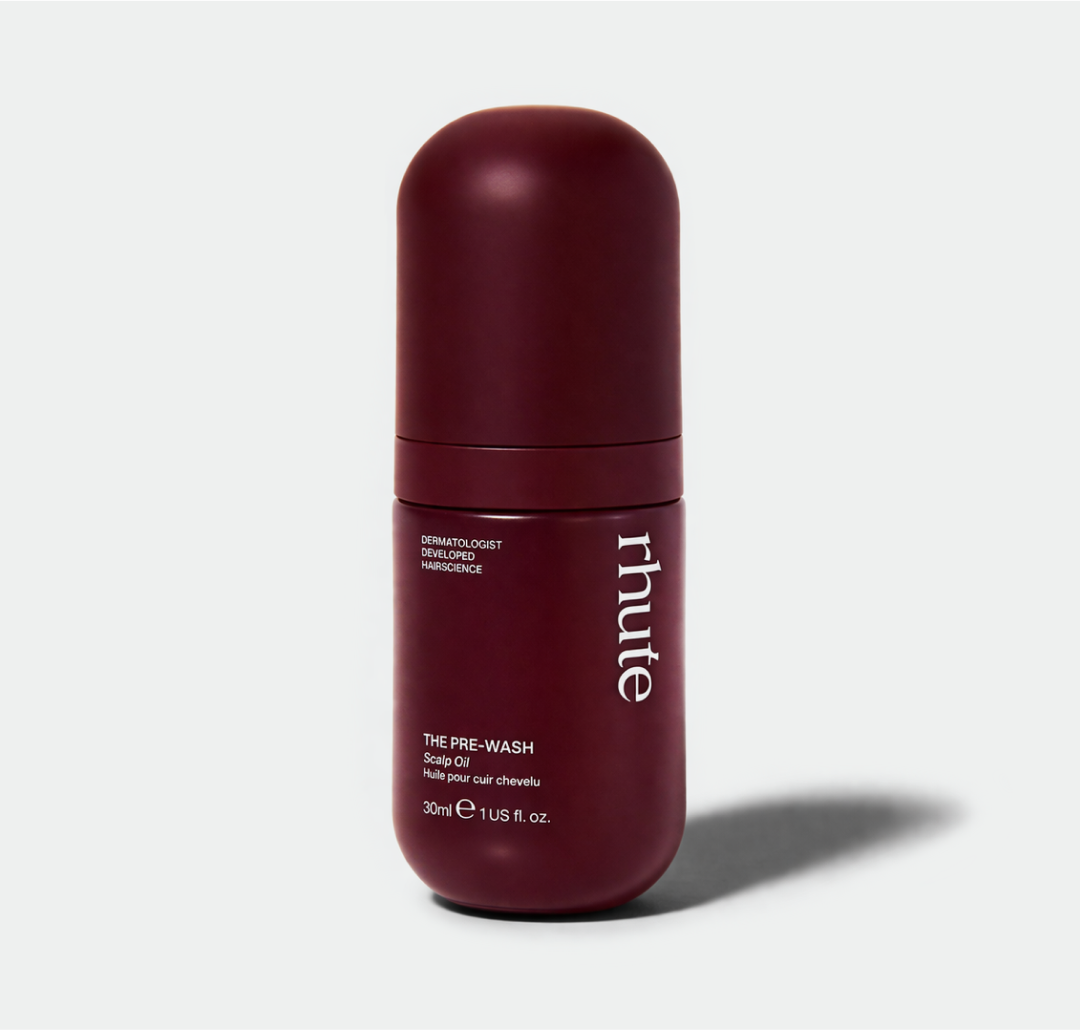
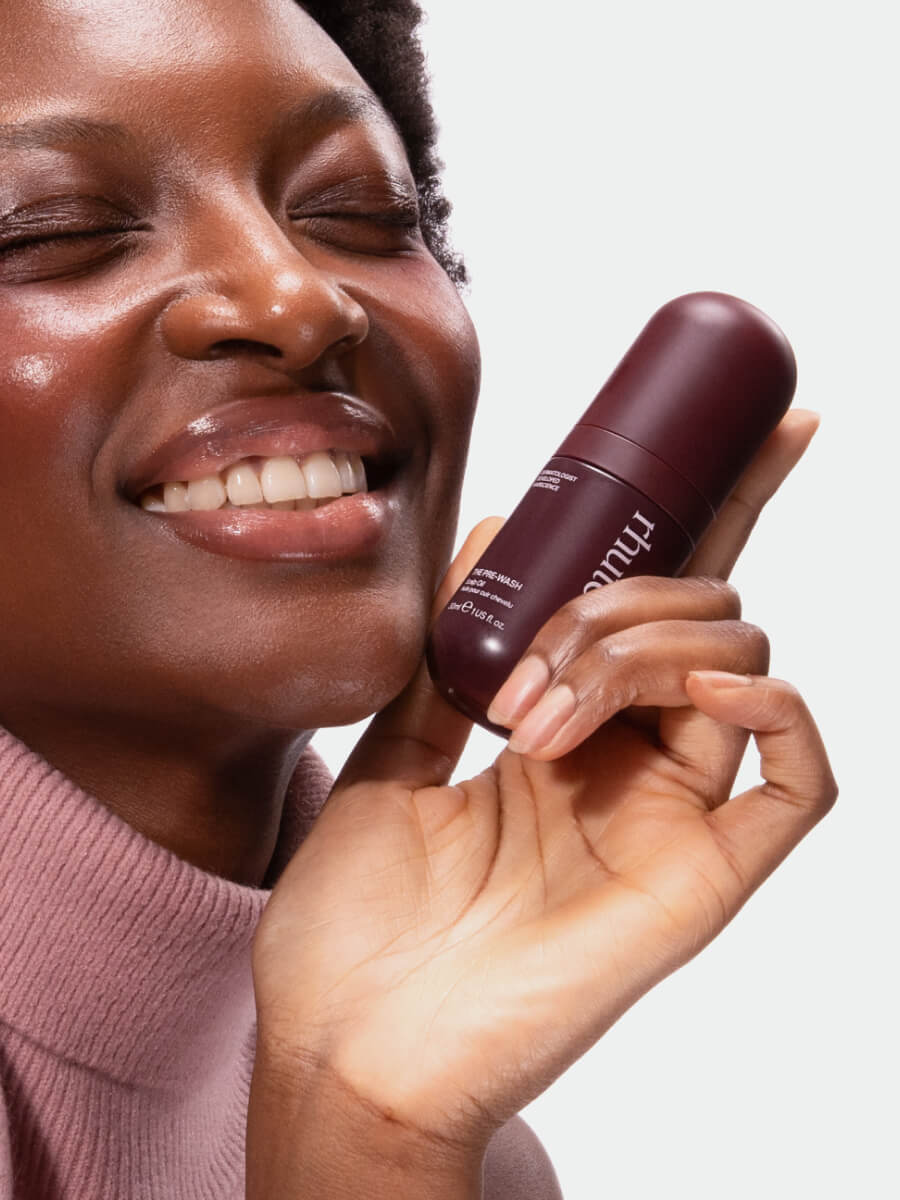
Pre-Wash scalp treatment: "Look out for products with salicylic acid or glycolic acid, which will gently exfoliate any of the flaky dead skin cells, but will also reduce the amount of sebum and oil that you can apply 10-15 minutes before hopping into the shower.”
-
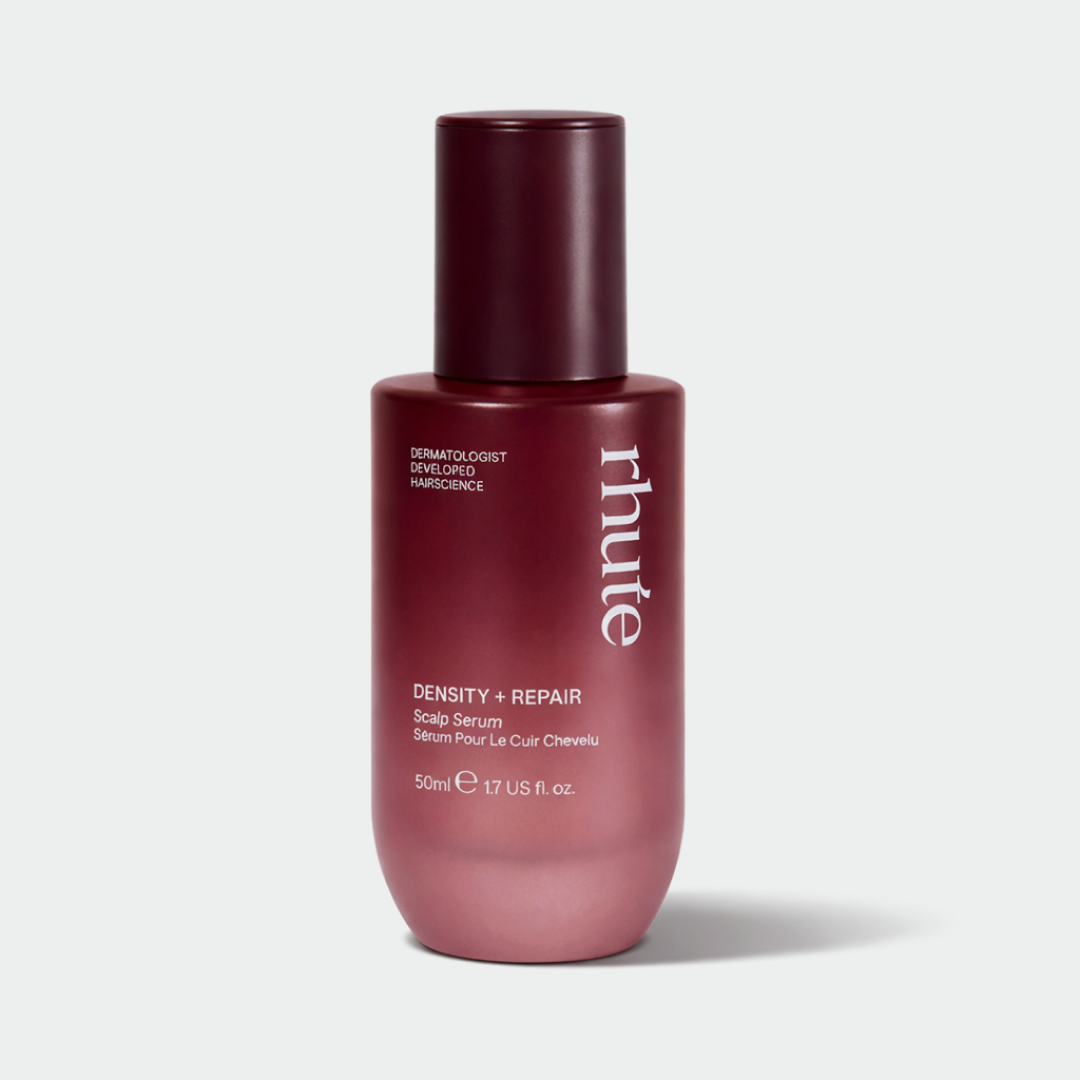
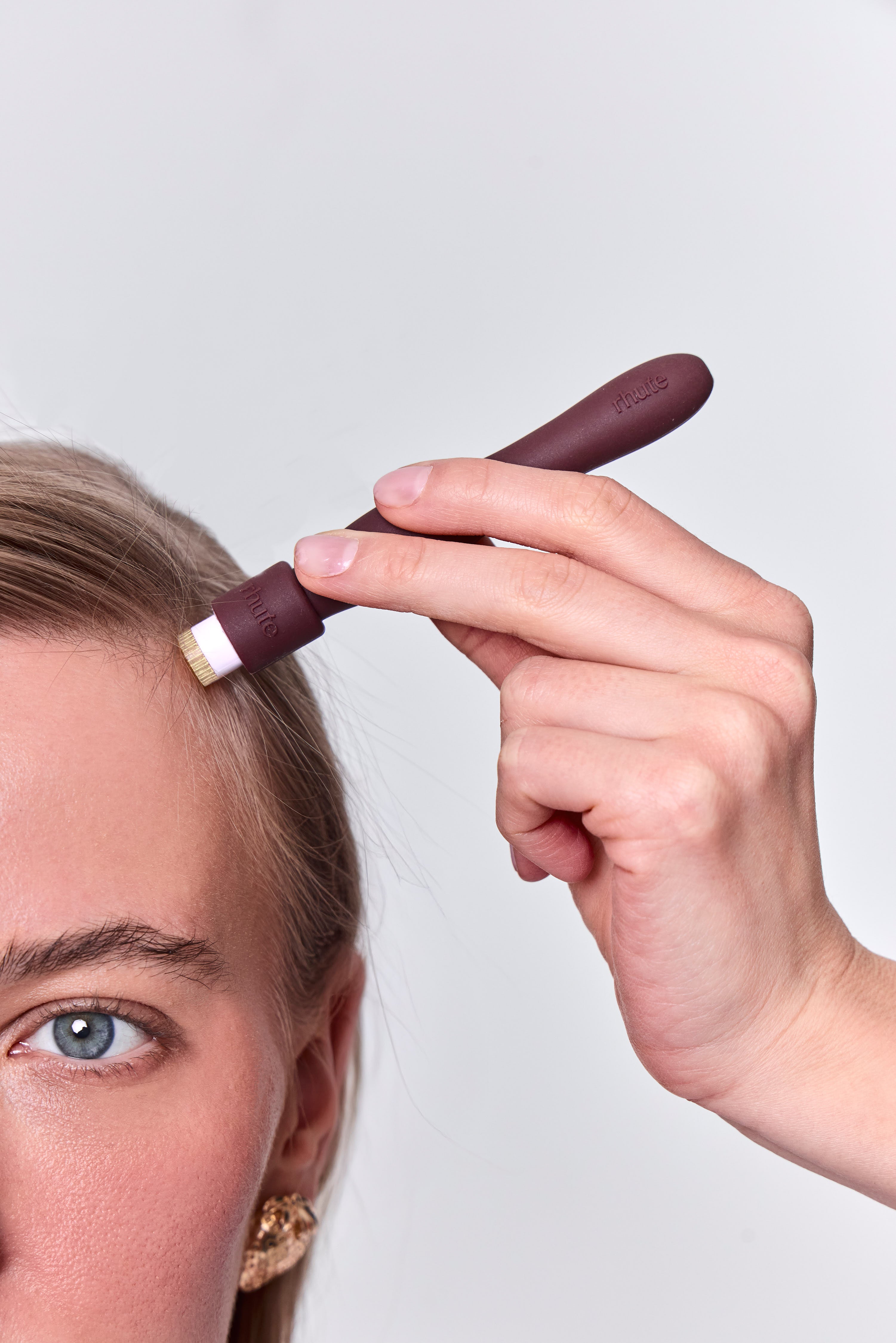
Use a Hair Serum with chemical exfoliant: "Our Density & Repair Serum has been carefully concocted with Dr Adel’s 11 years of medical experience in mind. She has carefully chosen the formula with 16 active ingredients included - all with the aim of boosting scalp health. Key exfoliative ingredients include salicylic acid to exfoliate the scalp, and caffeine - which is shown to support scalp microcirculation and follicle activity. If you want to emphasise the evidence based benefits of hair growth, you can massage this in during daily use to get hair gains, and massage gains too!”
The rhute to Luscious Locks Starts Here…
Ready to take your haircare routine to the next level? Dive into our blog for expert tips and advice on keeping your hair healthy and strong.