

Proper hair care begins with understanding your own hair type, allowing you to treat it effectively. This is especially important for those with curly hair, as it requires its own unique management.
One of the key hair attributes to be aware of is whether you have low porosity hair or not. This type of hair may not immediately absorb water or any treatments you apply, such as hair serum or gloss. As a result, these treatments can be less effective.
That’s why it’s essential to identify your hair’s porosity so you can ensure you provide the proper care for it. Fortunately for you, you can find out more about it all in our blog below - we’ll discuss what low porosity hair is, tests you can undertake to identify your hair’s porosity, as well as how to take care of low porosity hair.
What Does “Hair Porosity" Mean?
Hair porosity simply explains how simple it is for your hair to absorb and retain water/other products. It’s caused by cuticle structure, lipid content, and prior chemical/heat history (for example, if you have had chemical treatments applied to your hair and you use heat on your hair everyday).
What is Low Porosity Hair? In Short…
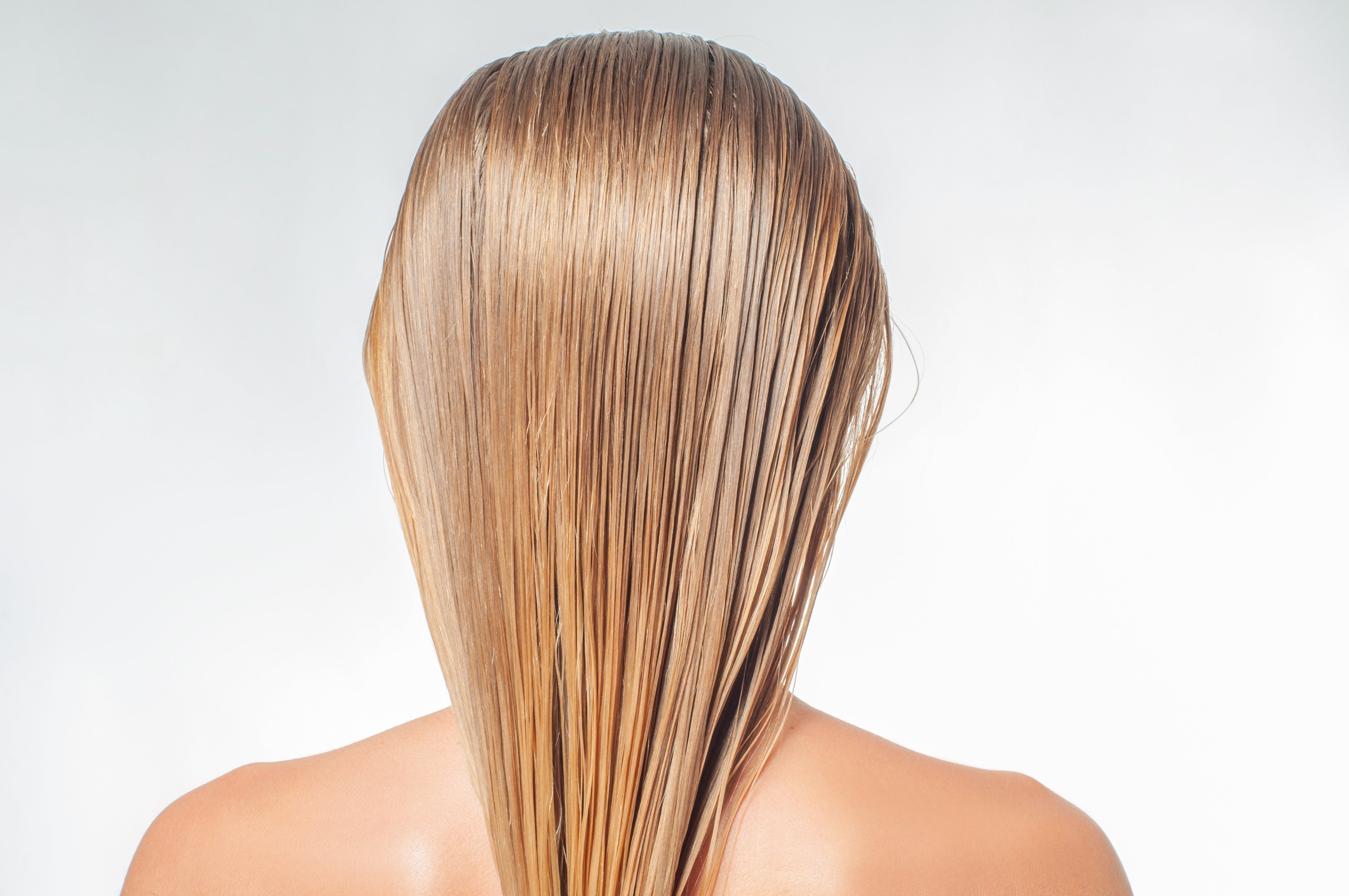
Because of its tight, compact cuticle structure, low porosity hair resists water and other hair products. In most situations, it will take a long time to get entirely wet, as well as drying slowly. When products are applied to it, such as serums and oils, it can take a long time for the hair to fully absorb it.
How to Tell if You Have Low Porosity Hair
So how can you tell if you have low porosity hair? Well, there are some signs you can look out for, as well as some tests you can take…
Signs You’ll See At Home
At home, you’ll be able to tell that you have low porosity hair if you have noticed:
-
When applying water to hair, it beads on strands instead of sinking in
-
Takes forever to dry - or at least feels like it does!
-
When you apply products - they tend to sit on top of your hair, with visible residue
-
Is prone to build up and might feel like it needs washing more often
Tests You Can Do
There are two main tests you can do to understand whether you have low porosity hair or not:
-
Float test: With freshly washed, dry hair, pull out a strand of hair and drop it in a glass of room-temperature water. If the hair floats at the top of the water - it has low porosity, and vice versa.
-
Spray test: Use a spray bottle and mist hair in one visible section. Look closely and examine whether the water beads up or absorbs into the hair. If it beads up, you likely have low porosity hair.

What Are The Causes of Low Porosity Hair?
Genetics
Sometimes, it all just comes back to genetics. Simply put, some people naturally just have tighter compacted hair particles than others. But that doesn’t mean it’s a flaw. In fact, people with low porosity hair might find their hair is shinier. This is because the hair architecture reflects light beautifully.
Product Build-Up
One of the most common reasons that hair can seem low porosity is because of product build-up. This can be caused by layers of wax and styling residue, which builds up and creates a hydrophobic layer that blocks water and actives.
Heat/Chemical History
Excess heat usage on hair can also encourage follicles to become temporarily compact and act low porosity. This also includes keratin and chemical hair treatments, as well as lamination styling.
Caring For Low Porosity Hair: The Routine You Need
Let’s take a look at the routine you can use to manage and care for your low porosity hair:
Washing
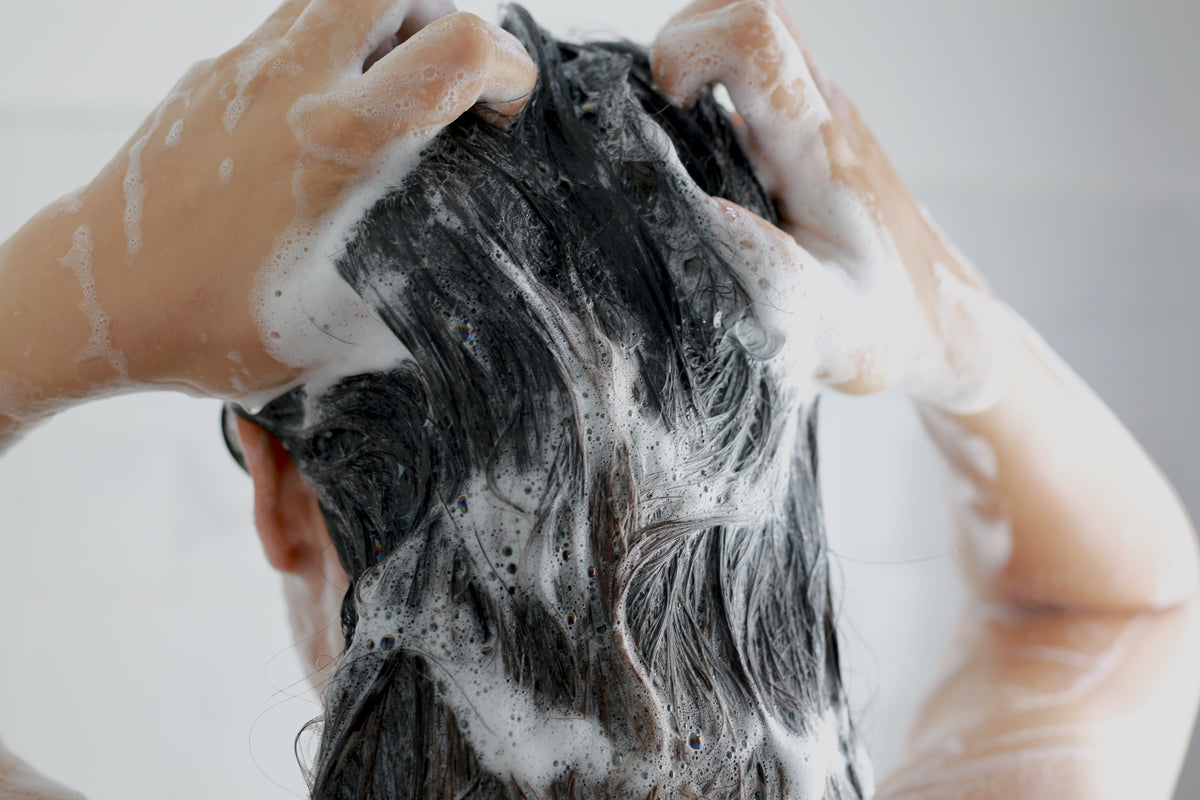
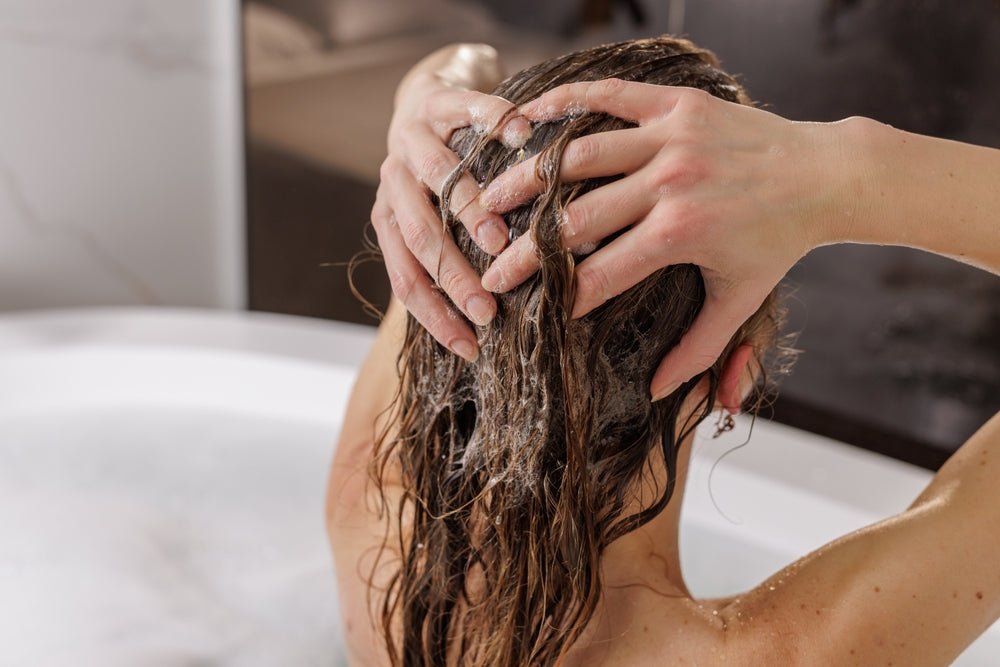
Depending on your scalp and how frequently it begins to look greasy, consider washing your hair 3-4 times a week, using a gentle shampoo that removes residue without stripping the hair of its nutrients.
Conditioning
Condition hair under warm water, letting it sit for five minutes whilst you stand by hot steam - or wrap hair with a warm towel - as it encourages uptake. Choose a lightweight conditioner that’s built around low-molecular humectants (substances that attract and retain water) such as propanediol and glycerin. Rinse thoroughly, and allow a brief rinse of cold water at the end to lay cuticles flatter.
Drying & Styling
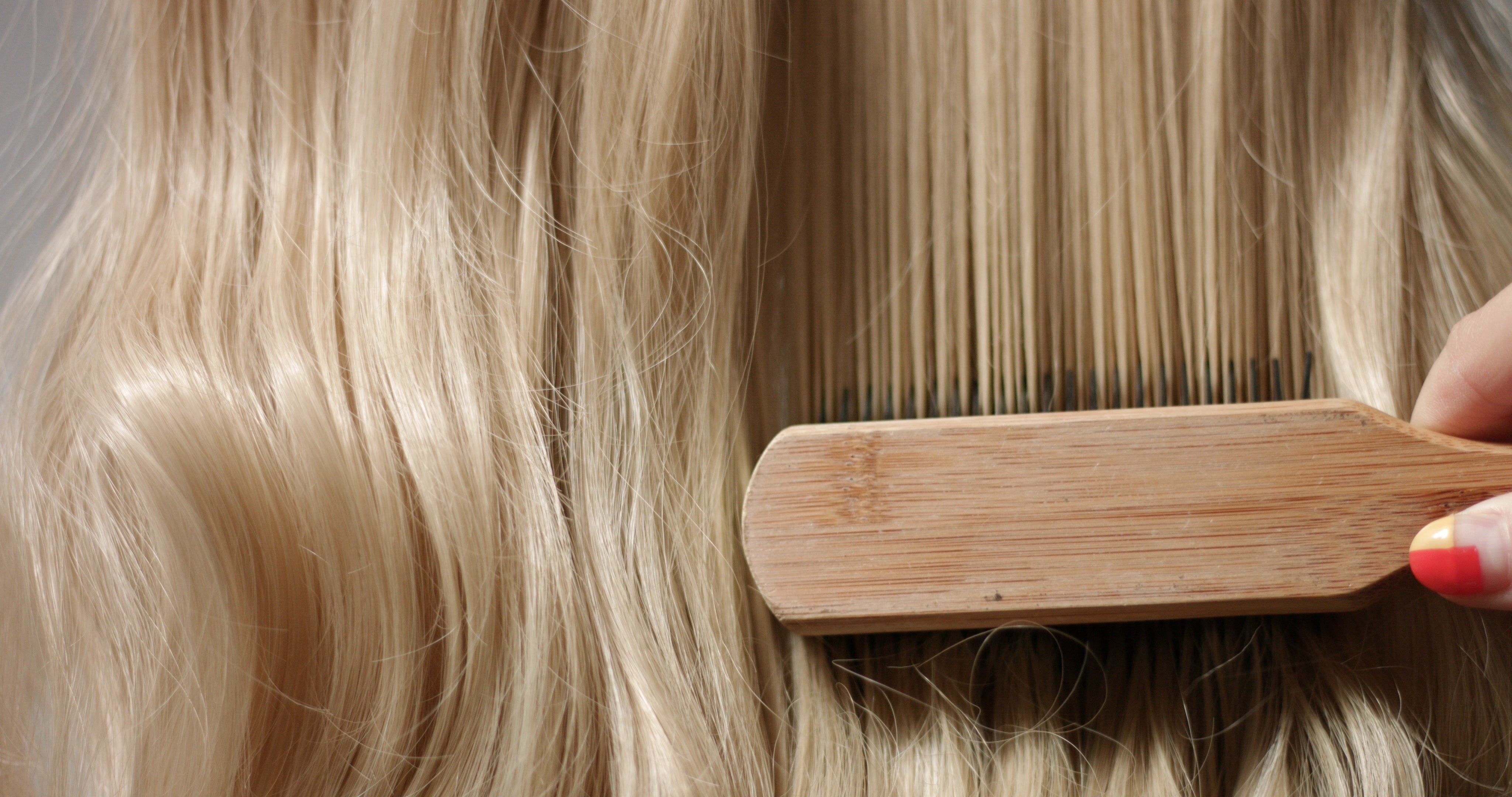
Avoid disturbing cuticles and blot hair with a micro-fibre towel or cotton t-shirt. Try to allow the air-dry or diffuse on a low-heat. Ensure you always use heat protectant to avoid heat damage to hair.
Discover All The Information You Need About Haircare With rhute
Now you’re all clued up on hair porosity. So what’s next? And what other information about haircare do you need to know?
Well, for more details on HairScience and other topics related to ensuring you maintain healthy, luscious locks, check out rhute’s blogs. We’ve got the answers to burning questions you might have about your hair - as well as top tips on management from our medical experts.
Low Porosity Hair: FAQs
Can Low Porosity Hair Change Over Time?
Yes, just because you have a low hair porosity now - doesn’t mean you will in the future.
If you have a high porosity, it can be affected by heat damage and styling, colour treating your hair, or even the environment you’re in.
Is Protein Bad for Low Porosity Hair?
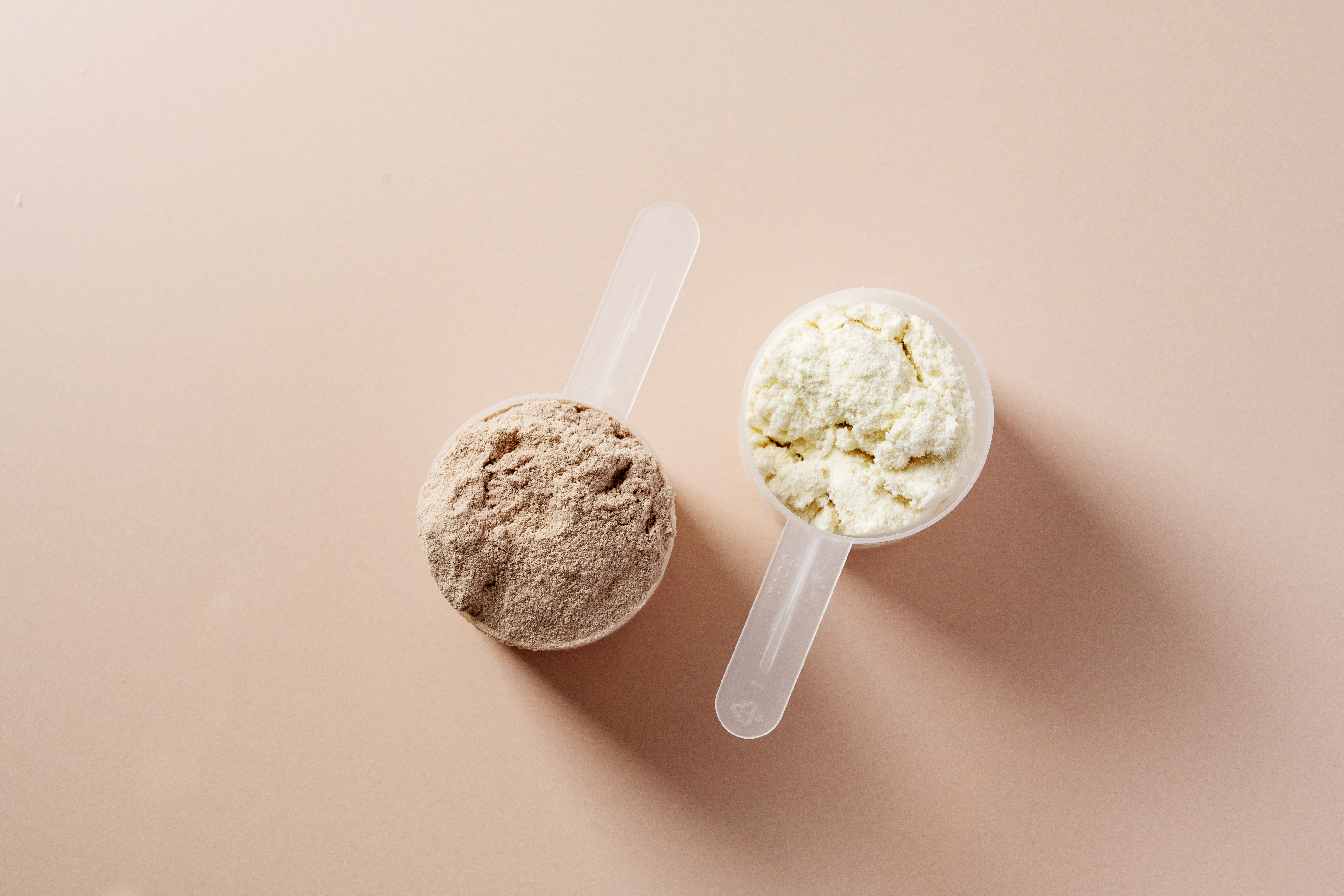
When it comes to low porosity hair, protein is not necessarily bad for it, but too much of it can cause damage. This includes hair becoming stiff or brittle, and even prone to breakage.
Try to avoid or limit protein heavy treatment and products. Look for shampoos, conditioners and hair serums that are made specifically for low porosity hair.