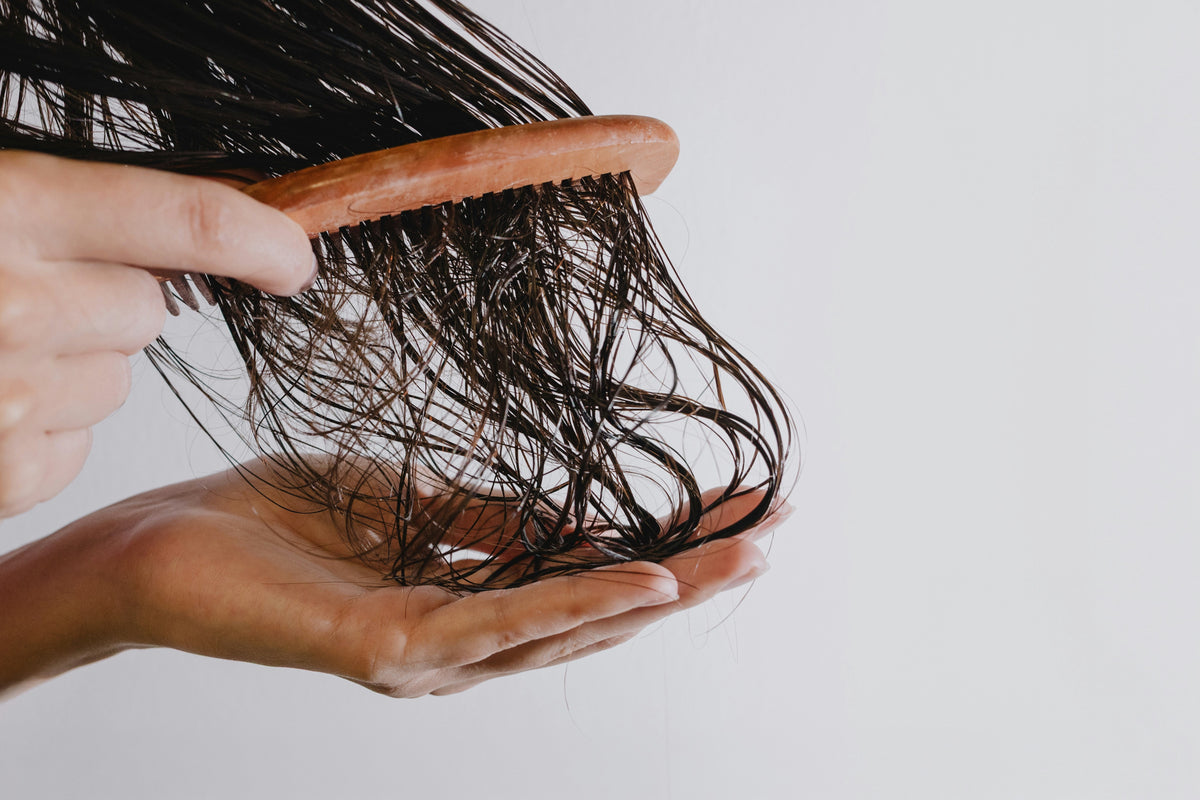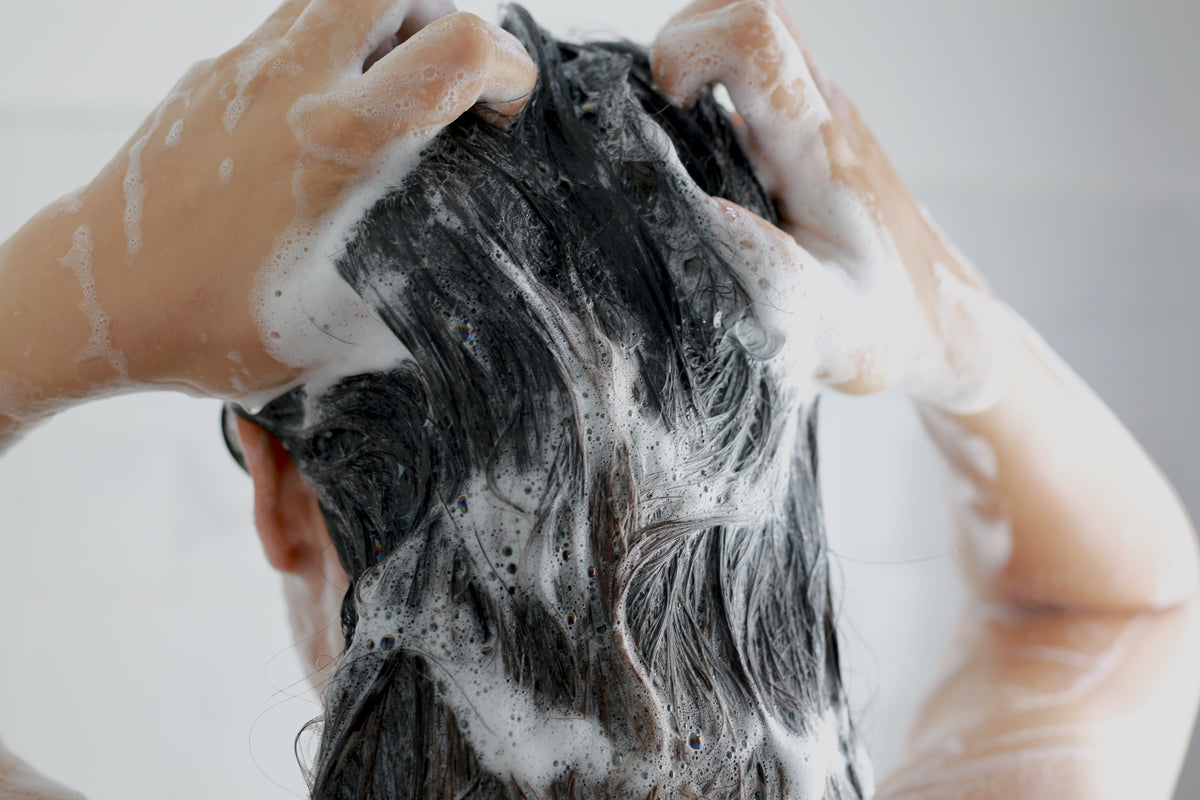

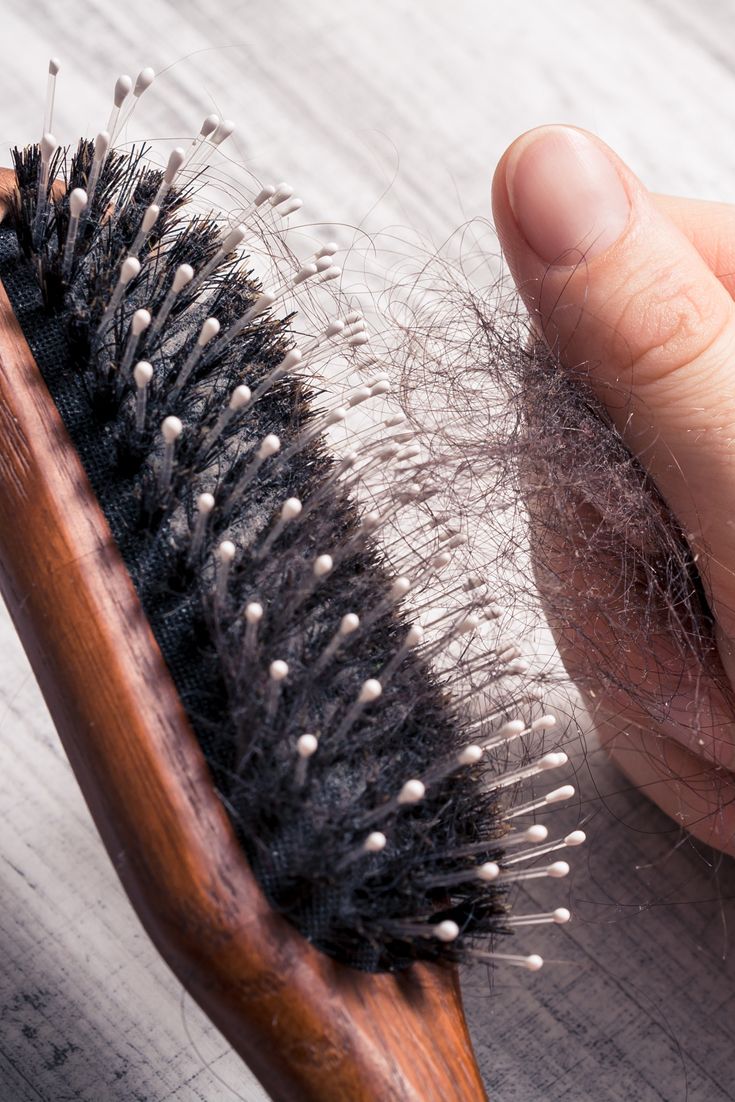

You’ve noticed your parting looks wider. Your ponytail feels thinner. There’s more hair wrapped around your fingers in the shower than there used to be, and nobody warned you this was coming alongside the hot flushes and the mood swings.
If you’re going through perimenopause or menopause and your hair is changing, what you’re seeing is real. Research suggests that over half of women experience noticeable hair thinning during the menopause transition, yet it remains one of the least-talked about symptoms, partly because it’s so visible and partly because so few people connect it to hormones.
This guide goes deeper than the usual "it’s normal, just be gentle with your hair" advice. We’re covering the full hormonal picture, why changes can start years before menopause itself, what recent research tells us about the conditions that overlap with menopausal thinning, and the practical, layered approach that can actually support your hair during this stage.
What happens to your hair follicles during menopause?
To understand menopausal hair loss, it helps to know what your follicles are doing behind the scenes. Your hair does not grow continuously. It cycles through an active growth stage (anagen), a brief wind-down (catagen), and a resting stage (telogen) before shedding and starting again. The growth stage is the long one, lasting several years, which is why the vast majority of your hair is growing at any given moment. Menopause disrupts this balance, and the effects show up in ways that can feel sudden even though the underlying shift has been building for years.
On a typical day, the hair you shed is replaced at roughly the same rate, so you never notice it. During menopause, hormonal shifts push more follicles into the resting phase at once, which means more strands shedding and fewer growing in to replace them. The imbalance is what makes the change visible.
Oestrogen (a female sex hormone) plays a much bigger role in hair health than most people realise. It extends the anagen growth phase, keeping hair in its active growing state for longer. It supports the metabolic activity of the follicle itself. It promotes blood flow to the scalp and helps maintain the scalp's moisture barrier. When oestrogen levels decline during perimenopause and menopause, all of these protective effects are gradually withdrawn. The British Menopause Society classifies female pattern hair loss (genetic, gradual hair thinning on the top and crown of the scalp) as one of the most common changes during this transition.
But oestrogen is only part of the picture. As progesterone (an essential hormone in menstruation and pregnancy) falls alongside it, an enzyme called 5-alpha reductase faces less opposition, which means more testosterone is free to convert into DHT (dihydrotestosterone) at the follicle. DHT is the key driver of follicle miniaturisation, where each successive growth cycle produces a thinner, shorter strand until the hair is barely visible. The important thing to understand is that this is not a testosterone problem. Absolute androgen levels may not change much during menopause. What changes is the balance: with less oestrogen and progesterone in the mix, the androgens that were always there carry more weight. We cover the broader picture of how hormones affect hair in our guide to hormonal hair loss, but here we are focusing specifically on what happens during perimenopause and menopause.
A 2023 review in Biomedicines introduced the concept of "follicle menopause," describing how individual follicles experience their own decline in cellular energy metabolism, mitochondrial function, and vascular supply as hormonal support withdraws. The follicle does not just lose a growth signal. It loses the infrastructure that supports healthy cycling.
A 2023 review in Biomedicines describes the hair follicle as a mini organ. A tiny, self-contained structure with its own blood supply, energy systems, and repair processes. The review uses the term "follicle menopause" to describe how each of these mini organs starts to wind down as hormone levels drop. Blood flow slows, the follicle produces less energy, and the systems that keep hair growing in healthy cycles begin to weaken. The follicle doesn’t just lose a signal to grow, it loses everything that keeps it working.
It doesn’t start at menopause (why perimenopause matters)
One of the biggest gaps in the conversation around menopause hair loss is timing. Most advice assumes this is something that begins at menopause. In reality, the hormonal fluctuations that affect your hair can begin up to 10 years earlier, during perimenopause.
A 2025 review published in Maturitas found that oestrogen's irregular decline begins well before periods stop entirely, and that the follicle is an oestrogen-sensitive tissue that responds to these shifts early. Many women in their late thirties or early forties notice their hair texture changing, their ponytail thinning, or more hair in the brush without connecting it to their hormones. They often assume it’s stress or ageing, and by the time they realise what is happening, years of potential support have passed.
This isn’t about creating anxiety. It’s about a lightbulb moment. If you’re in your late thirties or forties and something feels different about your hair, perimenopause may well be part of the picture. The earlier you understand what’s happening, the more you have to work with.
What menopausal hair loss looks like
Menopausal hair changes can show up in different ways depending on what is driving them, and sometimes more than one pattern is present at once. If you’re not sure whether what you are seeing counts as hair loss, our guide to the early signs of hair thinning can help you identify what to look for.
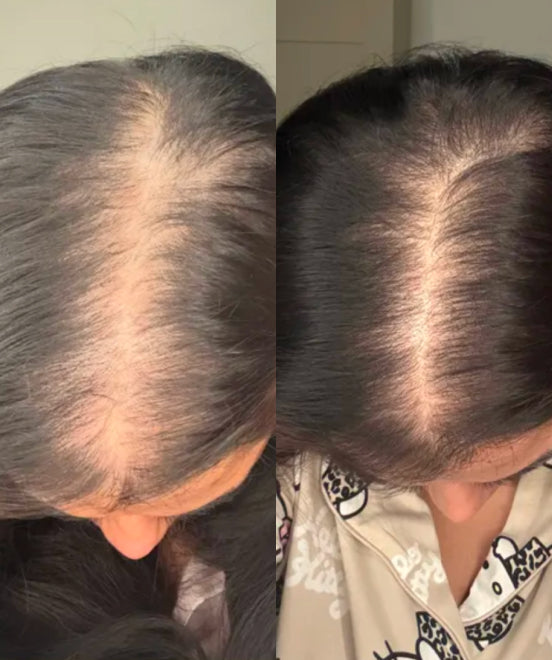
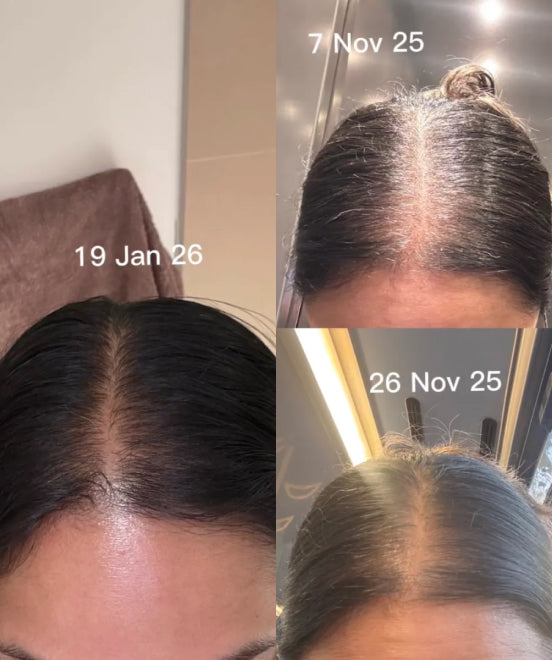
The most common presentation is female pattern hair loss (FPHL), also called androgenetic alopecia. This is where hair thins gradually across the top and crown of the scalp, often showing as a widening parting. The frontal hairline usually stays intact, which distinguishes it from many male patterns. FPHL is genetic and progressive, but it’s significantly worsened by the hormonal shifts of menopause. Research published in the British Journal of Dermatology found that roughly two thirds of women experiencing menopausal hair loss have this diffuse pattern, while about a third have thinning concentrated at the front of the scalp.
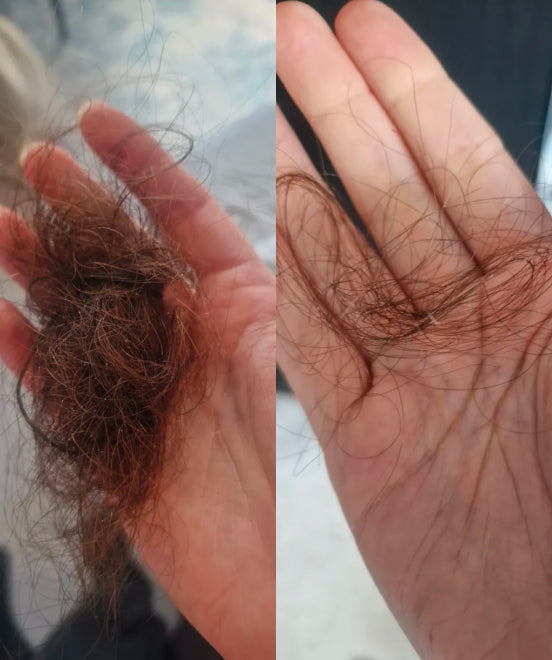
Telogen effluvium is another common pattern, where a larger number of hairs than usual shift into the shedding phase at the same time. This tends to feel more dramatic because shedding is sudden and diffuse rather than gradual. It can be triggered by the hormonal upheaval of menopause itself, but also by stress, thyroid changes, iron deficiency, or illness. The NHS and British Association of Dermatologists both recognise telogen effluvium as one of the most common temporary hair loss conditions.
Less commonly, some women develop frontal fibrosing alopecia (FFA), a form of scarring alopecia where the hairline gradually recedes and eyebrows may thin. The 2025 Maturitas review flags FFA as increasingly recognised in post-menopausal women, and early identification matters because scarring alopecia can become permanent if untreated. If your hairline is visibly receding or you are losing eyebrow hair, this is worth raising with a dermatologist specifically.
The connection nobody talks about: metabolism and hair
There’s an emerging area of research that links metabolic health directly to hair loss during menopause, and it’s barely mentioned anywhere.
A 2024 study found that 24 per cent of women with female pattern hair loss had metabolic syndrome, and 34 per cent had insulin resistance. This matters because insulin resistance increases local androgen production at the follicle level and impairs scalp microcirculation. During menopause, when metabolic changes are already common, this creates a compounding effect: the hormonal ratio shifts, the follicle's blood supply is reduced, and the metabolic environment around the follicle becomes less supportive of healthy growth.
This doesn’t mean you need to panic about your metabolism. It means that the foundations of hair health during menopause go beyond topical care. Blood sugar balance, regular movement, adequate sleep, and stress management are not just general wellness advice. They’re directly relevant to the environment your follicles need to function.
What you can actually do about it
The usual advice is to be gentle with your hair and eat well. That’s not wrong, but it’s nowhere near the full picture. A more useful way to think about menopausal hair support is in layers, starting from the inside and working outward.
Layer one: foundational health
Iron matters more than most women realise. The number to watch is ferritin, which measures your iron reserves, not the haemoglobin figure on a standard blood count. Research links low ferritin to over 70 per cent of female alopecia cases, and during perimenopause, heavier or more erratic periods can quietly drain those reserves before you stop menstruating altogether. Vitamin D, zinc, omega-3 fatty acids, and B12 each play a role in follicle metabolism and cycling, so a blood panel through your GP is a far better starting point than a multivitamin and crossed fingers.
Sleep, stress management, and regular movement are not optional extras. Elevated cortisol promotes systemic inflammation, and research has linked chronic inflammation to disrupted hair cycling. During menopause, when cortisol levels can already be higher, this compounds the problem.
Layer two: your scalp
This is the part almost everyone skips, and it’s where the biggest opportunity sits.
Think about how much attention your face gets during menopause: richer moisturisers, barrier serums, antioxidant layers. Your scalp is the same tissue, under the same hormonal stress, and it needs more attention beyond shampoo and conditioner. Oestrogen withdrawal weakens the scalp’s moisture barrier, oxidative stress ramps up around the follicle, and reduced blood flow means fewer nutrients reach the hair root. Treating your scalp the way you treat the rest of your skin is one of the most effective things you can do.
A 2025 clinical trial reported saw palmetto promoted significant improvements in hair growth over 90 days. Ceramides support the scalp's lipid barrier. Rosemary extract and caffeine promote circulation.
Layer three: enhanced delivery
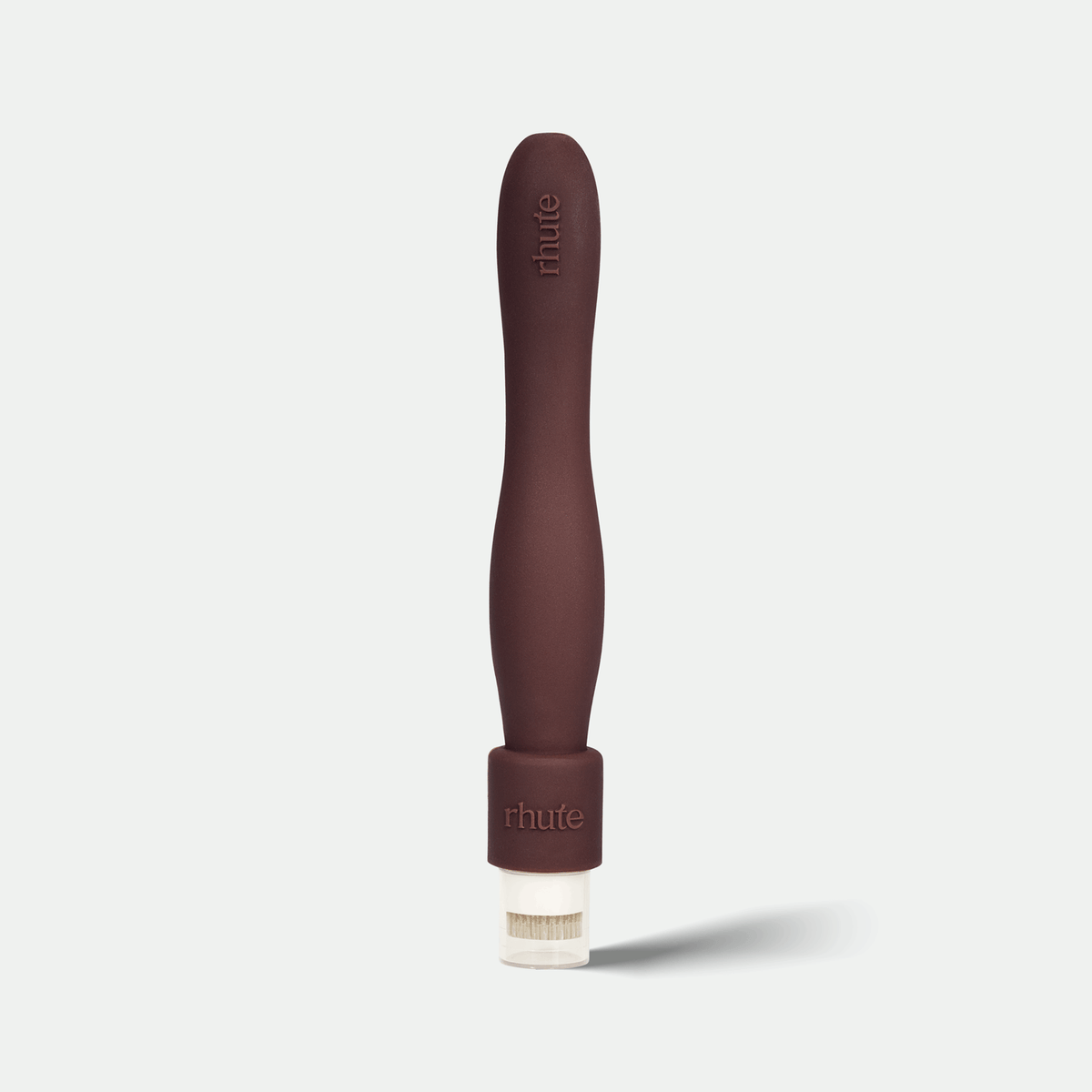
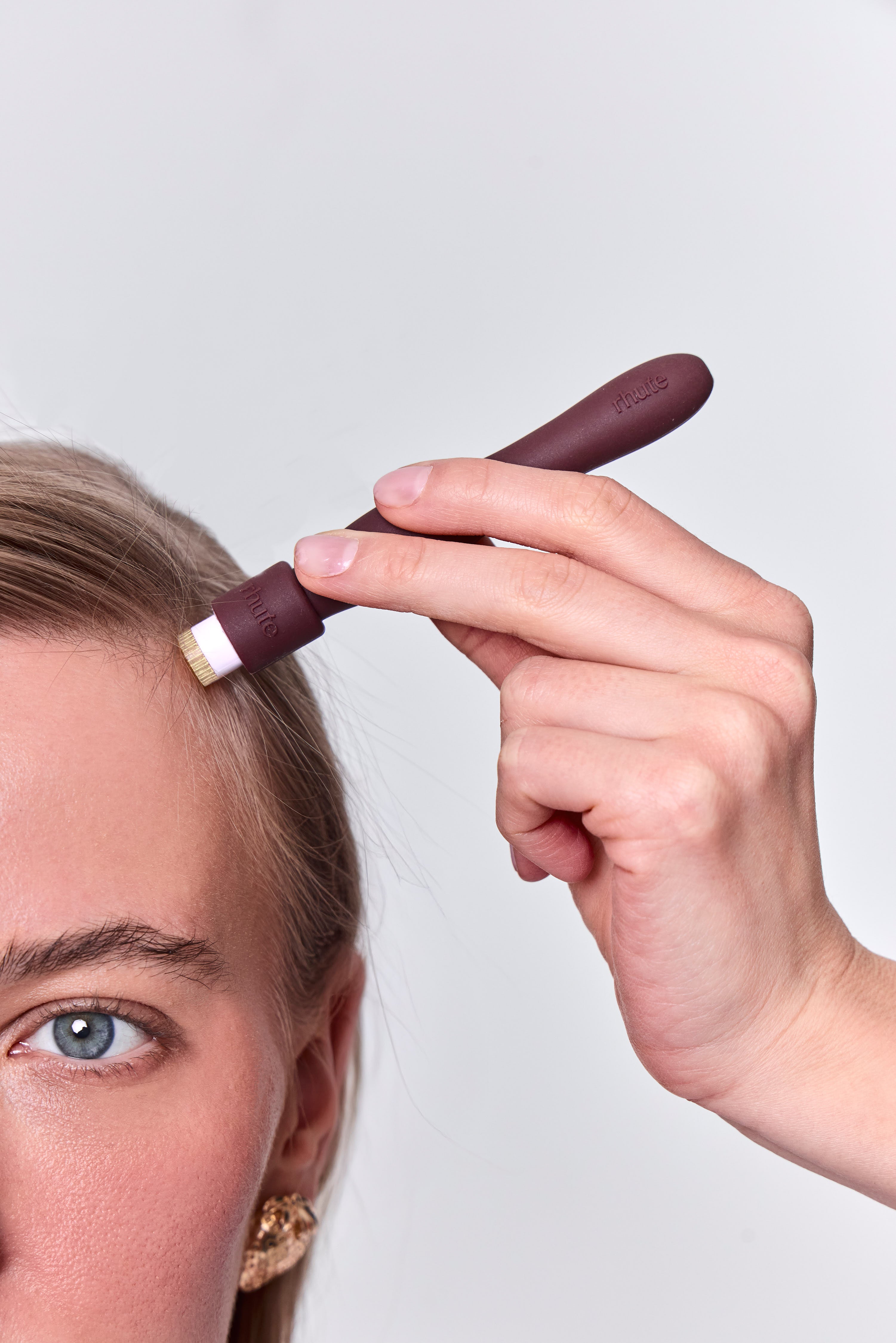
Once your scalp is in a healthier baseline state and shedding has started to stabilise, microneedling can take things further. A 0.3mm needle depth is designed for at-home use and helps enhance the absorption of topical actives while stimulating the scalp's natural repair response. The rhute Precision Derma Stamper uses 24ct gold-plated surgical-grade steel needles in a bespoke round stamping head that follows the scalp's contour, and is best used one to two times per week before applying serum. If you are interested in how to get the most from microneedling, we cover the details in our guide on how often to microneedle your scalp.
Layer four: medical options to explore with your GP
Topical minoxidil remains the most widely used medical treatment for female pattern hair loss in the UK. It can slow loss and support thickening, but it requires consistency and patience, with most guidance suggesting three to six months for a fair trial. It’s worth knowing that an initial temporary shed can happen as follicles reset, which is normal. For more on how minoxidil works and what to expect, we have a dedicated guide on what minoxidil is.
HRT is often asked about in the context of hair loss. Hormone replacement therapy can help with a wide range of menopausal symptoms, and there is some evidence that stabilising oestrogen levels may indirectly support the hair growth cycle. However, HRT is not prescribed specifically for hair loss, and results vary. Some women notice improvements in hair thickness and reduced shedding, while others do not see a significant change. This is a conversation to have with your GP or menopause specialist, and the decision should be based on your full symptom picture, not hair alone.
rhute's formulations are designed to work alongside whatever medical approach you and your GP decide on. They are minoxidil-free, so there is no interaction concern, and they are fragrance-free and non-comedogenic.
Building a menopause hair rhutine
Reading about layers and hormones and blood tests can feel overwhelming, so here is what it actually looks like day to day. Three steps, none of them complicated, all of them designed to slot into the life you already have.
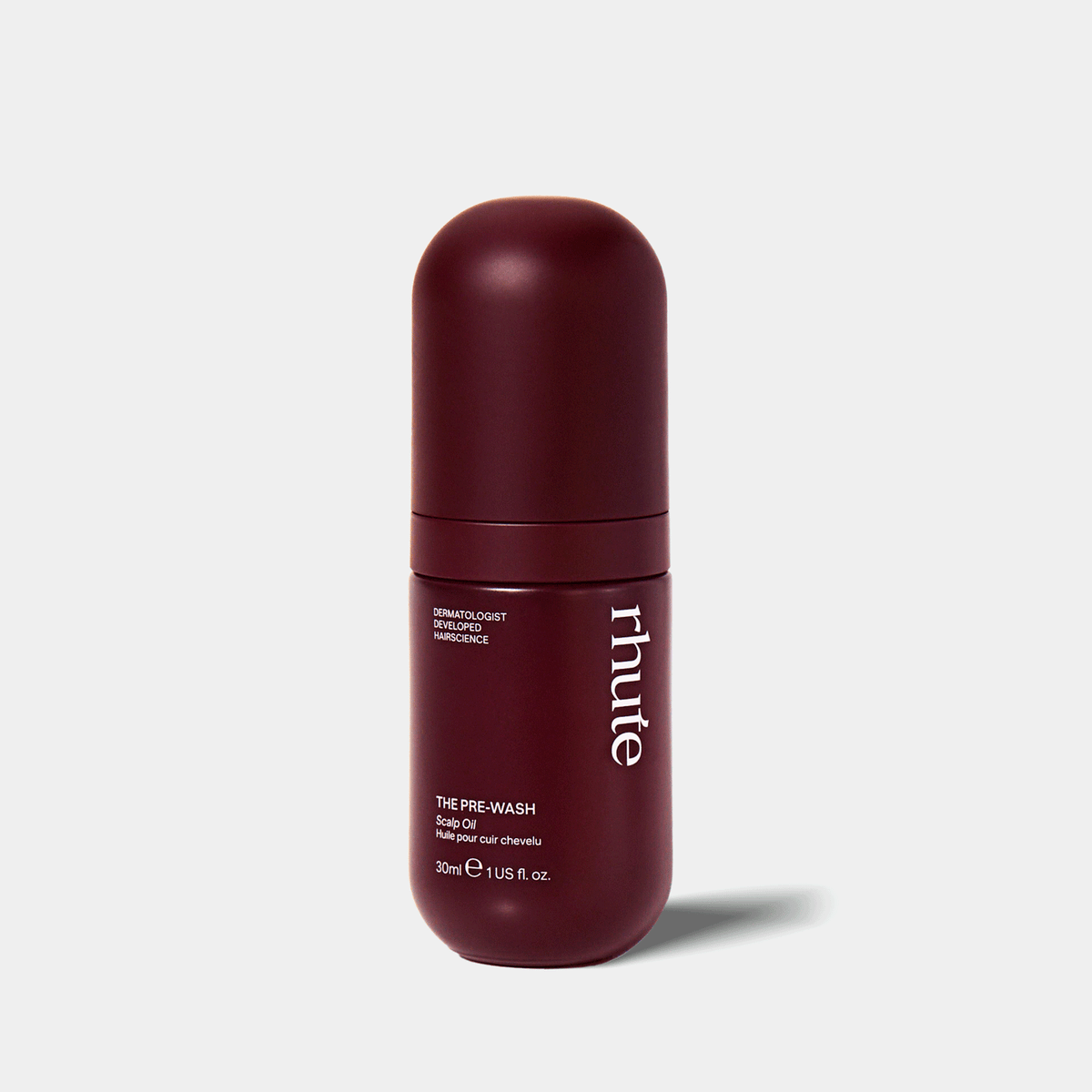
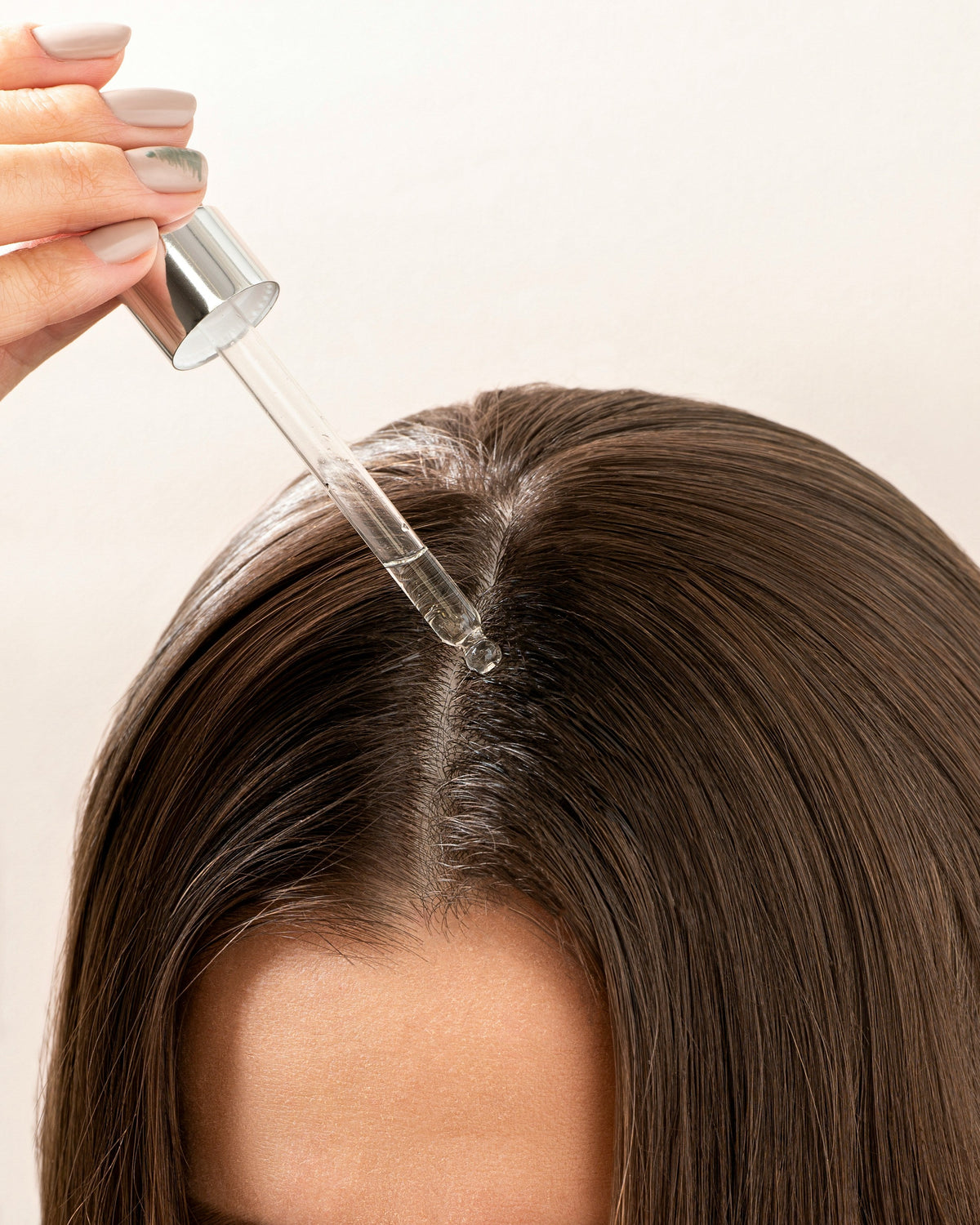
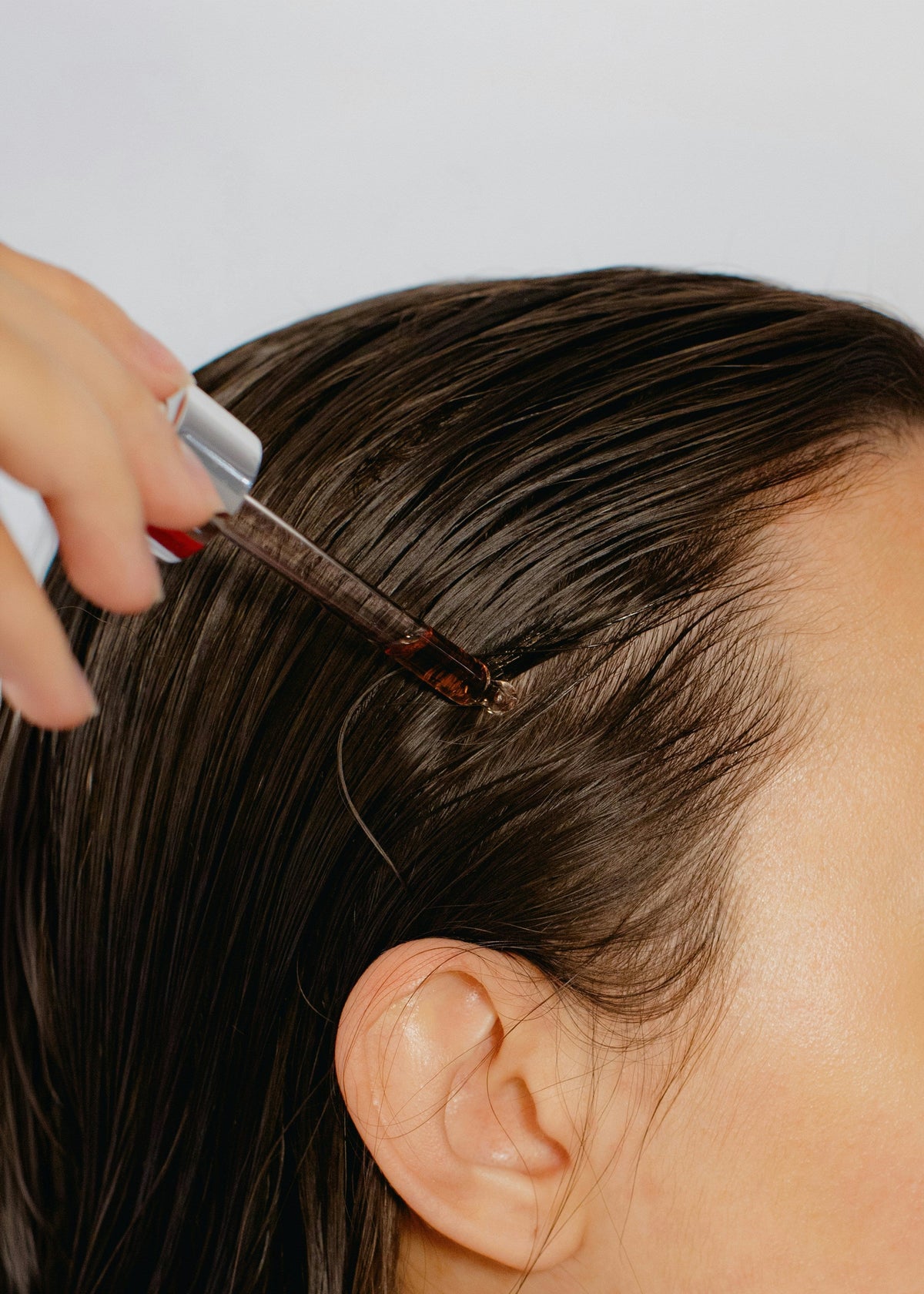
On wash days (two to three times a week works well for most), start with the Triple Density Complex Pre-Wash Scalp and Hair Oil as a pre-wash treatment. A couple of droppers onto the scalp, worked through with your fingertips, and left on for at least 15 minutes (longer if your schedule allows, up to six hours). The pumpkin seed oil, saw palmetto, and ceramides target DHT at the follicle while reinforcing the scalp’s barrier.
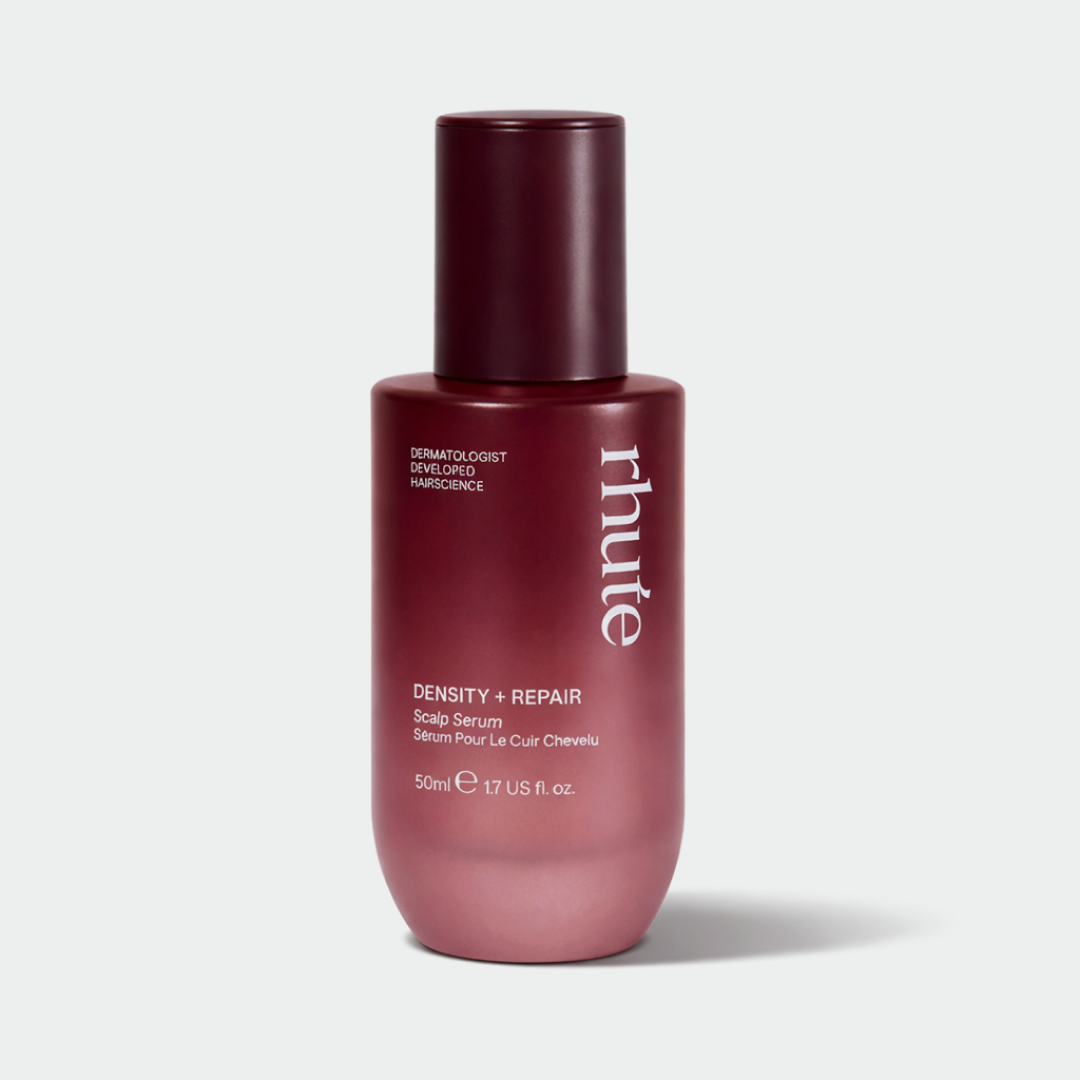
Once your hair is clean, follow up with the Density + Repair Barrier-Boosting Scalp Serum. Thirty seconds, straight onto the scalp. The peptides, caffeine, and niacinamide support follicle signalling and scalp circulation, which is exactly what menopausal follicles are losing.
When you feel ready and shedding has started to settle, add the rhute dermastamp once or twice a week before the serum. The 0.3mm depth is designed for home use. Gentle, even passes across each section of the scalp are all it takes to boost absorption and encourage the skin’s own repair response.
You do not need to do all three from day one. Start with whichever step feels most manageable and build from there. What matters is showing up for your hair regularly, not doing it all perfectly every time.
Learn about the best scalp serum for hair growth.
When to see your GP or a dermatologist
Menopausal hair thinning is common and manageable, but there are times when it’s worth getting professional input.
If your hair loss is progressing rapidly rather than gradually, if you notice patchy loss rather than diffuse thinning, if your hairline is visibly receding or your eyebrows are thinning, if your scalp is red, itchy, or scarred, or if you have accompanying symptoms like extreme fatigue, weight changes, or heart palpitations, these are all signals to investigate further.
If you do see your GP, it helps to go in with a clear ask. A ferritin check is essential (aim for above 60 ng/mL for hair health, even if the lab’s “normal” range starts lower). Beyond that, a full blood count, thyroid panel (TSH, T3, T4), vitamin D, B12, and folate will cover the most common nutritional and hormonal contributors. If your pattern looks like frontal fibrosing alopecia or thinning is not responding the way you and your GP expected, a dermatologist referral is the logical next step. With conditions like FFA and advanced FPHL, earlier action leads to better outcomes.
FAQs
Is menopause hair loss permanent?
It depends on the type. Female pattern hair loss is progressive, meaning it continues without intervention, but it can be stabilised and often improved with the right support. Telogen effluvium, the diffuse shedding type, typically resolves once the triggering factor is addressed. Frontal fibrosing alopecia can cause permanent loss if not identified early, which is why pattern matters. If you are unsure what type of hair loss you are experiencing, a dermatologist can help clarify.
When does menopause hair loss start?
Hair changes can begin during perimenopause, which can start up to 10 years before your periods stop entirely. Many women notice subtle changes in their late thirties or early forties, such as altered texture, reduced volume, or increased shedding, without connecting them to hormonal shifts. The most noticeable thinning typically occurs around the menopause transition itself, but the earlier you start supporting your scalp, the more you have to work with.
Does hormone replacement therapy (HRT) help with hair loss?
HRT can help with a wide range of menopausal symptoms, and stabilising oestrogen levels may indirectly benefit the hair growth cycle. Some women notice improvements in hair thickness and shedding after starting HRT, while others do not see a significant change in their hair specifically. HRT is not prescribed for hair loss alone, and the decision to start it should be based on your full symptom picture in conversation with your GP or menopause specialist. Scalp support can work alongside HRT regardless of whether you are taking it.
What vitamins help with menopause hair loss?
Ferritin, vitamin D, zinc, omega-3 fatty acids, and B12 are the ones most closely linked to hair health. During menopause, levels can shift without any obvious change in diet, which is why a blood panel is a better starting point than a generic supplement stack. Targeted supplementation based on what your body actually needs will always outperform a blanket approach.
Can scalp care help with menopause-related hair loss specifically?
During menopause, the scalp faces a specific set of challenges that general hair care does not address: oestrogen withdrawal compromises the scalp's moisture barrier, oxidative stress increases at the follicle level, and the androgen ratio shift means DHT activity rises. Supporting this particular environment with DHT-modulating botanicals, barrier-repairing ceramides, and circulation-promoting ingredients creates better conditions for the hair you have and the hair trying to come through. It’s not a replacement for medical treatment where needed, but it is a targeted layer of support designed for what is happening hormonally during this transition.
Will my hair go back to how it was before menopause?
For many women, hair can stabilise and improve significantly with proactive support, but it may not return to exactly the same density it was at 25. The goal is stabilisation, visible improvement, and healthier growth going forward. The sooner you start, the more you preserve. Think of it less as reversing and more as giving your hair the best possible conditions from this point on.
Is it safe to use scalp treatments alongside HRT or minoxidil?
Topical botanical formulations, scalp oils, peptide serums, and gentle microneedling at 0.3mm are generally considered safe to use alongside HRT and topical minoxidil. rhute's products are formulated without minoxidil, so there is no interaction concern. If you are using prescription treatments, it’s always sensible to mention any new topical products to your GP.