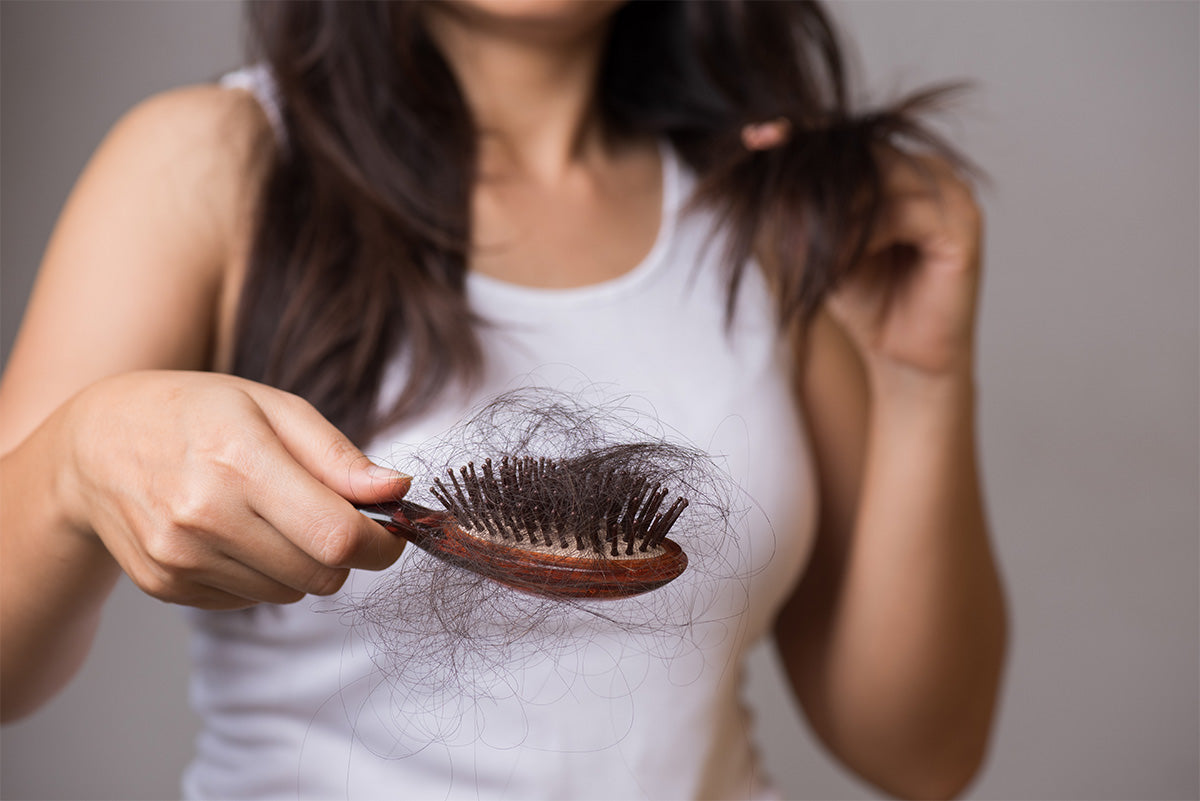


Late August arrives, the evenings start to draw in, and there's suddenly more hair in the shower drain. Your brush picks up more strands than it used to. Your ponytail feels thinner. The hair on your shoulders after a shower is the kind of thing you'd usually associate with a stressful event, except nothing's really changed.
If this lands in autumn every year for you, you're not imagining it. Seasonal hair shedding is a real, documented pattern, and most people who notice it are picking up on something genuine rather than catastrophising.
This guide covers the science (which has actually been studied properly), the timing of when the shed kicks in and how long it lasts, how to tell whether what's happening to your hair is seasonal or something else asking for attention, and what to do about it from both the inside and the scalp side.
Is seasonal hair shedding real?
It's real. The headline reference is a 2009 study by Kunz, Seifert and Trüeb that tracked hair cycle data in over 800 healthy women over six years using trichograms (a microscopic hair root analysis that tells you what percentage of your hairs are in each phase of the growth cycle). They found that the proportion of hairs in the resting phase peaked in summer, with a smaller secondary peak in spring, and the lowest values in late winter. Because the resting phase lasts roughly 100 days, those summer-resting hairs are the ones you actually see falling out in autumn.
A more recent 2023 paper, also worth flagging, took a different approach. Buontempo and colleagues at NYU ran a big-data analysis of Google searches for hair loss across years of search data and found that searches consistently spiked in August and September. People are noticing it. The biology is showing up in their browser history.
So when you walk into autumn and feel like there's more hair on your hairbrush than there was in June, you're not wrong. The shed is documented, it's biological, and it follows a predictable annual rhythm. The reassuring part is that it isn't hair loss in the medical sense. The follicles are doing exactly what they do every year, just on the same beat as the rest of your body.
The science behind the seasonal shed
To follow the why, a quick recap of how hair grows.
Each strand sits in a follicle that cycles through three phases. Anagen is the active growth phase, where the strand is being built; it lasts two to eight years and is the phase 85 to 90% of your scalp hairs are in at any one time. Catagen is a short transition phase of a few days, where the follicle starts to regress. Telogen is the resting phase, where the strand sits in the follicle for about three to four months before being released so a new hair can start growing underneath. Normally, around 10 to 15% of your hairs are in telogen at any one time.
The seasonal shed is what happens when that 10 to 15% number temporarily ticks upward. More follicles than usual enter telogen during the summer months, and three to four months later, those resting hairs are released. The result is the autumn shed.
Why does it happen at all? The honest answer is that no single theory has it locked. There are a few overlapping leading ideas, and the truth is probably some combination.
The UV exposure theory suggests that summer sun and heat are mildly stressful to the scalp, and your body responds by nudging more follicles into rest. There's also a counter-version where your body grows extra hair through summer for protection and then releases it once the protective period is over. Either way, sun exposure is a likely contributor.
The hormonal and melatonin theory points to the shift in daylight hours. Melatonin (the hormone that regulates your sleep-wake cycle) has been shown to influence hair follicle activity in lab studies. As daylight changes through summer into autumn, melatonin rhythms shift, and that may carry across to the follicle. Prolactin and other hormones with seasonal cycling have also been implicated.
The vitamin D theory points to the fact that vitamin D levels in the UK drop significantly from October onwards (the latitude here means we can't make it from sun exposure through winter). Low vitamin D has been linked to telogen effluvium in some studies, and the autumn shed may be partly an early signal that your stores are dropping.
What the science is clearer on is the pattern itself rather than the cause. The shed is real, it's seasonal, and for most healthy women it's a few extra hairs a day for a few weeks, not a meaningful loss.
When you might notice it and how long it lasts
For most people, the autumn shed shows up around August and runs through October, with the heaviest weeks usually somewhere in the September peak. It's the bigger of the two seasonal sheds documented in the research. A second, smaller peak shows up in spring for some people (around March to May), but it's less consistent across the research.
The duration is usually six to eight weeks of slightly heavier shedding once you start noticing it. Some people get a shorter, more concentrated version; others get a slower drip that takes a few months. Either way, this is not a pattern that should keep going indefinitely. If your shedding has been heavy for more than three months without easing, that's the cue to start asking whether something else is going on alongside the seasonal element.
What you're typically losing during a seasonal shed is somewhere between the upper end of normal (about 100 hairs a day) and noticeably more than that. The often-quoted reference range from the American Academy of Dermatology is 50 to 100 hairs a day at baseline. In a seasonal peak, that can climb. A long-term British study found participants losing around 60 hairs a day on average in late summer, more than double their winter baseline. The key is that the increase is temporary and your overall density doesn't visibly drop.
How to tell if it's seasonal or something else
This is the bit that matters more than the science, because the practical question is almost never "is seasonal shedding real" but "is what I'm experiencing right now actually seasonal".
Seasonal shedding has a fairly recognisable signature. It's diffuse, meaning hair thins evenly across the whole scalp rather than in patches or specific areas. It clusters around late summer and autumn. It lasts a few weeks rather than dragging on for months. Your parting and overall density look roughly the same once the shed settles. And you can usually look back at previous autumns and remember the same thing happening.
The patterns that look similar but mean something different are worth knowing.
Telogen effluvium is the broader medical category that seasonal shedding actually sits inside. It's the same mechanism (more follicles in the resting phase than usual, all shedding together a couple of months later), but the trigger is something specific rather than the seasons. Major stress, illness, surgery, postpartum recovery, crash dieting, certain medications, or thyroid and iron issues can all kick it off. The shedding pattern looks similar to a seasonal shed, but it tends to be more dramatic and last longer. Our cortisol and hair loss guide explores the stress-driven version in detail.
Postpartum shedding is a specific variation that kicks in around three to four months after delivery and is hormonal rather than seasonal. If you're in that window, the shedding you're seeing is most likely postpartum rather than autumn-driven. Learn more about postpartum hair loss.
Pattern hair loss (also called androgenetic alopecia) looks different. It's gradual rather than sudden, follows a predictable pattern (widening parting in women, receding hairline or crown in men), and gets worse over years rather than weeks. The hairs that grow back also tend to be thinner and finer than the ones being shed, which is the early signal of follicle miniaturisation. Seasonal shedding doesn't change the hair you're growing, just how many are released at once.
Alopecia areata is patchy round loss with clear borders, often appearing over weeks. It's autoimmune rather than seasonal and needs a GP appointment.
If your shedding fits the seasonal pattern (diffuse, time-limited, clustered around autumn, no change in overall density), you're almost certainly looking at the seasonal shed. If anything about the pattern feels different to that, it's worth investigating.
Triggers that look seasonal but aren't
This is the part of the existing article that does the most useful work, and it's worth keeping. A few common factors can produce a shedding pattern that looks seasonal but isn't really.
Iron and ferritin (your stored iron) can drift down over time without making it onto your radar. Ferritin below 30 mcg/l is the level UK guidance treats as clear depletion that needs prescription dose replacement. However, the hair cycle can slow down and become dysfunctional when not at least 60 mcg/l. The shedding can show up at any time, but if it happens to coincide with autumn, it can look like the seasonal shed when it's actually iron.
Thyroid function affects the hair cycle directly, and undiagnosed thyroid issues are easy to miss because the symptoms overlap with normal life. If your shedding is heavier than seasonal, lasting longer, or coming with symptoms like fatigue, weight changes, brain fog or feeling cold, it's worth asking your GP for a thyroid panel.
Stress shedding can mimic seasonal patterns when life happens to get hard around the same time each year. The end of summer holidays, returning to school or work, dark evenings and the slow build of seasonal mood changes can all push cortisol up. The hair response can lag a few months and look like an autumn shed.
Hair handling and chemical damage build up over the warmer months. Sun, salt, chlorine, heat styling and bleach all leave their mark on the strand, and the shedding that follows can look seasonal but is really an aftermath of how the hair was treated. Tight hairstyles and traction shedding fall in the same category.
Diet and nutrient changes (especially if you've been training hard, eating less than usual, or going low-protein) can drive shedding through the same telogen pathway and time it to look seasonal without being seasonal.
The fix in each case is different. Knowing what's actually driving it changes what you do.
Supporting your hair through the shed
There isn't a way to switch the seasonal shed off. The follicles have already made their decision a few months earlier. What you can do is make sure your scalp is in the best possible shape for the regrowth phase that follows, and avoid stacking other shedding triggers on top of the seasonal one.
A scalp-first routine matters more in autumn than people realise. Cortisol-driven inflammation and barrier disruption from summer sun exposure can quietly stack on top of the seasonal shed and slow regrowth. Topical actives with good evidence for the autumn scalp include ceramides (lipid molecules that reinforce your skin barrier), niacinamide (vitamin B3, anti-inflammatory and barrier-supporting), panthenol (a B vitamin derivative that helps hydration), and caffeine, which has been studied for its effects on follicle activity at the scalp level. Learn more about caffeine for hair care.
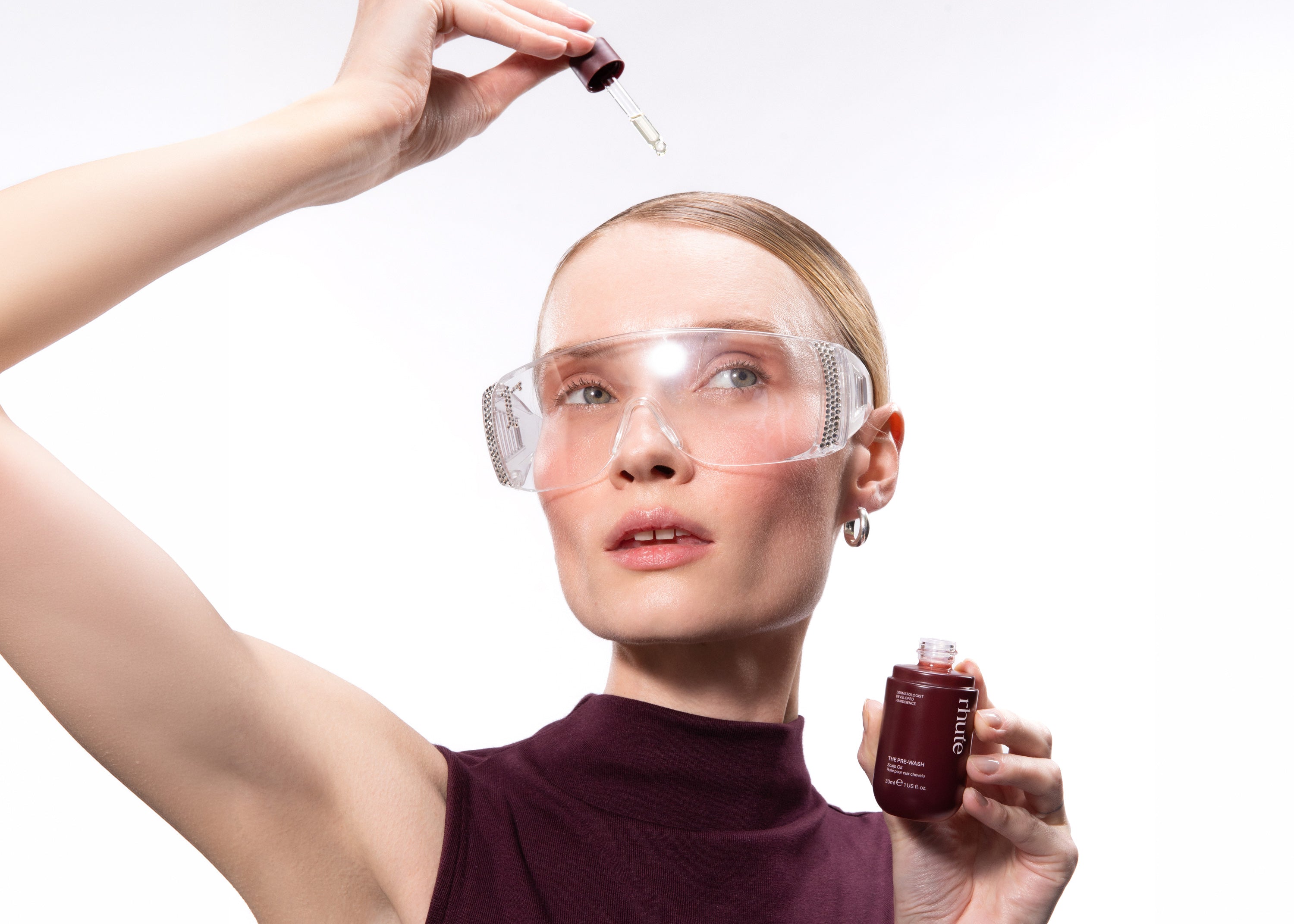
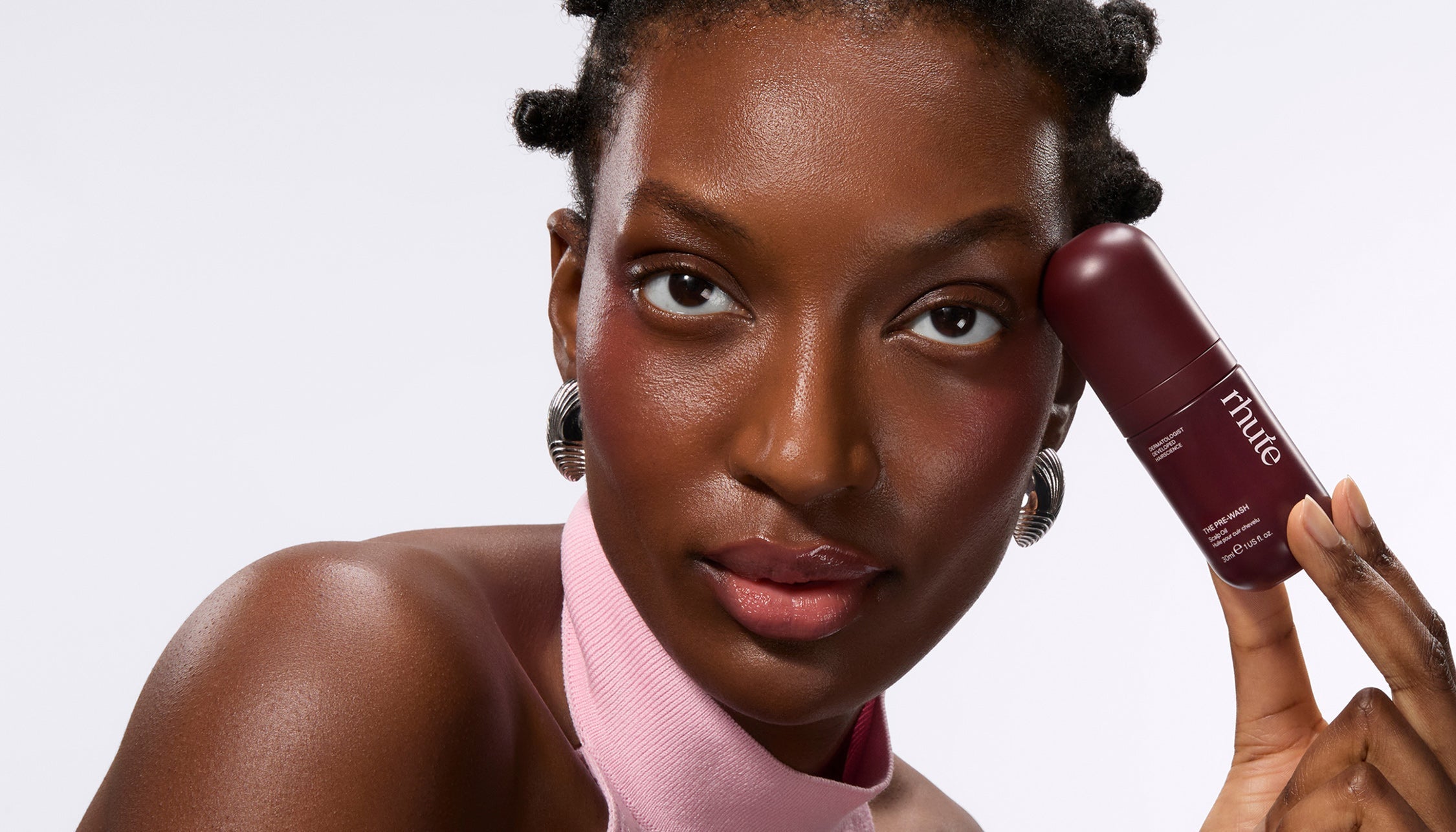
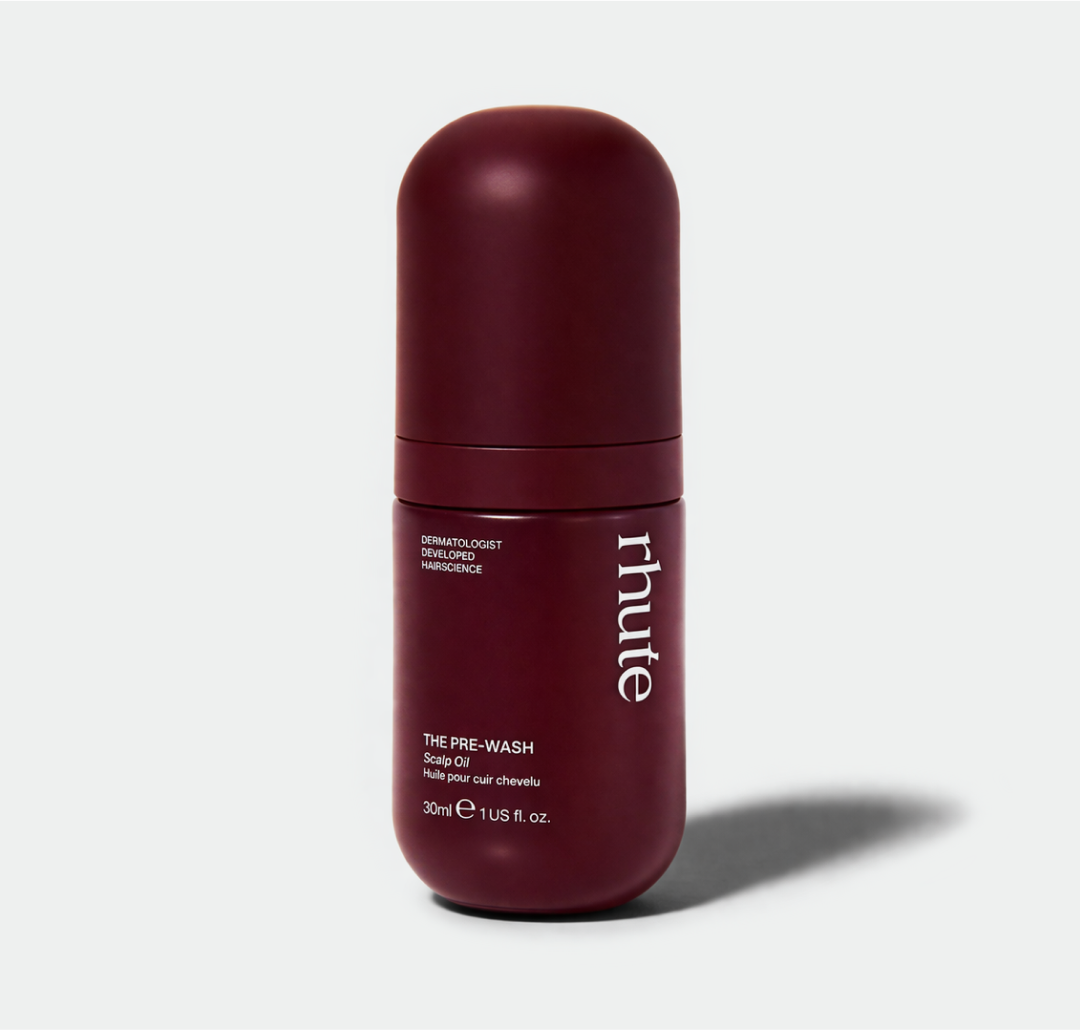
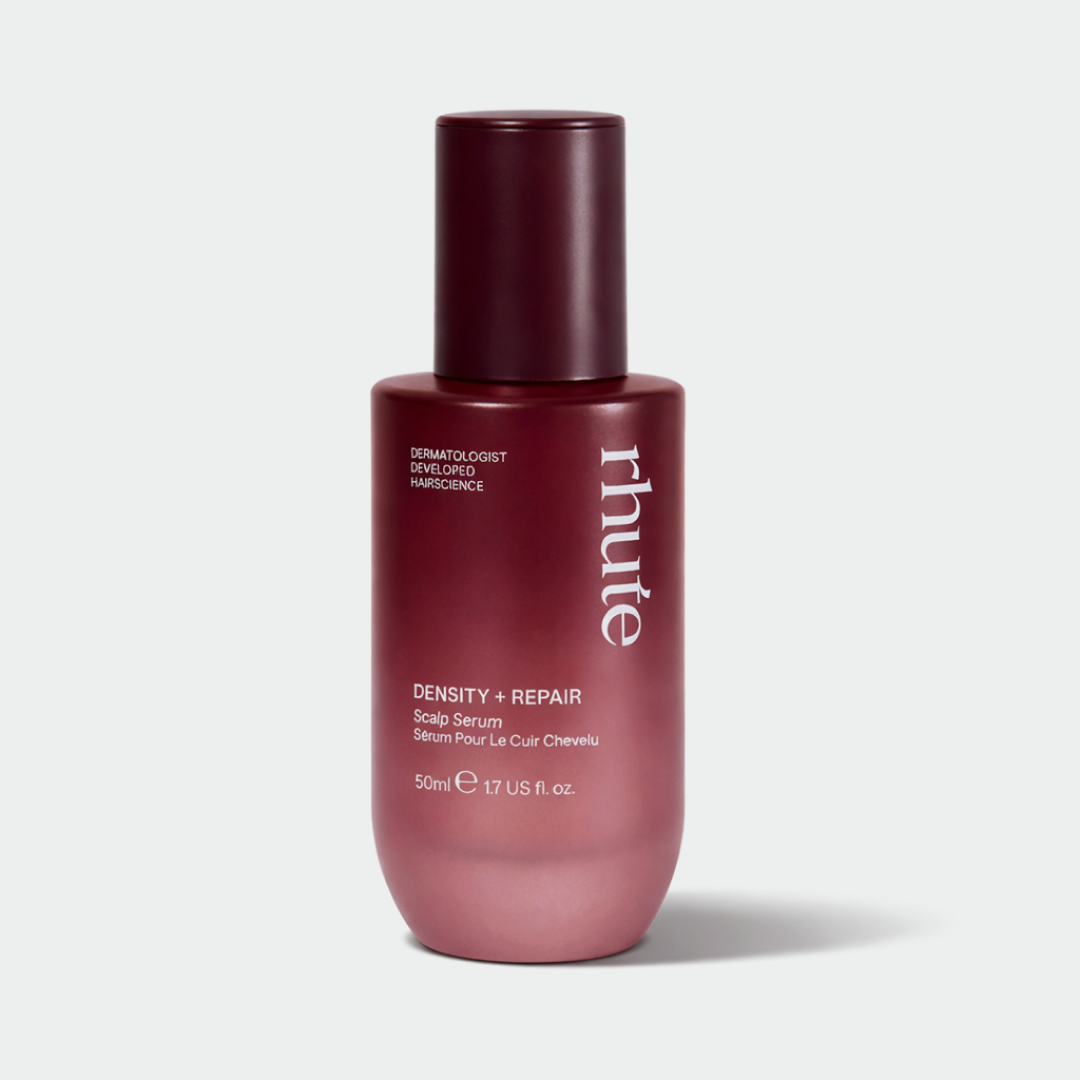
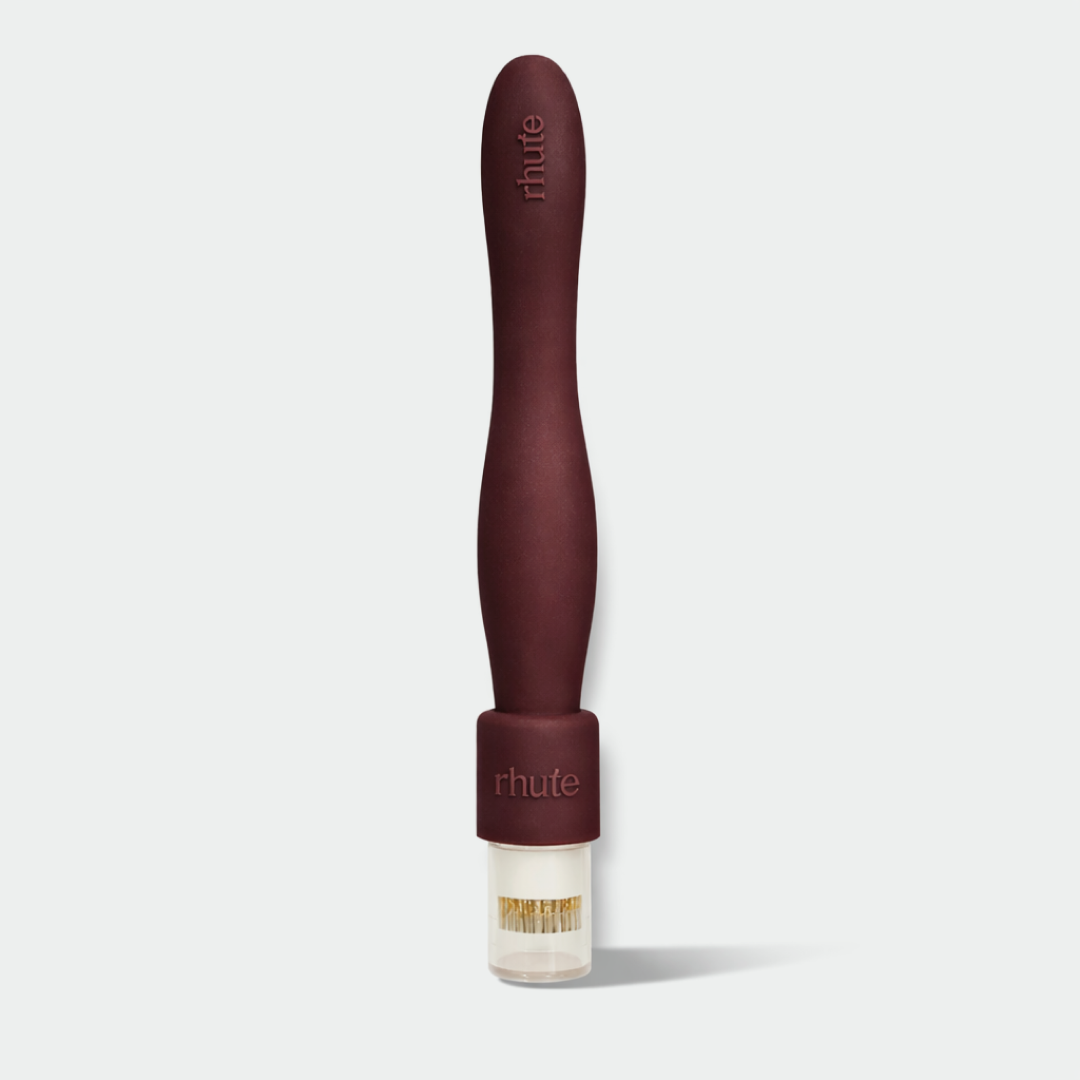
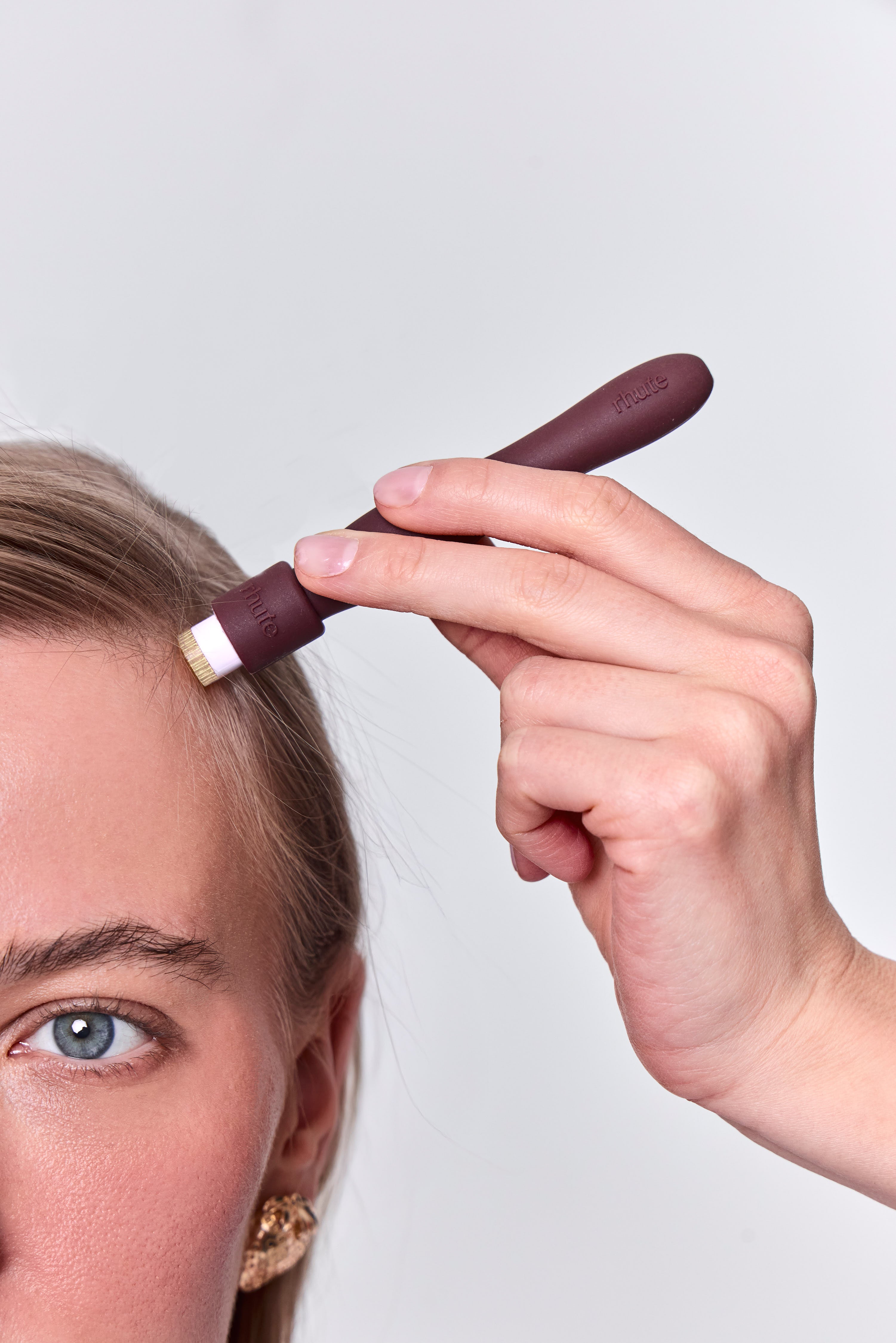
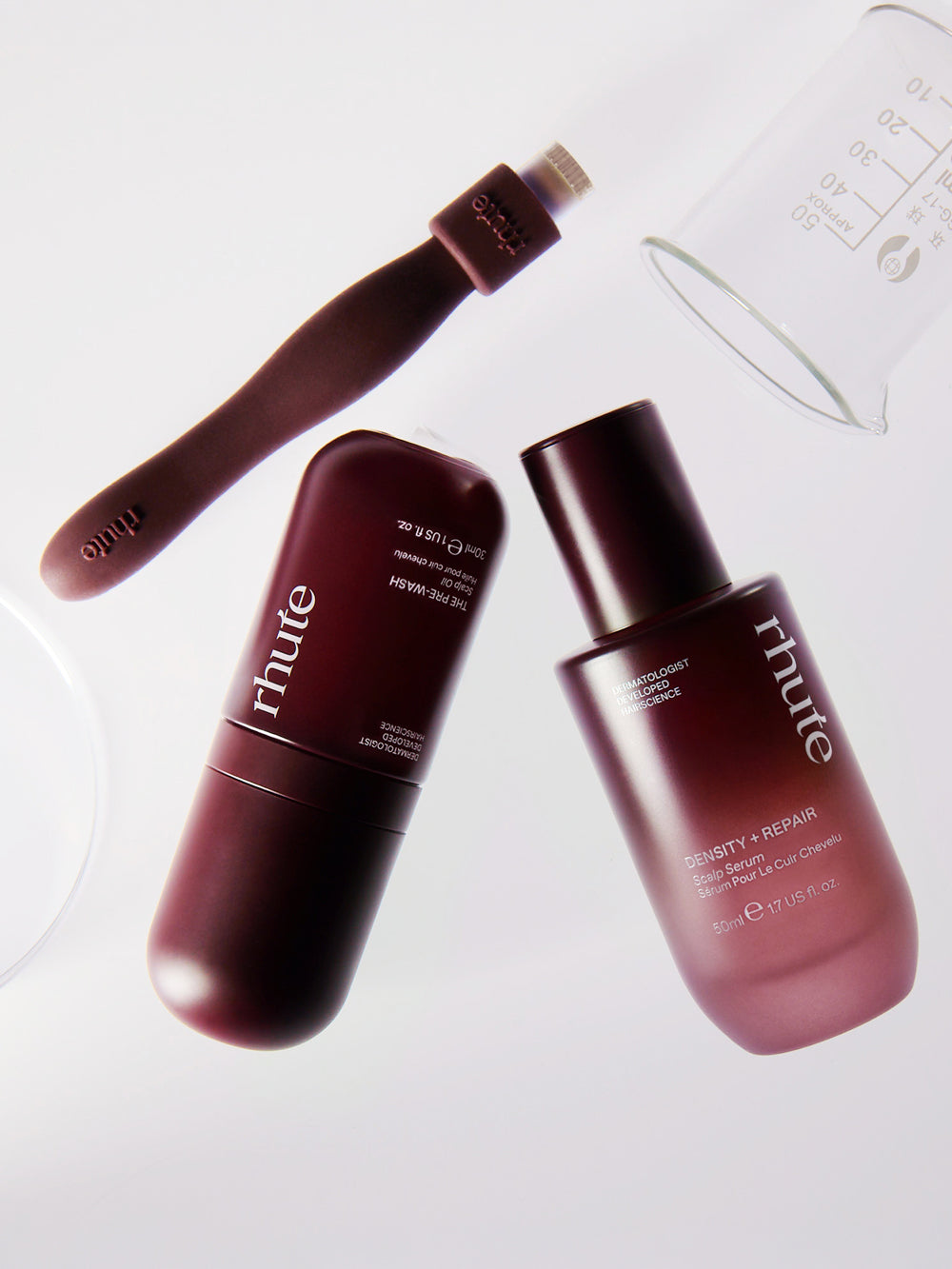
Our Density + Repair Scalp Serum is the daily leave-on layer for autumn, with caffeine, peptides, niacinamide and panthenol working to support follicle function and a calm scalp environment. Our Density Complex Pre-Wash Hair Oil brings DHT-modulating botanicals (pumpkin seed oil and saw palmetto), ceramides and rosemary into a pre-shampoo treatment used two to three times a week. Both are designed to do the work at scalp level, which is exactly where your hair is being made.
How you handle your hair through the shed matters too. Lower-tension styles, soft fabric scrunchies instead of elastic bands, gentle detangling with conditioner in, and dialling back the heat tools and bleach are all reasonable autumn moves. Hair already on its way out the door is more vulnerable to coming away under tension, so being gentle is just sensible.
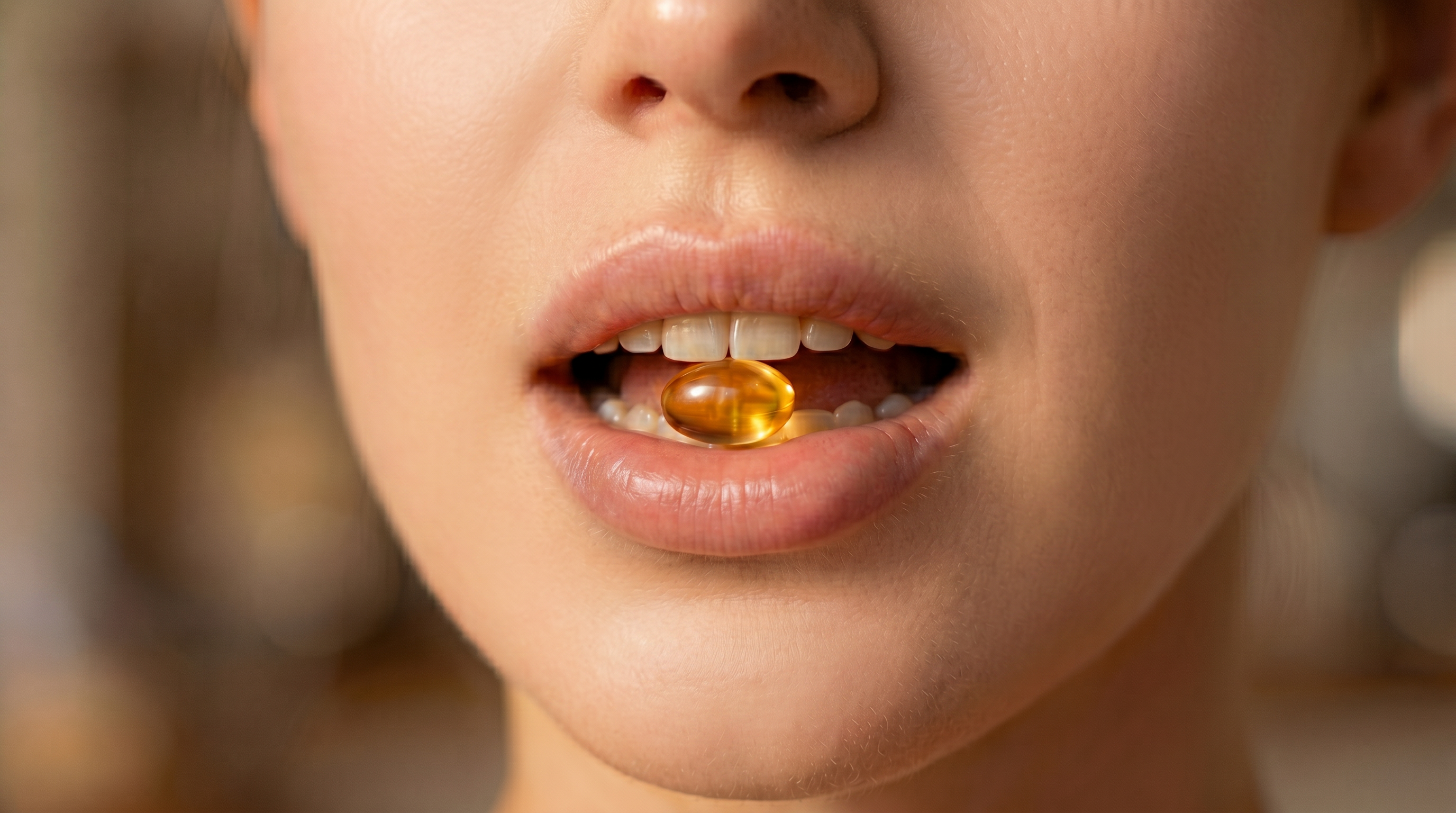
On the inside, the basics that hold up in the evidence are protein (your hair is made of it, so adequate intake matters), iron status if you're prone to running low, and vitamin D over the winter months. The NHS recommends a daily 10 microgram vitamin D supplement for everyone in the UK throughout the year as we can't make it from sunlight at our latitude during those months. The most common risk factors for low vitamin D levels include a darker skin tone and less time spent outside (sunlight makes vitamin D). Checking your vitamin D levels through a blood test is the first step you can take to prevent unnecessary treatment and ensure you’re getting a high dose supplement from your doctor, as over the counter medicines may not be sufficient. That's the single most important supplement to think about going into autumn, and it's worth taking whether or not you're shedding.
Sleep, hydration, and not piling new stressors on top of the seasonal one matter for the same reason. The shed is going to be what it is; the rest is about not making it worse.
When to talk to your GP or dermatologist
Most seasonal shedding doesn't need a GP appointment. The signs that move it up the priority list are shedding that has been heavy for more than three months without slowing, patchy round loss (suggestive of alopecia areata), a parting that's been widening over years rather than weeks (suggestive of pattern hair loss), any visible scarring or persistent redness on the scalp, and shedding alongside symptoms like fatigue, weight changes, palpitations or restless legs that might point to iron or thyroid issues.
Your GP can run a simple blood panel that usually covers ferritin, full blood count, thyroid function, vitamin D and B12. It's a low-effort investigation that often picks up something useful. If they think it's worth specialist input, a dermatology referral is the next step.
For a wider sense of what's behind different patterns of hair loss, our guide to hair loss causes answers all your questions.
FAQs
Is seasonal hair shedding normal?
Yes. Research from a 2009 trichogram study and a 2023 Google Trends analysis confirms that hair shedding peaks in late summer and early autumn for most people, with a smaller spring peak for some. It's diffuse, time-limited, and resolves on its own. If the shedding fits that pattern, it's almost certainly seasonal rather than a problem.
When does seasonal hair shedding happen?
The bigger of the two seasonal sheds usually shows up between August and October, with the heaviest weeks in September for most people. A second, smaller peak is sometimes seen in spring (March to May), but it's less consistent across the research. The autumn shed is what most people are noticing when they ask whether seasonal shedding is real.
How long does seasonal hair shedding last?
Most people experience six to eight weeks of slightly heavier shedding once it kicks in, sometimes a little longer or shorter depending on individual rhythm. If your shedding has been heavy for more than three months without easing, that's the cue to think about whether something else might be going on alongside the seasonal element.
How much hair shedding is normal during the seasonal peak?
The widely quoted baseline range is 50 to 100 hairs a day. In a seasonal peak, that can climb modestly. One long-term study found participants losing around 60 hairs a day in late summer, more than double their winter baseline. The increase is temporary and shouldn't visibly thin your hair overall.
Can you prevent seasonal hair shedding?
You can't switch off the underlying biological rhythm, but you can avoid stacking other shedding triggers on top of it. The high-impact moves are looking after your iron and vitamin D, eating enough protein, managing stress through autumn, being gentler with heat and styling, and keeping your scalp in good shape with a barrier-supporting routine.
Does seasonal hair shedding cause permanent hair loss?
No. The follicles aren't damaged by seasonal shedding. They're just released from the resting phase together. Once the shed settles, the same follicles cycle back into growth and the hair regrows. Permanent loss isn't a feature of the seasonal pattern, and if you're seeing thinning that persists, it's worth investigating other causes.
Do hair vitamins help with seasonal shedding?
Generally only if you're actually deficient in something specific. The most useful supplement to think about going into autumn is vitamin D, which the NHS recommends for everyone in the UK between October and March. Beyond that, the evidence for "hair vitamins" without confirmed deficiency is weak. A blood test from your GP is more useful than a guesswork supplement stack.