

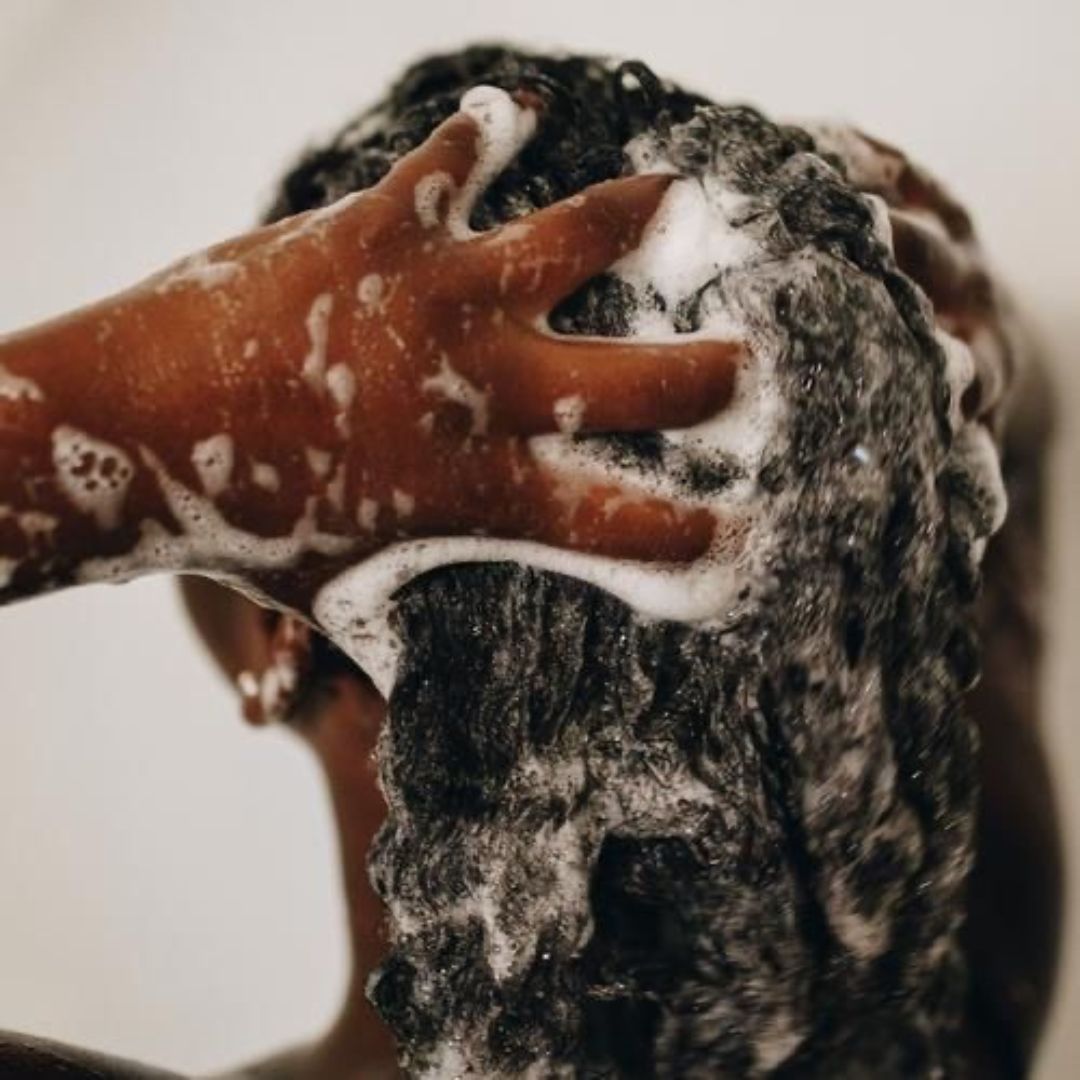


We’ve all heard it before: “Healthy hair starts at the scalp.” But what does that actually mean? And what does a truly thriving scalp look and feel like?
Imagine a scalp that’s clean, calm, and balanced - no oil slick by noon, no flakes on your shoulders, no relentless itch. If you're dealing with dandruff, persistent greasiness, or irritation, your scalp’s delicate ecosystem (think: its microbiome, oil production, and skin cell turnover) might just be out of sync.
The good news? With the right active ingredients, you can bring your scalp back to its happy place. Here’s your ultimate guide to the best dermatologist-approved ingredients for a healthier, happier scalp - and stronger, thicker hair.
For even better results, you can even check out our very own hair serum for fuller, healthier looking hair.

Happy Hair Follicles: The Root of Strong Strands
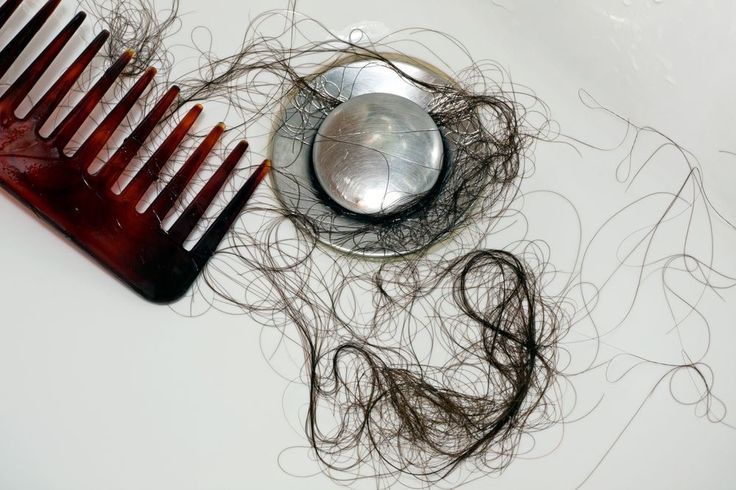
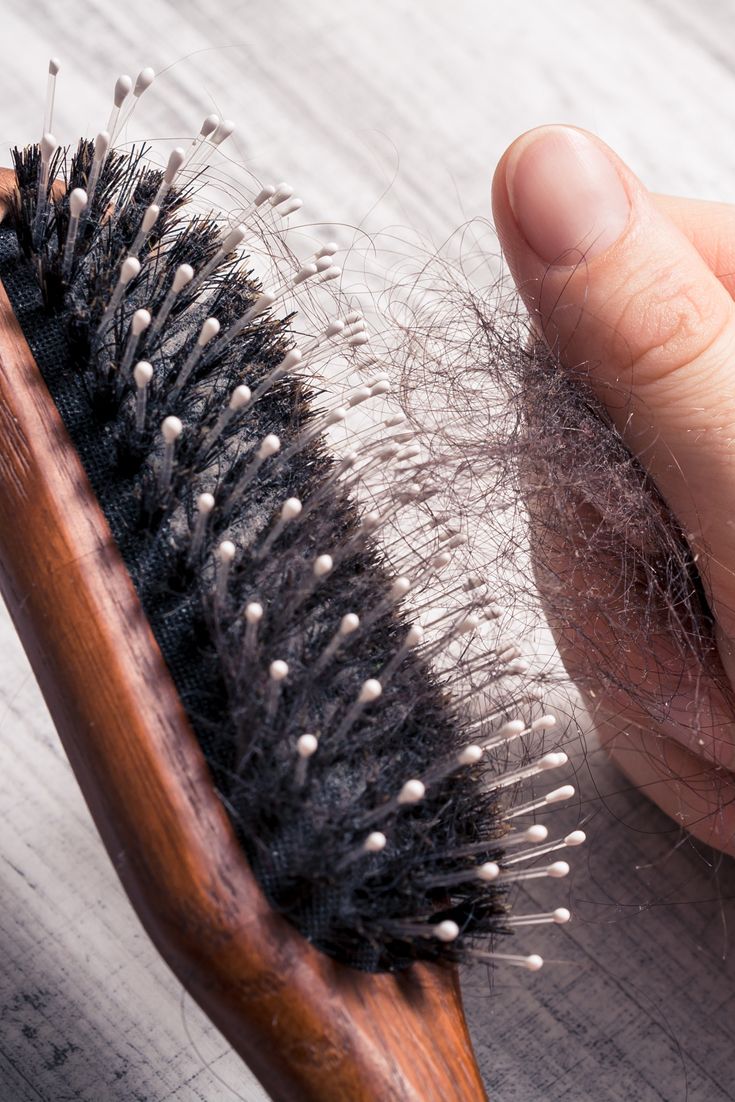
If your hair isn’t growing like it used to - or you’ve noticed more shedding lately - your hair follicles could be struggling. These tiny "powerhouses" from which each hair grows are sensitive to everything from inflammation to hormone shifts.
Clogged pores, poor blood flow, or increased levels of DHT (dihydrotestosterone - a hormone that can shrink follicles) can all contribute to thinner, weaker hair over time.
Hero Ingredient: Caffeine
Yes, the same caffeine in your morning latte also happens to be a follicle’s best friend:
-
It's like a morning espresso for your scalp: Caffeine boosts blood flow to your follicles, ensuring they get all the nutrients they need to thrive.
-
The DHT defender: It actively helps block DHT, a hormone notorious for shrinking follicles and contributing to hair thinning.
-
Length retention hero: Studies show it can actually extend your hair's growth phase meaning you keep more of your precious strands for longer.
Find caffeine in particular shampoos, targeted scalp serums, and invigorating leave-in tonics designed to stimulate growth.
Microbiome Harmony: Quieting the Itch and Flakes
A flaky, itchy scalp isn’t always about dryness - often it’s your microbiome (the natural collection of bacteria and fungi on your scalp) out of balance. When the yeast Malassezia overgrows, it can lead to dandruff, greasiness, and irritation.
Hero Ingredients for Microbiome Balance:
-
Zinc Pyrithione: A tried-and-true dandruff fighter that calms itching and reduces flakes
-
Selenium Sulfide: A powerful antifungal for stubborn flakes, often paired with Zinc Pyrithione in medicated shampoos
-
Ketoconazole: A prescription-strength antifungal that helps reset your scalp’s ecosystem and keeps Malassezia under control
Find these ingredients in over-the-counter anti-dandruff shampoos, Nizoral (available from pharmacies only) or even prescription from your GP for more targeted treatment.
Caring for the Skin Beneath Your Hair
Think about how you treat the skin on your face — regular cleansing, gentle exfoliation, moisture. Now imagine never doing that… and that’s what many of us unknowingly do to our scalp.
Sweat, oil, dead skin, and product buildup can clog follicles, leading to irritation and dull, greasy hair. A weekly scalp “reset” can make all the difference.
Hero Ingredients for Scalp Skin Health:
-
Sulfates (SLS & SLES): We know - sulfates get a bad rep. But in reality, they’re very effective at removing heavy buildup and oils that contribute to irritation and inflammation. Using a clarifying shampoo with Sodium Laureth Sulfate just once a week can refresh your scalp and reduce yeast overgrowth.
-
Salicylic Acid: This BHA is a scalp MVP. It breaks down oil and dissolves dead skin cells, making it a game-changer for oily, congested, or flaky scalps.
-
Glycolic Acid: An AHA that gently exfoliates the scalp’s surface and helps prevent buildup before it starts - promoting a smoother, healthier scalp over time.
Aamna Adel’s top tip: Look for these in weekly clarifying shampoos or dedicated scalp serums (especially pre-shampoo treatments with salicylic or glycolic acid).
Defending Your Scalp Barrier
Just like your face, your scalp has a skin barrier made up of oils, cells, and ceramides. When that barrier is disrupted, you’re more likely to experience itchiness, flaking, and inflammation. A strong barrier = a calm, protected, moisturised scalp that’s ready for healthy hair growth.
Hero Ingredients to Strengthen the Scalp Barrier:
Niacinamide (Vitamin B3)
-
Barrier booster: Helps your scalp produce more ceramides, locking in moisture and fending off irritation
-
Anti-inflammatory: Soothes itch, redness, and oxidative stress
-
Hair growth support: In a study, Japanese men using just 0.1% niacinamide lotion saw improved hair thickness over time
-
Peptides: small proteins that act like messengers for your scalp cells:
-
-
Biotinoyl Tripeptide-1 (GHK): Known for helping rebuild the scalp’s barrier and calm inflammation
-
Copper peptides: Bind to GHK and act as powerful protectors against oxidative stress and damage
-
Squalane
Your scalp’s natural moisturiser - squalane seals in hydration and calms inflammation. But when it oxidises (thanks to heat, sun, or pollution), it can trigger sensitivity and flakes (12,13).
Aamna Adel’s top tip: Look for these in : multi-peptide serums, niacinamide-based scalp treatments, and leave-on oils with squalane.

The Bottom Line: Prioritise Your Scalp, Prioritise Your Hair
Your scalp is the foundation of healthy hair. Whether you’re dealing with flakes, oiliness, thinning, or just want to upgrade your hair routine, taking care of your scalp is the first step.
From ingredients that energise your follicles to those that calm irritation and break down buildup, these science-backed activities can make a real difference. Your scalp will feel better. Your hair will grow better. And honestly? Your whole routine will feel a lot more satisfying.
Healthy scalp, happy strands. Always.
For answers to other questions you might have about hair care, check out our blog page.


Share:
5 Ways to Improve Scalp Health According to Dermatologists
Natural DHT Blockers: Do They Actually Work?