



Hair growth products often come with big promises, but how do you know which ones actually deliver? In this blog, we’ll decode the ingredients listed on your favourite hair growth serums, the best ingredients for hair growth, how they work and how they influence your hair's natural growth cycle.
How Does Hair Grow?
Your hair moves through a natural cycle with four main phases. Here’s the breakdown:
Anagen (Growth): This is where the magic happens! Hair is actively growing from the follicle (root). This phase is the longest and determines how long and thick your hair gets. As we age, the time spent in this phase tends to shorten, which can lead to thinner, weaker strands.
Catagen (Transition): Think of this as a quick reset. It lasts about 2 weeks while the hair detaches from the blood supply and stops growing.
Telogen (Resting): Hair chills here for about 2–3 months. While it’s resting, new hair starts forming underneath, eventually pushing the old strand out.
Exogen (Shedding): This is the part where the old hair actually falls out to make room for new growth. Losing 100–150 hairs a day is totally normal.

To keep it simple, we can break these down into two key phases: growth and rest.
My Hair’s Falling Out More Than Usual, What’s Going On?
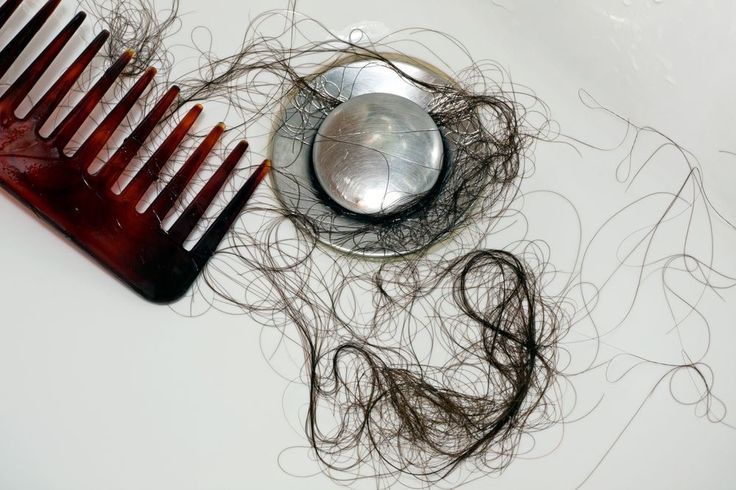
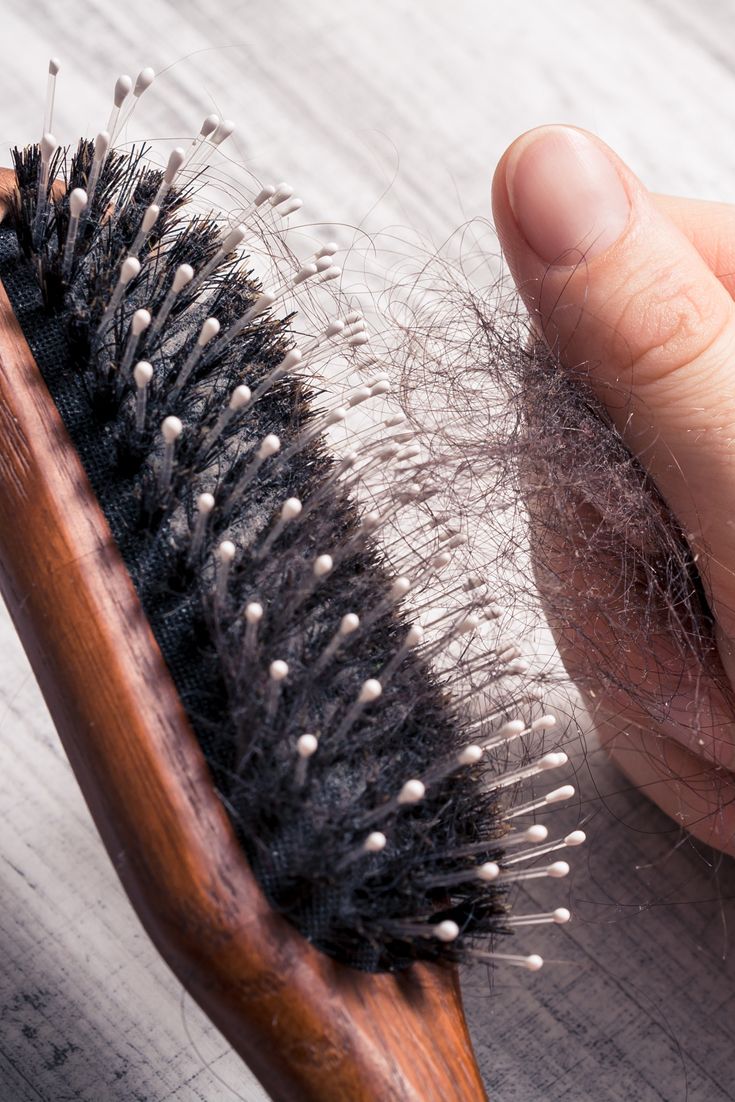
If too many hairs jump into the resting phase too quickly, you can experience too much hair loss. SO many things can affect hair fall; from poor sleep and diet, to natural stressors in life that cause high cortisol (a stress hormone). When excessive shedding occurs it’s known as Telogen Effluvium.
Skip The Faff - Here’s The Facts
Using ingredients that encourage blood flow to the scalp, healthy hormone balance and directly stimulate the hair follicle can push the hair cycle back into the growth stage instead of taking an extended holiday in the rest phase.
Let’s take a closer look at the ingredients that have been shown to work, based on science, not just hype.
Minoxidil
The holy grail of hair growth! When it comes to hair loss treatments backed by science, Minoxidil is the main character. Minoxidil is a drug which works by relaxing and widening blood vessels around the hair follicles. That extra blood flow helps deliver nutrients directly to the roots. Animal studies have shown it helps shift hairs from the resting phase into the growing phase faster, meaning fewer hairs stuck in “pause mode” and more actively growing strands.
A heads up: you might notice some extra shedding at first. That’s just the old resting hairs being pushed out to make way for new growth. Available over the counter as a 2% or 5% solution or in tablet form through your doctor.
Finasteride
If Minoxidil is the main player in hair loss treatment, Finasteride is its trusted sidekick..
Finasteride reduces the amount of DHT, a hormone that can shrink hair follicles and cause hair to exit the growth stage too early.
Finasteride is available in oral form however it is not recommended for the girlies, as it has hormonal impacts and can affect pregnancies.
Ketoconazole
The big boss for dandruff, ketoconazole does more than fight the flakes!
A study on women with alopecia found it can increase the number of hair follicles in the growth phase, both on its own and when combined with Minoxidil. As an added bonus - it also dials down DHT that can cut the growth phase short - meaning you can benefit from stronger and longer strands.

Caffeine
A star player found in many hair growth serums. Caffeine gives your hair follicles the rush of blood and nutrients it needs to keep hair in the growth phase for longer. Here’s the science:
A review comparing caffeine in human trials found significant improvements in hair growth and density compared to the groups who did not use caffeine. One study looking at topical caffeine solution on the scalp Vs minoxidil found the hair growth results were comparable with using 5% minoxidil solution. Overall, caffeine is definitely a promising contender in the hair growth game!
Peptides
Tiny proteins, big results! Peptides encourage blood flow to hair follicles, shortening the rest phase and speeding up the return to the growth phase.
The standout star is copper peptides, which is well studied for its ability to reduce shedding and improve hair density. Early studies looking at the effect of copper peptides on hair follicles found that copper peptides act as a ‘growth factor’, encouraging the root (follicle) of the hair to grow. You’ll often find peptides in topical serums, sometimes blended with other peptides in a Multi Peptide Serum.
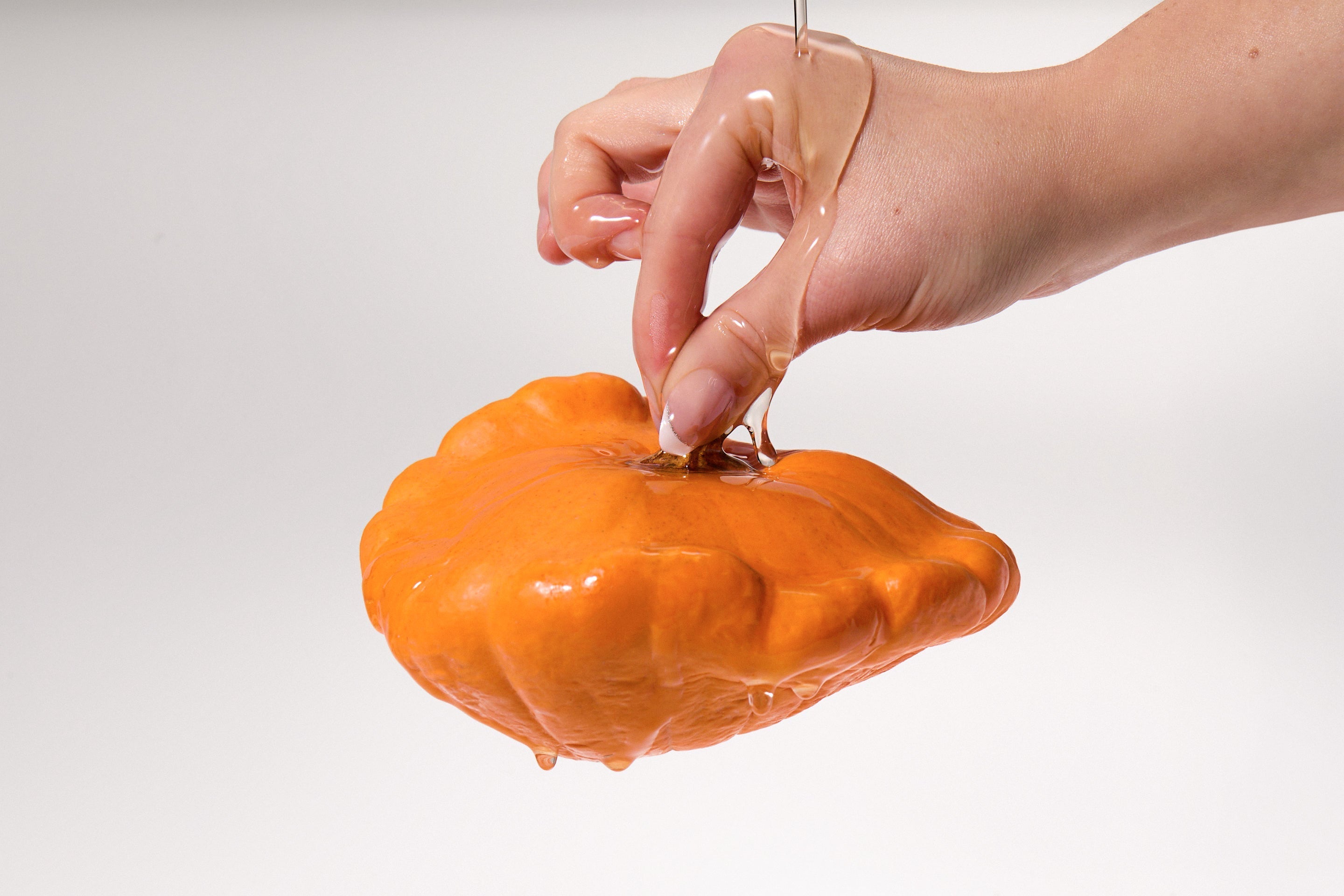
Pumpkin Seed Oil
Another DHT blocker to fight hormonal hair loss, pumpkin seed oil can be taken in tablet form or topically.
A study in men with androgenetic (hormonal) alopecia found a significant increase in hair count at the end of 24 weeks compared to those who did not use pumpkin seed oil.
Putting It All Together: Your Hair Growth Game Plan
A solid hair growth routine comes down to using the right combination of ingredients to wake up resting hairs and support new growth. Regular use of a star ingredient such as minoxidil, paired with using a ketoconazole shampoo 1-2x a week is a solid foundation for new hair growth. Many brands create serums with blends of multi peptides and caffeine = more results, less effort!
Remember, consistency is key! Just like building muscle needs regular gym sessions, a regular hair routine maintains hair growth. And don’t forget: your products work best when your scalp is clean and balanced. Washing your hair often and adding a deep cleansing shampoo once a week will prevent buildup to keep your hair growth routine working in order - a healthy scalp is the foundation for real, visible results.
As always, check in with your dermatologist for personalised advice, especially if you notice changes in your scalp or hair health, or if you’re considering introducing stronger treatments. They can help tailor your routine to your hair type and address any underlying issues, whilst ensuring you’re using products safely and effectively for long-term results.
For answers to other questions you might have about hair care, check out our blog page.


Share:
The Causes of Hair Loss: A Comprehensive Guide
Understanding Hormonal Hair Loss (Part One)