




Stress can take a real toll on our mental health, focus, concentration, appetite and many other aspects of our health. A lesser-known fact of stress is that it can, unfortunately, also affect your hair and scalp health.
You might first notice it whilst brushing or washing your hair - shedding more strands than usual, a widening part, or a ponytail that feels thinner. Stress doesn’t just live in your mind; it can spark real physiological changes throughout the body, including in the hair follicle itself.
Before you start stressing about stress, let’s break down how stress hormones like cortisol can cause hair loss and disrupt the natural hair cycle, how they are related to stress, and what you can expect and do about it.
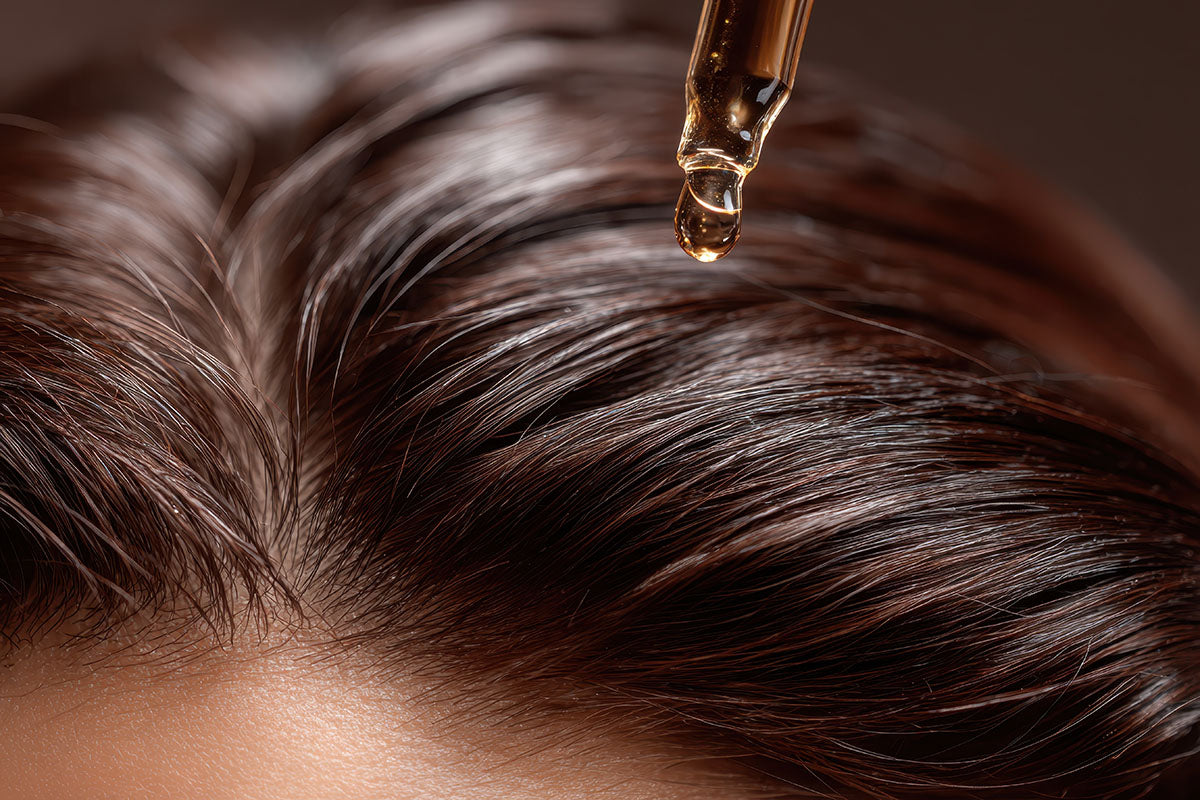
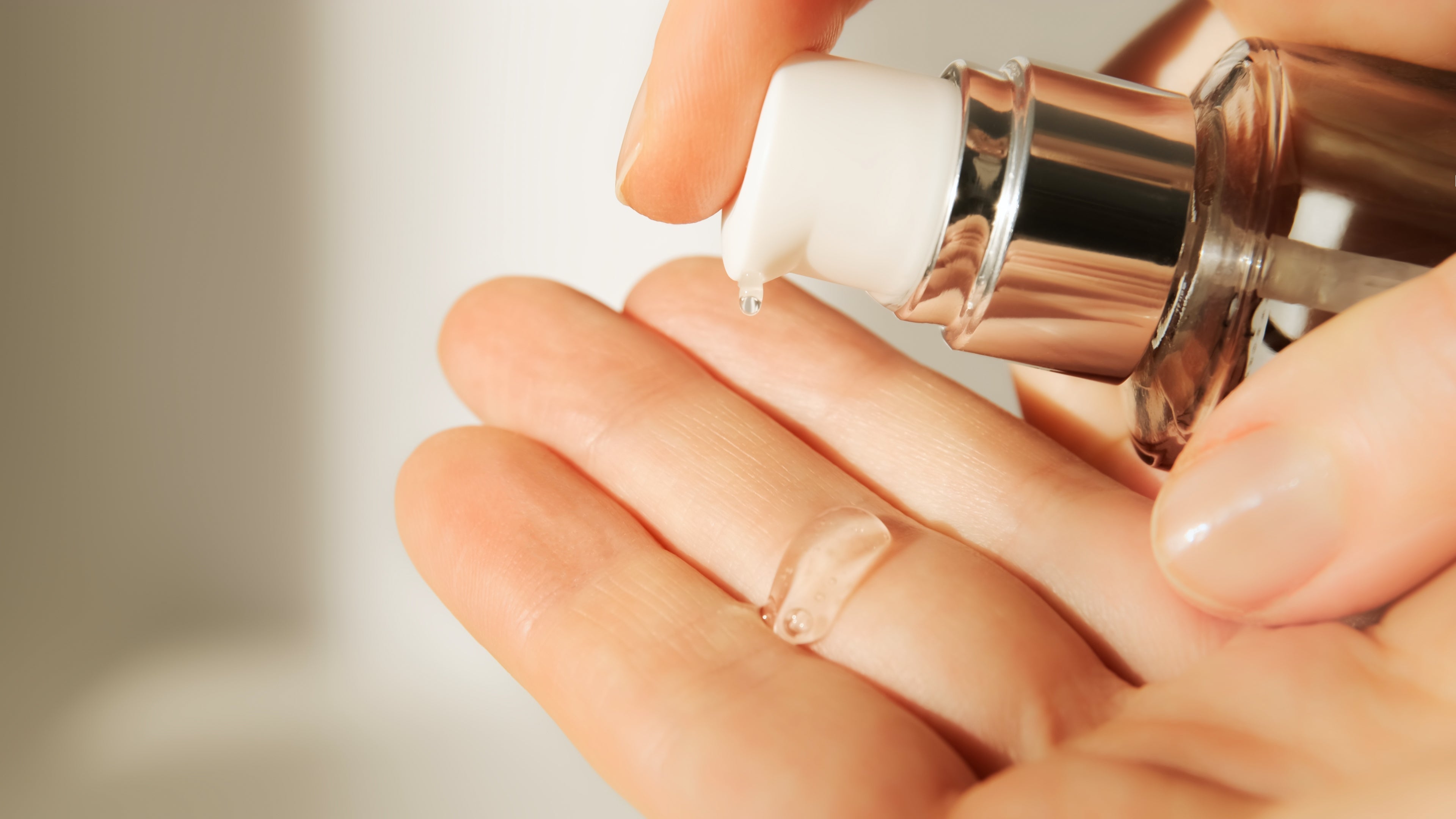
And if you’re interested in a product that can help stimulate growth in your scalp, check out rhute’s very own hair serum.
The Hair Growth Cycle 101
To understand cortisol hair loss, it helps to know how the hair cycle normally works. Each strand of hair goes through four key phases: Anagen, Catagen, Telogen and Exogen.
Simply, these can be divided into hair growth and rest.
How Stress Affects Hair Follicles
Scalp hair generally grows at a rate of 0.2-1.2mm per day, which translates to 6-33.5mm per month. This isn’t the same for everyone; growth rate varies by individual factors, including age, sex, site, ethnicity and health. However, if you add extra stress hormones to the mix, your hair growth and scalp health can be significantly hindered.
When you are in a period of stress, your body produces cortisol, the primary stress hormone. Cortisol has a broad impact on many parts of our body, such as our liver, immune system, and even our hair.
An increase in this stress hormone can cause the body to feel threatened and activate our “fight or flight” response. Often this diverts blood flow to vital organs - such as the heart and lungs - to deal with the stressful problem and reduces blood flow. It therefore delivers nutrients to areas considered “non-essential” for survival, such as skin and hair.

How Can This Affect My Hair?
Let’s break down what the evidence-based research shows:
-
High cortisol levels reduce the production and accelerate the breakdown of key skin components, such as proteoglycans and hyaluronan, by 40%. These components normally help keep hair follicles hydrated and healthy.
-
Animal studies in chronically stressed mice found that elevated cortisol can lock hair follicle stem cells in a prolonged resting telogen phase, preventing them from regenerating and producing new hair.
-
Cortisol production is normally stimulated by the brain; however, research has found that it can also be produced locally within the skin and hair follicles themselves. A research paper examined several animal studies and found that hair follicles possess their own cortisol-producing system, which is independent of the body's endocrine system. Higher levels of hair cortisol were found in response to social stress in animal studies.
-
The above studies were conducted in mice; however, human studies have also extensively examined the link between stress and hair cortisol. Elevated hair cortisol has been found in individuals experiencing physical stress, such as pain, as well as psychological stress due to common issues like difficulties at work or postpartum.
The result? More hair strands shift out of growth mode, and more shedding occurs a few months after a stressful event.
Telogen Effluvium: The Most Common Stress-Linked Hair Loss
The most typical pattern of stress-induced hair loss is Telogen Effluvium (TE), which essentially means hair shedding due to stress. Here’s what you need to know:
-
Onset: Usually occurs 2–3 months after a major life stressor (illness, surgery, trauma, childbirth, severe emotional stress, crash dieting, thyroid imbalance, among others).
-
Pattern: Diffuse shedding all over the scalp rather than bald patches. Patients often notice a thinner ponytail or a wider part in their hair.
-
Mechanism: Stress is the driving factor in Telogen Effluvium, causing up to 30% or more of hairs to enter the telogen (resting phase), compared to the normal 10%. After a few months, those resting hairs shed all at once. This means you might suddenly notice clumps of hair falling out in the shower at once, which can be super distressing.
-
Duration: Acute TE typically lasts less than six months and resolves on its own. Once the stressor is removed or resolved, hair gradually resumes its normal growth cycle.
-
Recovery: Regrowth may take 3–6 months to begin, and it can take up to a year for the volume to return to baseline. The key is to address the root cause of your stress, which may be psychological stress or stressors such as nutritional deficiencies.
Stress and Alopecia Areata
Another condition linked to stress is alopecia areata (AA), an autoimmune disease characterised by patchy, sometimes recurring hair loss. Unlike TE, alopecia areata involves the immune system, which usually helps us fight infections. In AA, instead of infections, the immune system directly attacks our hair follicles. Chemicals released during stress, such as Substance P and Corticotrophin-Releasing-Hormone (CRH) can set off the immune system and also impact our hair.
Stress chemicals such as Substance P and Corticotropin-Releasing Hormone (CRH) can set off the immune system, leading to inflammation around follicles. This inflammation pushes follicles into the catagen (regression) phase too early, interrupting growth. The good news is that mild alopecia areata is often not permanent. Many experience hair regrowth within a year, although the course is unpredictable and recurrence is common.
It’s worth noting that stress and hair loss can become a feedback loop. For many, noticing sudden shedding or bald patches causes even more anxiety, which, in turn, raises cortisol and perpetuates the cycle. Breaking this loop is just as important as treating the underlying trigger.
What can I do about stress-induced hair loss?
Understandably, noticing sudden shedding or bald patches causes even more anxiety, which, in turn, raises cortisol and perpetuates the cycle. Breaking this loop is just as important as treating the underlying trigger. The good news is that acute telogen effluvium is almost always temporary. Shedding will slow once follicles return to their normal cycle.

What Can I Do About Stress-Induced Hair Loss?
Understandably, noticing sudden shedding or bald patches can send you into a panic.
Here are some practical tips to help you with cortisol hair less:
Identify the Trigger
Major illness, surgery, postpartum recovery, dietary deficiencies, or life stressors are common culprits, but sometimes or often there is more than one thing going on! Speak to your doctor if you’re struggling to pin down what it might be.
Correct Deficiencies
Iron and Vitamin D are two of the most common and problematic deficiencies, often overlooked. Under the guidance of your GP, a blood test can help you figure out whether you need prescription-grade replacement.
Wash as Usual
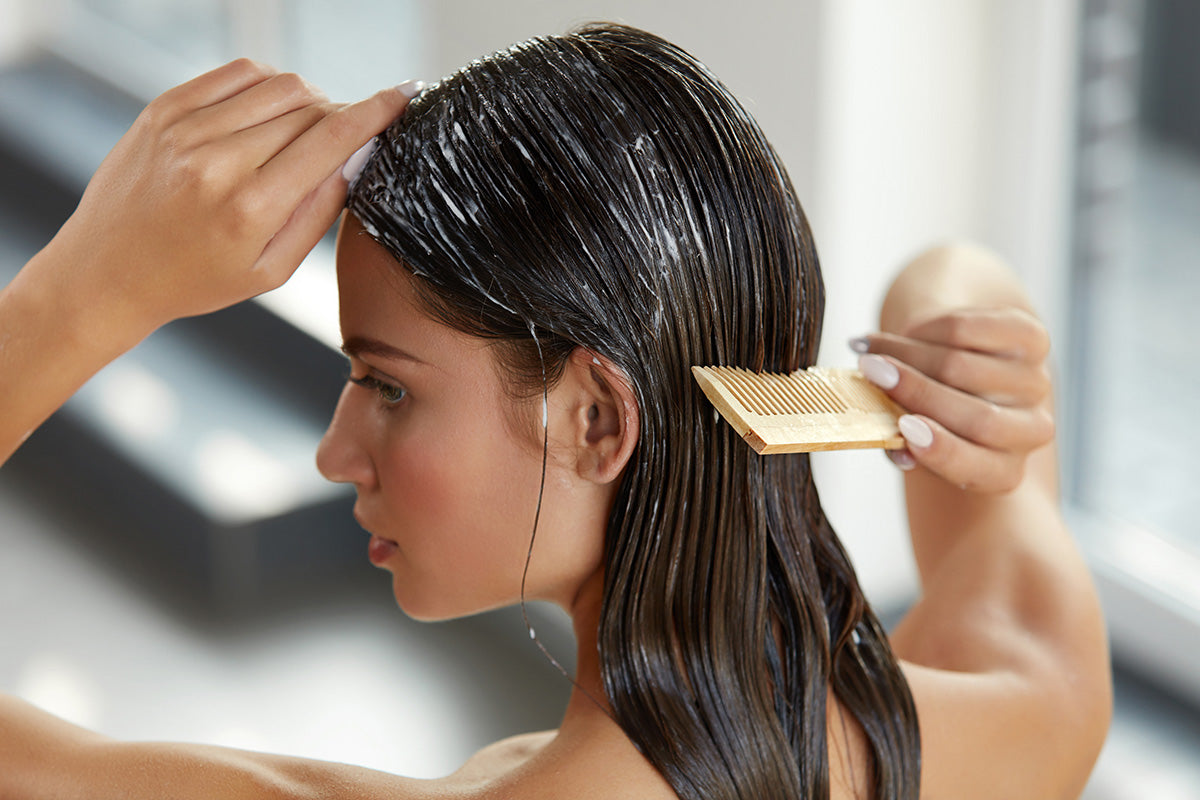
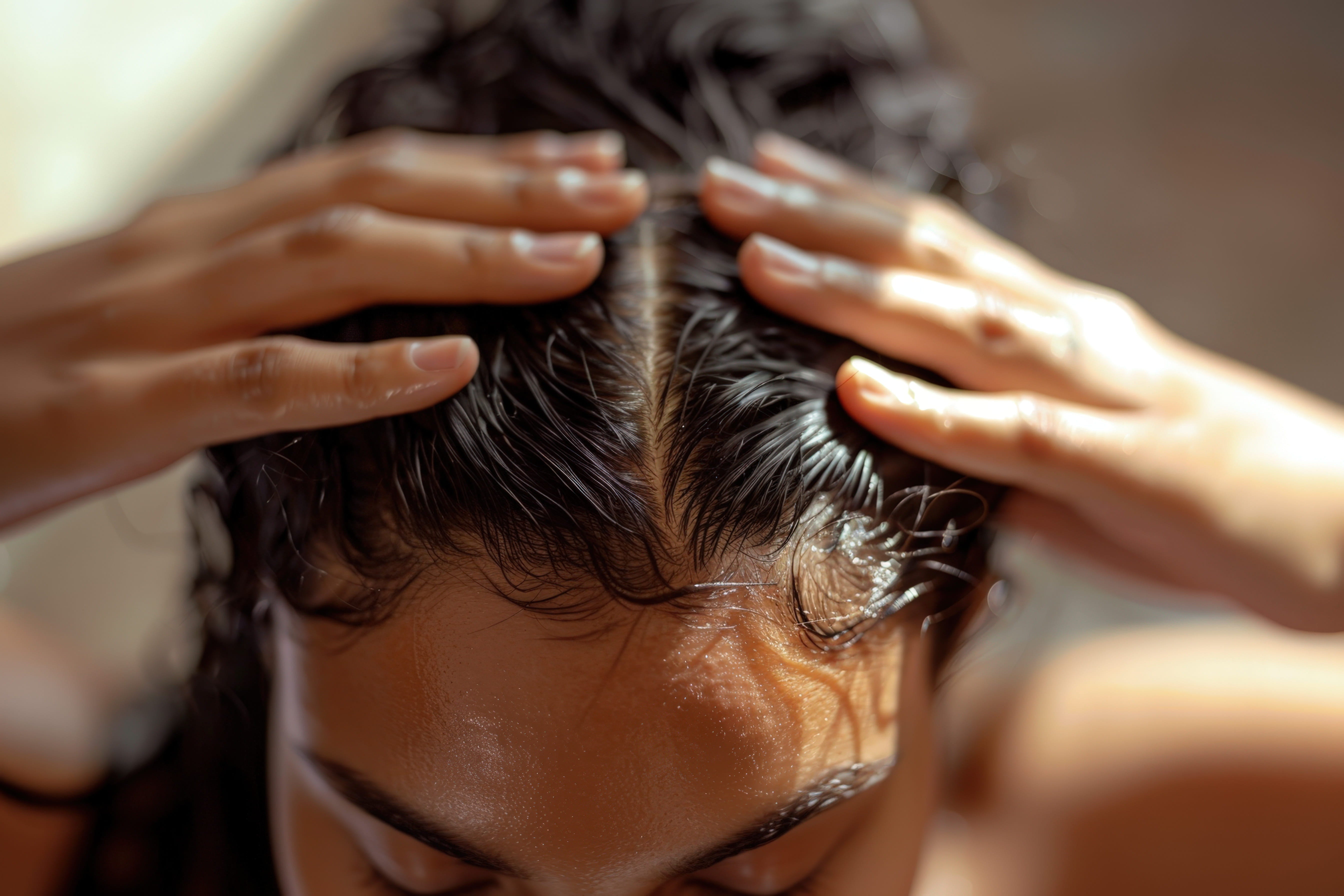
You might worry that washing or grooming worsens shedding, but this isn’t the case. In fact, regular washing helps maintain a healthy scalp microbiome, keeping your hair follicles in better condition.
Specialist support: If shedding persists for longer than six months or if you notice patchy loss (suggestive of alopecia areata), it’s best to consult a dermatologist for tailored treatment options.
Our Takeaway
Stress doesn’t just live in your head; it shows up in your hair, too. Elevated cortisol can disrupt the delicate balance of the hair cycle, causing temporary shedding (telogen effluvium) or triggering autoimmune-related loss (alopecia areata). While this can feel distressing, the outcome is usually good: once the stressor is removed and the body rebalances, your hair cycle can reset, and regrowth begins.
If you’ve noticed sudden shedding after a stressful life event, you’re not alone, and with the right support, your hair can recover to its best version.
For more information on the latest in hair health and the science behind recent trends, check out our blog.


Share:
Caffeine in Hair Care: Energising Your Scalp for Growth
Seasonal Hair Shedding: Explanation, Causes & Tips to Manage It