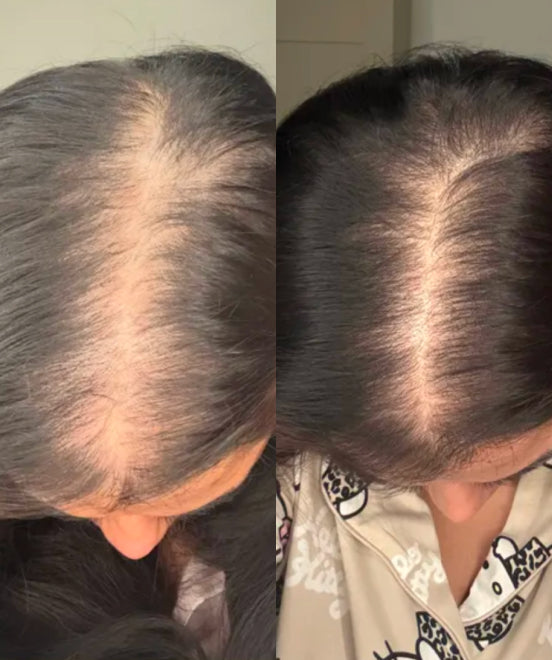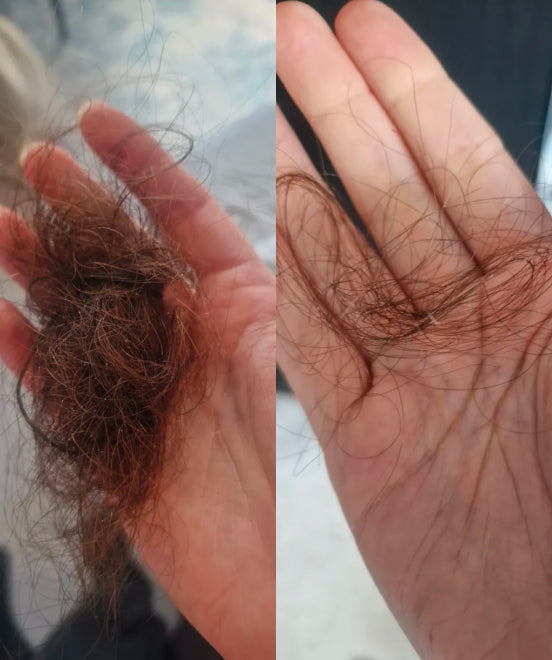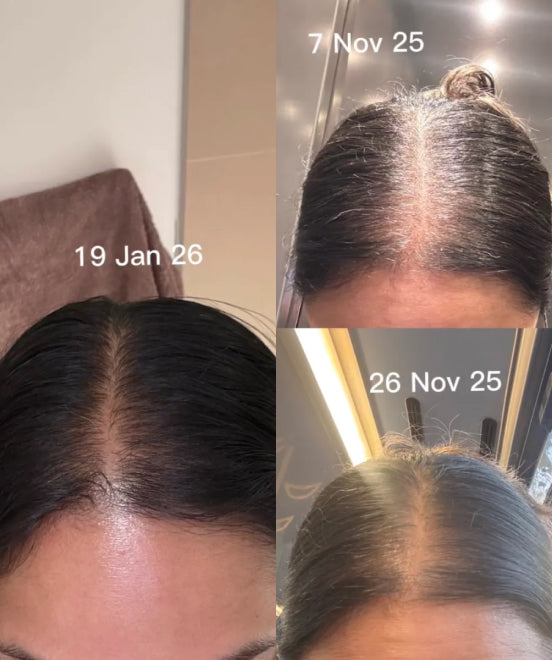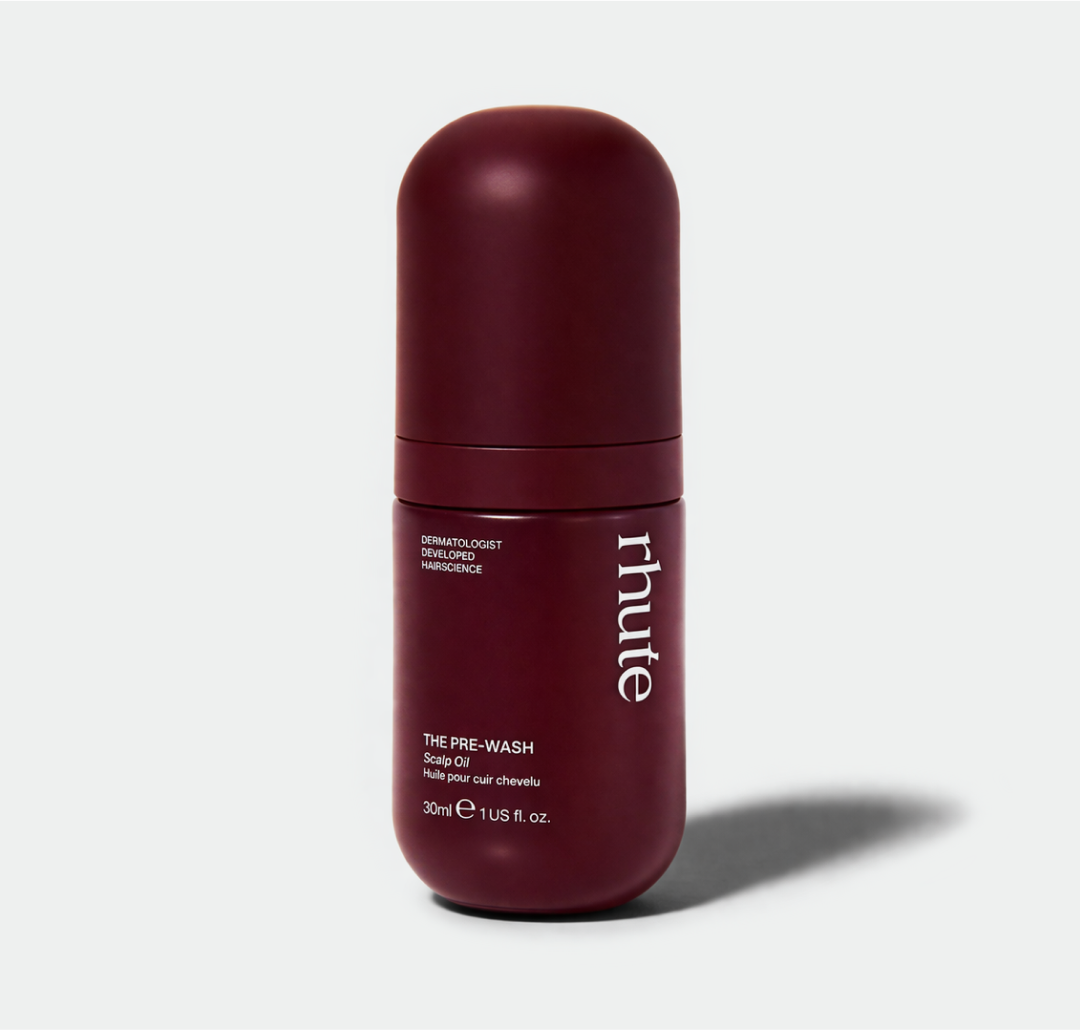


This guide breaks down the real science of scalp serums: which ingredients are backed by research, how to choose one for your specific concern, and how to tell genuine results from clever marketing. No fluff, no over-promises, just the honest breakdown your hair deserves.
Why your scalp is the starting point for hair growth
Your scalp is skin. Sounds obvious, but it's the bit most people skip when they're trying to fix their hair. We spend ages thinking about the strands, the ends, the frizz, and completely ignore what's happening underneath. Here's the catch: if the scalp environment isn't right, your hair doesn't stand much of a chance.
Think of it like a garden. You can water the leaves all you want, but if the soil is depleted, nothing grows properly. Your scalp works the same way. Each follicle moves through a growth phase (called anagen, the stretch where your hair actively gets longer), a short transition, and then a resting phase before the hair sheds and the cycle starts again. At any one time, roughly 85% to 90% of your hair should be in that active growth phase (Murphrey et al., 2024).
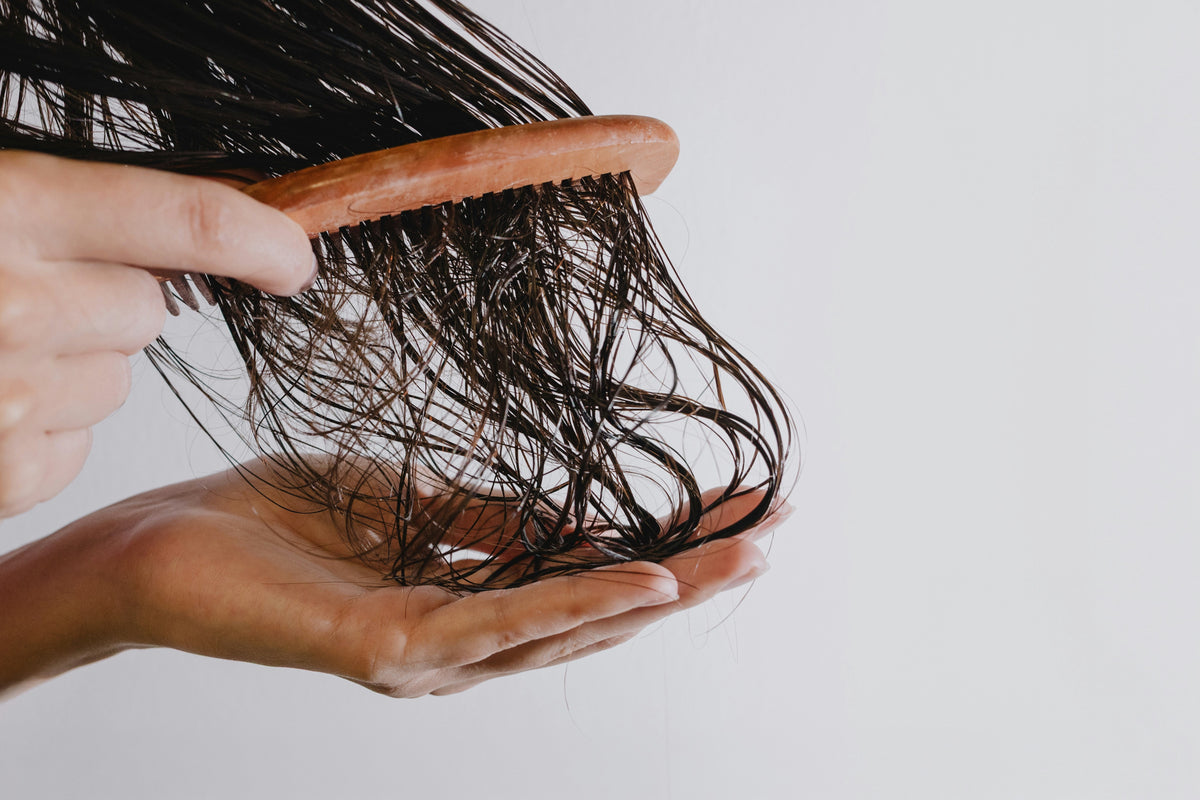
What's running the show? Dermal papilla cells, the tiny structures at the base of each follicle that act as your hair's control centre. When they're well-nourished and the scalp is healthy, hair grows stronger and stays in the growth phase for longer. When something throws that off, whether it's hormonal changes, stress, inflammation, or a weakened scalp barrier, more hairs shed and fewer grow through to replace them.
This is exactly why slathering products on your strands only gets you so far. Scalpcare is skincare, and getting the foundation right is where real results begin.
Scalp serum vs hair oil: what's the actual difference
Let's clear this up, because it trips a lot of people up. Scalp serums and hair oils are not the same thing. Not even close. The quickest way to see it:
-
Scalp serums are lightweight, usually water-based, and built to absorb fast and deliver active ingredients down to the follicle, right where those dermal papilla cells live. Think of it as a face serum, but for your scalp.
-
Hair oils are richer and designed to coat and condition the strand itself. They're brilliant for smoothing, hydrating, and giving your ends that glossy finish, but they sit on the surface rather than reaching the root.
They're different tools for different jobs. If your goal is supporting growth at the source, a serum is the one built for it. An oil sitting on top of your hair simply isn't going to reach where growth happens.
Here's what matters most: it's not about having the longest ingredient list. It's about the right actives in a formula your scalp can actually absorb. That's where serums win.
The ingredients that actually support hair growth
Not all serums are doing the same thing, and the ingredient list is where the real story lives. Here's what to look for, with what each one actually does for your hair (because benefits should always come before the science):
-
Caffeine helps fire up your follicles for fuller, stronger growth by stimulating activity in the follicle cells. Research suggests it may also help counteract DHT (dihydrotestosterone, a hormone linked to follicle shrinkage and pattern hair loss) (Szendzielorz & Spiewak, 2025). A randomised trial even found a caffeine-based topical performed comparably to 5% minoxidil over six months (Dhurat et al., 2017). Not bad for your morning pick-me-up ingredient.
-
Niacinamide (that's vitamin B3) helps calm and strengthen your scalp while supporting follicle health. It's also been shown to protect dermal papilla cells from oxidative stress, the cellular wear-and-tear that can interfere with growth (Choi et al., 2021). It pulls double duty on oil balance and barrier repair too.
-
Bioactive peptides act like tiny messengers, telling your follicle cells to grow and renew much as your body's own growth factors do. Preclinical research has shown they can switch on key growth pathways in the follicle, supporting thicker, more resilient hair over time (Ferraris et al., 2021).
-
Stem cell extracts help wake up follicles that have gone quiet. A literature review found they show real promise for stimulating dormant follicles and supporting repair at the scalp level (Stem cell applications in human hair growth, 2023). This is one of the most exciting areas in scalp science right now.
-
Salicylic acid is the quiet hero. It gently dissolves the dead skin, oil, and product buildup that clogs follicles and blocks other ingredients from getting through. Think of it as clearing the runway so everything else can land.
-
Saw palmetto helps block DHT, the same hormone linked to follicle shrinkage. It works by inhibiting the enzyme that converts testosterone into DHT, helping protect your follicles and keep them in the growth phase for longer. Consider it your follicle's quiet bodyguard, and you can read more in our guide to saw palmetto benefits for hair.
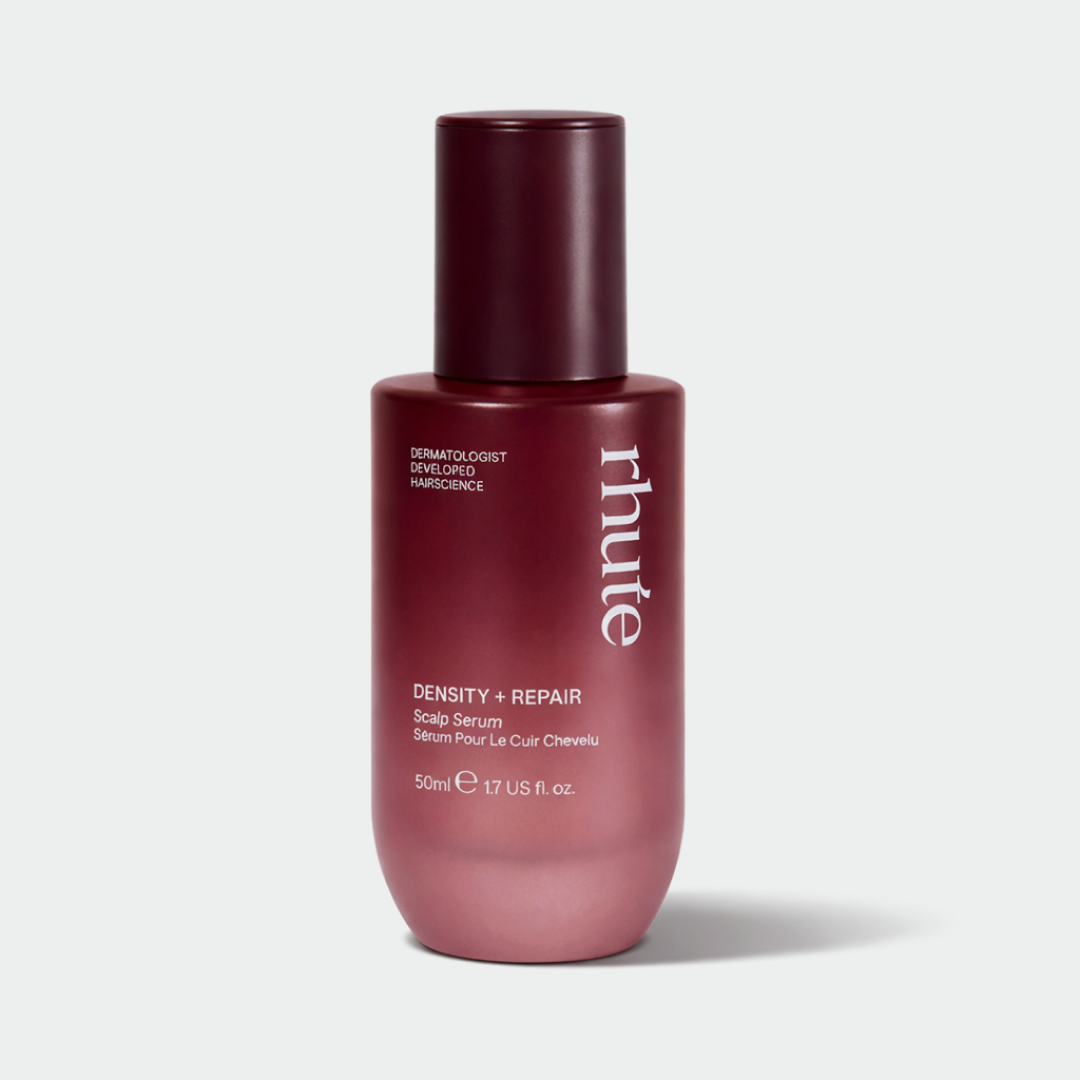
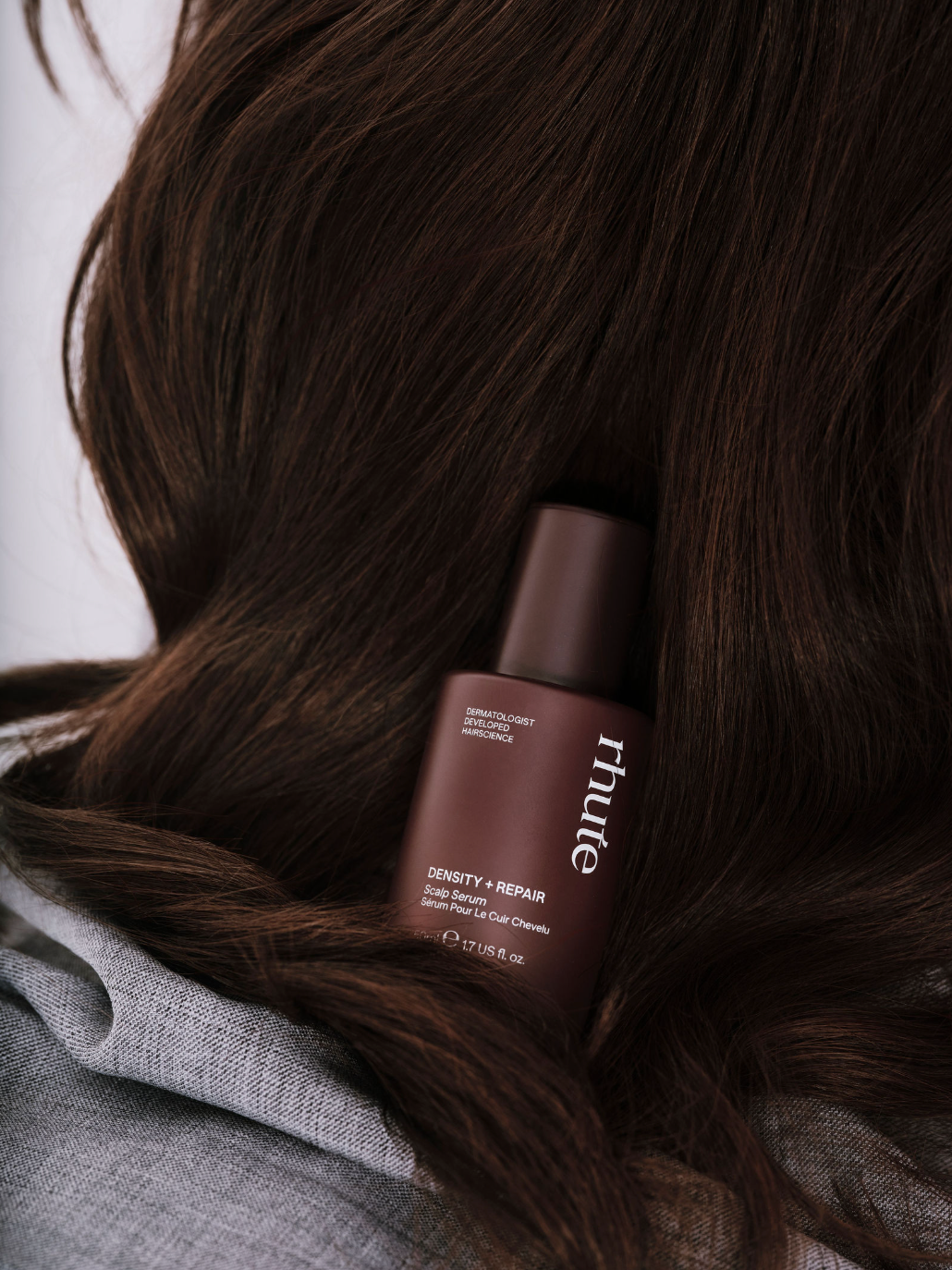
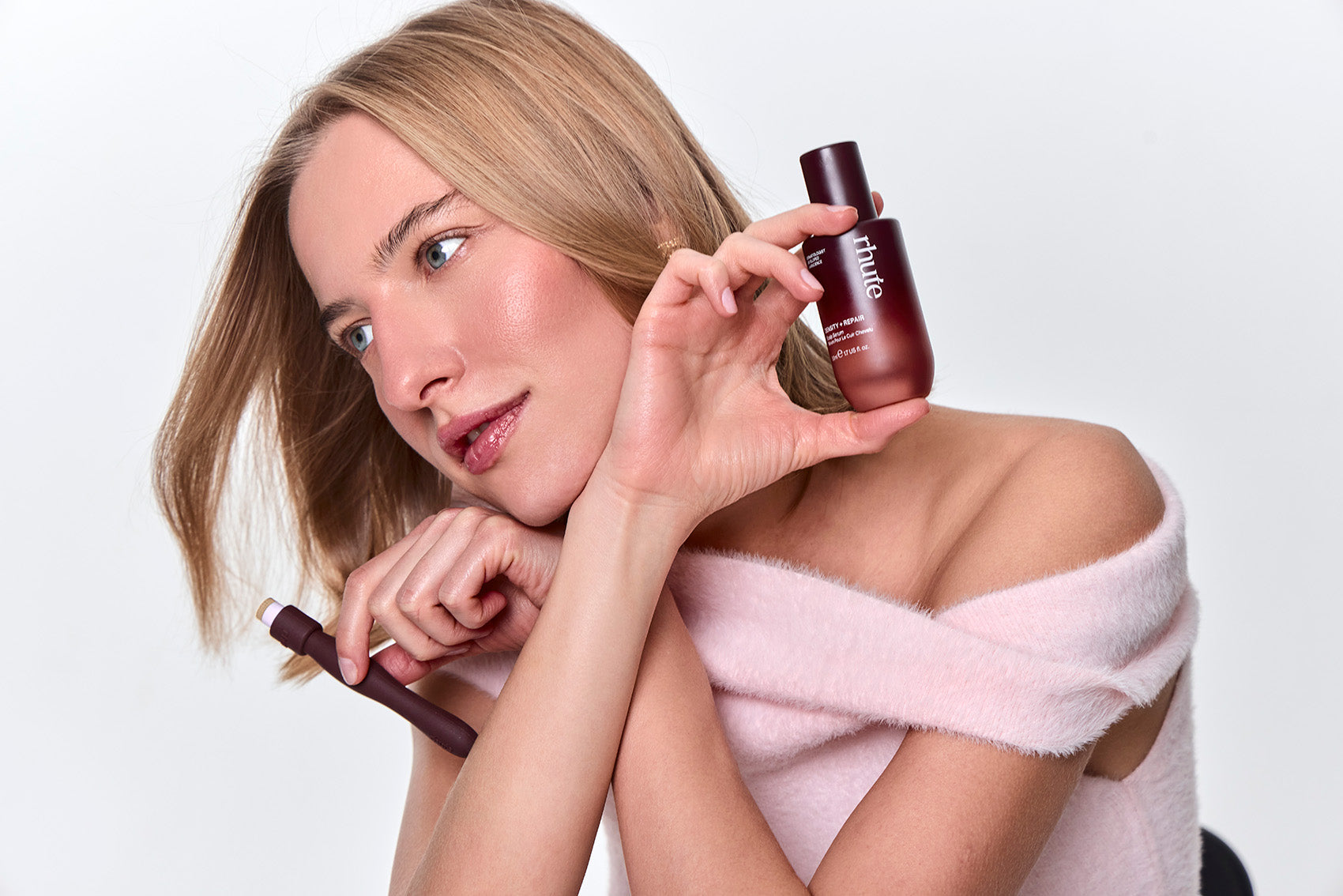
rhute's Density + Repair Scalp Serum brings these together: stem cell extracts, bioactive peptides, caffeine, niacinamide, panthenol, and salicylic acid in one lightweight, oil-free, minoxidil-free formula designed to repair your scalp barrier and support growth at the source.
How to choose a scalp serum for your specific concern
Hair thinning doesn't look the same for everyone, and what's driving yours matters when you're picking a serum. Here's how to match the approach to the cause:
-
Postpartum shedding. This is incredibly common: somewhere between 40% and 50% of women experience it after giving birth (Cleveland Clinic, 2023). All that gorgeous pregnancy hair was oestrogen keeping more hairs in the growth phase than usual. Once baby arrives and hormone levels drop, everything sheds at once. It's alarming, but it's temporary. A serum with gentle growth-supporting actives like peptides and niacinamide can help encourage new hair through while your body rebalances. Our guide to postpartum hair loss vitamins is a useful companion read.
-
Stress-related thinning. Under sustained pressure, your body can push a load of follicles into the resting phase at once. It's called telogen effluvium (a temporary, diffuse shed triggered by a stressor), and it can feel pretty scary. A barrier-boosting serum with calming ingredients like niacinamide and panthenol supports your scalp while the underlying stress settles. If this sounds familiar, our piece on cortisol and hair loss goes deeper.
-
Perimenopause and menopause. Declining oestrogen shortens the growth phase, which leads to thinner, slower-growing strands. Recent research confirms oestrogen's role in this transition, and around half of women notice hair changes through it (Gupta et al., 2025). Look for follicle-stimulating actives like caffeine and stem cell extracts to give your growth cycle a nudge.
-
Colour and chemical damage. If you love your colour but your scalp is paying the price, bleaching and chemical treatments can weaken the scalp barrier and create an environment that isn't great for growth. Barrier-supporting ingredients like niacinamide and panthenol, alongside growth actives, help you protect your scalp without giving up the colour.
-
Traction and styling tension. If extensions or tight styles are your thing, traction-related thinning can creep up, often around the hairline and temples. A growth-supporting serum can help nourish those stressed follicles. You shouldn't have to choose between your style and your hair health.
Green flags and red flags: how to read serum marketing
So many serums, so much marketing. Here's how to spot what's real and what's just clever packaging.
Green flags worth trusting:
-
Ingredients with actual published research behind them, not just "clinically inspired" vibes.
-
A lightweight, water-based formula that won't sit on your scalp and clog things up.
-
Dermatologist involvement in the development.
-
Transparency about what's in the bottle and why.
Red flags worth side-eyeing:
-
Heavy oils or silicones that coat rather than penetrate.
-
Added fragrance, which your scalp doesn't need, especially if it's already sensitive.
-
Vague claims like "regrow hair in days" with nothing to back them up.
-
A formula leaning on one trending ingredient without considering the bigger picture.
The biggest thing to watch? The gap between the marketing and the evidence. If a serum says "clinically proven," it should be able to point you to the data. If the claims sound too good to be true, they usually are.
How to use a scalp serum for the best results
This is where technique and consistency meet, and both matter. The method is simple:
-
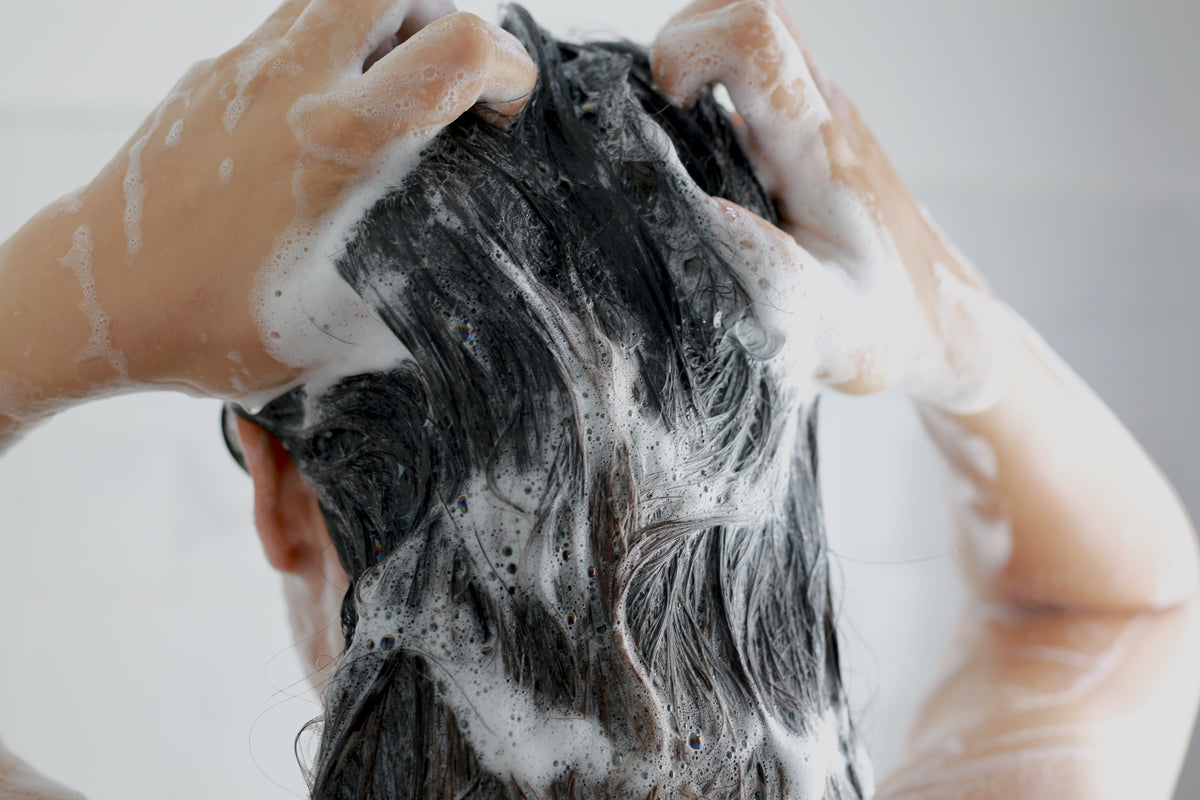
Start with a clean, dry scalp. Any oil, buildup, or dead skin acts as a barrier between the actives and your follicles.
-
Part your hair into sections and apply directly to the scalp with the dropper or nozzle. A few drops per section is plenty.
-
Massage it in with your fingertips, which also boosts blood flow to the area and helps carry nutrients to the follicle.
Now the part that trips people up: consistency. Using a serum once and wondering why nothing happened is like going to the gym once and expecting abs. Aim for daily application, and give it at least eight to 12 weeks before you judge the results. If you're building a routine from scratch, our step-by-step guide to using a scalp serum walks you through it.
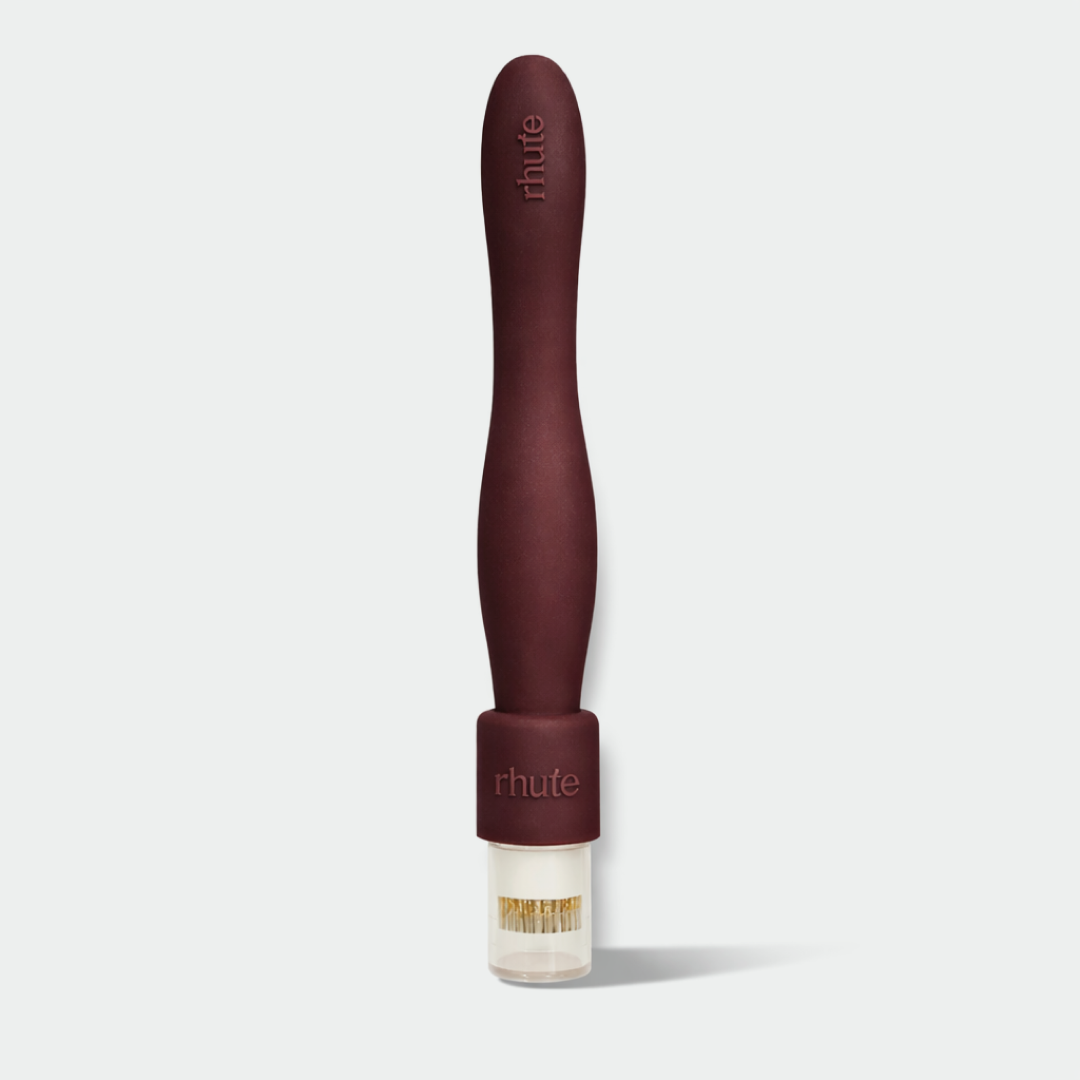
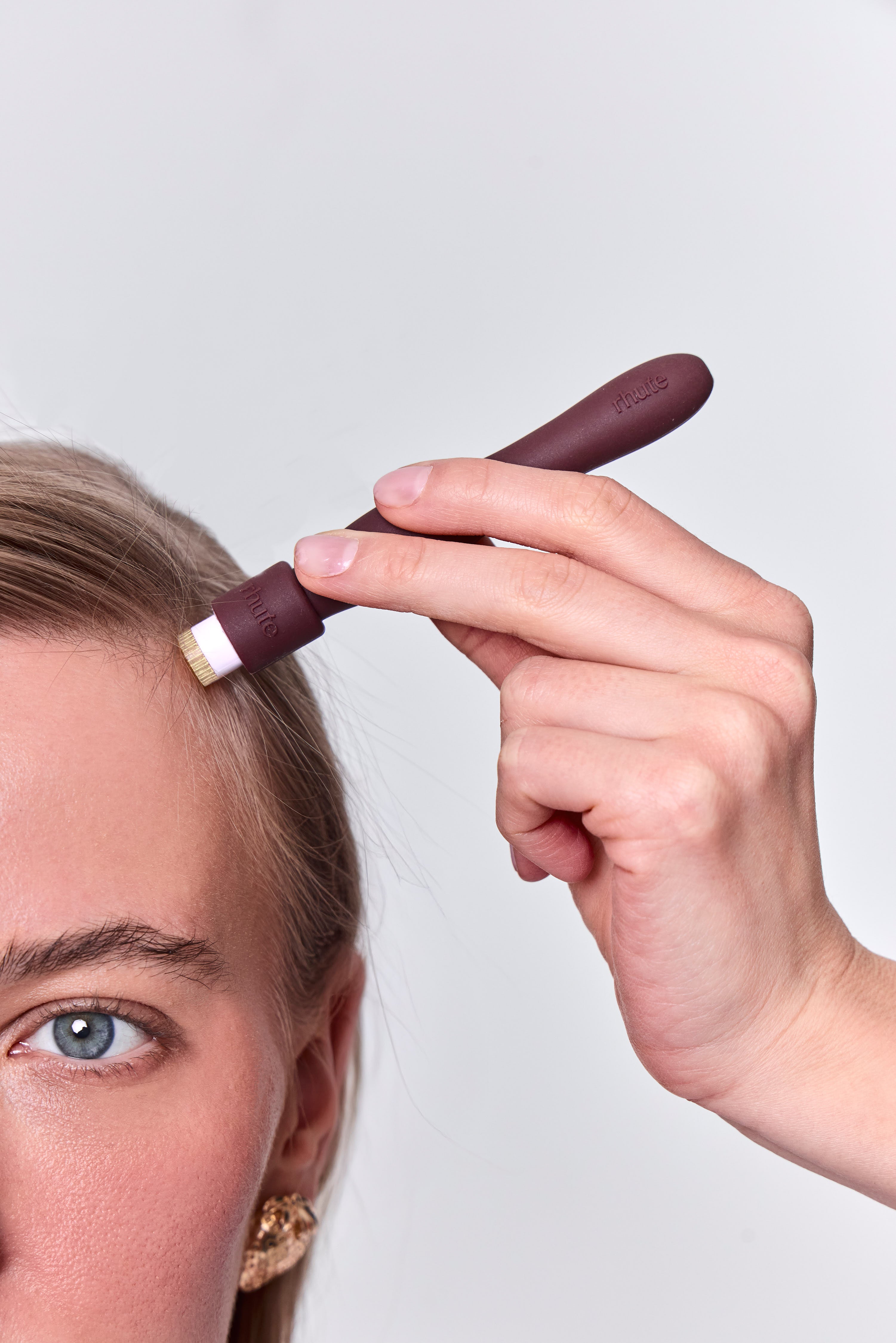
Want to level up? Pair your serum with dermastamping. Microneedling creates tiny channels in the scalp that help active ingredients absorb far more effectively, and a 2024 meta-analysis found that combining microneedling with topical treatment significantly outperformed topical treatment on its own (Pei et al., 2024). The rhute Derma Stamper uses 0.3mm, 24ct gold-plated surgical-grade steel needles designed specifically for the scalp. Apply your serum straight after stamping, when those channels are open and primed. And on needle depth, bigger isn't always better: one study found that a shallower 0.6mm depth actually outperformed a deeper 1.2mm needle for both hair count and thickness, with less discomfort too (Faghihi et al., 2021).
Do scalp serums actually work? What the research says
Fair question. With so many products making big claims, the scepticism is earned.
Here's the honest answer: the right ingredients, used consistently, can genuinely support your hair's natural growth processes. But "support" is the keyword. A scalp serum isn't going to perform miracles overnight, and anyone telling you otherwise is selling you a story.
What does the evidence show? A 2025 systematic review of clinical trials on topical caffeine preparations found the results consistently pointed in favour of treatment, while noting that the overall quality of evidence varied between studies (Szendzielorz & Spiewak, 2025). In plain terms: the direction of travel is encouraging, and consistency is what tips the odds in your favour. And when you add microneedling, a landmark trial found that combining it with a topical treatment dramatically outperformed the topical alone for new hair growth (Dhurat et al., 2013).
In terms of what you'll actually notice:
-
Weeks one to four: groundwork. Your scalp is responding, but you won't see much yet. Some people notice less shedding early on, which is a good sign.
-
Weeks four to eight: tiny baby hairs start appearing around the hairline or parting.
-
Weeks eight to 12: real improvements in density and fullness as those new hairs grow long enough to show.
-
Beyond 12 weeks: maintenance mode. Keep going, and results keep building.
Individual timelines vary depending on what's causing your hair loss and how consistent you are. But the one universal truth here? Consistency beats everything.
FAQs
Can a scalp serum actually regrow hair?
A scalp serum can support your hair's natural growth processes by nourishing follicles, helping keep hair in the growth phase, and creating a healthier scalp environment. Research suggests ingredients like caffeine, peptides, and niacinamide may encourage stronger, fuller growth over time. Results vary depending on what's causing your hair loss and your individual circumstances, so think of support rather than overnight miracle.
Are scalp serums safe during pregnancy and breastfeeding?
Most serums with gentle, topical ingredients are considered low-risk, but always check with your doctor or midwife before starting anything new during pregnancy or breastfeeding. Go for fragrance-free, dermatologist-developed formulations for peace of mind.
Do scalp serums work on all hair types and textures?
Yes. Serums target the scalp, not the strand, so they work whether your hair is straight, wavy, curly, or coily. If your hair is thicker or more textured, sectioning before application helps make sure you're getting even coverage right down to the scalp.
How long before I see results from a scalp serum?
Most people start noticing less shedding within four to six weeks, with visible improvements in density around the eight to 12 week mark. Fuller results typically build over three to six months of consistent use. Hair grows in cycles, so patience and regularity are genuinely the most important factors.
What's the difference between a scalp serum and minoxidil?
Minoxidil is a vasodilator (it widens blood vessels) and is the only topical ingredient with FDA approval specifically for hair loss. Scalp serums take a different route, using ingredients like caffeine, peptides, and niacinamide to support follicle health and the scalp environment. Some people prefer minoxidil-free options because of potential side effects or personal preference. Both can support hair health, just in different ways.
Can I use a scalp serum with extensions or protective styles?
Absolutely. Apply it to any exposed scalp areas, focusing on your parting, hairline, and wherever you can reach the scalp directly. Areas under tension especially benefit from the extra nourishment.
Healthy hair starts at the scalp. Whether you're dealing with shedding, thinning, or simply want to give your hair its best shot at growing stronger, the combination of the right ingredients and a consistent routine can make a real difference.
Ready to get growing? rhute's Density + Repair Barrier-Boosting Scalp Serum was developed by a practising dermatologist to deliver the kind of targeted, science-backed support your scalp needs. From rhute to tip.