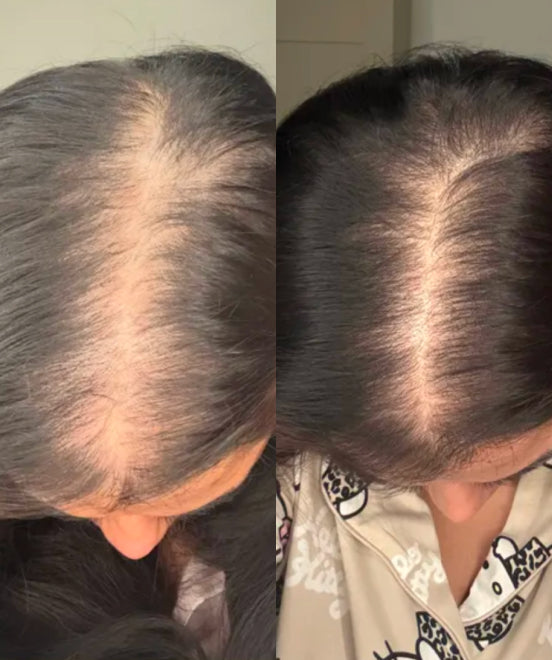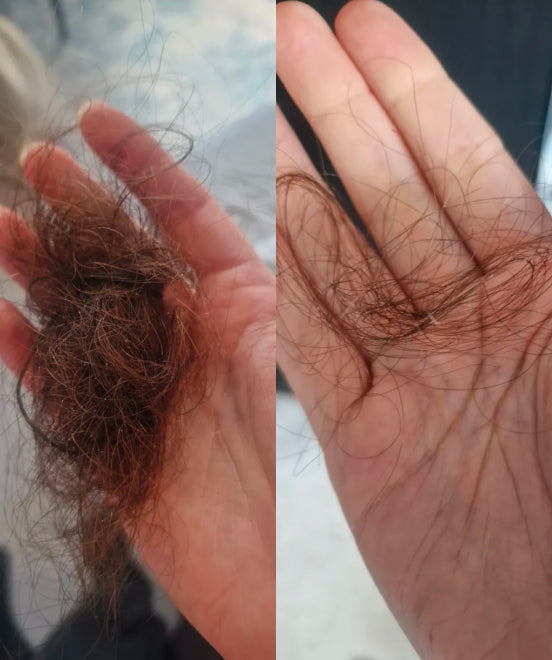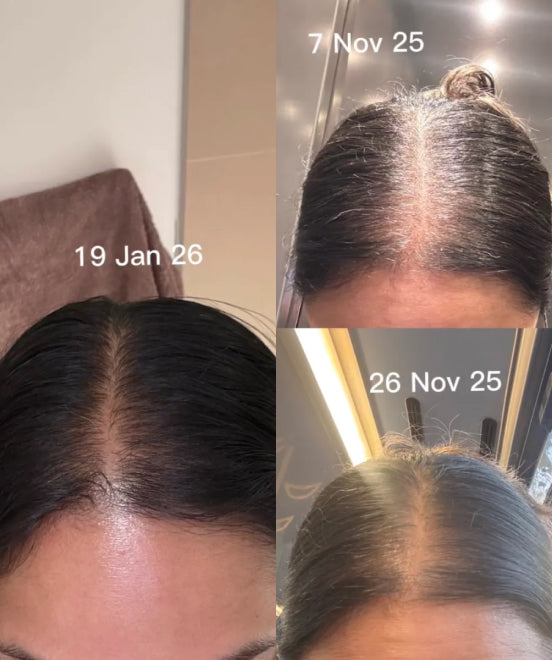


Here's what nobody tells you about scalp microneedling: the timing matters just as much as the technique. You can have the perfect needle depth and flawless form, but get the frequency wrong and you're either spinning your wheels or actively working against yourself.
Too often, and you're keeping your scalp in a constant state of "help, I'm injured." Too rarely, and you lose all that momentum you've been building. The sweet spot? It's more personal than any single recommendation can capture.
This guide breaks down exactly how often you should be microneedling based on the science of how skin actually heals, where you are in your treatment journey, and what's going on in your life right now. Whether you're navigating postpartum changes, hormonal shifts, or simply want to give your hair its best shot at thriving, understanding frequency is where real results start.
Why Frequency Matters More Than You Think
Your scalp needs time to do its thing. Every microneedling session creates tiny controlled injuries that kick your body's repair response into gear. This response unfolds in distinct phases: first, your body sends help to the area, then fresh tissue starts forming, and finally everything strengthens and settles. The whole process takes weeks, not days.
This is where the good stuff happens. Growth factors flood the area. New blood vessels form. Collagen production ramps up. But here's the thing: interrupt this process too early with another session, and you're essentially hitting reset without capturing any of the benefits.
When you microneedle too frequently, you push your scalp into chronic inflammation mode. Instead of healing and rebuilding, your follicles are constantly playing defence. Research shows collagen deposition peaks between one and three weeks after injury. Cut that timeline short, and you're undoing your own hard work.
On the flip side, waiting too long between sessions means losing the cumulative effect. The goal isn't one big healing event but a series of them that build on each other. Your scalp's collagen matrix strengthens with each properly spaced session, and those growth factors released during wound healing support follicle function in ways that fade if you leave them too long without reinforcement.
The Quick-Reference Frequency Guide
Finding your rhythm depends on where you are in your microneedling journey and what you're working toward.
Initial Activation Phase (Weeks One through Eight)
This is where you build momentum. Consistency matters most during this period. The landmark study on microneedling combined with minoxidil found participants receiving weekly treatments showed a mean hair count increase of 91.4 compared to just 22.2 for minoxidil alone. That's a significant difference, and it highlights how regular stimulation drives results.
For at-home use with shorter needles (0.25mm to 0.5mm), you can microneedle one to two times per week during this phase. Consistent sessions with shallower depths can deliver excellent cumulative stimulation, and research suggests this approach may be just as effective as less frequent, deeper treatments.
Maintenance Phase (Month Three Onward)
Once you've completed your activation period and started seeing results, you can dial back frequency while maintaining your gains. At-home sessions with 0.25mm to 0.5mm needles can continue at one to two times weekly. If you're also doing professional treatments, those can shift to once every four to six weeks.
The key here is consistency over intensity. A reliable weekly rhythm with your at-home device often beats sporadic aggressive sessions.
Preventative Care (Healthy Scalps)
If you're microneedling to support overall scalp health rather than address active concerns, a lighter approach works beautifully. Once weekly with 0.25mm to 0.5mm needles stimulates follicles, supports product absorption, and maintains your scalp's collagen without overdoing it. Remember: shallower depths have been shown to deliver real results, so "preventative" doesn't mean "ineffective."

Frequency by Needle Depth: Why Bigger Isn't Always Better
Here's something that might surprise you: deeper needles don't automatically mean better results. In fact, research suggests the opposite may be true.
A clinical study comparing 0.6mm and 1.6mm needle depths found that the shallower 0.6mm depth actually outperformed the deeper option for both hair count and hair thickness. The researchers concluded that the shallower penetration "tended to be more beneficial" than going deeper. This challenges the assumption that you need aggressive depths to see real change.
Why might shallower work so well? Shorter needles still trigger the wound healing cascade that releases growth factors and stimulates follicles, but with less tissue trauma. This means faster recovery, more frequent sessions, and potentially better cumulative results over time. Your scalp isn't spending all its energy on major repairs when it could be channelling those resources into hair growth.
0.25mm to 0.5mm (Including 0.3mm)
Don't let terms like "shallow" or "gentle" fool you into thinking these depths are just for beginners. Research increasingly shows that effective microneedling doesn't require going deep. Needles in this range, including 0.3mm, deliver genuine therapeutic benefits: they stimulate blood flow to follicles, trigger growth factor release, and support the scalp's collagen matrix.
The 0.6mm vs 1.6mm study mentioned above demonstrates a clear principle: more aggressive doesn't equal more effective. Depths like 0.3mm work within this same logic. They create enough controlled micro-injury to activate your scalp's healing response while keeping tissue trauma minimal. This allows for more frequent treatment and better cumulative stimulation over time.
These depths also dramatically improve how well your scalp absorbs topical treatments. Studies show microneedling can amplify product absorption by up to 1000% according to Dermaroller research, meaning your serums actually reach where they need to go. But absorption enhancement is a bonus on top of the direct follicle stimulation these depths provide.
Recovery is quick, often within twenty-four to forty-eight hours. This faster turnaround is actually an advantage: you can maintain consistent stimulation without the extended downtime deeper needles require.
Frequency: One to two times per week works for most people. Allow at least one day between sessions.
0.5mm to 1.0mm (Medium)
This range reaches the mid-dermis and creates a more pronounced healing response. The study that found that 0.6mm outperformed 1.6mm sits right in this territory, reinforcing that you don't need to push past moderate depths for excellent results.
Frequency: Once to twice per week is typical. At the 0.5mm to 0.6mm end, some people tolerate twice weekly. Approaching 1.0mm generally needs a full seven-day window. Expect some redness lasting a day or two.
1.0mm to 1.5mm (Deep)
These depths create substantial healing responses. Clinical trials have used weekly sessions at these depths, but given what we now know about shallower depths performing well, the question becomes whether this level of tissue disruption is necessary for your goals.
Frequency: Once every one to two weeks. Professional supervision is strongly recommended at these lengths. Prolonged redness, sensitivity, and pinpoint bleeding are normal.
Beyond 1.5mm
Depths exceeding 1.5mm should only happen in clinical settings with trained professionals. These sessions typically need two to four weeks between treatments to allow complete tissue remodelling. For most people, these depths aren't necessary to achieve meaningful results.
Adjusting Frequency for Your Specific Situation
Generic schedules don't account for real life. Here's how to adapt your timing based on what you're actually dealing with:
Postpartum Recovery
Hormonal shifts after pregnancy affect how your body heals and how sensitive your scalp becomes. Most dermatologists suggest waiting until hormones begin stabilising, typically around three to six months postpartum, before starting a microneedling routine.
When you do begin, start gently. Weekly sessions with 0.25mm to 0.5mm needles let you gauge your scalp's response without overwhelming tissue that may be more reactive than usual. Only increase depth once you've confirmed your scalp tolerates treatment well.
Perimenopause and Menopause
Declining oestrogen affects collagen production throughout the body, including your scalp. Healing may take a bit longer, and skin can become more sensitive.
Consider adding an extra day or two to your recovery windows. If you were microneedling twice weekly before, once weekly might now be optimal. Listen to what your scalp tells you: if redness hangs around beyond forty-eight hours at depths that previously cleared overnight, that's your cue to space sessions further apart.
Stress-Related Shedding
Telogen effluvium triggered by stress, illness, or major life changes needs a gentler touch. Aggressive microneedling can add physiological stress that makes things worse.
Focus on gentle consistency rather than intensity. Shallow depths (0.25mm to 0.5mm) used once weekly support scalp health without overwhelming follicles that are already under pressure. Once shedding stabilises, you can cautiously increase frequency or depth.
Styling Damage Recovery
Traction from tight styles, heat damage, or extensions often compromises the scalp's barrier. Before going in with aggressive microneedling, prioritise getting that barrier back in shape.
Start with infrequent, shallow sessions (once weekly at 0.3mm) paired with barrier-supporting products. As scalp health improves and sensitivity decreases, you can gradually adjust your schedule.
At-Home vs Professional: How Scheduling Differs
The rules change depending on whether you're treating yourself or visiting a professional. Understanding both helps you build a routine that actually works.
At-Home Sessions
Home devices typically use needle depths between 0.25mm and 0.5mm. Here's the thing: this isn't a limitation. Research shows shallower depths can actually deliver superior results for hair count and thickness compared to deeper options. The ability to use them more frequently without extended downtime is a genuine advantage.
One to two times weekly with your at-home device can deliver results that match or exceed less frequent professional sessions. Consistency compounds, and the cumulative effect of regular stimulation is powerful.
Professional Treatments
Clinical microneedling uses longer needles (often 1.0mm to 2.0mm) with precision devices. These sessions trigger more significant healing responses, which means longer recovery between treatments.
Professional treatments typically happen every four to six weeks. Some people choose to do an initial series of more frequent sessions before transitioning to monthly maintenance.
Combining Both Approaches
Some people pair occasional professional sessions with regular at-home maintenance. If you go this route, timing matters. Skip microneedling at home for three to five days before a professional session (you want healed tissue for best results) and for three to seven days afterward (let those deeper wounds heal undisturbed).
That said, many people achieve excellent results with consistent at-home treatment alone. Professional sessions aren't necessary for everyone.
Signs You Need to Adjust Your Schedule
Your scalp communicates. Learning to read its signals helps you fine-tune frequency for your unique biology rather than following rigid rules.
Signs You're Overdoing It
Prolonged redness extending beyond forty-eight hours at depths that previously resolved overnight suggests you're not allowing complete healing. Increased scalp sensitivity between sessions, particularly tenderness that wasn't there before, indicates building irritation. A noticeable uptick in shedding, especially if it starts after you've been microneedling consistently, may signal chronic inflammation disrupting follicle function. Delayed healing, where small pinprick marks take longer to resolve than before, is another red flag.
Notice any of these? Add an extra two to three days between sessions and reassess after a couple of weeks.
Signs You Could Do More
Hitting a plateau where initial progress stalls despite consistent technique could mean your scalp has adapted and needs slightly more stimulus. Symptoms you'd previously improved coming back might indicate your maintenance frequency isn't quite meeting your needs. Super quick recovery where redness clears within hours and you feel zero sensitivity the next day suggests your current depth and frequency are on the gentler side.
Adjust incrementally. Add one session per week rather than doubling up overnight.
Building Your Personalised Microneedling Calendar
A schedule you can actually stick to beats an ambitious one you abandon after three weeks. Sustainability wins.
Sync with Your Existing Routine
Many people find microneedling fits naturally with wash days. Post-wash microneedling on a clean scalp followed by serum application creates a ritual that's easy to remember. If you wash twice weekly, consider those as your microneedling days. Need the right tool to start your calendar? Explore our derma stamp collection to find your match."
Track What Matters
Note the date, depth used, any products applied afterward, and how your scalp looks the next day. After six to eight weeks, you'll have actual data showing how your scalp responds to different frequencies. This information is gold for optimisation.
When to Take Breaks
Hit pause if you're dealing with illness, significant stress, active scalp irritation, sunburn, or travel that makes proper hygiene tricky. Missing a week to let your body recover from illness won't undo months of progress, but pushing through when your resources are stretched could set you back.
Seasonal Adjustments
Some people find their scalp more sensitive in winter when skin barrier function drops. If you notice increased dryness or slower recovery during colder months, reducing frequency by one session weekly is a reasonable tweak.
The rhute Approach
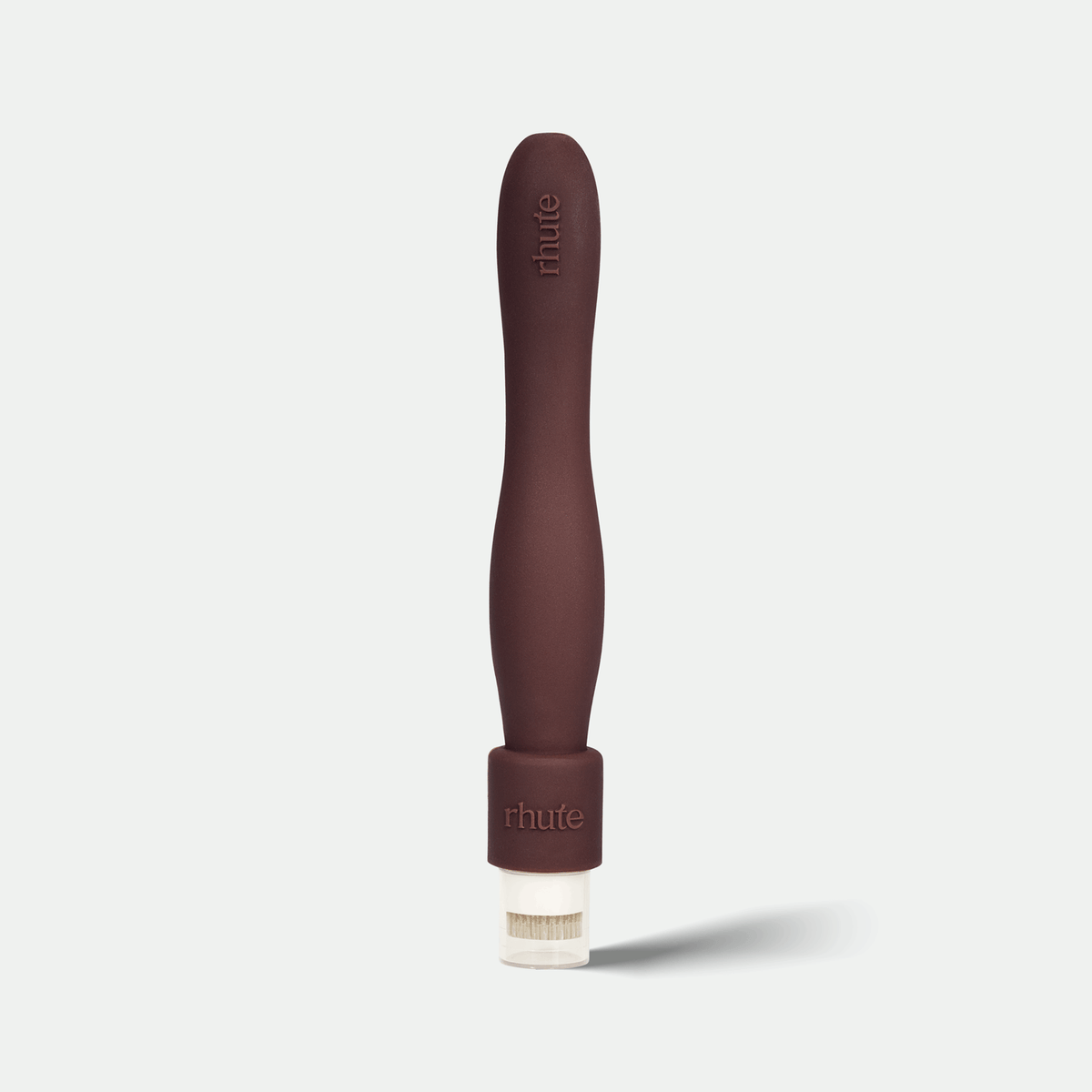
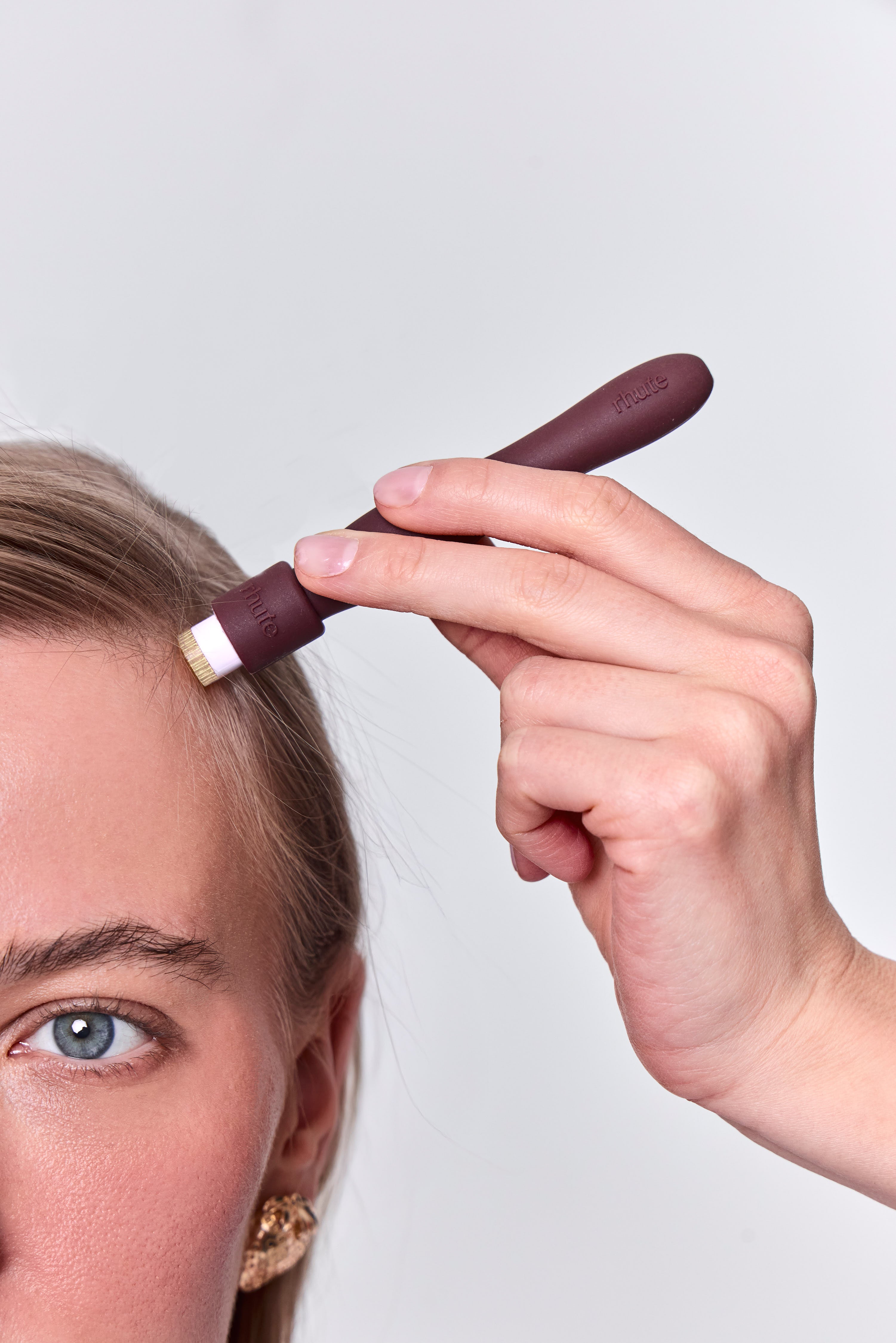
Ready to build your microneedling rhutine? The rhute dermastamp is designed specifically for consistent at-home scalp treatment.
Our 0.3mm 24ct gold-plated surgical-grade steel needles sit in the sweet spot for regular use. Deep enough to reach the dermis and stimulate follicles, shallow enough to minimise trauma and allow for that all-important frequency. As the research shows, bigger isn't always better, and our needle depth lets you maintain the one to two times weekly schedule that drives cumulative results.
The bespoke round stamping head follows the natural contour of your scalp (and works brilliantly for getting between braids and tight patterns), while the ergonomic silicone handle gives you control and even pressure distribution. The protective lid doubles as a disinfecting vessel. Pour in your cleansing alcohol, insert the stamp, and spin for a thorough one to two minute clean before and after each use.
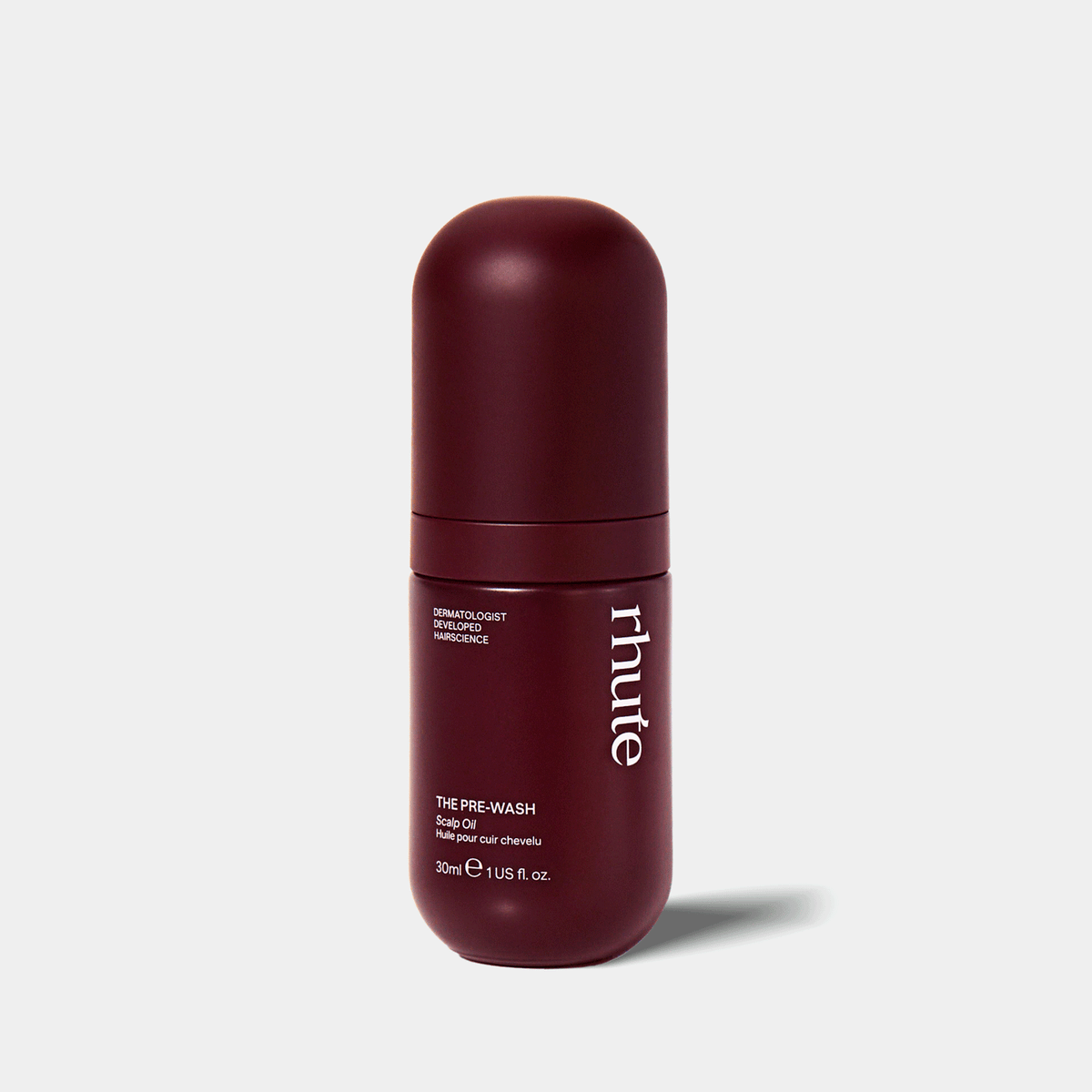
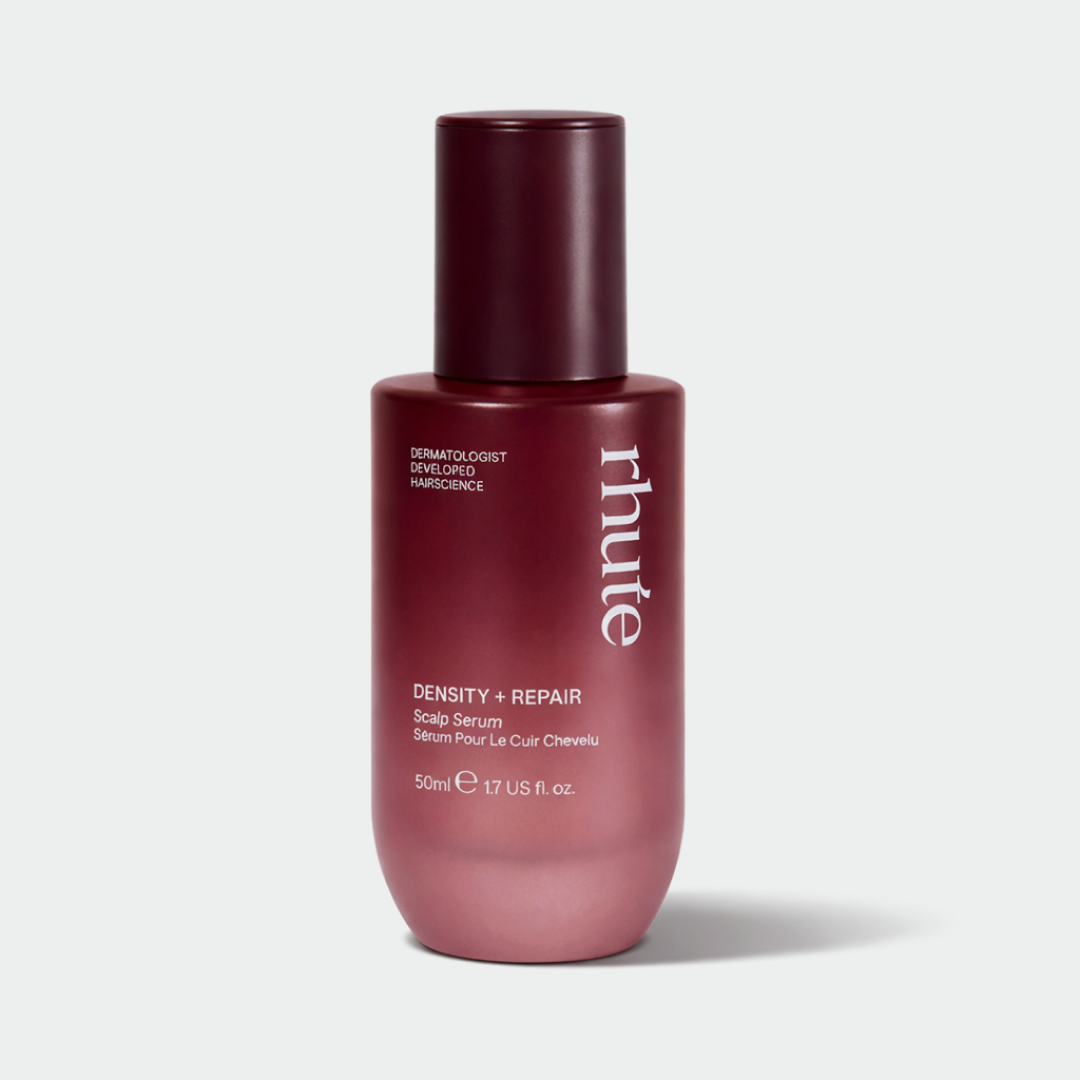
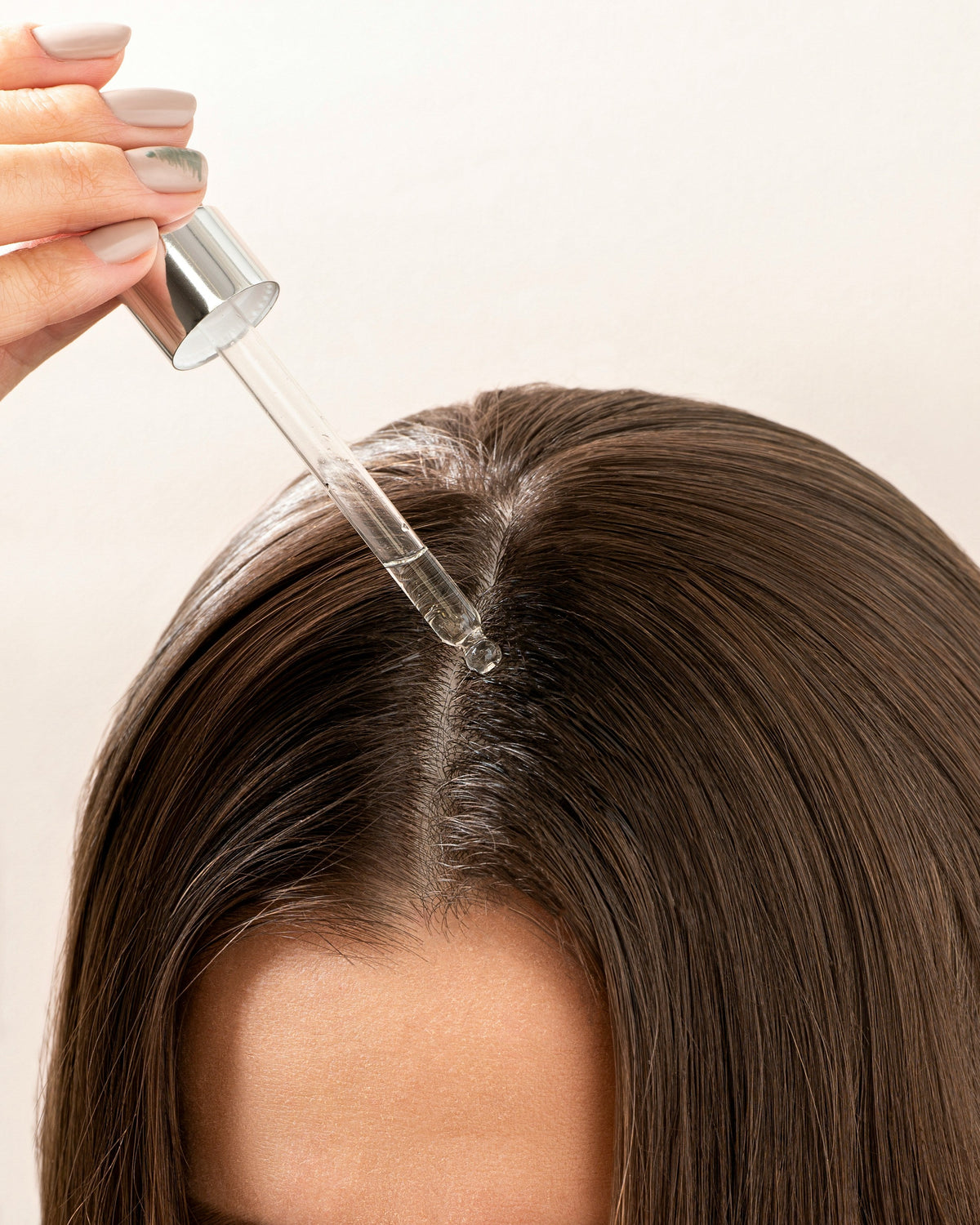
For best results, pair with rhute's Density + Repair serum immediately after stamping. Those micro-channels are primed for absorption, and the serum's stem cell extracts, bioactive peptides, caffeine, and niacinamide can reach where they're needed most.
Replace your dermastamp every 10 to 12 uses or when it becomes blunt, whichever comes first.
Less shedding, more growth, healthier scalp. That's the rhute to better hair. 💧

Frequently Asked Questions
Can I microneedle more often if I use shorter needles?
Yes, and here's why that's actually good news. Shorter needles (0.25mm to 0.5mm, including 0.3mm) cause less tissue disruption and allow faster recovery. But don't mistake "gentler" for "less effective." Research comparing needle depths found shallower options can outperform deeper ones for hair count and thickness. The ability to use them one to two times weekly (with at least one rest day between) means more cumulative stimulation over time, which may actually deliver better results than infrequent deep sessions.
Should I take breaks from microneedling?
Planned breaks aren't necessary if you're using appropriate frequency and your scalp tolerates treatment well. That said, if you notice signs of over-treatment or you're dealing with illness or major stress, a one to two week pause lets your scalp fully reset. Some practitioners suggest a two-week break every three months, though evidence for this specific interval is limited.
How does frequency change as I see results?
Most people start with more frequent sessions during an initial activation phase (typically eight to twelve weeks) then transition to maintenance. With at-home devices using 0.25mm to 0.5mm needles, this might mean continuing at one to two times weekly once you're happy with your progress, or dropping to once weekly for maintenance.
What if I miss a session?
Missing a single session has minimal impact. Simply resume your regular schedule rather than doubling up to compensate. Consistency over time matters far more than any individual session.
Can I microneedle during my period?
Yes. While some people report slightly increased scalp sensitivity during menstruation, there's no medical reason to skip. If you find your scalp more reactive during this time, consider using a shorter needle depth for that session rather than missing it entirely.
How does scalp sensitivity affect frequency?
Sensitive scalps generally need longer recovery windows. If you experience prolonged redness or discomfort, extend the gap between sessions by a day or two and consider reducing needle depth. Everyone's tolerance differs, and what works for someone else may be too aggressive or too gentle for you.