

If your scalp feels tight, itchy, or like it's constantly shedding tiny white flakes onto your shoulders, you're not imagining things. Dry scalp is one of the most common complaints we see, and it's one of the most misunderstood. Most people either ignore it, throw a dandruff shampoo at it, or assume it's just "one of those things."
Here's the thing: a dry scalp isn't just uncomfortable. It's your skin telling you something needs to change. And once you understand what's actually going on up there, finding the right solution gets a whole lot simpler. This guide breaks down what causes dry scalp, which ingredients genuinely help, and how to choose a serum that works for your specific situation. No product roundups, no vague promises. Just the science, made simple.
Why your dry scalp needs a serum (not just any product)
You wouldn't slap a heavy moisturiser on a dehydrated face and call it done, right? Same logic applies to your scalp.
The issue with most dry scalp "solutions" is they're working on the surface. Conditioners coat the hair. Oils sit on top. Even some scalp treatments are really just masking the problem with a temporary layer of moisture that washes off in the shower. A scalp serum takes a completely different approach. It's lightweight, usually water-based, and packed with active ingredients designed to actually penetrate your scalp and get to where the issue lives: your skin barrier.
Think of your scalp like any other piece of skin on your body. When it's dry, the barrier is compromised. It's losing moisture faster than it can hold onto it. A serum delivers concentrated actives like hyaluronic acid, niacinamide, and panthenol directly to that barrier, helping it repair and hold onto hydration properly. That's something a conditioner or a coconut oil mask just isn't built to do.
Serums also absorb fast, don't leave residue, and won't make your roots look greasy. If you've ever applied oil to your scalp and spent the rest of the day feeling like you needed another wash, you'll appreciate the difference.
What actually causes dry scalp (and why it matters for choosing a serum)
Not all dry scalps are created equal, and understanding what's driving yours is the difference between a serum that works and one that just sits there doing nothing.
The most common culprit? A compromised skin barrier. Your scalp has a protective layer made up of natural oils and lipids that keep moisture in and irritants out. When that barrier gets damaged, water escapes faster than your skin can replace it. The result is tightness, flaking, and that uncomfortable dry feeling that never quite goes away.
What damages the barrier in the first place? Overwashing is a big one. Washing your hair every day, especially with shampoos containing harsh sulphates like sodium lauryl sulfate, strips away the natural oils your scalp needs. Environmental factors play a role too: cold weather, central heating, air conditioning, and even hard water can all pull moisture from your scalp. Hormonal changes during perimenopause and menopause affect how much oil your skin produces, which is why many women notice their scalp getting drier as they get older.
And here's a really common mix-up: dry scalp and dandruff look similar but they're not the same thing. Dry scalp flakes tend to be small, white, and powdery. Dandruff flakes are usually bigger, yellowish, and oily, caused by an overgrowth of a yeast called Malassezia rather than a lack of moisture. The treatments are different too. Using an anti-dandruff shampoo on a genuinely dry scalp can actually make things worse by stripping even more moisture. So if you're not sure which one you're dealing with, it's worth figuring that out before reaching for a product.
The ingredients that actually work for dry scalp
This is where things get interesting. Not all scalp serums do the same job, and the ingredient list is where you separate the ones that genuinely help from the ones that are mostly marketing.
Hyaluronic acid is the heavy hitter for hydration. It's a humectant, which means it draws moisture from the environment and holds it in your skin. One molecule can hold up to 1,000 times its weight in water. When applied to your scalp, it helps plump and hydrate the skin without any heaviness or residue. If your scalp feels tight and parched, this is the ingredient to look for first.
Niacinamide (vitamin B3) is a real multitasker. It helps strengthen your scalp's skin barrier by boosting ceramide production, the lipids your skin needs to stay protected and retain moisture. It also calms inflammation, balances oil production, and soothes redness. For a dry, irritated scalp, it's doing a lot of heavy lifting.
Panthenol (pro-vitamin B5) is one of those ingredients that works quietly in the background. It attracts and holds moisture, soothes irritation, and helps improve your scalp's elasticity. It's gentle enough for sensitive skin and pairs beautifully with hyaluronic acid and niacinamide for a real hydration boost.
Ceramides deserve a mention too. These are the lipids that naturally exist in your skin barrier, and when your scalp is dry, it usually means ceramide levels are depleted. A 2025 review confirmed that ceramide-rich formulations can reduce moisture loss and improve barrier function. Topping them up with a serum helps rebuild what's been lost.
Salicylic acid might seem like an odd pick for dry scalp, but hear us out. At low concentrations, it works as a gentle exfoliant that clears away dead skin cells and product buildup sitting on your scalp. This is important because if there's a layer of flaky skin blocking the way, none of those hydrating ingredients are getting through. Think of it as clearing the path so everything else can do its job.
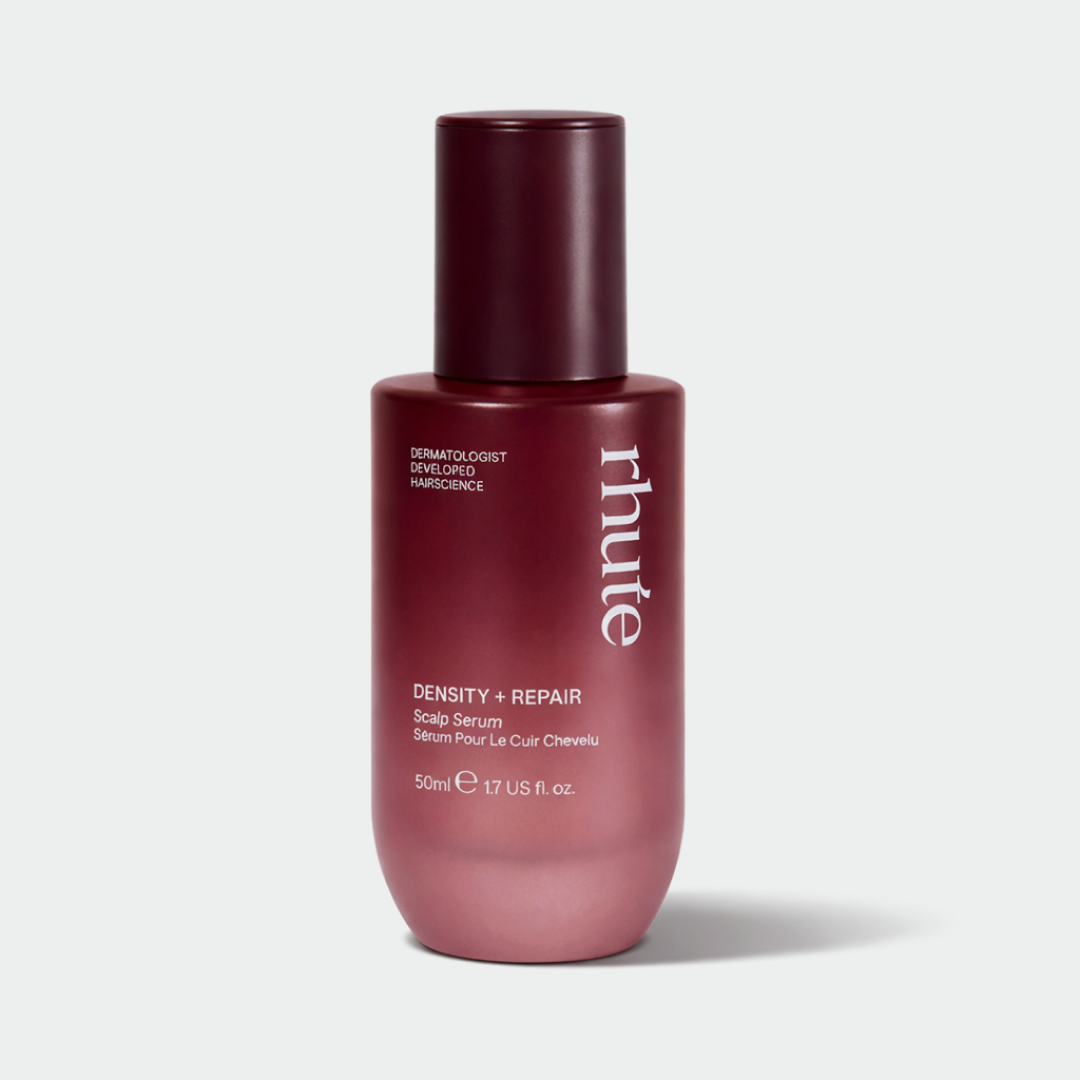
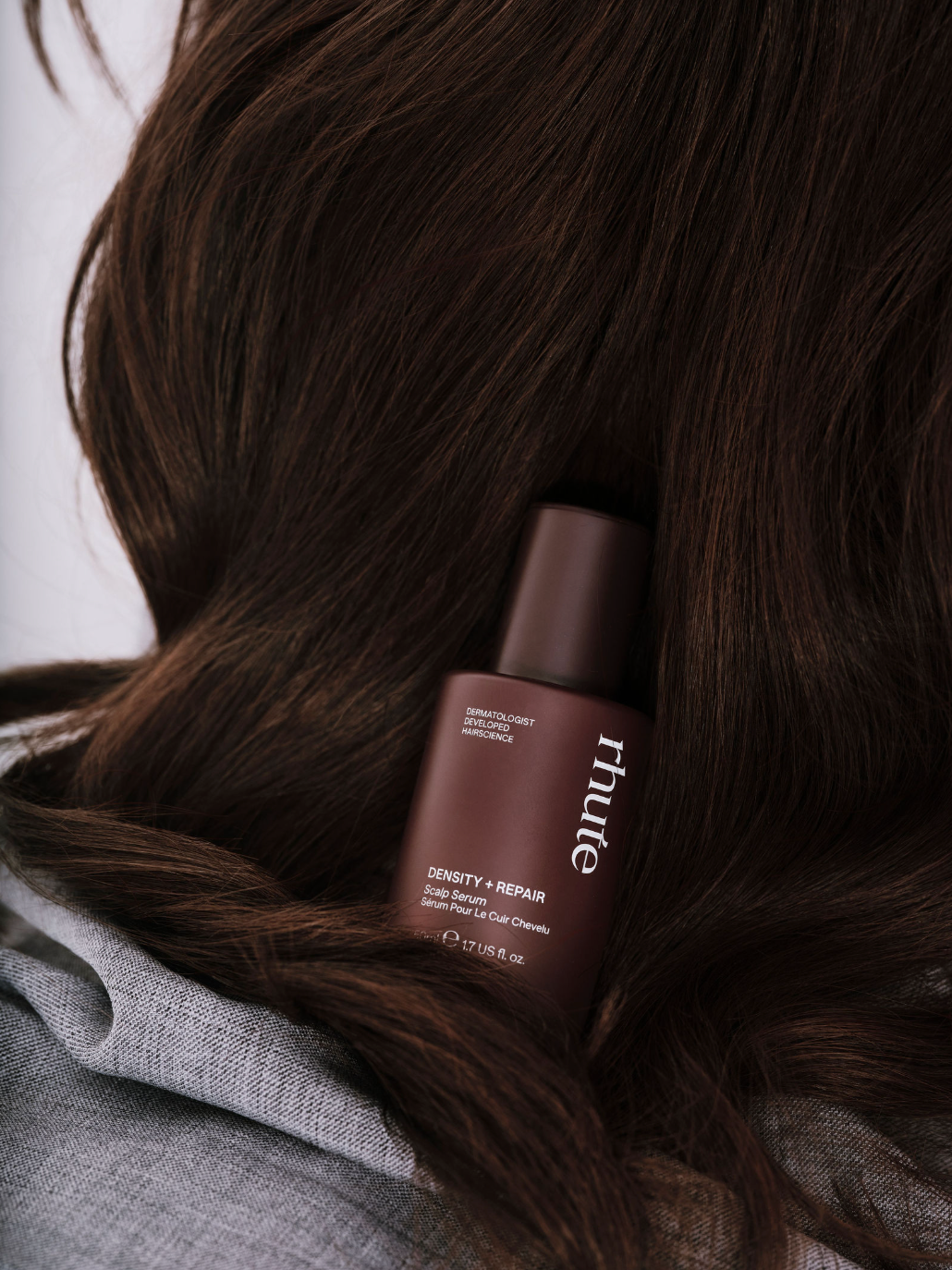
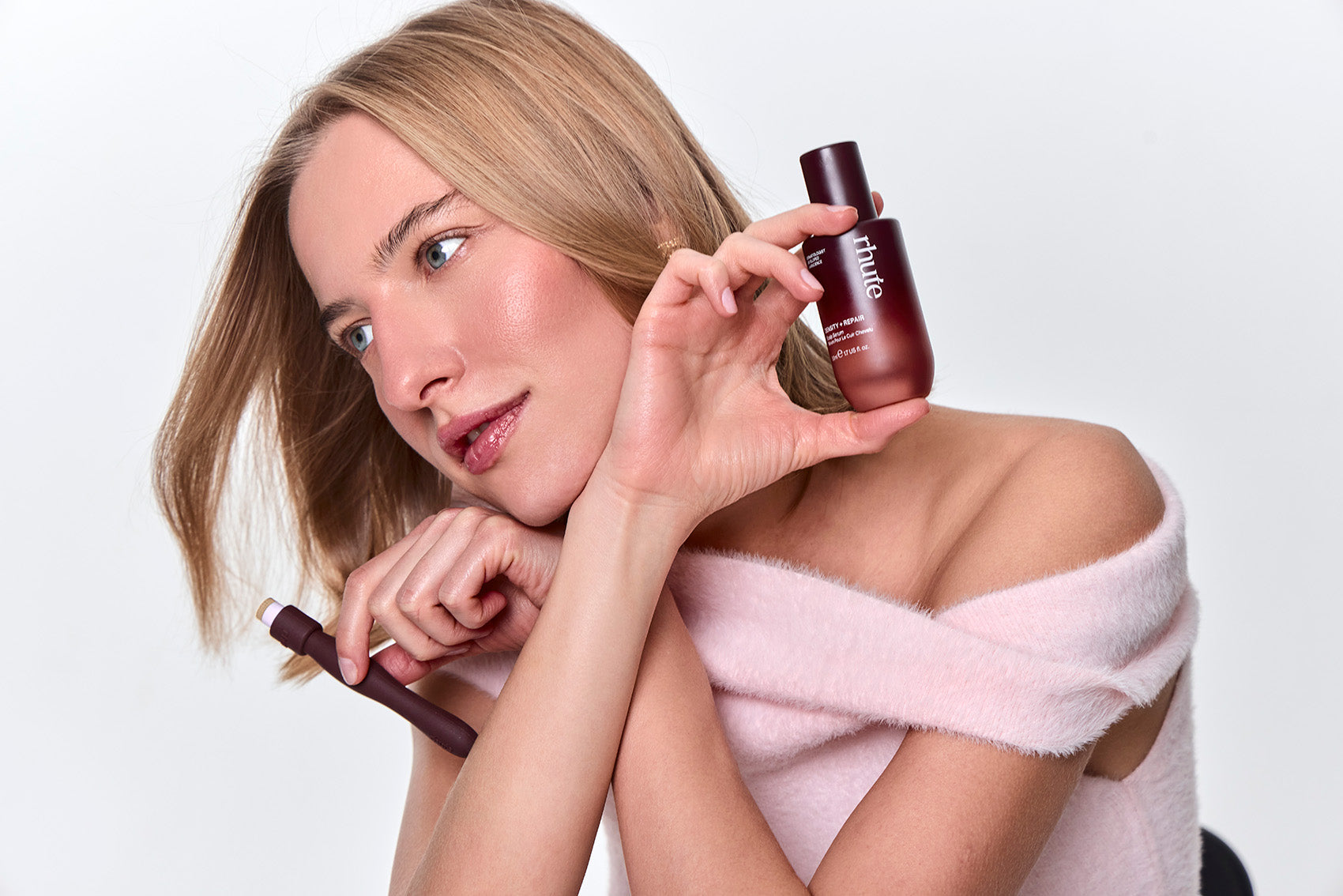
rhute's Density + Repair Scalp Serum brings several of these together: niacinamide, panthenol, salicylic acid, plus stem cell extracts, bioactive peptides, and caffeine. It's designed to repair your scalp barrier while supporting hair growth. Ultra-lightweight, oil-free, and fragrance-free, so it won't aggravate an already sensitive scalp.

Ingredients to avoid if your scalp is dry
Just as important as knowing what to put on your scalp is knowing what to keep away from it.
Harsh sulphates, particularly sodium lauryl sulfate (SLS), are one of the biggest offenders. They strip away your scalp's natural oils and can damage the skin barrier, leaving it more vulnerable to dryness and irritation. If your shampoo lathers into a thick foam, it's worth checking the label.
High-concentration alcohols like denatured alcohol and isopropyl alcohol are drying by nature. They evaporate quickly and take moisture with them. Some serums use them as a base, which completely defeats the purpose if you're trying to hydrate.
Fragrance is another one to watch. Synthetic fragrances are a common irritant, and when your scalp barrier is already compromised, adding something that triggers inflammation isn't helping. Your scalp doesn't need to smell like a tropical garden. It needs to heal.
Strong acids at high concentrations, like glycolic or lactic acid, can be too aggressive for a dry, sensitive scalp. Low-dose salicylic acid is fine for gentle exfoliation, but going in with high-strength acids risks further stripping an already depleted barrier. And heavy silicones? They create a coating that might feel smoother temporarily, but they can block your pores and prevent active ingredients from getting through.
Scalp serum vs scalp oil: which is better for dry scalp?
This is probably the question we get asked the most, and the answer might surprise you.
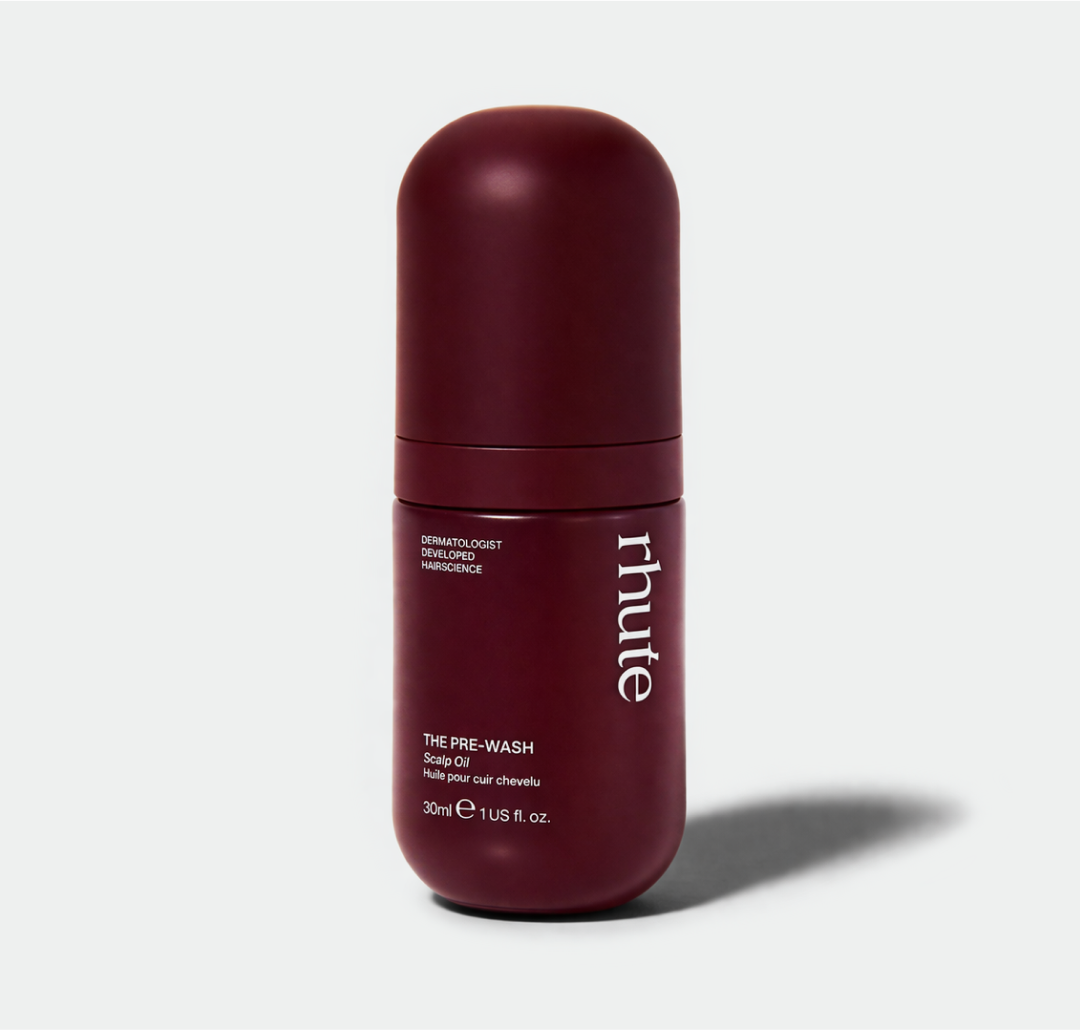
Scalp oils and scalp serums aren't competing products. They do fundamentally different things. An oil is lipid-based, sits on the surface, and works as an occlusive, locking moisture in. A serum is water-based, lightweight, and designed to penetrate your scalp and deliver active ingredients to the skin itself.
For a dry scalp, a serum is almost always the better starting point. If your skin barrier is compromised and losing moisture, you need to address that at the source. Layering oil on top of a dehydrated scalp might feel soothing temporarily, but it's not repairing the barrier or delivering the actives your skin needs to recover. It's a bit like putting cling film over a crack in a wall. Covers the problem, but the crack's still there.
That said, oils have their place. If your hair is dry and needs conditioning at the strand level, a lightweight oil on your lengths and ends works beautifully alongside a scalp serum. Serum on the scalp, oil on the strands. Different jobs, different products. Learn more about the best scalp oil for hair growth.

How to apply a scalp serum for the best results
Getting the most from your serum comes down to technique and consistency. Both matter more than you might think.
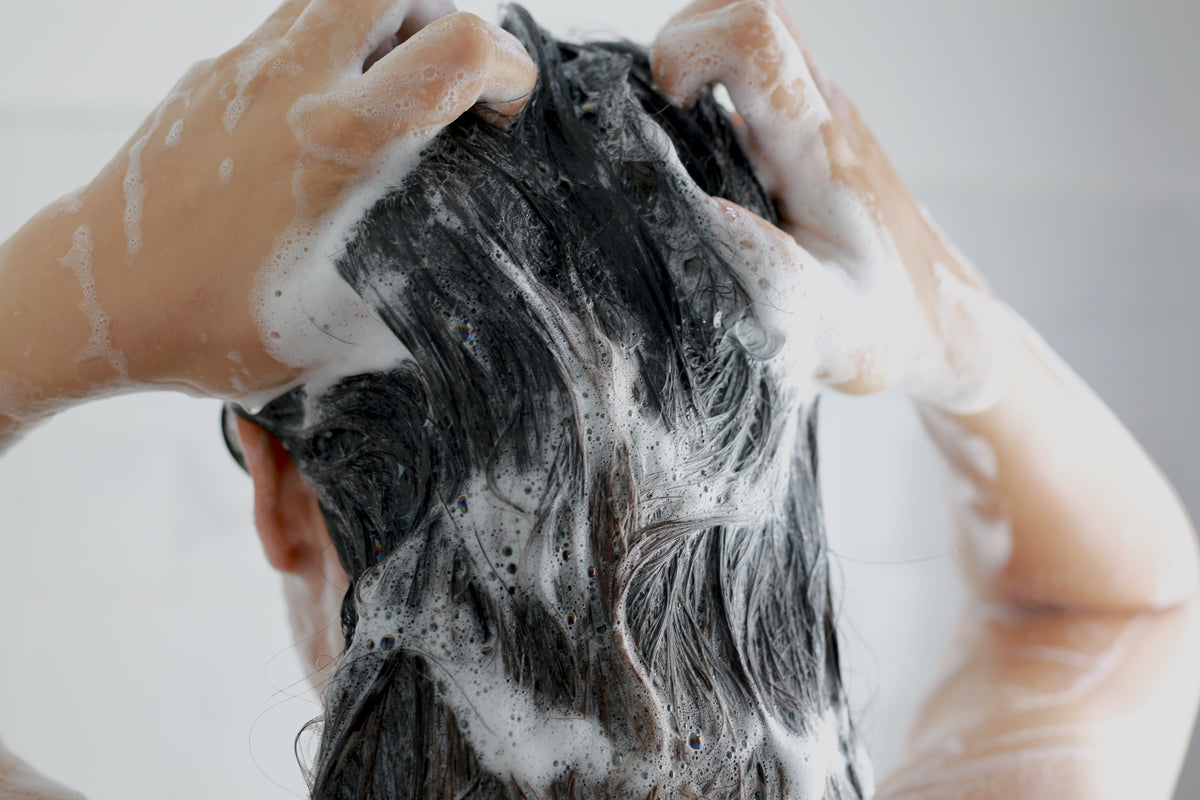
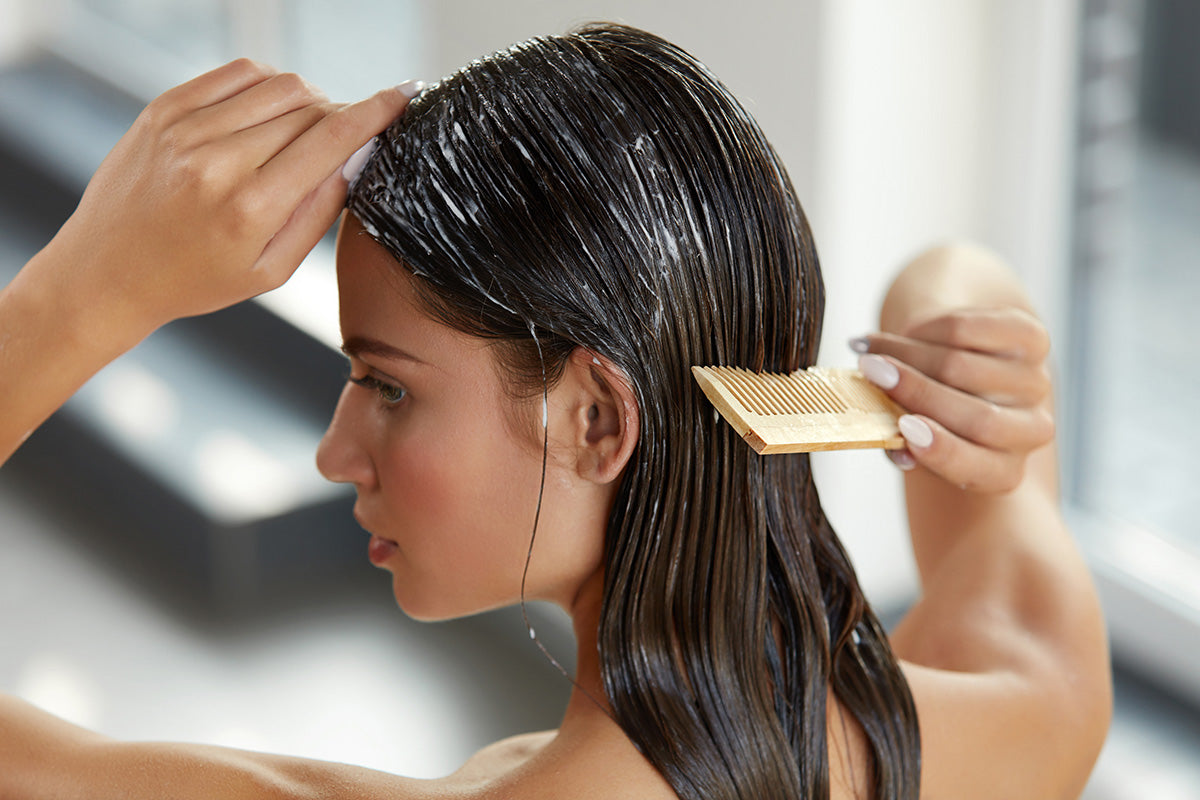
Start with a clean scalp. Any buildup, oil, or product residue sitting on your skin acts as a barrier between the actives and your follicles. Part your hair into sections to expose the scalp directly, then apply the serum along each part using the dropper or nozzle. A few drops per section is plenty. Massage it in gently with your fingertips using small circular motions. This helps the serum absorb and also boosts blood flow to the area.
Timing is flexible. Morning as part of your routine, or at night before bed. Whichever fits your life better, go with that. The important thing is doing it regularly. Using a serum once a week when you remember it isn't going to deliver results. Treat it like any other part of your skincare routine: daily application, non-negotiable. Your scalp's skin barrier needs ongoing support, not the occasional top-up.
If you're building a full scalp care routine from scratch, our hair serum application guide walks you through it step by step.
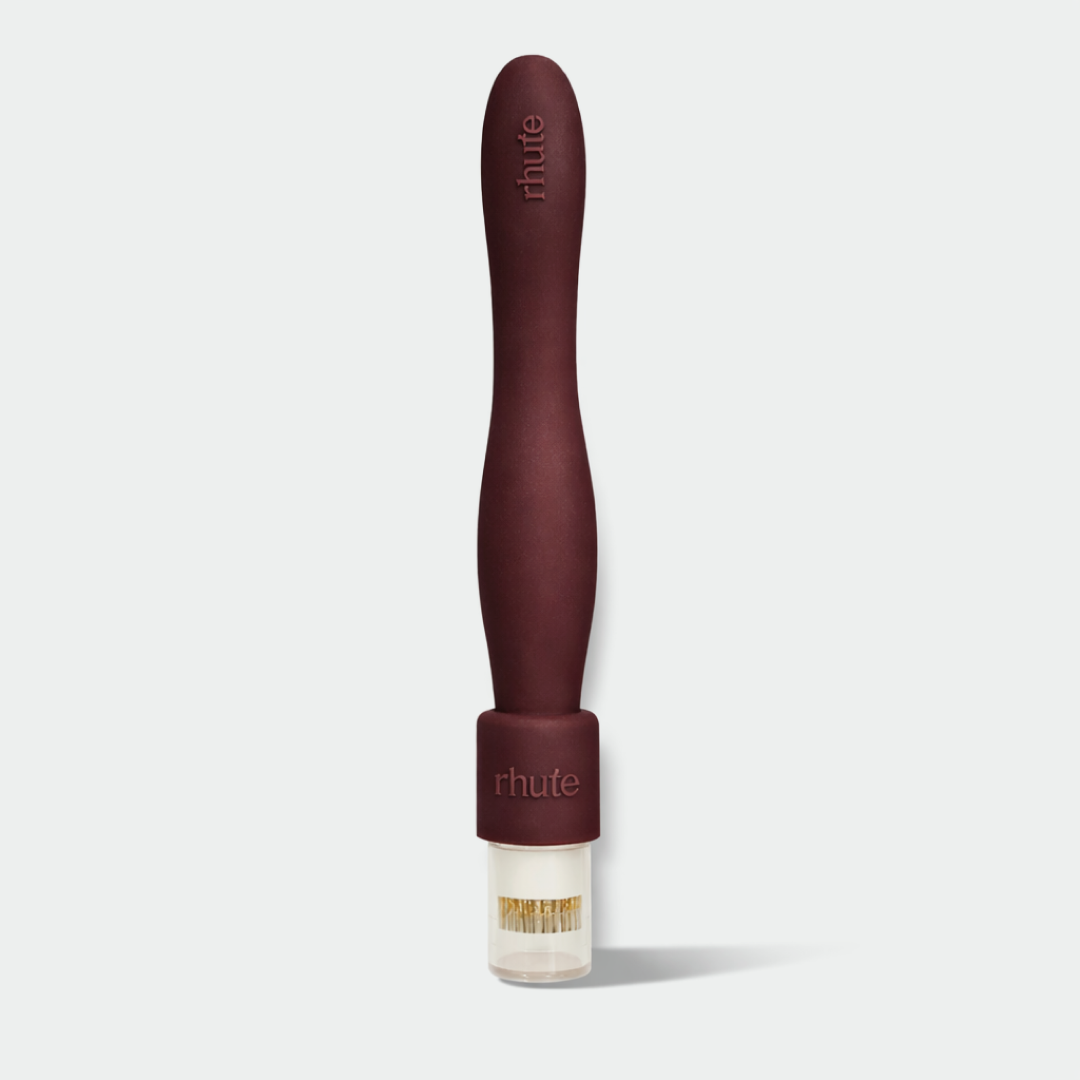
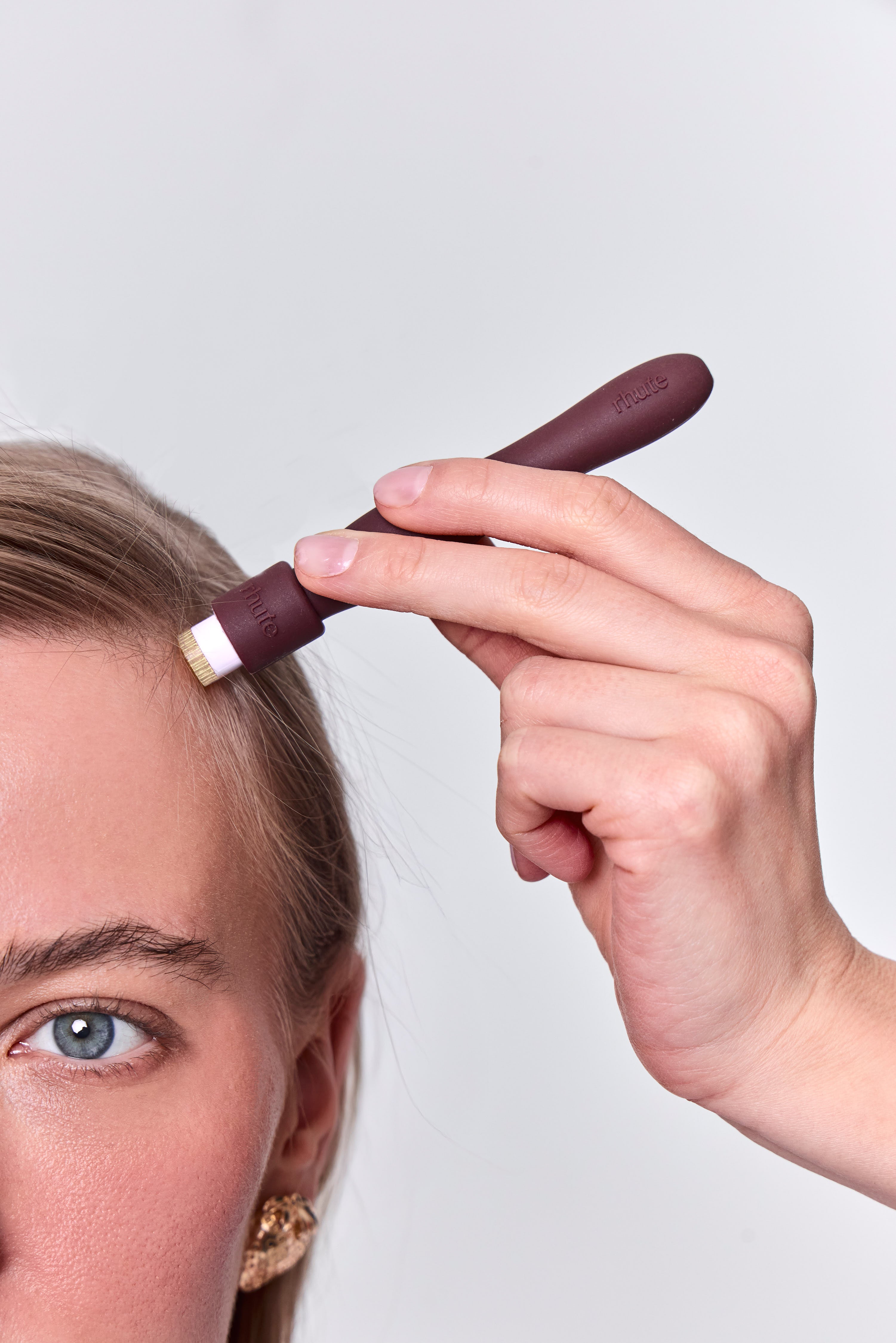
Want to level up your results? Pairing your serum with dermastamping can make a real difference. Microneedling creates tiny channels in your scalp that let active ingredients absorb more effectively. Clinical research shows that combining microneedling with topical treatments outperforms topical treatment alone. The rhute Derma Stamper uses 0.3mm 24ct gold-plated surgical-grade steel needles designed specifically for the scalp. Apply your serum straight after stamping when those channels are open and primed.
How long before you see results?
This is the part where we keep it real with you, because nobody benefits from false expectations.
The good news? Hydration improvements show up faster than you'd expect. Many people notice their scalp feels less tight and flaky within the first one to two weeks of consistent use. That initial relief can come surprisingly quickly when you're giving your skin what it's been missing.
By weeks two to three, you should see a real reduction in visible flaking. The scalp feels calmer, less reactive, more balanced. Redness and irritation usually start settling around this time too.
Around the four to six week mark is when things really click. Your scalp barrier has had time to genuinely repair, and the cumulative effect of daily hydration starts showing. Less dryness, less sensitivity, and your hair might even look healthier at the roots because it's growing from a healthier foundation.
For hair-related improvements like reduced shedding or improved texture, give it a full eight to 12 weeks. Hair grows in cycles, so changes at the follicle level take longer to become visible. Patience and consistency are the biggest factors here. And if you stop, the benefits will gradually fade. Think of it as maintenance, not a one-off fix.
When dry scalp needs more than a serum
A good scalp serum can do a lot, but knowing when your scalp needs something more is just as valuable.
If you've been consistent with a hydrating serum for six to eight weeks and you're still dealing with persistent flaking, redness, or discomfort, that's worth investigating further. Not all scalp conditions are simple dryness. Scalp psoriasis can cause thick, silvery scales that extend beyond the hairline. Seborrhoeic dermatitis produces greasy, yellowish flakes that tend to come and go with stress or seasonal changes. Both need specific treatment that goes beyond what any serum can offer.
Some signs it's time to see a dermatologist: flaking that gets worse despite treatment, scalp that feels tender or sore to touch, visible redness or inflammation that doesn't settle, any oozing, crusting, or signs of infection, and hair loss that seems to be accelerating.
There's no shame in getting professional help. Scalp conditions can overlap, and what looks like dry scalp might actually be something else entirely. A dermatologist can give you a proper diagnosis and a treatment plan tailored to what's actually going on.
If you're dealing with thinning alongside dryness, rhute's Density + Repair serum was designed to address barrier health and growth in one formula. But for anything that looks or feels like it could be a medical condition, a professional assessment is always the right call.
FAQs
Can a scalp serum cure dry scalp?
A scalp serum can significantly improve dry scalp by delivering hydrating and barrier-repairing ingredients directly to the skin. With consistent use, many people see a real reduction in flaking, tightness, and irritation. However, if your dry scalp is caused by an underlying condition like psoriasis or seborrhoeic dermatitis, a serum alone may not be enough. It's a brilliant part of a scalp care routine, but not a substitute for medical treatment when it's needed.
How often should I use a scalp serum for a dry scalp?
Daily application gives the best results. Think of it like a face serum: consistency is everything. Your scalp's skin barrier needs regular support to repair and maintain hydration. Applying once or twice a week is better than nothing, but you'll see faster, more noticeable improvements with daily use.
Can I use a scalp serum if I have dandruff?
It depends on what's causing your flaking. If it's genuinely dry scalp (small, white, powdery flakes), a hydrating serum is exactly what you need. If it's dandruff caused by yeast overgrowth (bigger, yellowish, oily flakes), you'll likely need an antifungal treatment alongside or instead of a serum. If you're not sure which you're dealing with, a dermatologist can help you figure it out.
Will a scalp serum make my hair greasy?
Not if you're using the right one. Water-based scalp serums absorb quickly and leave no residue. They're designed to be lightweight and non-greasy, nothing like applying oil to your scalp. If a serum does leave your hair feeling heavy or oily, it's likely formulated with silicones or heavy emollients that aren't ideal for a dry scalp.
Can I use a scalp serum with colour-treated hair?
Absolutely. A gentle, hydrating scalp serum is actually a great idea if you colour your hair, since chemical treatments can compromise the scalp barrier and increase dryness. Look for fragrance-free, pH-balanced formulas that won't interfere with your colour. The serum targets your scalp, not your strands, so it shouldn't affect the hair colour itself.
Is dry scalp the same as sensitive scalp?
Not exactly, but they're closely related. A dry scalp has lost moisture and usually has a compromised skin barrier. A sensitive scalp reacts easily to products, temperature changes, or touch with redness, stinging, or irritation. Many people experience both, because a damaged barrier makes your scalp more reactive. Treating the dryness often helps reduce the sensitivity too.