



Now that we’ve explored how hormones, genetics, and life changes can influence the health of your hair, let’s turn to what you can actually do to minimise, prevent or stop hormonal hair loss. The good news is that there are many options available - from medical treatments and hair serums, to supportive lifestyle changes - that can help slow shedding, stimulate growth, and improve scalp health.
How to Stop Hormonal Hair Loss in Females
The first and most important thing is to get a medical assessment. This can usually start by reaching out to your local GP to try and ascertain whether there are underlying vitamin deficiencies or thyroid problems that are causing your hair loss. Ensure you’ve had a look at part one of our guide to hormonal hair loss too.
Getting assessed by a dermatologist, who will usually have a special tool to not only look at your hair root but also look at the health of your scalp, can be extremely helpful in terms of establishing a diagnosis but also discussing treatment options. They will be able to assess the extent of your hair loss, but also able to rule out more complex conditions, which can sometimes lead to a more permanent pattern of hair loss.
Once the picture is clearer, there are always several options you can consider, of course depending on the underlying issue.
-
Topical treatment: probably the most well-known treatment, minoxidil can be found in foam or spray and helps stimulate hair follicles to grow and extend the anagen/growth phase of the hair. It is one the most effective methods when started early, but only if used very consistently.
-
Oral medication: there are several oral tablets that can be considered for restoring hair growth. Spironolactone is an androgen-blocking agent that is often prescribed in PCOS or androgen-sensitive people, and works by reducing DHT’s negative effect on. Some people might also benefit from finasteride/dutasteride. While traditionally prescribed for men, it can sometimes be used for women under specialist care, especially in the post-menopausal phase.
-
Hormonal therapies: if your hair loss is caused by a hormonal condition, the contraceptive pill or metformin for PCOS can help rebalance hormones by targeting the underlying cause.

Hormone replacement therapy (HRT) use for perimenopausal and menopausal women is, however, slightly more controversial. It can help improve hair thickness and growth by counterbalancing the effects of androgens, but it can also lead to thinning, especially if synthetic hormones with masculinising properties or testosterone is part of the combination.
If you are looking to avoid medical treatments and would like some alternative but still scientifically proven methods, there are still so many things you can try.
Ketoconazole shampoo
While traditionally used for fungal infections of the scalp or treating seborrheic dermatitis,, ketoconazole shampoo, also known as Nizoral on the market, can also be used to improve hair growth as it also naturally has anti-androgenic properties and will block DHT as well as balance the inflammation on your scalp. Keeping a healthy environment on your scalp is just as important as the hair itself, and using this 1-2x a week will also have a significant impact in your hair growth journey.
Caffeine
Caffeine is not just an incredible energy booster in the morning, and it also has a very similar stimulating effect on your scalp. Caffeine based shampoos can improve hair growth by stimulating blood flow to the hair follicles, which could in turn help counteract the inhibitory effects of DHT. With consistent use, your hair shedding will slow down and new and healthy strands will perk up.
Low-level light therapy (LLLT)
Also known as red light therapy or cold laser therapy, are non-invasive tools that use red light at specific wavelengths to stimulate hair growth and increase blood flow to the area. You can find several types of these FDA-cleared devices on the market in a few different forms, coverage and user experience: handheld laser comb, a helmet cap-style device and even a headband! These work best on people with mild to moderate thinning as opposed to complete baldness, and results can be seen as early as 3-6 months with consistent use.
PRP
Platelet rich plasma, which first became very popular with the “vampire” facial - which is a applied to the skin after microneedling, has known benefits and boosts collagen production and improves skin texture. But did you know that it also has very similar effects on your hair? It contains growth factors directly derived from your own blood, which are then processed and reinjected back into your scalp. These growth factors will stimulate hair follicles, improve blood supply and improve the density and thickness of your hair. This procedure can only be done in a clinic by a trained professional, so always do your research and pick a trusted provider as hygiene and good technique are essential.
Pumpkin Seed and Rosemary Oil
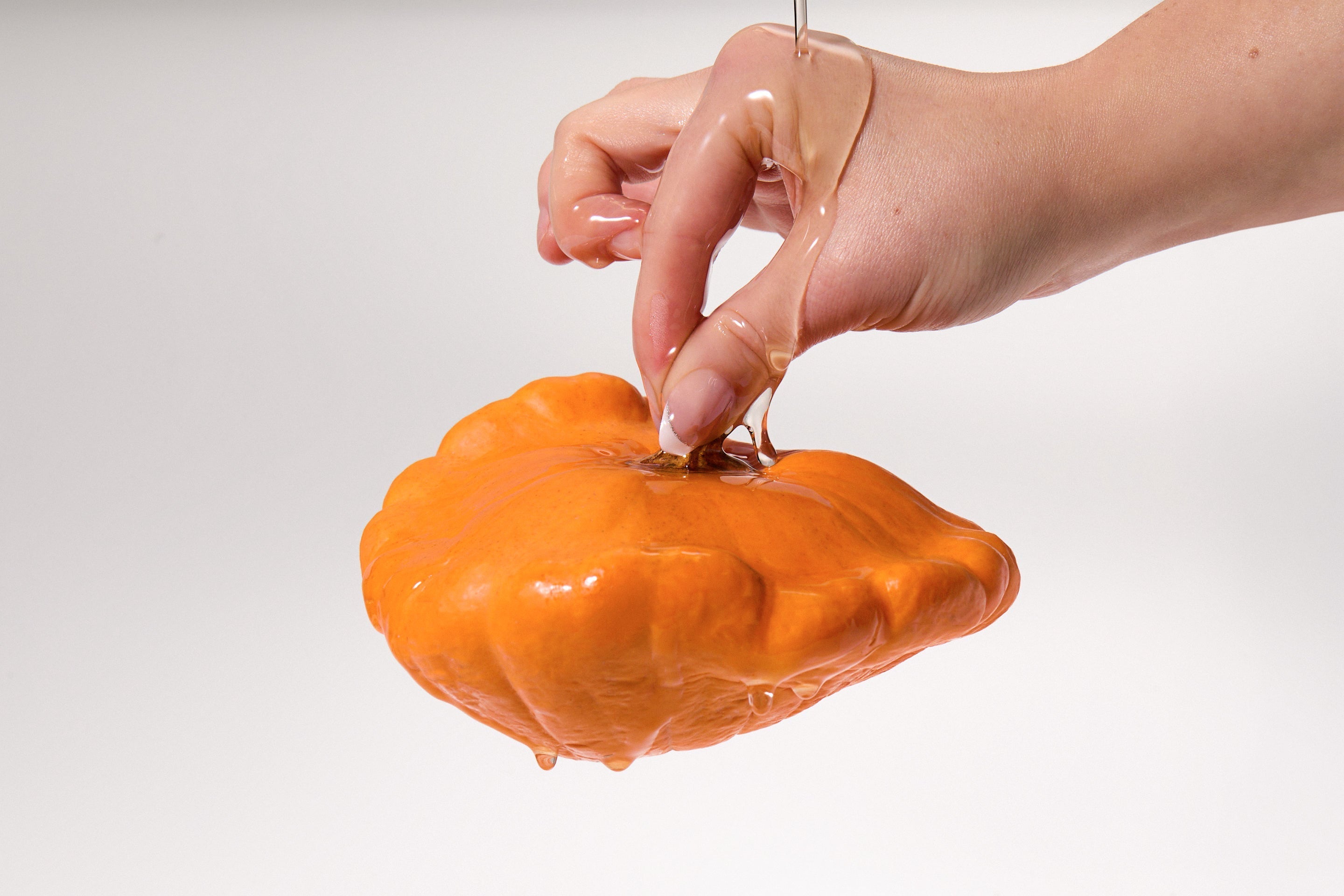
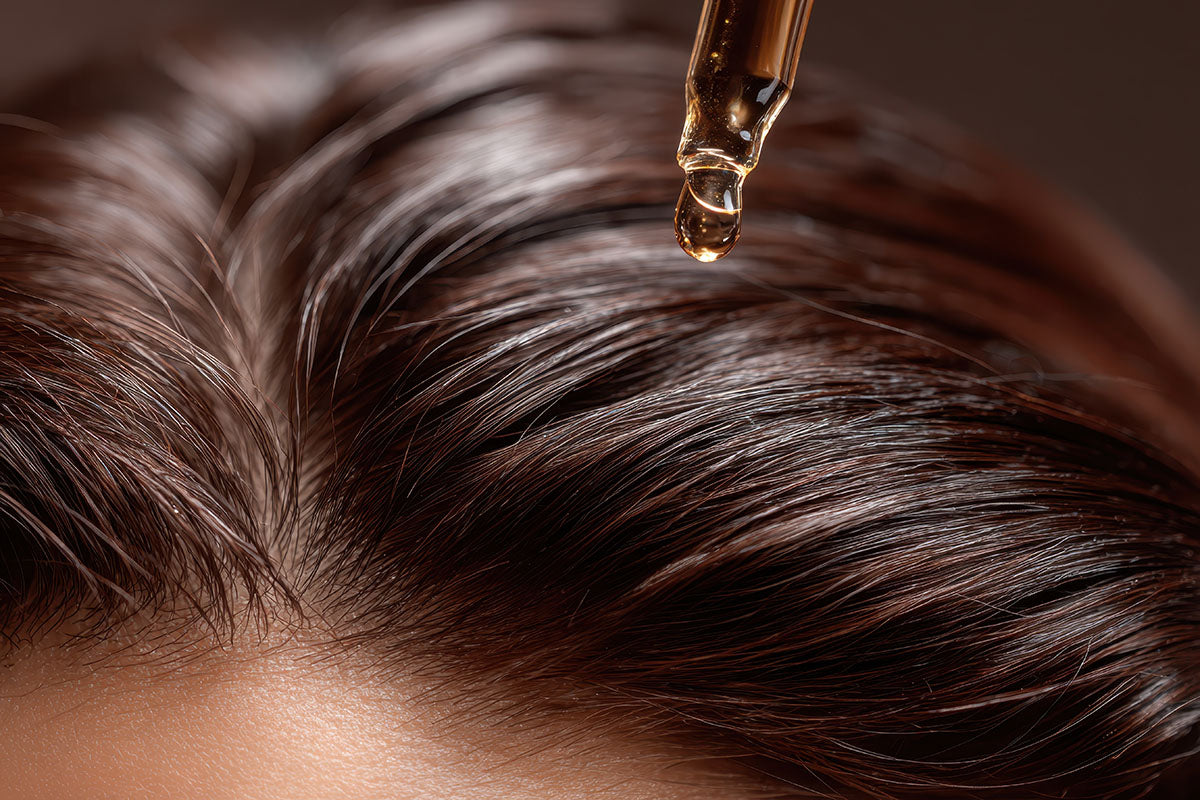
These oils have gained a lot of popularity in the last few years on different online platforms, and rightfully so! They are very accessible, a lot more cost effective but also scientifically proven to be very efficient. Pumpkin seed oil has DHT-blocking properties, which in turn reduces hair shedding, whereas rosemary oil will stimulate blood flow and circulation to your scalp. Combining these oils with a gentle massage is the way to go and will boost those beautiful hair strands and promote their growth.
Reduce Your Stress
There is a known and scientifically proven correlation between stress and high levels of cortisol, which can in turn exacerbate other hormonal conditions like PCOS or lead to premature hair shedding. Take some time to try supportive practices like mindfulness, regulate and establish a healthy sleep cycle and try and incorporate regular movement into your life. Your soul, your mind and your hair will thank you!

Hair growth is a slow game and requires a lot of patience! It can be very frustrating at times, but with the right approach, you can see improvement in as little as 2-3 months! The key here is to start early, as you are more likely to preserve healthy follicles.
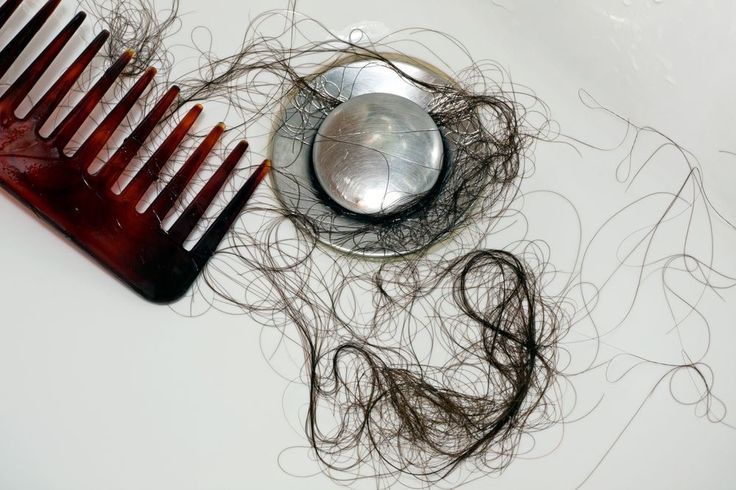
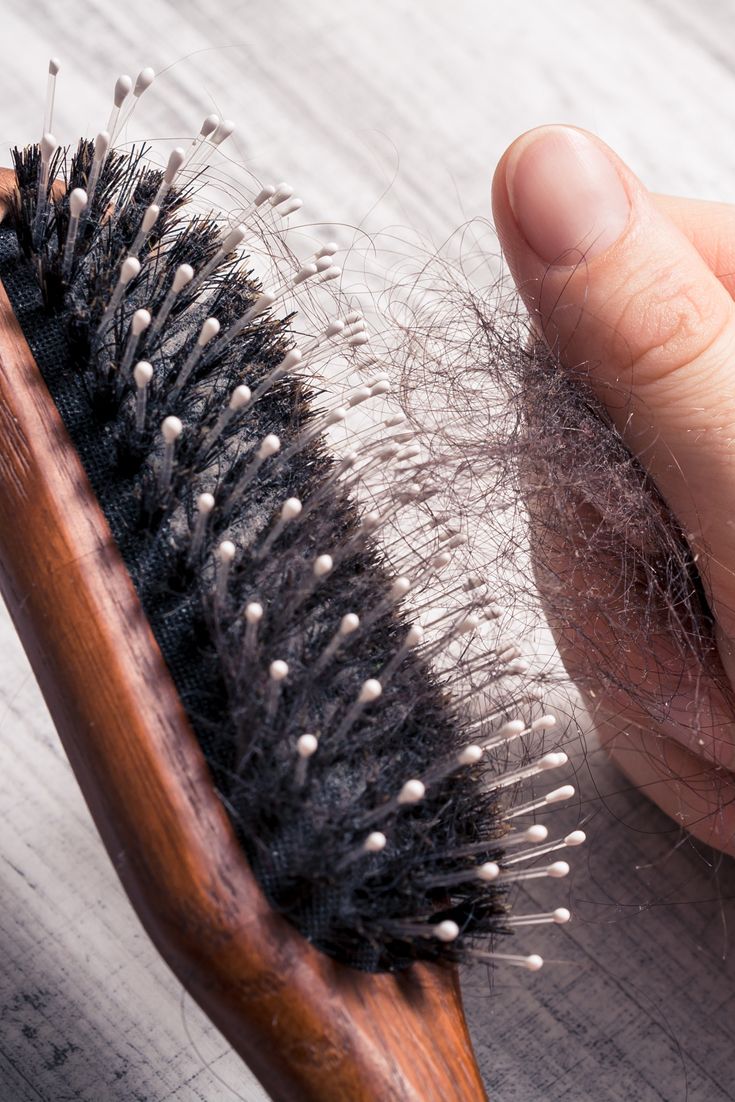
If you feel like something is wrong, don’t wait to seek out medical help. If you’re seeing more hair in the shower, on your pillow or the floor of your house, trust yourself and have it checked out. The loss might not resolve on its own, and with the right information, tools and support, you can take back the control!
For answers to other questions you might have about hair care, check out our blog page.


Share:
Understanding Hormonal Hair Loss (Part One)
How to Spot Early Signs of Hair Thinning Before It’s Too Late