



Hair oiling is everywhere right now. Your feed is full of it, your favourite creators swear by it, and the search volume for "how to use hair oil" has been climbing steadily. And for good reason: oiling your hair can make a real difference to how it looks, feels, and holds up over time.
But here's the thing, most routines get wrong. The majority of hair oiling advice focuses on the lengths and ends. Smooth this serum through your mid-lengths for shine. Apply a finishing oil after styling. That's fine, and we'll cover all of it. But the most science-backed benefits of hair oiling actually happen at the scalp, and almost nobody is talking about that part.
Pre-wash scalp oiling is one of the most effective things you can do for your hair, and it's the step that most people skip entirely. By the time you finish this guide, you'll know every way to use hair oil, which method suits your hair type, and why the scalp deserves just as much attention as the strand.
Learn about hair loss serums and how they work.
What does hair oil actually do? The science of scalp and strand
Hair oil does two jobs, and most people only know about one of them.
The first is strand conditioning. When you apply oil to your hair, certain oils can actually penetrate the hair fibre and interact with the Cell Membrane Complex, which is the structural "cement" that holds your cuticle layers together. Research has shown that plant-based oils can work their way into the CMC, strengthening the hair from within and reducing the kind of micro-damage that leads to breakage over time. Not all oils do this equally. Oils rich in smaller fatty acid chains, like those found in coconut and certain seed oils, penetrate more effectively than heavier mineral-based oils that sit on the surface.
The second job is scalp support. Your scalp has its own lipid barrier, made up of fatty acids, ceramides, and cholesterol, that protects it from moisture loss, irritation, and environmental stress. Every time you shampoo, surfactants strip away some of those lipids. Studies have found that this lipid loss is a chemical process, not just a mechanical one, which means even gentle shampooing removes protective fats from the scalp and hair over time. Applying oil before you wash creates a buffer that helps protect the barrier from being stripped back too far.
When you understand both of these jobs, it changes how you think about hair oiling. It's not just a cosmetic step for shine. It's a way to protect and support your hair and scalp at a structural level.
Every way to use hair oil (and when to use each method)
There's no single "right" way to oil your hair. The best method depends on your hair type, your goals, and how much time you've got. Here are the five main approaches and who each one suits best.
Pre-wash scalp oiling is where you apply oil to your scalp before shampooing, leave it for a set amount of time, then wash it out. This is the most science-backed method and the one that supports the scalp barrier most directly. It suits all hair types, especially anyone dealing with thinning, dryness, or a sensitive scalp.
Post-wash finishing oil is applied to damp or dry hair after washing, usually just a small amount through the mid-lengths and ends. This is the most common method and works well for adding shine, smoothing frizz, and sealing in moisture. It suits most hair types, especially fine to medium hair that needs a lightweight touch.
Overnight treatment involves applying oil to the scalp and lengths before bed and washing it out in the morning. This gives the oil maximum dwell time and suits anyone with dry, thick, or coarse hair that benefits from deeper conditioning. Just protect your pillow with a towel or silk pillowcase.
Scalp massage oiling is similar to pre-wash oiling but with a focus on the massage itself. Circular massage supports micro-circulation to the scalp, which can help create better conditions for the follicle. This suits anyone who wants to combine scalp care with a moment of relaxation.
LOC or LCO layering is a technique popular with curly and coily hair types. LOC stands for Liquid, Oil, Cream, and it means layering a water-based product first, then an oil to seal, then a cream to lock everything in. LCO flips the last two steps (cream before oil) and tends to suit lower porosity hair that needs help letting products absorb. If you have textured hair, this is worth experimenting with.
How to use hair oil step by step
Whatever method you've chosen, the application technique matters. Here's how to do it properly.
Step 1: Choose your method. Decide what you're trying to achieve. Supporting your scalp? Pre-wash oiling. Adding shine after styling? Finishing oil. Deep conditioning thick hair? Overnight. Layering moisture into curls? LOC or LCO. The method determines everything else.
Step 2: Section your hair. This is the step people rush past, and it makes the biggest difference. If you're applying to the scalp, part your hair into four to six sections so you can actually reach the skin. If you're applying to lengths and ends, sectioning ensures even distribution instead of concentrating product in one area.
Step 3: Apply to scalp, lengths, or both. For scalp oiling, use a dropper or your fingertips to apply oil directly to the exposed scalp along each part line. For lengths, warm a small amount between your palms and smooth it through from mid-length to ends. If your goal is both, start at the scalp and work any excess down through the lengths.
Step 4: Massage gently. If you're oiling the scalp, spend two to three minutes using small circular motions with your fingertips (not your nails). This helps the oil absorb, supports blood flow to the follicle, and feels incredible. Don't skip this part.
Step 5: Leave it in (timing matters). This is where dwell time becomes important. The longer oil sits on your scalp and hair, the more time lipophilic (fat-soluble) actives have to absorb. A quick five-minute application is better than nothing, but 15 minutes to several hours gives active ingredients more opportunity to work. For overnight treatments, aim for at least six hours.
Step 6: Rinse and cleanse (or style as normal). For pre-wash methods, shampoo thoroughly to remove all oil residue. You may need to lather twice if you used a generous amount. For finishing oils, no rinsing needed. Just apply sparingly so you don't weigh your hair down, and focus on ends rather than roots.
A few practical tips: mornings tend to work best for pre-wash oiling if you're short on time (apply while you get ready, then shower). If you're doing an overnight treatment, a silk or satin pillowcase will protect your bedding and reduce friction on your hair. And if you find your roots look greasy after oiling, you're either using too much or applying too close to the root line with a finishing oil.
How to use a pre-wash scalp oil (the method most people skip)
Pre-wash oiling deserves its own section because it's the technique with the most evidence behind it, and the one most people have never tried.
Here's why it works. When you shampoo, the surfactants in your cleanser do their job by dissolving and removing oil, dirt, and buildup from your scalp. But they also remove some of the natural lipids that make up your scalp's protective barrier. Over time, frequent washing without barrier support can leave the scalp drier, more reactive, and less resilient.
Applying oil before you wash creates a protective layer. The oil binds to the scalp's lipid barrier and cushions it against the stripping effect of surfactants, so you still get a clean scalp but without losing as much of what protects it. It's the same principle as applying a barrier cream before exposure to irritants.
For the hair strand, pre-wash oiling also helps. Oils that penetrate the fibre can reinforce the CMC before it's exposed to the swelling and mechanical stress that comes with wetting, lathering, and rinsing. That means less cuticle damage, less breakage during washing, and smoother hair when you're done.
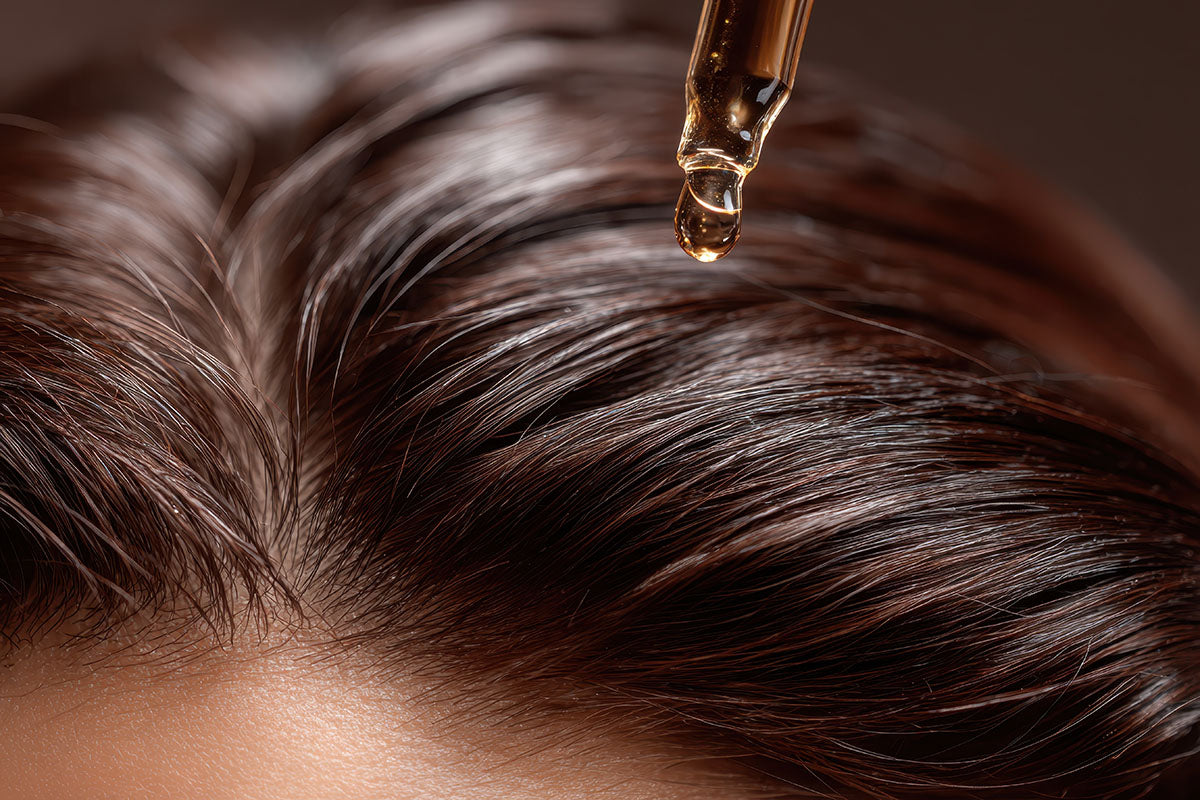
The technique is simple. Apply your oil to the scalp using a dropper or your fingertips, section by section. Massage gently for two to three minutes. Leave it on for a minimum of 15 minutes (longer is better). Then shampoo as normal, lathering twice if needed to remove all residue.
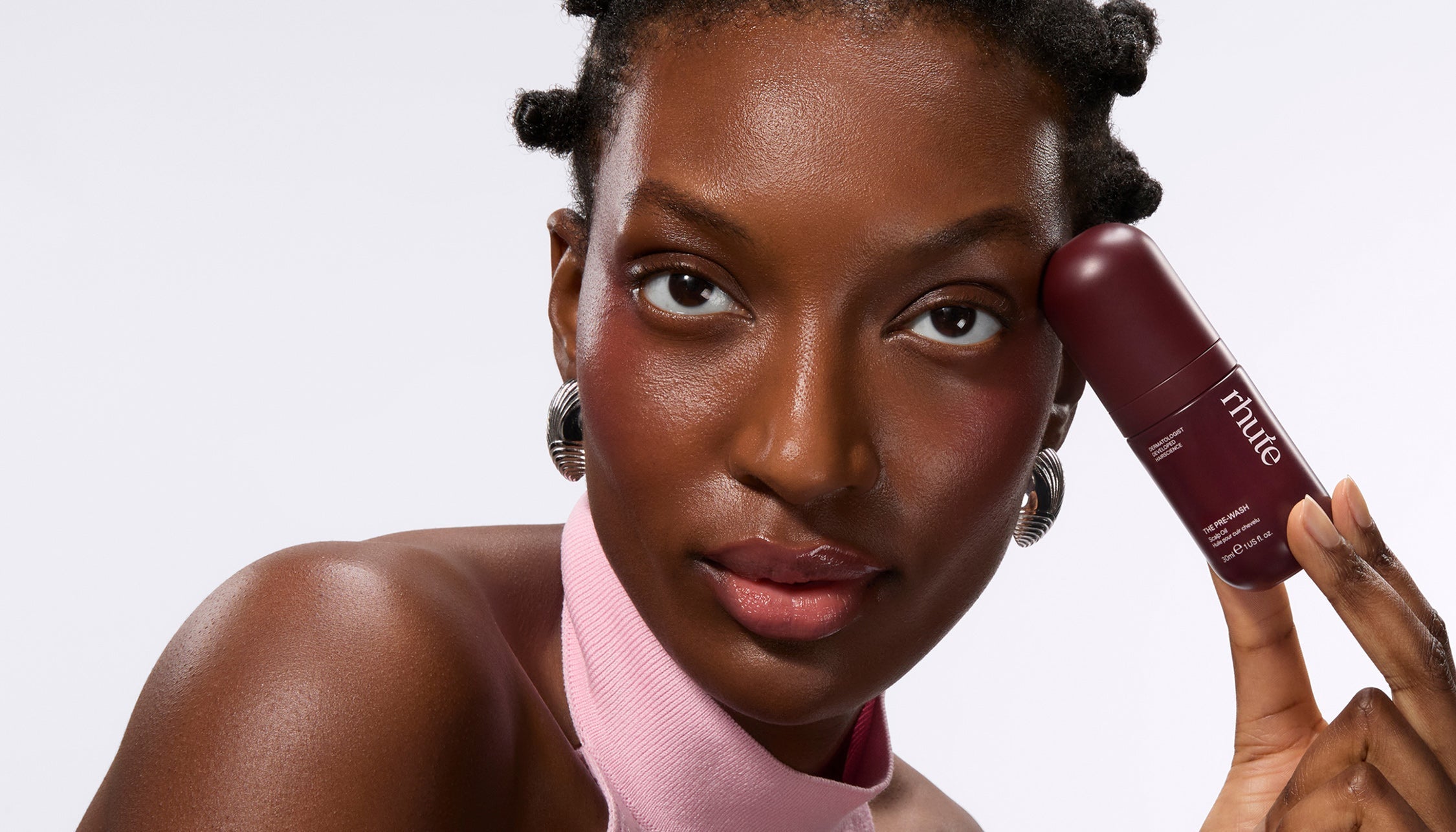
The rhute Triple Density Complex Pre-Wash Scalp & Hair Oil: hair oiling, re-designed
If you want a pre-wash oil that does more than just condition, the rhute Triple Density Complex Pre-Wash Scalp & Hair Oil was designed specifically for this method.
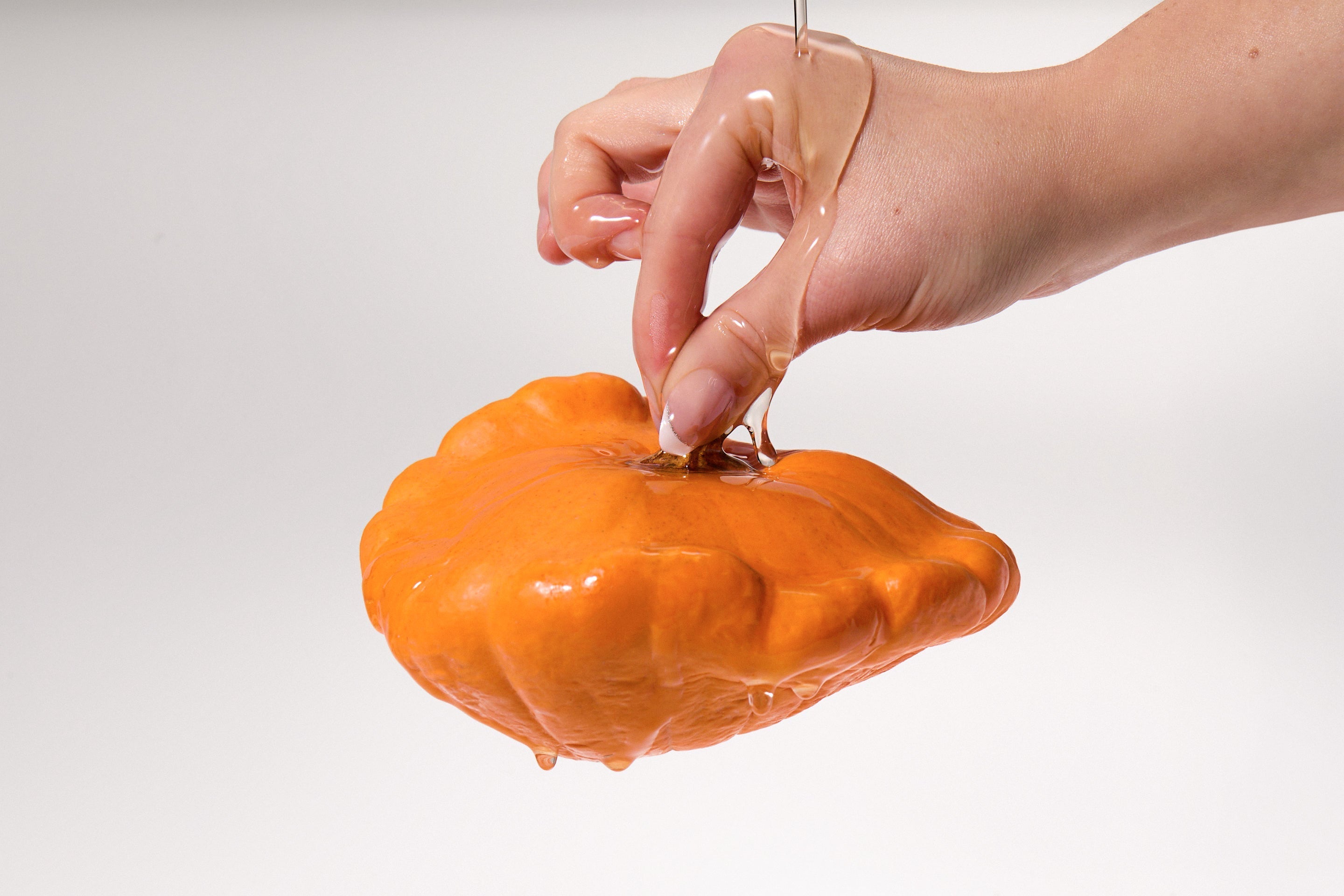
It's formulated around pumpkin seed oil, which contains phytosterols that support the DHT pathway involved in hair thinning. Alongside that, you'll find saw palmetto (which works on the same pathway through a complementary mechanism), rosemary extract (which supports micro-circulation to the scalp), ceramides (which replenish the lipids that shampooing strips away), and beta-sitosterol in concentrated form.
The idea is simple: instead of oiling your scalp with a basic carrier oil that only conditions, you're using a formula where every ingredient has a specific job at the follicle and scalp level.
Apply two to three droppers directly to the scalp, massage gently, and leave for anywhere between one and six hours depending on your routine. Then rinse and shampoo as normal. Use it two to three times a week.
It sits at the start of The Density Rhutine, which pairs the Pre-Wash with the Density Dermastamp and the Density + Repair Serum for a complete scalp and hair support routine.
How often should you oil your hair?
Frequency depends on the method, your hair type, and what your hair needs.
For pre-wash scalp oiling, two to three times per week is the sweet spot for most people. That's enough to support the scalp barrier without overdoing it. If your hair is particularly dry or thick, you can push to three times. If it's fine or oily at the roots, twice a week is plenty.
For finishing oils, you can use them every wash day or whenever you style. Just keep the amount small, especially on fine hair. A drop or two is usually enough.
For overnight treatments, once a week is a good starting point. Any more than that and you risk buildup that's hard to wash out, even with a good shampoo.
Signs you're over-oiling: hair looks flat or limp, roots feel greasy even after washing, or you're noticing more buildup on your scalp. Signs you're under-oiling: dry ends, increased breakage, a tight or flaky scalp, or hair that feels rough and lacks flexibility.
Seasonal adjustments matter too. In winter, when central heating dries everything out, you might benefit from more frequent oiling. In summer, when your scalp produces more sebum naturally, you may need less.
Common hair oiling mistakes and how to avoid them
Using too much product. More oil does not mean more benefit. For scalp oiling, two to three droppers is enough. For finishing oil, start with one to two drops and build up. You can always add more, but you can't undo a greasy situation.
Skipping the scalp entirely. If you only ever apply oil to your lengths and ends, you're missing the most impactful part. The scalp is where the science-backed benefits really happen, and it's where your hair health starts.
Not cleansing properly after pre-wash oiling. If you don't shampoo thoroughly after a pre-wash treatment, the residue can block pores, cause buildup, and actually make your hair look worse. Lather twice if needed, and make sure the water runs clear.
Using the wrong oil for your goal. A lightweight finishing oil and a pre-wash scalp treatment are designed for different things. Using a heavy treatment oil as a styling finisher will weigh your hair down. Using a finishing serum on your scalp won't give you the active benefits you're looking for. Match the product to the method.
Expecting overnight results. Hair oiling is a long game. You'll notice smoother, softer hair fairly quickly, but structural changes to the scalp and follicle take time. Give it at least three months of consistent use before judging whether it's working.
FAQs
Can you use hair oil on fine hair?
Yes, but the method and amount matter. Fine hair responds best to lightweight finishing oils in very small quantities (one to two drops on the ends) or pre-wash scalp oiling, which gets rinsed out and doesn't weigh the hair down. Avoid heavy oils on the lengths and stay away from the root line with finishing products.
Should you apply hair oil to wet or dry hair?
Both work, but for different purposes. Applying to damp hair after washing helps seal in moisture and reduce frizz as your hair dries. Applying to dry hair adds shine and smooths flyaways. For pre-wash scalp oiling, apply to dry hair before you get in the shower.
Can hair oil help with growth?
Hair oil on its own won't make your hair grow faster. But certain oils contain active compounds that support the scalp environment and address the hormonal pathways involved in thinning. Pumpkin seed oil and saw palmetto, for example, contain phytosterols that can influence DHT activity at the follicle. So while oil alone isn't a growth treatment, the right oil used consistently can support the conditions your hair needs to grow well.
How long should you leave hair oil in before washing?
For pre-wash treatments, a minimum of 15 minutes gives actives time to absorb. For deeper benefits, leave it on for several hours or overnight. For finishing oils, there's no need to wash them out at all as they're designed to stay in your hair.
Can you use hair oil if you have dandruff or a flaky scalp?
Yes, and it can actually help. Many cases of dandruff involve a compromised scalp barrier, and oiling before washing can support that barrier. However, if your dandruff is caused by a fungal condition like seborrhoeic dermatitis, some oils can make it worse. Lighter, non-comedogenic oils tend to be safer. If you're unsure, check with your dermatologist.



Share:
Saw Palmetto Benefits for Hair: How This DHT-Blocking Botanical Supports Growth
Hair loss during pregnancy: causes and what actually helps