



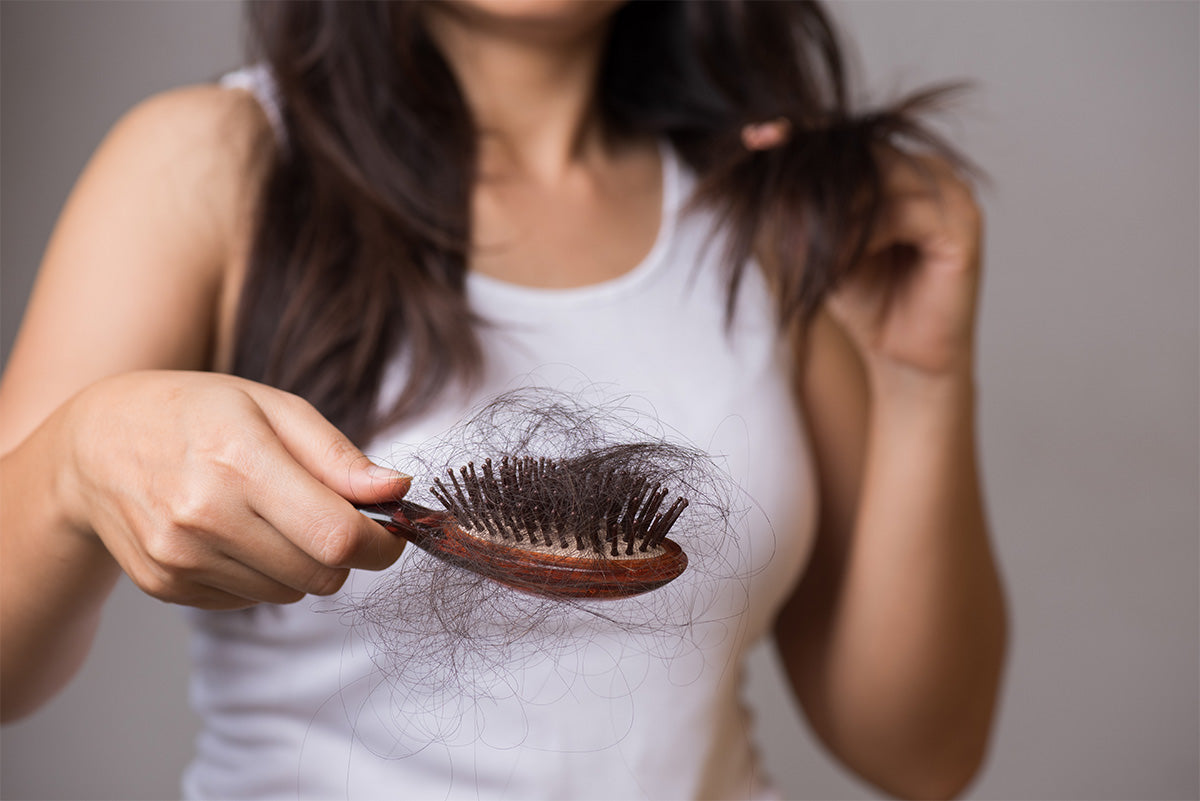
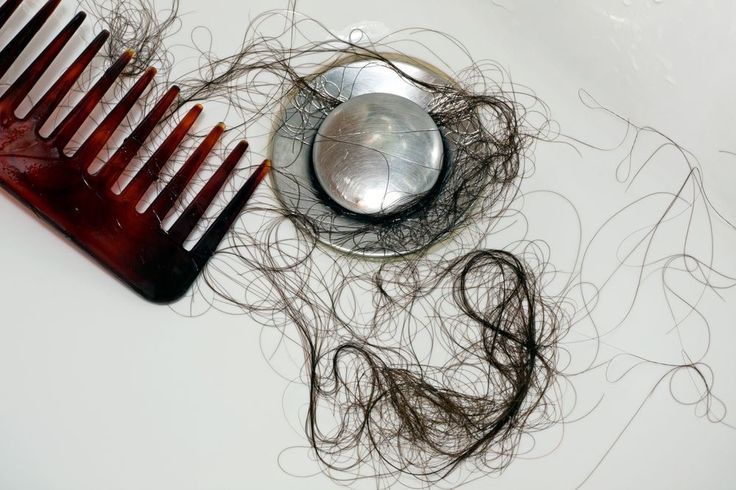
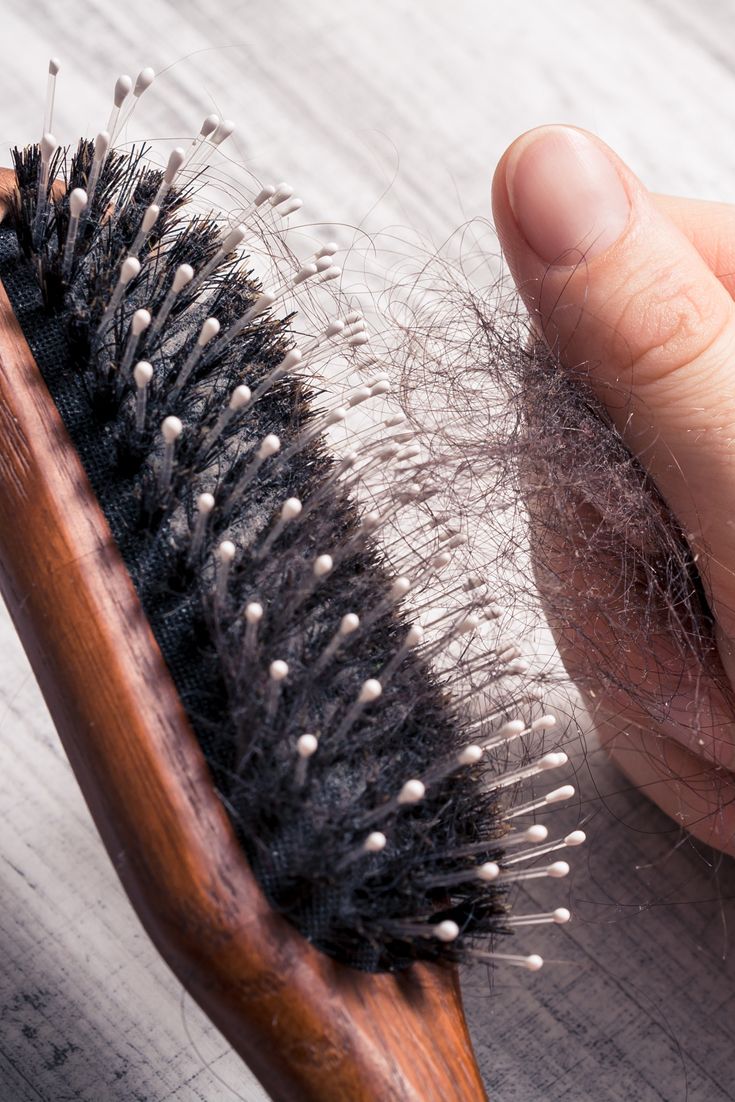
Hair loss is a super common and frustrating issue, affecting a huge number of the world population at any one given time. One of the most well-known causes is Androgenetic Alopecia; also known as male or female pattern hair loss.
- Andro: refers to the involvement of male hormones e.g Testosterone - (even in females!)
- Genetic: suggests an inherited component
- Alopecia: hair loss
Androgenetic Alopecia typically involves the reduction in size of hair follicles over time with males tending to get a ‘receding hairline’ and in women affected by their hair thinning out over time, as well as some recession in the hairline too. This type of hair loss typically affects the caucasian population the most, but can affect all ethnicities. Age range typically is from the ages of 30-65, but can start as early as puberty!
Interested in a hair growth serum that actually works? Check out our very own hair serum for fuller, healthier looking hair.
The Life Cycle of a Hair Follicle
To understand hair loss, we first need to understand hair growth.
Hair growth of each follicle on your scalp follows a natural cycle with four key phases. The two phases important for you to know are
- Anagen: the active growth phase
- Telogen: the resting phase where follicles do not grow
The time each hair follicle spends in these phases is partly influenced by Testosterone and Dihydrotestosterone (DHT). You may have heard testosterone as a “male” hormone which it partially is, but both men and women produce it. Testosterone is converted into DHT by the enzyme 5-alpha reductase. DHT can then bind to hair follicles and shorten the growth phase (anagen) while lengthening the resting phase (telogen) leading to thinner hair and more shedding over time.

Do DHT Blockers Work? The Pros and Cons
Now that we understand hair growth, we can focus on what we already know about some of the drugs used in the hair loss industry.
Minoxidil - Often sold under the brand name Regaine, you may have heard about this trending drug on social media. Research shows this topical treatment in spray, oral or foam consistency can increase blood flow to hair follicles and prolong the growth (anagen) phase. Research has shown low dose Minoxidil to be effective but can cause scalp dryness, irritation, itching, or redness which can be just as upsetting or even more stressful than the hair loss itself. Using any medical orally or topically is a really important decision and can be complex; so always feel empowered to research and approach evidence based sources of information about benefits and side effects.
Finasteride - This is a drug which blocks DHT - it is used commonly to treat enlarged prostates but can also combat hair loss. However, it is typically not recommended in pre-menopausal females due to rare but notable side effects - including birth defects if pregnant. Other unwanted effects can be reduced libido, erectile dysfunction, and breast tenderness.
Natural DHT Blockers: Promising or Pointless?
Given the potential side effects of pharmaceutical based DHT blockers, there is understandably concern and increasing chatter about the use of “natural” DHT blockers. Let’s review the evidence behind one of the more researched “natural DHT blockers”: Pumpkin seed oil.
Pumpkin Seed Oil: The rising star?
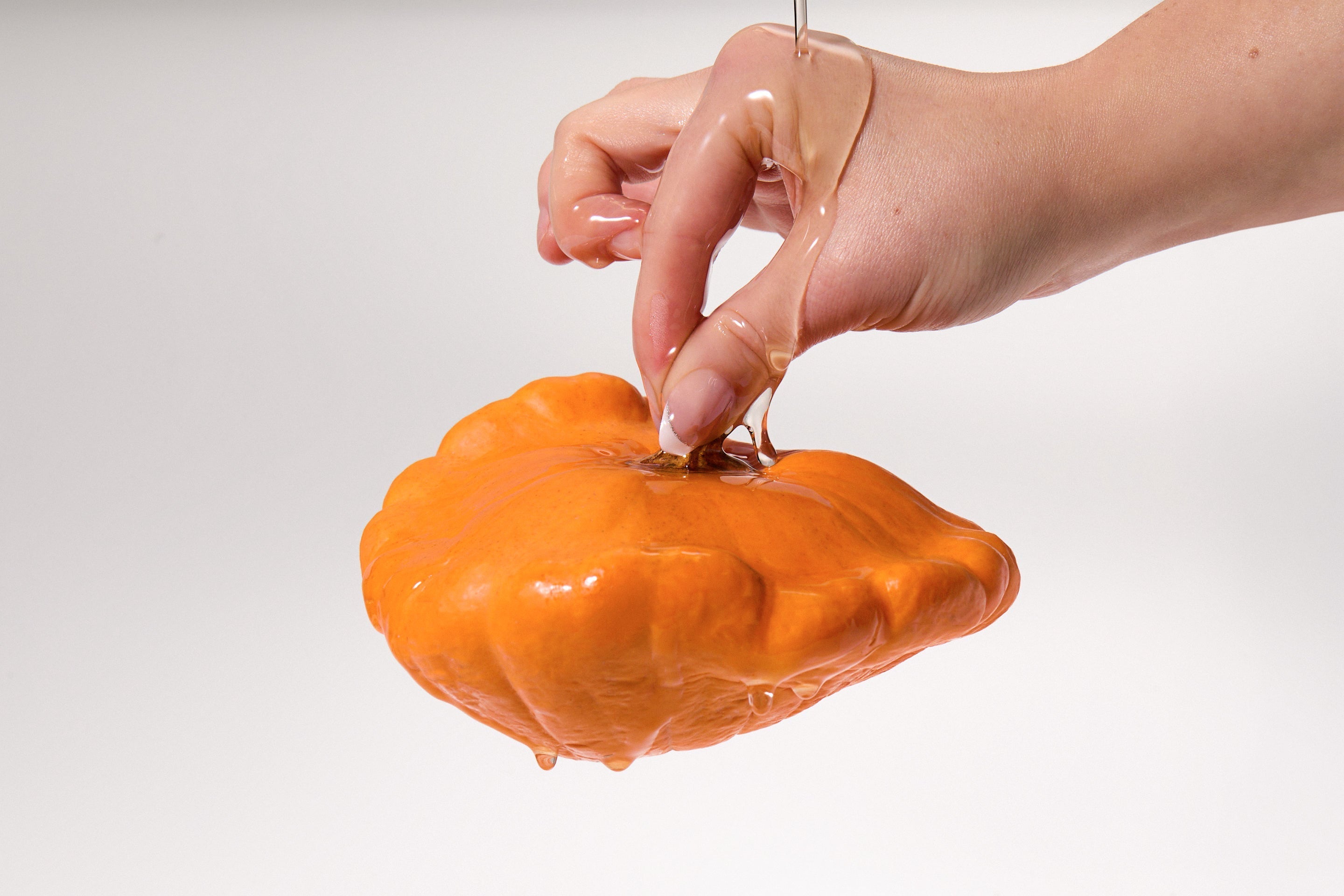
Pumpkin seed oil (Cucurbita pepo) comes from a plant native to Southern Mexico and Northern Central America. It’s rich in:
-
Polyunsaturated fatty acids
-
Vitamin E
-
Carotenoids
-
Phytosterols - believed to be the active component for hair gains and DHT blocking
Phytosterols are thought to inhibit the enzyme 5-alpha reductase, which helps reduce the conversion of testosterone to DHT.
What Does the Research Say?
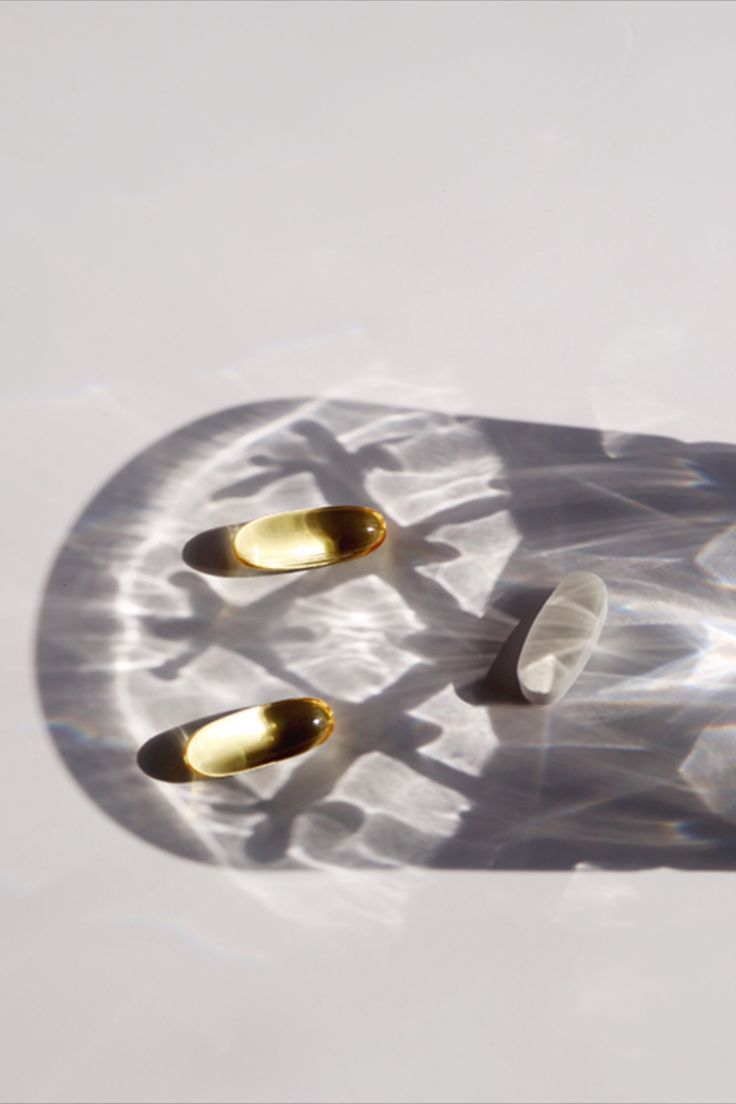
In a study in South Korea, men with mild androgenetic alopecia took 400mg of pumpkin seed oil daily for 24 weeks. Results showed a whopping 30% increase in hair count compared to the placebo group who received an empty pill. Though the hair thickness did not increase, overall hair density (number of hairs on the scalp) increased with only one person reporting mild side effects of some tummy pain. Having said that, this study involved oral pumpkin seed oil aka taking capsules rather than a “hair oiling” treatment.
Other Natural DHT Blockers You May Have in Your Kitchen
There are other ingredients known to help hair growth in a similar fashion, though studies on these are fewer and less robust so, we wouldn’t recommend incorporating them until more concrete evidence is available. However, these are some naturally occurring hair growth helpers that might be of interest:
-
Green Tea (Camellia sinensis): -This is known to affect 5-alpha reductase activity and stop DHA production.
-
Liquorice (Glycyrrhiza glabra): This blocks 5a-reductase and in some mice studies has been seen to outperform Minoxidi! However, no human testing yet and at high doses can be associated with serious (potentially harmful side effects).
-
Saw Palmetto (Serenoa repens): A botanical extract that’s been shown to inhibit 5-alpha-reductase. A big research study summarising the results of other clinical studies reported that up to 60–80% of people taking saw palmetto (typically 100–320 mg daily) experienced improved hair density or reduced shedding!
Take-Home Message: Consistency is Key
Just like cute puppies, DHT blockers are for life, not just for Christmas.
The truth is that these medications may be successful in giving you the results you’ve been desperate to see, but you are likely to stop seeing growth or even lose your progress if you stop using DHT blockers consistently; this applies to both natural and chemical versions.
To avoid getting into a short hair situationship with no (hair) longevity, marry yourself to the process with loyalty and nurture it to get locks and locks of rewards.
Conclusion: DHT blockers will only be effective for as long as you use them. Pumpkin Seed Oil is good but in tablet form and the evidence on females. Other natural ingredients may be good - but trials are limited so we can’t fully back them.
For answers to other questions you might have about hair care, check out our blog page.


Share:
Unlock Your Best Hair: The Best Ingredients For Hair Growth
The Causes of Hair Loss: A Comprehensive Guide