


As of May 2026, polycystic ovary syndrome (PCOS) has officially been renamed polyendocrine metabolic ovarian syndrome (PMOS). This follows a global medical consensus published in The Lancet. It was led by 56 international medical organisations, including the Endocrine Society and the World Health Organization (Endocrine Society, 2026). The new name reflects what's actually going on (a whole-body hormonal and metabolic condition rather than just an ovarian one), but PCOS is still the term most women recognise and search for, so we'll use it throughout this guide. PCOS and PMOS refer to the same thing.
Polycystic ovary syndrome (PCOS) can do a lot of things to your hair, and most of them feel contradictory. Hair growing where you don't want it (face, chin, jawline, chest). Less hair where you do want it (the crown, the parting, the temples). A scalp that's oilier than it used to be while the ends feel drier. None of it lines up with what people picture when they think "hair issue", and the generic advice that floats around online tends to miss the point entirely.
The hair loss side of PCOS is real, common, and rarely talked about properly. It's also more treatable than most women are told, especially if you catch it early. Here's what's actually happening at the follicle, how to tell PCOS hair loss apart from other types, and the treatments with proper evidence behind them, including the routes that don't usually come up in a 10-minute GP appointment.
What PCOS hair loss actually is
PCOS is the most common hormonal condition affecting women of reproductive age. The UK estimate is that around 1 in 10 women have it, which works out to roughly 3 million people, and up to 70% of women with PCOS aren't formally diagnosed. It's defined by some combination of irregular periods, raised levels of androgens (a family of hormones that includes testosterone), and small fluid-filled follicles on the ovaries that show up on an ultrasound. Most women with PCOS have two of those three features rather than all of them.
The hair loss that comes with PCOS is driven primarily by androgens. Women make smaller amounts of androgens than men, but they still make them (mostly in the ovaries and adrenal glands). In PCOS, those levels run higher than normal. When androgen levels are up, more testosterone gets converted into DHT (dihydrotestosterone, the more active form of testosterone). On the face and body, DHT promotes hair growth, which is why women with PCOS often have unwanted hair (hirsutism) in places like the chin, jaw and upper lip. On the scalp, in women with the genetic sensitivity to it, DHT does the opposite. It binds to hair follicle receptors and gradually shrinks them. Each new hair coming through is a little finer and a little shorter than the one before, and over time the follicle stops producing visible hair at all. This is called miniaturisation, and it's the underlying mechanism behind both PCOS hair loss and the broader category of female pattern hair loss.
There's a second layer underneath the androgen story, and it's worth understanding because it changes the treatment picture. Many (but not all) women with PCOS have insulin resistance. Insulin is the hormone your body uses to move glucose from your blood into your cells, and when cells stop responding to it well, your body has to make more insulin to do the same job. Higher insulin tells the ovaries to make more androgens, which feeds the same hair-thinning loop. This is why managing the blood sugar side of PCOS often improves the hair side, even though the connection isn't obvious.
A third, less well-known contributor is low-grade inflammation. PCOS is associated with chronic low-level inflammation throughout the body, and an inflamed scalp environment is one where follicles cycle less efficiently and produce weaker hair. The inflammation piece is part of why diet, sleep, and stress all show up in the management section even when the headline cause is hormonal.

How PCOS hair loss looks
The pattern is diffuse rather than patchy, which means the hair thins evenly across the affected zones rather than falling out in defined bald spots. The areas that show it first tend to be the crown, the centre parting and the temples. Many women notice it when their parting starts looking wider, their ponytail feels thinner, or they can see more scalp than usual under direct light.
What you typically don't see in PCOS hair loss is the receding hairline of male pattern baldness. You also don't see the round, well-defined patches of alopecia areata. The thinning is steady and progressive without treatment, but it's usually slow enough that you might dismiss the early signs for months before something clicks.
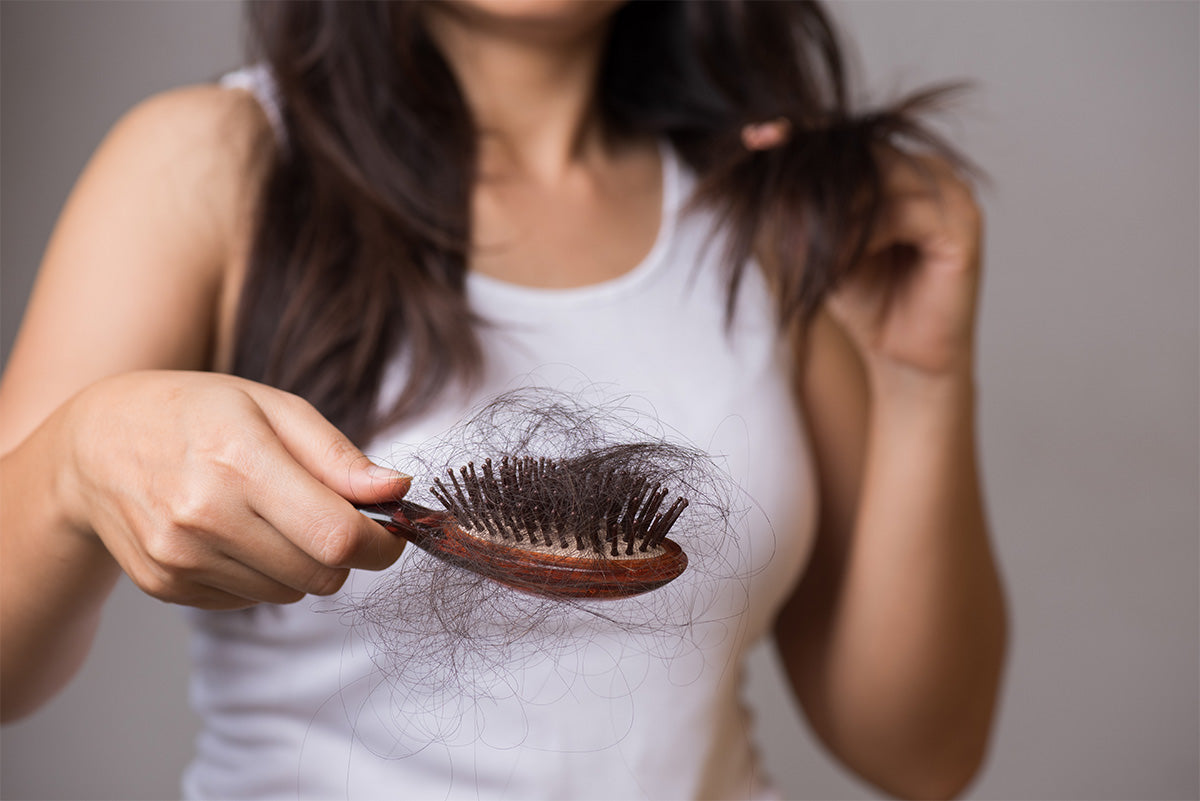
One thing that catches a lot of women out: the hair coming through during PCOS hair loss is often noticeably finer and shorter than the hair you're shedding. That's the miniaturisation in action. If you're looking at the strands in the shower drain and they look different to the hair you remember having, that's a meaningful signal.
How it's different from other types of hair loss
If your shedding came on suddenly, peaked over a few weeks, and is across the whole scalp rather than concentrated at the crown or parting, that's more likely to be a synchronised shedding pattern called telogen effluvium. It's triggered by stress, illness, postpartum hormones, or significant nutrient deficiency, and it tends to resolve on its own. The same goes for the postpartum hair loss timeline, which is hormonal but temporary in a different way.
If your hair has been gradually thinning at the parting and crown for years without an obvious trigger, that's likely the broader category of female pattern hair loss. PCOS hair loss sits within that family, but the underlying driver is the PCOS-specific androgen and insulin combination rather than general age-related hormonal shifts.
If your shedding is heavier in autumn, it's worth ruling out the seasonal hair shed before going further. And if there's a clear stress trigger, excess cortisol-driven shedding can sit on top of any PCOS picture and make it look worse than it is.
The reason to know the difference is that the treatments are different. PCOS hair loss responds best to treatments that target the underlying hormonal picture. Telogen effluvium responds best to time and gentle scalp support. Mistaking one for the other delays the actually-useful intervention.
Getting a PCOS diagnosis
This is the part that tends to be slower than it should be. If you suspect PCOS but haven't been diagnosed, the first step is a GP appointment that covers your menstrual cycle history, any symptoms you've noticed beyond hair changes (acne, weight changes, fertility concerns, hirsutism), and a blood panel. The typical PCOS panel includes testosterone, sex hormone binding globulin (SHBG, a protein that mops up free testosterone in your bloodstream), free androgen index, LH (luteinising hormone) and FSH (follicle-stimulating hormone), prolactin, and thyroid function. Your GP may also order a pelvic ultrasound to look at the ovaries themselves.
For the hair loss side specifically, ferritin (your stored iron), a full blood count, vitamin D and vitamin B12 are worth running. Iron and vitamin D deficiencies can stack on top of PCOS hair loss and make it considerably worse, and they're easy to test and treat.
If your GP isn't able to give you the full picture, the next step is either a dermatologist (for the hair side) or an endocrinologist (for the hormonal side). Recent research points out that PCOS is under-investigated in women who present primarily with hair thinning, which is a useful thing to know if your hair concerns aren't being taken seriously (Prasad et al, 2020).
Treatments that target the underlying PCOS
These are the routes that work on the root cause of the hair loss rather than just the hair itself. They tend to be more effective in the medium term because they shift the hormonal environment the follicles are responding to.
Hormonal contraception
The combined contraceptive pill (the kind that contains both oestrogen and a progestogen) can be a useful treatment for PCOS hair loss, particularly versions with anti-androgenic progestogens like drospirenone or cyproterone acetate. The oestrogen helps raise SHBG, which mops up free testosterone, and the right progestogen avoids adding to the androgenic load. Not every combined pill helps with hair loss; some progestogens are more androgenic than others and can paradoxically make things worse. The impact of birth control on hair loss breaks down which types are more likely to help versus hurt.
Spironolactone
Spironolactone is an anti-androgen (originally developed as a blood pressure medication, which lowers blood pressure and blocks androgen receptors at the same time). It's been used off-label for PCOS-driven hair loss and female pattern hair loss for decades, and the evidence has firmed up recently. A 2023 systematic review and meta-analysis found an overall improvement rate of around 57% in female pattern hair loss, with even better results when combined with topical minoxidil. The effective dose sits at 100 to 200 mg daily for at least six to 12 months. It's prescription-only, works best in premenopausal women, and isn't safe during pregnancy.
Metformin
Metformin is the standard medication for managing insulin resistance, and it's commonly prescribed for PCOS. It works by reducing how much glucose your liver releases and improving how well your cells respond to insulin. The hair benefit comes through the back door: lower insulin means the ovaries make fewer androgens, which means less DHT activity at the scalp. It's GP-prescribed and managed alongside the broader PCOS picture.
Inositol
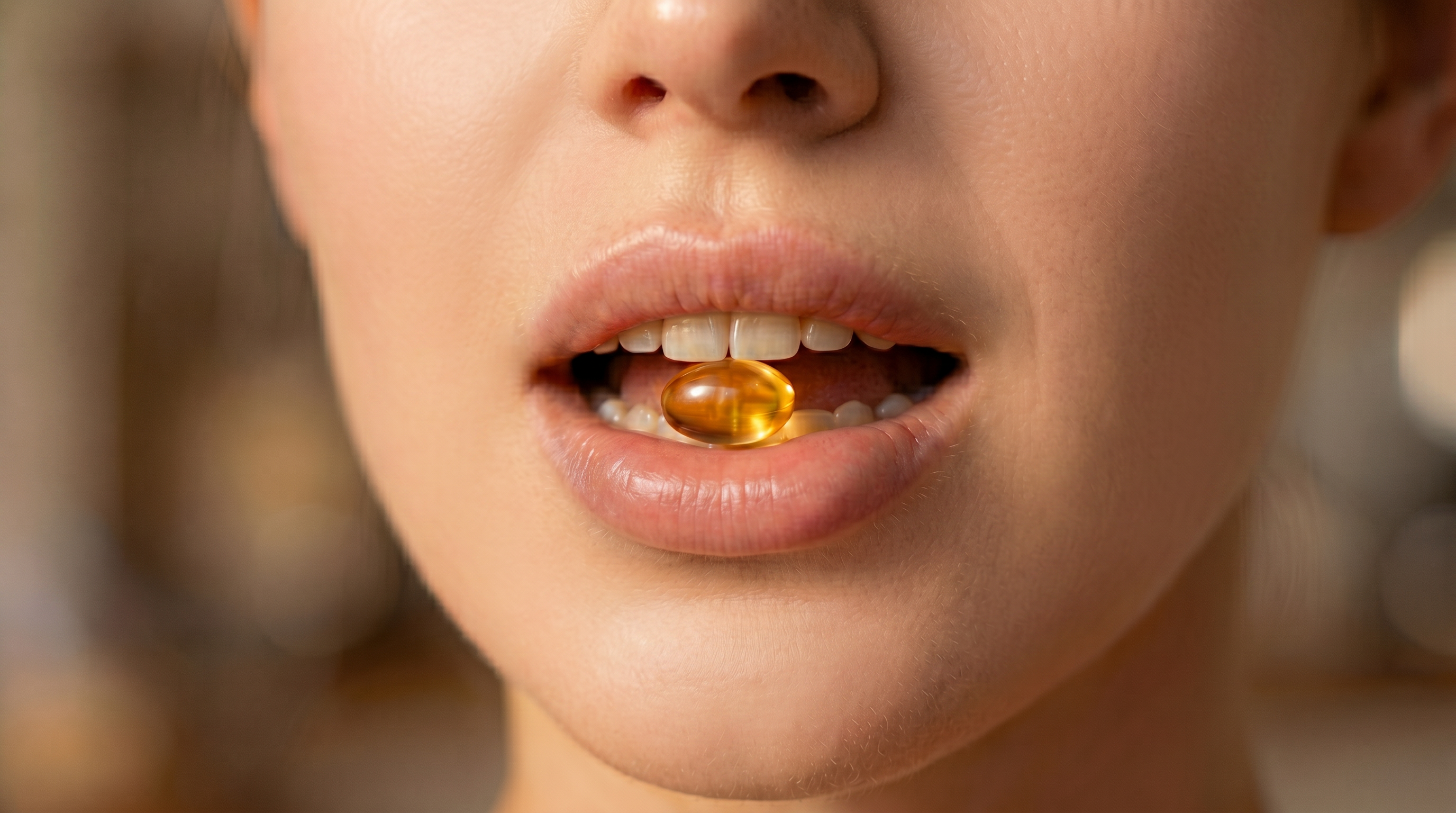
This is the one most women with PCOS haven't been told about by their GP, partly because it sits outside the usual NHS prescribing pathway. Inositol is a naturally occurring compound found in foods like fruits, beans and grains, sometimes grouped with the B vitamins as "vitamin B8" (though strictly speaking your body can make its own, unlike true vitamins). It helps your cells respond to insulin properly, which matters because insulin resistance is one of the drivers behind the androgen side of PCOS.
The two forms most studied are myo-inositol and D-chiro-inositol, often combined in a specific ratio (40:1 is the most researched). The 2023 international evidence-based guidelines for PCOS include inositol as one of the supplementary options with supporting evidence (Teede et al., 2023), and a meta-analysis of 26 randomised controlled trials found it works similarly well to metformin for the androgen side, without the digestive side effects metformin can cause (Greff et al., 2023).
Worth being clear on what inositol is and isn't, though. It's a food supplement rather than a prescription medicine, which means it isn't licensed or prescribed by the NHS for PCOS. You can buy it over the counter in pharmacies and health stores, and the evidence base supports its use as an adjunct to lifestyle changes rather than a standalone treatment. If you're going to add it to your routine, flag it to your GP so it can sit alongside everything else you're doing.
Lifestyle changes
This isn't a tick-box recommendation. Diet, exercise, sleep and stress management have meaningful effects on insulin resistance, and insulin resistance is one of the key drivers of PCOS hair loss. The evidence supports a diet that prioritises protein, healthy fats and slow-release carbohydrates over refined carbs and sugar. Regular movement helps cells respond to insulin better, and even moderate exercise (think 30 minutes of brisk walking most days) has measurable effects. Sleep matters more than people realise; one bad night raises insulin resistance the next day. And stress, which raises cortisol, can drive both the insulin resistance and the androgen production further up. None of these will fix PCOS on their own, but they meaningfully change how well the medical interventions work.

Treatments that target the hair directly
These work on the follicle and scalp side rather than the hormonal root cause. They're best used alongside the underlying PCOS management rather than instead of it.
Minoxidil
What is minoxidil? Minoxidil is the only topical treatment licensed in the UK for female pattern hair loss, and it has reasonable evidence behind it for PCOS-driven hair loss too. It works by extending the growth phase of the follicle's cycle. It takes three to six months to show results, has to be used consistently for the long term, and isn't safe in pregnancy.
Topical scalp support
Ingredients that target DHT activity at the scalp level are a useful adjunct alongside medical treatment. Pumpkin seed oil and saw palmetto are botanical 5-alpha reductase modulators (5-alpha reductase is the enzyme that converts testosterone to DHT, and slowing it down means less DHT reaching your follicles). The evidence for pumpkin seed oil is genuinely interesting and growing. Rosemary extract supports circulation to the scalp. Caffeine, peptides, niacinamide and panthenol support follicle function and the scalp barrier.
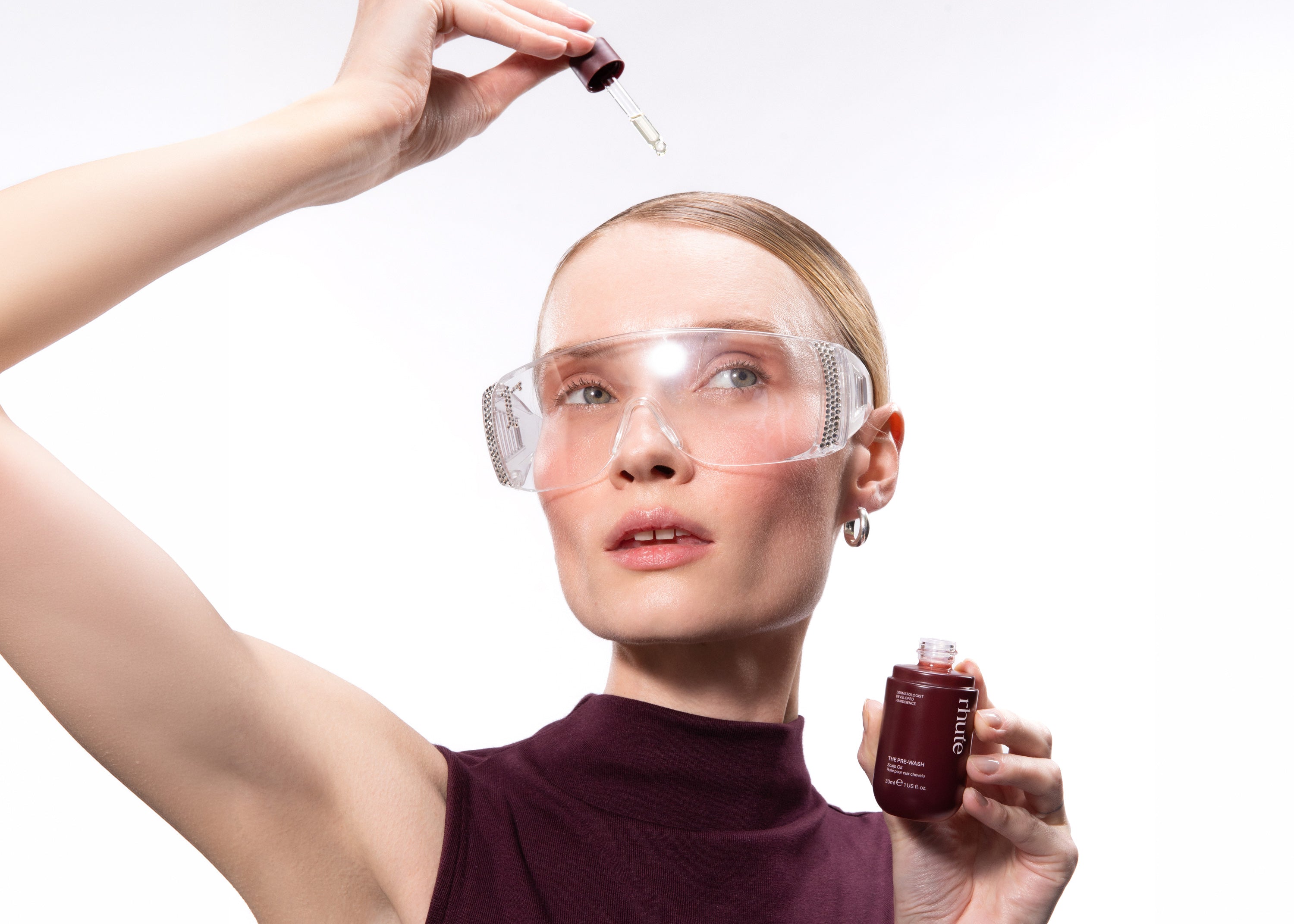
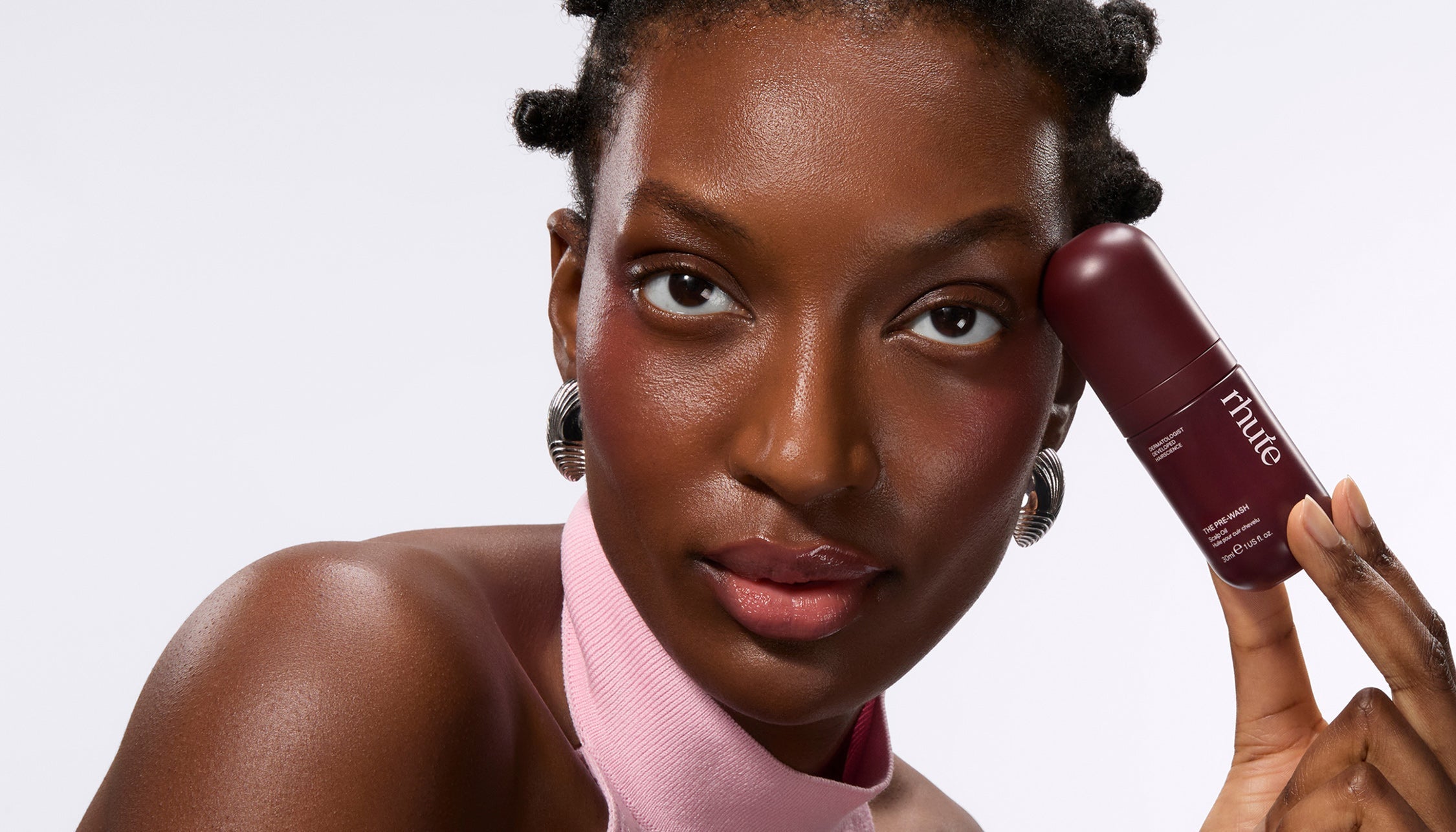
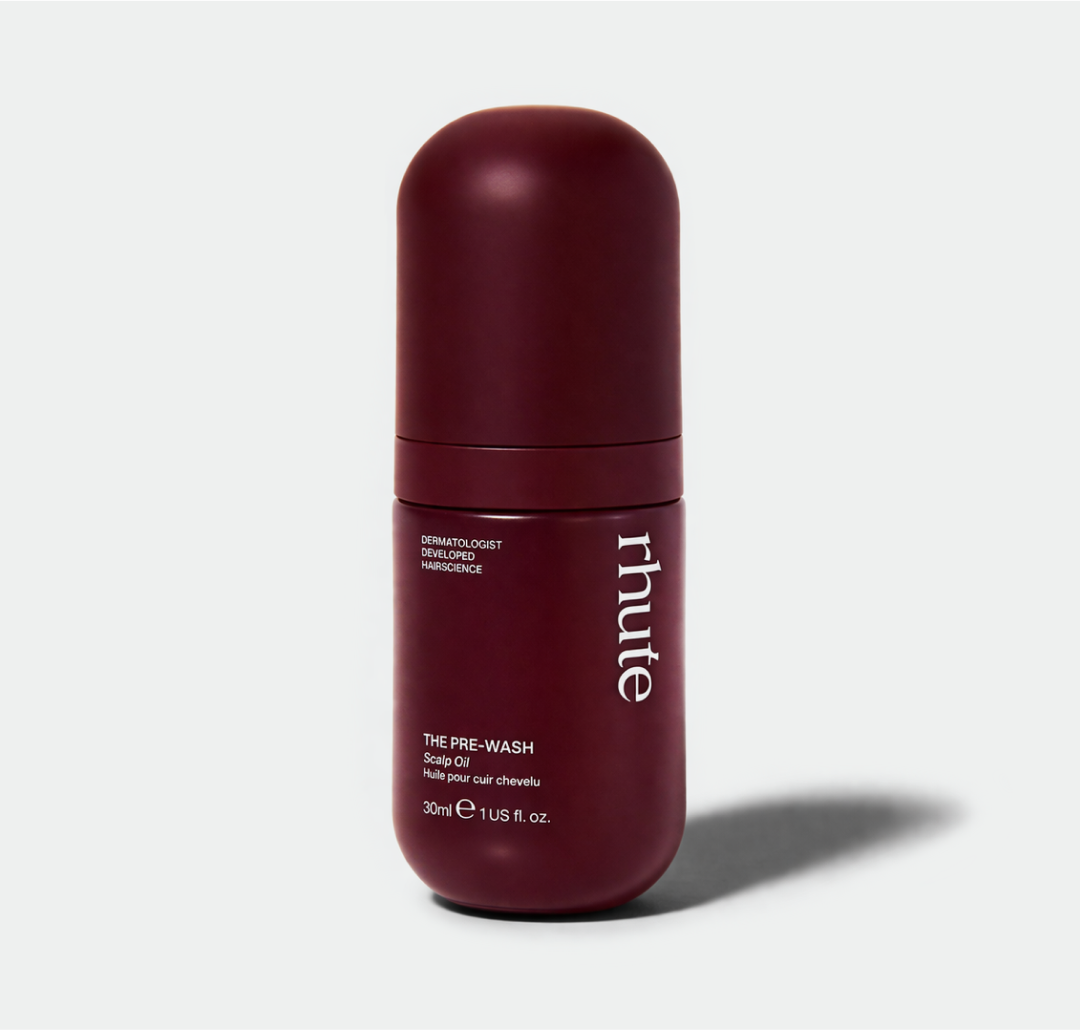
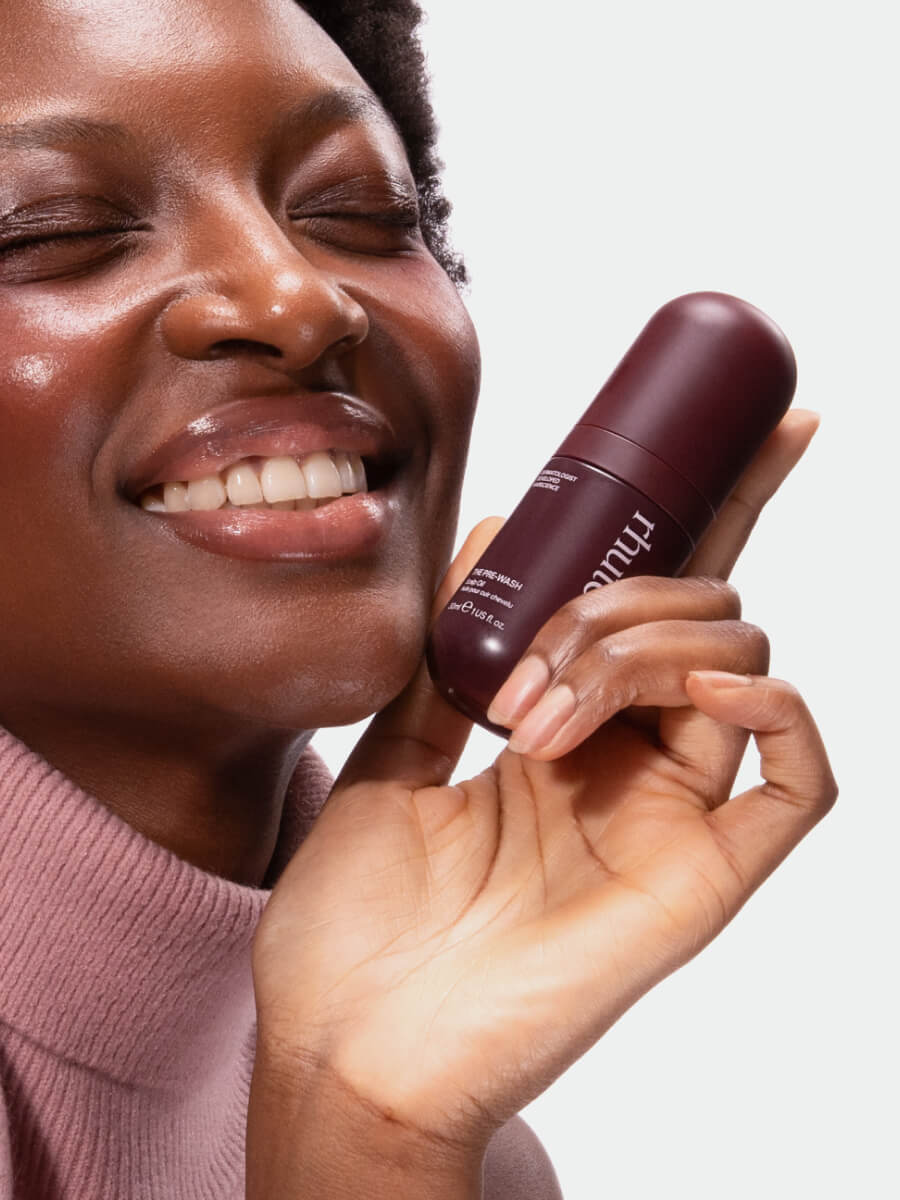
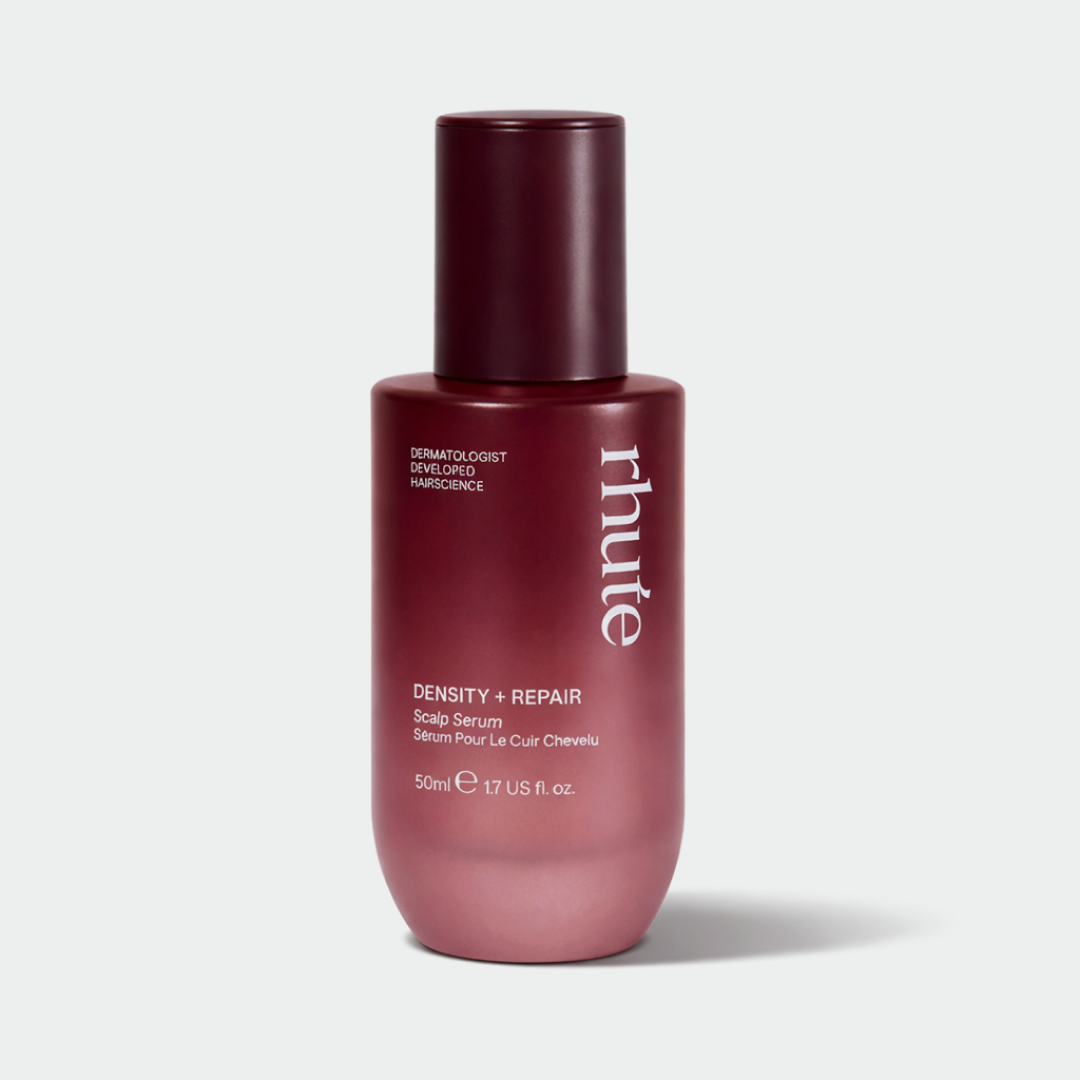
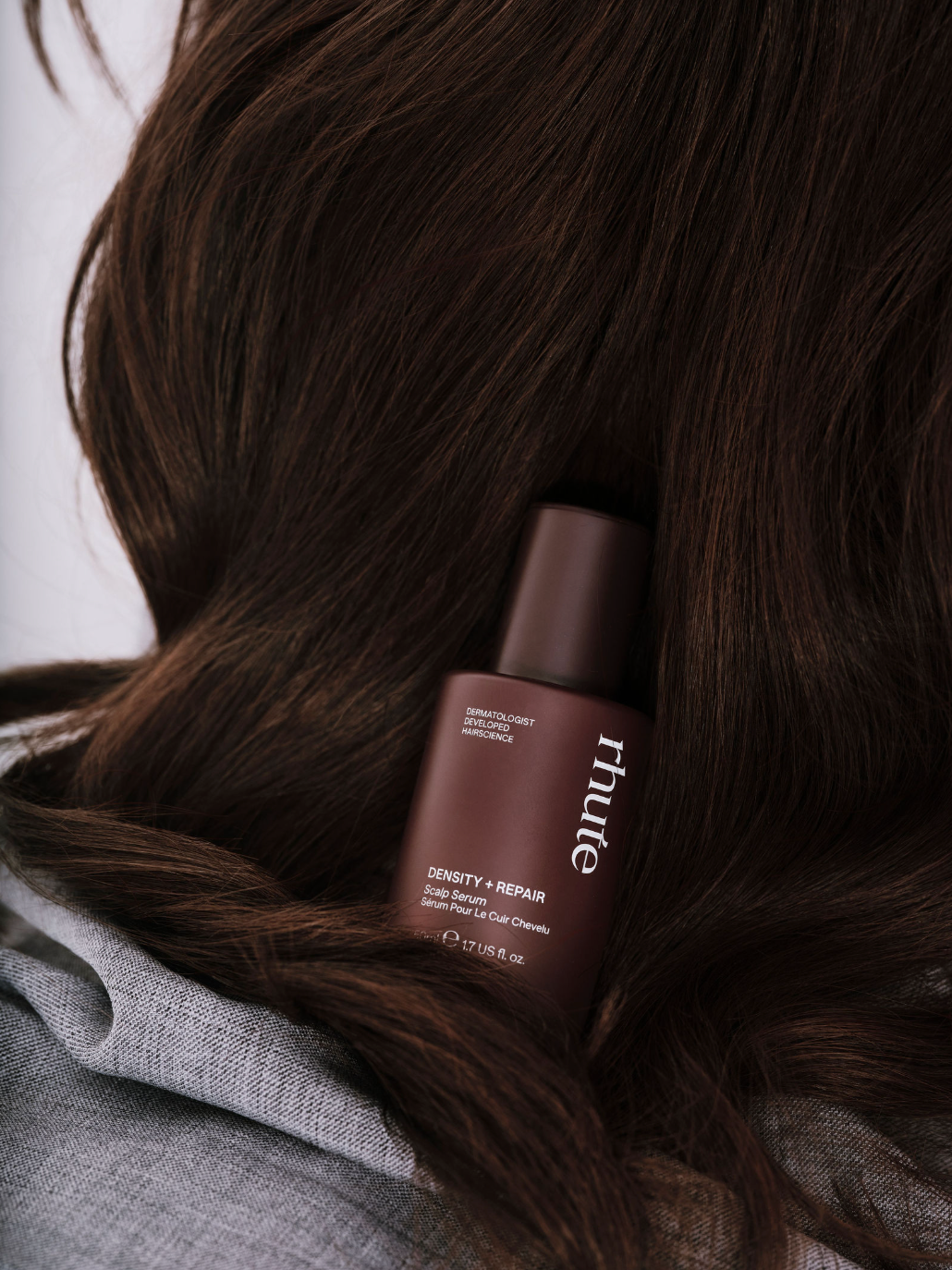
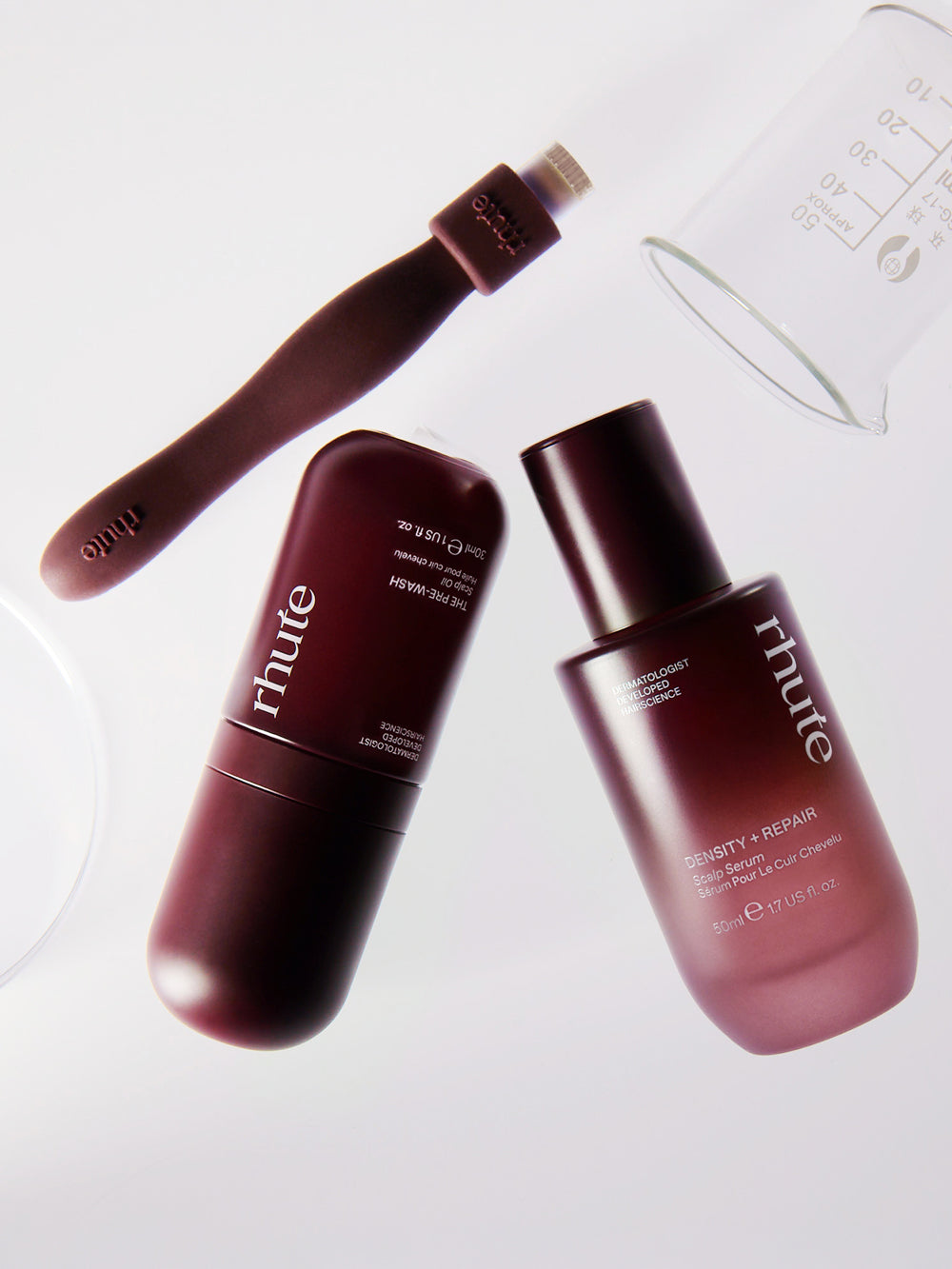
The Density Complex Pre-Wash Hair Oil brings the DHT-modulating botanicals and barrier-supporting ceramides together in a pre-shampoo treatment used two to three times a week. The Density + Repair Scalp Serum is the daily leave-on layer, with caffeine, peptides, niacinamide and panthenol working through to support follicle activity. Both are minoxidil-free, which matters for women with PCOS who may be planning a pregnancy or who don't want to commit to indefinite minoxidil use.
Our natural DHT blockers guide compares the botanical options to prescription anti-androgens if you want a deeper dive.
Microneedling
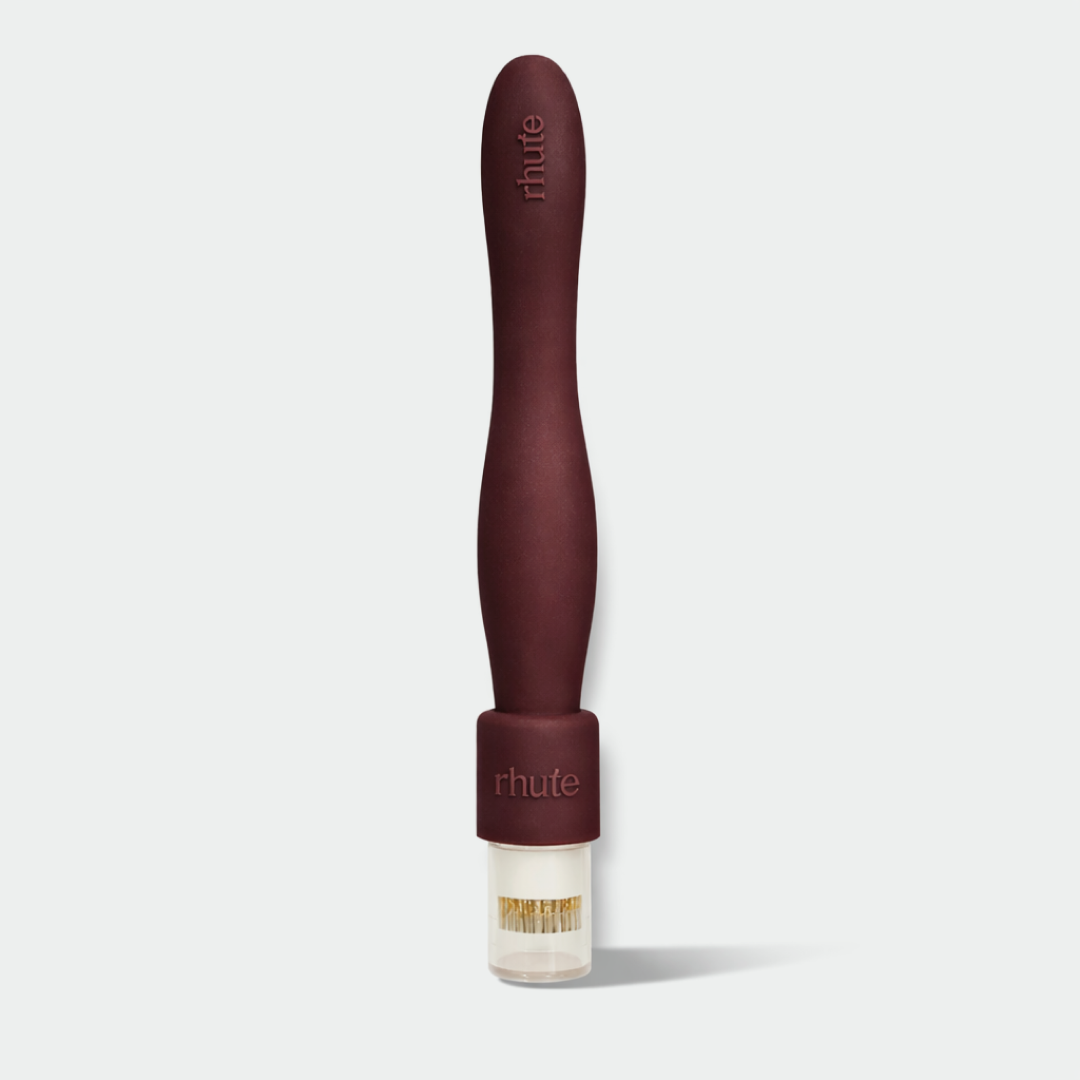
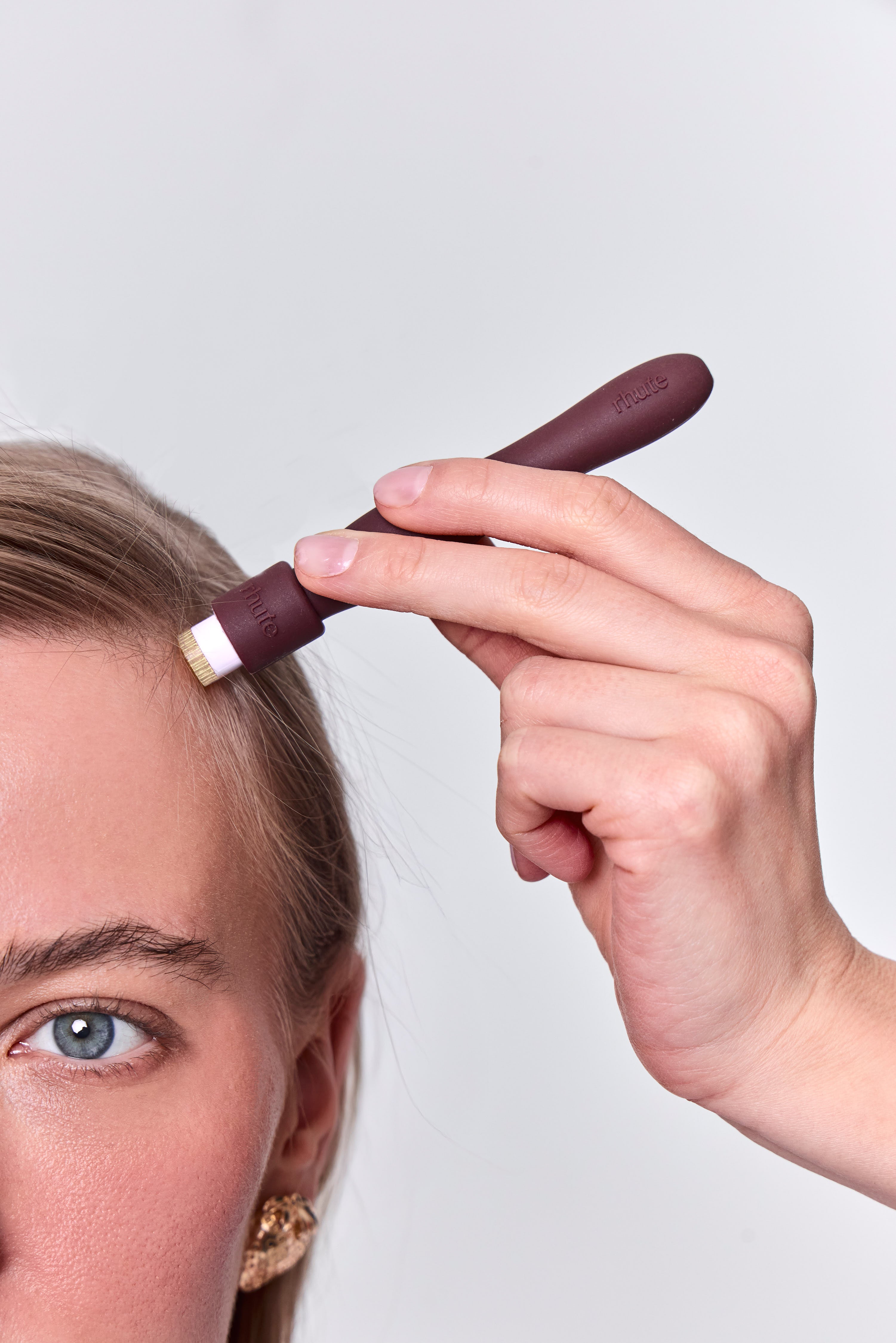
Microneedling the scalp creates microscopic channels that improve absorption of topical actives and trigger a wound-healing response that supports follicle activity. The evidence is strongest when combined with another treatment (minoxidil or topical actives) rather than used alone. Our Precision Derma Stamp (scalp microneedling tool) is designed for at-home use one to two times a week.
Low-level light therapy (LLLT) and platelet-rich plasma (PRP)
Low-level light therapy devices (laser combs, helmets, headbands) and platelet-rich plasma (PRP, where growth-factor-rich plasma is extracted from your own blood and injected into the scalp) are both options with reasonable evidence for female pattern hair loss. PRP is an in-clinic procedure that requires multiple sessions and is a longer-term commitment. LLLT is at-home but needs consistent use over three to six months.
Realistic timelines
Hair growth is slow, and PCOS hair loss specifically takes longer to respond than most other types because you're working against an active hormonal driver. The cycle has to play out: the underlying androgen and insulin picture has to shift, then follicles need time to come back out of dormancy, then new hair has to grow long enough to be visible.
Most women on a combined treatment approach (medical plus scalp-side) see some change in shedding within three to four months and visible regrowth between six and 12 months. The full benefit usually lands at 12 to 18 months. The temptation to stop earlier because nothing seems to be happening is real and worth resisting.
The earlier you start, the more you have to work with. PCOS hair loss is easier to slow and partially reverse when the follicles are still active than when they've shrunk significantly. If you're noticing the early signs, getting blood work done and starting some kind of evidence-based approach matters more than waiting until it gets worse.
When to talk to your GP or specialist
If you suspect you have PCOS but haven't been formally diagnosed, the GP is the first step. If you've been diagnosed but your hair loss isn't getting the attention it deserves, ask specifically about the medical options for hair loss within PCOS (spironolactone, anti-androgenic contraception, inositol, metformin if insulin resistance is part of your picture). Many GPs are happy to discuss these but won't volunteer them unless asked.
If your GP isn't able to help or your hair loss is progressing despite treatment, a dermatology referral is the next step. Dermatologists can confirm the pattern with magnification tools (a dermoscope or trichoscope, both of which let them see the follicles under high magnification), prescribe off-label treatments like spironolactone or topical anti-androgens, and connect you with an endocrinologist for the broader hormonal side if needed.
FAQs
Is PCOS hair loss reversible?
In many cases, yes, especially if it's caught early. PCOS hair loss happens because androgens shrink the follicles over time, and if you can reduce the androgenic drive (through medication, lifestyle, or a combination) the follicles can recover and produce normal hair again. The exception is hair loss that has been going on for years without treatment, where some follicles have shrunk to the point of being inactive. Even in that case, slowing further loss and partially reversing the thinning is usually possible.
What's the best treatment for PCOS hair loss?
There isn't one single best treatment because the right answer depends on your specific picture. For most premenopausal women with PCOS hair loss, the most effective approach combines a medication that targets the underlying hormonal driver (anti-androgenic contraception, spironolactone, or inositol depending on the situation) with a topical scalp routine and lifestyle changes that address insulin resistance. Minoxidil works for some women and is worth trying if pregnancy isn't on the cards. The single most useful first step is a GP appointment with a proper hormonal panel.
Does spironolactone work for PCOS hair loss?
The 2023 evidence is strong. A systematic review and meta-analysis found a 57% improvement rate in female pattern hair loss, with better results when combined with topical minoxidil. It's prescription-only, works best in premenopausal women, and needs to be taken for at least six to 12 months to see results. It's not safe in pregnancy. Worth specifically asking your GP or dermatologist about if PCOS-driven hair loss is your main concern.
Can inositol help with PCOS hair loss?
The evidence is encouraging. Inositol improves insulin resistance, which lowers androgen production, which reduces DHT activity at the scalp. The 2023 International PCOS Guidelines include it as an evidence-based option, and it works similarly well to metformin for the androgen side without the digestive side effects. It won't work as quickly as a direct anti-androgen, but it's a useful part of a longer-term PCOS management plan. Available over the counter as myo-inositol and D-chiro-inositol.
How long does it take to see results from PCOS hair loss treatment?
Most women see some change in shedding within three to four months of starting consistent treatment, and visible regrowth between six and 12 months. The full benefit usually lands at 12 to 18 months. Hair grows slowly and the cycle has to play out, so patience and consistency matter more than any single treatment choice.
Can stress make PCOS hair loss worse?
Yes. Chronic elevated cortisol can drive both insulin resistance and androgen production further up, which makes the hair loss picture worse. Stress management isn't a soft recommendation here; it's directly relevant to the hormonal drivers of PCOS. Learn more in our cortisol and hair loss guide.
Is PCOS hair loss the same as female pattern baldness?
It sits inside the same family of androgen-driven hair loss, but the driver is different. Female pattern hair loss is usually age-related, with androgenic activity at the follicle gradually increasing over decades. PCOS hair loss happens younger and is driven by the PCOS-specific combination of higher circulating androgens and insulin resistance. Treating the underlying PCOS can improve the hair loss, which isn't always possible with classic age-related female pattern hair loss.