


If you've been looking into natural ways to support your hair, pumpkin seed oil has probably come up more than once. And unlike a lot of trending ingredients that get hyped on socials and forgotten a month later, this one has something most don't: actual clinical research behind it.
Pumpkin seed oil is one of the most studied natural ingredients for hair thinning, with trials looking at both oral supplements and topical application. Dermatologists have taken notice. The Cleveland Clinic rates it as a Category 2 supplement for hair loss, which means there's good evidence behind it, even if the research is still building.
So what makes it different from every other oil doing the rounds on TikTok? Let's get into it.
What Makes Pumpkin Seed Oil Different From Other Hair Oils
Most hair oils work on the surface. They smooth the strand, add shine, reduce frizz. All useful things, but they're not doing much at the follicle level.
Pumpkin seed oil is different because of what's inside it. It contains a group of plant compounds called phytosterols, specifically beta-sitosterol and delta-7-sterol, which interact with the hormonal pathway that drives hair thinning. That sets it apart from coconut oil, argan oil, and most of the oils you'll see recommended for hair health. Those are conditioning oils. Pumpkin seed oil is a functional one.
It's also packed with linoleic acid, omega-3 and omega-6 fatty acids, vitamin E, and zinc. So while it's working at the root level, it's also nourishing the scalp environment and supporting the hair strand itself. It does the deep work and the surface work at the same time.
The DHT Connection: How Pumpkin Seed Oil Targets Thinning at the Root
To understand why pumpkin seed oil gets so much attention from dermatologists, you need to understand DHT.
DHT (dihydrotestosterone) is a hormone your body makes from testosterone using an enzyme called 5-alpha reductase. In people who are genetically susceptible, DHT binds to receptors in the hair follicle and gradually shrinks it over time. This process is called miniaturisation, and it's the main driver behind pattern hair loss in both men and women.
The phytosterols in pumpkin seed oil, particularly beta-sitosterol, can inhibit 5-alpha reductase activity. In plain terms, they help slow down the conversion of testosterone into DHT, which means less of the hormone reaching your follicles and less shrinkage over time.
This is the same pathway that prescription treatments like finasteride target, but pumpkin seed oil works more gently and without the same side effect profile. It's not a replacement for medical treatment if you need it, but for people looking for a natural approach with real science behind it, the mechanism is solid.
This matters especially during perimenopause and menopause. As oestrogen and progesterone levels decline, the relative balance shifts in favour of androgens. Progesterone normally helps keep 5-alpha reductase in check, so when it drops, more testosterone gets converted to DHT. That's why so many women notice thinning during this stage, and it's why a natural 5-alpha reductase inhibitor like pumpkin seed oil is worth paying attention to.
What the Research Actually Shows
Pumpkin seed oil has more clinical evidence behind it than most natural hair ingredients. That's not saying the evidence is bulletproof, but it's far ahead of the majority.
One well-known trial gave people pumpkin seed oil supplements daily for six months and found a meaningful increase in hair count compared to the placebo group. Both the researchers and the people taking it rated the results as a clear improvement.
More recently, a trial specifically looking at women with pattern hair loss compared topical pumpkin seed oil to minoxidil. Both groups saw improvements. Minoxidil still came out ahead overall, but pumpkin seed oil showed real results, particularly in reducing the proportion of fine, miniaturised hairs and encouraging healthier regrowth. And it did so without the scalp irritation that minoxidil can sometimes cause.
There's also early-stage research into topical application that found pumpkin seed oil promoted follicle activity when applied directly, with no safety concerns flagged.
The honest take? The evidence is promising and growing. It's not at the level of minoxidil, which has decades of large-scale trials behind it. But for a natural ingredient, pumpkin seed oil is in a league of its own. Dermatologists rate it highly for a reason.
Beyond DHT: The Full Benefits of Pumpkin Seed Oil for Hair
The DHT-blocking mechanism gets the most attention, and rightly so. But pumpkin seed oil does more than just work on hormones.
Its anti-inflammatory properties help calm an irritated or reactive scalp. If your scalp tends to get red, itchy, or flaky, chronic low-level inflammation can quietly interfere with how well your follicles function. Pumpkin seed oil's fatty acid profile helps settle that down.
The omega-3 and omega-6 fatty acids nourish the scalp environment, supporting the lipid barrier that keeps your skin hydrated and protected. A healthy scalp barrier means better conditions for your follicles to do their thing. Linoleic acid in particular has been shown to activate growth factors within the follicle, helping cells multiply at the rate they need to for healthy growth.
Vitamin E acts as an antioxidant, protecting both the scalp and the follicle from oxidative stress. Think of it as environmental defence for your roots.
And because pumpkin seed oil's fatty acid profile closely mimics the skin's natural sebum, it absorbs well without leaving a heavy, greasy residue. It works with your scalp rather than sitting on top of it.
How You Use It Matters: Topical vs Oral
This is where most articles on pumpkin seed oil fall short. They'll mention studies and list benefits, but they won't tell you that how you use it changes what it does for your hair.
Most of the early clinical research used oral supplements, typically capsules taken daily. The results were impressive, and oral supplementation works by reducing DHT levels from within. But the phytosterols in pumpkin seed oil are fat-soluble, which means they're naturally suited to being delivered in an oil-based vehicle directly to the scalp.
When you apply pumpkin seed oil topically, those phytosterols can get to work right where they're needed: at the follicle. Topical application also delivers benefits that oral supplementation simply can't match. You get the conditioning effect on the hair strand itself, with omega fatty acids smoothing the cuticle, improving elasticity, and reducing breakage. The linoleic and oleic acids support your scalp's lipid barrier, keeping it hydrated and less prone to the kind of low-level irritation that quietly disrupts follicle function. And the oil creates a nourishing environment around the follicle that a capsule can't replicate.
There's also something worth noting about the hair strand itself. When pumpkin seed oil sits on the scalp and hair for an extended period (like in a pre-wash treatment), the fatty acids penetrate the strand and help strengthen it from within. That means less breakage, better moisture retention, and hair that feels denser, not just because it's growing more, but because it's holding onto what it already has.
The research into topical pumpkin seed oil is newer and the evidence base is still growing, but the early findings are encouraging. And the logic holds up: delivering a lipid-soluble active directly to the target site in an oil-rich vehicle is a smart way to optimise absorption.
That said, there's no reason you can't do both. Taking a pumpkin seed oil supplement while also using a topical formulation means you're addressing thinning from the inside and outside at the same time.
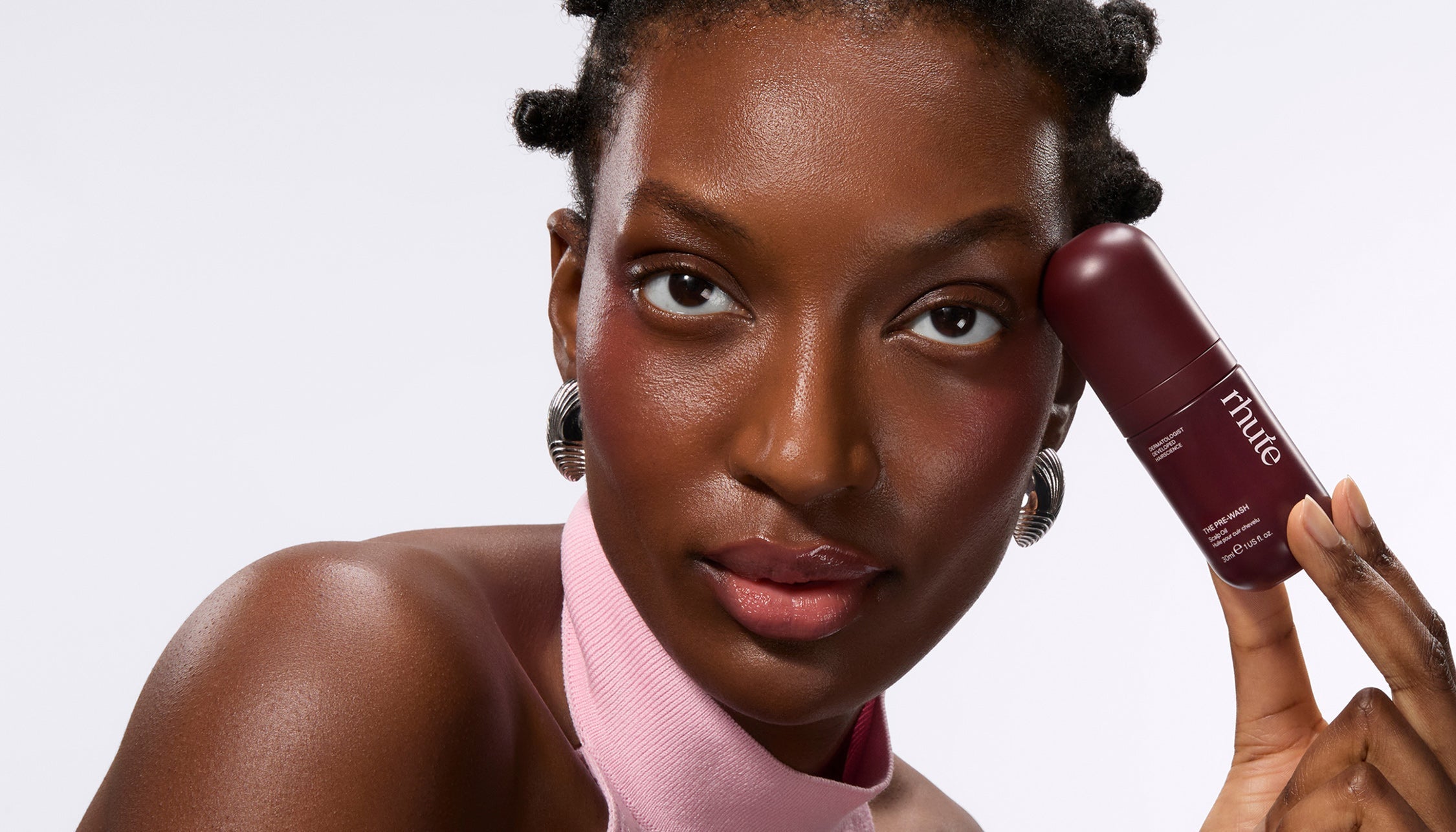
Pumpkin Seed Oil, Formulated for Your Scalp: The rhute Triple Density Complex Pre-Wash Scalp & Hair Oil
If you want to use pumpkin seed oil for your hair, you could buy a bottle of raw oil and apply it yourself. But there's a difference between using an ingredient and using it well.
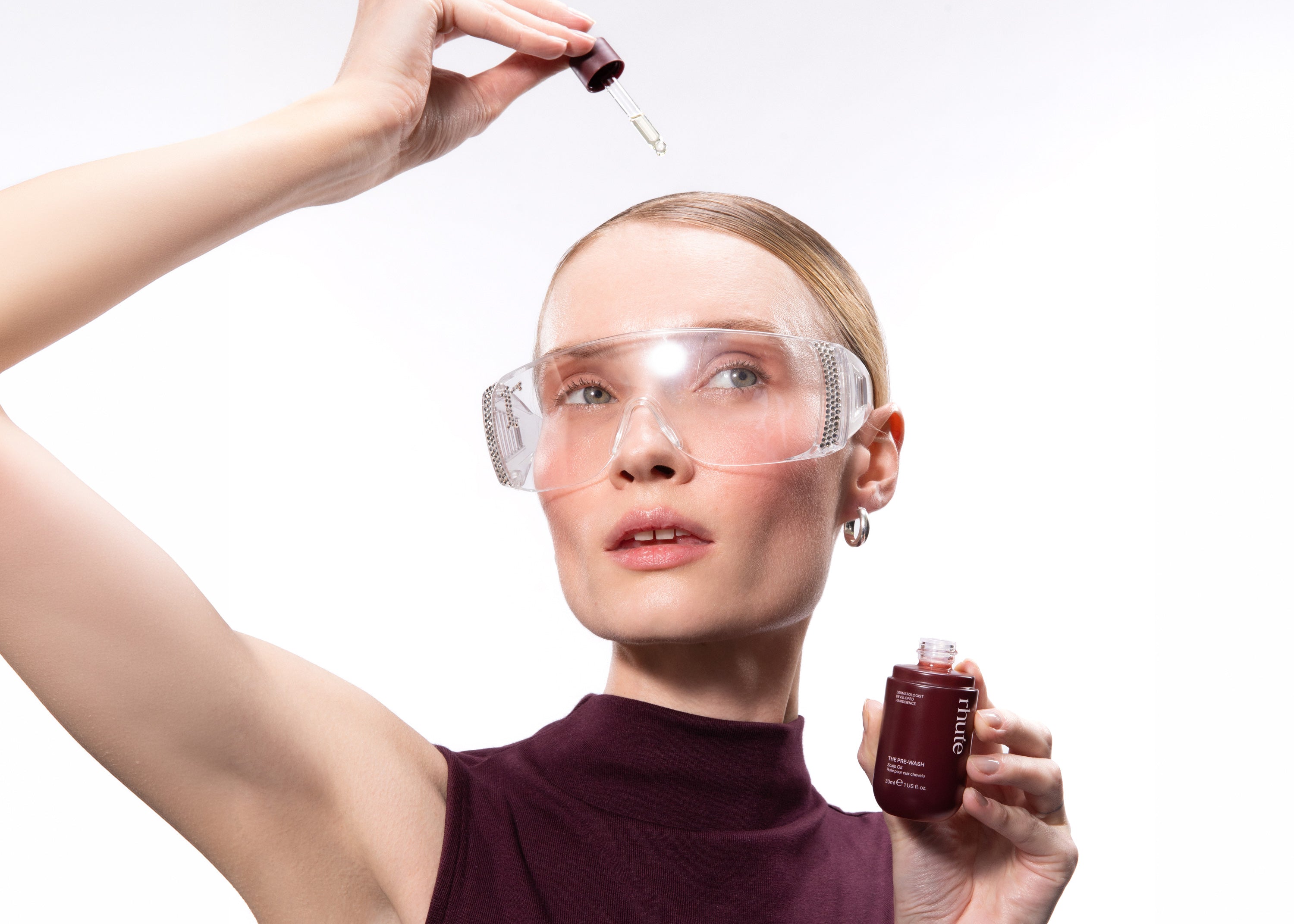
The rhute Triple Density Complex Pre-Wash Scalp & Hair Oil is built around pumpkin seed oil as a lead ingredient, but it doesn't stop there. It's formulated alongside saw palmetto (which works on the same DHT pathway through a complementary mechanism), rosemary extract (which supports micro-circulation to the scalp), ceramides (which reinforce the scalp barrier), and beta-sitosterol in concentrated form.
That combination matters. You're not just getting pumpkin seed oil on its own. You're getting it in a formula designed to maximise what it can do at the follicle level, alongside actives that support it from different angles.
It's a pre-wash treatment, so you apply it to your scalp before shampooing. Two to three droppers, massaged gently into the scalp, left for anywhere between one to six hours, depending on your routine. Then rinse and shampoo as normal. Use it two to three times a week.
In clinical testing, 91% of users reported fuller, thicker-looking hair after four weeks. That's the difference between a raw ingredient and a properly formulated complex.
How to Use Pumpkin Seed Oil for Hair Growth
Whether you're using the rhute Triple Density Complex Pre-Wash Scalp & Hair Oil or another pumpkin seed oil product, consistency is what gets results.
For topical use, apply directly to the scalp (not the lengths) and massage gently to help absorption. If you're using a pre-wash oil, leave it on for at least one hour before shampooing. For best results, you can leave it on for several hours or even overnight if the formula allows for it.
Aim for two to three applications per week. More isn't necessarily better. Your follicles need time to respond, and overloading your scalp can actually work against you.
For oral supplementation, the research used daily doses, and most dermatologists suggest taking it consistently with food for better absorption.
As for how long it takes to see results, set realistic expectations. You may notice less shedding within the first month or two. Visible changes in thickness and density typically take three to six months of consistent use. For the full benefit, give it six to twelve months. Hair growth is slow, and anything promising overnight results isn't being straight with you.
FAQs
Does pumpkin seed oil really help with hair growth?
Yes, and it has more clinical research behind it than most natural hair ingredients. Trials have shown improvements in hair count and hair quality, and dermatologists rate it as one of the more promising natural options. It's not going to work overnight, but the evidence is solid and still growing.
How long does pumpkin seed oil take to work for hair?
Most people notice reduced shedding within the first one to two months. Visible improvements in thickness and density usually take three to six months of consistent use. For the full benefit, plan for six to twelve months. Hair growth cycles are slow, so patience is part of the process.
Is pumpkin seed oil better than minoxidil?
They're different tools. Minoxidil has decades of research and is considered the gold standard for topical hair loss treatment. Pumpkin seed oil has shown promising results in clinical trials and works through a different mechanism (DHT modulation rather than vasodilation). Some people use both. If you're considering minoxidil, speak with your doctor. If you want a natural approach with real evidence behind it, pumpkin seed oil is one of the strongest options available.
Can women use pumpkin seed oil for hair loss?
Absolutely. While the earliest research focused on men, a more recent trial looked specifically at women with pattern hair loss and found real improvements with topical pumpkin seed oil. It's particularly relevant for women experiencing hormonal thinning during perimenopause or menopause, when shifts in hormone balance can increase DHT activity at the follicle.
What's the best way to apply pumpkin seed oil to your scalp?
Apply directly to the scalp, not the lengths of your hair. Use two to three droppers (or enough to cover the areas you're targeting), massage gently with your fingertips, and leave it on for at least 15 minutes before shampooing. A pre-wash format works well because it gives the oil time to absorb without leaving residue in your hair.
Can you take pumpkin seed oil orally and apply it topically at the same time?
Yes. Oral and topical pumpkin seed oil works through complementary pathways. Oral supplementation reduces DHT levels from within, while topical application delivers phytosterols and fatty acids directly to the follicle and scalp. Using both is a thorough approach if you want to cover all angles.
Is pumpkin seed oil safe during pregnancy or breastfeeding?
Pumpkin seed oil influences hormone pathways, specifically DHT and 5-alpha reductase activity, so most healthcare professionals advise caution during pregnancy and breastfeeding. The level of exposure can depend on the concentration in the formula and whether you're using it topically or taking it orally. If you're unsure, check with your doctor or reach out to the brand directly before using any product that contains it.


Share:
Is Rosemary Oil Good for Hair? The Science Behind the Viral Trend
Is Castor Oil Good for Hair? What the Science Actually Says