

What Is Saw Palmetto (and Why Should You Care About It)?
Saw palmetto (Serenoa repens) is a small palm plant native to the southeastern United States. If you've come across it before, it was probably in the context of prostate health or men's supplements, because that's where most of the early research focused. But its relevance to hair goes well beyond men's health, and that's what makes it worth paying attention to.
The reason saw palmetto keeps showing up in hair loss conversations is its ability to inhibit 5-alpha reductase, the enzyme that converts testosterone into DHT (dihydrotestosterone, the hormone most linked to pattern hair loss). DHT is the main driver behind follicle miniaturisation in both men and women, so anything that can reduce its impact at the scalp level is worth taking seriously.
What makes it particularly interesting is that this is the same mechanism behind finasteride, the prescription drug most commonly used for pattern hair loss. Saw palmetto is a gentler, plant-based alternative targeting the same pathway. It's not as aggressive (finasteride reduces DHT by around 70%, saw palmetto by roughly 30 to 50%), but it comes with far fewer side effects. If you want something you can use long-term without worry, that trade-off matters.
The DHT Connection: Why Your Hair Is Thinning
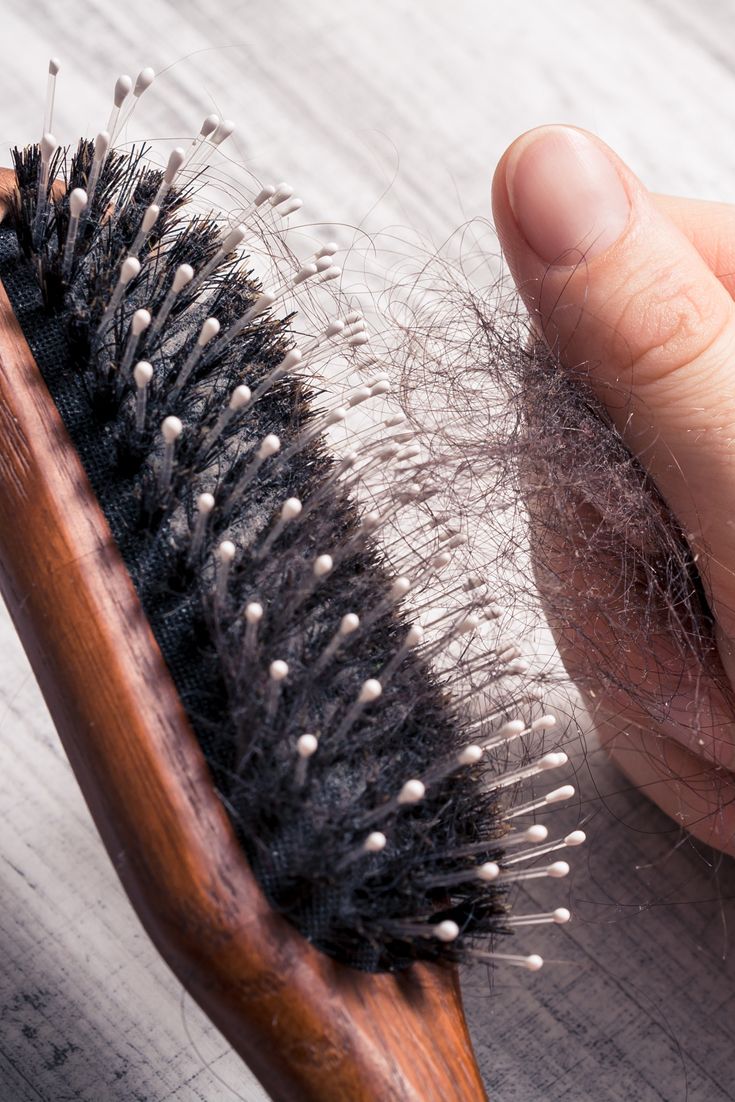
Your body naturally produces testosterone, and some of it gets converted into DHT by the enzyme 5-alpha reductase. In people who are genetically sensitive to DHT (and that's most people experiencing pattern thinning), this hormone binds to receptors in hair follicles and gradually shrinks them. The growth phase gets shorter, the strands come through thinner and weaker, and eventually the follicle stops producing visible hair altogether.
This process is called follicle miniaturisation, and it's what drives the most common form of hair loss in both men and women. It's not about your hair "falling out" dramatically. It's more of a slow fade where each growth cycle produces slightly less than the one before.
For women, this often kicks in during perimenopause and menopause. As oestrogen and progesterone levels drop, androgens like DHT become relatively more dominant, even if your testosterone levels haven't actually changed much. The balance shifts, and for a lot of women, that shows up as thinning across the top and crown, wider partings, or hair that just doesn't feel as full as it used to.
This is the exact pathway saw palmetto goes after. By blocking 5-alpha reductase, it reduces how much testosterone gets converted into DHT in the first place.
How Saw Palmetto Works at the Follicle Level
Saw palmetto's active compounds are mostly fatty acids and phytosterols (including beta-sitosterol), and they work on a few different fronts.
The main one is blocking 5-alpha reductase so less DHT gets produced. But saw palmetto also appears to reduce how much DHT gets taken up by hair follicles, and it may decrease DHT's ability to bind to androgen receptors once it's there. One review of the research found that binding capacity could be reduced by up to around 50%. So it's not just about producing less DHT. It's about limiting what DHT can do when it reaches your follicles.
Unlike finasteride, which only targets one form of the enzyme, saw palmetto works on both isoforms of 5-alpha reductase. That gives it a broader reach, even if the overall effect is gentler.
There's also an anti-inflammatory angle. Early lab research suggests saw palmetto can calm inflammatory activity in skin cells, which matters because chronic low-level scalp inflammation often goes hand-in-hand with hormonal thinning and speeds the whole process up.
What the Clinical Evidence Says
The research on saw palmetto for hair is promising and growing, but it's worth being upfront about where things stand.
A review of the available studies found that saw palmetto had positive effects on hair density, hair count, and overall hair quality across multiple trials. The majority of participants saw improvements, and over half saw their condition stabilise rather than get worse. That's a meaningful result for a plant-based ingredient.
A more recent study tested both oral and topical saw palmetto against a placebo and found that both forms reduced shedding and improved density. And another trial from 2025 found that saw palmetto led to a significant drop in DHT levels over 90 days compared to placebo, with improvements in hair growth markers alongside it.
The honest caveat: the total number of people studied is still in the hundreds, not thousands. The evidence is consistent and heading in the right direction, but saw palmetto doesn't have the same mountain of data behind it as finasteride. What it does have is a much better side effect profile, a clear mechanism, and research that keeps building. For a botanical, that's a strong position to be in.
Saw Palmetto for Women's Hair: What You Need to Know
This is where most saw palmetto articles drop the ball. They're written for men, about men, with men's health framing. But hormonal hair loss in women follows the exact same DHT pathway, which means everything we've just covered applies.
During perimenopause and menopause, declining oestrogen means androgens become proportionally more influential. You don't need high testosterone for DHT to become a problem. The balance just needs to shift enough for your DHT-sensitive follicles to start miniaturising. This is why so many women notice thinning in their 40s and 50s without any other obvious cause.
Saw palmetto's ability to reduce DHT production and limit its binding at the follicle makes it just as relevant for women experiencing hormonally driven thinning as it is for men. The research just hasn't caught up to framing it that way yet.
That said, there are safety considerations specific to women, particularly when saw palmetto is taken orally. It shouldn't be used during pregnancy or breastfeeding, as it has hormonal activity that could pose risks. If you're on HRT (hormone replacement therapy) or hormonal contraceptives, speak to your doctor before adding it to your rhutine, as it may interact with those treatments. The same goes for blood-thinning medication, as saw palmetto may influence clotting.
For topical formulations (like a scalp oil rather than a capsule), the concentration reaching your bloodstream is much lower, but it's still worth checking with your doctor if any of the above applies. The general rule: if you're pregnant, breastfeeding, or on hormonal medication, get medical advice first.
Topical vs Oral: How You Use It Matters
You can use saw palmetto for hair as an oral supplement (typically capsules at around 320mg daily) or applied topically to the scalp. The research has tested both, and both work, but in slightly different ways.
Oral supplements reduce DHT systemically, meaning throughout your whole body. This is where most of the clinical data comes from. The occasional downside is mild stomach upset.
Topical application delivers saw palmetto directly to where you want it working. Because its active compounds are fat-soluble, they absorb well in an oil-based formula, getting the phytosterols right to the follicle environment without much systemic absorption. This route makes more sense if you want to target the scalp specifically without affecting DHT levels across the rest of your body.
Either way, the key is consistency over months. Pick the route that fits your lifestyle and stick with it for at least three to six months before judging whether it's working.
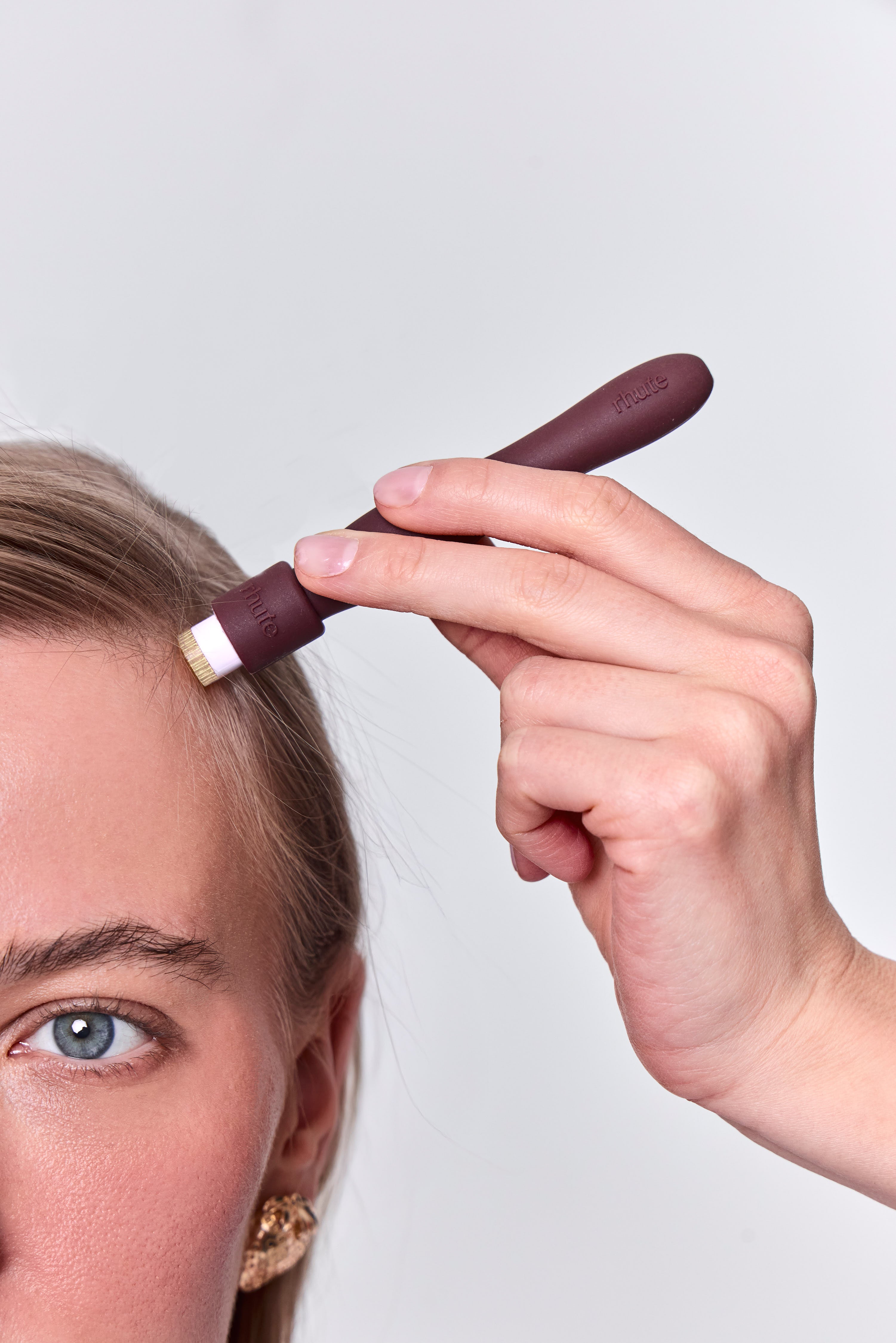
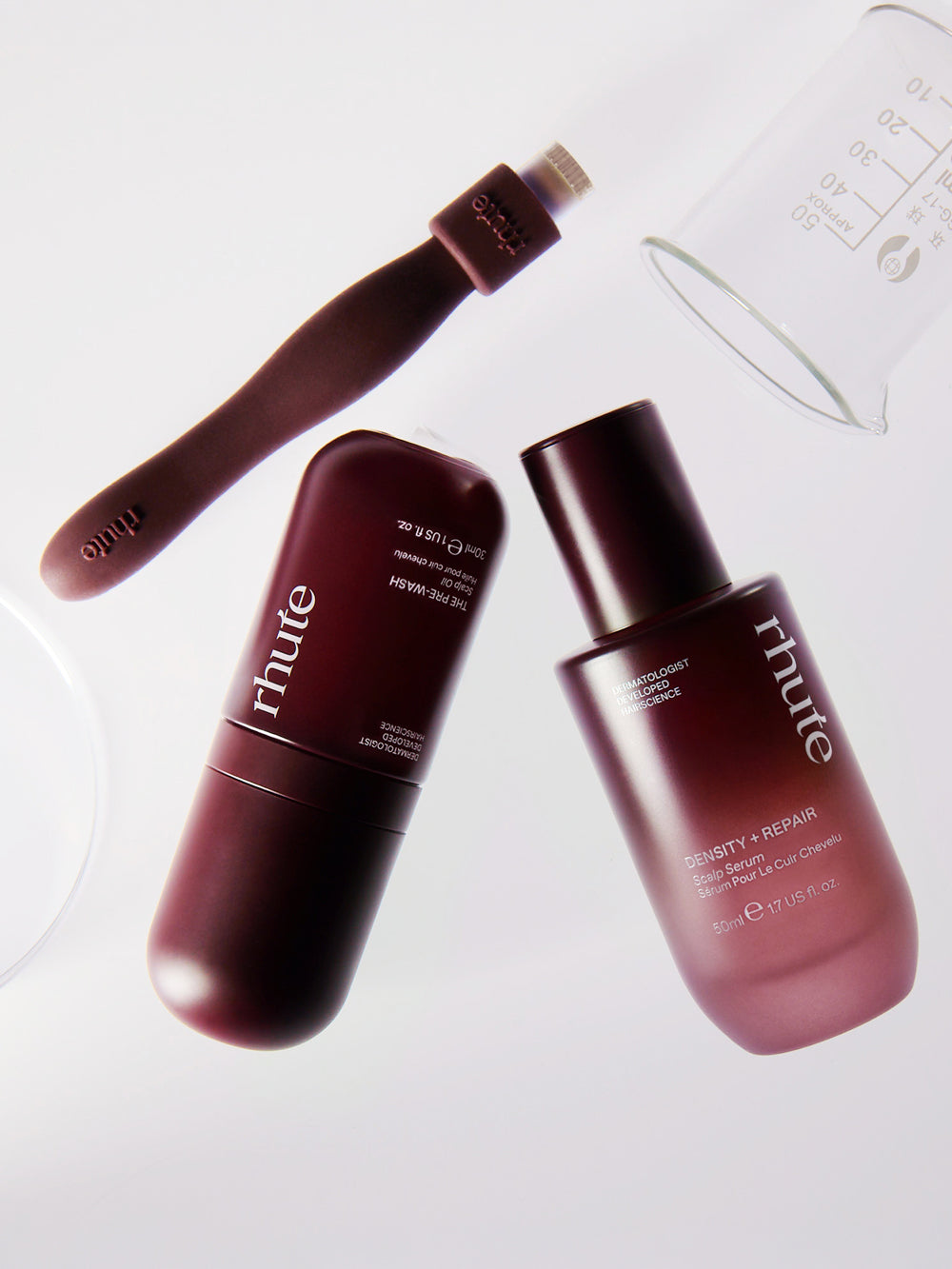
Saw Palmetto in a Smarter Scalp Rhutine: The rhute Pre-Wash Density Complex
Saw palmetto is a strong ingredient. But like most botanicals, it works better as part of a multi-active approach than it does carrying the load alone.
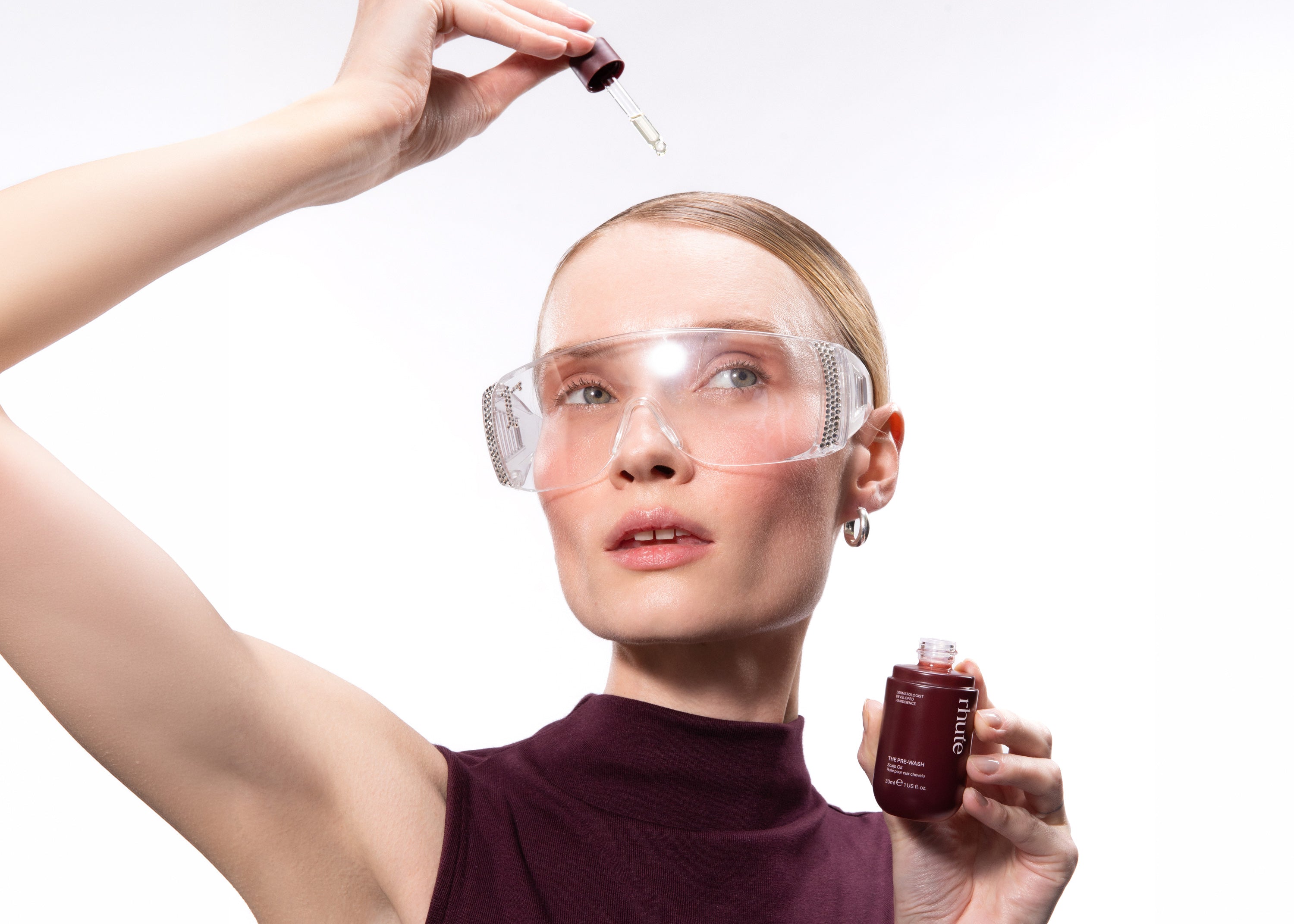
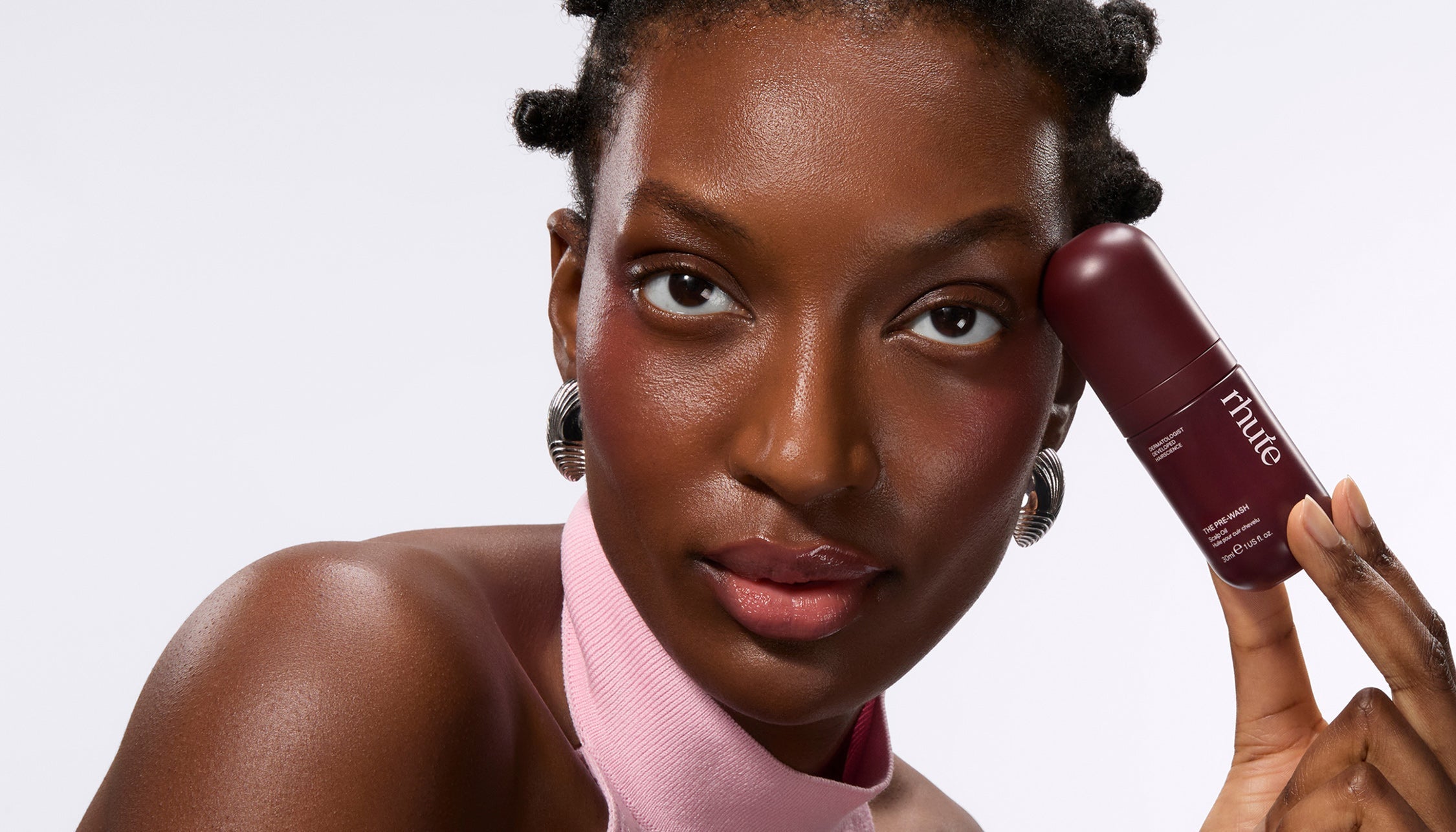
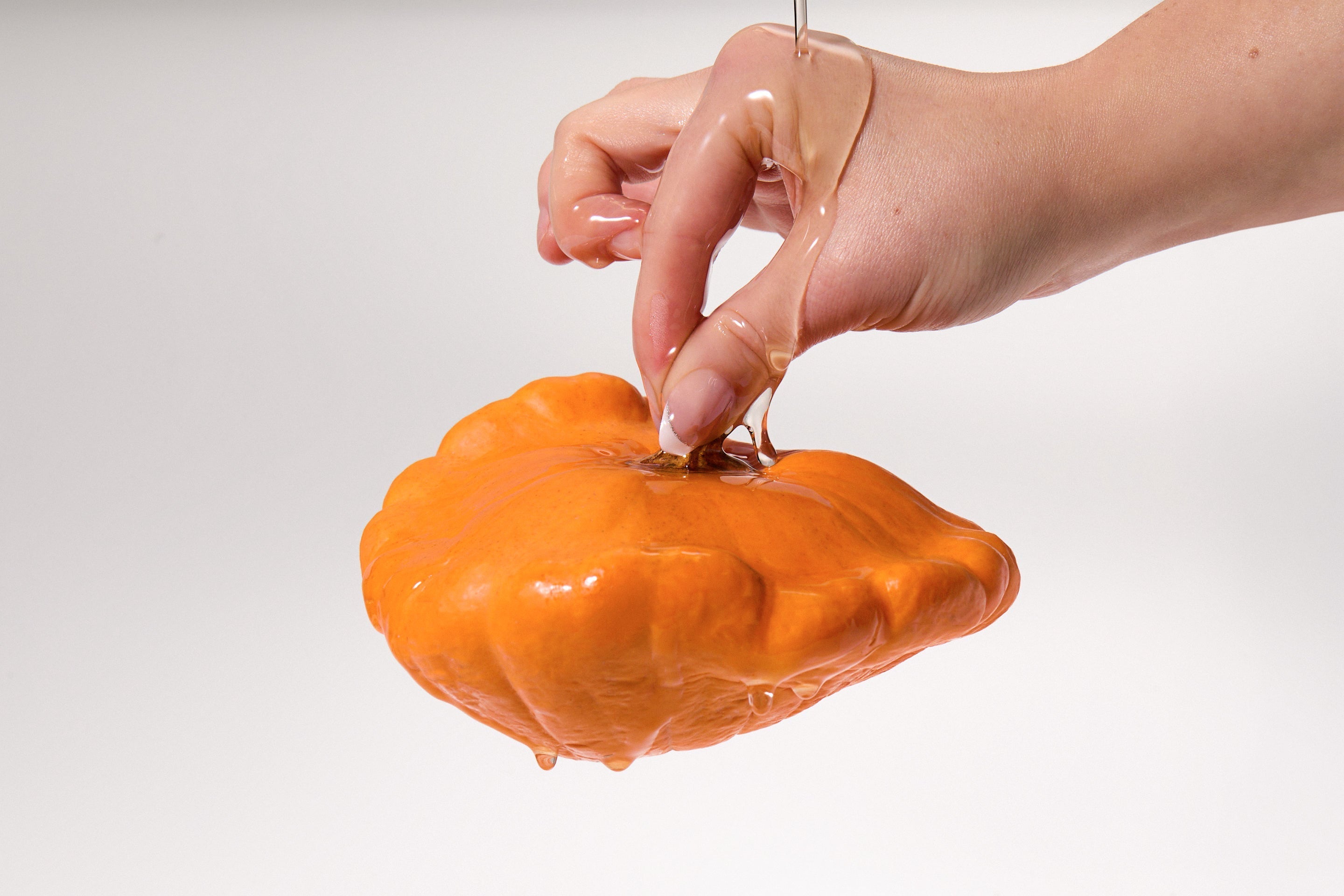
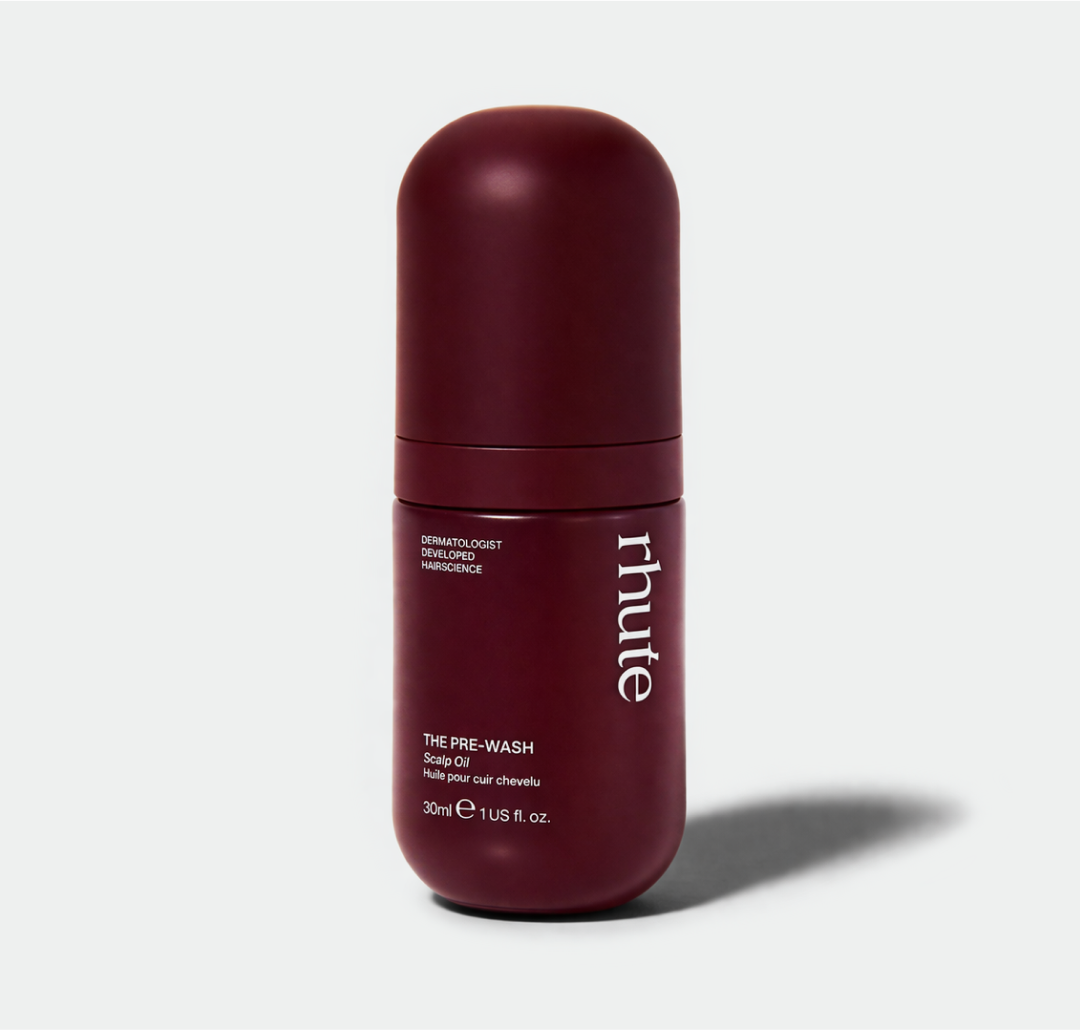
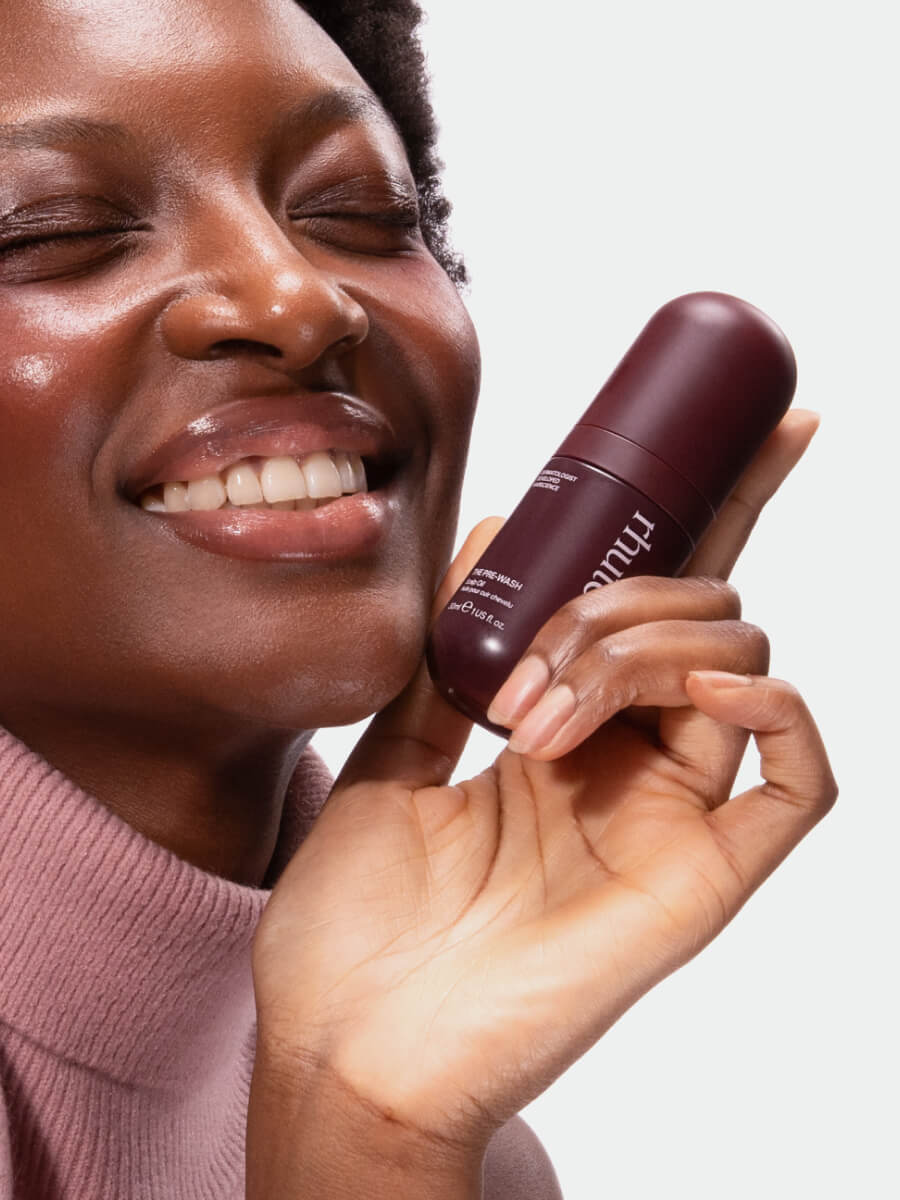
The Triple Density Complex Pre-Wash Scalp & Hair Oil was developed by a dermatologist to combine saw palmetto with other actives that complement its DHT-blocking mechanism. Pumpkin seed oil also inhibits 5-alpha reductase, and the clinical results behind it are some of the strongest for any botanical hair ingredient. Rosemary extract supports micro-circulation to the scalp. Beta-sitosterol reinforces the DHT-modulating effect. Ceramides support the scalp barrier. And conditioning oils like jojoba, sweet almond, black seed oil, and Amazonian oils (babassu, pracaxi, and andiroba) keep everything nourished without heaviness.
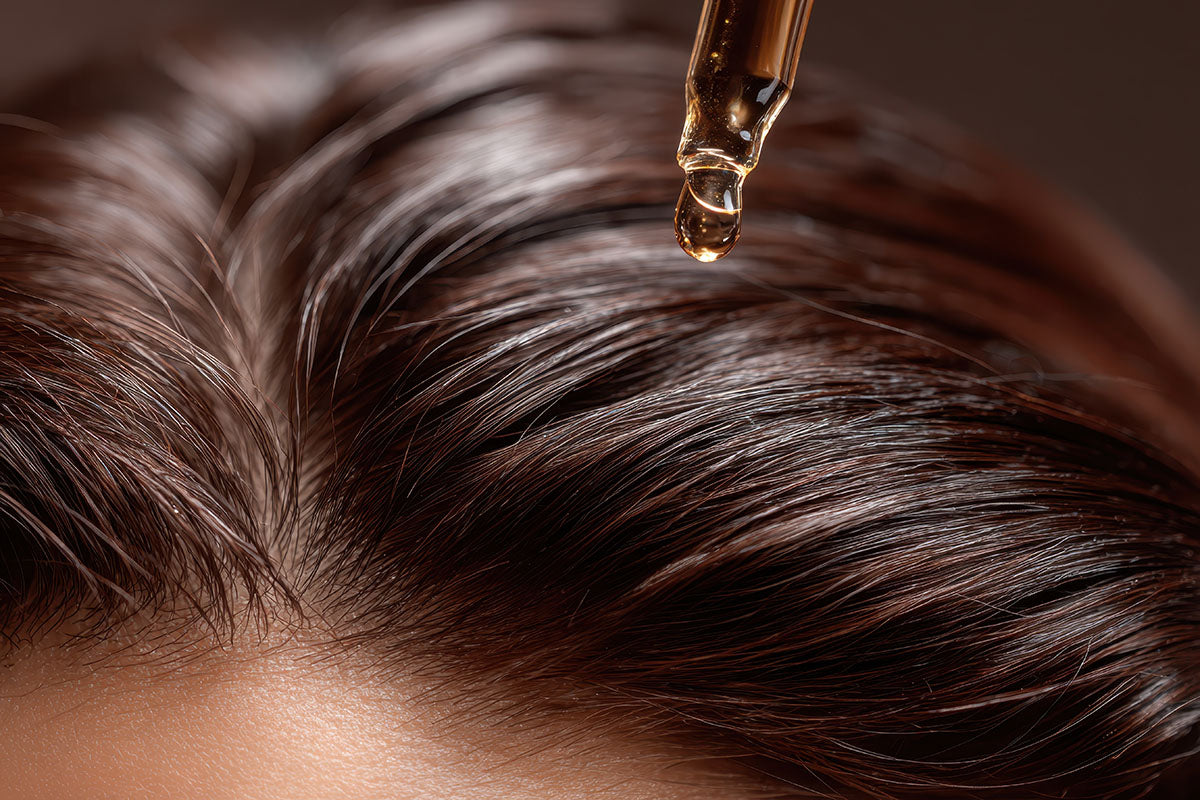
The pre-wash format means you apply 2 to 3 droppers onto your scalp before shampooing. Leave it on for one hour or up to 6 hours (the longer the dwell time, the more the actives can penetrate), then wash out. It's lightweight, rinses clean, and delivers saw palmetto topically alongside complementary ingredients that cover the mechanisms it can't reach alone.
If you're already taking an oral saw palmetto supplement, the Triple Density Complex Pre-Wash Scalp & Hair Oil adds the topical route. If you'd rather skip oral supplements entirely, it gives you a targeted scalp-level approach. Use it 2 to 3 times per week. (We go deeper into how these ingredients work together on Rhute Answers.)
FAQs
Does saw palmetto really help with hair loss?
The evidence says yes, with caveats. Multiple studies have found it can reduce shedding, improve density, and slow the progression of hormonal thinning. It works by blocking the enzyme that produces DHT, the main hormone behind pattern hair loss. It's not as powerful as prescription options like finasteride, but it has a much better side effect profile and a growing body of research behind it.
How long does saw palmetto take to work for hair?
Give it three to six months of consistent use. Hair grows slowly, and anything targeting the hormonal pathway needs time to influence the growth cycle. You're unlikely to see meaningful changes before the three-month point, so patience and consistency matter more than anything.
Is saw palmetto safe for women?
For most women, yes. It targets the same DHT pathway that drives hormonal thinning during perimenopause and menopause. However, it should not be used during pregnancy or breastfeeding due to its hormonal activity. If you're on HRT, hormonal contraceptives, or blood-thinning medication, check with your doctor first. For topical use in a scalp oil, systemic absorption is much lower, but the same precautions apply.
Can you take saw palmetto with other hair supplements?
Generally yes, but avoid combining it with finasteride. They target the same enzyme and doubling up increases the risk of side effects. Saw palmetto works fine alongside supplements like biotin, iron, or vitamin D. If you're unsure, check with your doctor or pharmacist.
What's the difference between saw palmetto and finasteride for hair?
They target the same mechanism (blocking 5-alpha reductase to reduce DHT), but at different strengths. Finasteride is a prescription drug that reduces DHT by around 70% and has decades of research behind it. Saw palmetto reduces DHT by roughly 30 to 50% and has a smaller but growing evidence base. Finasteride is more effective but carries a risk of sexual side effects. Saw palmetto is gentler, better tolerated, and hasn't been linked to permanent side effects. A lot of people start with saw palmetto as a lower-risk first step.
Is topical or oral saw palmetto better for hair?
Both have research behind them. Oral supplements (typically 320mg daily) reduce DHT across your whole body and have more data. Topical application in a scalp oil delivers the actives directly to the follicle with less systemic absorption, which can be better if you want targeted scalp benefits. Consistency matters more than the delivery method.
How much saw palmetto should you take for hair loss?
Most research used doses of 100 to 320mg daily for oral supplements. For topical products, concentration varies, so follow the usage instructions. More isn't necessarily better. Stick to established doses and focus on consistent, long-term use.
Is saw palmetto safe during pregnancy or breastfeeding?
It's generally not recommended. Saw palmetto works by influencing hormone levels, which is exactly why most healthcare professionals advise avoiding it during pregnancy and breastfeeding. That said, the level of exposure can depend on the concentration in the formula and whether you're using it topically or taking it orally. If you're unsure, check with your doctor or reach out to the brand directly before using any product that contains it.