


Your hair isn’t simply “growing” - it’s cycling. Each strand on your scalp undergoes a repeating journey, progressing through distinct stages that determine its growth rate, resting periods, and eventual shedding. Knowing this hair growth cycle can help you set realistic expectations and support your hair health effectively.
Read our blog below to find out more about the hair growth cycle, the key phases, and the factors that influence growth.
What Is the Hair Growth Cycle?
The hair growth cycle is a beautifully intricate rhythm that every strand follows - a seamless flow of growth, rest, renewal, and release. Each follicle moves through this process in its own time, ensuring that whilst some hairs are actively growing, others are quietly resting or naturally shedding. This delicate balance is what keeps your hair looking full and healthy, rather than shedding all at once.
In essence, your hair is constantly evolving - some strands beginning anew, others completing their journey. The duration of each phase is influenced by a range of factors, from genetics and age to overall wellness and lifestyle, all working together to define your hair’s natural rhythm and vitality.
The Four (or Three) Key Phases
Most sources describe four phases of the cycle: Anagen, Catagen, Telogen, and Exogen. Some even simplify the cycle to three stages (typically combining Telogen + Exogen).
Here’s how each phase works:
1. Anagen (Growth Phase)
This is the active phase, during which hair is growing. It can last 2 to 7 years for scalp hair. The longer your anagen phase, the longer your hair can grow before the next phase kicks in. The growth rate during this phase is typically around 1 cm per month (or more) for many people.
2. Catagen (Transition Phase)
The catagen phase is a shorter stage in the cycle. It’s where growth slows and the follicle begins to shrink, and often lasts just 2-3 weeks.
3. Telogen (Resting Phase)
In the telogen phase, the follicle is inactive; the hair stops growing but remains attached. At any given time, roughly 10-15% of scalp hairs may be in telogen.
4. Exogen (Shedding Phase)
This is when the hair is released and falls out, allowing a new hair to begin growing in its place. Though sometimes considered part of telogen, many experts describe it separately.
Why Does It Matter?
Understanding the hair growth cycle helps you make sense of several common hair questions:
Why does hair seem to stop growing at a certain length?
Because when the anagen phase ends, the hair moves into transition and then rest, so even if everything else is perfect, the maximum length is ultimately fixed by how long your growth phase lasts.
Why do I shed hair regularly (50-100 strands a day)?
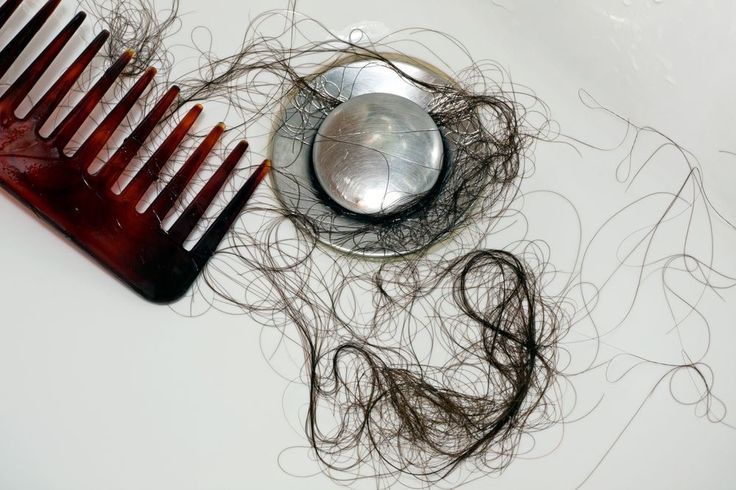
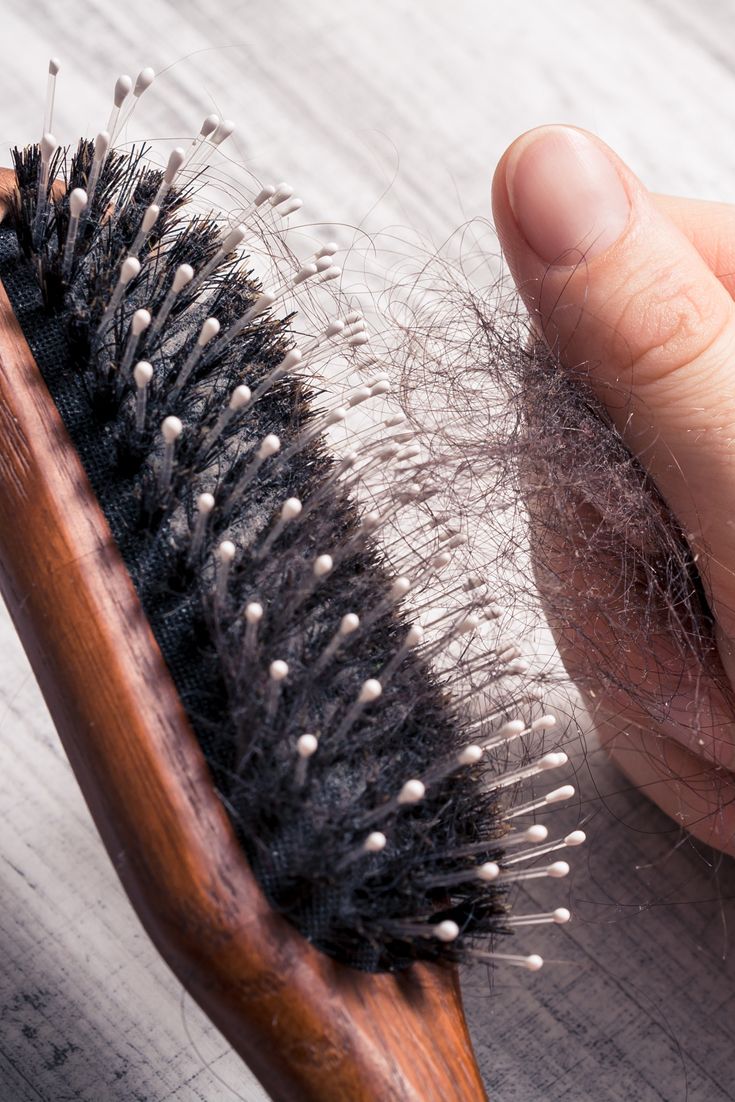
Regular hair shedding is normal. As hair is continuously entering the telogen and exogen phases, shedding is a typical stage in the cycle. Think of it as your scalp making space for healthier hair to grow.
Why does hair thinning or slow growth happen with age or stress?
As you age, or go through stressful situations, you might notice changes to your hair - including hair thinning. This is because these factors can shorten the anagen phase or push more hairs into telogen prematurely, reducing density or rate of growth.

Factors That Influence the Growth Cycle
Here are some of the most impactful influences on how your hair growth cycle functions:
-
Genetics & age: This dictates how long your anagen phase can be, and how efficiently follicles perform.
-
Nutrition & lifestyle: Hair follicles require nutrients (iron, protein, vitamins) to function; deficiencies can hamper the cycle.
-
Hormones & health: Conditions such as thyroid imbalance, PCOS, or hormonal shifts (including pregnancy and menopause) can disrupt the menstrual cycle phases.
-
Stress & illness: High stress/illness can force follicles into telogen early (known as telogen effluvium).
-
External damage: Styling, heat, and chemical treatments can damage strands and follicle environment - even if the cycle is intact, length retention suffers.
How To Support Your Hair Growth Cycle
Since you can’t drastically speed up your cycle, the goal becomes optimising it and retaining growth. Here’s how:
-
Feed the follicle: Ensure a diet rich in protein, iron, zinc, vitamins A/B/C/D. Scalp circulation matters too (massage, scalp treatments).
-
Protect the growth phase: While hair is in anagen, minimise breakage. Use protective styles, avoid excessive heat/chemicals.
-
Care during telogen/exogen: Gentle washing, minimal manipulation, don’t panic at normal shedding - aim for healthy turnover rather than halting it.
-
Address imbalances: If you experience sudden shedding or stagnation, consider professional input (trichologist, dermatologist) to evaluate health/hormonal issues.
-
Be patient: Remember, growth takes time. Even a healthy cycle means gradual change - support it well and avoid expecting overnight length jumps.
Final Thoughts
Your hair’s journey is not linear; it’s cyclical. By understanding the hair growth cycle - from active growth through transition, rest, and shedding - you gain a realistic and informed view of hair health. It’s less about chasing speed and more about creating the right conditions for each phase to work optimally. With nourishment, patience and smart care, you’ll set the stage for your strongest, longest, healthiest hair yet.
For fuller and thicker hair, join the rhute Community Today
Understanding the hair growth cycle is key to supporting long-term health and strength from rhute to tip. Remember, visible results take time, so patience and consistency are essential.
Ready to take your haircare routine to the next level? Shop rhute’s Density and Repair Hair Serum, or visit our blog for medically backed haircare tips and advice.


Share:
Micellar Water For Greasy Hair: Does it Really Work?
Micellar Water For Greasy Hair: Does it Really Work?