



Every day can feel like a bad hair day when you have Polycystic Ovary Syndrome (PCOS). It may not be one of the symptoms many people discuss regarding this condition, but your body hair can be significantly impacted by it.
Not only can you experience excessive hair growth in places like your face and legs, but you can also have hair loss on the top of your head. Both can have massive effects on your confidence, making it harder for you to step out into the world as your happiest self.
So, when it comes to PCOS hair loss, why does it happen? Is it reversible - and if so, how? Well, we’ll discuss all of this and more in our blog below. More specifically, the ways you can manage this type of hair loss by caring for your head with a proper routine that includes a hair serum. Read on to discover more…

What is PCOS?
PCOS is a common hormonal condition that affects over 4 million people with ovaries in the UK. The symptoms of PCOS typically begin to occur during the sufferer’s reproductive years. It’s caused by the body producing higher-than-normal amounts of androgens (male hormones), disrupting normal ovulation and causing a variety of symptoms.
Key features of PCOS include:
-
Irregular periods - or sometimes no periods at all
-
Ovaries that contain small, fluid-filled sacs that can only be seen on an ultrasound
-
An excess of androgens
Common symptoms of PCOS include:
-
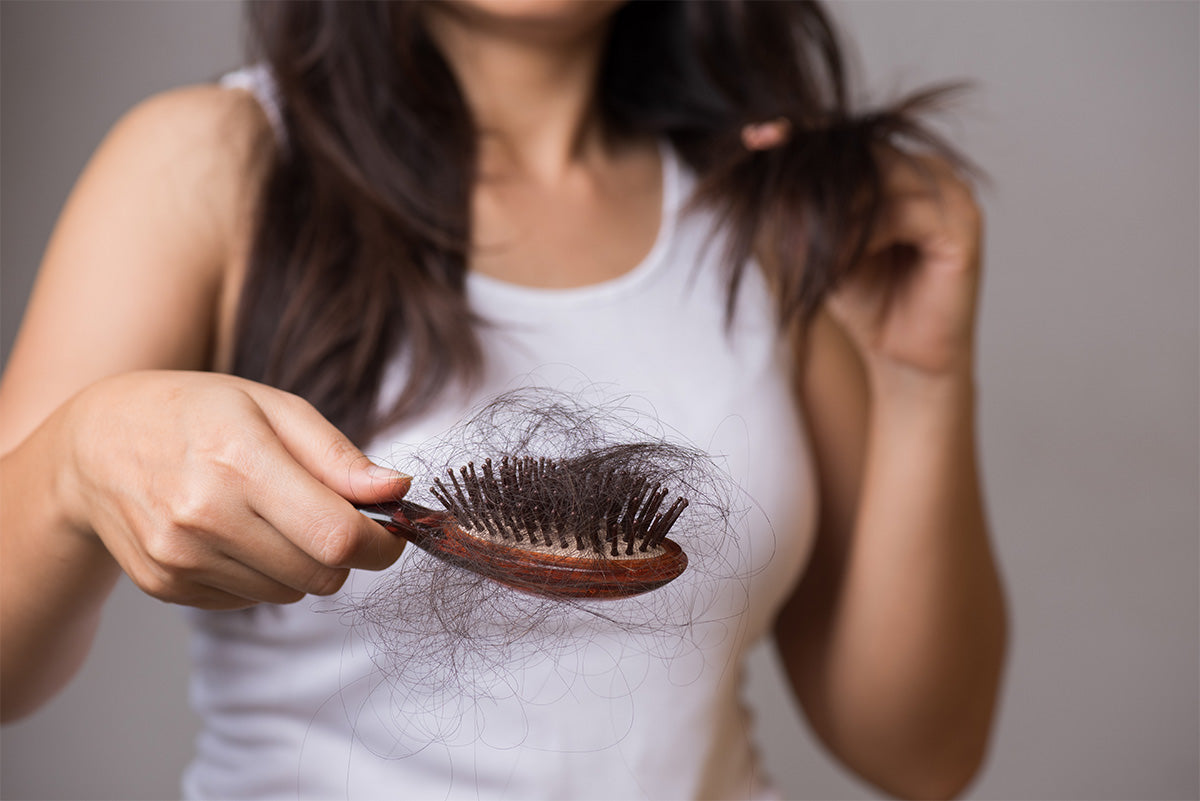
Thinning hair or scalp hair loss
-
Weight gain or difficulty losing weight
-
Challenges to fertility
-
Oily skin or acne
-
Excess hair on the face or hair loss in certain areas
There’s currently no cure for PCOS, but it can be managed with certain lifestyle changes, medications, and specific treatments.
Why Does PCOS Cause Hair Loss?
Hormonal Imbalance
Hair loss from hormonal imbalance is fairly common, but especially prevalent in those with PCOS. PCOS causes hair loss due to excess androgens, and high levels of these hormones can shrink hair follicles, resulting in the production of thinner, weaker strands of hair over time.
Insulin Resistance
Many people with PCOS can also be resistant to insulin, which can further worsen the hormonal imbalance. With higher insulin levels, the ovaries are stimulated and produce even more androgens. As a result, this creates a cycle that further contributes to hair thinning.
Inflammation
PCOS is often linked with low-grade inflammation in the body. Chronic inflammation may negatively impact the scalp environment, damaging hair follicles and slowing down regrowth. By reducing inflammation with a nutrient-rich diet, stress management, and medical support, it’s possible to create healthier conditions for hair to grow stronger.

How Will I Know If I Have PCOS Hair Loss?
Individuals with PCOS typically experience hair loss in the same areas. For example, it shows up as a thinning at the crown or parting of your hair, rather than being visible in complete bald patches.
A doctor can confirm PCOS hair loss through blood tests, symptom history, and even a scalp health exam. With an early diagnosis, you can reduce the chances of symptoms occurring and regrowth potential.
Can You Reverse PCOS Hair Loss?
Yes. There are some ways you might be able to reverse - or at least manage the impact of PCOS hair loss. Let’s take a look at some below:
Adopt a Healthy, Balanced Diet
You’ve been hearing it all your life - but it’s the truth. A balanced diet, one that’s rich in whole foods, lean proteins and healthy fats, as well as low-glycemic carbs, is beneficial.
Ultimately, it will help balance blood sugar and improve sensitivity to insulin. This can reduce androgen levels and create a better environment for hair growth.
Exercise Regularly
Physical activity helps to regulate hormones, as well as manage weight and insulin resistance.
And it doesn’t mean you have to train in the gym seven days a week; even an hour of walking every day can make a massive difference in terms of PCOS symptoms, such as weight management and hair health.
Hair & Scalp Care
We know it can be tiring - but taking care of your hair with a proper routine is essential. The best ingredients to manage hair loss if you have PCOS (and therefore ones you should use in your routine) include:
-
Zinc: Important for hair tissue and growth repair - can be found in meat and fish.
-
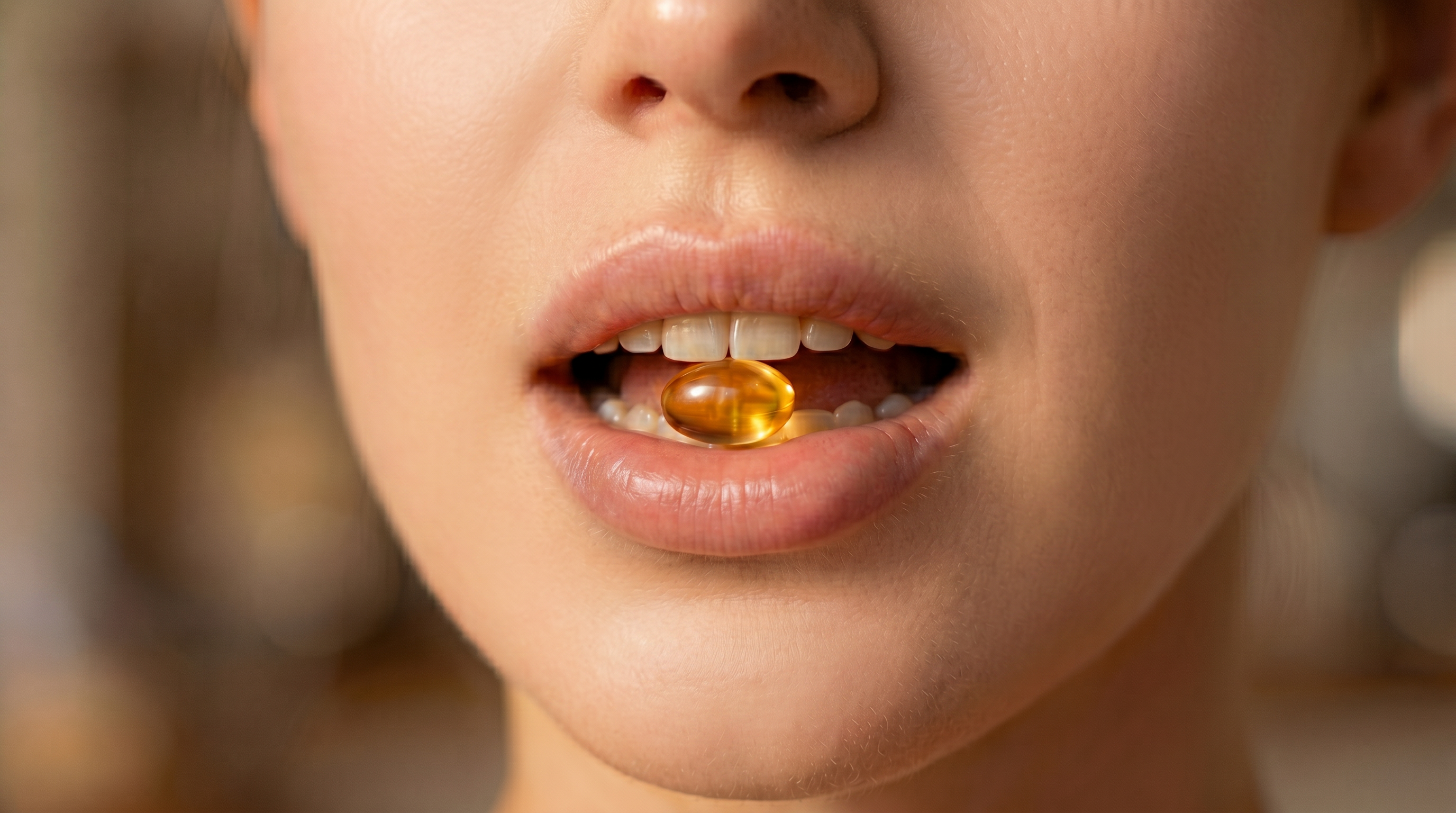
Vitamin D: Having a vitamin D deficiency can be linked to hair thinning. You can boost your consumption of it by taking supplements. Fatty fish and egg yolks are also rich in Vitamin D.
-
Iron: Iron-rich foods include eggs and fish, but these can also be supplemented if necessary.
You might also benefit from taking contraceptive pills, as this can reduce insulin resistance. But it’s always best to consult your doctor first.
When Should I See a Specialist?
As soon as hair loss begins affecting your life - and you’re experiencing other symptoms related to PCOS, you should reach out to a specialist.
A dermatologist can examine your scalp and recommend treatments such as topical minoxidil or advanced therapies, while an endocrinologist can assess for hormonal imbalances and insulin resistance associated with PCOS.
Ready For a Change? Join rhute Today
Living with PCOS can be debilitating - especially with the symptoms you can experience that make you feel less like yourself. Fortunately, you can make it manageable by following our above guide.
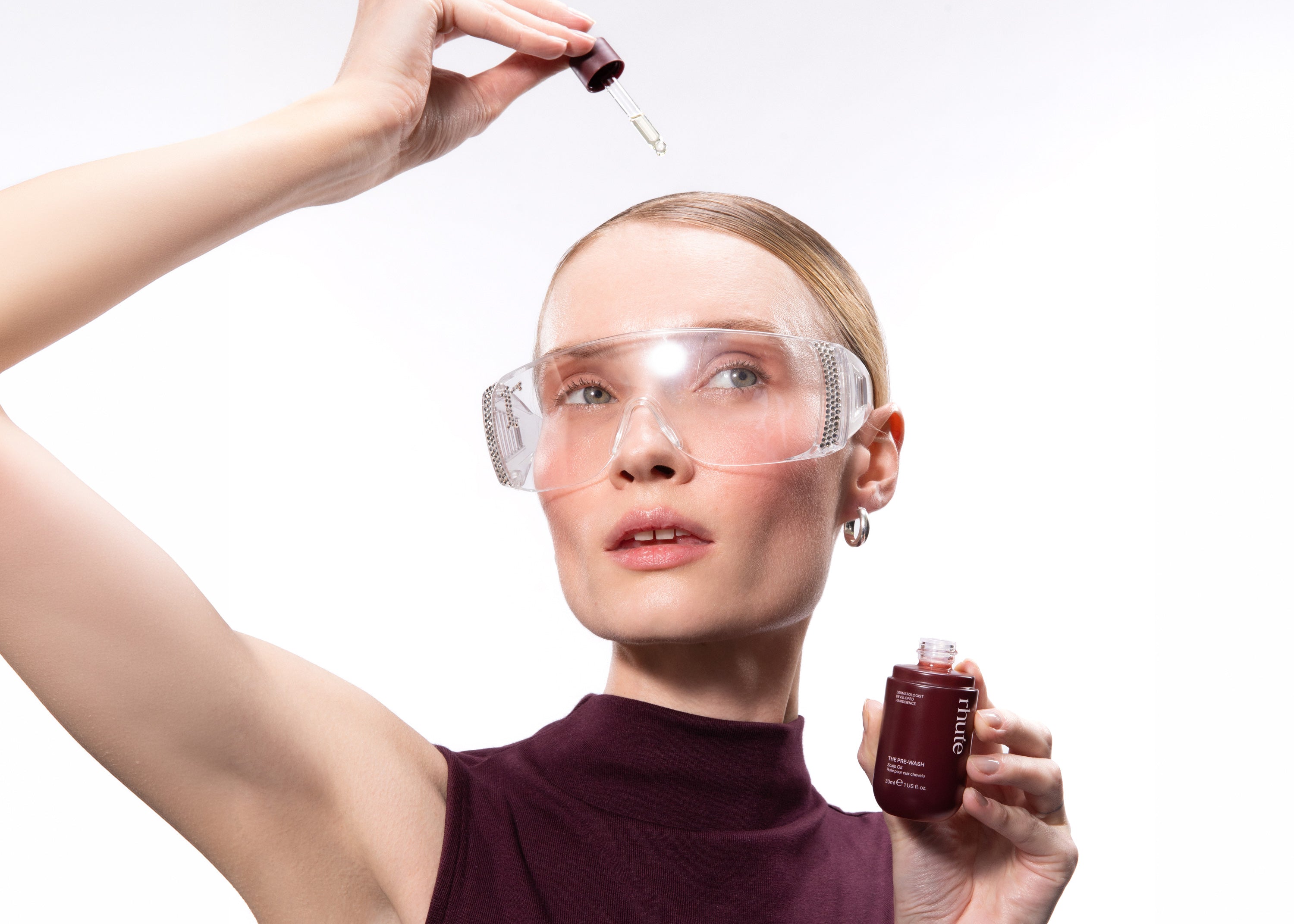
Do you need growth in your hair and haircare routine? Shop rhute’s very own Density and Repair Hair Serum today, or for the answers to pressing questions, check out our blog.
We cover a wide range of haircare topics, supported by medical knowledge and expert insight.
PCOS Hair Loss: FAQs
How Long Until You See Results from PCOS Hair Loss Treatments?
With consistent treatment, most people can see the results of PCOS hair loss prevention after 3-6 months.
Certain medications like Minoxidil can take several months to show visible results, whilst hormonal treatments (think birth control pills) can take longer. This is because they balance androgens over time. Most importantly, remain patient and commit to consistency.
Can Stress Make PCOS Hair Loss Worse?
Absolutely, stress can definitely make PCOS hair loss worse. Stress can cause hair loss anyway, as it releases a hormone called cortisol, which disrupts the balance of other hormones, including androgens.
Due to this hormonal shift, more hair follicles are pushed into the shedding phase (telogen effluvium), which ultimately worsens thinning and slows regrowth.
How Is PCOS Hair Loss Different From Regular Female Pattern Baldness?
They might look similar - but PCOS hair loss and regular female pattern baldness (FPB) are two different things, mostly because their root causes vary.
Whilst PCOS hair loss is driven by excess androgens due to the condition itself, FPB is usually related to age-related hormonal changes. Unlike FPB, PCOS hair loss can be improved if the underlying hormone imbalance is treated.


Share:
Seasonal Hair Shedding: Explanation, Causes & Tips to Manage It
The Role of Peptides in Hair Care: Strengthening from the Root