


Peptides are popping up everywhere in hair care. From shampoos to hair serums, manufacturers are promising stronger, fuller strands with these ingredients. But what actually are they? Do they work, or is it just marketing hype? Keep reading as we separate fact from fiction and dig into the evidence behind the claims.
What Are Peptides?
Peptides are short chains of amino acids, the building blocks of proteins. Your hair is mostly made of keratin, a tough structural protein, while collagen is a structural protein found in skin. Proteins are large and complex, but peptides are smaller and more easily absorbed into skin and hair. This makes them excellent messengers: they can signal cells to support hair follicle activity and stimulate collagen production in the skin.
Collagen-derived peptides, for example, have been shown to stimulate follicle cells and boost keratin production, linking them with both signalling and structural roles. In other words, they may help strengthen strands while also supporting healthier growth at the root.
In hair care, peptides are usually added in two main ways:
- Hair shaft repair: strengthening and smoothing damaged strands.
- Scalp and follicle support: creating a healthier environment for hair to grow.
How Peptides Relate to Hair Health
Healthy hair and scalp health depend on two things: the follicle, which produces the strand, and the strand itself, which is exposed to styling, UV, and pollution. Peptides can play a role at both levels.
-
At the follicle (the root): Peptides act as messengers that can stimulate follicle cells (dermal papilla cells). Studies suggest some peptides may prolong the anagen phase (the growth phase of the hair cycle) or improve blood flow to the follicle.
-
Along the strand: Hydrolysed peptides (broken-down fragments of proteins like keratin, silk, or wheat) can penetrate the cuticle and temporarily patch up weak spots, improving strength, smoothness, and shine.

The Evidence So far
-
Copper peptides (GHK-Cu): Laboratory and small clinical studies show that copper peptides can increase blood vessel formation and stimulate dermal papilla activity, which supports healthier hair growth. One comparative study even suggested that GHK-Cu treatments may work in a similar way to minoxidil (a scalp-applied treatment that helps follicles grow thicker, stronger hairs) for early hair loss, although the effects appear modest and more independent research is still needed.
-
Biomimetic signalling peptides (like acetyl tetrapeptide-3 or oligopeptide-41 etc): These are designed to mimic natural growth factors. Experimental studies suggest they can encourage follicle cells to multiply and stay active, while reducing inflammation). However, their ability to penetrate the scalp and achieve meaningful results depends heavily on formulation, so current evidence is promising but limited. Many products either don’t deliver peptides deeply enough into the scalp or contain them in concentrations too low to make a clinical impact.
-
Hydrolysed keratin and silk peptides: These fragments can penetrate the hair shaft. Research using electron microscopy shows improvements in strength, smoothness, and resilience after repeated washing and styling. This is where the strongest evidence lies for visible hair benefits.
-
Multi-peptide formulations: Some small cosmetic studies have tested blends of peptides with ingredients like caffeine or niacinamide. These reported benefits such as reduced shedding and thicker-feeling hair. However, most of these studies were funded by the companies making the products and involved only a limited number of participants, so results should be interpreted cautiously.
-
Other peptides: Hair products may also include peptides such as Matrixyl (palmitoyl pentapeptide), Capixyl (acetyl tetrapeptide-3), copper tripeptide variants, and other biomimetic growth factor peptides. They are marketed to support hair follicles or reduce shedding, but human evidence is limited compared with keratin, copper, and signalling peptides.
How Peptides Fit Into Hair Care
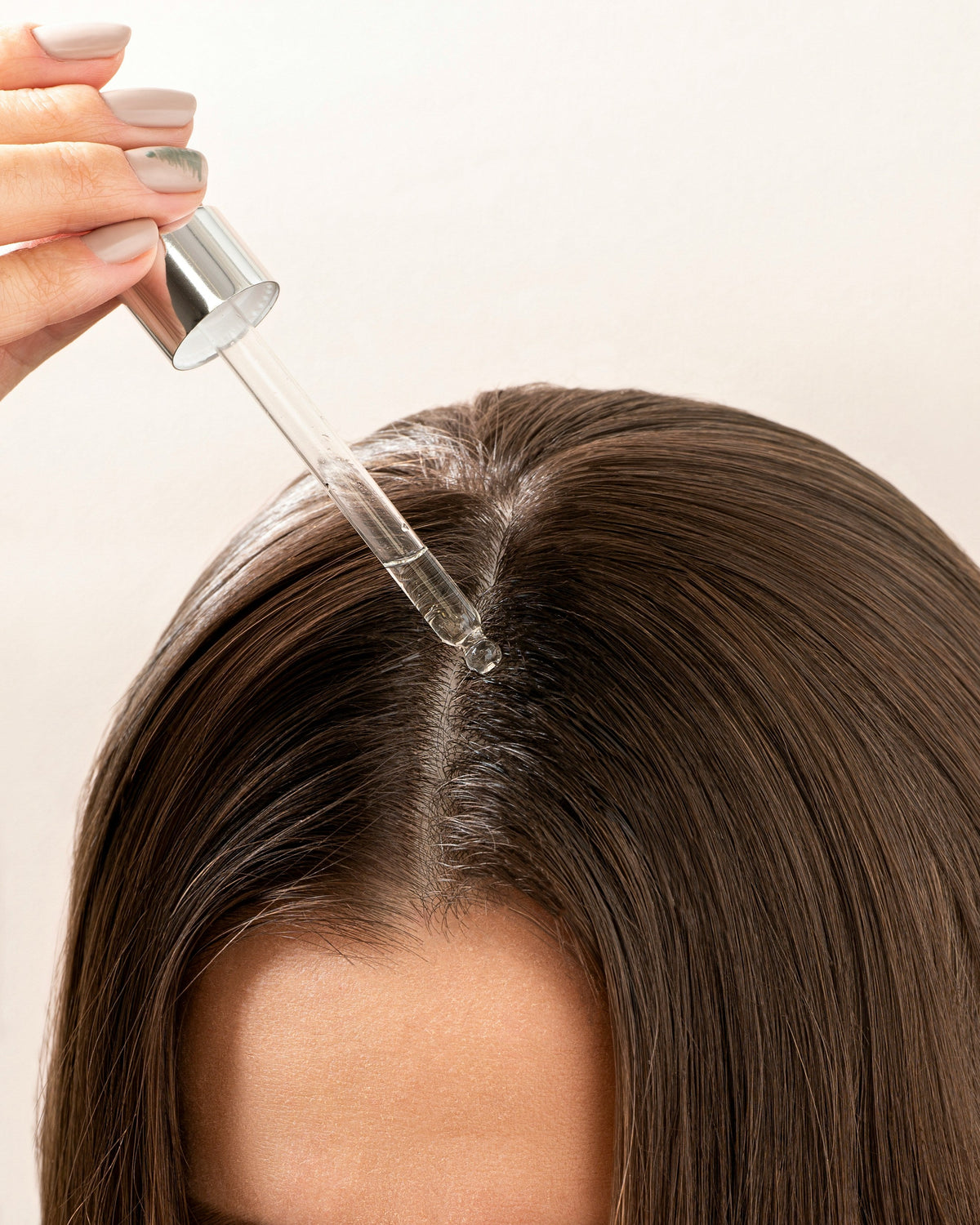
If you’re dealing with breakage, split ends, or hair weakened by colouring and heat styling, peptide-infused conditioners and masks can help reinforce the fibre itself. For scalp-focused concerns, like early hair thinning or lack of density, leave-in serums with copper peptides or signalling peptides may be more useful, though patience is key.

Practical Tips If You’re Considering Peptides
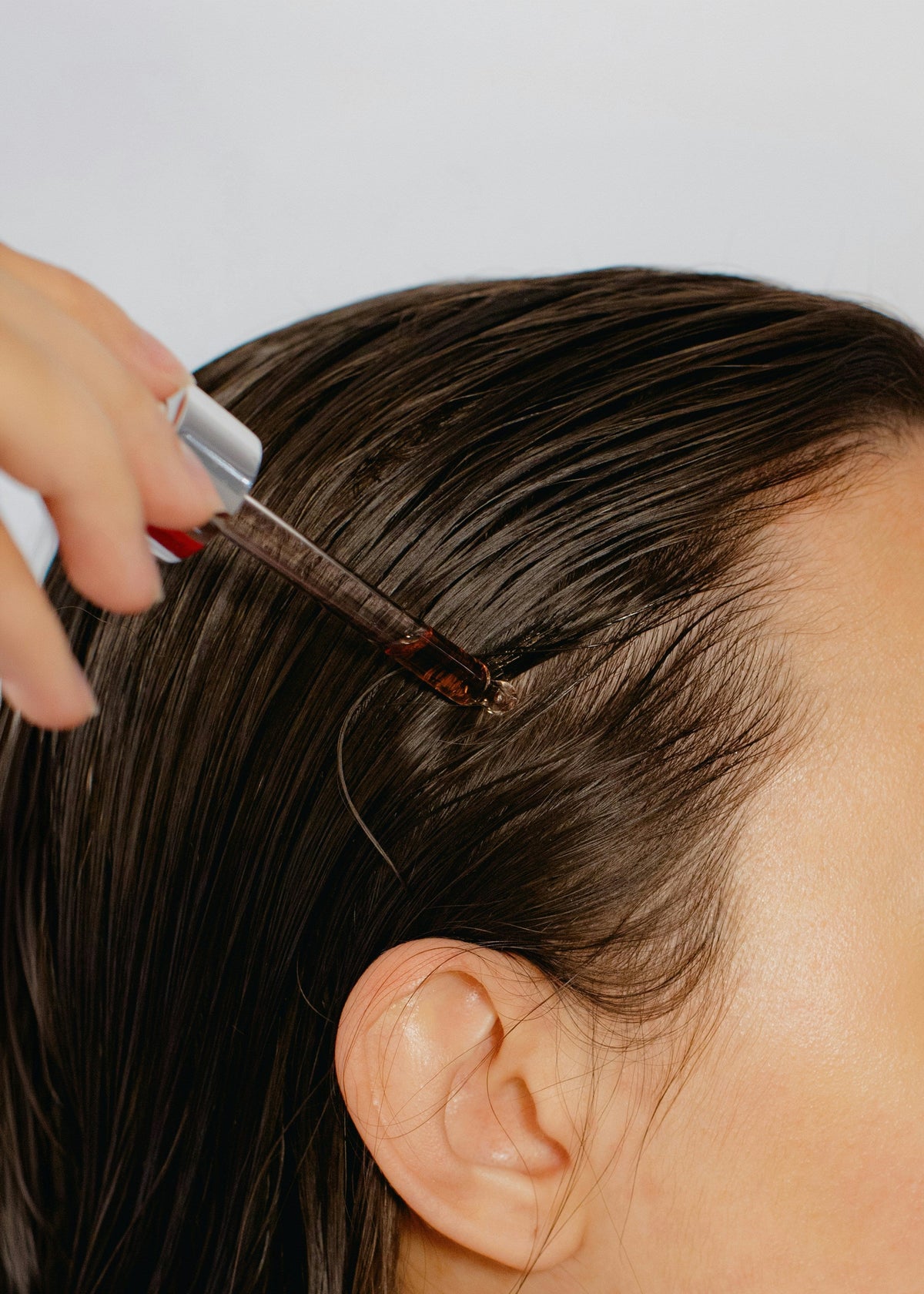
- Choose leave-in hair serums over shampoos; shampoos rinse off too quickly to deliver much benefit.
- For dry, damaged hair, look for conditioners or masks with hydrolysed proteins to help reduce breakage and add shine.
- Keep your expectations realistic. Peptides can support healthier-looking hair, but they won’t regrow your hair overnight.
- Don’t skip the basics. Eat a balanced diet, style gently, and speak to a professional if shedding persists, as it can sometimes be linked to factors like nutritional gaps or thyroid imbalance.
- If your hair loss is ongoing or getting worse, see a dermatologist. Peptides can be a useful add-on, but proven medical treatments (like minoxidil or prescription options) are still the most effective first line.
The Bottom Line
Peptides aren’t miracle workers, but they do have an important place in hair care. The science is still evolving, so think of peptides as an extra boost rather than a cure. If your main goal is smoother, stronger hair or supporting scalp health alongside proven treatments, then these products are definitely worth considering as part of a consistent routine.
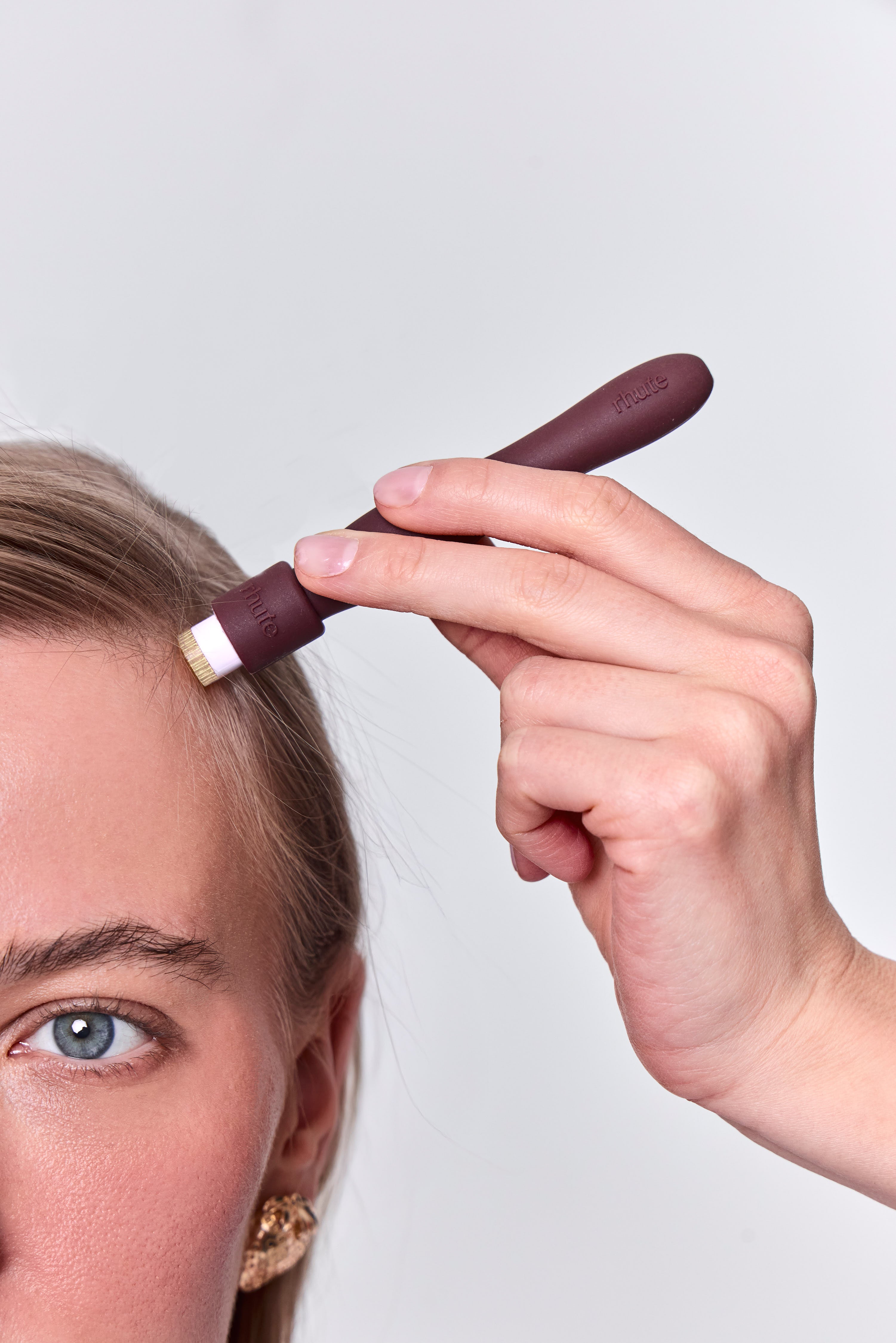
At rhute, we’re all about helping you feel your most confident - and that begins with strong, healthy hair. Whether you’re discovering what’s behind changes in your hair or exploring products that nurture growth and vitality, we’re here to guide you along the way.
Have something you’d love us to cover next? Share your thoughts in the comments - we always enjoy hearing from our community. For more expert insights, tips, and hair care inspiration, visit our blog page and explore everything you need to help your hair look and feel its best.