

Your hair might seem complicated, but once you understand its type and qualities, you’ll find it’s much easier to manage. And one factor that’s useful to know and identify in your hair is its porosity. Rather than being a type of hair, porosity is a marker of hair damage.
Knowing what porosity your hair has is important, so you can build a routine that actually keeps your hair nourished and healthy. Put simply, if you’ve noticed that your hair drinks up products quickly but still ends up feeling dry shortly after, there’s a good chance you have high porosity hair.
At rhute, we’re committed to helping you understand your unique hair structure so you can choose products that make it look salon-fresh - all the time. In this guide, we will break down what high porosity hair is, what causes it, how to identify it, and the best ways to care for it.
What Is High Porosity Hair?
High porosity hair is hair with gaps or holes in the cuticle (the outer layer), which makes it highly absorbent - but also prone to rapid moisture loss. Think of the cuticle like shingles on a roof. In healthy, low-porosity hair, those shingles lie flat. In high porosity hair, they’re raised or damaged, allowing moisture to enter easily… but escape just as quickly.
This means high porosity hair often:
-
Absorbs products and water fast
-
Dries quickly
-
Struggles to retain hydration
-
Feels rough or brittle to the touch
Understanding this helps you choose the right ingredients and routines to keep your hair healthy and hydrated.
What Causes High Porosity Hair?
So what exactly causes high porosity hair? Well, it can actually be down to genetics, but other causes in your everyday hair routine might also be the reason for highly porous hair, such as:
Chemical Treatments
Chemical hair treatments can lift and damage the hair cuticle, which acts as a protective outer layer in each strand. Anything such as bleaching, colouring, perms, and relaxers can leave the cuticle permanently raised or even damaged, so it’s much easier for moisture to escape.
Heat Damage
If you like to style your hair in a variety of ways, you might be using heat tools frequently. And whilst your hair might be turning heads, frequent straightening, curling, or blow-drying can cause the cuticle to lift and crack. As a result, this heat damage means your hair loses its ability to retain moisture effectively.
Environmental Factors
Your hair is constantly exposed to environmental stressors. This includes UV exposure, hard water, and extreme weather, which can all gradually affect the hair’s structure and make it less able to retain moisture.

How to Tell If You Have High Porosity Hair
If you’re unsure whether you have high porosity hair, here are the most common signs you can look out for:
Your hair gets wet immediately in the shower
One of the biggest tell-tale signs you have highly porous hair is how quickly it absorbs water. If you step into the shower and your hair is saturated almost instantly, it means you likely have high porosity hair. This is because your cuticle is lifted or damaged, and the water is able to rush in without resistance.
Your hair dries very quickly
If your hair dries just as fast as it gets wet, you likely have high porosity hair. As the cuticles are raised, they can’t hold moisture in every strand, which means it’s able to evaporate quickly and therefore your hair dries fast.
Your hair feels dry even after applying products
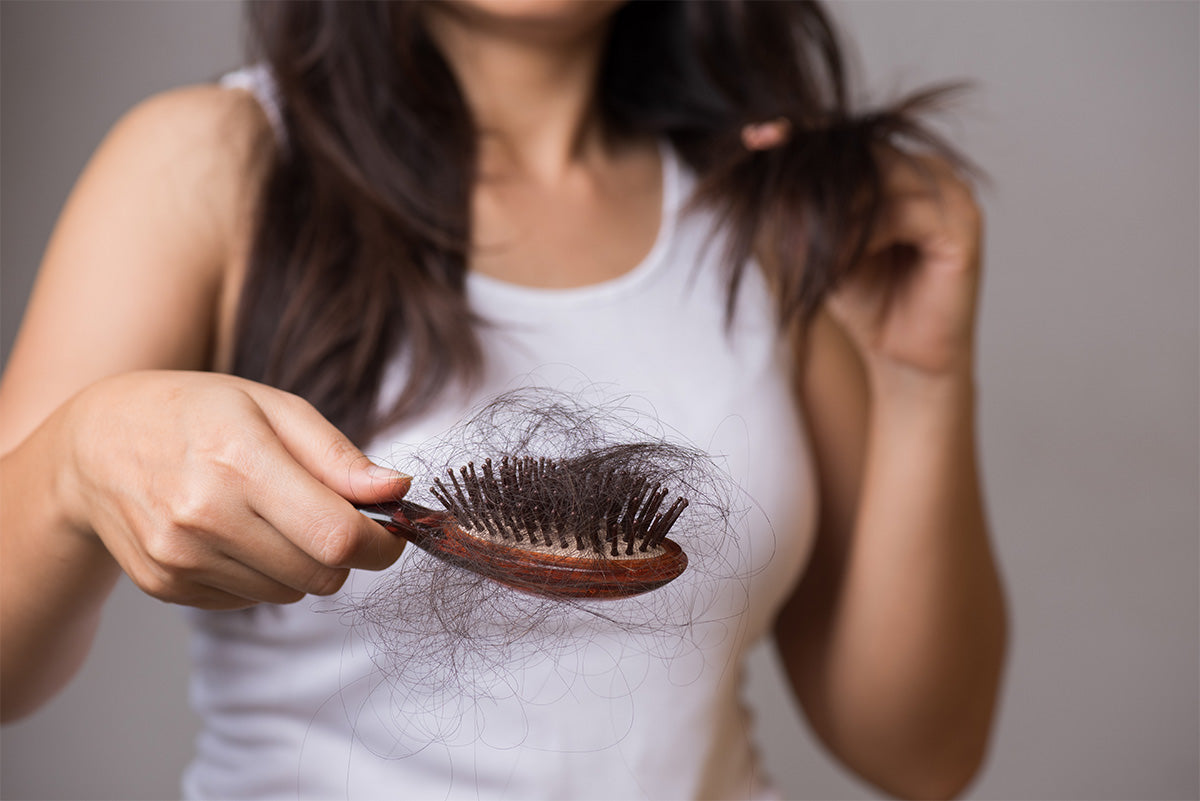
If you’re constantly applying hair serums, oils, or creams, but your hair still feels thirsty shortly after, this is another sign that your hair is highly porous. This can lead to an ongoing cycle of dryness and brittleness, whilst you continue to overuse products without seeing lasting results.
How to Care for High Porosity Hair
The key to caring for high porosity hair is to lock in moisture and repair the cuticle. For example, ensure you:
Apply Bond Repair Treatments
Bond repair treatments are particularly useful for those with high porosity hair. This is because they repair and strengthen the hair’s structure by penetrating the hair shaft and reconnecting broken protein bonds.
Use Moisture-Rich Shampoos and Conditioners
With high porosity hair, you need to use ingredients that maintain moisture and rebuild the hair’s natural barrier. That’s why it’s important to look for formulas that are packed with nourishing elements such as aloe vera, shea butter, and hyaluronic acid. With these ingredients, moisture is drawn into the hair and held there for longer.
Seal Moisture with Oils
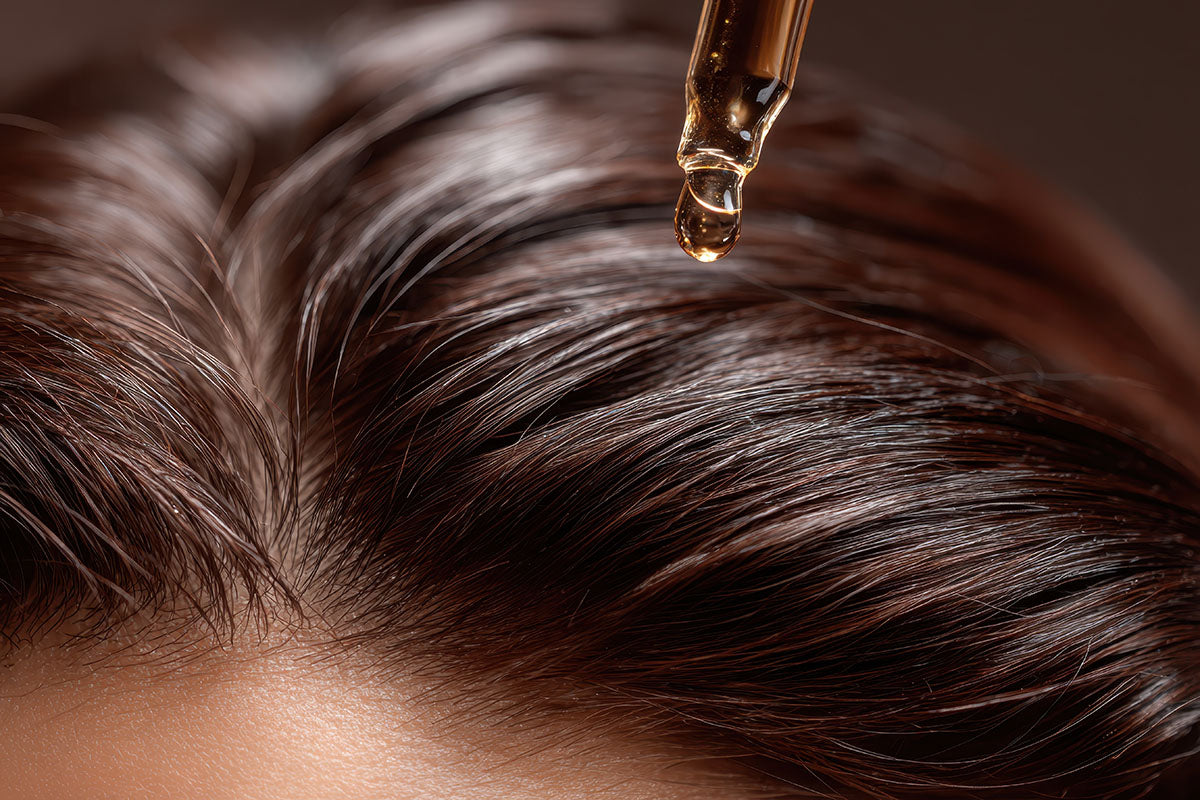
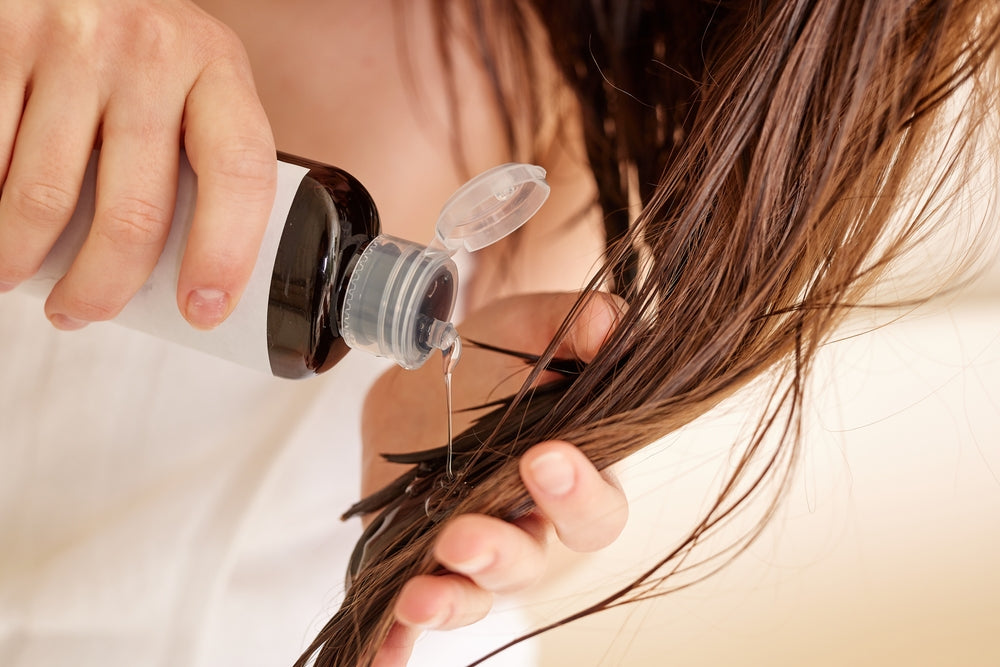
It’s essential to seal moisture in high porosity hair, which is why applying leave-in conditioner and finishing off with a hair oil can help form a protective layer on the hair shaft. Because moisture escapes quickly, using sealing oils (such as argan, marula, or avocado oil) can help lock hydration in.
Sleep with Silk or Satin
Cotton pillowcases can pull moisture from your hair and create friction that damages the cuticle. Switching to a silk or satin pillowcase (or wearing a silk bonnet) helps your hair glide smoothly whilst you sleep, reducing tangles, breakage, and moisture loss. It’s one of the simplest - but most effective - changes you can make for healthier hair.
Can You Fix High Porosity Hair?
While you can’t change your genetic hair porosity - or make it low porosity - you can dramatically improve the look, feel, and health of high porosity hair with the right routine. Consistent hydration, gentle styling, and strengthening treatments will help restore softness, shine, and resilience.
Final Thoughts: Understanding High Porosity Hair Is the First Step to Healthy Hair
Now that you know what high porosity hair is, you can make more informed decisions about your haircare routine. With the right products and techniques, high porosity hair can become softer, stronger, more hydrated, and more manageable.
Interested in finding out more about your hair type and how best to care for it? Check out our blog today. Our experts have provided insightful commentary on a bunch of topics related to haircare, all backed by their medical expertise and experience.