



You've invested in a hair growth serum, you're applying it religiously, and now you're standing in front of the mirror wondering... is anything actually happening? We get it. When you're watching your parting get wider or finding more hair in your drain than on your head, patience feels like the last thing you have left.
Here's the thing. Hair growth serums do work. But they work on your hair's schedule, not yours. As a dermatologist, Dr Aamna Adel sees this question constantly, and her answer is always honest: most people can expect to see early signs within 8 to 12 weeks of consistent use, with meaningful, visible results building between three and six months.
That timeline might feel long when you're the one waiting. So let's break down exactly what's happening at each stage, why it takes the time it does, and how to know your serum is doing its job even before the mirror catches up.
What's actually happening under the surface: the hair growth cycle
Your hair grows in cycles, and every single follicle on your head is running on its own schedule. The anagen phase is the active growth stage, lasting anywhere from two to seven years. Then comes catagen, a short transition of about two to three weeks where the follicle shrinks and detaches from its blood supply. Finally, telogen is the resting phase, lasting around two to three months, where the hair sits in the follicle doing nothing before eventually shedding to make way for a new strand.
At any given time, roughly 85 to 90% of your hair is in anagen. A hair growth serum works by supporting follicles to stay in this growth phase longer and encouraging resting follicles to re-enter it. But it can only influence follicles as they naturally cycle through these stages. It needs to catch each follicle at the right moment, and since they're all on different timelines, that process takes months, not days.
This is why anyone promising visible results in two or three weeks is being generous with the truth.

Your timeline, week by week
Weeks 1 to 4: the groundwork you can't see. Nothing in the mirror yet, and that's fine. Underneath, your scalp is already responding. Barrier-loving ingredients like niacinamide and panthenol are calming things down, locking in hydration, and getting your scalp into the best possible shape for what comes next. Think of it as prepping the soil before anything grows. Your scalp might already feel less dry or irritated. That's the serum saying hello.
Weeks 4 to 8: less hair in the drain. This is when most people have their first "wait, is it working?" moment. Not because they see new hair, but because they stop seeing as much old hair falling out. Less in your brush, less in the shower, less on your pillow. Ingredients like caffeine are reaching your follicles now, helping to protect them from shrinking and keep them in their growth phase for longer. If shedding is slowing down, your serum is doing its thing.
Weeks 8 to 12: baby hairs, incoming. This is the bit you've been waiting for. Fine little hairs start showing up along your hairline or parting. Your existing hair starts to feel stronger, thicker between your fingers. Clinical research on treatments containing stem cell extracts has shown measurable increases in hair count from around this window. It's subtle at first, but it's real, and it builds from here.
Months 3 to 6: the "have you done something different?" phase. This is where it gets good. Visibly fuller, noticeably thicker, and hair that actually stays put instead of ending up everywhere it shouldn't. Months of consistent use mean more and more of your follicles have been caught at the right point in their cycle and nudged back into growth mode. This is usually when other people start to notice too.
Months 6 to 12: the full picture. By now, your hair has had the chance to complete an entire growth cycle with serum support. Results keep building as even more follicles come through. This is peak results territory, the fullest, strongest version of what your serum can do for you. And honestly? It's worth every week of waiting.
Signs your hair growth serum is actually working
One of the most common worries is not knowing whether your serum is doing anything. The changes can be so gradual that you miss them checking the mirror every morning.
Reduced shedding is often the earliest sign. Fewer hairs in your brush, on your pillow, or swirling down the drain means your follicles are holding onto hair for longer. This can show up as early as four to six weeks in.
Baby hairs appearing along your hairline, parting, or areas of thinning are a brilliant indicator. These fine, short hairs are new growth from follicles that have re-entered the anagen phase. They'll thicken over time.
Improved scalp condition is another positive signal. Less dry, less itchy, generally calmer. A healthier scalp creates a better environment for growth.
One thing worth knowing: some people experience a brief increase in shedding during the first few weeks. This can feel alarming, but it's often a positive sign. It typically means resting hairs are being pushed out as follicles re-enter the growth phase. If it persists beyond a few weeks, speak with a dermatologist, but a short shedding phase early on doesn't mean your serum isn't working.
What affects your timeline (it's personal)
The cause of your hair loss matters. Postpartum shedding, where follicles are synced in telogen after pregnancy, may respond relatively quickly once those follicles start cycling back. Stress-related shedding (telogen effluvium) often responds well too. Hormonal thinning linked to menopause can take longer because the shifts are ongoing. And damage from bleaching, extensions, or heat styling may need the scalp barrier repaired first.
Consistency of application plays a huge role. Missing applications means active ingredients can't maintain their effect. Sporadic use gives sporadic results.
Overall health and nutrition influence your hair cycle too. Deficiencies in iron, vitamin D, or protein can slow hair growth regardless of what you're applying topically.
The ingredients that drive results (and how long each takes)
Not all hair growth serums are built the same. Knowing what's in yours helps you understand what to expect and when.
Caffeine does more than wake you up in the morning. Applied to your scalp, it helps protect your follicles from the hormonal signals that cause them to shrink over time, while encouraging them to stay in their growth phase for longer. Research backs it as one of the most effective topical ingredients for supporting hair growth, and you're likely to feel its effects building from around four to eight weeks.
Stem cell extracts work at the deepest level, supporting your follicles' ability to regenerate and produce new hair. Clinical research has shown meaningful improvements in hair count from as early as eight weeks of consistent use. This is one of the ingredients doing the heavy lifting behind those baby hairs.
Bioactive peptides, including copper peptides, help by boosting blood flow to your follicles and supporting the cells at the root of each hair that control growth. Think of them as the ingredient that helps keep your follicles healthy and full-sized rather than gradually thinning out. They tend to show their effects over three to six months.
Niacinamide isn't a growth ingredient as such. It's the one looking after your scalp. It protects against oxidative stress, supports your skin barrier, and helps calm inflammation that can get in the way of healthy hair. Creating the right environment, it lets everything else do its job better.
Panthenol (provitamin B5) is the multitasker. It supports healthy cell turnover in your follicles, helps encourage hair to stay in its growth phase, and hydrates your scalp from the very first application. Research has shown it can reduce the markers linked to follicle ageing and resting, which is exactly what you want when you're trying to get things growing again.
The short version: the best serums combine ingredients that make your scalp feel better fast with deeper actives that build visible results over months. That's why your scalp calms down quickly but the mirror takes a bit longer to catch up.
Serum alone vs serum plus other treatments
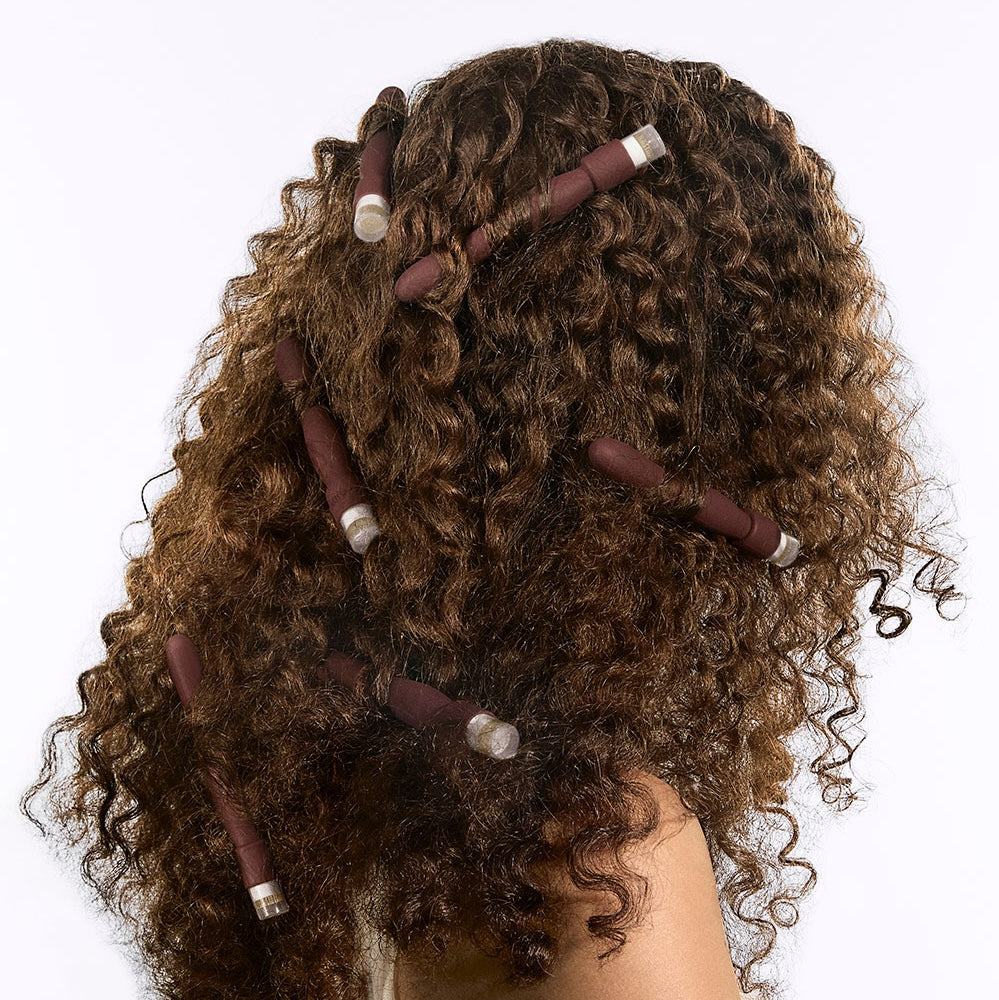
A good serum will deliver results on its own. But if you want to speed things up, pairing it with microneedling (dermastamping) is one of the most evidence-backed ways to do it.
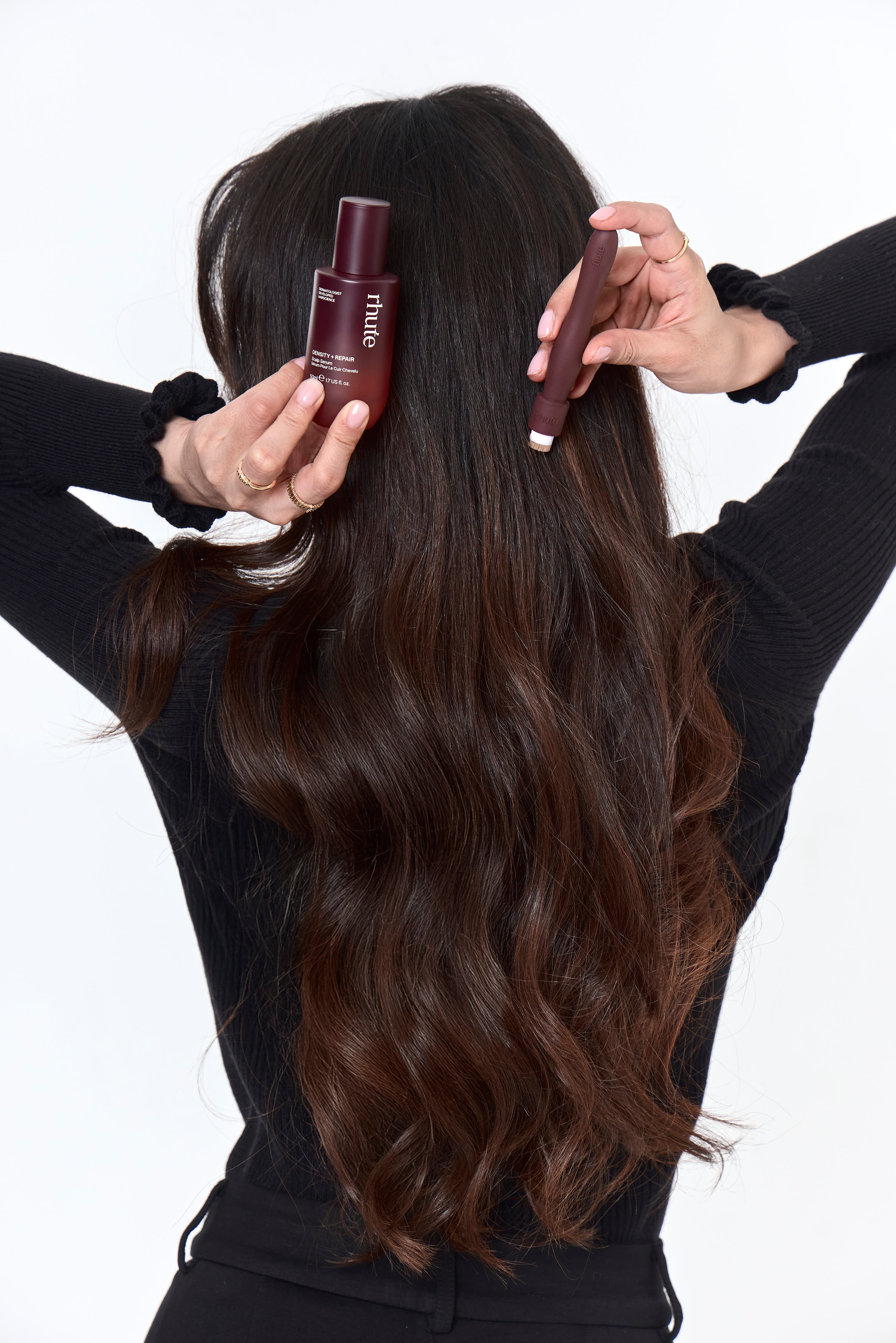
Here's why: microneedling creates tiny channels in your scalp that let your serum's active ingredients absorb far more effectively, reaching the deeper layers where your follicles actually live. At the same time, it triggers your body's natural healing response, flooding the area with growth factors that support follicle function. Research has shown that combining microneedling with a topical treatment dramatically outperforms using a topical treatment on its own. rhute's Density + Repair serum paired with the rhute Derma Stamper is built for exactly this.
If you're considering the pharmaceutical route, minoxidil is a proven option for hair loss. rhute's Density + Repair is a minoxidil-free alternative, so it works brilliantly on its own if that's your preference. If you're already using minoxidil, a dermatologist can help you work out the best way to use both together.
What to do if you're not seeing results
Check your consistency first. "Consistently" means every day (or as directed) without gaps. Set a reminder and build it into your routine.
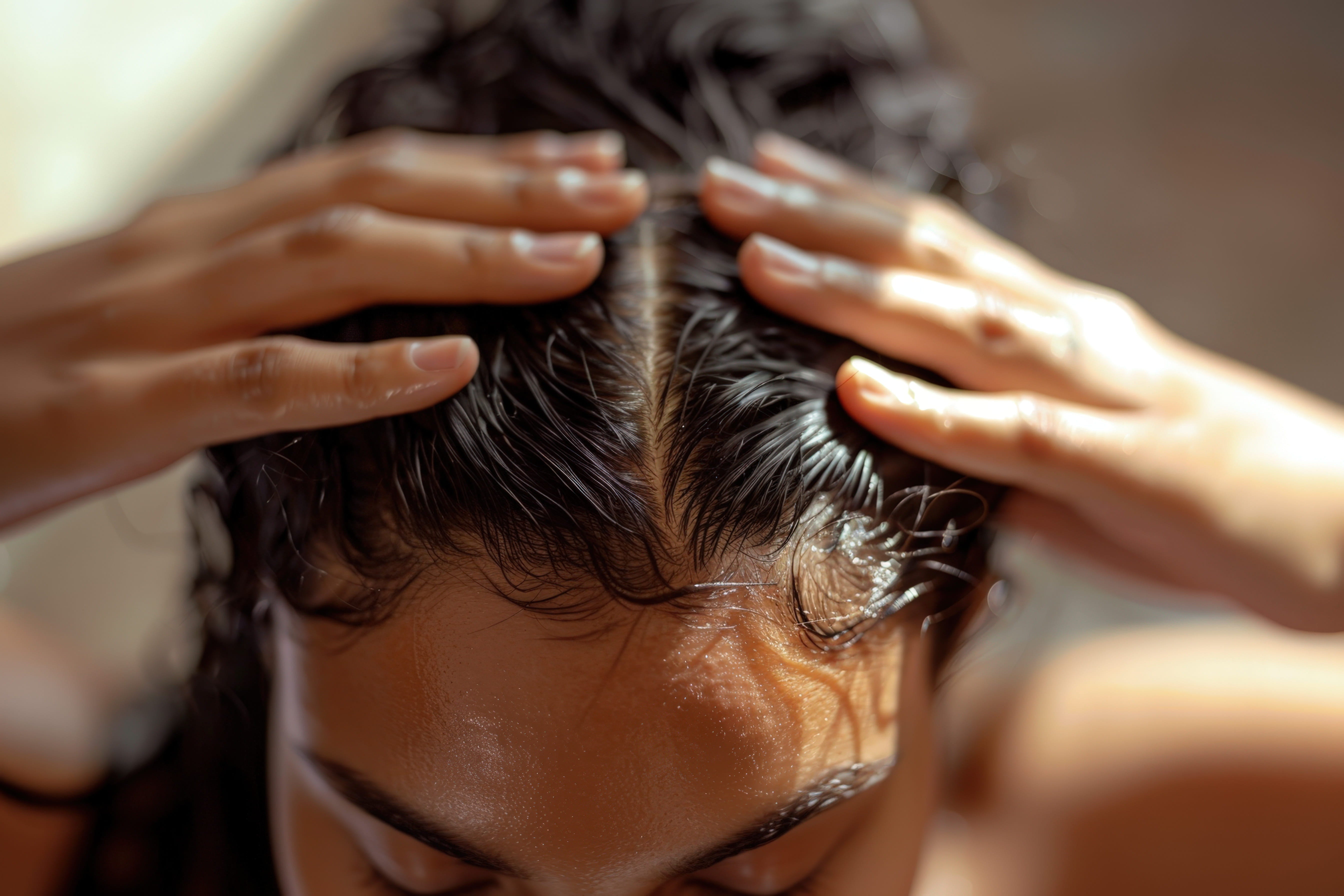
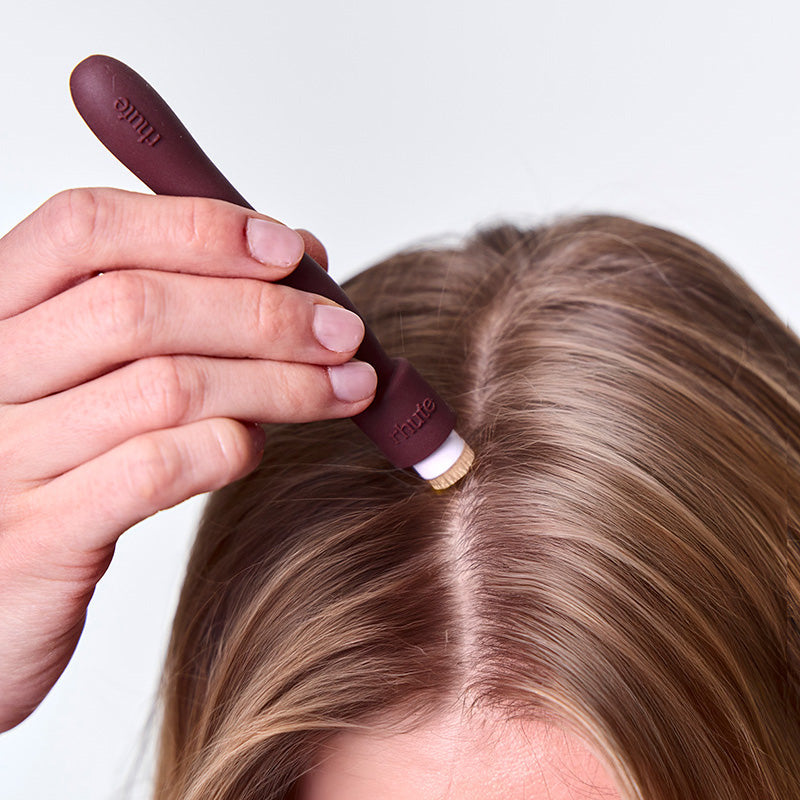
Check your technique. A serum needs to reach your scalp, not sit on your strands. Part your hair and apply directly, then massage gently.
Consider whether something else might be going on. Nutritional deficiencies, thyroid conditions, or hormonal imbalances can affect hair growth independently of what you're applying topically. If you've been consistent for four to six months without improvement, speak with a dermatologist.
And remember: progress is hard to spot when you see yourself daily. Take photos monthly from the same angle, in the same lighting. Comparing month one to month four often reveals changes you'd never notice in the mirror.
FAQs
Can hair growth serum work in two weeks?
Two weeks isn't enough to see visible hair growth from any topical treatment. Your hair grows roughly half an inch per month, and serums need time to influence follicles at the cellular level. You might notice your scalp feeling healthier within a couple of weeks, but visible changes typically begin around 8 to 12 weeks with consistent use.
Does hair growth serum cause initial shedding?
Some people experience a brief increase in shedding during the first few weeks. This happens when resting follicles are stimulated to re-enter the growth phase, pushing out old hair to make way for new growth. It's usually temporary and can actually be a positive sign. If shedding continues beyond a few weeks, consult a dermatologist.
How often should I apply hair growth serum?
Most serums are designed for daily use, applied directly to the scalp. Consistency is the single most important factor. Follow your product's specific instructions and build application into your daily routine.
Do I need to use serum forever to keep results?
Hair growth serums support your follicles while you're using them. If you stop, your hair will gradually return to its natural growth pattern over time. Many people choose to continue using their serum as part of their long-term scalp care routine, similar to maintaining a skincare routine for ongoing results.
Does age affect how fast serum works?
Age can influence your timeline, but it doesn't prevent results. The anagen phase naturally shortens as we get older, which can mean a slightly longer wait for visible changes. That said, people across all age groups can see meaningful improvement with consistent use.
Which is better: minoxidil or a natural hair growth serum?
These are different approaches. Minoxidil is a pharmaceutical treatment with strong clinical evidence for androgenetic alopecia. Natural serums use ingredients like caffeine, stem cell extracts, and bioactive peptides with their own body of clinical research. Some people prefer a minoxidil-free approach; others use both. A dermatologist can help you decide based on your specific type of hair loss.
Share:
What Does Hair Serum Do? How it Works & Its Benefits
How to Use Hair Serum (in 4 Simple Steps)