

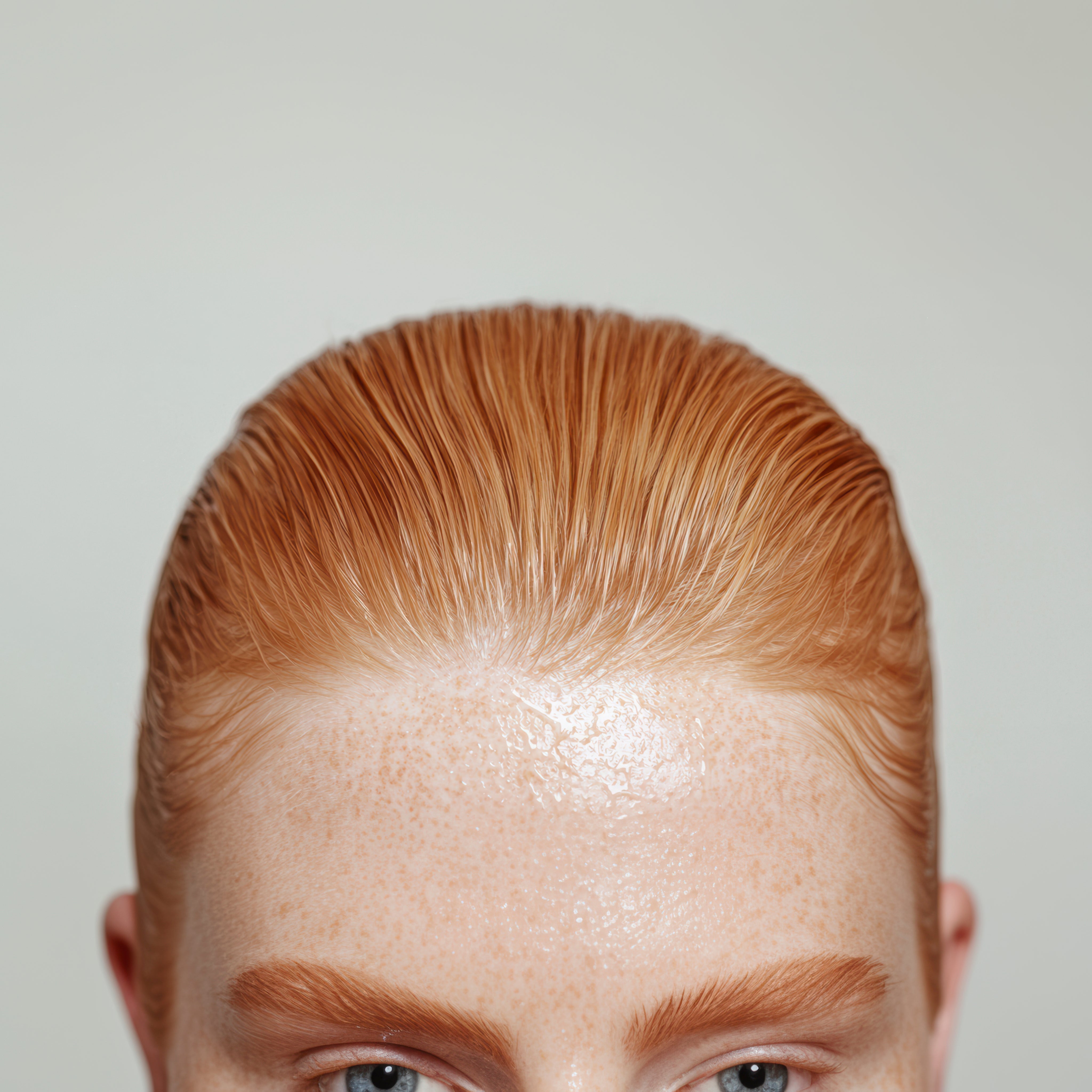


We're all chasing that dream hair - the kind that looks effortlessly glossy but is also strong and healthy from the root. The real secret to truly luscious locks isn't just about what you smooth onto your strands but what you nurture beneath them. After all healthy hair starts where it grows right? Let’s unpack why and discover how nurturing your roots can lead to healthier hair - as well as 5 ways you can improve scalp health, such as by using scalp scrubs and hair serum.

Why the Scalp Is Key to Healthy Hair
The scalp is more than just the skin your hair grows from, it's a dynamic, living foundation that directly impacts the health, thickness, and growth of your hair. It houses the hair follicle, a tiny but complex structure where each strand is formed. At the base of this follicle, in the hair bulb, cells rapidly divide, push upward, and harden into keratin (the protein that makes up your hair).
Surrounding the follicle is a rich network of blood vessels that deliver essential oxygen and nutrients like amino acids, vitamins, and minerals. These are crucial for hair production. If your scalp isn’t getting the circulation it needs, your hair might grow slower, weaker, or fall out more easily.
Next to every follicle is a sebaceous gland, which produces sebum, a natural oil that conditions the scalp. This oil helps maintain a protective barrier that keeps out harmful microbes and locks in moisture. But this balance is delicate, and when it's disrupted through over-washing, product buildup or certain skin conditions, your scalp can become irritated, inflamed, or flaky.
Lastly let’s not forget that the scalp plays a central role in regulating your hair’s growth cycle. Hair grows in three main stages - anagen (growth), catagen (transition), and telogen (rest). If the scalp is inflamed or stressed, it can push hairs into the resting phase prematurely, which means more shedding and thinning.
Scalp Microbiome 101:
Adding to this complexity is the scalp microbiome: a community of bacteria, fungi, and other microorganisms that help regulate inflammation and protect against pathogens. A healthy scalp microbiome keeps everything in check. An imbalanced one, however, can lead to problems like dandruff, itchiness, or even hair loss.
How Your Scalp Sabotages You Hair
When your scalp is out of balance, your hair often pays the price. Here's how common scalp issues can interfere with healthy growth:
Inflammation stunts growth. Conditions like dandruff, seborrheic dermatitis, and psoriasis can cause chronic inflammation. Research consistently shows that a compromised scalp environment directly impacts your follicles, leading to frustrating issues like breakage, hair thinning, and even hair loss. It's like trying to grow beautiful flowers in dry, limp soil. Your scalp needs nurturing and understanding of what environment is best for your hair to thrive on a micro level.
Microbial imbalance leads to flaking and loss. Dandruff isn’t just annoying; it’s often a sign of an imbalanced microbiome and affects up to 50% of the global population.4
Overgrowth of certain microbes (like Malassezia, the scalp yeast linked to dandruff) can trigger dandruff and weaken the scalp barrier. This imbalance, known as scalp dysbiosis, makes the scalp less hospitable for hair growth.
Oil and product buildup block follicles. Too much sebum, dead skin, or styling residue can clog follicles. This can hinder new hair growth and lead to issues like scalp acne or folliculitis.
Poor blood flow weakens the roots. Hair follicles need consistent blood flow for nourishment. When blood supply is compromised - due to tension, stress, or inflammation- it can slow growth and lead to finer, weaker strands.
A dry scalp irritates follicles. When the scalp’s natural barrier is compromised, it loses moisture. This dryness can lead to itching, flaking, and irritation that affects follicle health.
Infections can cause hair loss. Fungal infections like ringworm can damage hair follicles, resulting in scarring and hair loss if not treated early.
Autoimmune conditions can attach follicles. Conditions like alopecia areata occur when the immune system mistakenly attacks hair follicles, causing sudden, patchy hair loss.

Practical Tips To Support Your Scalp
1. Massage, Exfoliate & Hydrate
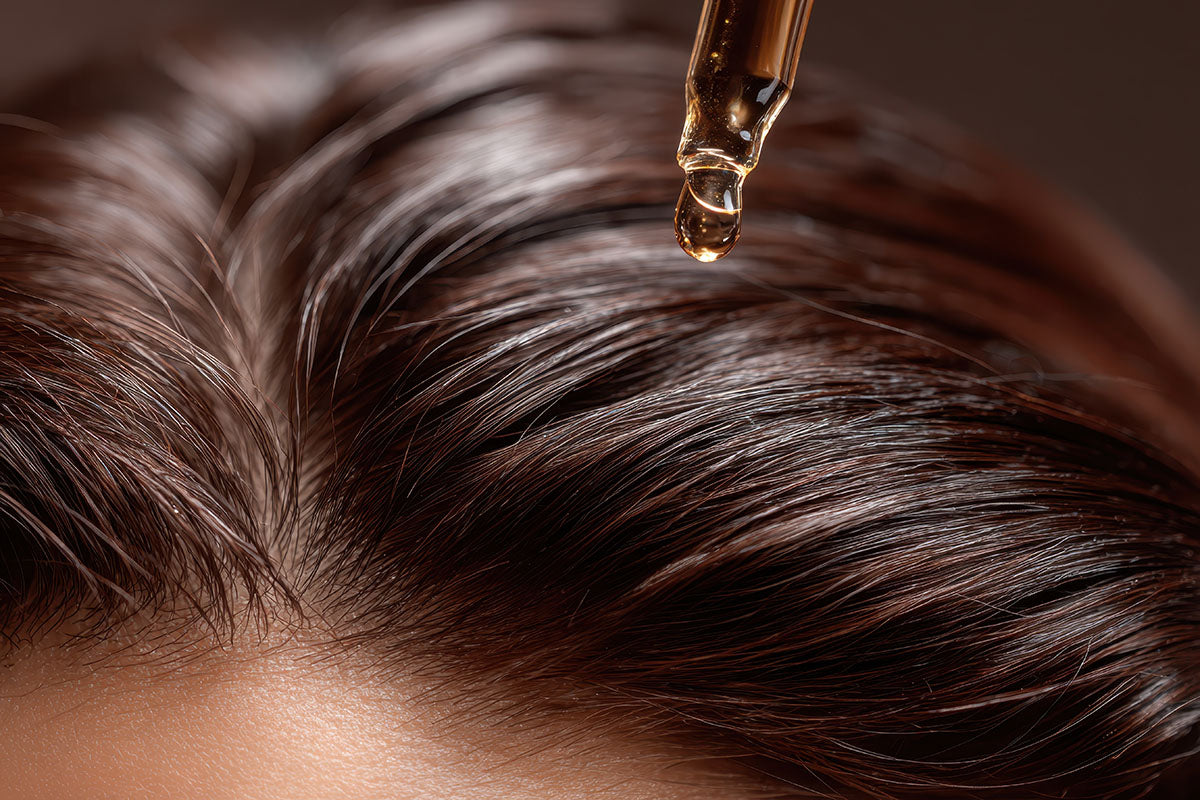
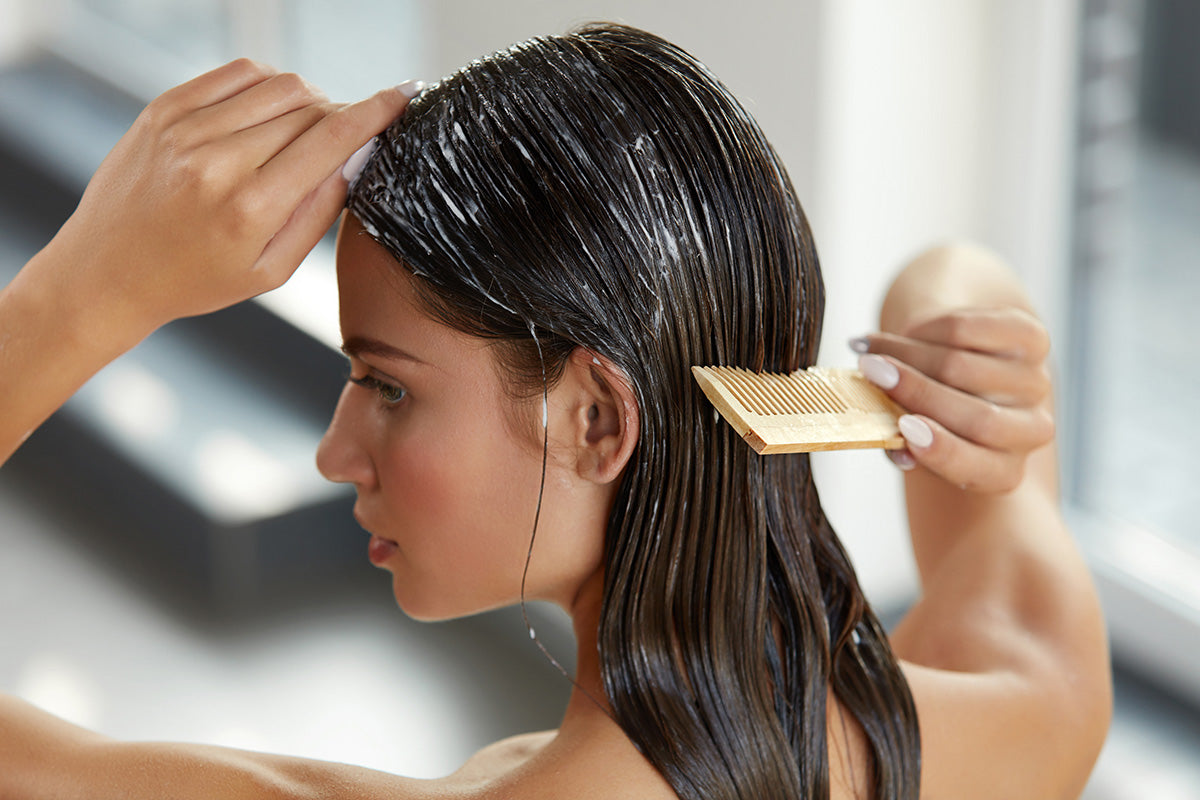
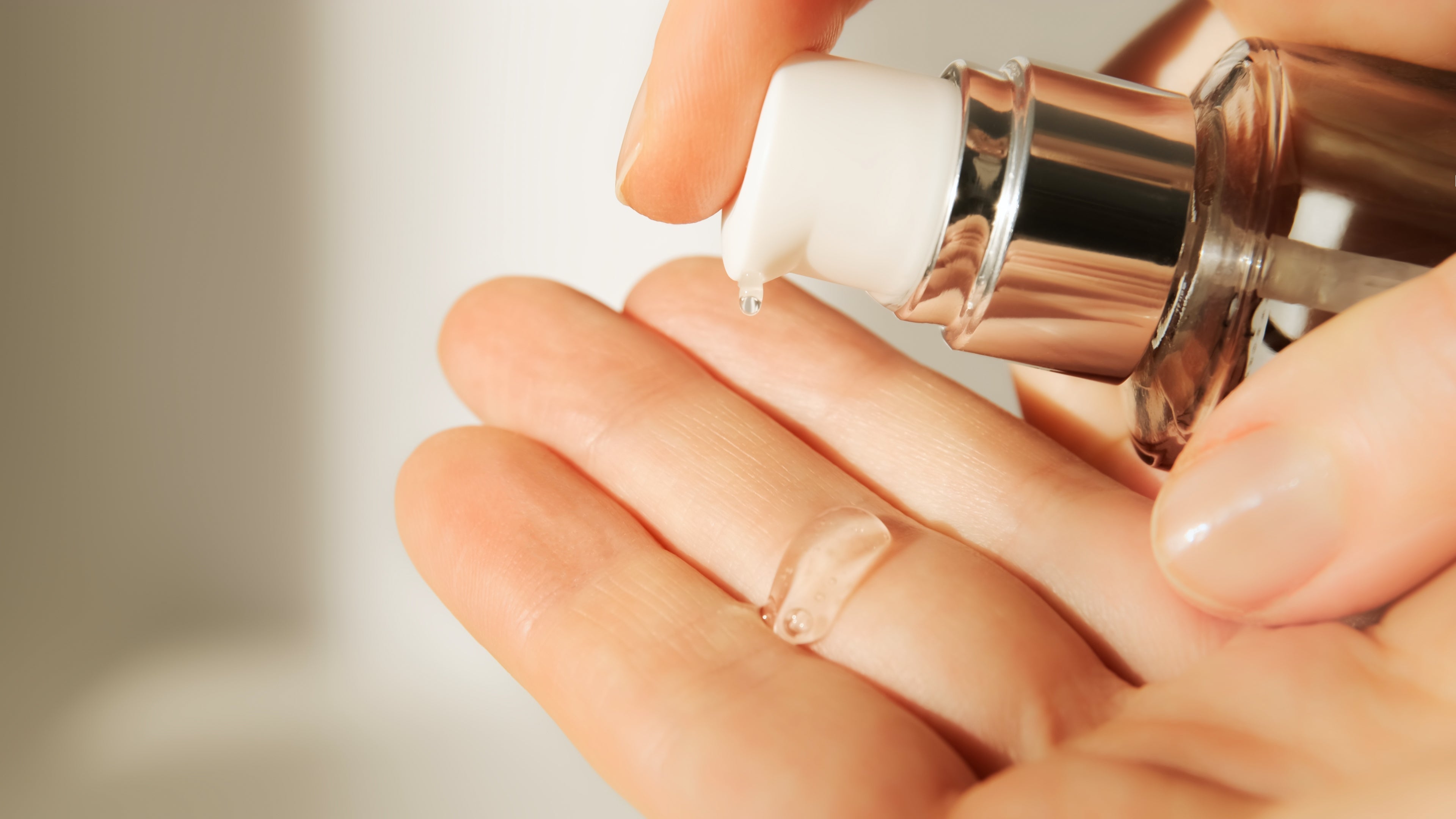
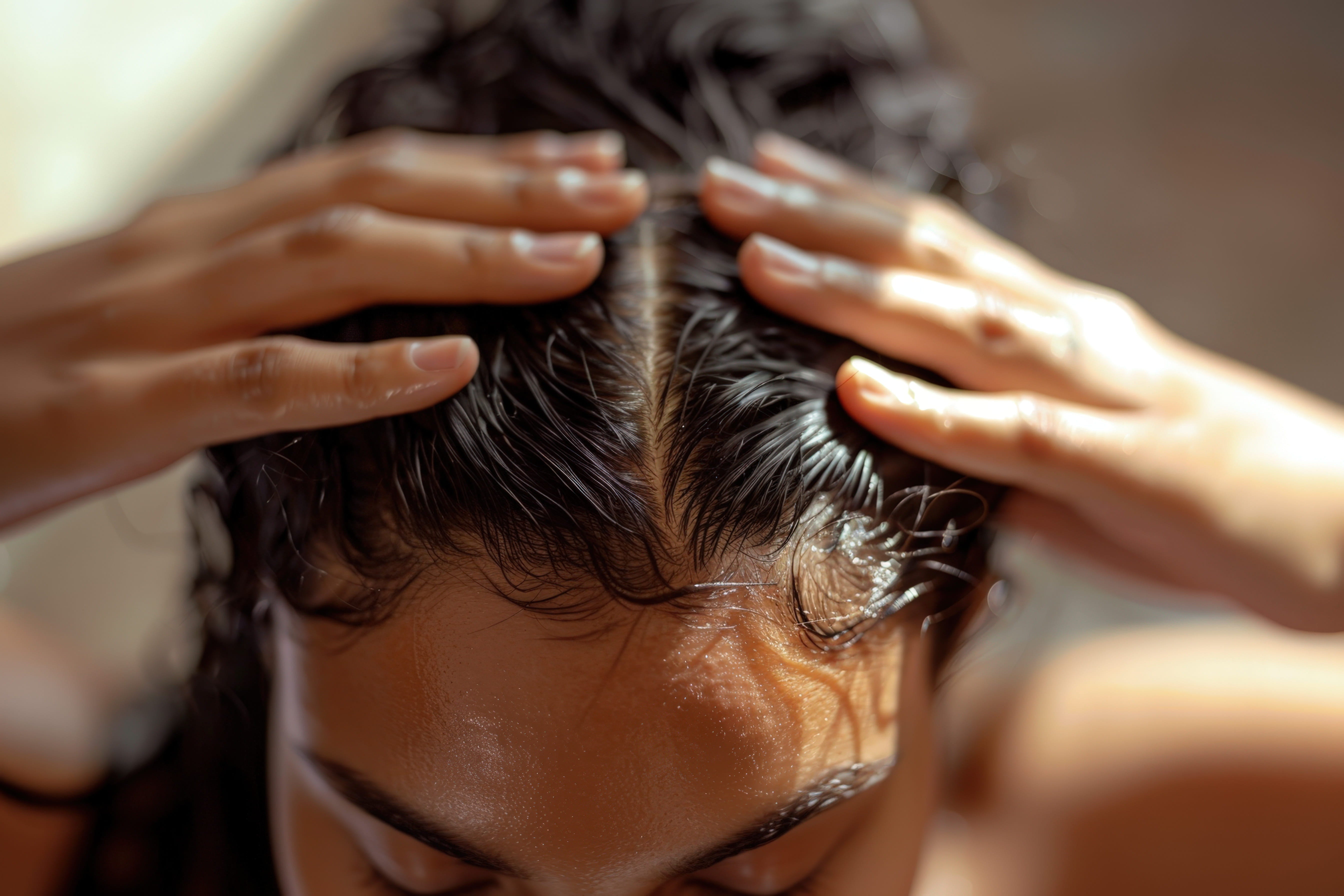
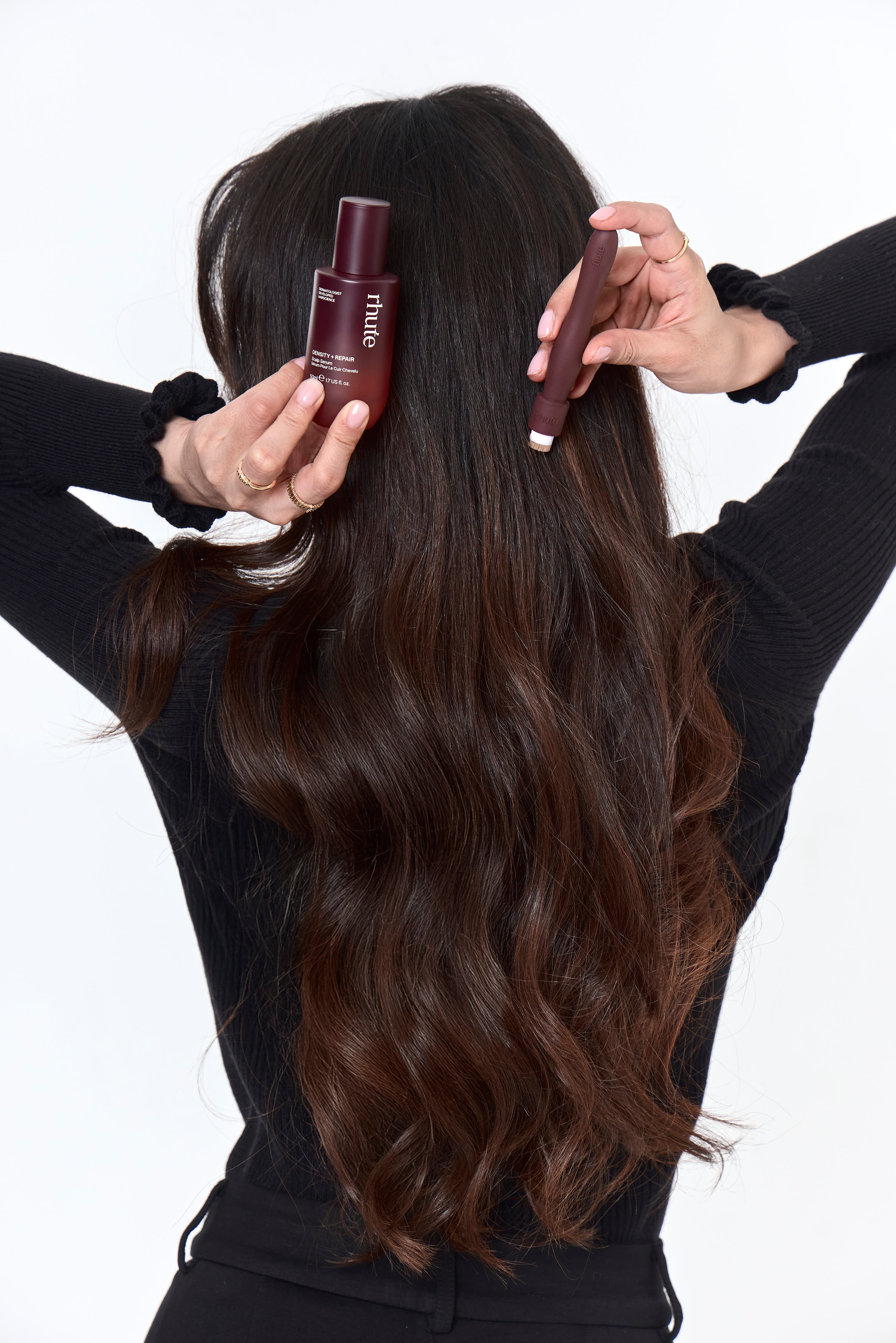
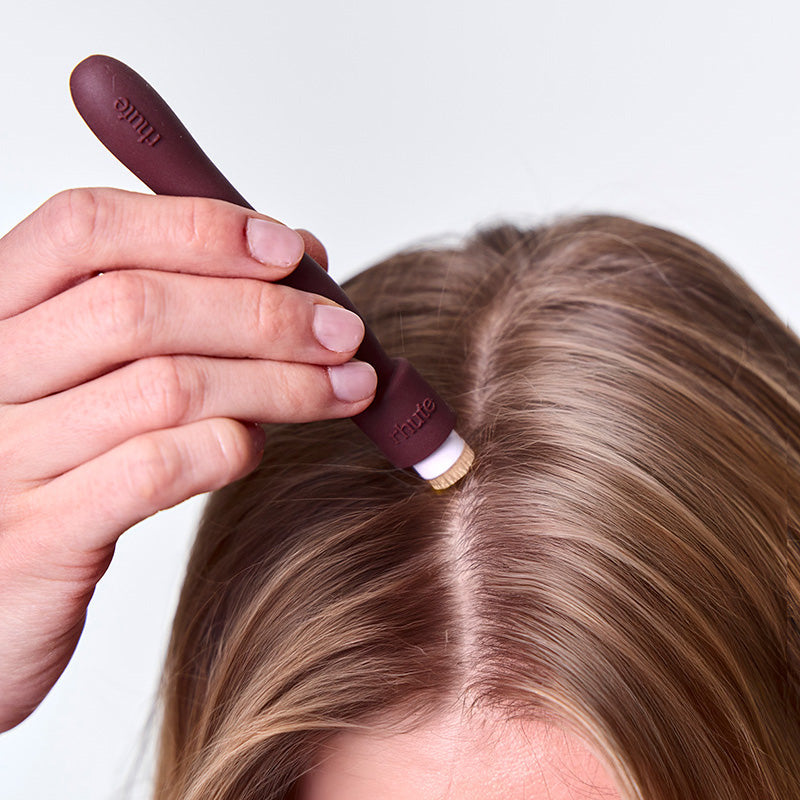
Massaging your scalp not only feels amazing but it has been scientifically linked to increased hair thickness over time. It boosts circulation, helping nutrients and oxygen reach your hair follicles. It can also evenly spread your sebum, preventing build up. Don’t forget about exfoliation, either. Scalp scrubs (used once a week) can help remove dead skin, product buildup, and excess oil - clearing the way for healthier growth. Lastly, hydration isn’t just for your skin. Scalp dryness can cause flaking and itching, so look for leave-in tonics or lightweight oils like jojoba or tea tree that moisturise without clogging pores.
2. Wash Smart- Not Too Much or Too Little
The right washing frequency depends on your scalp type so remember, ‘hair training’ is not a thing! The concept of reducing the frequency of hair washing to decrease scalp oiliness lacks scientific support. Experts say that this practice may lead to adverse effects rather than benefits.6 On the flip side, daily washing can strip the scalp of its natural oils, which are crucial for protecting follicles.
3. Feed the Follicles
You know how everyone says beauty starts from within? That’s 100% true for hair. Your follicles are fed by blood vessels that deliver nutrients from your diet. If you’re low in key vitamins or minerals, your hair might pay the price. A diet rich in protein, iron, zinc, and omega-3s supports root health.7 Think salmon, leafy greens, eggs, nuts- basically, your scalp loves a balanced brunch.
4. Switch to a Gentle Shampoo
Product buildup is real. Use a gentle, clarifying shampoo to unclog follicles. Avoid sulphates- they can strip your scalp of natural oils and throw off its balance and opt for pH balanced shampoos instead.
5. Impact of Heat Styling
While styling tools can help achieve desired looks, excessive heat can strip moisture from the scalp, damage hair proteins at the shaft, weakening hair strands, leading to breakage and dullness. It's crucial to use heat protectant sprays and give your scalp regular “heat-free” days to maintain hair integrity.
The Bottom Line
Your scalp is skin. And like any skin, it deserves care, consistency, and a little love.
In a world where we’re obsessed with hair serums, masks, and supplements, it’s easy to forget that the foundation of healthy hair really does start at the root. Taking care of your scalp microbiome isn’t just a science- backed strategy, it’s a holistic approach to hair and skin health. So, the next time you’re tempted to try yet another hair product, pause and think about what your scalp really needs. The next time someone compliments your hair, you’ll know—it didn’t start with a trend. It started at the root.
For answers to other questions you might have about hair care, check out our blog page.
Share:
Hair Hack or Hype? The Science Says…
Hair Hack or Hype? The Science Says…