

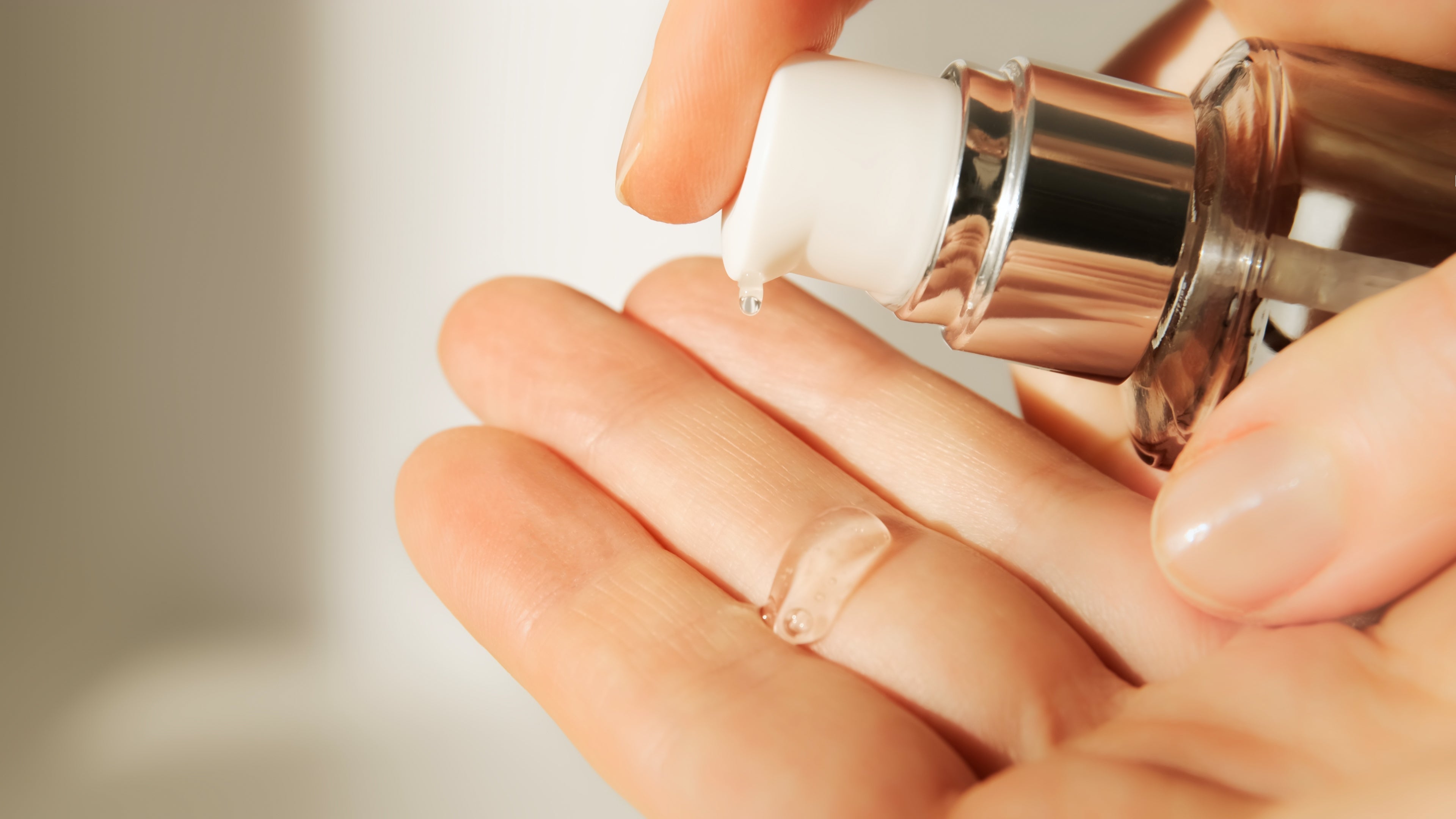

Hair serum is one of those products everyone owns, but few people use properly. You squeeze a bit out, rub it between your hands, and hope for the best. Sound familiar?
Here's the thing: the right application technique can be the difference between serum that actually transforms your hair and serum that sits on top doing very little. And if you're using a scalp serum for hair growth, technique matters even more, because you need the active ingredients to reach your follicles, not just coat your strands.
As a dermatologist who formulates hair products, I see this gap constantly. People invest in quality serums but miss out on the full results because nobody showed them how to apply it properly. Whether you're smoothing flyaways with a strand serum or targeting thinning with a scalp treatment, you'll know exactly what to do by the end of this guide.
What is hair serum?
Hair serum is a lightweight, leave-in treatment designed to improve the look and health of your hair. Most serums use a blend of silicones, proteins, vitamins, and botanical extracts to smooth the hair surface, add shine, and protect against environmental stressors like humidity, friction, and heat exposure.
But not all hair serums do the same thing. Traditional strand serums work on the hair shaft itself. They coat each strand with a thin protective layer, sealing the cuticle (the outermost layer of your hair) to lock in moisture and reflect light. The result is smoother, shinier, more manageable hair. They're brilliant for frizz control, detangling, and heat protection.
Then there are scalp serums, a newer category that's changed the conversation entirely. These deliver active ingredients directly to your scalp and hair follicles, the tiny structures where hair growth actually begins. Scalp serums typically contain ingredients like bioactive peptides, caffeine, niacinamide, and stem cell extracts that work beneath the surface to support the hair growth cycle and strengthen the scalp's skin barrier. Understanding which type you're using, and applying it accordingly, is the first step to getting real results.

Scalp serum vs strand serum: which one do you need?
This is the distinction most guides skip, and it's arguably the most important one.
A strand serum coats the outside of your hair. Silicones like dimethicone and cyclomethicone form a thin film around each strand, sealing the cuticle to lock in moisture and block out humidity. Strand serums are your go-to for frizz control, heat protection, and that salon-finish shine.
A scalp serum works differently. Rather than sitting on the hair surface, it absorbs into your scalp and targets the dermal papilla cells (the cells at the base of each follicle that control hair growth). Scalp serums deliver active ingredients where they can actually influence the hair growth cycle, supporting follicles during the anagen (growth) phase and helping reduce premature shedding.
If your main goal is smoother, shinier hair, a strand serum will do the job. Apply it to your mid-lengths and ends. If you're dealing with thinning, shedding, or you want to support fuller growth from the scalp, you need a scalp serum applied directly where growth happens. Many people benefit from both: a scalp serum for the health of your hair at its source, and a lightweight strand serum for the finishing touch.
How to use hair serum: rhute's 4 by 4 method
This is the method we developed at rhute for applying scalp serum effectively, and it works beautifully for strand serums too. Four sections, four steps. Simple, consistent, thorough.
Step 1: Section your hair into four
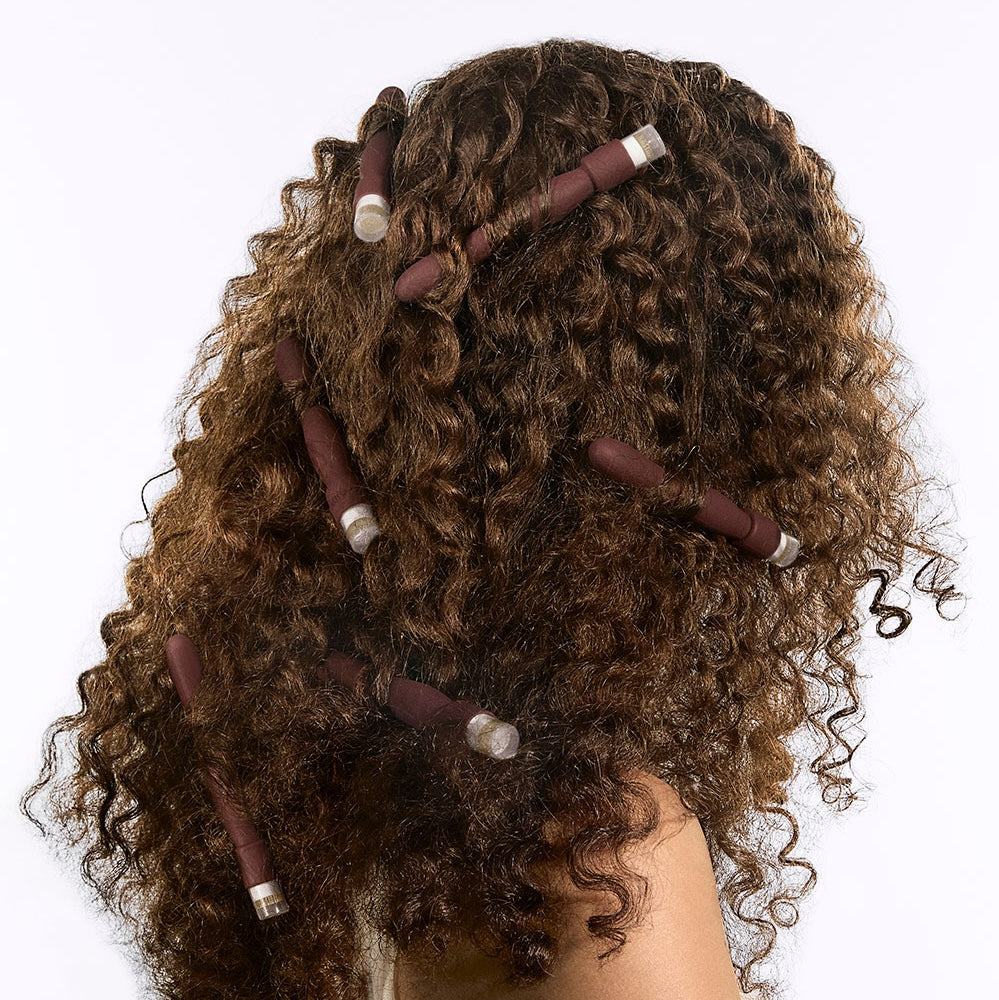
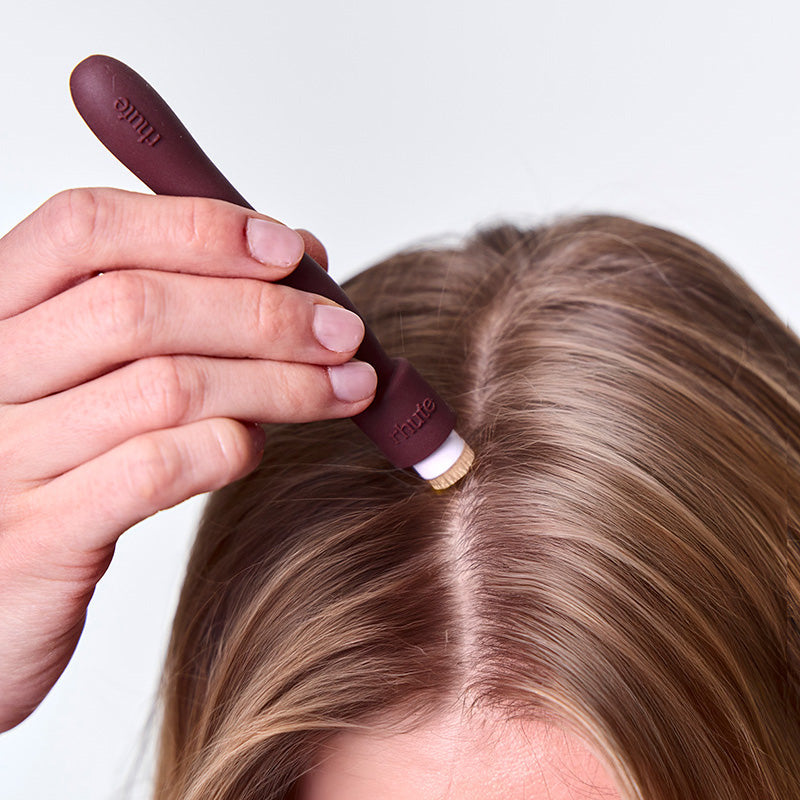
Part your hair down the centre from front to back, then across from ear to ear. This gives you four clear quadrants. Use clips to hold each section if needed. The goal is to expose your scalp so the serum can actually reach it, not just sit on top of your hair. If you're using a strand serum, sectioning still helps distribute product evenly rather than loading it all in one spot.
Step 2: Dispense with the pipette
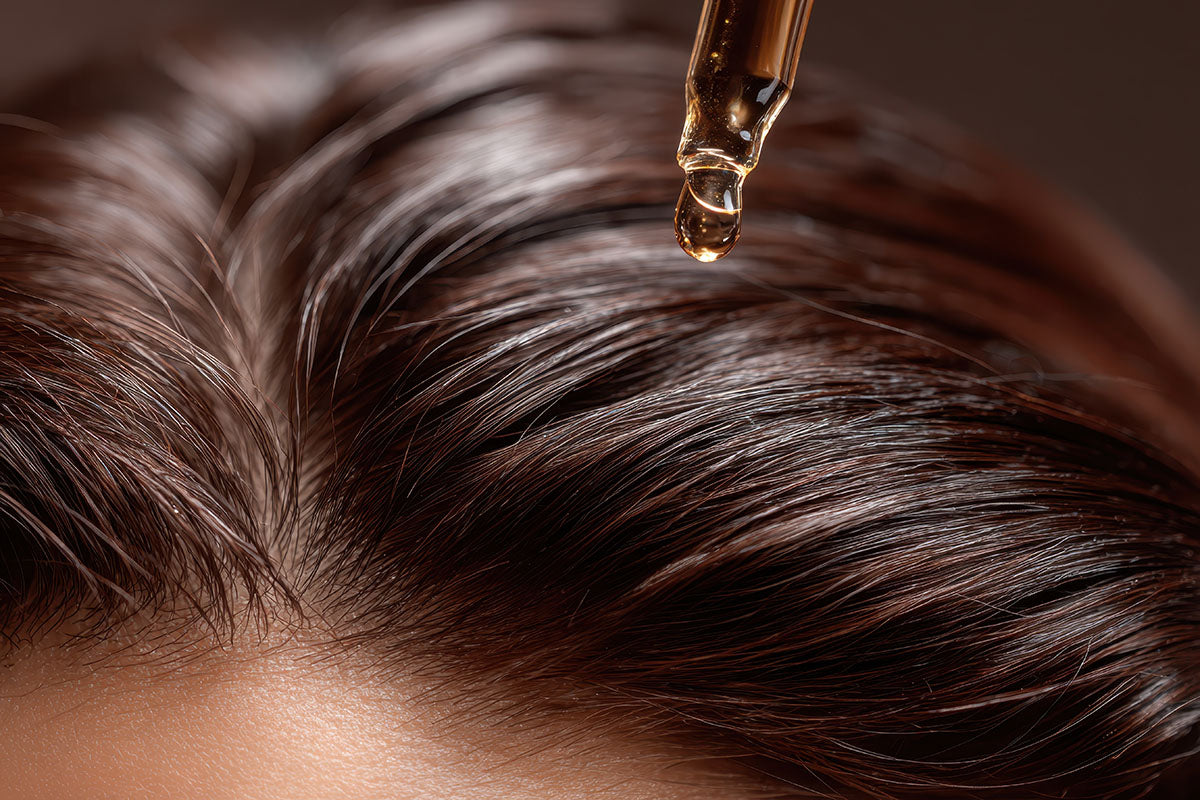
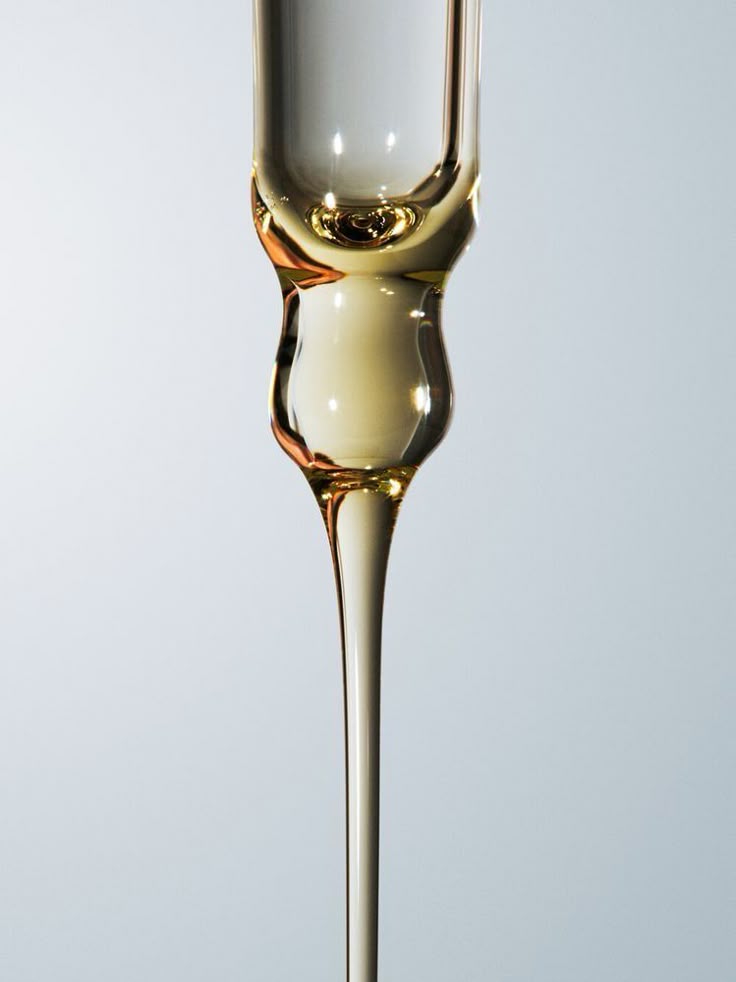
If your serum has a pipette or dropper (like rhute's Density + Repair serum), fill it and distribute drops evenly across each section. For scalp serums, apply directly onto the scalp along your partings. For strand serums, apply drops to the mid-lengths and ends of each section. A single pipette is typically enough for the whole scalp. As Dr Aamna Adel puts it: "You can always add a touch more, but you can't take it away. The goal is slip and polish, not a coating."
Step 3: Massage it in
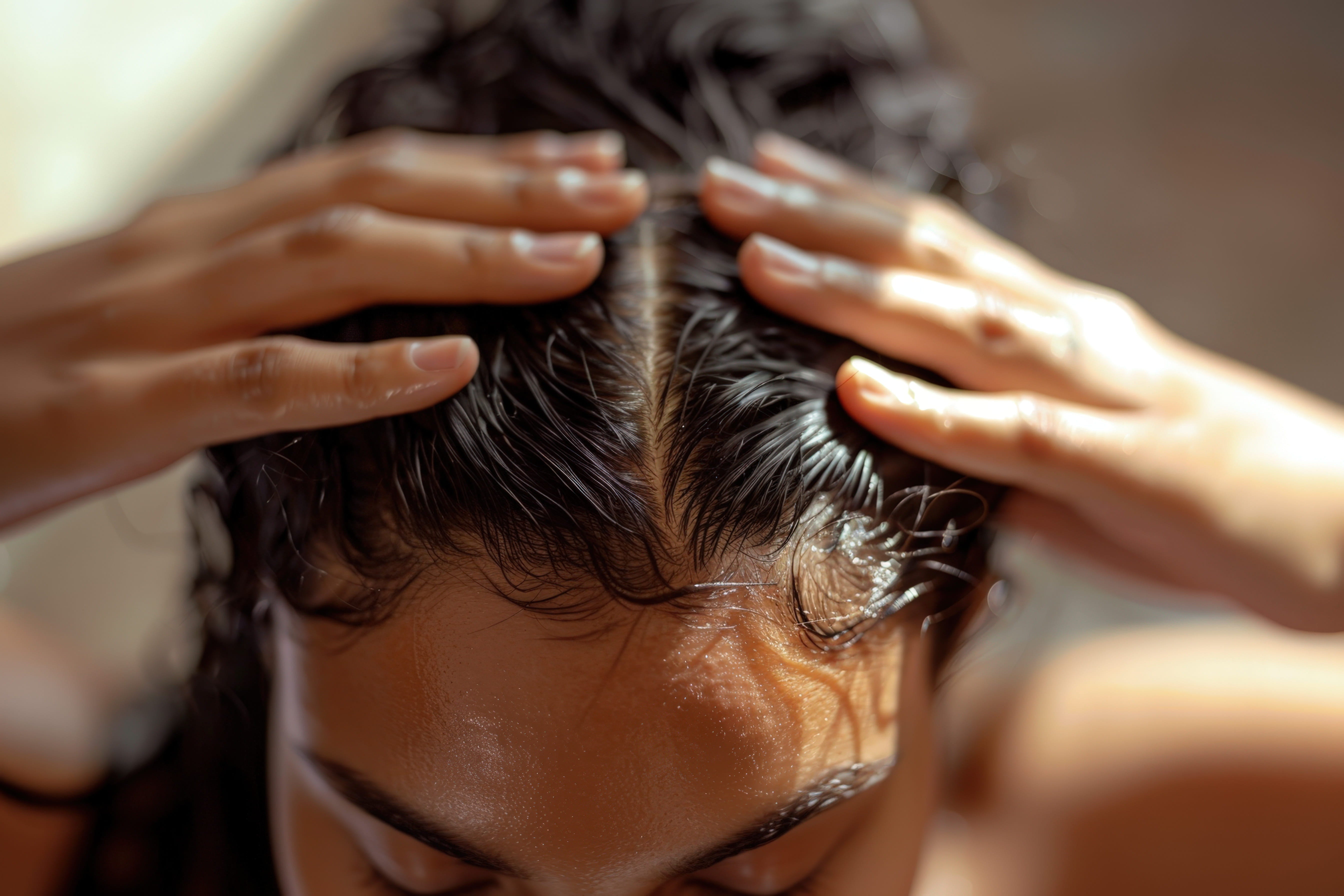
Using your fingertips (never your nails), gently massage the serum into your scalp in small circular motions for one to two minutes across all four sections. Extending to five minutes provides additional stimulation. This step matters more than people realise. Massage increases blood circulation to the scalp, which can help with serum absorption and supports nutrient delivery to your follicles. For strand serums, use your fingers or a wide-tooth comb to distribute evenly through your lengths.
Step 4: Leave it in (no rinsing)
Most serums are leave-in treatments. Don't rinse. For scalp serums, allow at least four hours for absorption before washing. Applying before bed works particularly well, giving the active ingredients overnight to work. For strand serums, style as normal immediately after application.

How to apply serum by hair type
The amount you use and how you apply it should match your hair type. One size does not fit all.
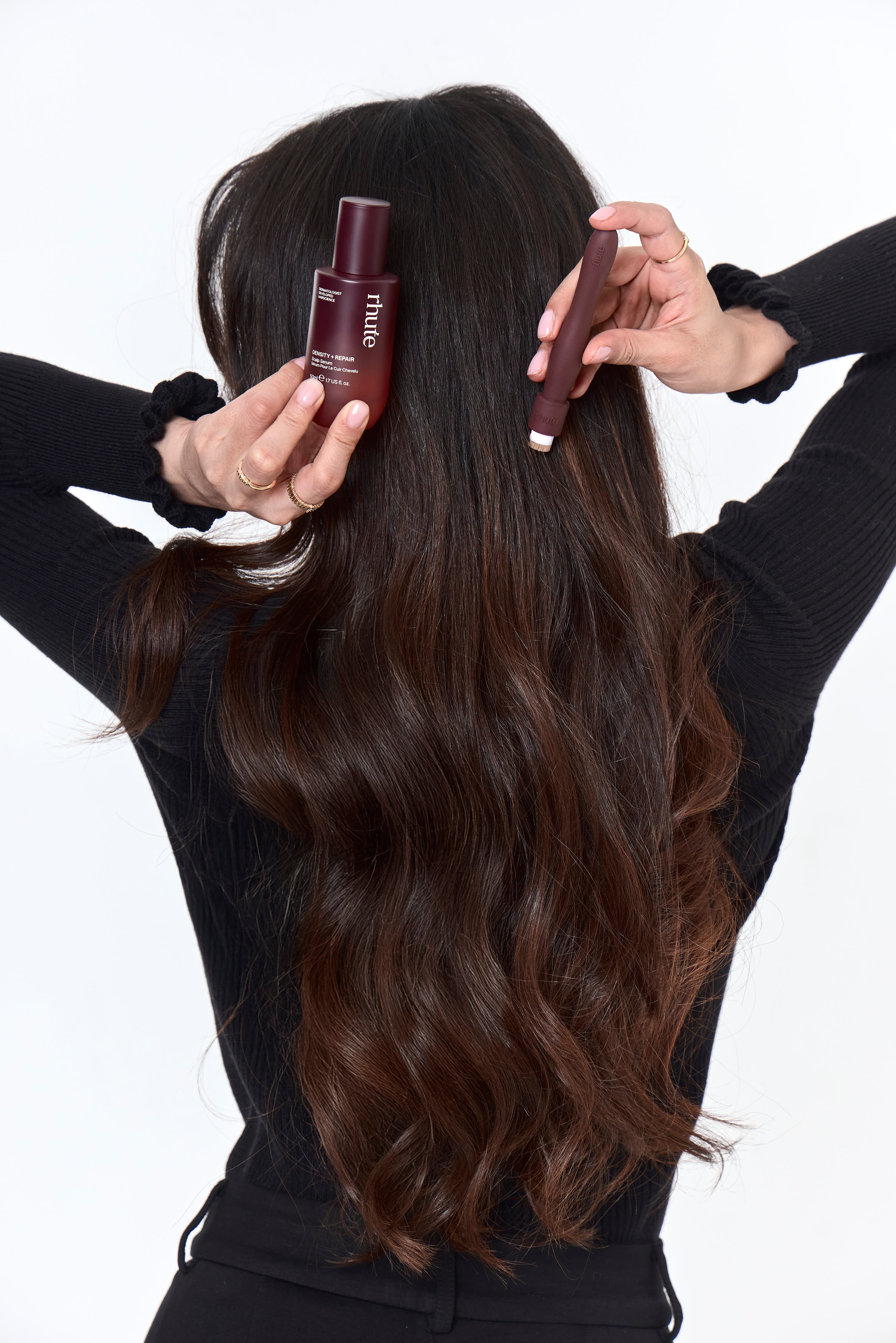
Fine hair: One to two drops of strand serum after washing is plenty. Apply to damp hair and focus on the ends. For scalp serums like rhute's Density + Repair, fine hair is no barrier. The serum is oil-free and ultra-lightweight, so it won't weigh anything down. Apply directly to your scalp using the 4 by 4 method as normal.
Medium hair (straight or wavy): Two to three drops of strand serum after each wash, distributed from mid-lengths to ends. Light touch-ups on dry hair work well between washes if humidity is causing frizz. For scalp serums, one full pipette across your four sections is the sweet spot.
Thick or coarse hair: Three to four drops of strand serum after washing. Thicker hair benefits from slightly more generous application because there's more surface area to cover. Work the product through thoroughly with your fingers or a wide-tooth comb. For scalp serums, take extra care with sectioning to make sure serum reaches your scalp through denser hair.
Curly and coily hair: Apply three to four drops of strand serum to damp hair, following your natural curl pattern rather than combing straight through. Scrunch the product in gently to define curls without disrupting them. For scalp serums, you might find it easier to create smaller sections for better scalp access, especially with tighter curl patterns.
When to apply hair serum in your routine
Timing matters. Apply your serum at the wrong point and you'll either dilute its effectiveness or create unwanted heaviness.
After washing (on damp hair) is the ideal time for most serums. Towel-dry your hair so it's damp but not dripping. Damp hair is more porous and absorbs product more effectively. If you're using both a scalp serum and a strand serum, apply the scalp serum first, massage it in, then follow with your strand serum on the lengths.
On dry hair strand serums can tame frizz between washes. Use a very small amount (one drop rubbed between your palms) and smooth over flyaways. Scalp serums are most effective on clean, freshly washed skin.
Morning vs evening: For scalp serums targeting hair growth, evening application is ideal. Your body does much of its repair work during sleep, and overnight means maximum absorption time. For strand serums, morning application before styling makes more sense for heat protection and frizz control.
The full routine order: Cleanse with shampoo, condition mid-lengths and ends, towel-dry, apply scalp serum, apply strand serum (if using one), then style.

Hair serum do's and don'ts
Do: apply to freshly washed hair. "Serum performs best on freshly cleansed hair," says Dr Aamna. "Damp strands help distribute a small dose evenly, so you get smoothness and shine without weight."
Do: apply evenly across all sections. "Think of a topcoat of paint," says Dr Aamna. "It's thin and even. Sectioning prevents heavy patches and ensures every strand gets the same smoothing benefits."
Do: be consistent. "Regular, small doses build a noticeable difference in frizz control, shine, and breakage reduction over time." rhute's Density + Repair serum is recommended for daily application, and most people start noticing changes around eight to twelve weeks.
Don't: overuse product. More serum does not mean better results. Too much leaves hair limp, heavy, and greasy. Start with less than you think you need and build up only if necessary.
Don't: apply strand serum to your scalp. Strand serums are designed for your lengths, not your roots. Applying them to your scalp can cause greasiness. Scalp serums like Density + Repair are specifically formulated for direct scalp application.
Don't: apply to dirty or product-laden hair. Buildup on your hair and scalp creates a barrier that prevents proper absorption. Always start with clean hair for the best results.
Boost your results: pairing serum with dermastamping
If you want to take your scalp serum routine further, this is worth knowing about. Dermastamping uses tiny needles to create micro-channels in your scalp that serve two purposes: triggering your body's natural wound-healing response (which releases growth factors and increases blood flow) and creating direct pathways for serum to absorb deeper. Research has found that combining microneedling with topical treatments can significantly outperform topical treatment alone for hair growth.
rhute's Derma Stamper uses 0.3mm 24ct gold-plated surgical-grade steel needles. This depth sits in the sweet spot for at-home use. Research comparing needle depths found that shallower depths can actually outperform deeper ones for hair count and thickness, so 0.3mm gives you follicle stimulation and absorption benefits without extended recovery time.
The rhutine: dermastamp one to two times per week, apply Density + Repair serum immediately afterwards while micro-channels are open. On other days, apply serum as normal. Think of dermastamping as an advanced step, not a requirement. The serum works on its own. But if you want to get more from every drop, this is the clinical approach.
FAQs
How much hair serum should I use?
Less than you think. For strand serums: one to two drops for fine hair, two to three for medium, three to four for thick or curly hair. For scalp serums like rhute's Density + Repair, one full pipette distributed across your scalp covers everything. You can always add more. Starting small prevents that heavy, greasy feeling.
Can I use hair serum every day?
Yes, particularly scalp serums targeting hair growth. rhute's Density + Repair is designed for daily application, and consistency drives results. For strand serums, daily use is fine with lightweight formulas, though fine hair may prefer application only after washing (two to three times per week).
Does hair serum cause hair loss?
No. This is a common concern based on a misunderstanding. Strand serums coat the outside of your hair and wash off. Scalp serums like Density + Repair are specifically formulated to support hair health and may help reduce shedding. The only scenario where serum could cause issues is significant buildup from overuse, which can clog follicles. Using the right amount on clean hair avoids this entirely.
Can I use serum on dry hair?
Yes, but for different purposes. On dry hair, strand serums work as a finishing touch or quick frizz fix between washes. Use one drop, rub between your palms, and smooth over problem areas. For scalp serums, damp freshly washed hair is always the better option for absorption.
How long before I see results from a hair growth serum?
Hair growth follows your natural follicle cycle, so patience is essential. Most people start noticing improvements around eight to twelve weeks of consistent daily use. The first sign is usually reduced shedding, followed by visible new growth. If you've been consistent for twelve weeks without change, it's worth speaking to a dermatologist about other factors.
What's the difference between hair serum and hair oil?
Hair serum is lightweight and typically silicone-based. It coats the hair surface to smooth, protect, and add shine. Hair oil penetrates the hair shaft using natural plant oils (like argan or coconut) to nourish from within. Oils are heavier and better suited as pre-wash treatments. Serums are your post-wash, pre-style go-to. Both have a place in a solid routine.
Do I need to rinse out hair serum?
Most serums, both scalp and strand, are leave-in treatments. For scalp serums, leaving them on gives active ingredients time to absorb. Allow at least four hours before washing, or apply overnight for even better results. For strand serums, apply and style as normal.

Share:
What Does Hair Serum Do? How it Works & Its Benefits
How Long Does It Take for Hair Growth Serum to Work?