



The dark nights are drawing in. And whilst the leaves are changing colour, the air feels colder and you’re more tempted by cosy nights in than long nights out - you might also notice changes in your hair too.
As the seasons change, so can the health of our hair. In fact, you might even notice seasonal hair shedding occurring. But don’t worry - it’s actually pretty common for many to experience. Better yet, there are ways you can manage it - including using a hair serum.
Keep reading to find out more about seasonal hair shedding, whether it’s normal and how it occurs, as well as ways you can prevent and manage it.
So - Is Seasonal Hair Shedding Normal?
Yes! Seasonal hair shedding is completely normal - so don’t worry if you notice more shedding than usual in the darker and colder months of the year. This usually occurs in the late summer and early autumn.
Typically, this type of hair loss resolves completely on its own, and is usually just the impact of daylight changes and even shifts to do with your hormones.

Why Does Seasonal Hair Shedding Happen?
So - just what are the causes of seasonal hair shedding, and why are there extra hairs in your brush? Well…
The Hair Growth Cycle
Your body has its own rhythm. And this includes your hair. It moves through three main phases: Anagen (growth) → catagen (transition) → telogen (rest/shedding).
During any moment, hair strands are growing, whilst others are preparing to shed. During a seasonal change - a higher percentage of hair strands enter the telogen phase, so you might notice more shedding occurs.
Seasonal Patterns
When it comes to seasonal shedding - everyone is different. You might recognise more hair shedding in the late summer to autumn, whilst others notice more in the spring.
It’s all about the shifts in daylight, UV exposure, temperature and humidity. It likely won’t last long and will settle once the environment stabilises.
Triggers That Mimic Seasonal Shedding
Not all “seasonal” sheds are seasonal. These common factors can look the same but need different types of hair care:
-
Stressors & health shifts: illness, high stress, surgery, fever, post-partum changes, stopping/starting some medications, thyroid or iron issues, crash dieting.
-
Hair habits & exposures: frequent heat damage without using protectant, chemical services, tight styles, rough detangling, UV/salt/chlorine, sudden climate or travel changes.
-
Concerns or issues related to the scalp: such as itching, scale, or inflammation, can increase hair fall until addressed.
How to Prevent Seasonal Hair Shedding - 4 Steps You Can Take
So, what can you do to prevent seasonal hair shedding? Immediately, there are three steps you can take, including:
1. Gentle Routine Changes
Consider making the following changes to your haircare routine if you notice seasonal shedding:
-
Wash smart: It's recommended to wash your hair often, as soon as it feels dirty or greasy, to remove excess sebum and dirt. It also reduces the chances of inflammation. Most people should wash their hair daily or every other day (unless they have curly/textured hair).
-
Brush gently: Use a wide-toothed comb to detangle your hair, and avoid overbrushing.
-
Style softly: Avoid using a lot of heat on your hair - try to perform heatless hair styles instead.
2. Scalp-First Approach
Healthy hair starts at the root. So ensure you’re taking care of your scalp by using the following approach:
-
Use an exfoliant on your scalp: To avoid a dry, itchy and flaky scalp, exfoliate it at least once a week with a dedicated scrub.
-
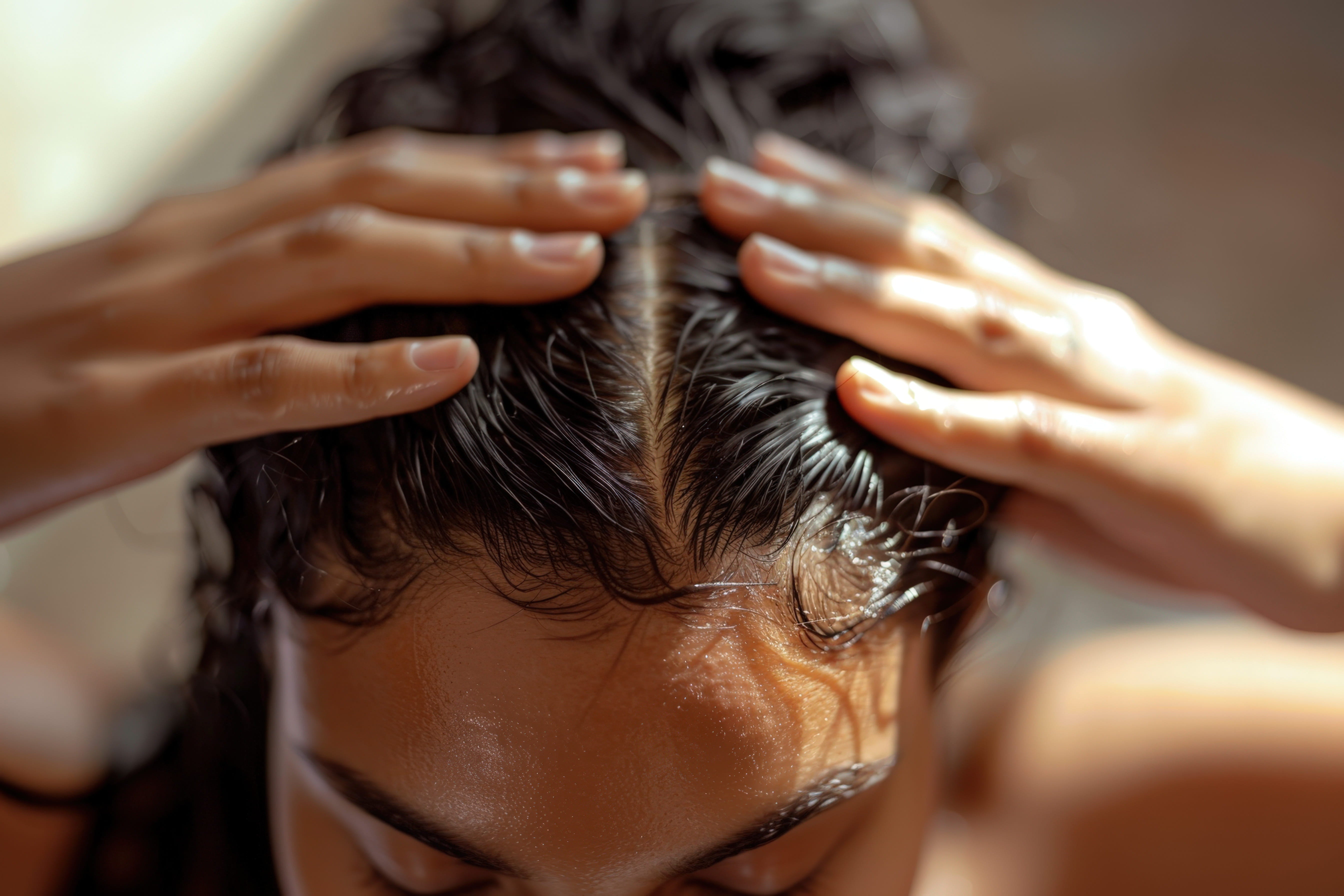
Massage your scalp: Not only is it relaxing, but massaging your scalp can have benefits such as stimulating hair growth. Aim to do it at least 3-4 times a week for 5 minutes.
-
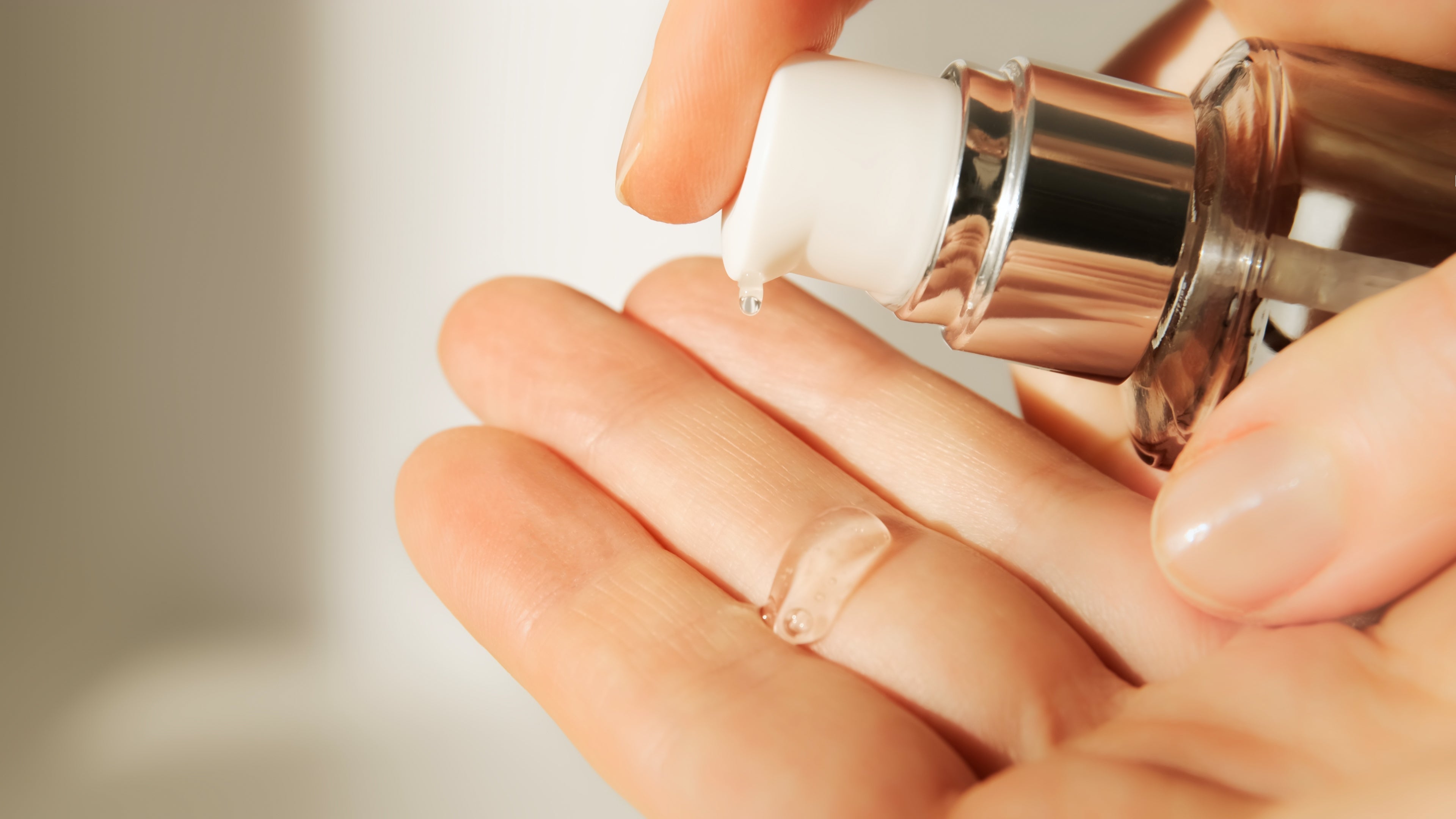
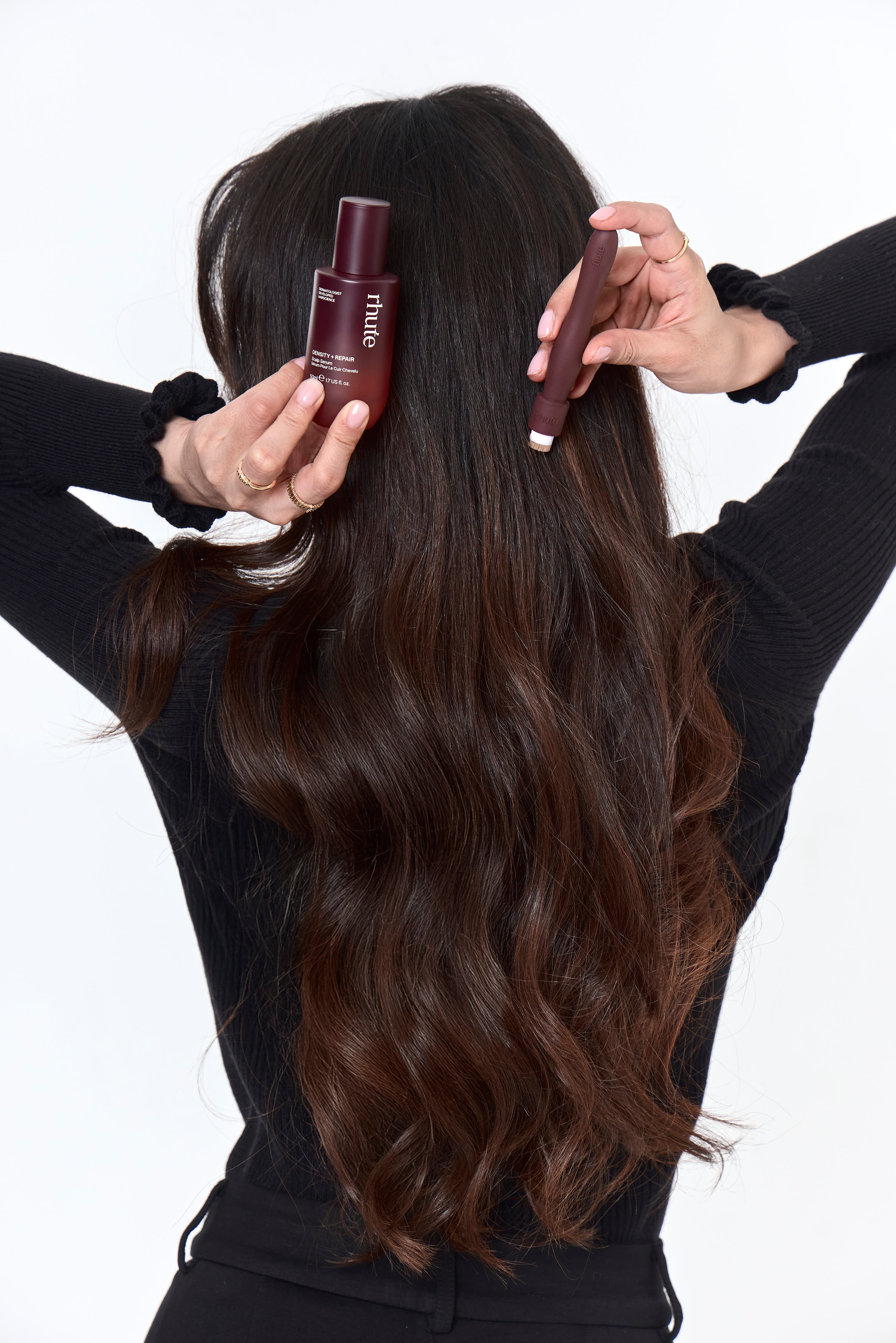
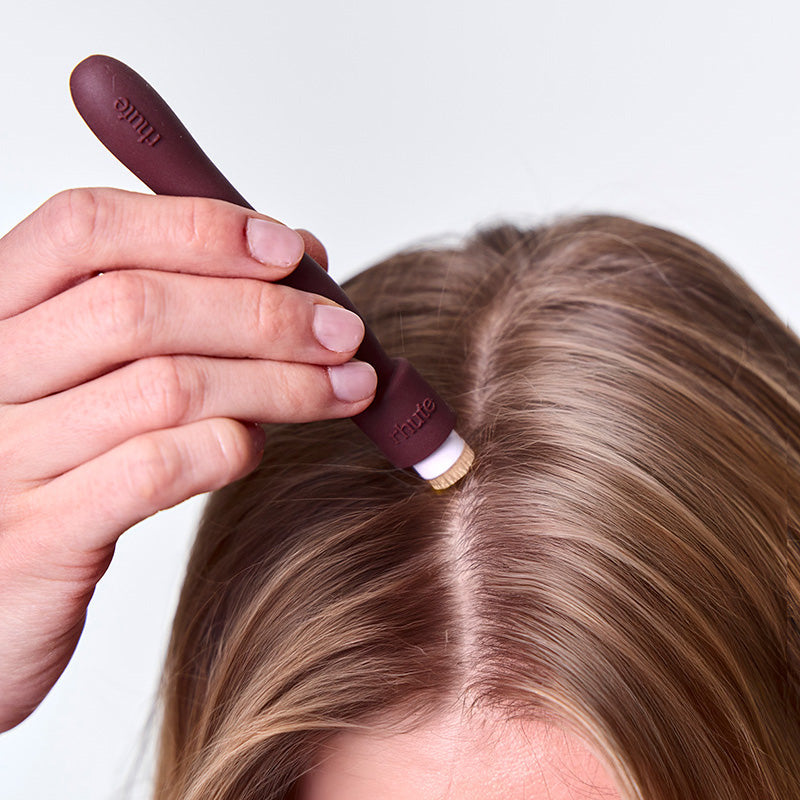
Use a hair serum: Use a hair serum daily, such as Rhute’s Density and Repair serum. It works to promote density, reduce shedding, as well as boost the scalp barrier. For example, the Density and Repair serum includes stem cell extracts which revitalises the hair follicles, niacinamide to sooth and hydrate the scalp, and salicylic acid to gently exfoliate the scalp - whilst also managing oil production.

3. Nutrition & Lifestyle Basics
You are what you eat - and your hair reflects this too. So make sure you consume a balanced diet, as well as take care of your body by implementing certain lifestyle changes.
-
Protein, protein, and more protein: In each meal, try to consume protein, which you can get from meat, dairy, and lentils.
-
Iron, zinc & B-complex: Try to get these nutrients via food first, but you can always implement supplements into your diet if necessary.
-
Hydration & sleep: Ensure you get enough sleep each night and drink plenty of water every day. These work to support healthy growth cycles.
-
Vitamin D: It’s important to ensure you’re getting enough Vitamin D - especially during the winter months in England. In fact, it’s advised that everyone takes a supplement during autumn to spring to ensure they aren’t deficient.
When Should I See a Dermatologist?
You should see a dermatologist if you are concerned about hair loss. That way, they can distinguish between seasonal hair thinning and actual hair loss caused by hormonal changes and deficiencies. Signs to watch out for include:
-
If hair thinning and shedding worsen over time
-
If your hair part is getting wider or your hairline is receding
-
If you experience irritation and flaking of your scalp
From Seasonal Shedding to Strength in Each Strand - Choose rhute
For more information on trending hair topics, check out our blog. We’ve got the rundown on a bunch of subjects related to haircare, all backed by medical expertise and insight - so you’re armed with the best intel.
Seasonal Hair Shedding: FAQs
How Much Hair Shedding is Normal?
Some hair loss and shedding are completely normal. According to the Cleveland Health Clinic, you can expect to lose between 50 and 150 hairs daily. It might seem like a lot to lose, but in reality, you have over 100,000 hair follicles on your hair - so you can afford to shed some!
If you’re particularly worried about how much of your hair is shedding, you can also do a simple test to check if the amount you're losing should be of concern. Take a look at Dr Aamna’s simple hair shedding test to check yours below:
Is It Normal to Lose Hair When Running My Fingers Through It?
Yes. It’s completely normal to lose a few strands of hair when running your fingers through it.
You should only be concerned if you notice significant clumps of hair coming out of your head at any one time.
Can Hair Grow Back After Shedding?
Yes, after natural shedding, hair does grow back. This is because your hair follicles continue to produce new hair during the hair cycle process.
However, if you’ve noticed hair shedding due to hair loss, it might be more difficult for this to grow back because treatment might be required, such as medication.
Share:
Stress-Induced Hair Loss - How Cortisol Disrupts the Hair Cycle
How to Manage Hair Loss with Polycystic Ovary Syndrome (PCOS)