

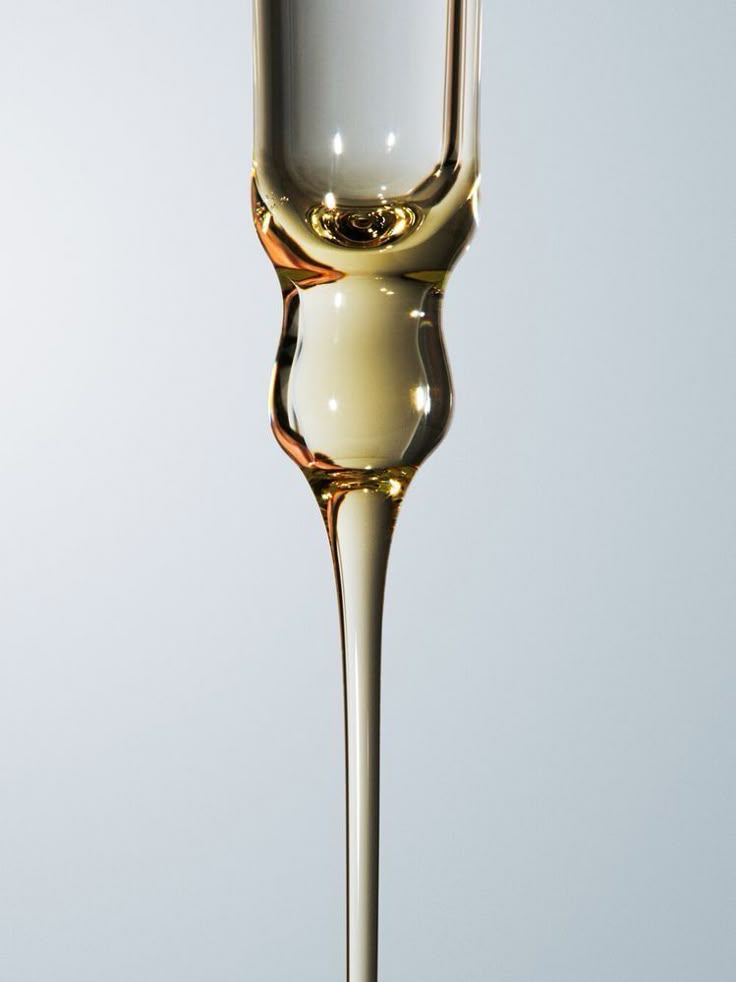

You've seen serums everywhere. On bathroom shelfies, in "get ready with me" videos, tucked into every haircare brand's lineup. But when it comes to actually understanding what a hair serum does and whether yours is pulling its weight, things get a bit murky.
Here's the thing: not all serums are created equal. Some smooth. Some protect. Some go deeper, working at the scalp to support the kind of hair health you can't fake with a filter. So whether you're after frizz-free shine or something that actually addresses what's happening beneath the surface, this is your no-nonsense guide to hair serums, how they work, and what they can genuinely do for your hair.
What is a hair serum?
A hair serum is a lightweight, leave-in treatment designed to deliver targeted benefits without weighing your hair down. Unlike heavy conditioning masks or oils that often need rinsing out, serums absorb quickly and stay working until your next wash.
Most hair serums create a thin, protective layer over the hair shaft. This smooths the cuticle (the outermost layer of each strand), seals it against external aggressors like humidity, pollution, and heat, and reduces moisture loss throughout the day. The result is hair that looks and feels smoother, shinier, and more manageable straight away.
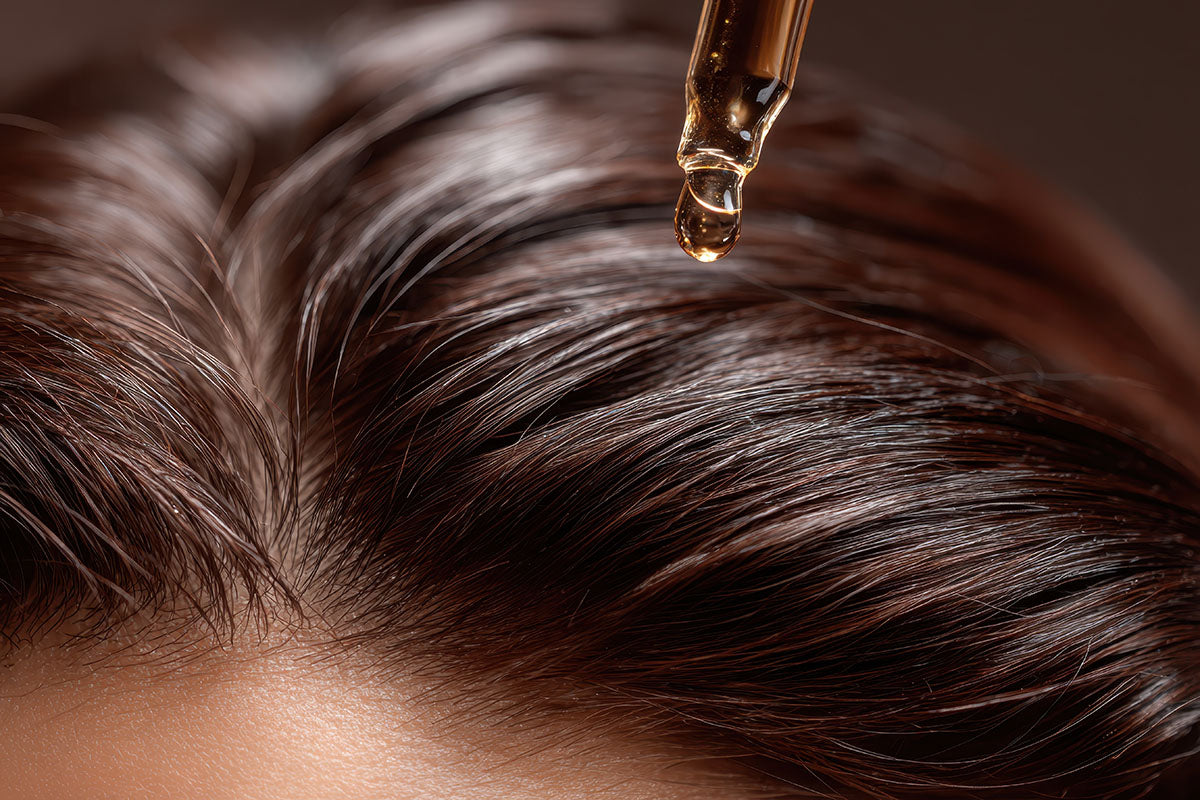
But here's where it gets interesting. While traditional serums focus on the hair strand itself, a newer category of scalp serums works from a completely different angle. Instead of just coating what you can see, scalp serums deliver active ingredients directly to your scalp, targeting the environment where hair actually grows. Think of it as the difference between applying moisturiser to your face and actually treating your skin. Both have value, but they're solving different problems.
Learn about the best scalp serums for hair growth.
How hair serum actually works
Hair serums work through two main mechanisms, and understanding both helps you pick the right one for what you actually need.
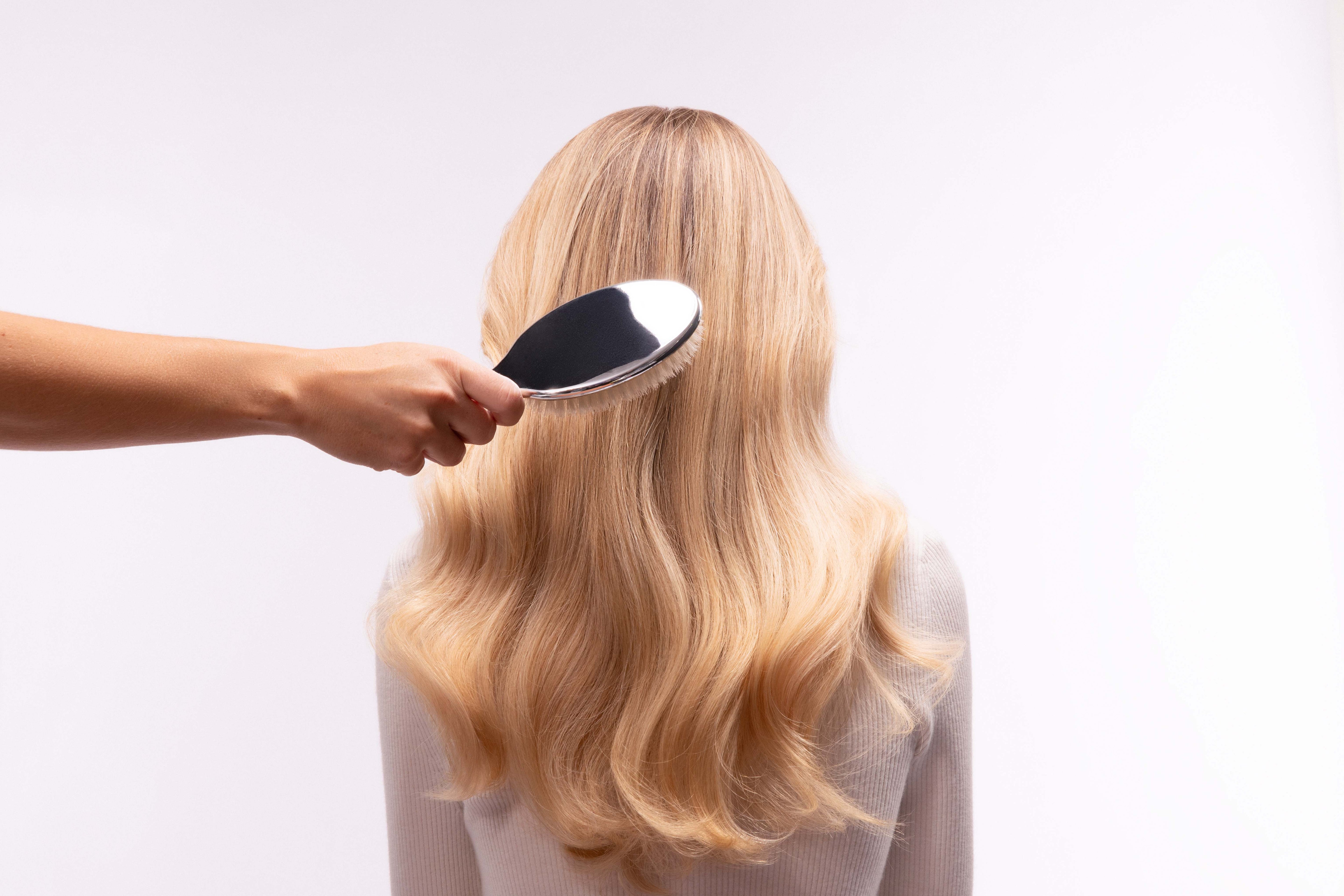
The first is surface-level cuticle sealing. When the hair cuticle lies flat and smooth, light reflects off it evenly, which is what gives hair that glossy, healthy-looking shine. Serums smooth down those cuticle scales, reducing friction between strands, locking in moisture, and creating a barrier against environmental stressors. This is what makes your hair feel silky after application and why serums are so effective at taming frizz and flyaways.
The second is all about what's inside the formula. The right ingredients don't just sit on the surface; they get to work where it counts. Niacinamide (a form of vitamin B3) helps support keratin production and may help keep your follicles in their active growth phase for longer. Caffeine is another one worth paying attention to. Recent clinical research found that topical caffeine may encourage hair growth, and your scalp absorbs it well. Then there's panthenol (provitamin B5), which doesn't just coat your hair. It actually gets into the strand's structure, helping strengthen and repair from within. Research suggests it may also support your follicles' growth phase, so you're getting benefits at the root and the strand.
One thing to keep in mind: a hair serum works alongside your shampoo, conditioner, and other treatments, not as a replacement. Serums don't cleanse or remove buildup. They act as a finishing and protective step, enhancing what's already in your routine and giving your hair that extra edge.

The real benefits of using hair serum
So what can a good hair serum actually deliver? Here are the benefits worth knowing about.
Smoother, frizz-free hair
If frizz is your nemesis, serum is your best friend. By sealing the cuticle and creating a smooth surface layer, serums reduce the friction and moisture absorption that cause hair to puff up and misbehave. Whether it's humidity, rain, or just your hair doing its own thing, a serum helps keep everything sleek and in place. This is especially noticeable for those with naturally curly or coarser textures, where the cuticle tends to be more raised and prone to frizz.
Shine and a healthier-looking finish
Dull hair is often down to a rough, uneven cuticle surface that scatters light rather than reflecting it. Serums smooth those irregularities out, so light bounces off your strands more evenly. The result is hair that looks glossy, healthy, and like you've put in far more effort than you actually have. Low-maintenance luxury in a bottle.
Protection from heat, pollution, and environmental stress
Every time you reach for your straighteners, blow-dry on high, or step outside into city air, your hair is dealing with stressors that can lead to dryness, breakage, and dullness over time. Serums create a protective barrier that can help shield strands from heat damage, UV exposure, and pollution particles. Think of it as a daily defence layer for your hair.
Easier detangling and less breakage
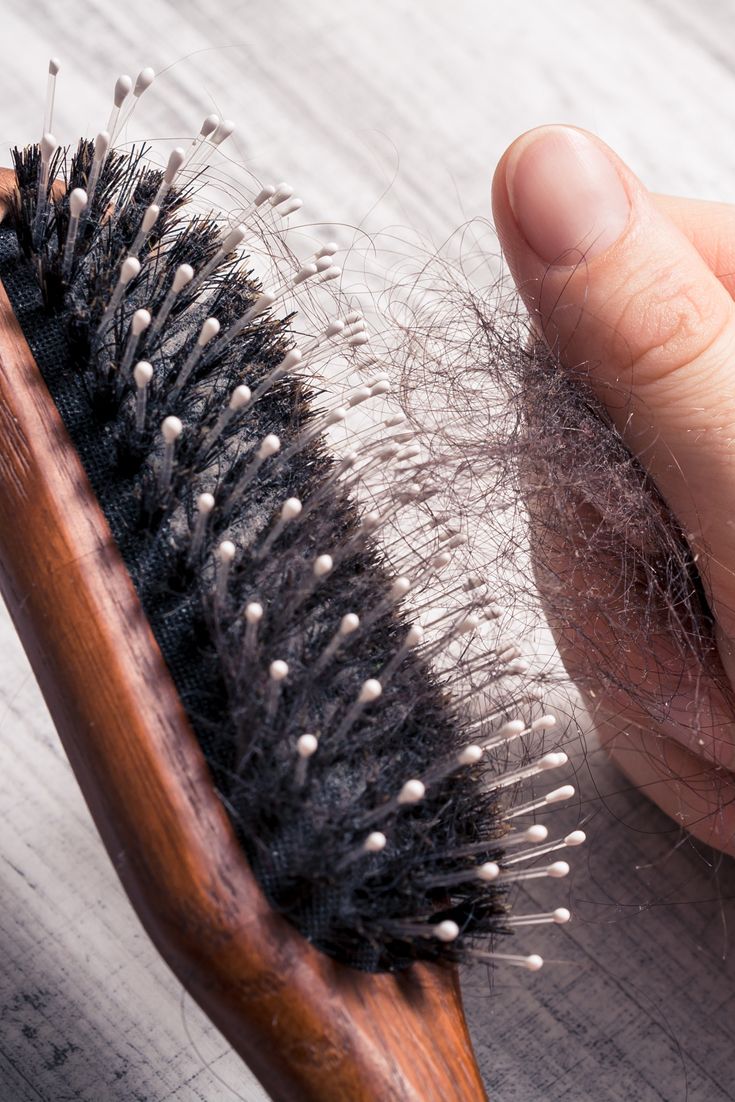
Tangled hair and aggressive brushing are a recipe for breakage, especially if your hair is long, fine, or prone to knots. Serums reduce friction between strands, making them glide past each other more easily. This means less tugging when you brush or comb, fewer snapped strands, and less damage to your ends over time. For anyone who dreads the post-wash detangle, this benefit alone is worth it.
Moisture, repair, and support for damaged hair
Some serum formulations include nourishing ingredients like vitamins, proteins, or botanical extracts that can help restore moisture and support the repair of hair that's been through it. Whether the damage comes from colouring, bleaching, heat styling, or environmental exposure, regular serum use can help improve softness, resilience, and overall appearance. This is where ingredient quality really matters. A serum packed with evidence-backed actives will outperform a basic silicone coat every time.

Hair serum vs hair oil: what's the difference?
This is one of the most common questions in haircare, and the short answer is that they do different jobs.
Hair oils are typically thicker, nutrient-rich formulations made from plant-based oils like argan, coconut, or jojoba. They penetrate the hair shaft and scalp to nourish, hydrate, and strengthen from within. They're brilliant for deep conditioning, but they can feel heavy, particularly on finer hair types.
Hair serums are lighter, faster-absorbing, and designed to coat and protect the hair surface. They deliver instant smoothness, shine, and frizz control without the greasy feel. Because of their lightweight texture, serums work across virtually all hair types without weighing strands down.
Can you use both? Absolutely. The best approach is to use an oil as a pre-wash treatment or overnight mask for deep nourishment, then apply your serum to damp or dry hair after washing for protection and finish. They complement each other beautifully when used at the right time.
Scalp serums: taking things a step further
Traditional hair serums treat the strand. Scalp serums treat the source. And if you're dealing with thinning, shedding, or hair that just doesn't seem to grow the way it used to, this distinction matters.
Your scalp is skin. And just like the skin on your face, it needs proper care to function at it’s best. A healthy scalp provides the foundation for healthy hair growth. When your scalp barrier is compromised, whether from buildup, inflammation, hormonal changes, or environmental damage, it can directly affect how well your follicles perform.
Scalp serums deliver active ingredients where they're needed most. Ingredients like stem cell extracts have shown real potential in supporting follicle health. Clinical research found that topical stem cell extract may help support hair regrowth in those experiencing thinning. Bioactive peptides are another exciting area, with studies suggesting they can support follicle health and may help calm scalp inflammation.
Then there's salicylic acid, a gentle exfoliant that works differently from most. Because it's oil-soluble, it can cut through sebum to help clear buildup around your follicles, creating a cleaner, healthier environment for hair to grow. Think of it as giving your scalp a proper deep clean rather than just washing the surface.
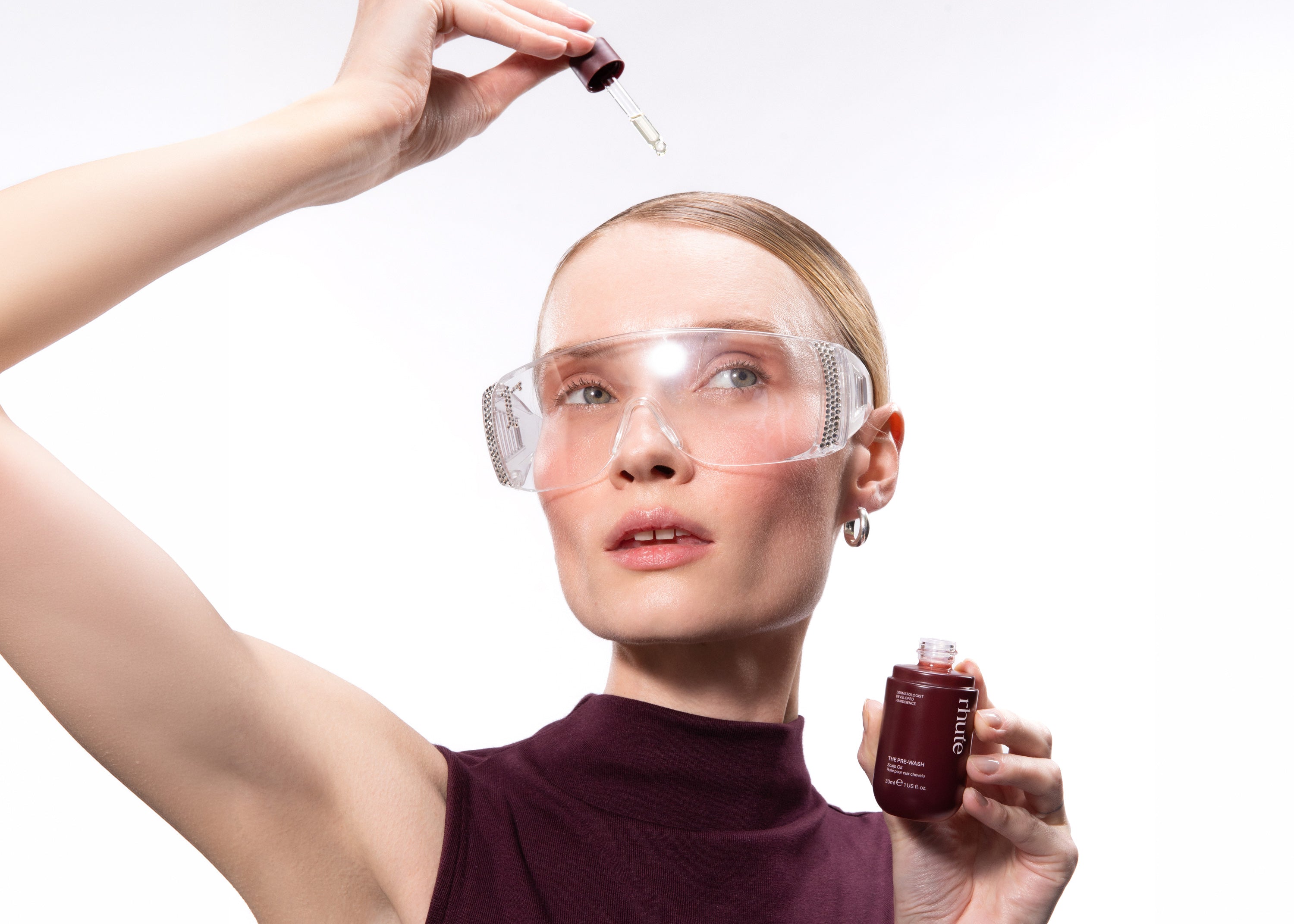
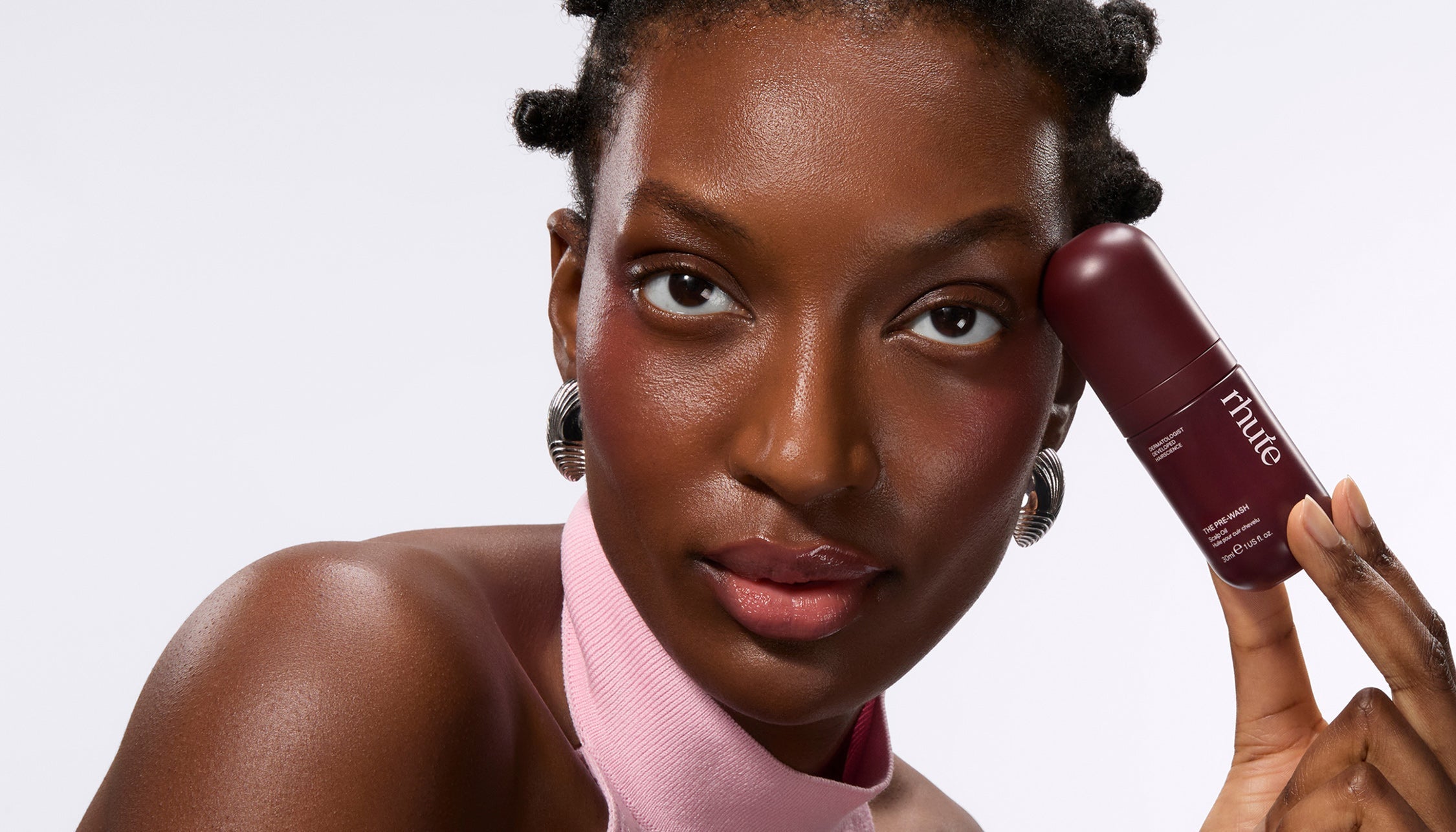
This is the approach we take at rhute. Our Density + Repair scalp serum is formulated with stem cell extracts, bioactive peptides, caffeine, niacinamide, panthenol, and salicylic acid, all working together to support scalp health and hair density from the root up. In our clinical testing, 93% of users saw reduced hair loss and 79% experienced increased density.
Learn more about hair serums and how they work.
Who benefits most from using hair serum?
Honestly? Most people can benefit from some form of serum. But it's especially worth considering if you have dry, frizzy, or coarse hair that resists smoothing, hair that's regularly exposed to heat styling from blow dryers, straighteners, or curling tools, coloured, bleached, or chemically treated hair that needs extra protection and nourishment, long hair that tangles easily and is prone to breakage during brushing, or hair exposed to urban pollution, UV, and humidity on a daily basis.
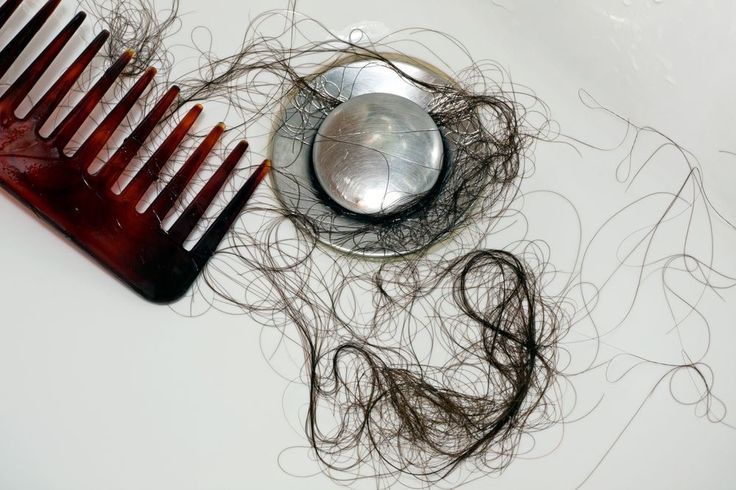
And if you're noticing thinning, increased shedding, or slower growth, whether that's post-baby, stress-related, or linked to hormonal changes, a scalp-focused serum can address what's happening at the follicle level rather than just masking it at the strand.
How to choose the right serum for your hair type
Not every serum suits every concern, so here's a quick steer on what to look for.
If frizz control and smoothness are your priority, look for serums with smoothing agents that coat the cuticle and tame flyaways. Silicone-based options tend to work well here, creating that sleek, polished finish.
If shine and protection are what you're after, lightweight serums with vitamin E, argan derivatives, or UV filters can add gloss while shielding against daily damage.
If growth support and scalp health are your focus, look for active ingredient-led formulations. Ingredients like caffeine, niacinamide, peptides, and stem cell extracts have growing research supporting their role in hair health. Choose serums that prioritise your scalp environment rather than just the strand surface.
Whatever your concern, the key is consistency. Serums work best as part of a regular routine, not as a once-in-a-while fix.
FAQs
Can hair serum cause hair loss?
No. When used correctly, hair serums do not cause hair loss. In fact, many serums are designed to protect against breakage and support healthier hair. If you notice buildup on your scalp from heavy silicone-based serums, switching to a lighter formulation or focusing on scalp-specific serums can help.
How often should you use hair serum?
Most hair serums can be used daily or with every wash, depending on your hair type and the product's formulation. Lightweight serums are generally fine for everyday use. Scalp serums typically work best when applied consistently, around one to three times per week, depending on the product's instructions.
Can you use hair serum on wet hair?
Yes, many serums are designed to be applied to damp, towel-dried hair before styling. Applying to damp hair can help distribute the product evenly and lock in moisture. Some serums can also be applied to dry hair as a finishing touch for extra shine and frizz control.
What's the difference between a hair serum and a scalp serum?
A hair serum targets the hair strand itself, smoothing, protecting, and adding shine. A scalp serum targets the skin beneath your hair, delivering active ingredients to support the environment where hair grows. Both have their place. If your main concerns are cosmetic (frizz, shine, protection), a strand-focused serum is your go-to. If you're dealing with thinning, shedding, or scalp health issues, a scalp serum addresses the root cause.
Do hair serums actually work?
Yes, but results depend on the formulation and how you use it. Surface-level serums deliver immediate cosmetic benefits like smoothness and shine. Ingredient-led serums, particularly those targeting the scalp, can support longer-term hair health when used consistently. As with most haircare, the quality of ingredients and the science behind the formulation make all the difference.


Share:
How to Use Hair Serum (in 4 Simple Steps)
How Long Does It Take for Hair Growth Serum to Work?