



We know that there’s no better feeling or look than salon-fresh hair. But as soon as you walk out, it can already feel like your hair’s shine and softness are fading - particularly if you have coloured hair that needs extra attention.
So how can you maintain a salon-fresh do for longer? Well, one treatment that many are fond of is hair glossing. Whether you do it at the salon or at home, hair glossing helps to curate a more even tone to your hair, creates depth, and encourages head-turning - thanks to the added shine it provides.
Find out more about the science behind hair glossing below, its benefits, as well as how long this treatment tends to last in our blog below…
What is Hair Glossing?
A semi-permanent type of hair treatment, hair glossing applies a coat of clear or tinted product to the hair fibre - all with the aim of boosting shine and smoothing the cuticle, as well as helping to refine tone.
As it is ammonia-free, pH-balanced - it’s gentler than permanent colour. And works best for those who feel their hair looks dull, brassy or frizzy. Hair glosses gradually fade out from washing - rather than growing out with a hard line in the same way a permanent colour treatment does.

How Hair Glossing Works
Hair glossing works by neutralising the brassy shades within the hair and adding depth. It’s best to think of it as a thin, conditioning top-coat. The result? A subtle correction in tone and in improvement in light reflection (shine) - so your hair looks sleeker than usual.
In more scientific terms, hair gloss works by:
-
Cuticle smoothing: Film-forming conditioners within the treatment helps the hair cuticle to lie flatter - resulting in a smoother feel and added shine.
-
Tone refinement: Tinted glosses use dyes that cool brass, warm up ashiness, and deepen existing richness.
-
Gentle approach: Thanks to gentle ingredients, such as natural oils: coconut and avocado, as well as hyaluronic acid for moisture, hair glossing uses a gentle approach that doesn’t disrupt the health of the hair and scalp.
Is Hair Glossing Damaging?
Hair glossing is generally not damaging to hair or scalp health - mainly due to the fact it’s a deep conditioning treatment that enhances shine and deposits colour in a subtle way.
It is free from harsh chemicals found in permanent dyes; which can strip natural oils and weaken the protein structure.
Hair Gloss vs Hair Glaze - What’s the Difference?
|
Feature |
Gloss |
Glaze |
|
What it is |
Demi/semi-permanent clear or tined top-coat |
Usually clear, purely surface-level shine coat |
|
Colour Impact |
Subtly tone/refresh existing shade |
Minimal to none |
|
pH/ Chemistry |
Ammonia-free, but acidic and pH-balanced |
Surface-level conditioners |
|
Best for |
Maintaining tone and shine for a longer period |
Quick shine boost before events |
|
Who should choose |
Those looking for a way to manage brassiness without lightening |
Those needing instant sheen without committing to a permanent treatment |
How Long Does a Hair Gloss Last?
Hair gloss lasts for around 4-6 weeks if you take proper care to maintain it. But like any treatment, results will vary depending on your hair type.
If you are planning on getting a gloss treatment from a salon, this will typically last longer than an at-home solution - although it will be more expensive.
Hair Glossing: Step-by-Step
A typical hair glossing application involves four main steps:
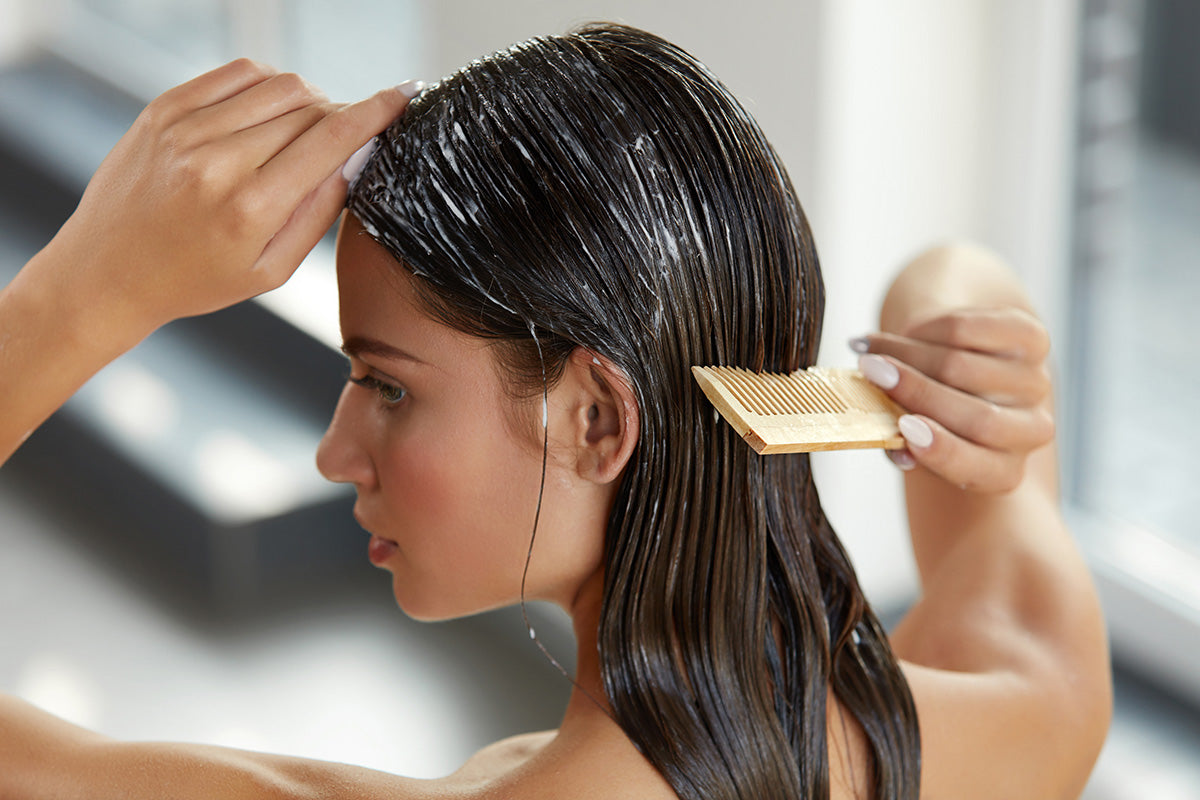
Apply The Coat
The coat is applied to wet hair after washing. If you’re at the salon, it’s typically done at the sink. Ensure the coat is applied evenly - you can section off pieces if that makes the task simpler. If you’re applying yours at home, make sure you stick to the bathroom or a room where you’re happy to make a little bit of mess - so you don’t stain carpets or furniture.
Give The Treatment Time
Once the coat is applied, it’s time to wait for it to work. For clear gloss treatment, leave it on for 10-20 minutes. Meanwhile, wait 5-10 minutes for colour gloss application before rinsing out.
Rinse & Dry
Now you’ve waited an ample amount of time, you need to rinse and dry your hair. Use cold water to help seal the gloss into the hair. If you’re using a coloured gloss, ensure you use gloves during. Dry and style as you usually would. Check out our blog on preventing heat damage for further information on protecting your hair health.
Reveal Luscious Locks
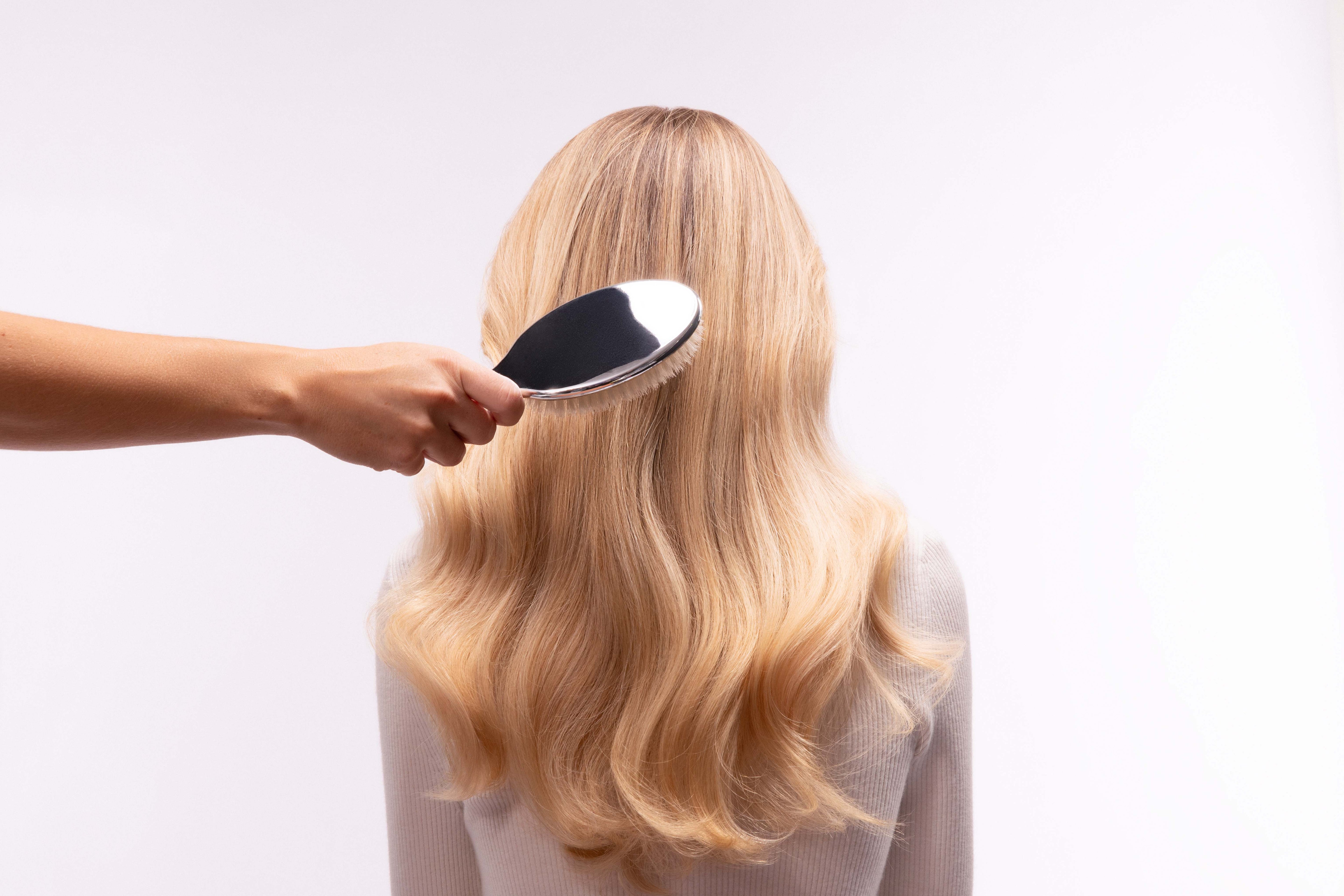
And there you have it - shiny, sleek hair which feels as soft as it looks. Ensure you help maintain the treatment by using sulphate-free shampoos, washing with cool water - and limiting heat styling where possible.
For Hair Growth You Will Notice Check Out rhute
There are plenty of ways you can ensure your hair looks its best - including purchasing rhute’s very own Density & Repair serum. The product is packed with a variety of products that all work together to nourish the scalp and stimulate hair follicles.
The serum uses niacinamide to soothe and balance the scalp barrier. Meanwhile, its inclusion of salicylic acid gently exfoliates the scalp and unclogs pores - so flakiness is reduced and your hair’s natural oils are balanced.
Hair Glossing: FAQs
Will a Hair Gloss Cover Grey?
No, a hair gloss won’t cover grey hair entirely, but it will help to blend it. As tinted ones deposit a translucent coat of colour, they can create a more harmonious look with your natural hair colour, whilst also toning out dullness.
Can I Gloss Virgin Hair?
Yes, glossing virgin hair is entirely possible - and can help natural hair colours appear more vibrant by boosting shine and smoothness. As a result, your natural tone will be enhanced to provide a more eye-catching, sleeker look.
How Soon After Colouring Can I Gloss?
Hair gloss can be immediately applied after colouring, so you can add shine to your roots and mid-lengths, as well as your ends.
Share:
The Role of Peptides in Hair Care: Strengthening from the Root
What is Low Porosity Hair?