

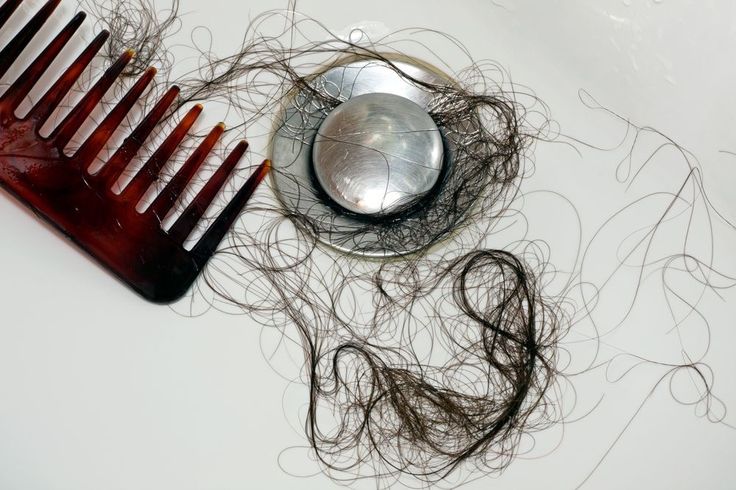
For many women, hair feels like an extension of their identity. It’s part of how you express yourself - an accessory that can elevate an outfit and, at times, even shape how you feel for the day ahead. So when hair starts to thin or shed, it can understandably affect your confidence and sense of self.
Pregnancy and the months that follow bring significant changes to the body, and unfortunately, postpartum hair loss can be one of them.
But why and when does postpartum hair loss start, and what can you do to manage it effectively?
For the answers you’re looking for, explore our blog below, where we take an in-depth look at postpartum hair loss and address the most common questions surrounding it.
What is Postpartum Hair Loss?
Postpartum hair loss is a symptom that affects new mothers a few months after giving birth. During this, they’ll typically experience more hair shedding than usual, which is a direct result of plummeting estrogen levels that halt the natural hair growth cycle. As a result, more hair is shed at once.
When Does Postpartum Hair Loss Start?
Postpartum hair loss typically starts three months after a woman has given birth, and generally is at its worst around four months postpartum. The good news is that postpartum hair loss usually resolves on its own, with hair returning to its normal state around 6 to 12 months after birth.
Is Postpartum Hair Loss Common?
Yes! If you’re dealing with postpartum hair loss, you’re definitely not alone. And as there’s strength in numbers, it might comfort you to know that one study found over 68% of pregnant women aged 17 to 48 years old suffered from hair loss as a result of giving birth.
But it’s important to note that this study also found that a history of stress, breastfeeding, and gestational diabetes might have increased the likelihood of hair loss occurring.
What are the Signs of Postpartum Hair Loss?
Postpartum hair loss can present in a few noticeable ways, most commonly through increased shedding rather than sudden bald patches.
Increased Hair in Your Brush
One of the earliest signs of postpartum hair loss is an increase in the amount of hair collected in your brush, on your pillow, or in the shower. However, be aware of seasonal hair shedding, as this could be the real cause.
Overall Thinning
If your hair begins to feel less dense or lifeless, this could be another sign of postpartum hair loss. Look out for thinning around the hairline or crown, or a general appearance of reduced volume.
Shedding in Clumps
In some cases, hair can shed in small clumps when washing or brushing. While this can be alarming, it’s usually a regular part of the postpartum shedding phase. So try not to worry too much unless it persists for a significant period.
How Can I Prevent the Impact of Postpartum Hair Loss?
While postpartum hair loss can’t be entirely prevented, certain habits can help reduce its visible impact and support healthy regrowth.
Maintain a Healthy, Balanced Diet
Ensuring you’re getting enough protein, iron, and key vitamins can support overall hair health during the postpartum period. For a better idea of the diet you should maintain to uphold hair density after the birth of your baby, check out our list of foods that can cause hair loss, so you can avoid them.
Shampoo Frequently
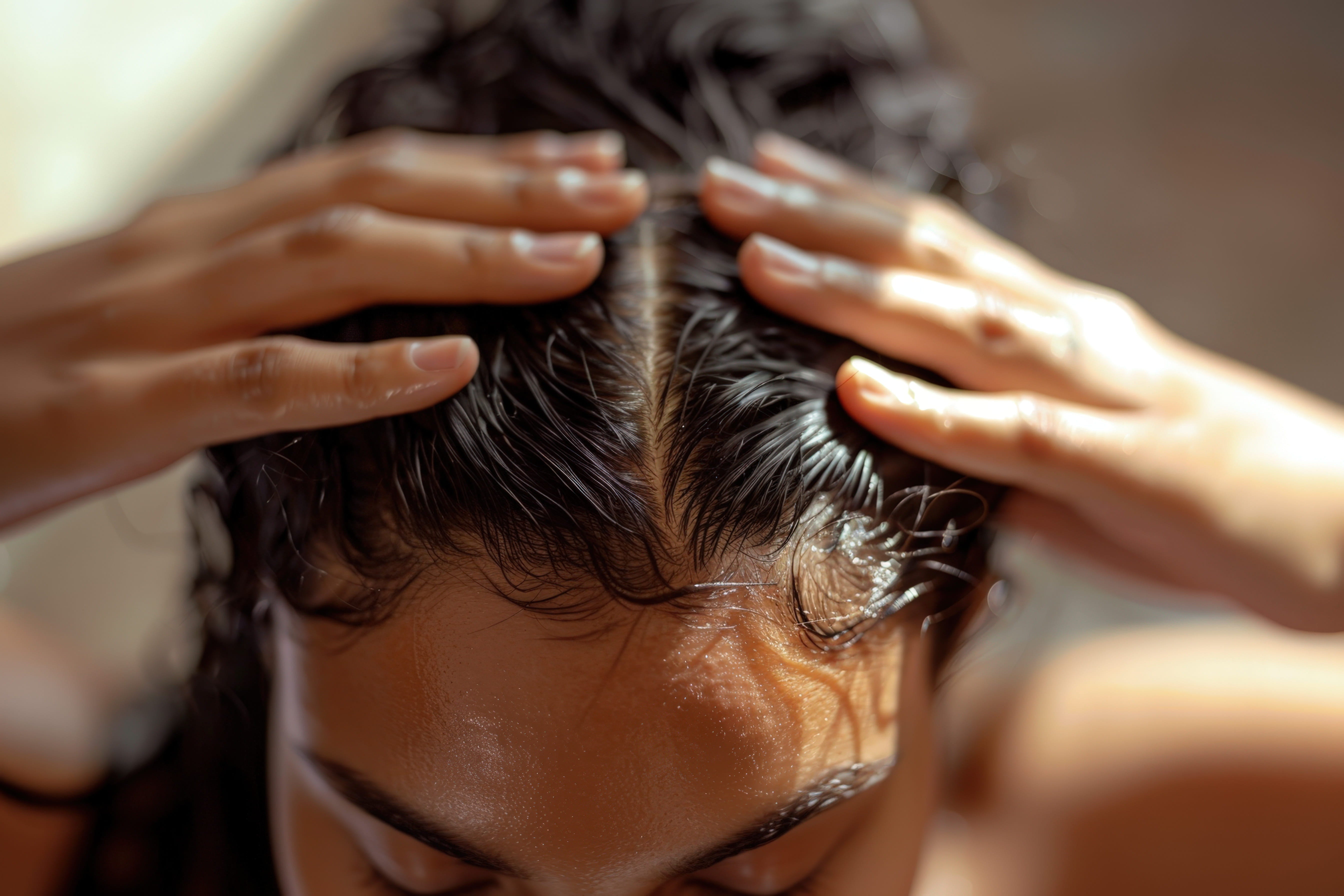
You might be under the impression that regular washing can cause more damage to your hair than good. In fact, regular washing and scalp detoxification help remove shed hairs and keep the scalp clean whilst removing product build-up. In turn, this can make thinning feel more manageable.
Avoid Tight Hairstyles
We all know how much the girls love a slick-back these days, but styles that pull on the hair can increase breakage and place unnecessary stress on fragile strands. If you’re going to do a slick-back, try not to do one every day so you can give your hair a break.

How Can I Treat Postpartum Hair Loss?
Although postpartum hair loss is usually temporary, gentle styling and haircare adjustments can make a noticeable difference.
Minimise Heat
One way you can manage and limit the effects of postpartum hair loss is by reducing your use of heated tools. This helps to protect already delicate hair from hair damage and supports healthier regrowth over time.
Get a Shorter Cut to Manage Thinning
If you’re worried about your hair’s appearance, it might be best to opt for a shorter hairstyle during this period. Not only can it help disguise thinning and reduce the appearance of excess shedding, but it’s also much easier to manage if you have a baby on your arm!
Use Softer Hair Ties
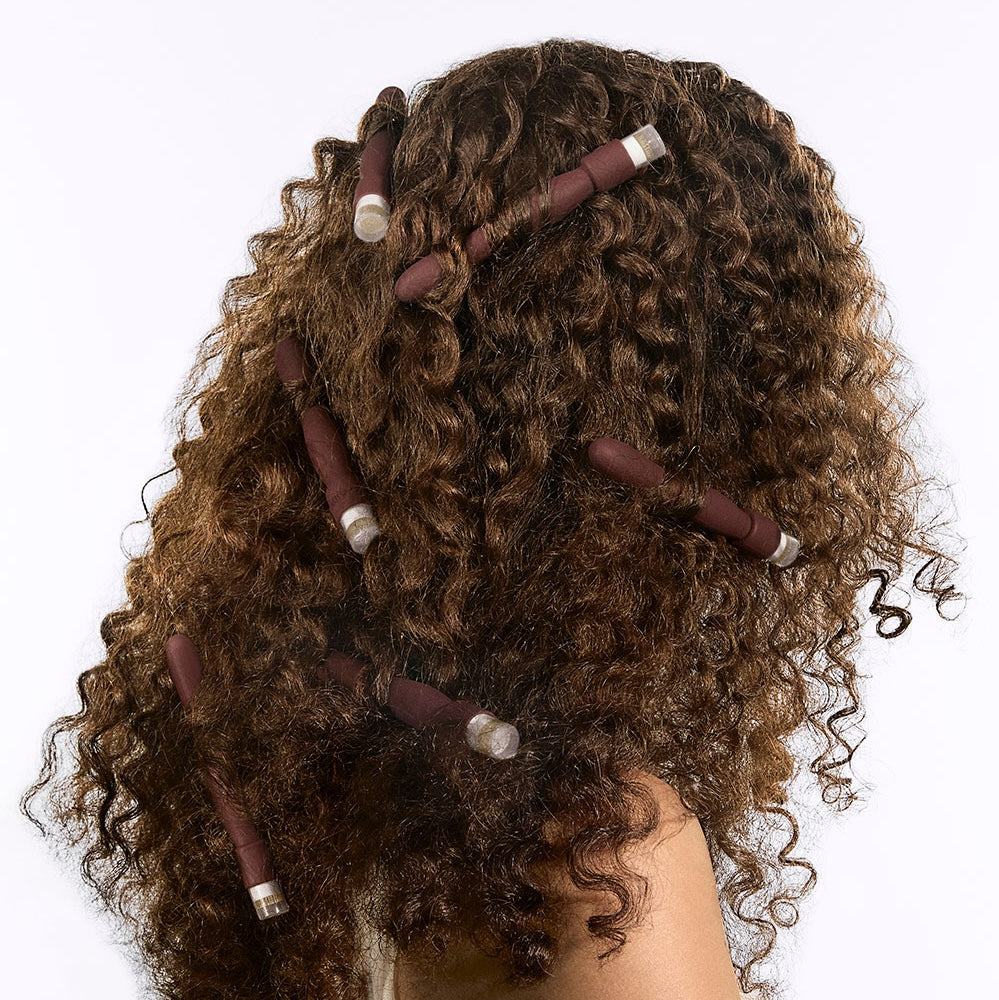
Another way you can treat postpartum hair loss is by switching to fabric or spiral hair ties when putting your hair up in various styles. These hair ties can minimise pulling and reduce hair breakage.
Get a Headstart on Preventing Postpartum Hair Loss With rhute
Postpartum hair loss isn’t usually something to worry about. While it can feel unsettling at first, establishing a gentle haircare routine and being mindful with brushing and hair ties can help minimise visible shedding.
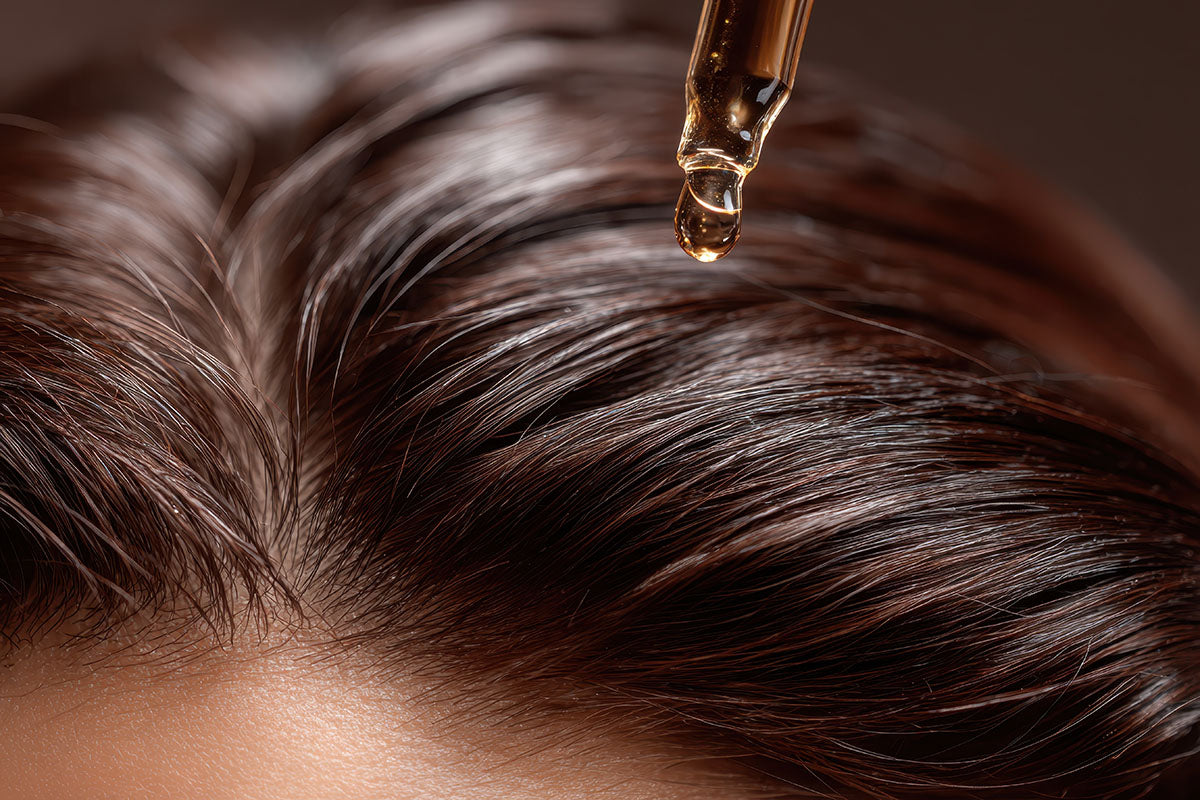
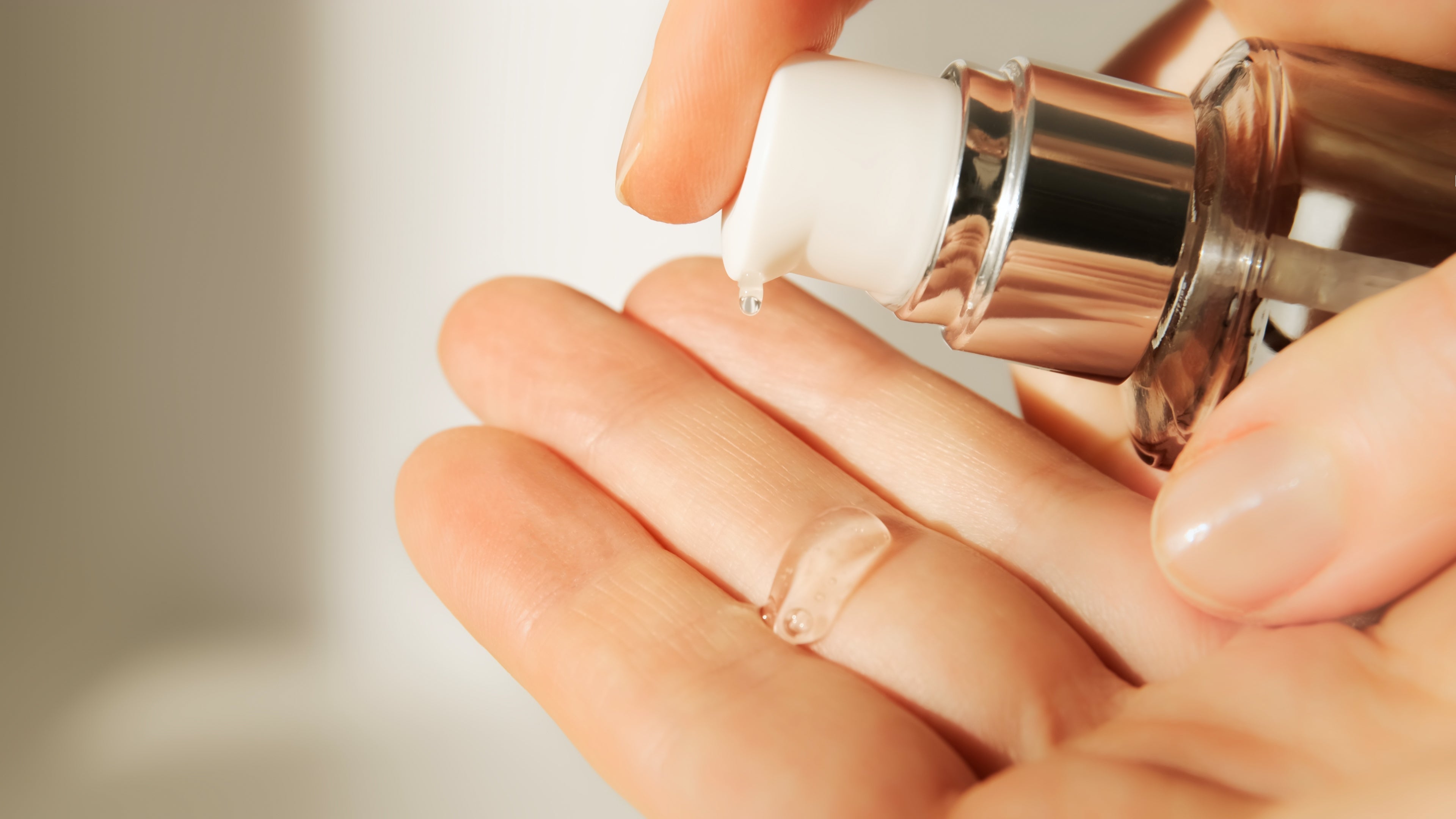
To help you on your way, you can purchase rhute’s very own Density and Repair Hair Serum today. Packed with 16 hair-loving ingredients, including stem cell extracts to promote hair growth and niacinamide to boost the scalp barrier, our hair serum restores life to the dullest of hairs with consistent use.
And if you want more information on the latest trends in haircare, you can find the answers to your burning questions on our blog - all backed by medical expertise and insight.
Postpartum Hair Loss: FAQs
When Should I Visit My GP About Postpartum Hair Loss?
If hair loss persists beyond six months with no signs of regrowth - or sooner if you’re feeling concerned - it’s best to contact your GP as early as possible. They can assess what’s normal, reassure you, and advise on any appropriate treatment options.
Is There Any Medicine I Can Take to Deal With Postpartum Hair Loss?
While postpartum hair loss can’t be prevented and has no definitive cure, a doctor may recommend minoxidil in more severe cases. With consistent, long-term use, it can help prolong the hair’s growth phase and support regrowth.


Share:
The Connection Between Sleep and Hair Health
The Connection Between Sleep and Hair Health