

You can't undo bleach damage. What you can do is stop it getting worse, get your hair behaving properly again, and cut down how long you're stuck living with it.
So the honest version of fixing bleached hair is three things at once: protect what's left, put back what bleach took out, and grow out the rest. Here's how, starting with why your hair falls apart in the shower.
What bleach actually does to your hair
Bleach is a stripping process. It has to get into your hair to pull the colour out, and it doesn't tidy up after itself on the way.
-
It gets right into the middle of your hair. Picture a strand as a rope inside a scaly sleeve. Most of us assume bleach roughs up the sleeve and leaves the rope alone. When Grosvenor et al. (2018) put bleached hair under a microscope, the rope was damaged too, and even their gentlest bleach wrecked the colour pigment buried deep inside. This is because the cells that carry colour pigment sit deep inside the strand in a layer called the cortex.
-
It uses up the strong stuff, and that bit is permanent. The strongest links holding your hair together are made of sulphur. Bleach reacts with them and turns them into something that can't link back up (Di Foggia et al., 2024). One-way trip. Our damaged hair guide has the bond detail if you want it.
-
The damage lands on the parts doing the actual work. The proteins bleach goes after are the ones inside your strand that take the strain every time you brush, tie or tug it. So bleached hair doesn't just look rougher, it gives way sooner.
-
You lose your hair's built-in sun protection. That pigment bleach destroys isn't only there for colour, it soaks up UV. Once it's gone, bleached hair is getting through summer with no sunscreen on.
And it isn't one bad afternoon that then sits still. Tokunaga et al. (2019) found bleach alone didn't strip away the slippery, water-repellent coating on the outside of your hair, but bleach plus washing it again and again did. The appointment starts it off. Every wash afterwards keeps chipping away.
Why bleached hair breaks when it's wet
If your hair seems fine when it's dry and then comes apart in the shower, you're not imagining it. Soft, mushy, stretches like chewing gum and then pings off in your hand. There's a proper reason for it.
Two things happen together. Water makes any hair softer and floppier, so it takes less force to break. On top of that, bleach has already damaged the parts inside your strand that carry the load. Put those together and the shower is the riskiest ten minutes of your week.
Robbins and Kamath (2007) add something the usual advice skips. Combing wet hair doesn't simply cause more breakage, it moves where the breakage happens: fewer little snaps at the ends, more partway up the strand. Which is exactly what people mean when they say their hair is breaking off in the shower.
-
Don't brush in the shower, especially in a bad week.
-
Detangle before you get in, with oil on, using your fingers or a wide-tooth comb from the ends up.
-
Squeeze the water out with a microfibre towel instead of cotton to reduce friction related breakage.
-
Leave it loose while it dries. No tight buns, no elastic.
-
Blow dry with a heat protectant on a low heat to avoid leaving hair wet in its vulnerable state for longer.
Protein or moisture, and how to tell which yours needs
Bleach takes two things out of your hair: protein, which is the structure, and lipids, which are the oils that keep it smooth and shiny. Most bleached hair is short on both, rarely in equal amounts, and topping up the wrong one makes your hair feel worse instead of better.
Take a shed strand and stretch it between your fingers.
-
Rough, dry and dull, but there's still a bit of give: you need moisture and oils.
-
Limp, mushy, stretches much too far: you need protein first.
The full stretch check is in our damaged hair guide.
There's a catch with protein treatments that explains why some do nothing at all. Protein comes in different sizes, and size decides whether it gets inside your hair or just sits on top. Malinauskyte et al. (2021) tested this: the small and medium ones made it right into the middle of the strand, the big ones stayed on the surface, and the medium ones made hair stiffer and less likely to snap in dry and humid air alike. Their test hair was relaxed rather than bleached, so read it as how protein behaves generally.
What that means at the shelf: look for "hydrolysed keratin", or an ingredient with "peptide" in the name. The word "protein" on the front of a bottle tells you nothing about whether it can get in.
And masks? A good one smooths your cuticle down and puts back some oil and protein, which is why your hair combs and shines better straight afterwards. Then it washes out, because it's sitting on your hair rather than becoming part of it. Nothing's gone wrong there, it just means a mask is something you keep doing rather than finish. Look for hydrolysed protein or peptides, plus oils like coconut, that support the hair shaft and replenish its lipid Learn more about how to use hair oils.
More on the water side in hair hydration, and on the protein side in the role of peptides in hair care.
Do bond builders work on bleached hair?
Bond builders were designed for this exact kind of damage, and people do measure real improvements in strength, feel and how easily hair combs through. What's less settled is what's happening chemically to produce them.
Here's the part specific to bleach. Modern bond builders don’t just need sulphur groups to attach to, but can help bind protein chains together in the keratin to reinforce strands. Bond builders can help with reinforcing the internal structure broken by bleach and make hair more manageable and smoother, so definitely worth using.
The full evidence picture, including the parts still being argued about, is in hair bond repair.
What actually helps, including the home remedies people ask about
-
Oil your hair before you wash it, not just after. Rele and Mohile (2003) found coconut oil cut down how much protein bleached and chemically treated hair lost, whether it went on before or after washing. Fair warning: the authors worked for an oil manufacturer, so promising rather than proven. A pre-wash oiling treatment can nourish the strands to reduce this breakage. Other oils like jojoba and sweet almond oil can help with breakage and reinforcing the strand. Learn more about how hair oiling works and how to use hair oil.
-
Treat the inside, not just the outside. Bond and protein treatments work inside your hair rather than coating it, propping up the structure and the broken links bleach left behind. Your hair behaves better, without being rebuilt. Keep it up rather than doing it once and hoping.
-
Turn your straighteners lower than feels necessary. Lima et al. (2025) found chemically treated hair broke down at lower temperatures than virgin hair, with changes showing from around 110 to 130°C. Your bleached hair isn't playing by the numbers on the box. Learn more about how to protect hair from heat damage.
-
Cover it up in the sun. Bleach destroys the pigment that absorbs UV, so your hair has lost its own protection. A hat, or something with a UV filter in it, on bright days. Being straight with you, this one is us joining the dots from the pigment finding rather than a study on bleached hair.
-
Book fewer bleaches, and keep them to your roots. Boring advice, biggest lever you've got. A root-only application leaves your ends out of it completely.
-
Silicones are fine, actually. They smooth your cuticle and cut down friction, which is what fragile hair needs most. Learn more about silicones in the hair care guide.
How long does bleached hair take to recover?
Roughly a centimetre a month, which makes this maths rather than hope.
Your hair grows about 0.35 mm a day (Hoover et al., 2023), so the bleached part has to physically leave your head before it's gone. The general grow-out sums are in our damaged hair guide.
The bleach-specific bit is where the damage sits. New hair pushes down from your roots, so the bleached section travels down your head and the worst of it always ends up at your ends. Which is why little and often beats one dramatic chop. Take a centimetre every eight to 12 weeks and you're cutting off slightly less than you grow, so the frayed ends go while your length creeps up. Cut it all in one go and you lose the length you were trying to keep.
Learn more about how growth works in the how long is the hair growth cycle guide.
Where your scalp fits
Let's be straight: no scalp product repairs a bleached strand, and we're not going to pretend otherwise.
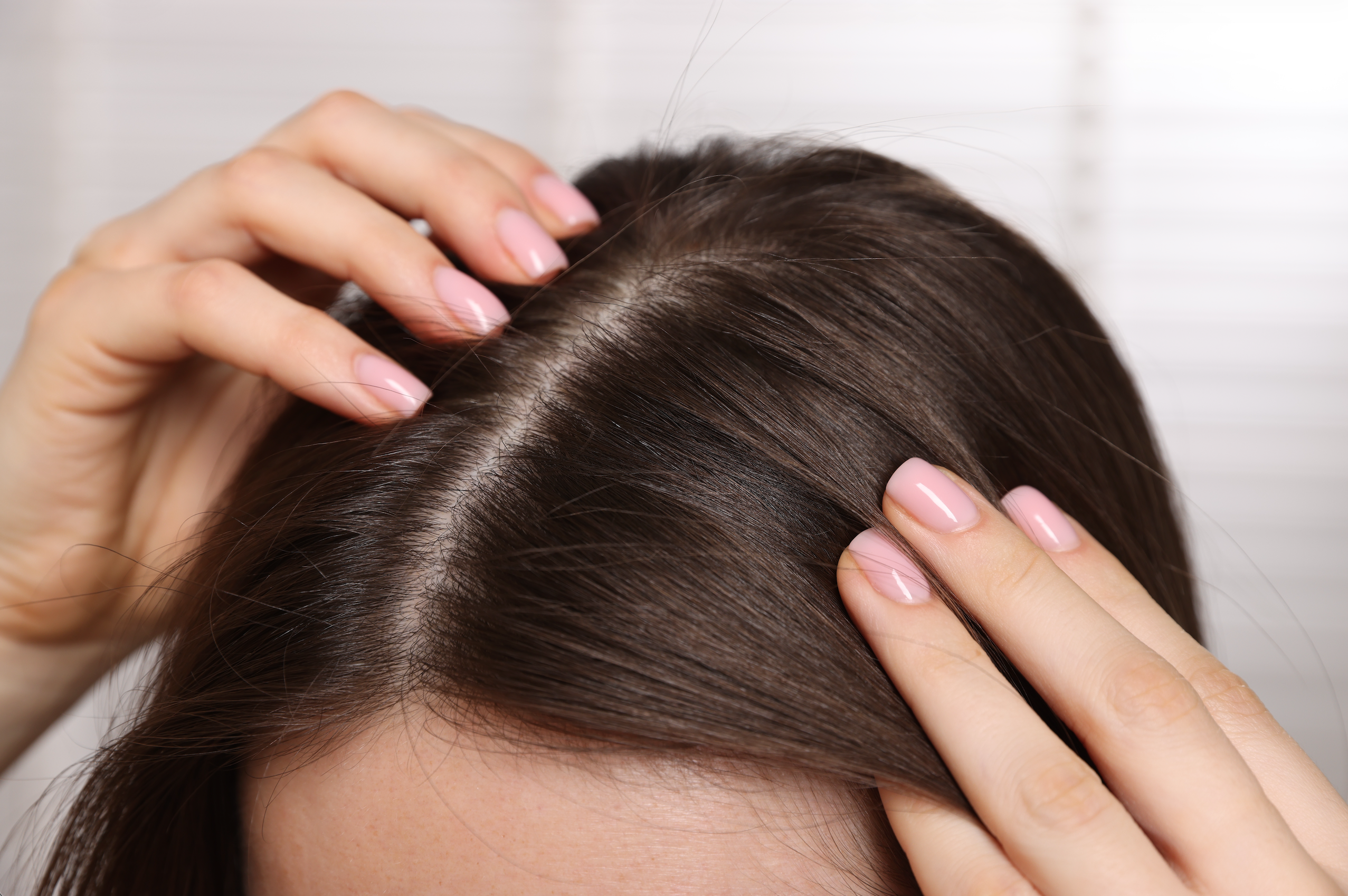
Your scalp still matters though. The hair coming through now is the only hair anyone can genuinely change, and it's being put together at the follicle under your skin (Trüeb et al., 2018). So this isn't damage repair, it's looking after the hair you haven't grown yet.
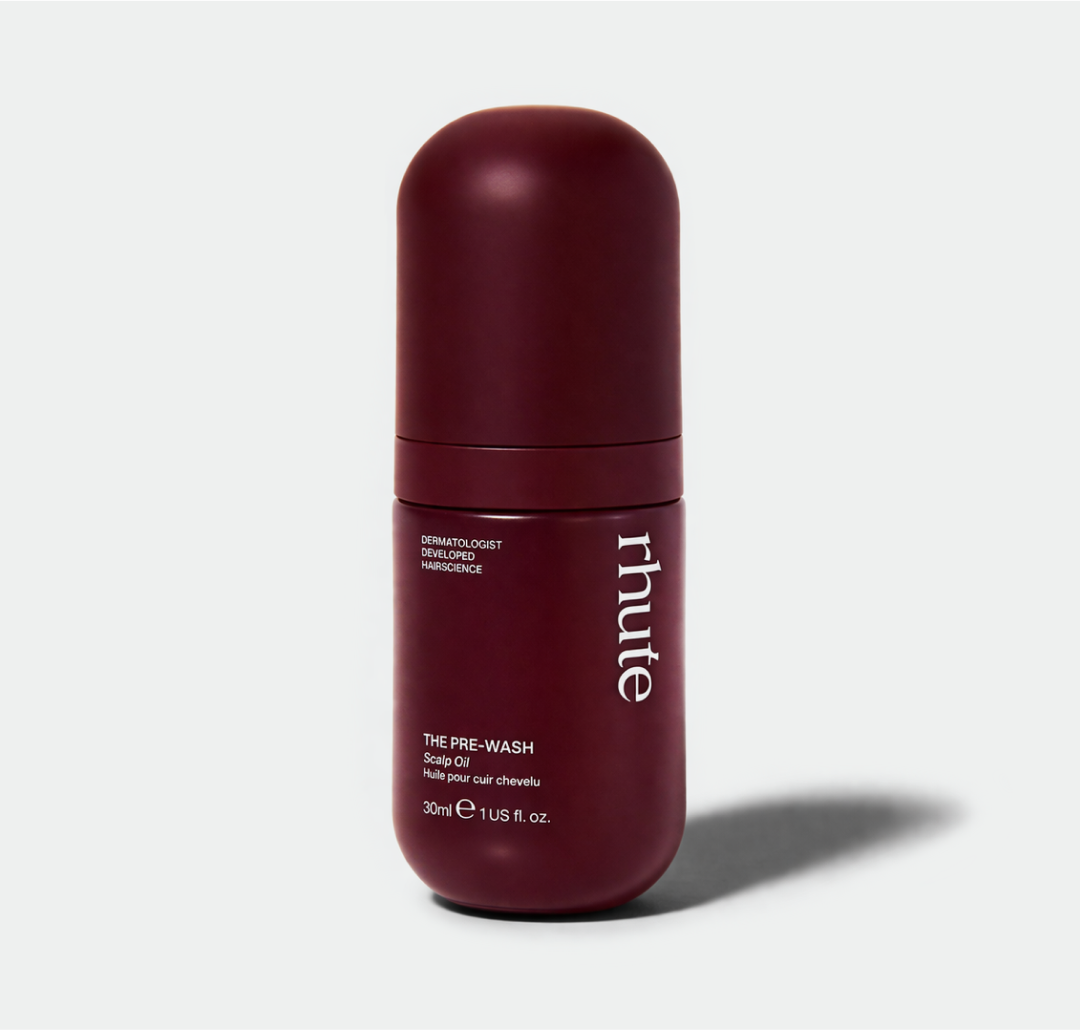
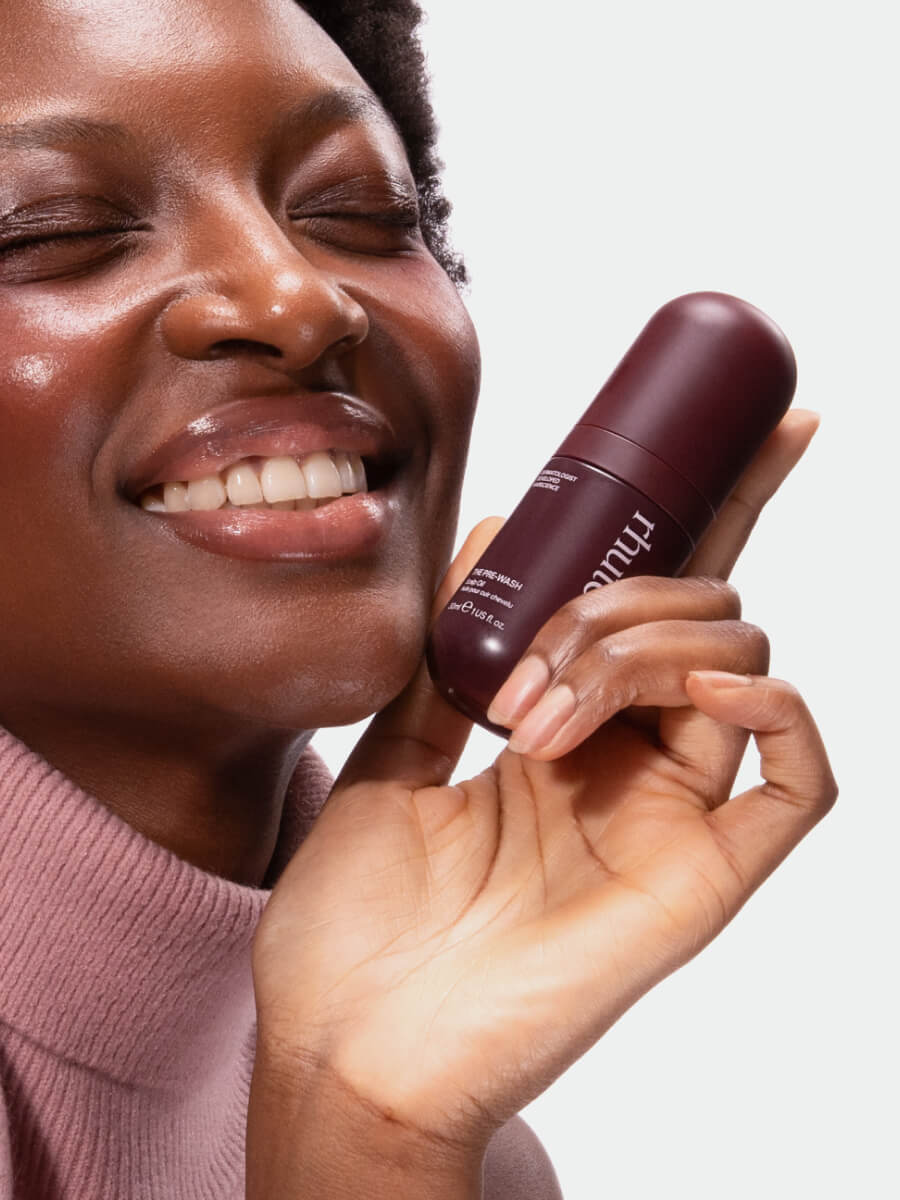
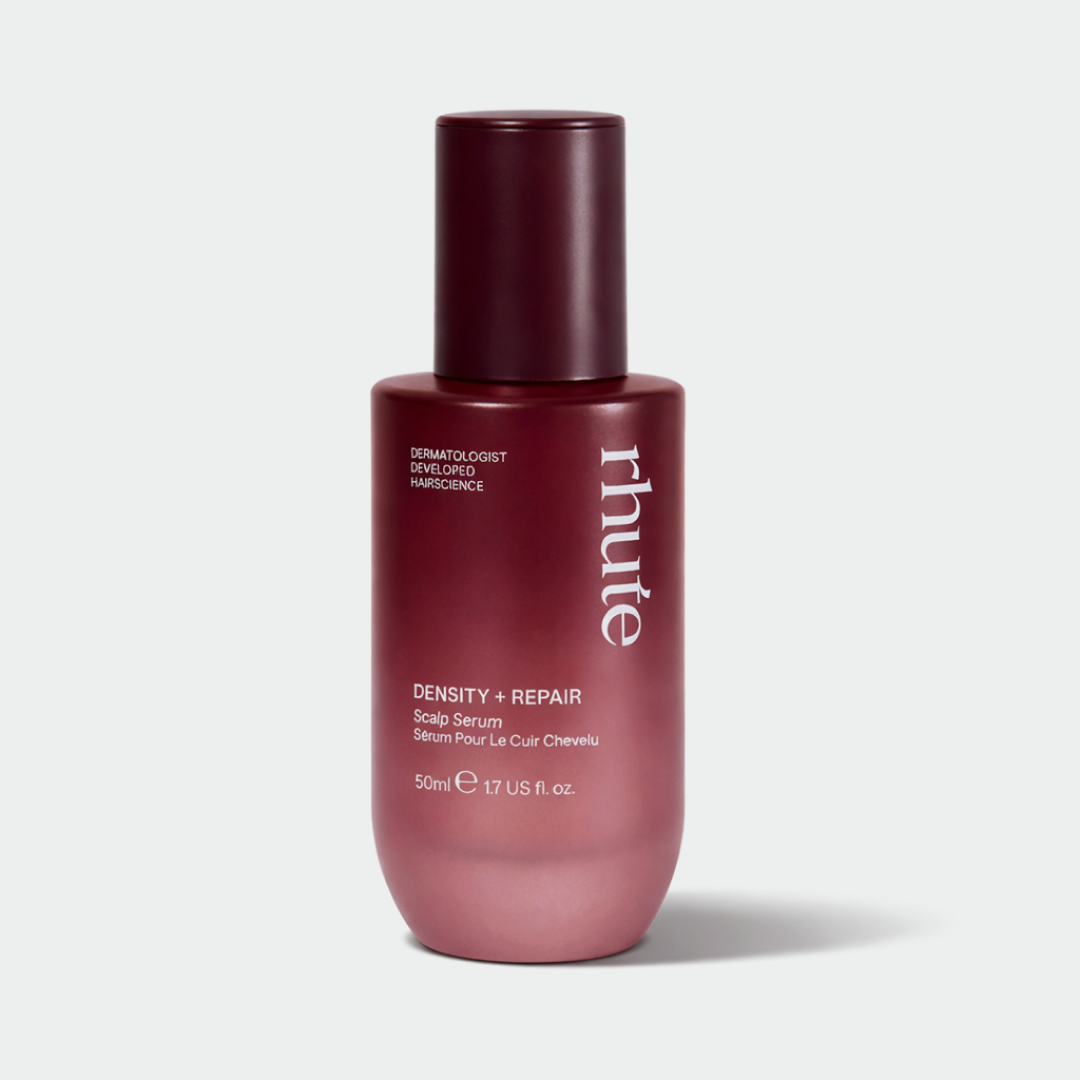
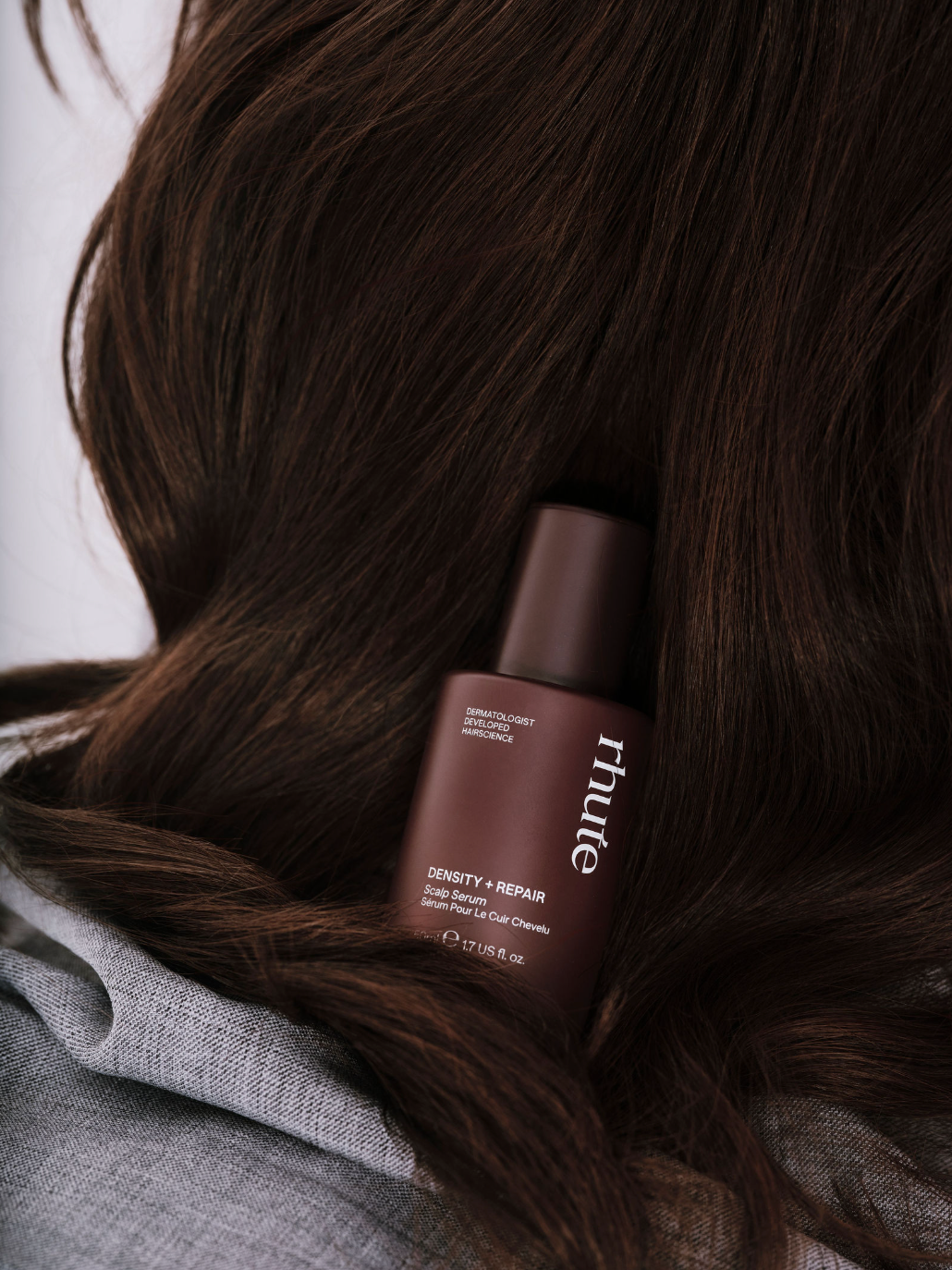
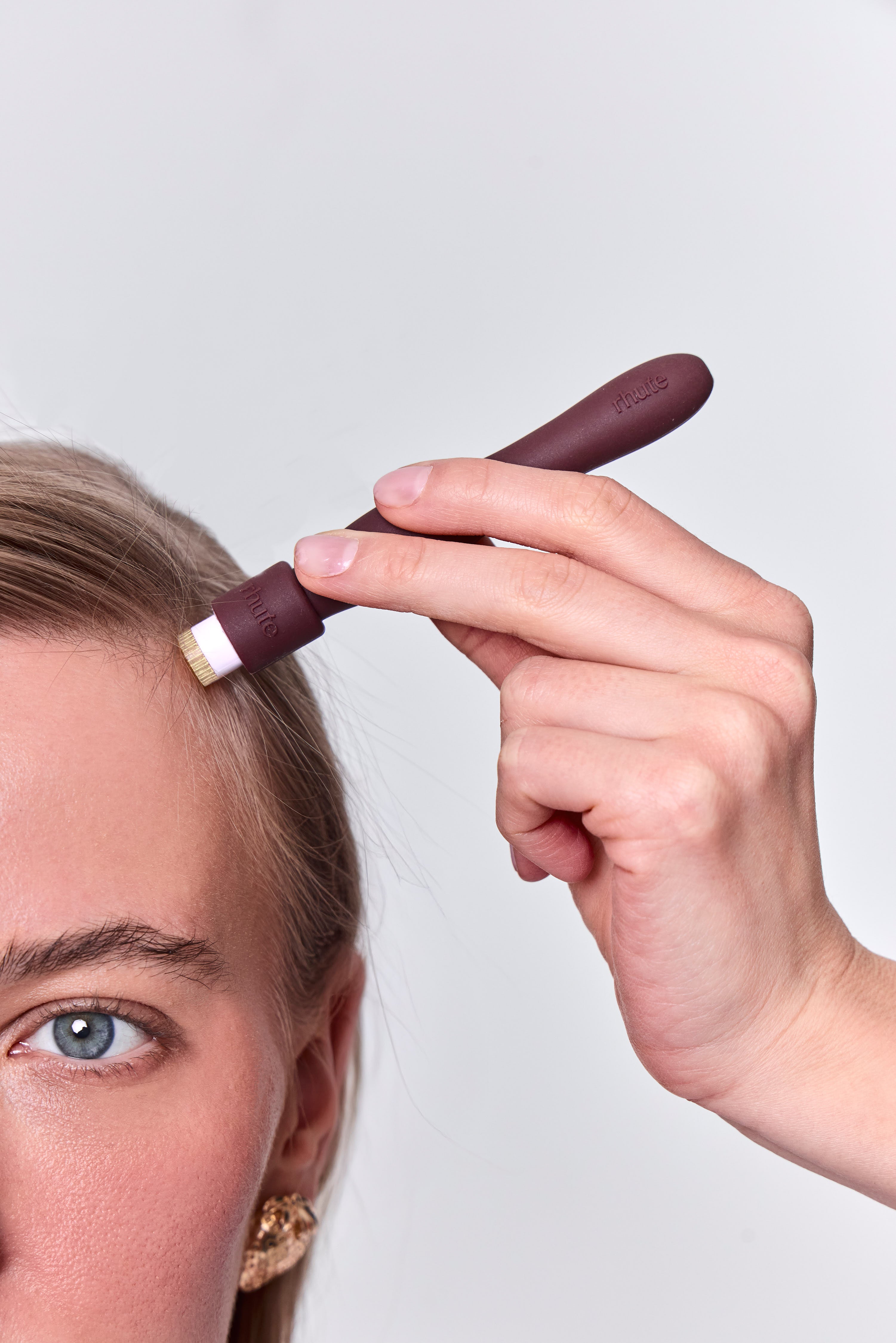
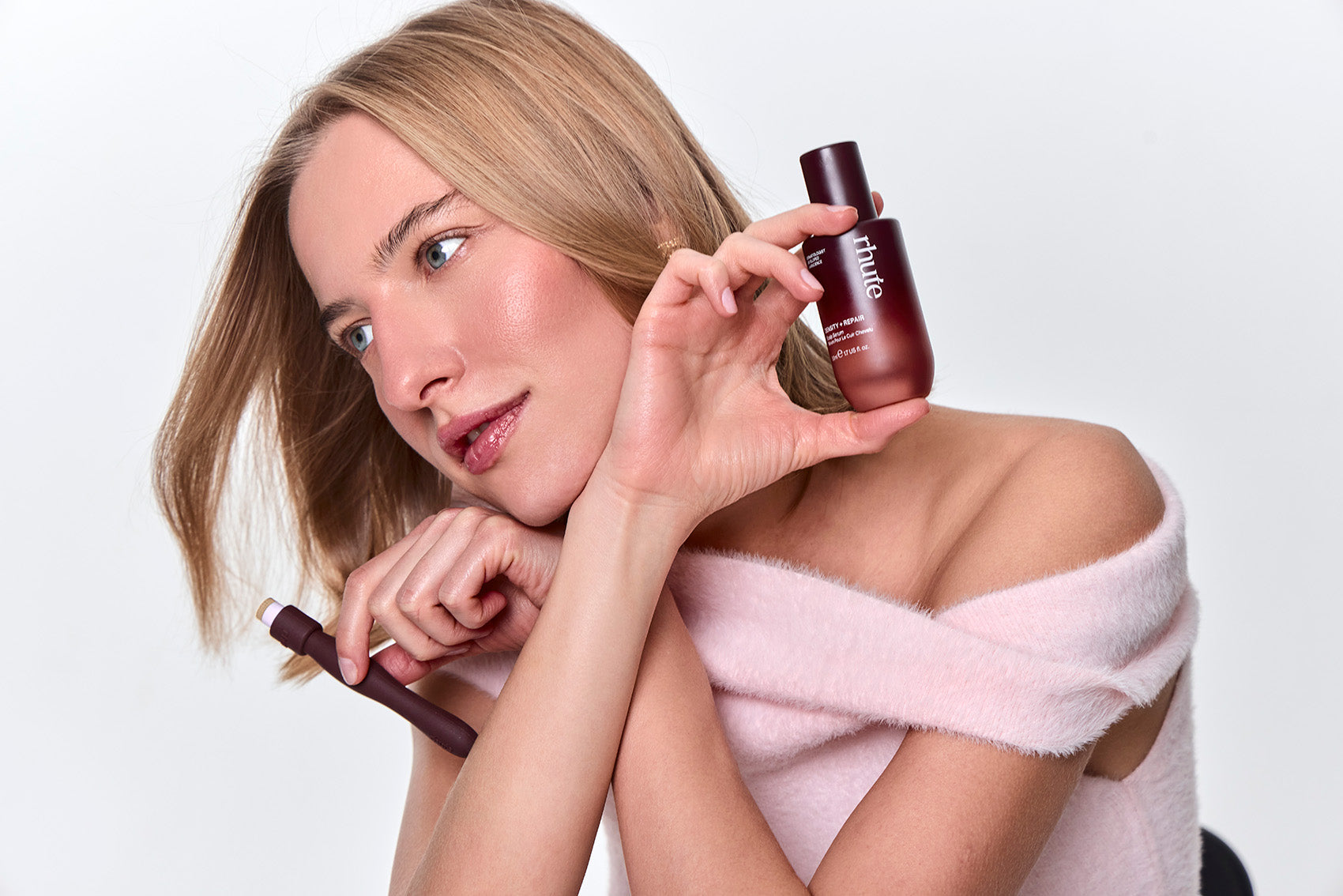
The Density + Repair hair growth scalp serum supports your scalp barrier and reduces shedding, using niacinamide and bioactive peptides to strengthen the environment your hair is built in, plus caffeine to support density at the follicle. Our Triple Density Complex pre-wash hair oil covers the other half, making detangling easier and reducing breakage, reinforcing the lipids and oils deep within the hair strand and on the surface. Apply the pre-wash hair oil for at least one hour or up to six hours before you wash, two or three times a week.
One last note. Bleach can irritate your scalp, and the persulphate salts in lightening products are a known contact allergen (Cebolla-Verdugo et al., 2024). If yours is sore or flaking after a service, treat that as its own thing. Learn more about how to improve scalp health.
FAQs
Can you perm bleached hair?
Usually not if it's heavily bleached, and a good stylist will tell you so. A perm works by breaking those strong sulphur links and reforming them in a new shape, so it needs them there to spend. Bleach has already spent a lot of them and turned them into something that can't link back up (Di Foggia et al., 2024). Perm on top and you risk hair that won't hold a curl, or that breaks. If yours is only lightly bleached, ask for a strand test.
How long does bleached hair last before it fades?
Two questions get tangled here. Bleach itself doesn't fade, because it removes your pigment permanently, so lightened hair stays light until it grows out. What fades is the toner or colour put on afterwards, usually over four to six weeks and faster on porous hair, because bleached hair holds dye badly. So blonde going brassy is your toner washing out, not your damage getting worse. The damage timeline is separate, and it's grown-out only.
Is purple shampoo drying out my bleached hair?
Probably not the pigment, possibly the formula. The violet dye deposits on your hair to cancel out yellow tones, and there's no published evidence it damages or dries the hair itself. What can dry your hair is the cleanser it's mixed into, plus how it gets used, since purple shampoos often get left on longer or used on hair that's already stripped. If yours feels rough, keep the pigment and change the routine: alternate with a gentler wash, always condition afterwards, and don't leave it on longer than the pack says. That's us reasoning from how these products are made rather than quoting a study.
How do I grow out bleached hair without cutting it all off?
Trim little and often instead of once and drastically. Take a centimetre every eight to 12 weeks so you're removing less than you grow, and you'll keep gaining length while the frayed ends leave. Ask your colourist for a root shadow or a lived-in colour so the line between your roots and bleached ends looks deliberate rather than like a stripe. And be honest about where your hair turns rough as you run your fingers down a section, because anything below that isn't coming back.
Can I bleach again if my hair is already damaged?
You can, and it will add damage, so it's a trade rather than a yes or no. Grosvenor et al. (2018) found even the gentlest bleach they tested reached the pigment deep inside the strand, so no dose leaves your hair untouched. The ways to make it cost less are real though: root only, a longer gap between appointments, and a stylist who'll tell you honestly if your hair won't take it. If your hair is currently stretching and staying stretched when wet, wait.
Does bleaching cause hair loss?
Mostly it causes breakage, which is a different problem. Bleach damages the strand, not the follicle it grew from, so what you find is short broken pieces rather than whole hairs. Your scalp is the exception. If a lightening product sets off a reaction there it does matter, and telogen effluvium, a temporary shedding phase, has been reported after a scalp rash from an allergic reaction (Cebolla-Verdugo et al., 2024). Uncommon, but it happens. If you're losing full-length hairs with a little pale bulb on the end, that's shedding, and hair loss in women is the more useful read.