
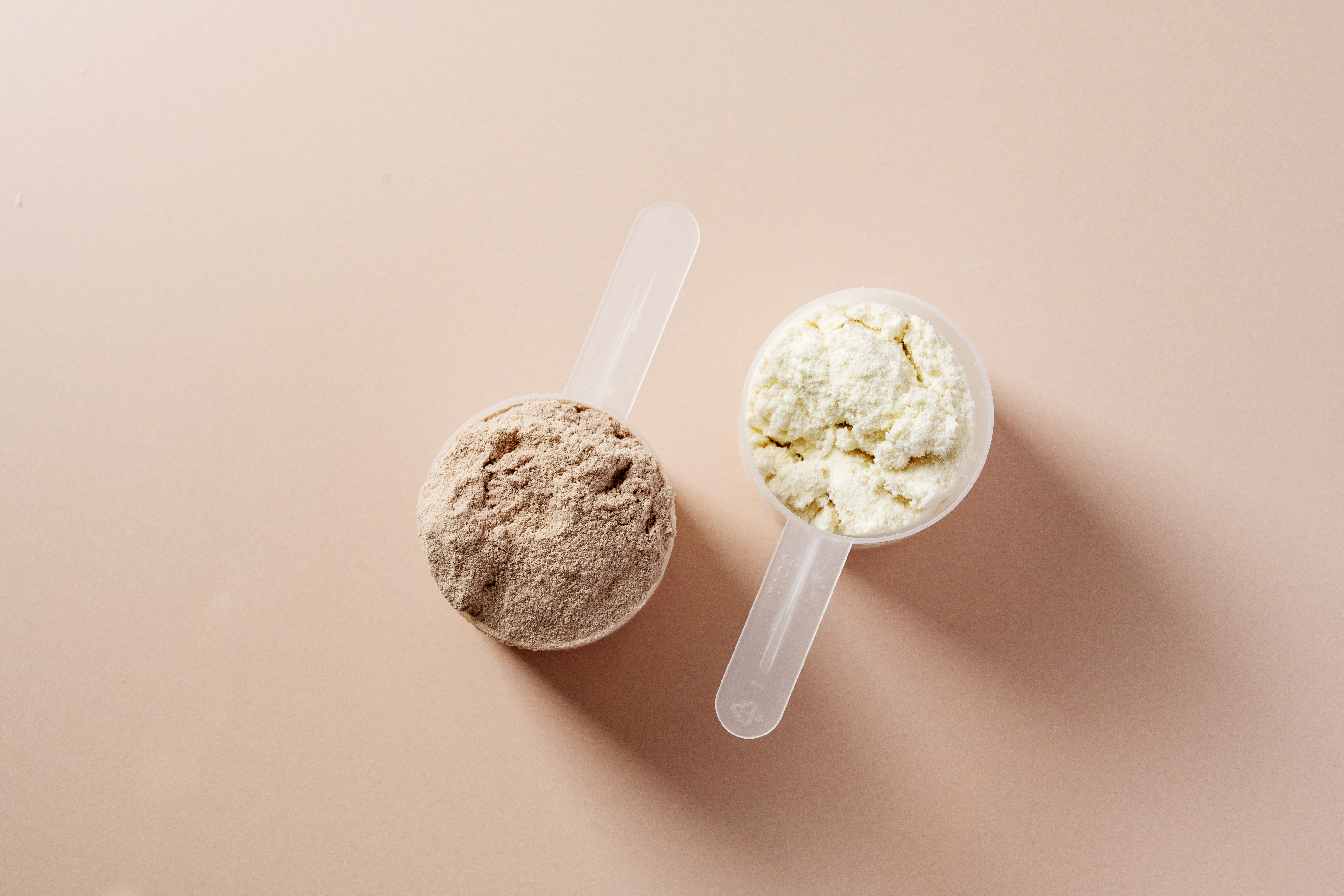

Short version: no, there is no good evidence that standard protein powder causes hair loss. If you have noticed more shedding since you started shaking up your mornings, the culprit is almost always something happening alongside the powder, not the powder itself.
The worry usually traces back to creatine myths, crash dieting, or genetic timing rather than the scoop in your cupboard. Below we separate the myth from the real suspects, lead with the newest research, and keep it calm and practical. Consider it a myth-bust with a plan, from your most clued-up (and reassuring) friend.
Does protein powder actually cause hair loss?
No, not on the current evidence. Protein powder is just a convenient way to hit your protein target, and protein is something your hair actively needs. The nervousness comes from a few tangled sources: creatine (often taken alongside protein), a small study on whey isolate (a highly filtered milk protein, with most of the fat and lactose removed), and the fact that gym culture and the age when genetic hair loss shows up happen to overlap.
Here is the honest landscape:
-
Standard whey or plant protein has not been shown to cause hair loss in people who were not already losing hair.
-
The scary claims usually borrow from creatine research, which is a different supplement entirely.
-
When shedding genuinely does show up around the same time, it is nearly always down to dieting, genetics, or a nutrient gap, which we will get into.
Why protein is actually good for your hair
Your hair is made mostly of a protein called keratin, so your follicles literally need a steady supply of amino acids, the building blocks your body breaks protein down into, to keep building and maintaining every new strand. Too little protein is a recognised cause of shedding, not too much (Almohanna et al., 2019).
The research leans the same way. A 2023 review found that shortfalls in essential amino acids, the ones your body cannot make on its own, showed up commonly across different types of hair loss (Natarelli et al., 2023). So too little protein is a recognised cause of shedding, not too much (Almohanna et al., 2019).
So if a protein shake helps you actually meet your daily protein needs, especially if you train, eat on the run, or struggle to get enough from food, that is working in your hair's favour, not against it. The powder is a tool, and for most people it is a helpful one.
The creatine and DHT myth, and what the newest study found
Almost all the "gym supplements cause baldness" worry traces back to one small 2009 study. It found that three weeks of creatine (not protein) nudged up the ratio of DHT to testosterone in a group of young rugby players. DHT is the hormone involved in genetic pattern hair loss, so people understandably panicked. The catch: that study never actually measured anyone's hair, and its results have not been reliably repeated since (van der Merwe et al., 2009).
Fast forward to now. In 2025, the first randomised controlled trial designed to look at this directly gave people either creatine or a dummy supplement for 12 weeks and actually measured their hair, their DHT and their testosterone. It found no meaningful difference in DHT, in the DHT-to-testosterone ratio, or in hair between the two groups (Tinsley et al., 2025). In plain terms: the study built to catch creatine causing hair loss did not catch it doing anything of the sort.
To stay honest, that trial was not perfect. It was fairly small, ran for 12 weeks, and did not measure DHT activity right at the scalp, so it is reassuring rather than the final word. But it is far stronger evidence than the single hormone study the scare was built on, and it points firmly in the "you can relax" direction. For the wider picture on DHT and what genuinely influences it, see our guide to natural DHT blockers.
The real suspects behind "protein powder" shedding
If your hair is shedding and protein powder is in the frame, it’s worth looking at what else changed at the same time. The usual real culprits are:
-
Crash dieting or a big calorie deficit. Cutting hard, often the reason people reach for shakes in the first place, is a classic trigger for temporary shedding.
-
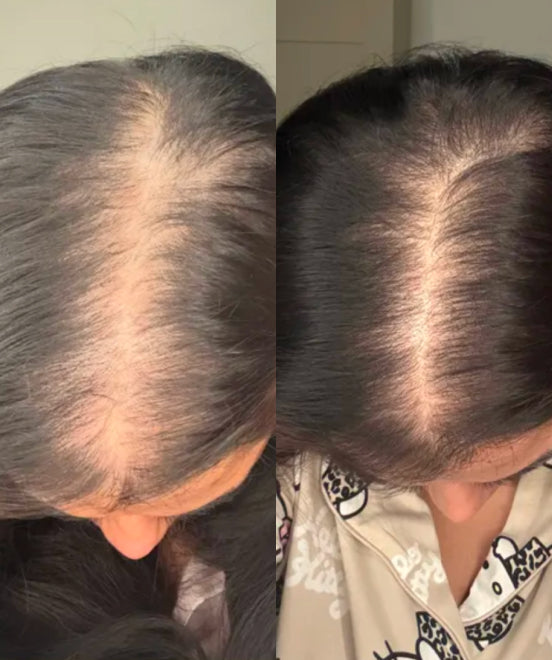
Genetic pattern hair loss surfacing. The gym-and-shakes demographic overlaps with the age when hereditary thinning naturally starts, so the timing can look like cause and effect when it is coincidence.
-
Using shakes as meal replacements. Swapping meals for shakes can quietly leave you short on iron, zinc or vitamin D, and those gaps are what actually affect hair. Micronutrients are vital for healthy follicles and metabolism, and deficiency is well evidenced for telogen effluvium, which can be very likely if you’re focusing on protein intake only.
Notice that only the last one is really about what is in the tub, and it is not the protein.
Telogen effluvium: the dieting and stress link
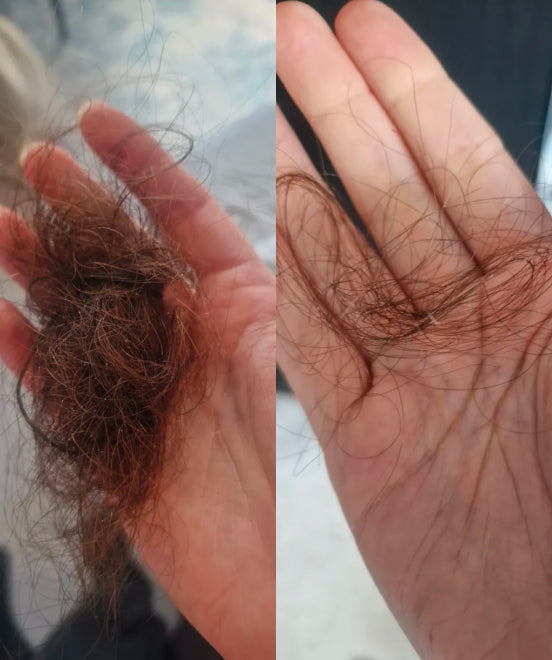
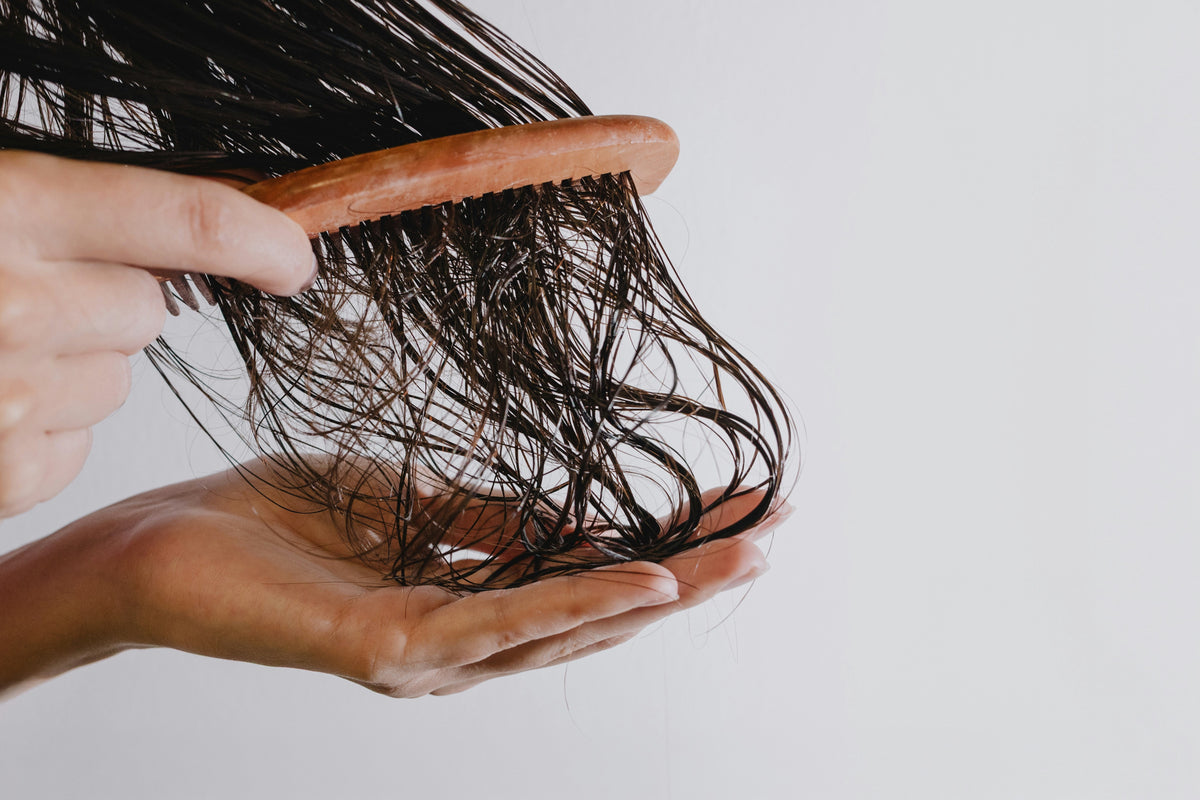
That temporary, all-over shed after a diet overhaul has a name: telogen effluvium. It happens when a shock, like a sharp calorie cut or a stressful stretch, nudges more hairs than usual into their resting phase, and they let go together. The tell-tale sign is timing, because it usually shows up two to three months after the trigger, which is why people rarely connect the dots back to that intense January reset.
The good news is it is usually temporary and settles once the trigger passes. Because stress feeds into the exact same mechanism, our guide to cortisol and hair loss is worth a read if life has been full-on lately, and seasonal hair shedding covers the milder version many of us notice at certain times of year.
Vegan and plant-based protein powders
Plant-based powders are a brilliant option, but they come with a nutrient footnote worth knowing. If you are largely plant-based, whether you are an athlete or just prefer it, you’re more likely to run low in a few nutrients that matter for hair:
-
Iron, since plant iron is harder to absorb. Iron deficiency is the most common nutritional cause of shedding in women, and our iron deficiency hair loss guide has the detail.
-
Vitamin B12, which comes almost entirely from animal foods, covered in our vitamin B12 and hair loss guide. Deficiency is very common if you follow a vegan or vegetarian diet, and supplementation is commonly recommended. Speak to your GP for advice about sufficient supplementation.
-
Zinc, which is less easily absorbed from plants, explained in our zinc for hair loss guide.
The powder is not the problem here. The wider plant-based diet is just worth building thoughtfully, ideally with a fortified option or a supplement where a blood test shows you need one.
Could it be the additives? Biotin, sweeteners and "test boosters"
Protein blends often come with extras, so let us clear up which ones matter:
-
Biotin. Many blends add it for a "hair, skin and nails" halo, but for people who are not deficient it does not grow hair, and true deficiency is rare. The one practical catch is that high-dose biotin can skew blood tests, including thyroid panels, so pause it for a few days before any bloods and mention it (Almohanna et al., 2019). Our thyroid hair loss guide explains why that matters.
-
Sweeteners and flavourings. There is no credible evidence that the sweeteners in mainstream protein powders cause hair loss, so this is not worth losing sleep over.
-
"Test boosters" and prohormone blends. This is the genuine one to avoid. Unregulated products that promise hormonal effects can contain ingredients that accelerate hair loss, so stick to reputable, transparent brands and be wary of anything making big hormonal promises.
How to work out what's really going on
Rather than blaming the tub, play detective with the timing and pattern of your shedding:
-
Diffuse, all-over shedding a few months after a diet, illness or stressful patch points towards telogen effluvium, which usually recovers on its own.
-
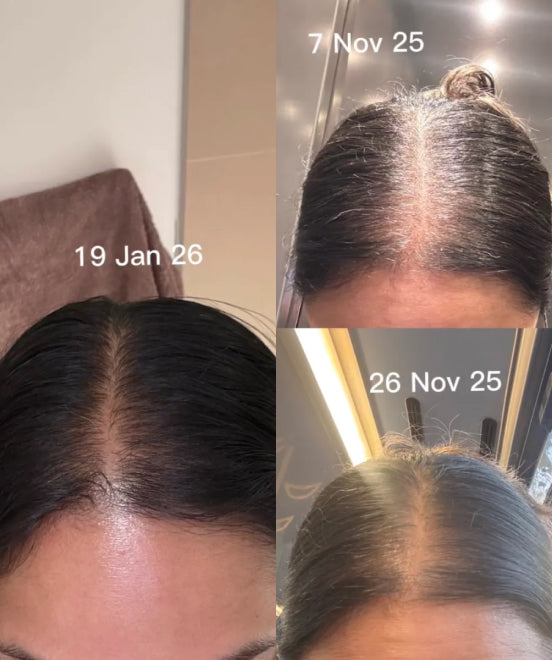
Gradual thinning at the crown or hairline (or the parting, for women) points towards genetic pattern hair loss, which is worth addressing early.
-
A sensible GP work-up can check the things that genuinely cause shedding, most usefully ferritin (your iron stores) and thyroid function, from a single blood test.
If you are not sure where your shedding fits, our overview of hair loss in women helps you place it, and our vitamins for hair growth guide covers when a supplement genuinely helps versus when it is just expensive.
Supporting your scalp while you sort it out
Whatever the real trigger turns out to be, looking after your scalp gives your hair the best backdrop to recover, with one honest caveat: scalp care complements fixing the underlying cause, it does not replace it.
-
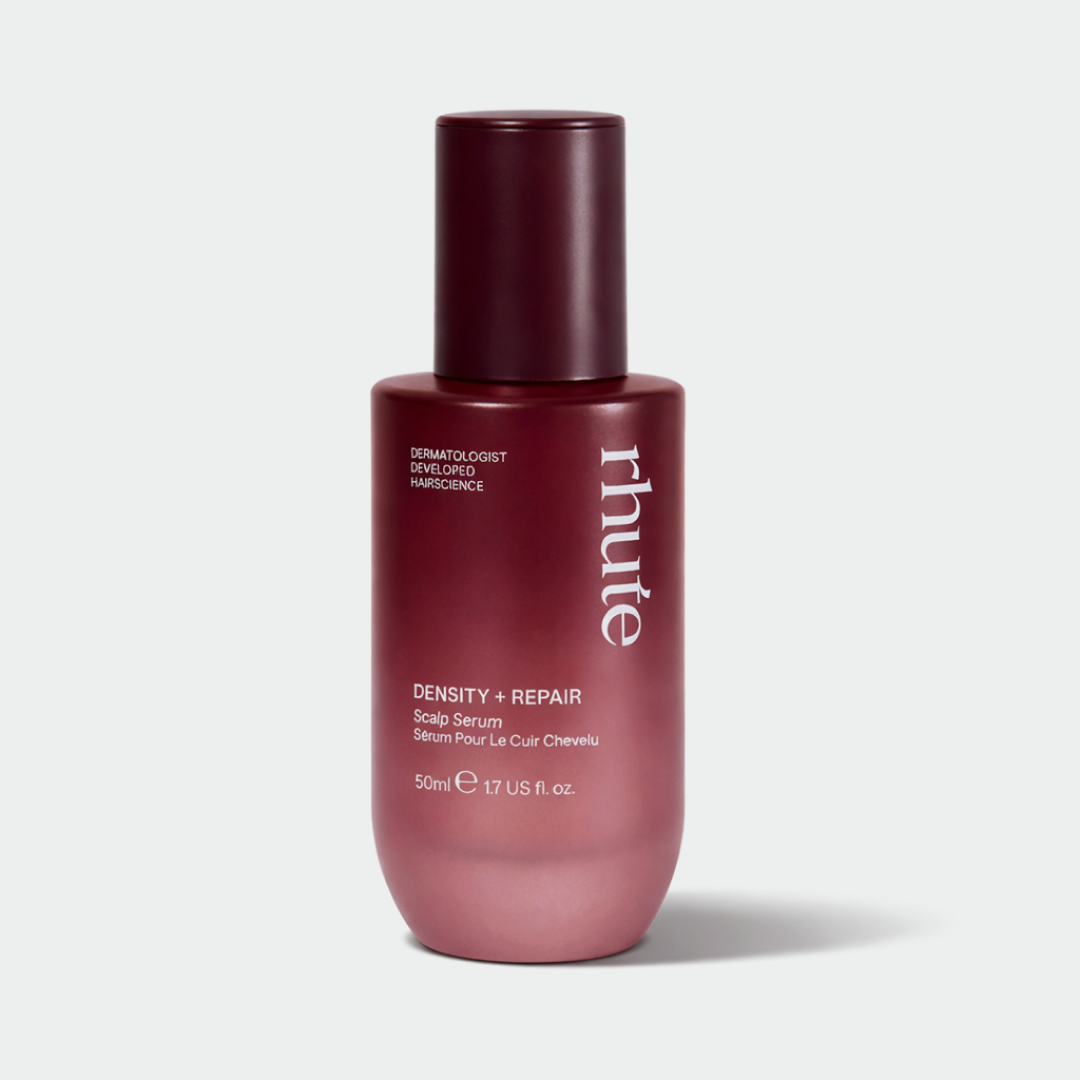
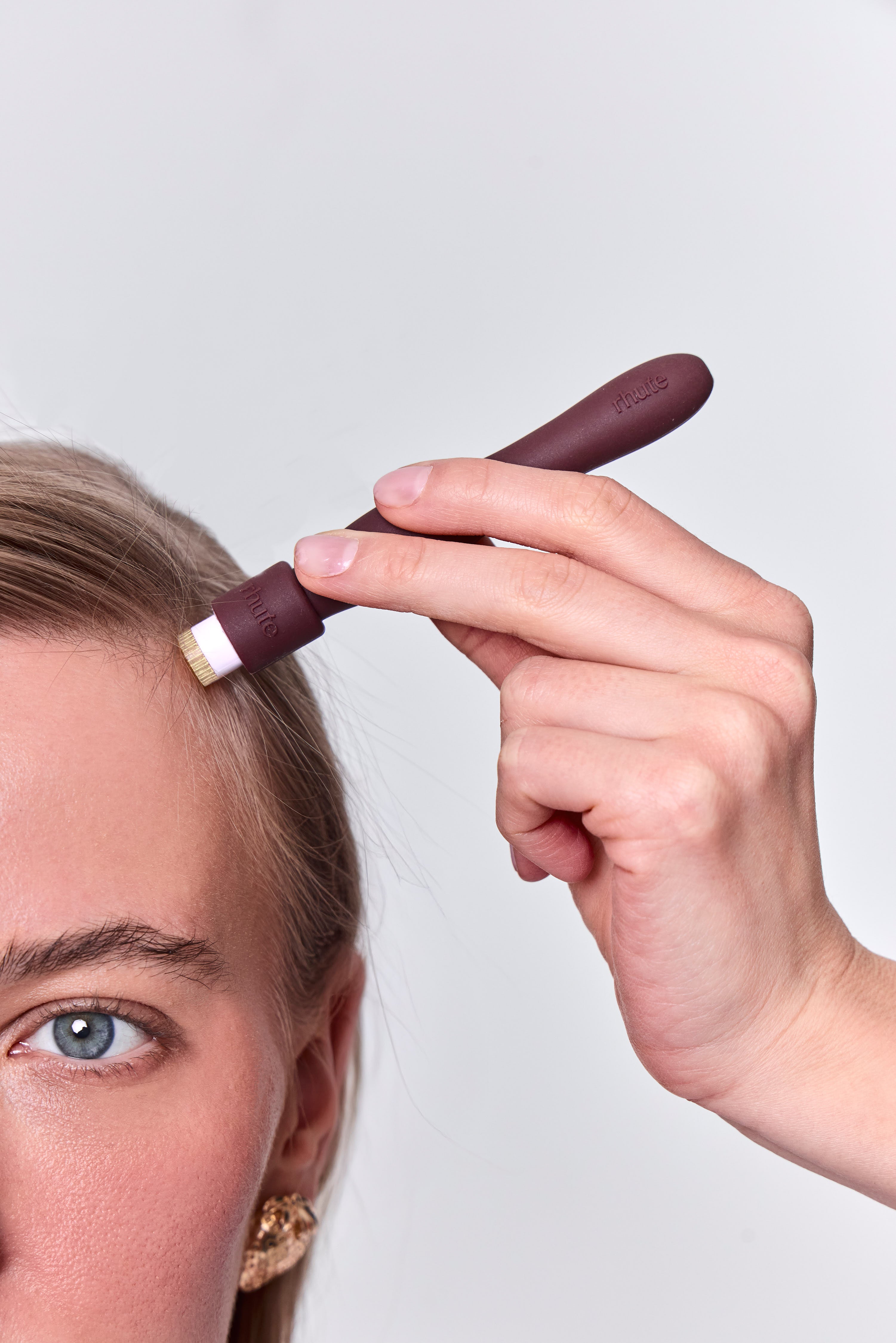
Our Density + Repair Scalp Serum is a dermatologist-developed, minoxidil-free daily leave-on that supports your scalp barrier and follicle function, using bioactive peptides and caffeine to support growth at the source, plus niacinamide to soothe and strengthen.
-
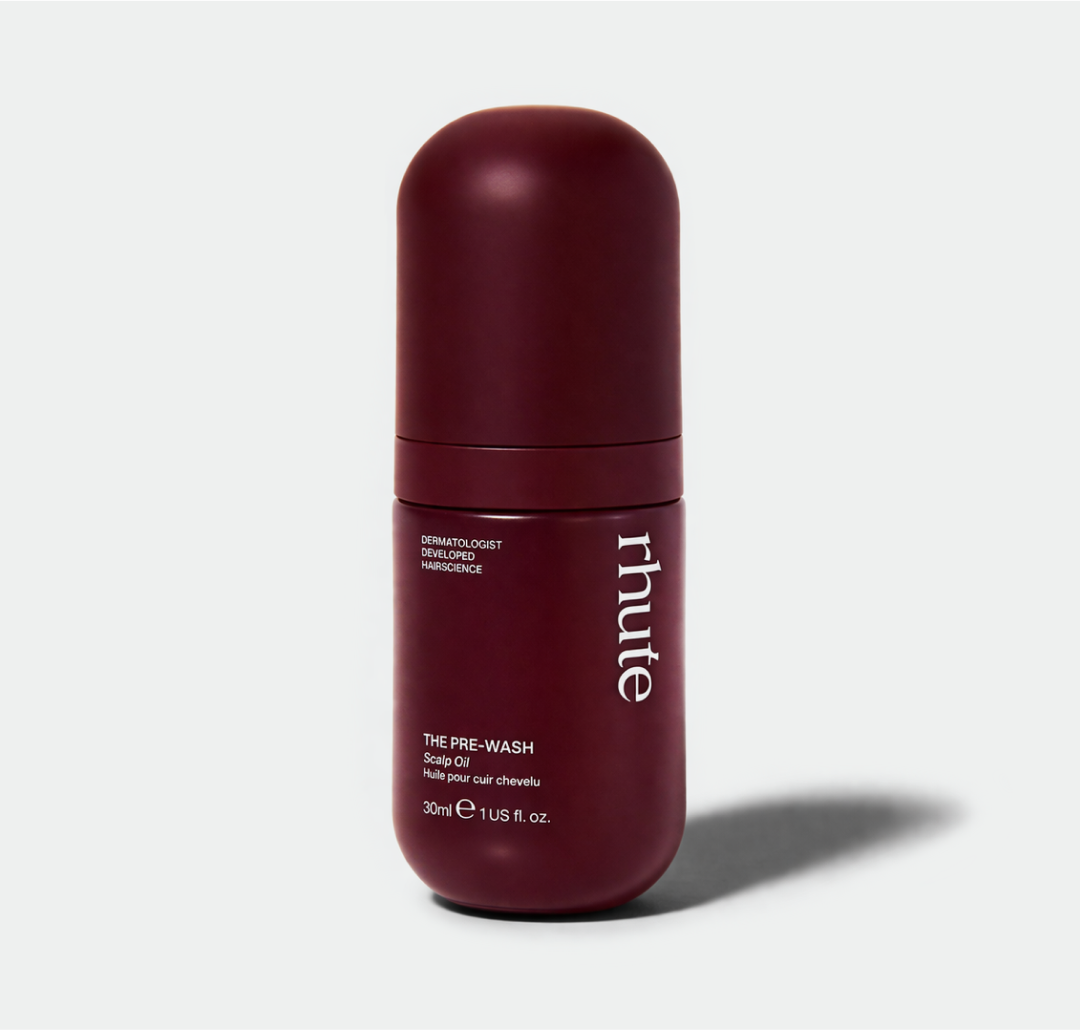
If your scalp feels dry or stressed, the Pre-Wash Density Complex Hair & Scalp Oil keeps it comfortable before you wash.
For an honest look at what topicals can and cannot do, see do hair loss serums actually work. Keep the shakes if they help you hit your protein, look after the real triggers, and support your scalp alongside.
The bottom line
Protein powder is not the villain here. It helps you meet a nutrient your hair genuinely needs, the creatine scare has now been directly tested and did not hold up, and real shedding almost always traces back to dieting, genetics, or a nutrient gap rather than the scoop. So keep the shake if it serves you, look at what else changed, and get a blood test if the shedding lingers.
Be kind to yourself, and get growing. Healthy hair starts here, from rhute to tip. If you want to support your scalp while you get to the root of things, the Density + Repair serum or the Density Rhutine bundle is a lovely place to start.
FAQs
Does creatine cause hair loss?
On the best current evidence, no. The fear came from one 2009 study that measured hormones, not hair, and a 2025 randomised trial that actually measured hair found no effect on DHT or hair. If you are genetically prone to pattern hair loss you may still lose hair over time, but that is your genes, not the creatine.
Is whey protein isolate worse for hair than concentrate?
This idea rests on a single small, weakly evidenced study, so it is not something to treat as settled fact. There is no robust proof that isolate causes hair loss in people who were not already losing hair. If you are worried, a varied protein intake from food and a reputable powder is a perfectly sensible approach.
Can protein powder cause hair loss in females?
There is no good evidence it does. For women, shedding blamed on shakes is far more often down to crash dieting, low iron, thyroid changes or postpartum shifts. If you are shedding, it is worth checking ferritin and thyroid with your GP rather than ditching a protein source you may actually need.
How soon after starting a supplement would hair loss show?
Diet or stress-related shedding (telogen effluvium) typically appears two to three months after the trigger, not the day you start a new tub. That delay is exactly why people wrongly blame whatever they were taking at the time, when the real cause was something that happened weeks earlier.
Should I stop taking protein powder if my hair is thinning?
Probably not, especially if it helps you meet your protein needs, since too little protein can itself cause shedding. A more useful move is to look at what else changed, rule out a hidden nutrient gap or hormonal cause, and see your GP if it continues. One exception: ditch any unregulated "test booster" style product straight away.
Will my hair grow back if protein powder was the trigger?
If the real trigger was something temporary like a crash diet or a stressful patch, then yes, hair usually recovers once that settles, though it takes months rather than weeks. If genetic pattern hair loss is involved, it will not reverse on its own, so it is worth getting an early assessment to protect what you have.