


Here is the honest answer up front: magnesium genuinely matters for the systems your hair relies on, like stress, sleep and vitamin D, so a real shortfall is worth fixing. But there is limited direct evidence that magnesium grows hair, and topping up when your levels are already fine will not do anything for your strands.
That is a more useful truth than the "magnesium is the secret to hair growth" version you will see elsewhere. Below we cover what magnesium actually does, where its link to hair is real (and where it is oversold), what the research shows, and a couple of myths worth busting. of it as a calm, honest read rather than a sales pitch.
Does magnesium actually help hair growth?
Only indirectly, and only if you are genuinely short of it. Magnesium supports a lot of the machinery around healthy hair, so being deficient can nudge things in the wrong direction. But it is not a proven standalone hair-growth treatment, and more is not better once your levels are healthy.
Here is the honest landscape:
-
If you are truly low in magnesium, correcting that supports the systems your hair depends on.
-
If your levels are already fine, extra magnesium will not grow more hair, because your body simply clears the surplus.
-
The strongest role magnesium plays for hair is behind the scenes, through stress, sleep and vitamin D, rather than acting directly on the follicle.
What magnesium actually does in your body
Magnesium is an essential mineral and what scientists call a cofactor, a helper that hundreds of chemical reactions in your body cannot run without. It’s involved in protein synthesis (building the proteins your body, including your hair, is made from), nerve and muscle function, energy production, and blood sugar regulation (Almohanna et al., 2019).
It also helps your body hold on to potassium, one of the minerals every cell relies on to make energy. When magnesium runs low, your body starts losing potassium too, which is why the two usually get corrected together.
Because some of those jobs, like protein building and cell division, also matter for hair, magnesium's link to your hair is real. It is just indirect. Magnesium is more of a background enabler than a direct hair-growth ingredient, which is exactly why a genuine shortfall can matter while an unnecessary top-up does nothing.
A true magnesium deficiency is uncommon if you’re otherwise healthy, and it’s not part of a standard GP blood test unless there’s a clinical reason to look for it. It turns up far more often in people whose gut struggles to absorb minerals properly. So if you’re shedding, low iron or low vitamin D are more likely places to start, and both are straightforward to check.
The stress, cortisol, and sleep connection
Magnesium helps regulate your stress response and supports good sleep, and there’s a well-described two-way link between low magnesium and stress, where each can worsen the other (Pickering et al., 2020).
Why does that matter for your hair? Because chronic stress is a recognised trigger for a diffuse, all-over shed called telogen effluvium (a temporary shed where more hairs than usual enter their resting phase and let go together). So if low magnesium is quietly winding up your stress and disrupting your sleep, it could be contributing to shedding through that route rather than at the follicle itself. We unpack that mechanism properly in our guide to cortisol and hair loss.
The vitamin D link
Here is a genuinely useful, lesser-known fact: your body cannot properly activate vitamin D without magnesium. The enzymes that convert vitamin D into its usable form rely on magnesium as a cofactor, so if you are low in magnesium, your vitamin D may not work as well even if your intake looks fine (Uwitonze & Razzaque, 2018).
Since vitamin D plays its own role in the hair growth cycle, this is another indirect way magnesium supports your hair, by helping the vitamin D you have actually do its job. For the fuller picture on that nutrient, see our vitamin D and hair loss guide.
What the research actually shows
Time for the honest bit. The direct evidence that magnesium grows hair is limited and mostly indirect, and there is no good study showing that a magnesium supplement thickens hair in people who are not deficient (Almohanna et al., 2019).
The most relevant study is a 2022 randomised controlled trial in women with polycystic ovary syndrome (PCOS), which is worth knowing about because it actually measured alopecia. Over 10 weeks, magnesium supplementation significantly improved the women's quality of life, but it did not produce a significant improvement in their hair loss (Jaripur et al., 2022). That is a genuinely on-brand finding: magnesium helped how the women felt, which is not nothing, but it was not a magic switch for their hair.
The takeaway is not "magnesium is useless." It is that magnesium is worth getting right as part of the bigger picture, and worth treating with healthy scepticism as a direct hair-growth cure.
Myth-check: scalp "calcification" and magnesium sprays
One claim gets repeated across the internet without much scrutiny, so let’s look at it honestly:
-
Magnesium oil and sprays "for hair growth." These are marketed hard, but the evidence that rubbing magnesium onto your scalp regrows hair simply is not there. Some research shows magnesium can pass through the skin via hair follicles, but being absorbed is a very different thing from growing hair, and that leap is marketing rather than proof.
None of this means magnesium is a scam. It means the specific "spray it on to regrow hair" and "clear the calcium" stories are not backed by good science, and you can spend your money more wisely.
Which form of magnesium is best?
If a blood test or your GP suggests you would benefit from a supplement, the form matters more for absorption and comfort than for your hair specifically. Quick guide:
-
Magnesium glycinate: well absorbed and gentle on the stomach, with a calming quality that many people find helpful for sleep and stress. A sensible all-rounder.
-
Magnesium citrate: well absorbed too, though it can have a mild laxative effect, so it is often used for constipation.
-
Magnesium L-threonate: marketed for brain health and has good absorption, but there is no evidence it does anything special for hair, despite the hype.
-
Magnesium oxide: inexpensive and common, but poorly absorbed and more likely to upset your stomach, so it is not the best choice for topping up levels.
The honest headline: no single form is a hair cure-all. Glycinate or citrate are reasonable choices for correcting a genuine shortfall, ideally guided by your GP.
Magnesium-rich foods and how much you need
Food is the sensible starting point, and magnesium is easy to find in a balanced diet. In the UK, the reference nutrient intake (the amount considered enough for most people) is around 270 mg a day for women and 300 mg a day for men. Good sources include:
-
Leafy green vegetables, like spinach and kale
-
Nuts and seeds, especially almonds, cashews, pumpkin, and chia seeds
-
Wholegrains like brown rice and oats
-
Beans and legumes
-
A little dark chocolate, which is a genuinely good source
For most people, eating this way comfortably covers the daily requirement without a supplement, which is the least glamorous and most reliable route.
Magnesium for women: stress, sleep, PCOS and perimenopause
Because rhute's community is mostly women, it’s worth naming the life stages where magnesium, stress, and shedding overlap:
-
Stress and sleep. Busy, high-pressure phases are exactly when magnesium status, sleep quality, and shedding can all slide together, and supporting the first two is a reasonable, low-risk move.
-
PCOS (now called PMOS). As above, the 2022 trial found magnesium improved quality of life in women with PCOS, and it is a condition where thinning is common. Our PCOS hair loss guide covers the hormonal side.
-
Perimenopause and menopause. Shifting hormones, disrupted sleep and higher stress often arrive together, and thinning is common. See our menopause hair loss guide for the wider view.
Across all of these, magnesium is a supporting player worth getting right, not the headline fix. If your hair is shedding, it is worth looking at the whole picture, including iron and vitamin D, which our vitamins for hair growth guide pulls together.
Supporting your scalp alongside the basics
Sorting your diet, stress and sleep is the foundation. Looking after your scalp works alongside that, with one honest caveat: it complements the fundamentals, it does not replace them.
-
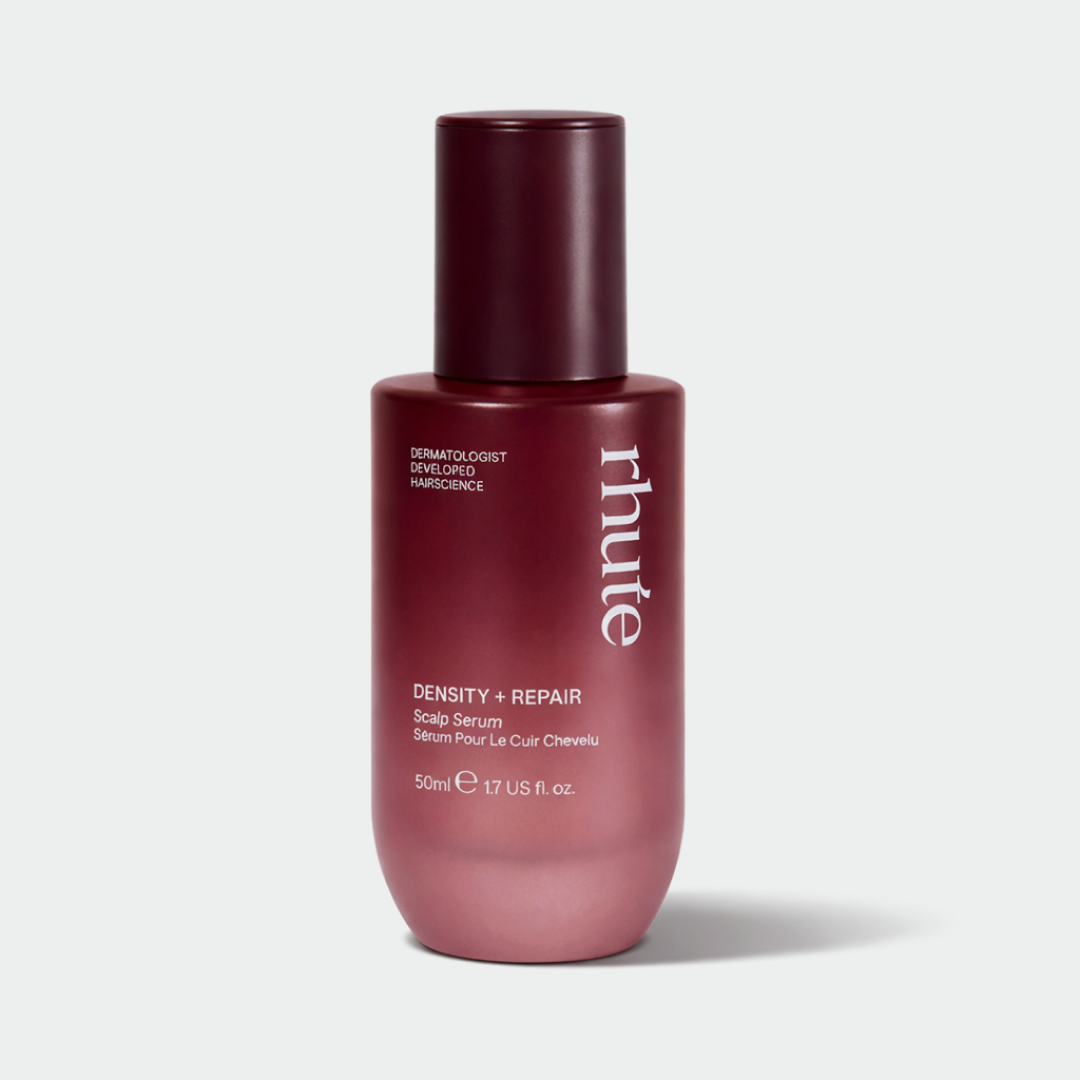
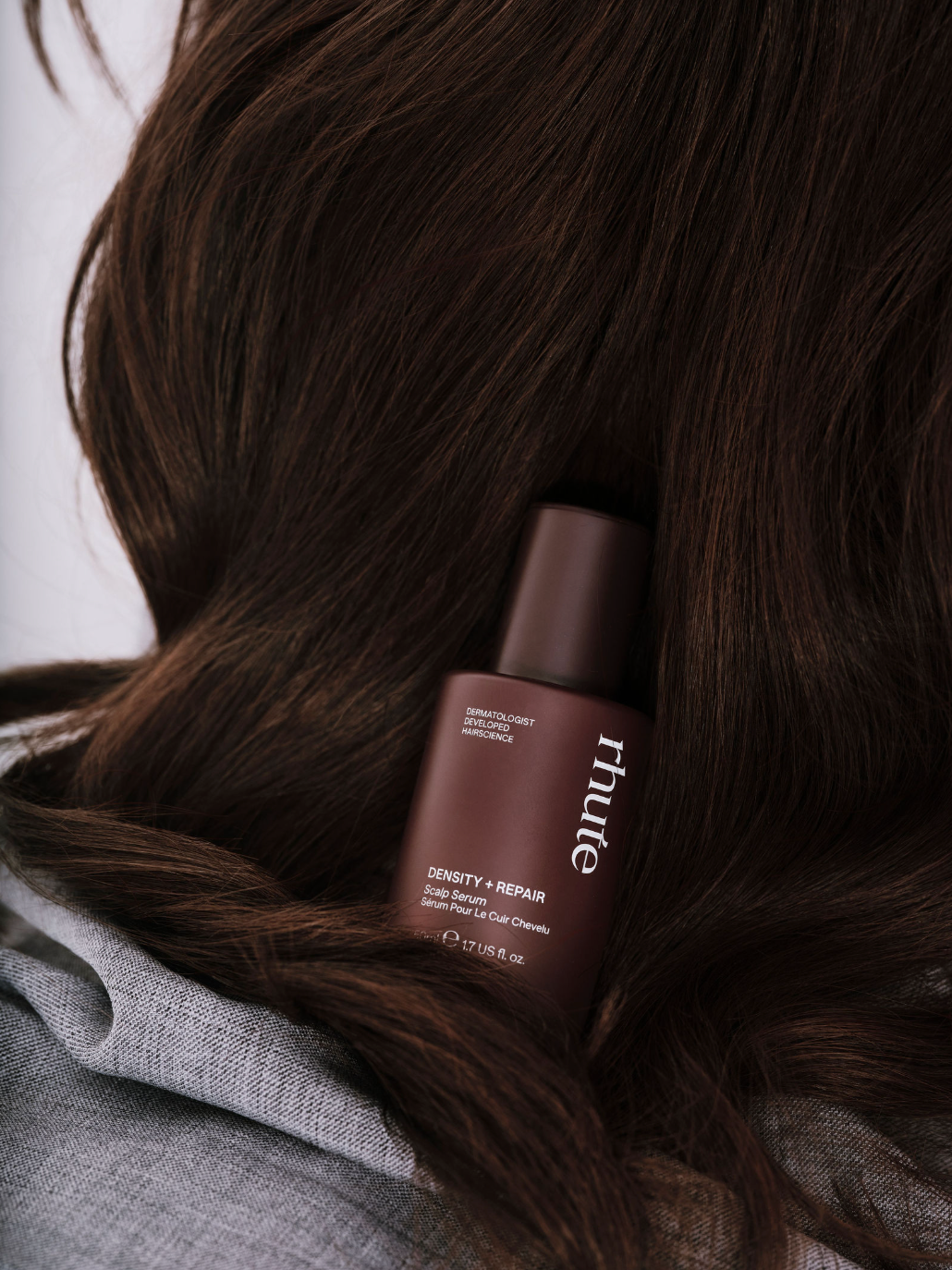
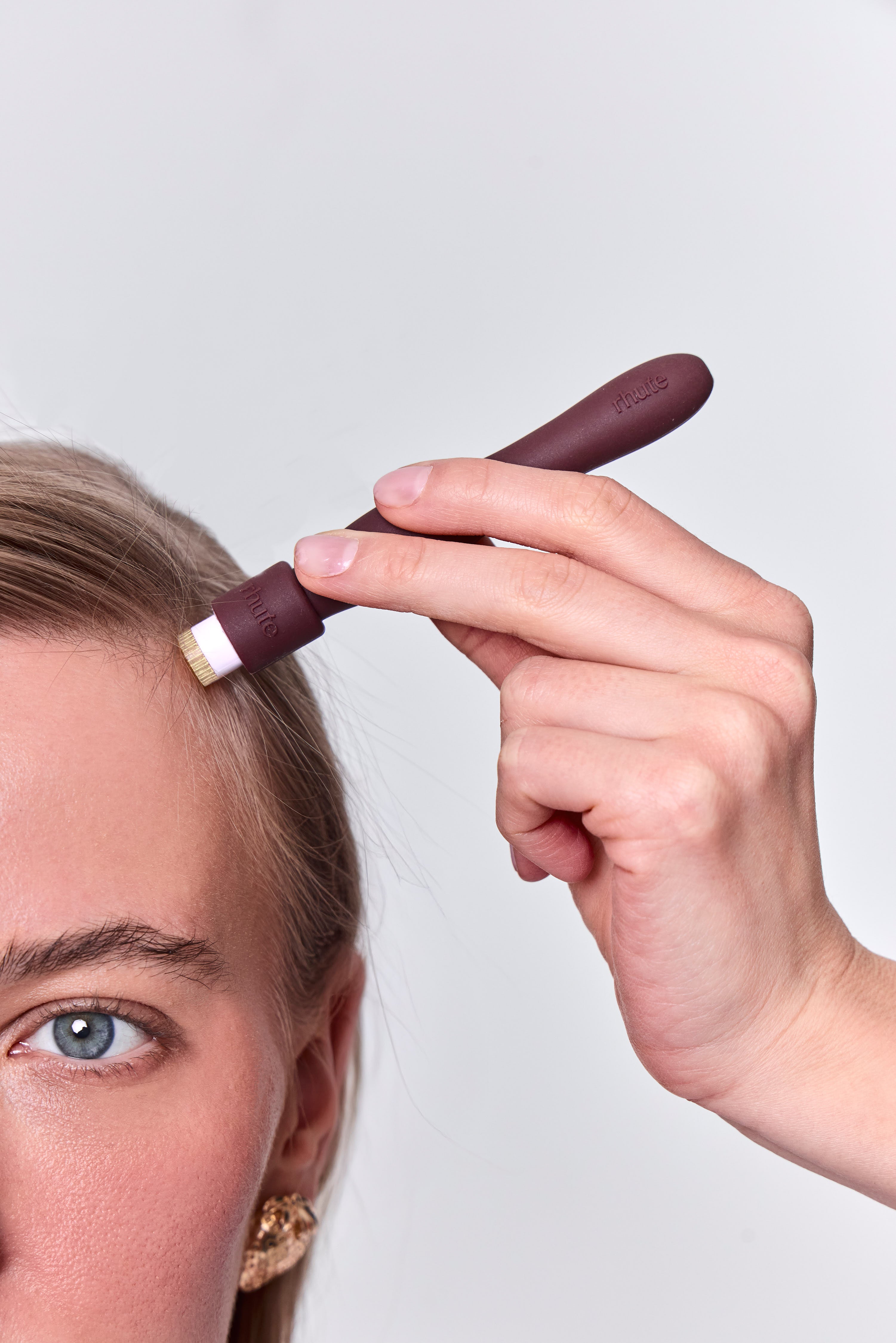
Our Density + Repair Scalp & Hair Growth Serum is a dermatologist-developed, minoxidil-free daily leave-on that supports your scalp barrier and follicle function, with bioactive peptides and caffeine to support growth at the source, plus niacinamide to soothe and strengthen.
-
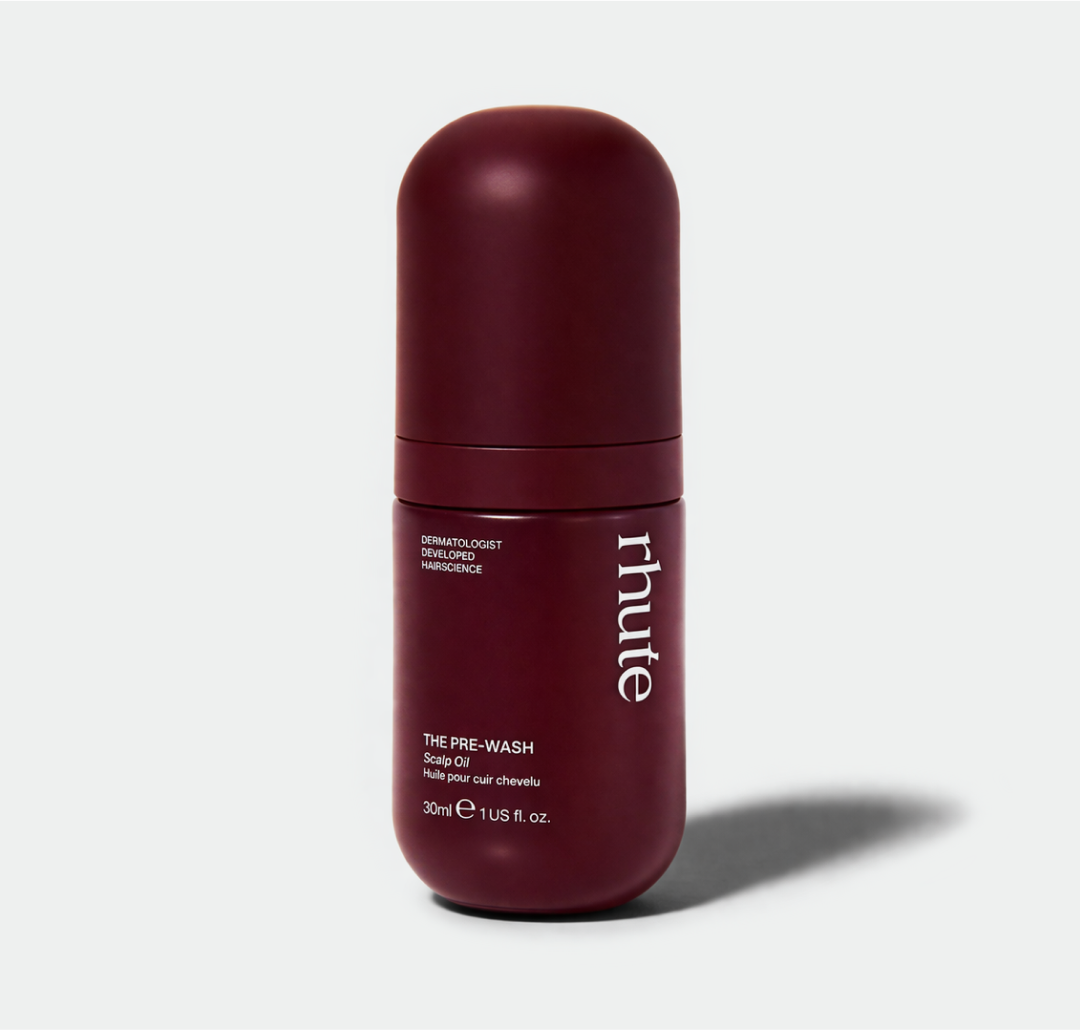
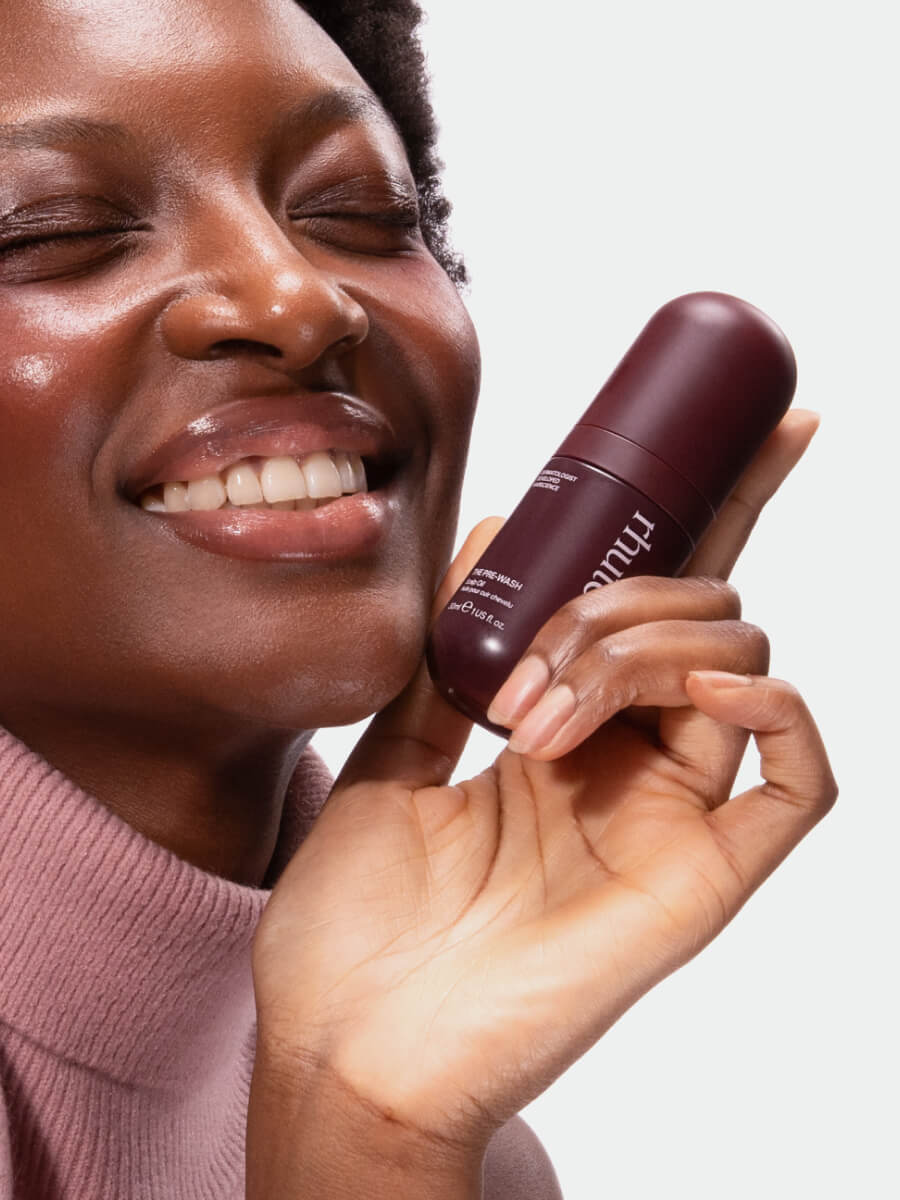
If your scalp feels dry or stressed, the Density Complex Pre-Wash Hair Oil keeps it comfortable before you wash.
For an honest look at what topical products can and cannot do, our guide to do hair loss serums actually work is a good next read.
When to see your GP
Magnesium deficiency is usually a diet-and-lifestyle conversation rather than a quick supplement fix, but book an appointment if you notice:
-
Shedding that is sudden, heavy, or has not settled after a few months.
-
Other symptoms alongside the hair loss, such as fatigue, muscle cramps or poor sleep.
-
Patchy loss, scalp pain, redness or scarring, which suggest something other than a nutrient gap.
-
Any uncertainty about supplements or doses, which is always a GP or pharmacist conversation.
The bottom line
Magnesium matters for your hair, but mostly through the back door, by supporting your stress response, your sleep and your vitamin D rather than acting on the follicle directly. A genuine shortfall is worth correcting, ideally food-first, but topping up when you are not low will not grow more hair, and the scalp-spray and calcification claims do not hold up.
So look after the fundamentals, be sceptical of the cure-all framing, and support your scalp alongside. Healthy hair starts here, from rhute to tip. If you would like a simple way to care for your scalp while you sort the basics, the Density + Repair hair serum or the Density Rhutine bundle is a lovely place to start.
FAQs
What mineral am I lacking if my hair is falling out?
The most common culprit by far is iron, especially in women, followed by low vitamin D and sometimes zinc. Magnesium is rarely the sole cause. The only way to know is a blood test, so rather than guessing at magnesium, ask your GP to check ferritin, vitamin D and thyroid function first.
How long does it take for magnesium to work for hair?
If a genuine deficiency is contributing to shedding, any benefit comes gradually as your levels stabilise and your hair cycle catches up, so think months rather than weeks. If you were not deficient to begin with, you will not see a hair change at all, because there was nothing for the magnesium to correct.
Can too much magnesium cause hair loss?
There is no good evidence that too much magnesium causes hair loss. Your kidneys clear the excess, so the usual problem with overdoing it is digestive, like loose stools or cramps, rather than shedding. Very high doses can cause other issues, which is another reason to stick to food and sensible amounts.
Do magnesium sprays or oils actually work for hair?
There is no reliable evidence that magnesium sprays or oils regrow hair. Magnesium can be absorbed through the skin to some degree, but absorption is not the same as growth, and the "spray it on your scalp" claims are marketing rather than science. Your money goes further on a balanced diet.
Is magnesium glycinate better than citrate for hair?
Neither is better for hair specifically, because the benefit is about correcting a shortfall, not the form itself. Glycinate is gentle and calming, which some people prefer for sleep and stress, while citrate is well absorbed but can be mildly laxative. Choose based on tolerance, ideally with your GP's input.