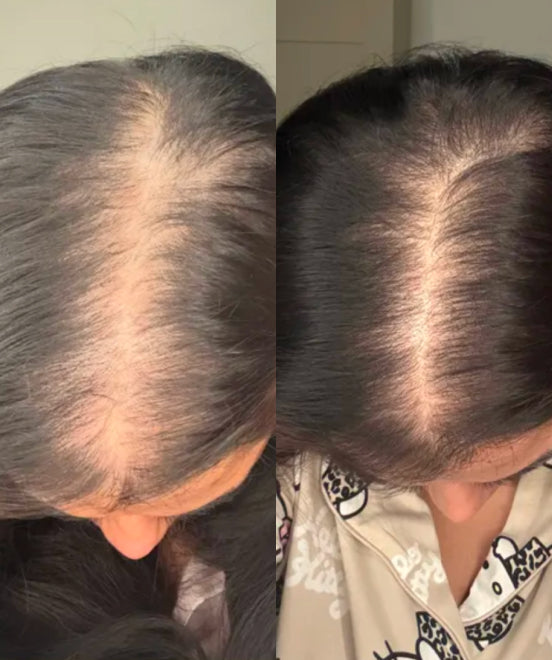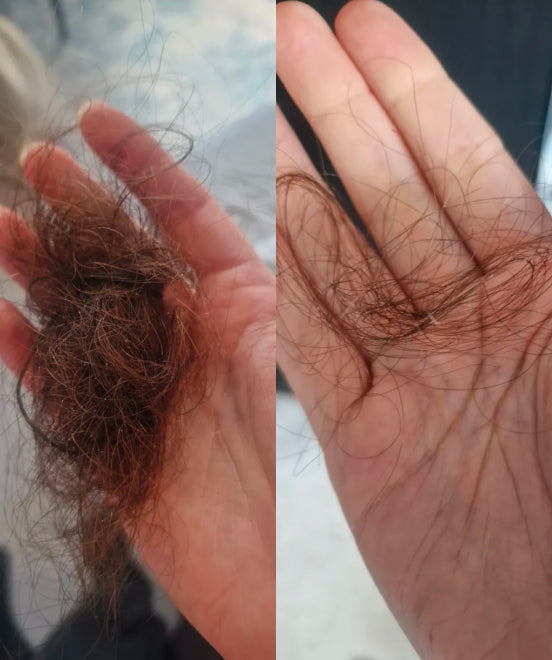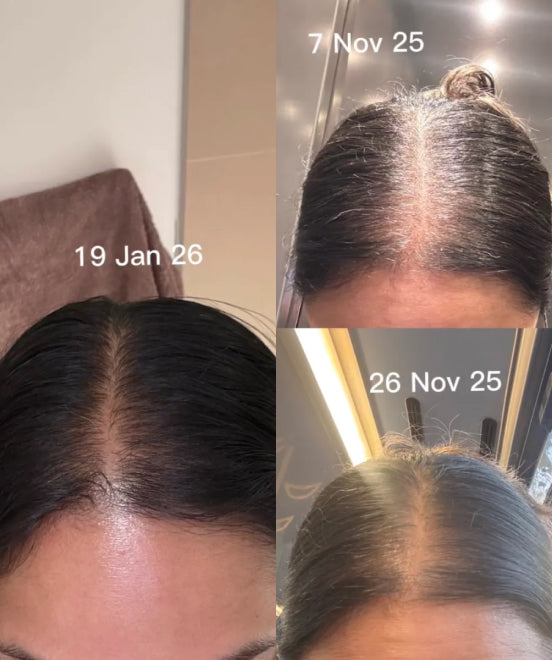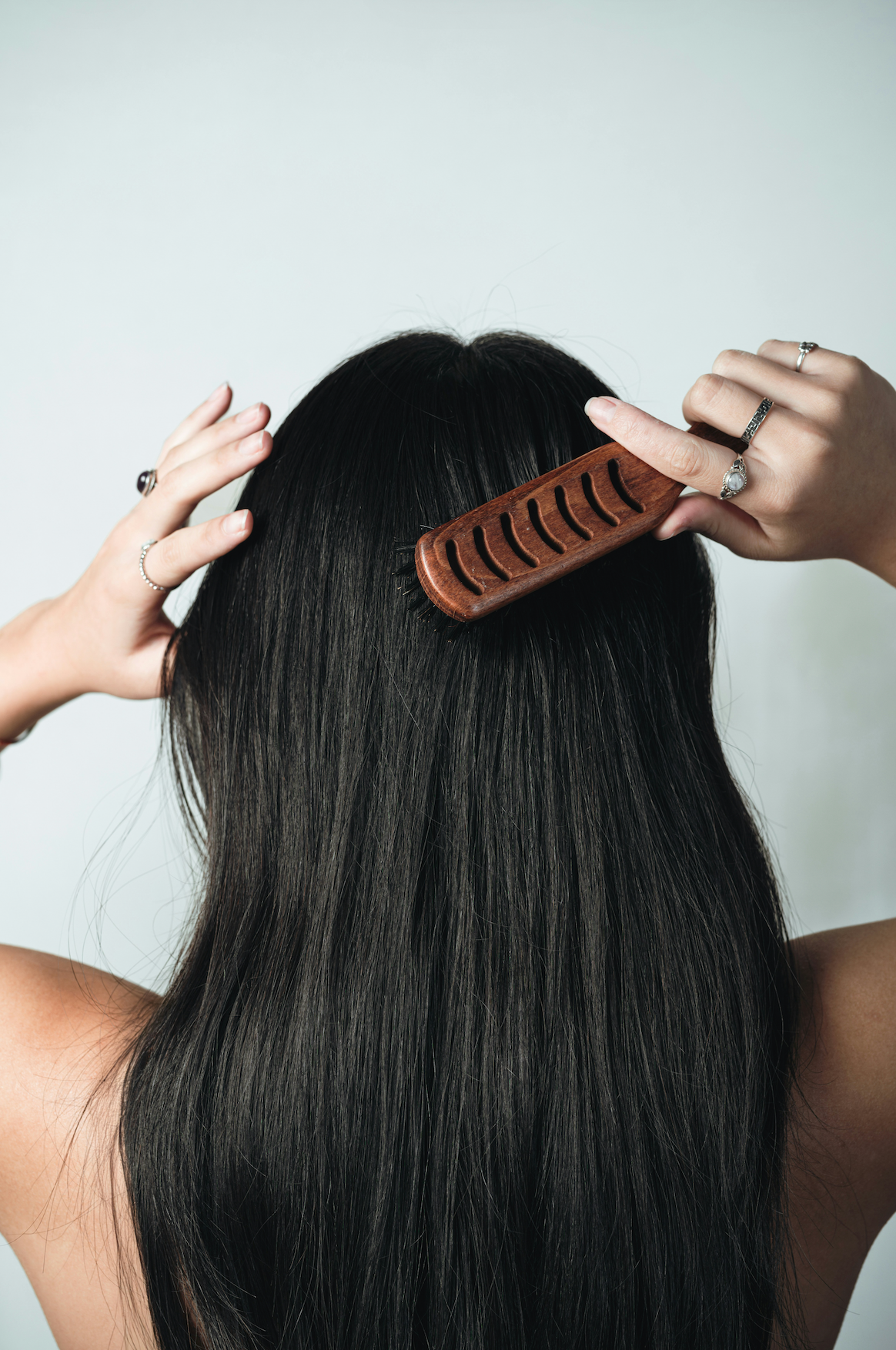



You’ve spotted short bits standing up along your parting, your ends look thinner than your roots, and something definitely snapped in your brush this morning.
Good news first. This is almost certainly breakage rather than hair loss, and the two are not the same thing. Breakage is damage to hair you already have, and it stops as soon as its cause does. We’ll start with two ten-second checks, because getting this right saves an awful lot of worrying about the wrong thing.
What does hair breakage look like?
Breakage looks like hair that ends before it should. Five things to look for:
-
Short hairs standing upright across your parting or crown, all roughly the same length
-
Ends that look thin and see-through while your roots still feel thick
-
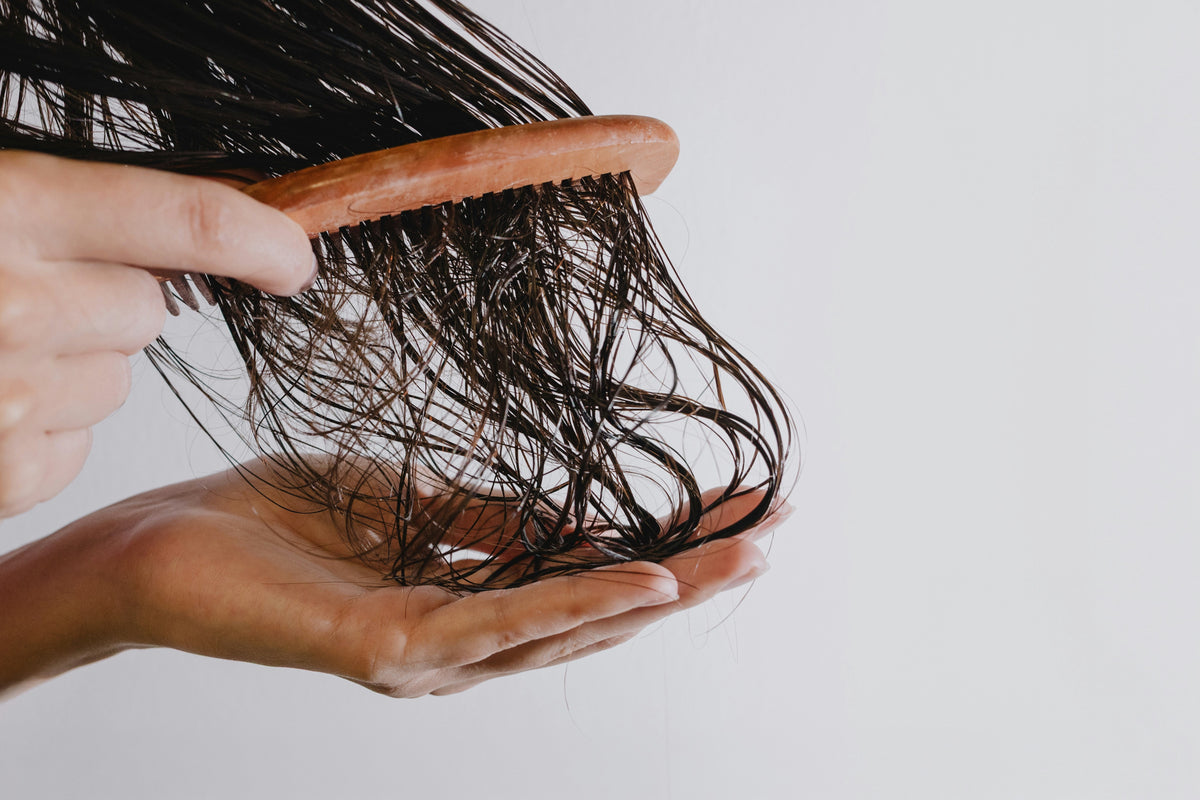
Hair snapping mid-strand when you brush, rather than sliding out
-
Tiny white or pale nodes along a strand, like beads on a thread
-
Frayed, splitting tips
Those pale nodes have a name. Trichorrhexis nodosa is the swelling that forms where a fibre is starting to give way, and under a dermatoscope it looks like two brooms pushed into each other, bristles splayed. This is the most common abnormality of the hair structure, occurring when a weak hair strand partially fractures. You can be born with this but it can also result from hair straightening, overheating by a hairdryer, frequent swimming in chlorinated water, excessive traction with tight braids, and other forms of hair trauma (DermNet).
Can broken hair grow back? Yes. Your follicle is unaffected, so it keeps producing hair as normal. What a broken hair cannot do is rejoin, which is why treatment means preventing the next break rather than mending the last one.
Is it breakage, or is your hair shedding?
Look at the end that was attached to your scalp.
-
Shedding. A hair that finished its growth cycle comes away with a small pale bulb at the root end, called a club root.
-
Breakage. A broken fragment has no bulb at either end. It’s one piece of a hair strand, not a whole one.
This matters because the two need completely different responses. Breakage is damage to the fibre and you manage it with how you handle your hair. Shedding happens at the follicle, so it’s a body thing rather than a hair thing, and a sudden increase is worth a GP appointment. The hair loss in women guide covers what that conversation looks like, and telogen effluvium covers the sudden all-over shed specifically.
Two complications worth knowing about. Both can happen at once, and often do. Postpartum shedding plus a year of ponytails gives you full-length hairs with bulbs and short broken pieces in the same handful, so sort them into two piles rather than forcing one answer.
And breakage is occasionally the first visible sign of a scalp condition rather than a styling problem. Callender et al. (2012) documented nine patients whose only presenting sign was breakage at the crown, and who turned out to have early central centrifugal cicatricial alopecia, a scarring hair loss. If breakage sits in one patch, keeps returning after you have changed everything, or comes with a tender, itchy or shiny scalp, get it looked at.
Is it breakage, or is it new growth?
Look at the tip this time, not the root.
-
New growth tapers. A hair that has never been cut or broken narrows to a fine point at its tip.
-
Breakage is blunt. A snapped hair ends abruptly, the same width as the rest of the strand.
Tapered means growing. Blunt means broken. Regrowing hairs are described as short, pigmented, upright, and pointed at the tip, while broken hairs show an irregular fracture straight across the shaft (Rudnicka et al., 2012).
This gets muddled a lot, and the mix-up runs both ways, so it’s worth being precise: on new growth it’s the tip that tapers. A hair that tapers at the base instead means something different. Exclamation mark hairs are thin and pale at the scalp end and thicker and darker at the tip, and they point to alopecia areata (an autoimmune condition) rather than damage (Gómez-Quispe et al., 2023). Same short hair, opposite direction, completely different story.
Do the check in daylight against a plain background. If most of the short hairs taper to a point, you’re watching your hair grow, which is worth knowing before you spend money solving a problem you don’t have. If you’re trying to work out whether something else is going on, we have covered how to spot early signs of hair loss and thinning.
Where your hair is breaking tells you why
Breakage is rarely spread evenly, and the map is diagnostic.
-
Around your face and hairline. The hair here is naturally finer, and it takes the daily tension of ponytails, clips, headbands, and tucking behind your ears. Repeated pulling is the mechanism behind traction alopecia, and one of its clinical signs is the fringe sign, a retained line of short hairs right at the margin with thinning just behind it (Samrao et al., 2011; Billero & Miteva, 2018). Worth knowing before you panic: up to 10% of hairs on a normal scalp are vellus hairs, under 3 mm long and very fine (Rudnicka et al., 2012). A soft halo at your hairline is usually just your hairline.
-
On top and at the crown. This is where partings sit, where buns and high ponytails pull, and where straighteners and tongs get the most passes. It’s also the area Callender et al. (2012) flagged as worth a second look if breakage there is stubborn. Khumalo et al. (2007) linked traction styling to scalp disease at population level, so the connection is not just anecdotal.
-
At the ends. The oldest hair on your head and the most worn. Hair weathering is cumulative, and the tip of a shoulder-length strand has survived years of washing, brushing, sun, and heat (Osório & Tosti, 2011). Ends breaking is the normal, expected pattern. Mid-lengths and crown breaking is the one that tells you something specific is going on.
What causes hair breakage
Some causes have solid evidence behind them. Others are repeated everywhere and have never been tested, and we would rather say so.
Well evidenced:
-
Chemical processing. Every strand is built from keratin, the tough protein that gives your hair its structure. Keratin chains are held in position by disulphide bonds, strong links between two sulphur atoms, and those are the bonds that bleach oxidises and relaxers break. Khumalo et al. (2010) analysed relaxed hair and found reduced cystine, the sulphur-rich amino acid those bonds are made from, consistent with fragile, damaged hair. Hatsbach de Paula et al. (2022) review the same picture across chemical straighteners.
-
Heat and tension styling. Zhou et al. (2011) found that thermally stressed hair broke significantly more when combed. Flat irons run well above 200°C, and the damage is structural rather than cosmetic. More in how to protect hair from heat damage.
-
Physical causes of hair shaft damage include friction from hair accessories, washing, and towel drying (Lee et al., 2011).
-
Worth ruling in. If your hair starts breaking during rapid weight loss, including on a GLP-1 medication, shedding and fragility can arrive together. Learn more about mounjaro and hair loss.
Hair breakage treatment: what actually helps
A broken hair cannot be rejoined. So hair breakage treatment means removing the load that’s snapping your hair, and there’s decent evidence on which loads matter most.
-
Trim what has already broken. Frayed ends keep fraying. Cutting to just above where your hair turns rough removes the weakest section.
-
Space out chemical services. Every bleach or relaxer appointment starts from a lower baseline than the last one.
-
Turn the temperature down, and use a heat protectant. Zhou et al. (2011) found polymer pretreatments significantly reduced breakage after thermal stress by keeping the cuticle intact, so this is one of the few product steps with a direct measured effect on breakage.
-
Condition your mid-lengths and ends properly. This is where hair damage is concentrated. In Robbins and Kamath's (2007) combined experiments, a conditioner reduced both types of breakage in bleached hair.
-
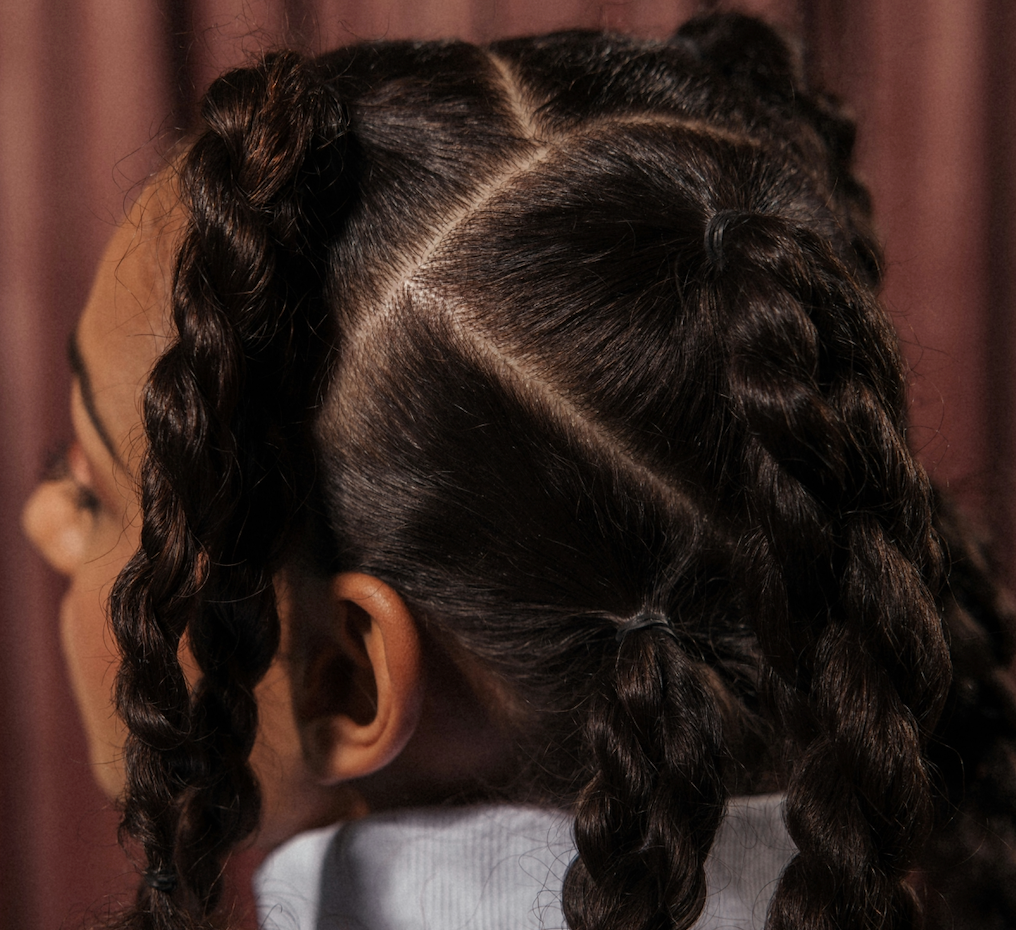
Loosen everything. Lower ponytails, looser buns, and give your hairline a day off.
Now the wet hair question, because the usual advice oversimplifies it. Wet hair is genuinely weaker: water plasticises the keratin, dropping its yield stress and stiffness while letting it stretch much further before it fails (Yu et al., 2017). But weaker does not simply mean more breakage. Robbins and Kamath (2007) found wet combing produced fewer short breaks and more long ones than dry combing, because dry combing tangles ends around the teeth while wet combing lets fibres stretch and fail further up.
So the variable that matters most isn’t wet versus dry, it’s slip. In the same experiments, a conditioner reduced both kinds of break in bleached hair, which makes lubrication the thing worth getting right:
-
Detangle before you wash, not after. If you use a pre-wash oil, work the tangles out while it’s on. Your hair has slip, you’re not fighting knots in the shower, and most of the work is done before your hair reaches its most fragile state.
-
If you detangle after washing, the preference is to detangle gently on dry hair, however if this doesn’t work for you, do it on damp rather than dripping hair, with a wide-toothed comb and a leave-in conditioner for slip.
-
If your hair is curly or coily, damp is almost always the answer. Type 4 textures (tight coils and zig-zag shaped strands that grow upwards) tend to find detangling dry hair quite challenging and this can cause excessive pulling and tugging which can lead to more breakage. Work in sections on damp hair with a leave-in or a generous conditioner.
-
Whatever your texture, start at the ends and work upwards, and never drag a brush from root to tip.
So the useful rule is not "never comb wet hair". It is: detangle gently from the ends upwards, wet or dry, and never drag a brush from root to tip.
Protein and bond treatments sit one level down in priority. They can improve how a damaged strand performs while it is on your head, without restoring it. We have covered the role of peptides in hair care and hair bond repair in detail. Discover our new bioadaptive bond repair mist.
How long until it stops, and how long until it grows out
These are two different timelines, and conflating them is why people give up.
Stopping is fast. Breakage is not a condition that runs its course. It’s a response to a load, so it stops when the load does. Take out the tight ponytail and the tension breakage stops that day. Drop the straightener temperature and the next wash produces fewer snapped pieces.
Growing out is slow. Scalp hair grows around a centimetre a month, so the ends of shoulder-length hair are roughly two years old. The damaged section is on its way out either way, and no product speeds that up.
Looking after the hair you haven’t grown yet
Since the broken length is leaving regardless, the hair worth investing in is the hair still being built. That happens at the follicle, inside your scalp, and Trüeb et al. (2018) make the case that scalp condition shapes the quality of the fibre before it ever emerges.
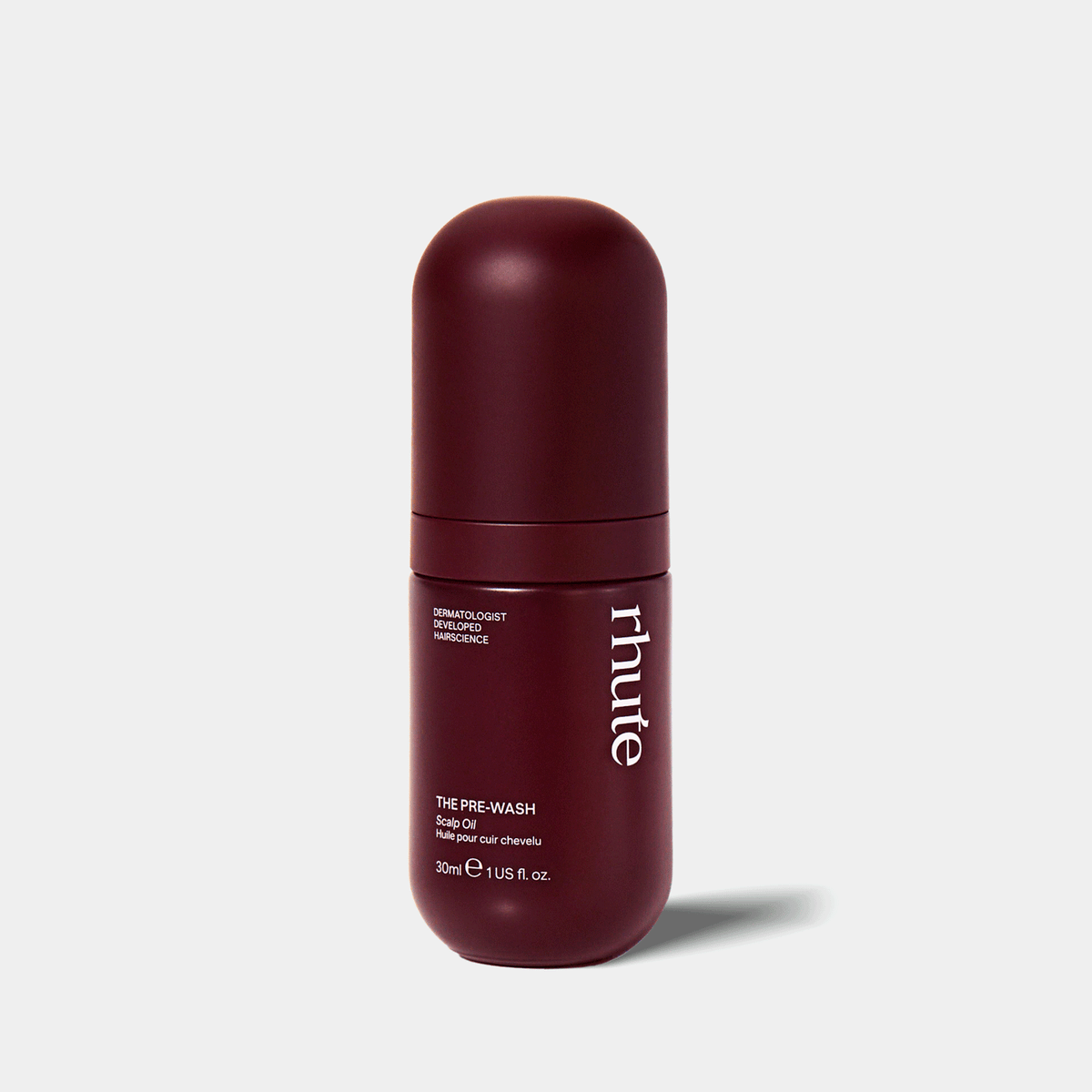
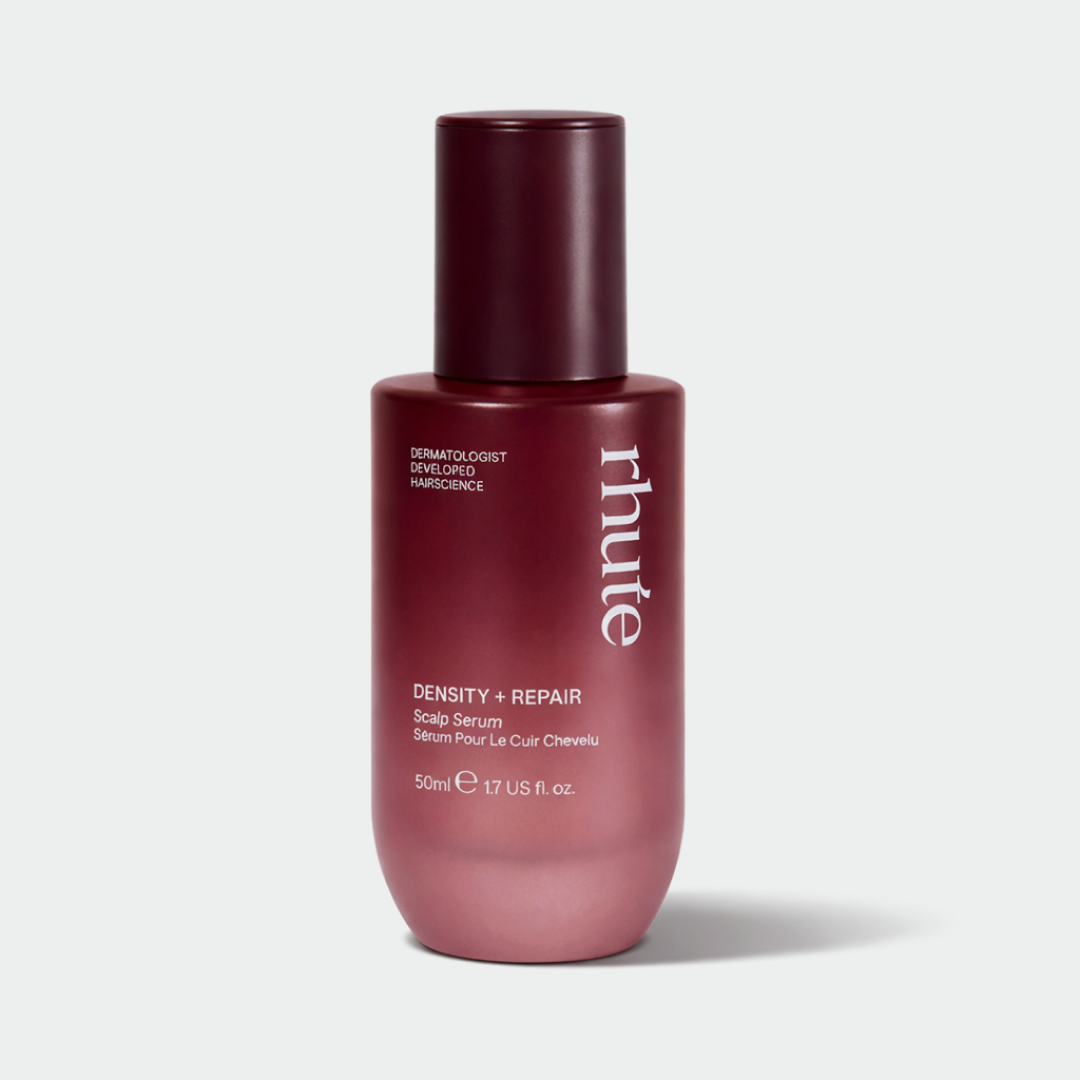
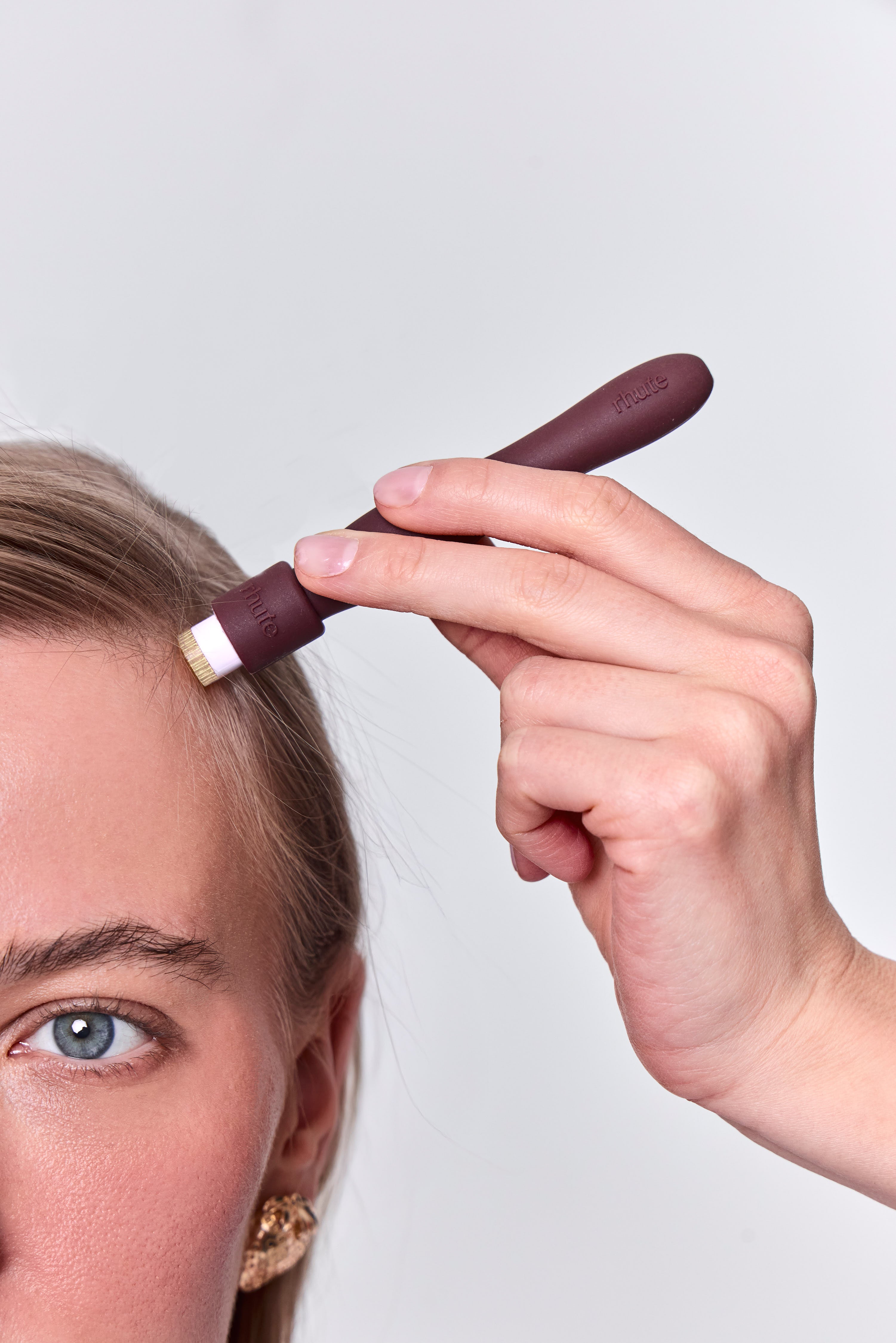
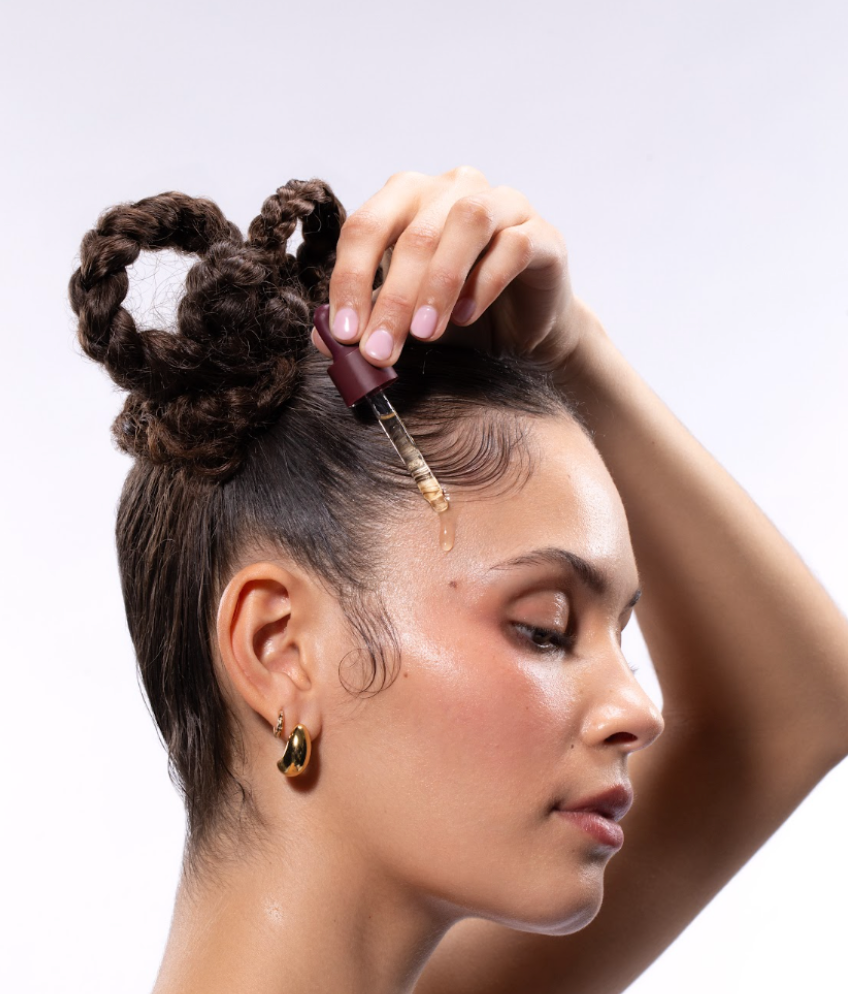
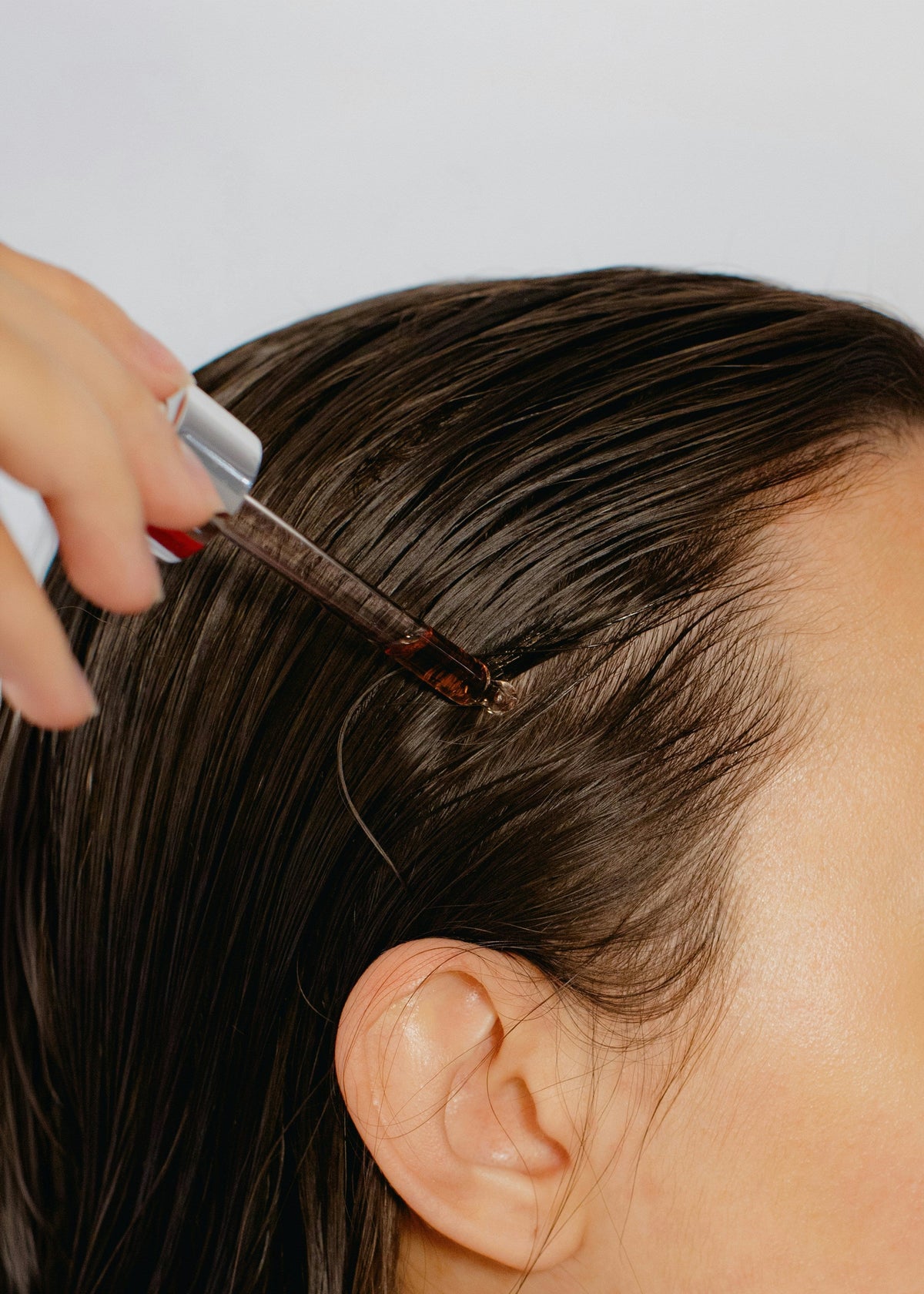
The Triple Density Complex Pre-Wash Scalp Oil makes detangling easier and reduces breakage during washing, which is one step of your rhutine where mechanical damage can impact your hair. You apply it before you wash, so it’s working while your hair is at its most fragile. The Density + Repair hair growth scalp serum works on the other half of the problem, supporting your scalp barrier and reducing shedding with niacinamide and bioactive peptides.
Neither one mends a broken strand, and we are not going to suggest otherwise. Learn more on how to improve your scalp health.
FAQs
Are these baby hairs or breakage?
Check the tip. Baby hairs and new growth taper to a fine point; broken hairs end bluntly. Baby hairs are also softer, paler and wavier, and they sit forward of your hairline rather than in a band behind it. If the short hairs are spread across your parting and all end at roughly the same blunt length, that is breakage from a repeated stress in the same place. A sudden crop of fine new hairs after a shed is usually regrowth, which we cover in seasonal hair shedding.
Why is my hair breaking on one side only?
This typically points to a localised, mechanical cause. This includes the side you sleep on, and seatbelts and shoulder bags, which can pull on one side and cause breakage rather than rub. If a one-sided patch has no obvious mechanical explanation, get a dermatologist's opinion.
Can washing your hair too often cause breakage?
Washing frequency itself has not been shown to damage the fibre. What does the damage is the handling around it, and every wash means wet hair, which is measurably weaker (Yu et al., 2017), plus towel drying, detangling and usually heat afterwards. So it’s fair to say more washes means more opportunities for mechanical damage, not that shampoo is breaking your hair. If you wash often, change how you handle it rather than how often you do it.
What vitamin deficiency causes hair breakage?
No vitamin deficiency is established as a cause of hair breakage in the way it is often implied. Nutrient problems mostly show up as shedding, not fragility. That said, Burkhart (2025) lists malnutrition, iron deficiency and hypothyroidism among the states that make hair more susceptible to breaking, so clinical deficiency is a different matter from a marginal one. If you have symptoms beyond your hair, ask for a blood test rather than guessing. We’ve covered iron deficiency and hair loss and thyroid hair loss in detail.
What illnesses can cause hair breakage?
Thyroid disease and iron deficiency are the two that come up most often in the clinical literature (Burkhart, 2025). Scarring scalp conditions can present as breakage before anything else is visible (Callender et al., 2012). There are also rare inherited hair shaft disorders that cause fragility from childhood, which a dermatologist diagnoses by looking at a hair under a microscope. Sudden unexplained breakage in an adult with a normal history is worth investigating rather than treating cosmetically.
Is hair breakage the same as split ends?
They’re the same process at different stages. Split ends are the fibre separating lengthwise at the tip, where the protective cuticle has worn away. Breakage is the fibre giving way across its width. Both come from cumulative wear, and both concentrate in the oldest hair, which is why they turn up together. Splits do not heal, so trimming is the only thing that removes one.
Can a hairdresser tell the difference between breakage and shedding?
An experienced one usually can, because they see your hair section by section under good light and can tell whether the short hairs are blunt or tapered. What they cannot do is diagnose a scalp condition. If they flag a patch that is not recovering, or you can see redness, scaling or shine on your scalp, that is a GP or dermatologist conversation rather than a salon one.
Should I keep wearing extensions or braids if my hair is breaking?
Tension is one of the few causes with real evidence behind it, so continuing the same style at the same tightness will keep producing the same result (Billero & Miteva, 2018). You do not necessarily have to stop, but you do have to change something: looser installation, smaller sections, shorter wear time, and proper breaks in between. Pain or tenderness during or after fitting is a signal to loosen it, not something to sit through.