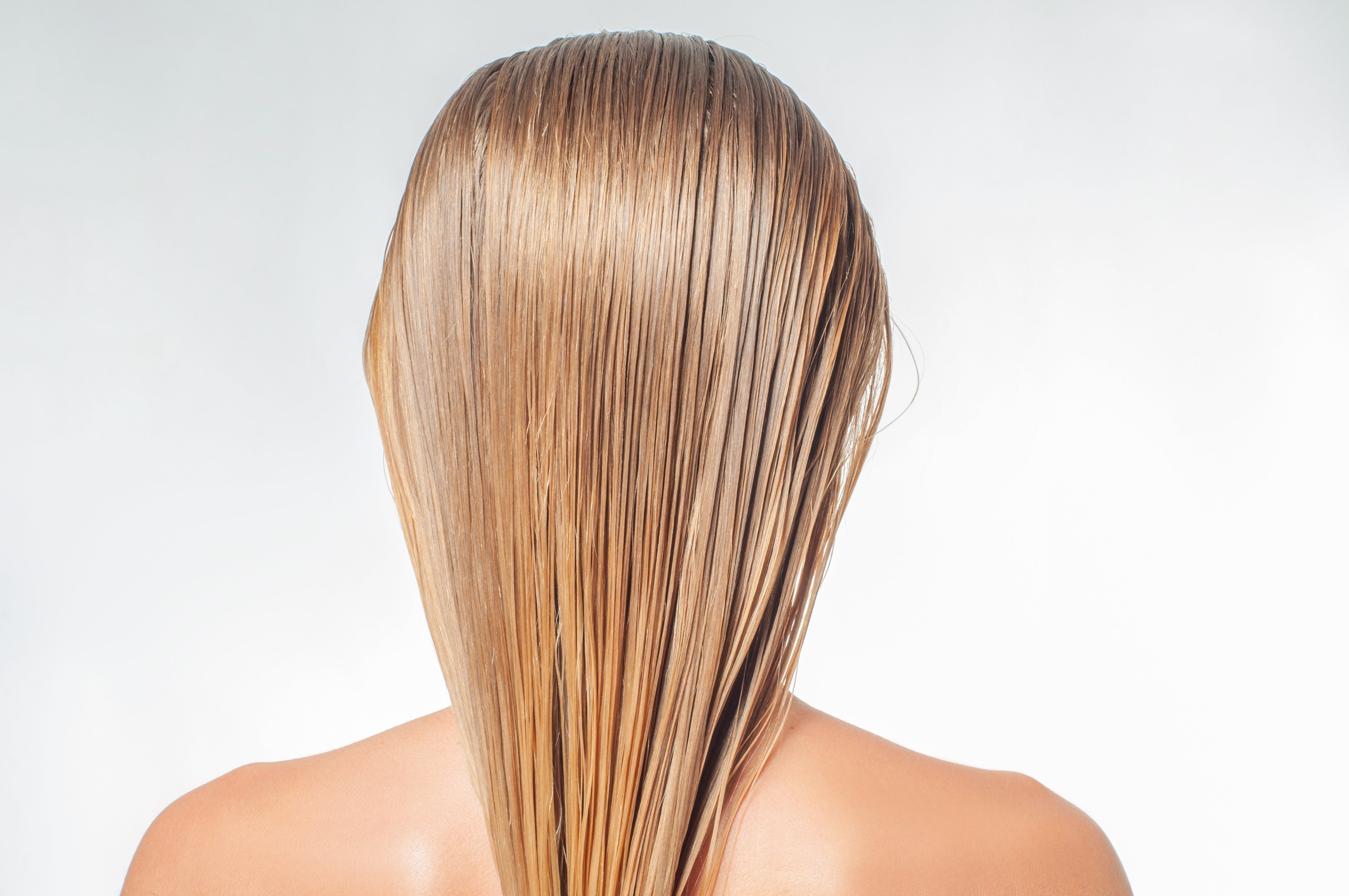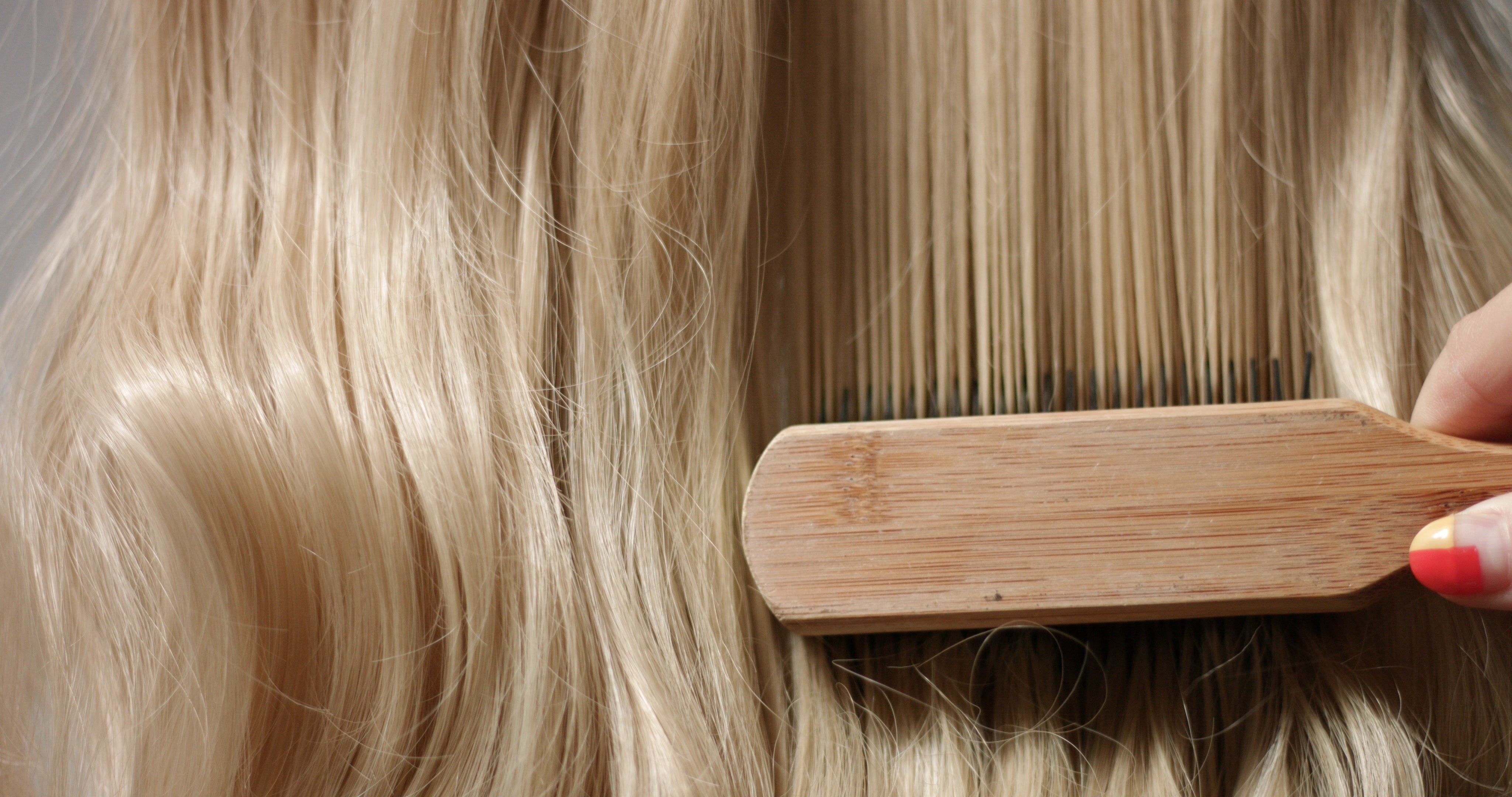

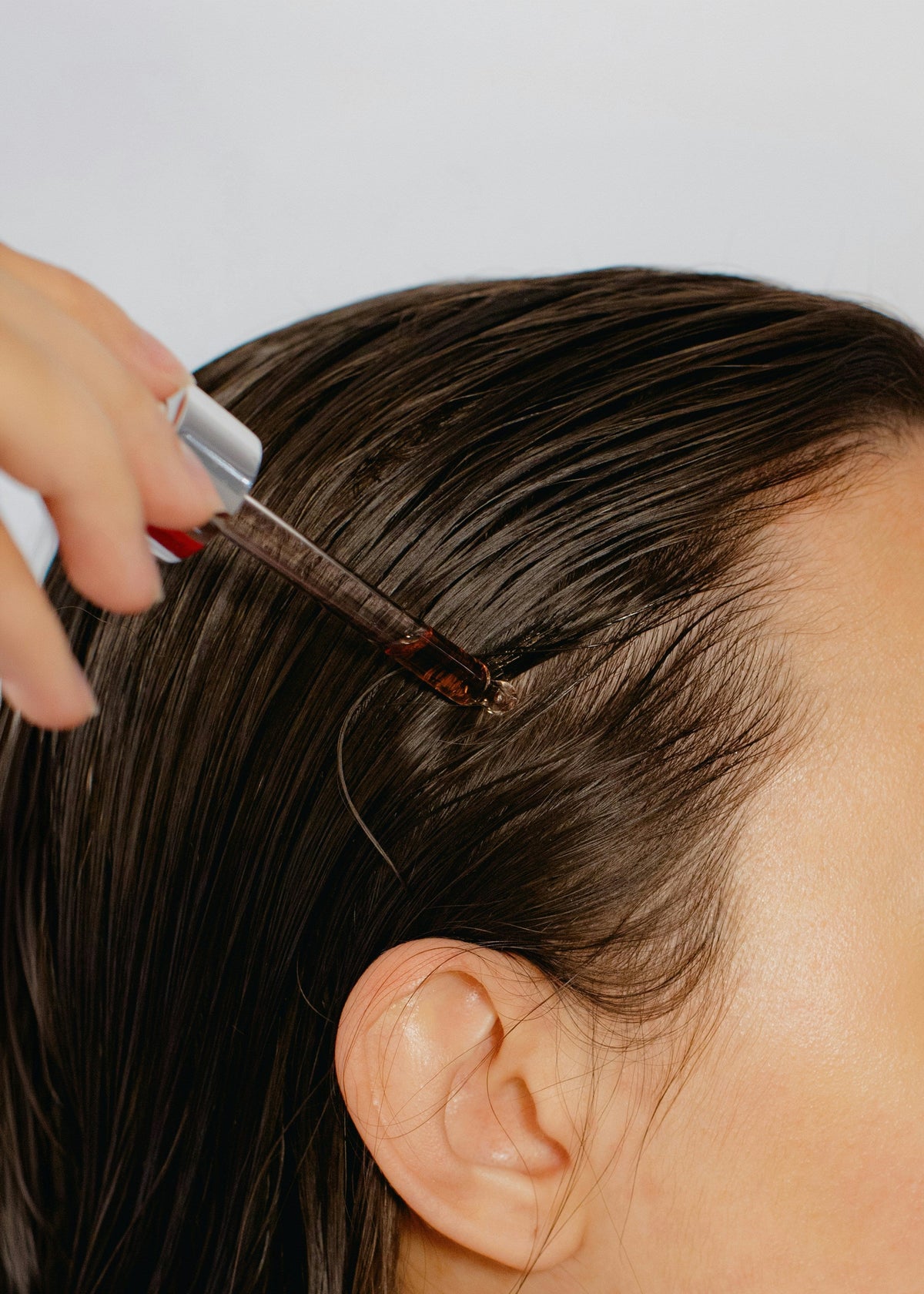

You go to bed with oil smoothed through your lengths and wake up to a pillowcase that looks like it's been used to wrap chips. We've all been there, and most of us have wondered whether the night shift was worth it. So, can you leave hair oil in overnight? Yes. For most people, overnight hair oil on the mid-lengths and ends is absolutely fine. But there's no evidence that the extra hours make it work harder than a few hours would, and your scalp plays by different rules entirely.
The quick answer
-
Your lengths: fine overnight, especially if they're dry, curly or bleached.
-
Your scalp: not recommended to leave overnight, a shorter contact window is beneficial.
-
Timing: most of the oil that soaks into your hair does so within the first hour or so.
Here's what's actually going on while you sleep, and how long is really enough.
What actually happens to oil in your hair after the first hour
Not every oil behaves the same once it's on your hair. Each strand has two main layers: the cuticle, the protective outer scales that overlap like roof tiles, and the cortex, the hair's inner core that gives it strength and stretch. Some oils, with coconut the best studied, have small, straight molecules and a natural affinity for hair proteins, so they can slip past the cuticle and into the hair itself. Others, like mineral oil, can't penetrate and mostly sit on the surface as a coating (Rele & Mohile, 2003). Both have their uses, but only the first kind is truly "soaking in". If you want to know which oils fall into which camp, learn more about how hair oiling works.
Now for the timing. The one study we've found that measured how much coconut oil hair absorbs over time checked at one hour and again at six hours. Most of the uptake had already happened by the first check, with a smaller top-up by six hours (Gode et al., 2012). Nobody measured beyond that. So the idea that a full night means a "deeper" treatment is an assumption, not something the research has shown. It's also worth knowing that the strands in that study were fully soaked in oil in a lab, which is far more than the few drops most of us use at home.
Then there's the question of when the benefit actually shows up. Hair swells as it takes on water, and that swelling lifts the cuticle and leaves it more prone to chipping. When coconut oil was in the hair before washing, it limited how much water got in and reduced the protein lost when the hair was later combed (Rele & Mohile, 2003). In other words, the protection comes from having oil in your hair at the moment it gets wet, whether it went on an hour ago or the night before.
Your lengths vs your scalp: why overnight isn't one question
Your lengths and your scalp are two very different places, and treating them as one is where a lot of advice on oiling hair overnight gets muddled. So is it good or bad? For your lengths, mostly good.
The hair along your mid-lengths and ends isn't living tissue. It can't get irritated or break out, so an overnight hair oil treatment there is low risk. If your hair is dry, curly, coily or bleached, your lengths are often the thirstiest part of your whole head, and a night under oil can leave them feeling softer and easier to detangle.
Your scalp, on the other hand, is skin, and skin is busy. It's home to Malassezia, a yeast that lives on everyone's scalp and feeds on oils. As Malassezia breaks down fats, it leaves behind fatty acids, including one called oleic acid. In one key study, applying oleic acid to the scalp brought on dandruff-like flaking in people who were already prone to dandruff, but not in people who weren't (DeAngelis et al., 2005). Same ingredient, very different scalps.
So with scalp oiling, the type of oil you pick and how long you leave it on really matter. The aim is extra hydration and helping your skin hold on to its moisture, without tipping into the downsides. Leave oil on your scalp for too long and it can feed that yeast and throw your scalp microbiome (the community of tiny organisms living on your skin) off balance. It can also trap sebum (the natural oil your scalp makes) and clog your hair follicles.
That's why dermatologists suggest that people with seborrhoeic dermatitis (a more stubborn, inflamed relative of dandruff) keep oils off the scalp and focus them on the ends of the hair instead (Mayo et al., 2023). Their letter centred on Black patients, for whom scalp oiling is a long-standing tradition, but the yeast reasoning applies to any scalp that's prone to flaking.
Then there's your hairline. Long-term use of oils and pomades can block pores around the forehead and temples, causing small, closed bumps known as pomade acne, a documented type of acne (Davis & Callender, 2010). A whole night with oily hair against your face gives it plenty of time to wander.
Skip overnight scalp oiling especially if you have:
-
a flaky or itchy scalp
-
diagnosed seborrhoeic dermatitis
-
breakouts along your forehead or hairline
None of this means oil and your scalp can't be friends. It just means time on your scalp deserves a shorter, rinse-out window.
Does leaving hair oil overnight cause hair loss?
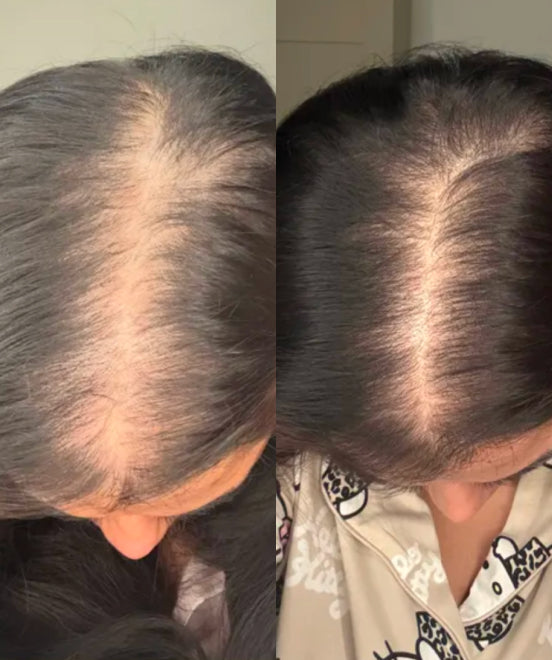
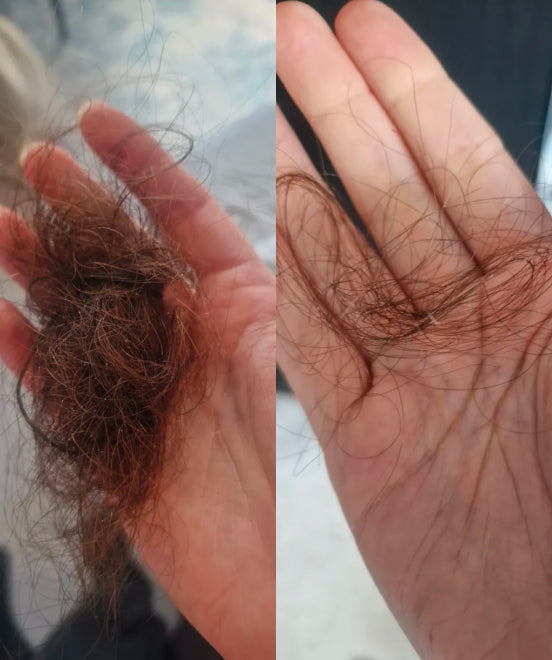
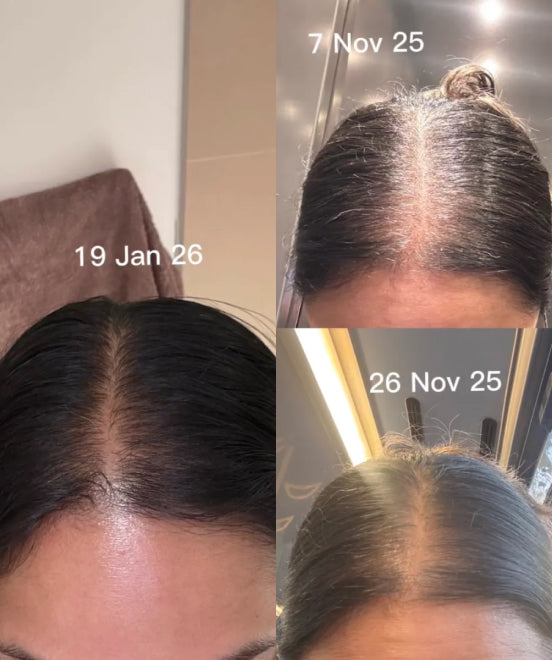
There's no research showing that leaving oil in hair overnight directly causes hair loss, but it can disrupt your scalp’s natural barrier and microbiome. This can inadvertently affect the health and growth of your hair follicles. If you've spotted more hair in the shower the morning after, it's completely understandable to worry, but it's very likely hair that was already on its way out.
Every hair has a resting phase at the end of its cycle, when it stops growing and simply waits to be released. Massaging oil in at night, then washing and detangling in the morning, gives those resting hairs a nudge, so you see a day or two's worth leave at once. Most people lose somewhere between 30 and 150 hairs a day, which is completely normal. We explain where that range comes from in the telogen effluvium guide.
There are a few overnight habits that can put your hair under stress, though, and none of them are about the oil itself:
-
Tight buns or plaits. Sleeping with hair pulled tight tugs at your roots night after night, and repeated tension is linked to traction alopecia.
-
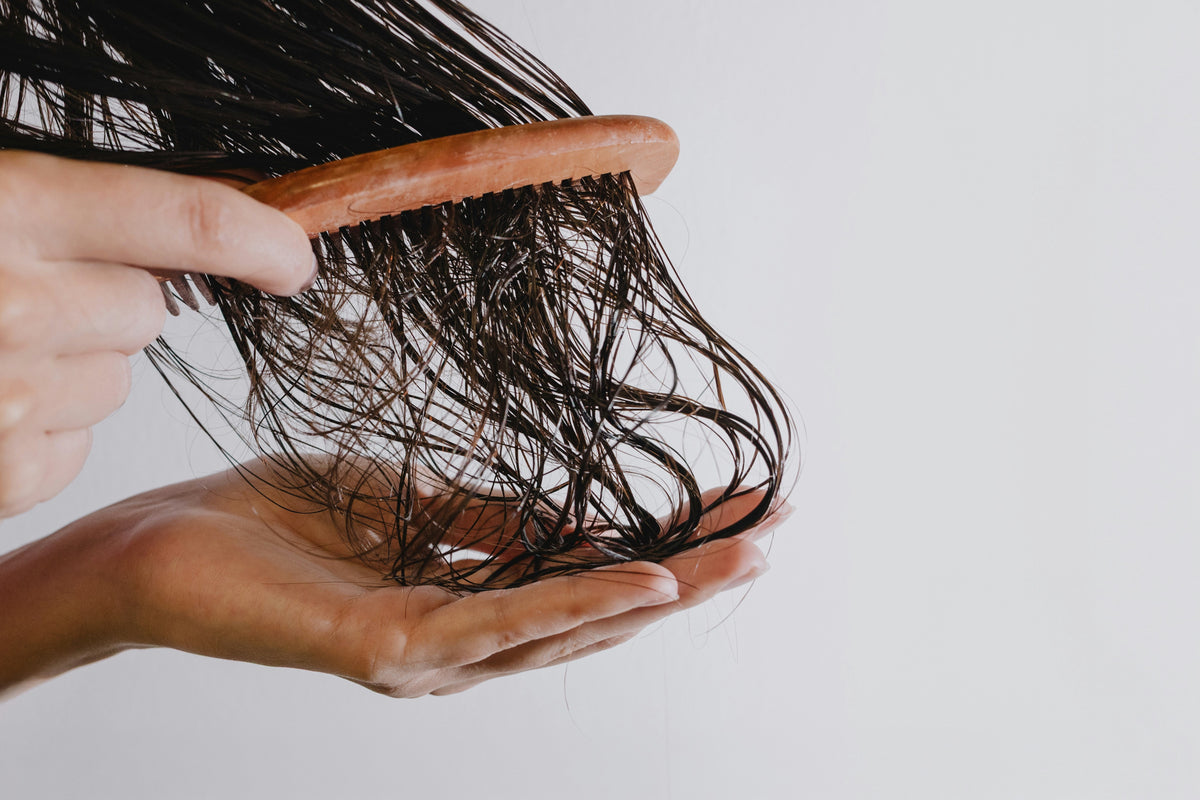
Rough morning detangling. Oily knots can feel stubborn, so start at the ends and work upwards gently with a wide-tooth comb.
-
An unhappy scalp left to flare. If oil leaves your scalp itchy, flaky or sore and the routine stays the same, that irritation can hang around. Your scalp is telling you something, and it's worth listening to.
If your shedding feels heavier than usual for weeks rather than just after wash day, our telogen effluvium guide is a good place to start looking at other causes.
Overnight or pre-wash: how long should you actually leave it?
Should you oil your hair overnight, or stick to a pre-wash window? It depends on what you want the oil to do. Here's how that plays out:
-
Dry or bleached ends: overnight on your lengths is fine if you like the ritual and the results.
-
Scalp care: a pre-wash window of around one hour or more, then shampoo it out.
-
Fine hair or oily roots: go shorter and lighter, and keep oil to the bottom half of your hair.
-
Busy mornings: apply it while you get ready, then hop in the shower.
For the full step-by-step pre-wash method, including how much to use and how to massage it in, head to our guide on how to use hair oil.
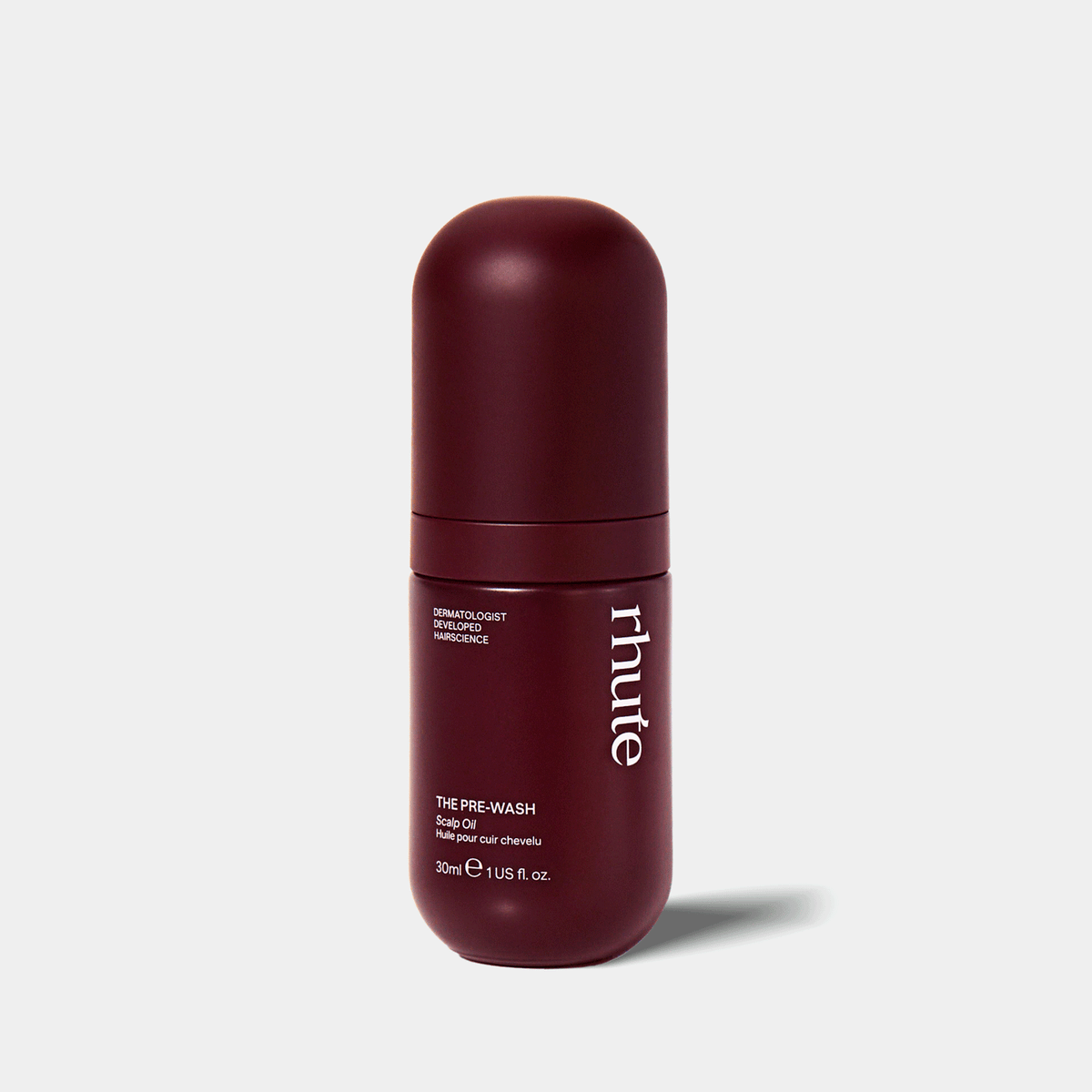
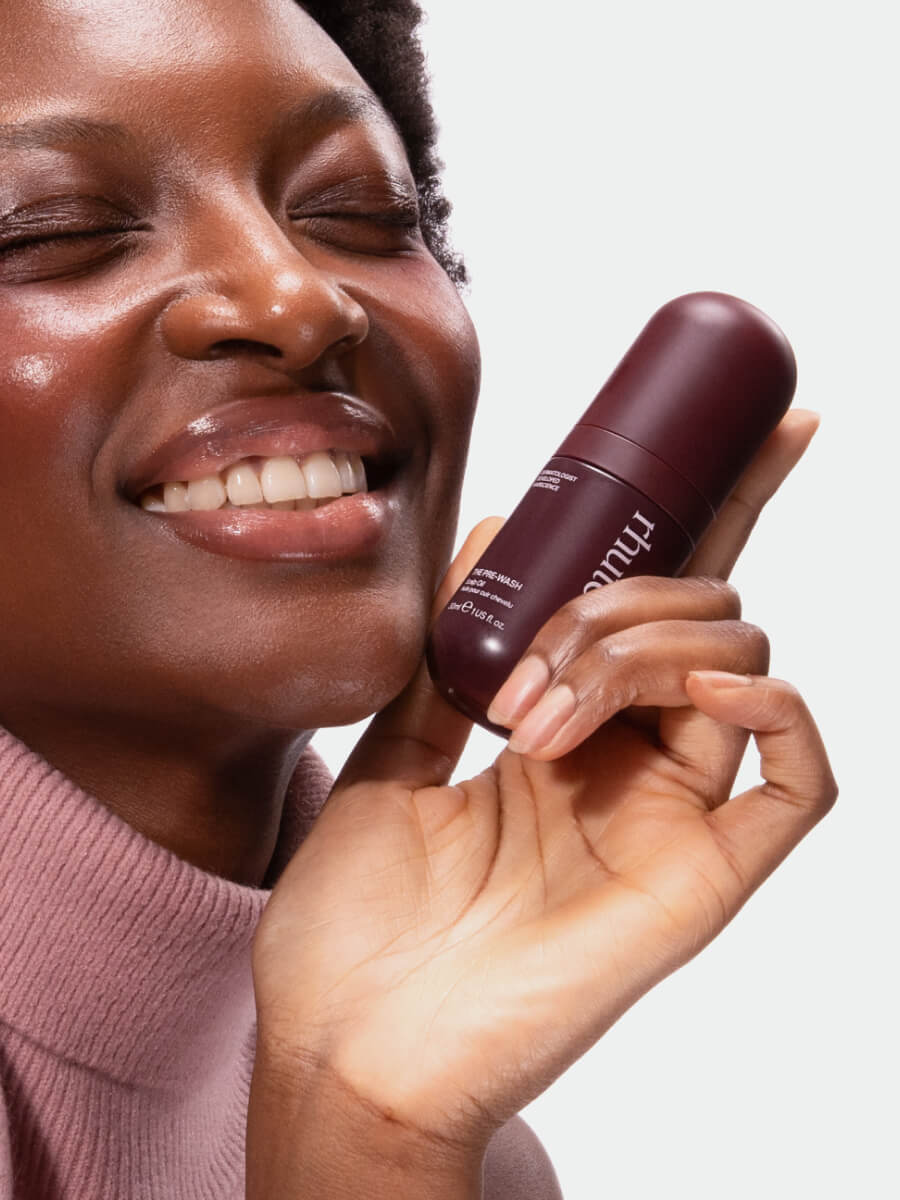
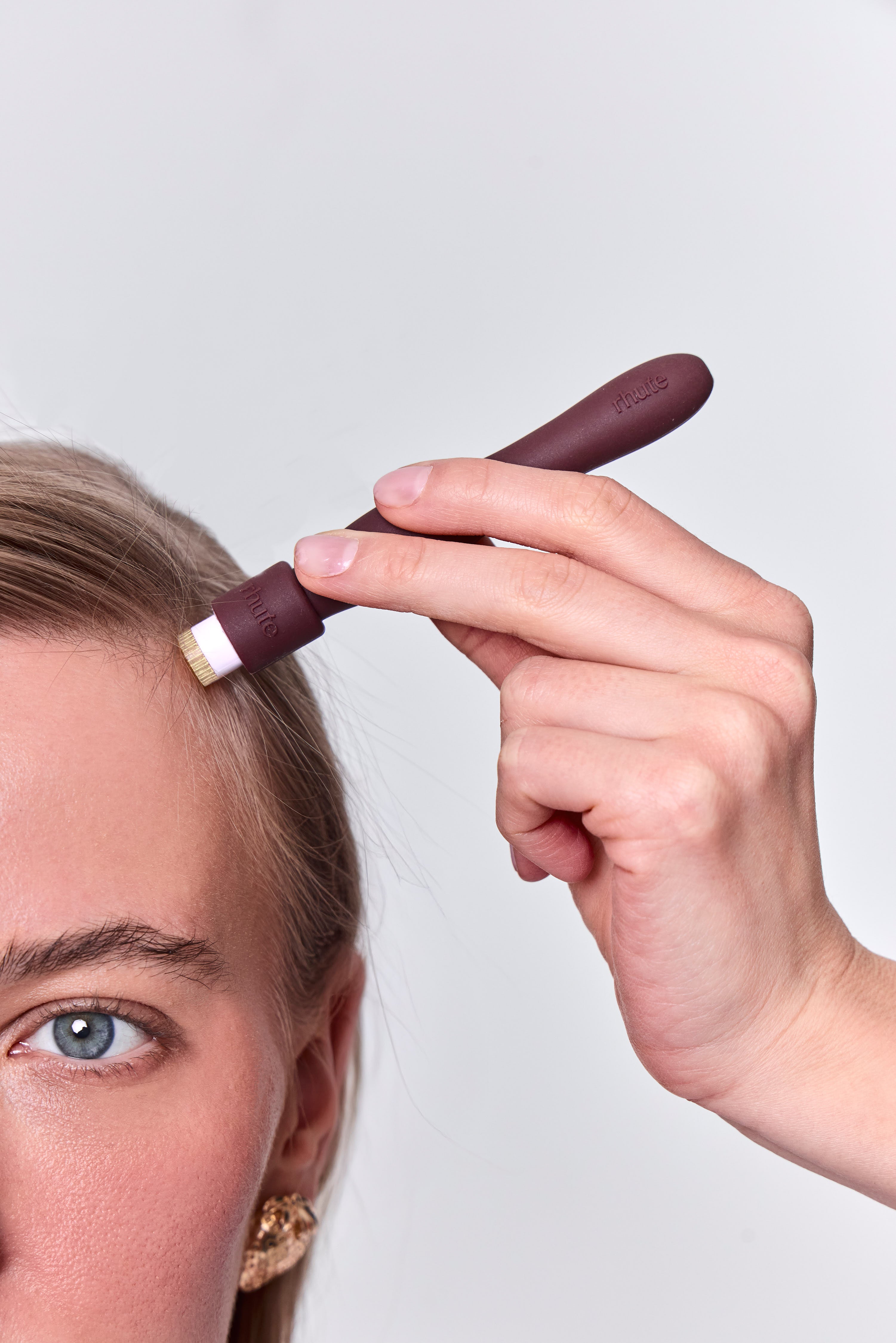
Your scalp is where a well-designed pre-wash treatment really earns its place in your rhutine. The Triple Density Complex Pre-Wash Hair & Scalp Oil is made to help support a calm, comfortable scalp and softer lengths in one step. It's built around pumpkin seed oil and saw palmetto, botanicals studied for their role in modulating DHT (a hormone linked to hair thinning), plus ceramides to help support your scalp's protective barrier. Two to three droppers go onto your scalp and through your hair, sit for anywhere from 15 minutes to six hours, then wash out easily with your usual shampoo. It's designed as a pre-wash treatment rather than an overnight one, so stick to that window.
If you do oil overnight, how to do it well
If hair oiling overnight is part of your wind-down and your hair loves it, there's no reason to stop.
-
Apply to dry mid-lengths and ends only. Skip your roots altogether.
-
Go loose and low. A soft, low plait keeps oil off your face without pulling at your roots the way a tight bun does.
-
Cover your pillow. An old pillowcase or a towel over the top saves your good bedding.
-
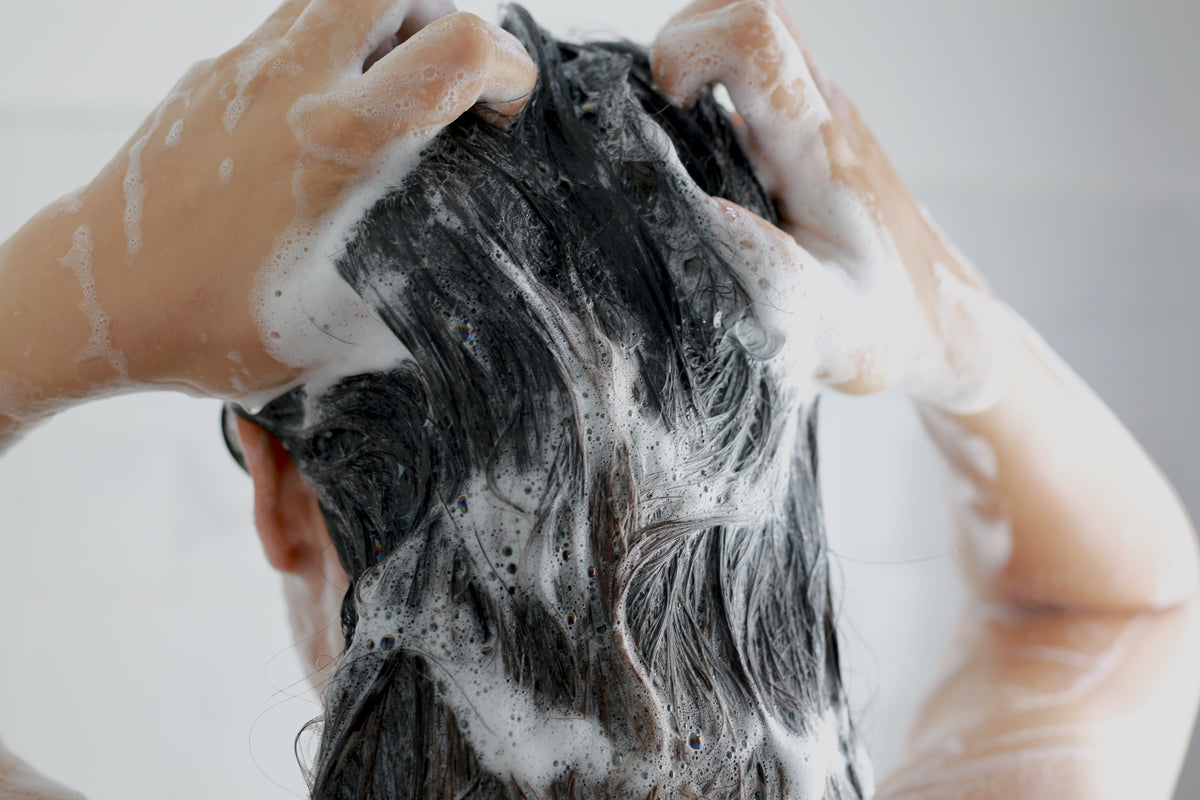
Double shampoo onto wet hair. Wet your hair and scalp well, then shampoo, rinse and go in for a second round. On oily days, double shampooing helps lift the oil off your hair and leaves your scalp thoroughly cleansed, with no residue left behind.
One more thing: always follow the leave-on time on the label, because some blends, ours included, are made to rinse out within a set window.
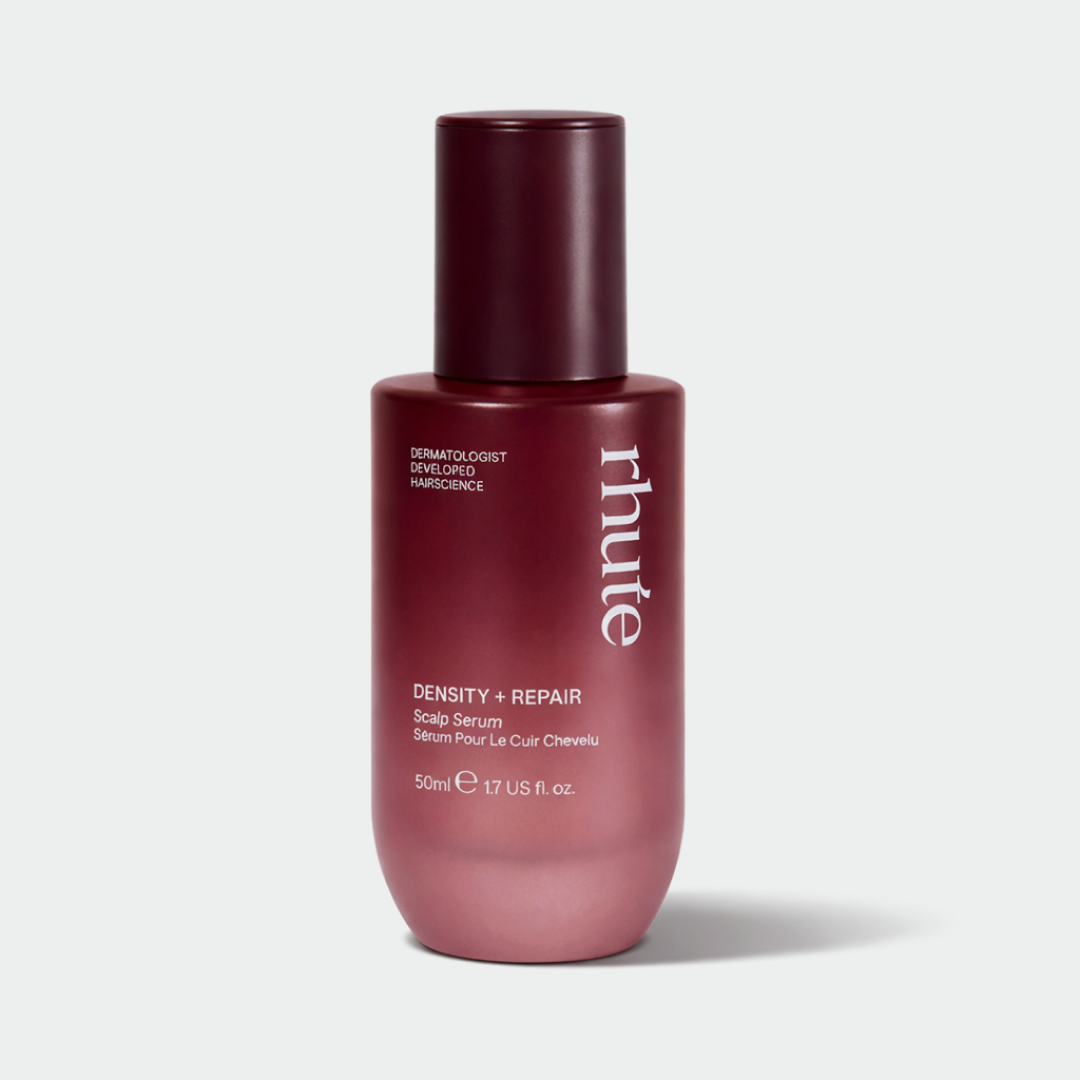
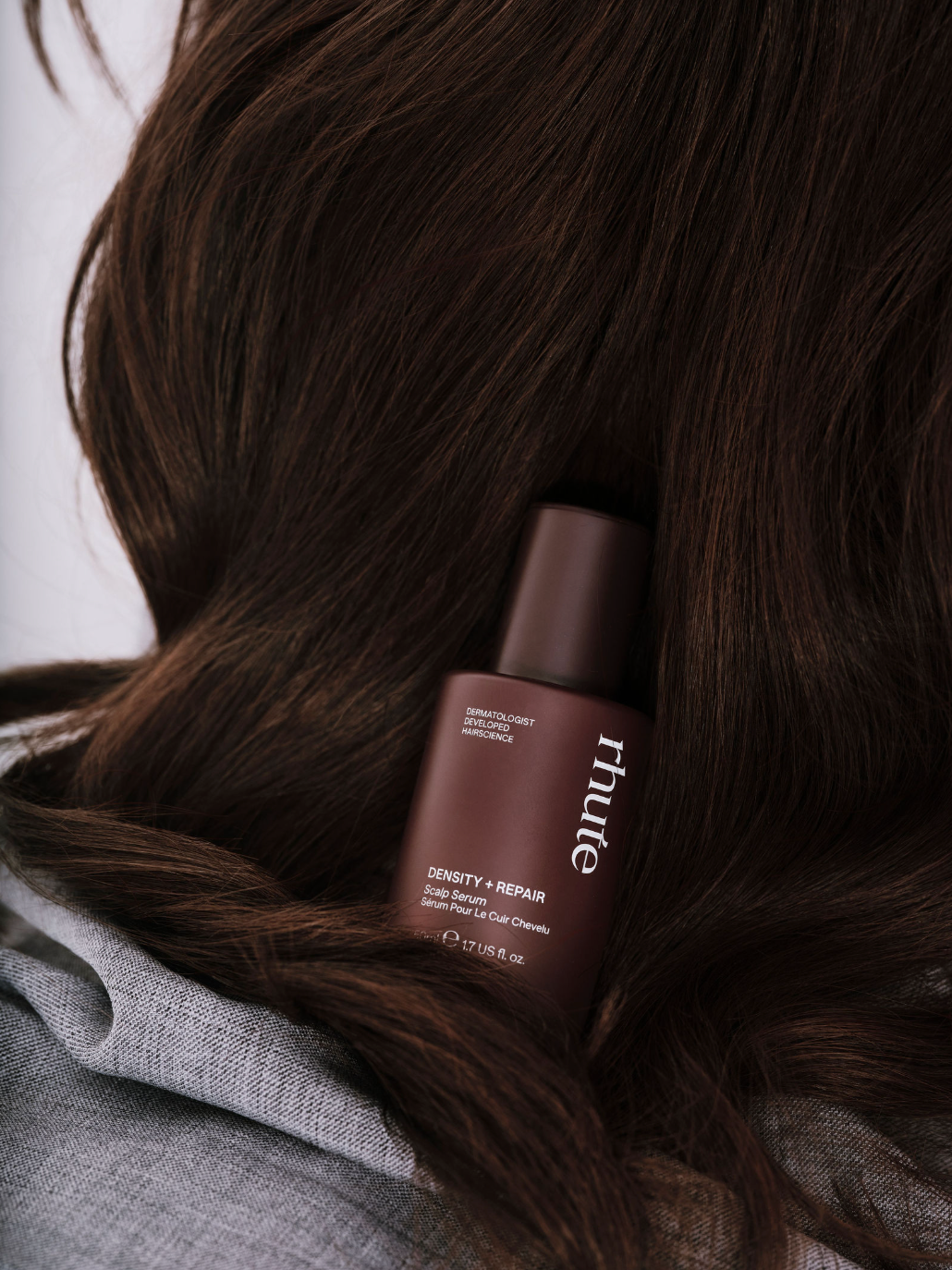
Once the oil's out, your freshly cleansed scalp is ready for the next step. That's where Density + Repair hair growth scalp serum comes in, applied to your clean scalp after washing. It helps support your scalp barrier for less shedding and more growth, with bioactive peptides to help strengthen hair from the rhute, caffeine to stimulate follicles, and niacinamide to support a healthy scalp barrier. It's minoxidil-free, too, so it slots easily into your wash-day rhutine.
FAQs
Can you leave oil in your hair for 24 hours or longer?
You can, but there's no evidence it does anything extra. The only research tracking oil uptake over time stopped at six hours, and most of the soaking in had happened well before then. What does increase the longer oil sits is buildup, the chance of scalp flaking if you're prone to it, and a tougher wash-out. One wash day's worth is plenty.
Which oils are best to leave overnight?
For your lengths, oils that can soak into the hair, like coconut oil, make the most sense for long contact. If your hair is fine, lighter oils are less likely to leave it flat. Heavier oils and blends containing essential oils are best kept to shorter times, following the label. Castor oil is a classic heavy oil, and we cover how to get the best from it in is castor oil good for hair.
How long should you leave rosemary oil in your hair?
Follow the directions on the product you're using. Rosemary usually appears as an essential oil or extract within a blend rather than an oil you'd use on its own, so the right time depends on the formula it's in. We look at the evidence behind it in is rosemary oil good for hair?
Can you oil your hair every night?
Most people don't need to. Nightly scalp oiling gives Malassezia a steady food supply and raises the risk of flaking and hairline breakouts, while nightly length oiling can build up and weigh your hair down. A couple of times a week suits most people.
How do you get overnight oil out of your hair?
Put shampoo onto dry hair first, work it through, then add water and rinse. Repeat if your hair still feels coated. This works because water and oil don't mix, so if you wet your hair first, the water just slides over the oil. Shampoo contains surfactants, ingredients that grab onto oil at one end and water at the other, so applying it first lets it latch onto the oil before the rinse carries both away.
Will overnight oil ruin my pillowcase or skin?
Sleeping with oil in your hair can stain pillowcases, especially pale cotton ones, so use an old pillowcase or a towel and wash it more often when you're oiling. For your skin, the main thing to watch is your hairline and forehead. If you're breakout-prone, keep oil away from your roots and face, tie your hair back loosely, and wash your face in the morning.