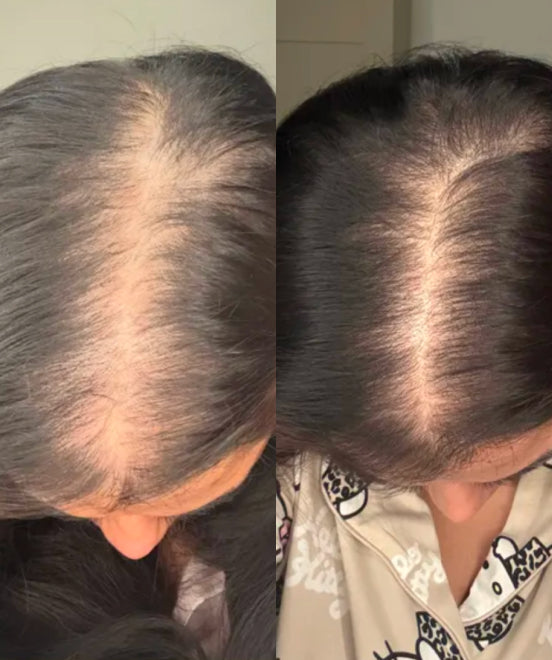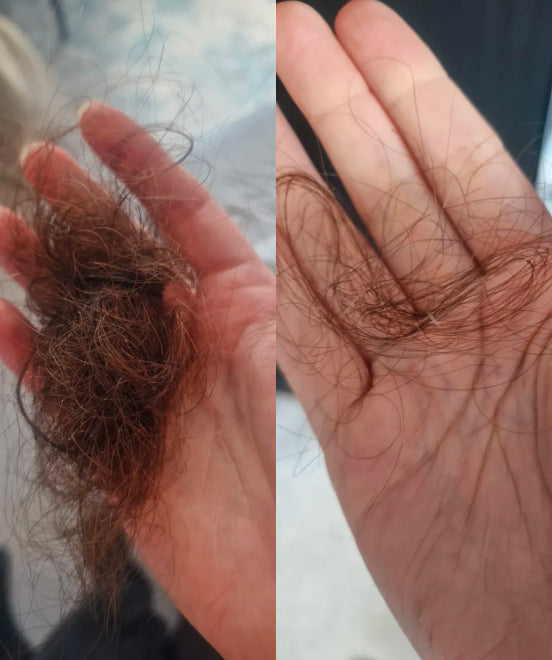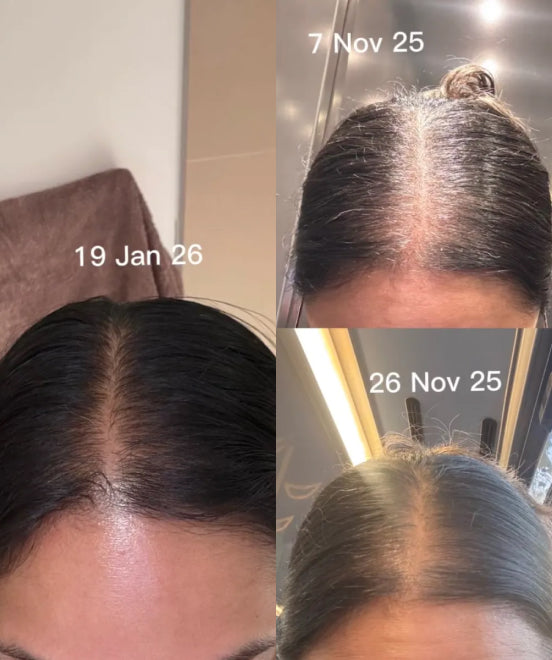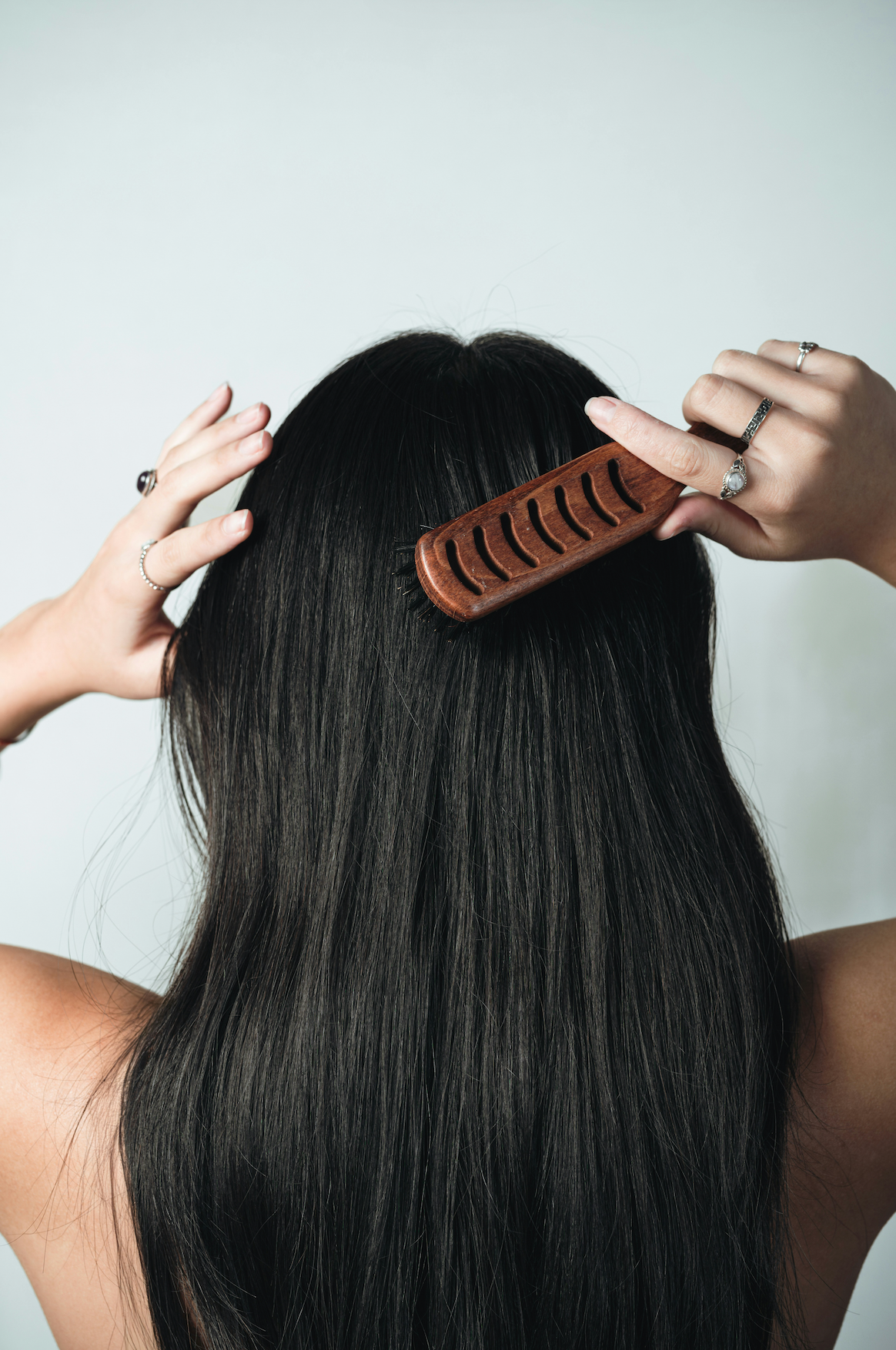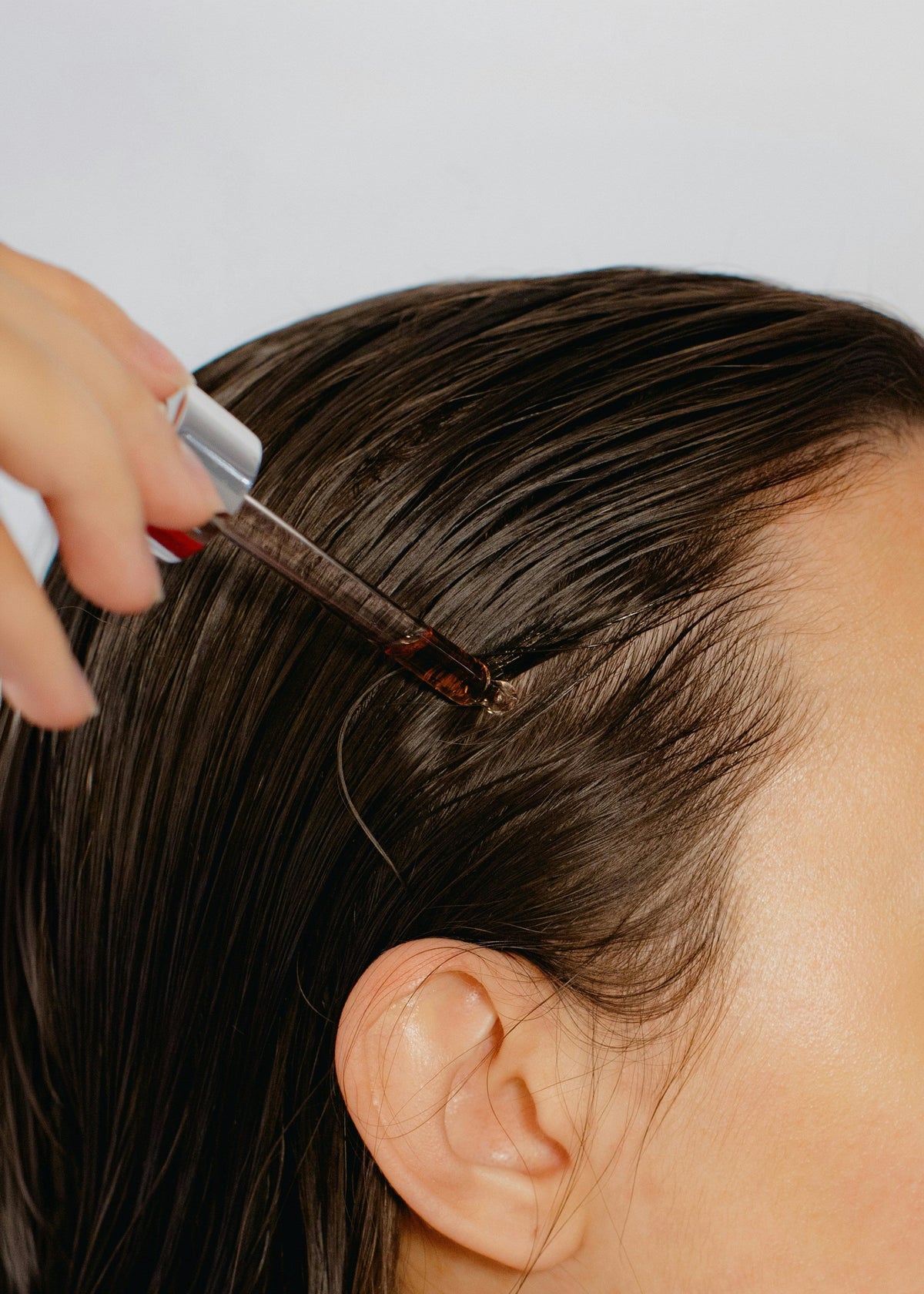

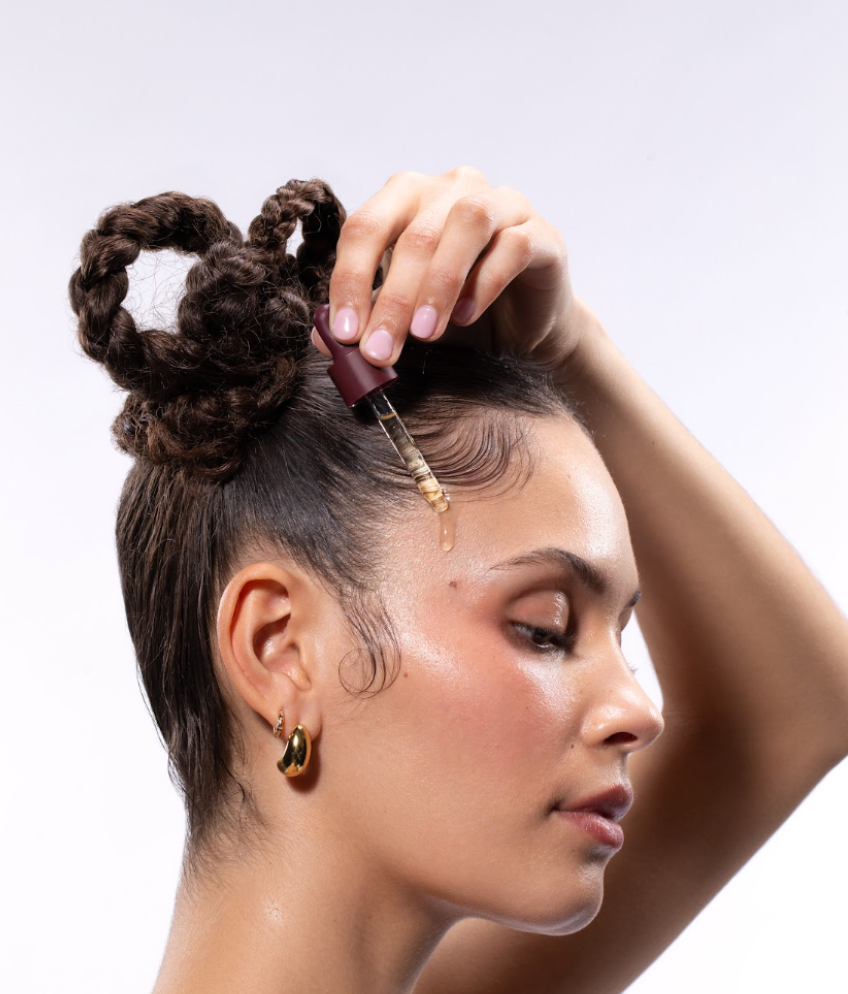

For most people, two to three times a week is plenty. Oil your scalp before you wash, and smooth a drop or two through your ends whenever they feel dry. Your wash days set the limit, because pre-wash oil comes off with your shampoo.
-
Scalp: two to three times a week, before washing
-
Lengths: a few drops whenever your ends feel dry
-
Overnight: now and then, not every night (the overnight hair oil guide explains why)
If you've looked this up before, you'll have seen everything from once a week to every day. We couldn't find a single study that has tested the ideal number of times a week to oil your hair, so most hair-type charts are tradition rather than evidence.
What we can do is build a routine around how often you wash, what your scalp and lengths each need, and what the research on hair growth actually asked people to do.
Why your wash days set your oiling schedule
A pre-wash oil goes on before you shampoo and comes off when you wash. So you can only pre-wash oil as often as you wash.
That's good news if you wash often. In controlled testing, washing every day came out ahead of washing once a week on both scalp and hair measures, people preferred it, and it didn't harm their hair (Punyani et al., 2021). Those studies were in Asian populations without scalp conditions, so they may not reflect every hair type or routine. Still, it means frequent washers aren't stuck oiling once a week.
Match your oiling to your wash days:
-
Wash every day: oil before two or three of those washes
-
Wash two to three times a week: oil before each wash
-
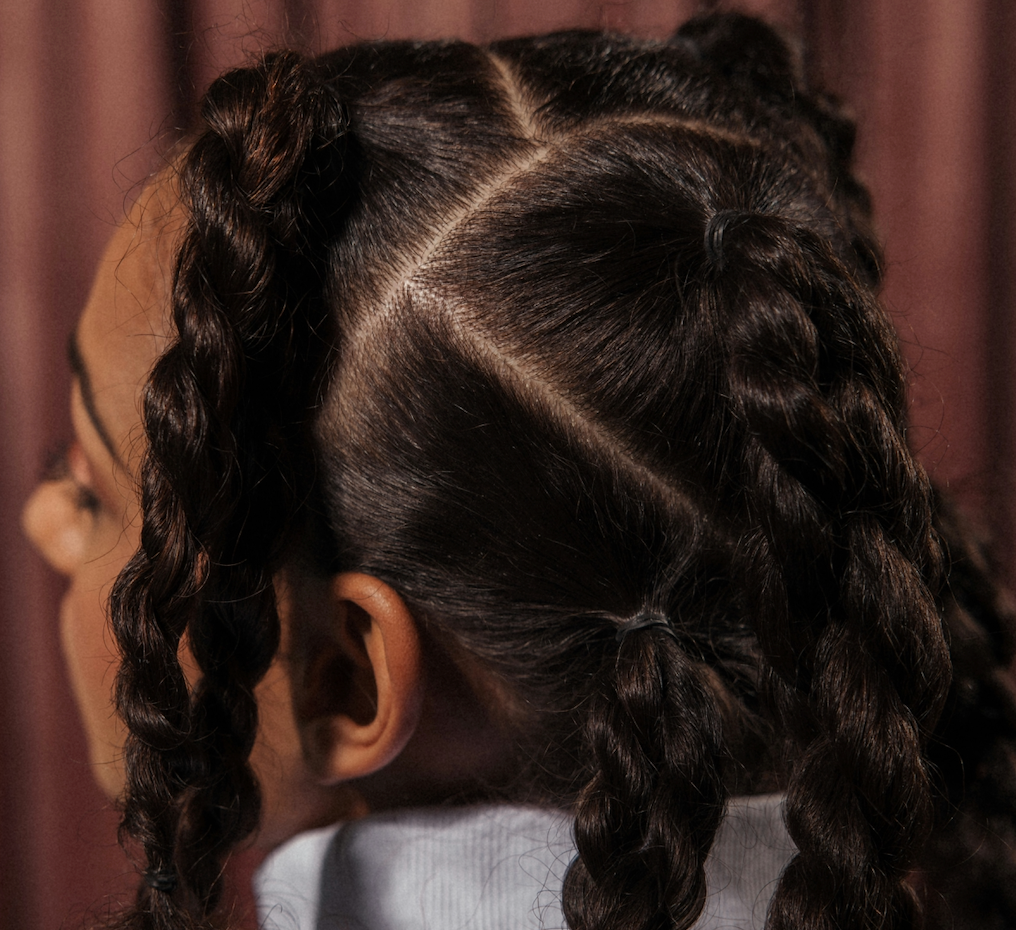
Wash once a week: oil before that wash, and use a drop on your lengths in between. This routine is often preferred by people with coilier hair types, like type 4C.
Your scalp and your lengths need different schedules
Your scalp and your lengths are doing different jobs, so they don't need oil on the same timetable.
-
Your scalp is skin. It makes its own sebum (the natural oil from tiny glands in your skin), so oiling it is about supporting your scalp barrier (the outer layer that keeps moisture in and irritants out) and keeping it comfortable.
-
Your lengths are the oldest hair you have, and they can't make oil of their own. Here, oil is about softening, smoothing and cutting down breakage.
That's why your lengths can take a little oil most wash days, especially if your hair is curly, coily or bleached. A drop on your ends every day is fine too. Your scalp, on the other hand, is better treated as a two-to-three-times-a-week ritual than a daily habit.
Use oil less often if your scalp is flaky or itchy. And opt for lighter formulations with antioxidant properties that support your scalp barrier.
Everyone has a yeast called Malassezia living on their scalp, and it feeds on oil. In people prone to dandruff, oleic acid (a fatty acid found in high amounts in olive oil) set off flaking, while people who weren't prone to dandruff didn't react (DeAngelis et al., 2005). So a flaky scalp isn't always a sign you need more oil. Our guide to whether hair oiling works covers which oils suit which job.
If you'd rather cover both in one step, our Triple Density Complex is made to go on your scalp and through your lengths before you wash (more on it below).
What the research actually used (and why there's no magic number)
No trial has tested how often you should pre-wash oil. The studies people quote for hair growth asked for something quite different:
-
Rosemary: people applied a rosemary oil lotion every day for six months, and hair count had improved by the six-month mark (Panahi et al., 2015).
-
Scalp massage: four minutes of massage a day for 24 weeks led to slightly thicker hairs in a small study of nine men. No oil was involved (Koyama et al., 2016).
-
Effort over time: in a survey of people doing daily scalp massage, those who put in more total time over the months reported better results (English & Barazesh, 2019). It's self-reported, so treat it as a pattern rather than proof.
These were leave-on or massage routines, not pre-wash oiling, so none of them hands you a weekly number. What they do have in common is regular use, over months.
-
Pick a frequency you'll actually keep up. Two to three times a week, every week, beats an ambitious plan you drop.
-
Judge results at around three months, not three weeks. If you’re using an oil formulated to promote hair density (not oils are), our guide to how long hair growth treatments take to work explains why.
-
Keep going through the quiet weeks. The studies measured months of steady use, not bursts.
For the full picture on rosemary, including what that trial can and can't tell us, see is rosemary oil good for hair.
How often to oil for your hair and scalp type
Start with your wash days, then adjust:
-
Fine hair or oily roots: oil your scalp once or twice a week, before washing. Keep lengths of oil to your ends.
-
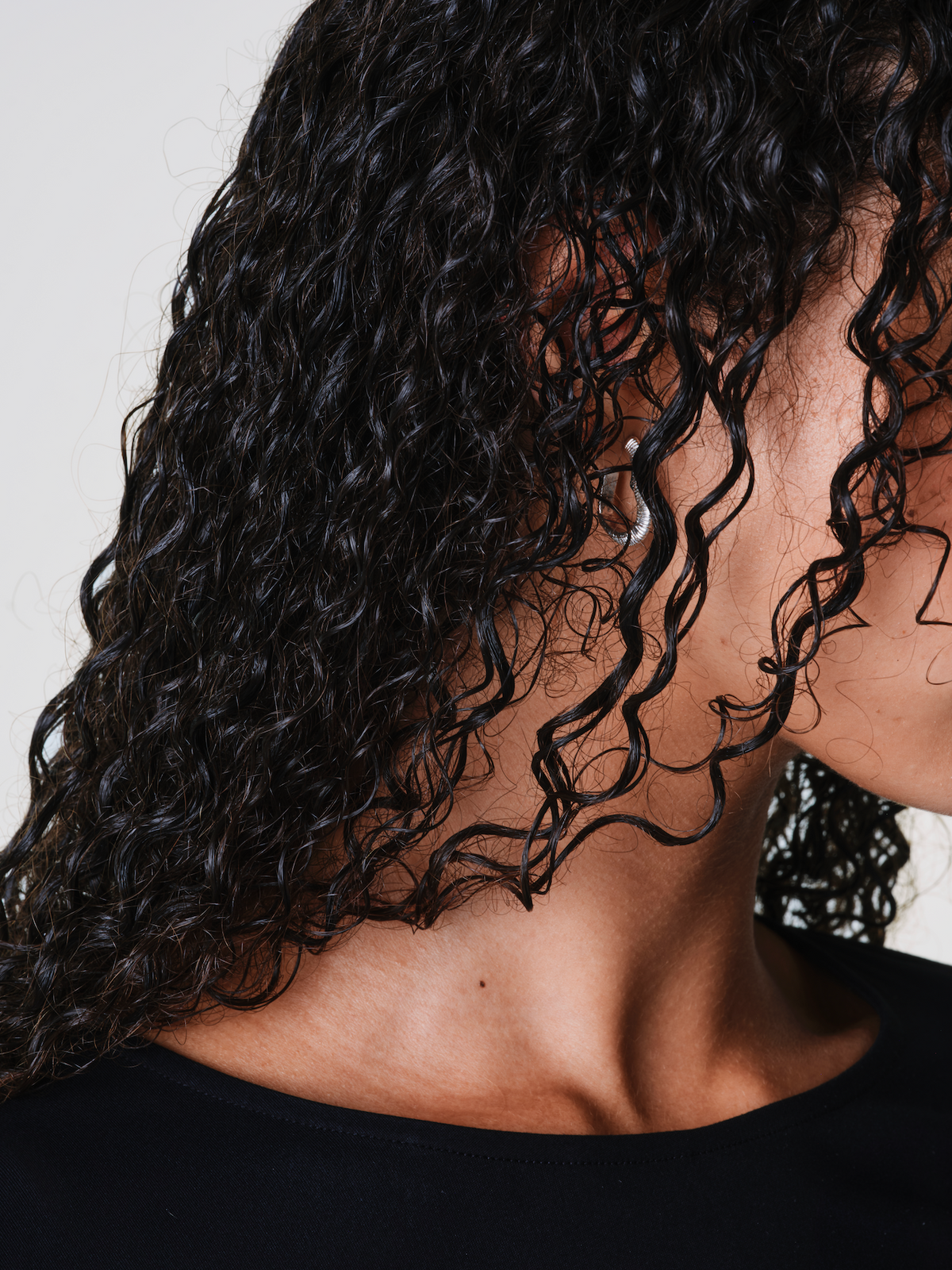
Thick, curly or coily hair: scalp oil before two or three washes a week if you wash that often, plus a little on your lengths every wash day. If you have afro-textured hair and wash weekly or less, your scalp oiling simply follows your wash day, so around once a week.
-
Bleached or heat-styled hair: a little oil on your lengths every wash day to help with softness and breakage. The guide to fixing bleach damaged hair goes further.
-
Flaky or itchy scalp: oil your scalp less often, and keep your lengths as normal.
-
Sensitive scalp: patch test first by trying a little behind your ear and waiting a day or two, then build up slowly.
A sample week: oil, serum and dermastamp together
Here's how the three steps can fit around a wash routine of Monday, Thursday and Saturday:
|
Day |
Wash day? |
Pre-Wash Oil |
Dermastamp |
Density + Repair |
|---|---|---|---|---|
|
Monday |
Yes |
Before washing |
After Washing |
Straight after stamping |
|
Tuesday |
Yes |
|||
|
Wednesday |
Yes |
|||
|
Thursday |
Yes |
Before washing |
After washing |
|
|
Friday |
Yes |
Straight after stamping |
||
|
Saturday |
Yes |
Optional |
After washing |
|
|
Sunday |
Yes |
In this example, you can stamp on either wash days or non-wash days. Serum works on a dry or damp scalp. On wash days, apply it after washing. For the details on stamping, see how often to microneedle your scalp.
-
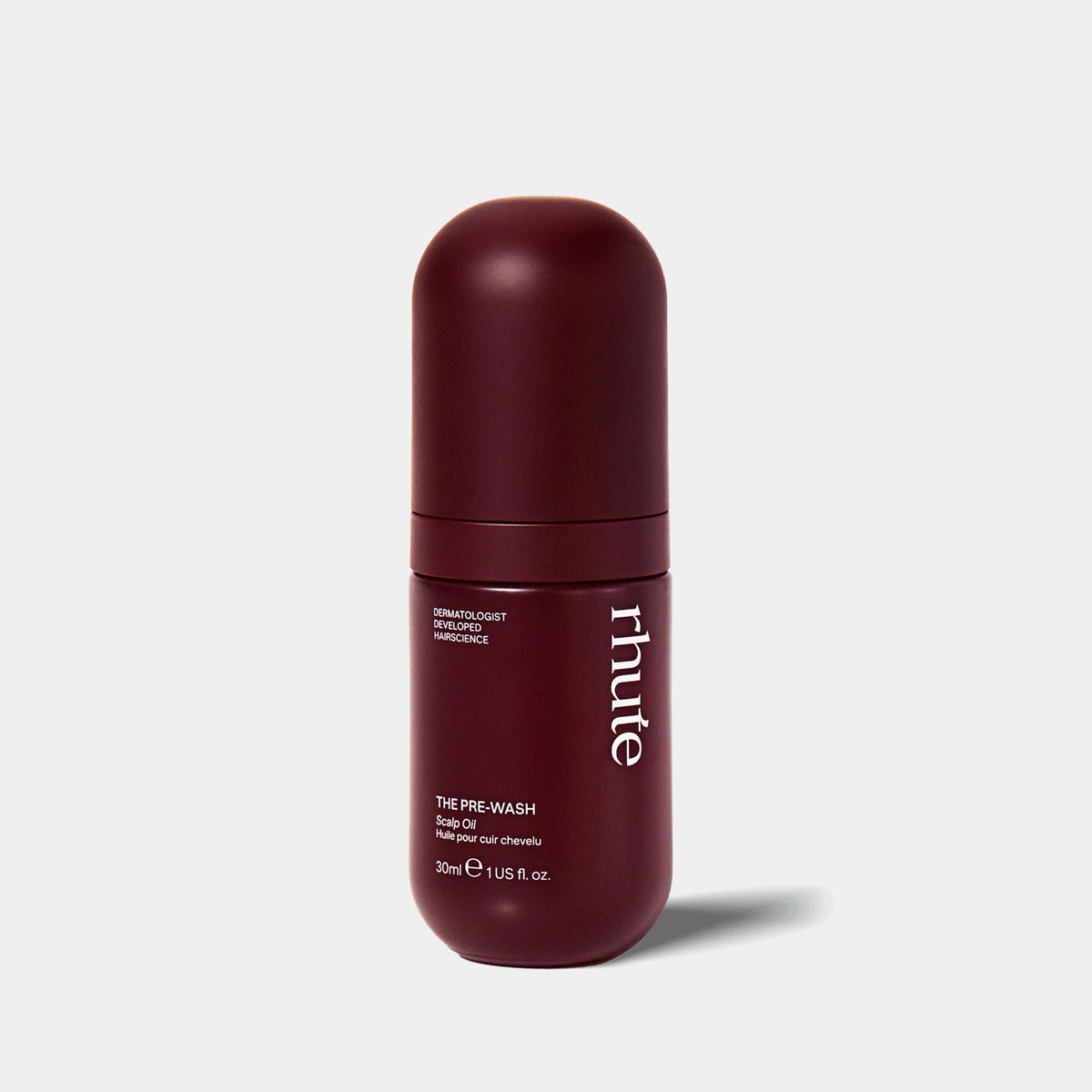
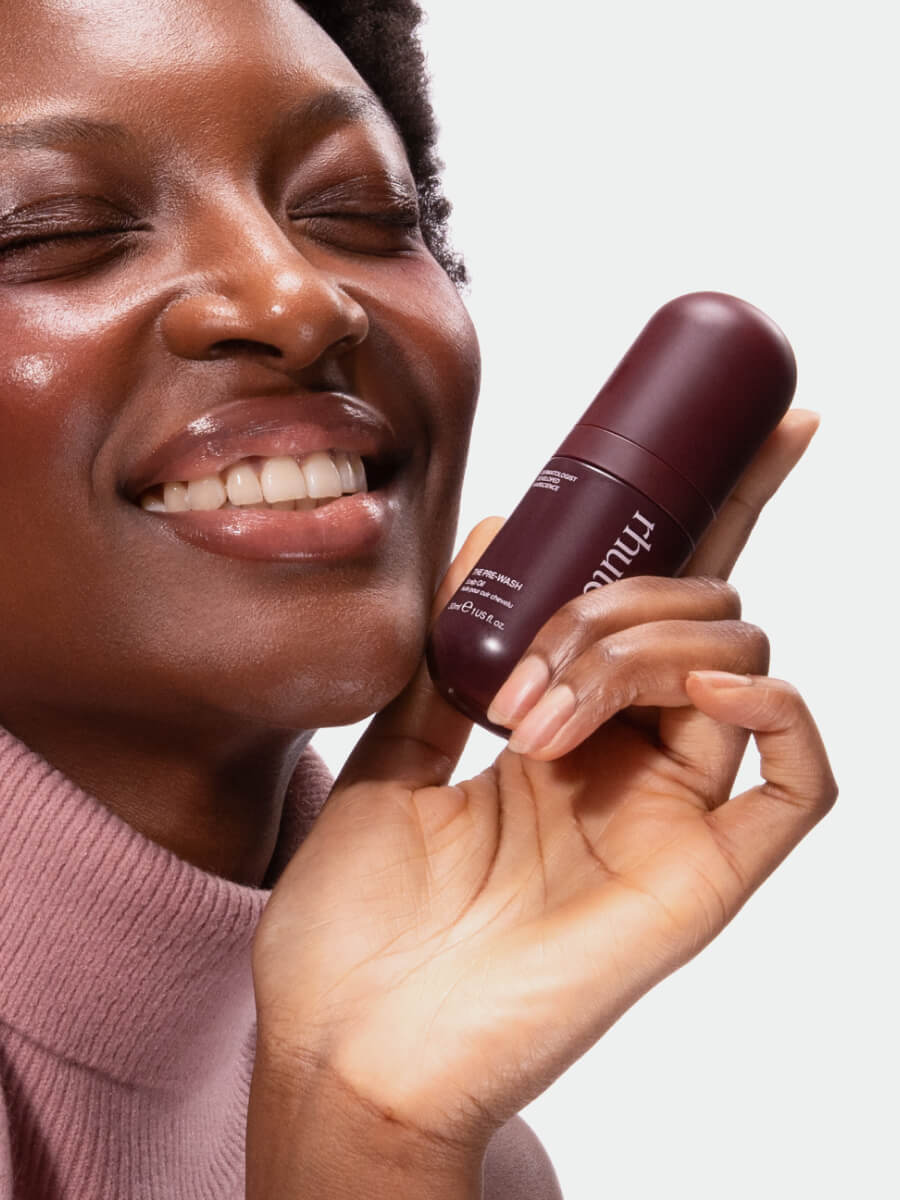
Triple Density Complex Pre-Wash Hair Oil: supports your scalp barrier and helps reduce breakage, leaving lengths softer and smoother. It's made with pumpkin seed oil and saw palmetto, botanicals studied for their potential to modulate DHT (a hormone linked to hair thinning), plus ceramides, fats your skin makes naturally to hold its barrier together. Use it two to three times a week, leaving it on for at least an hour and up to six hours before you wash.
-
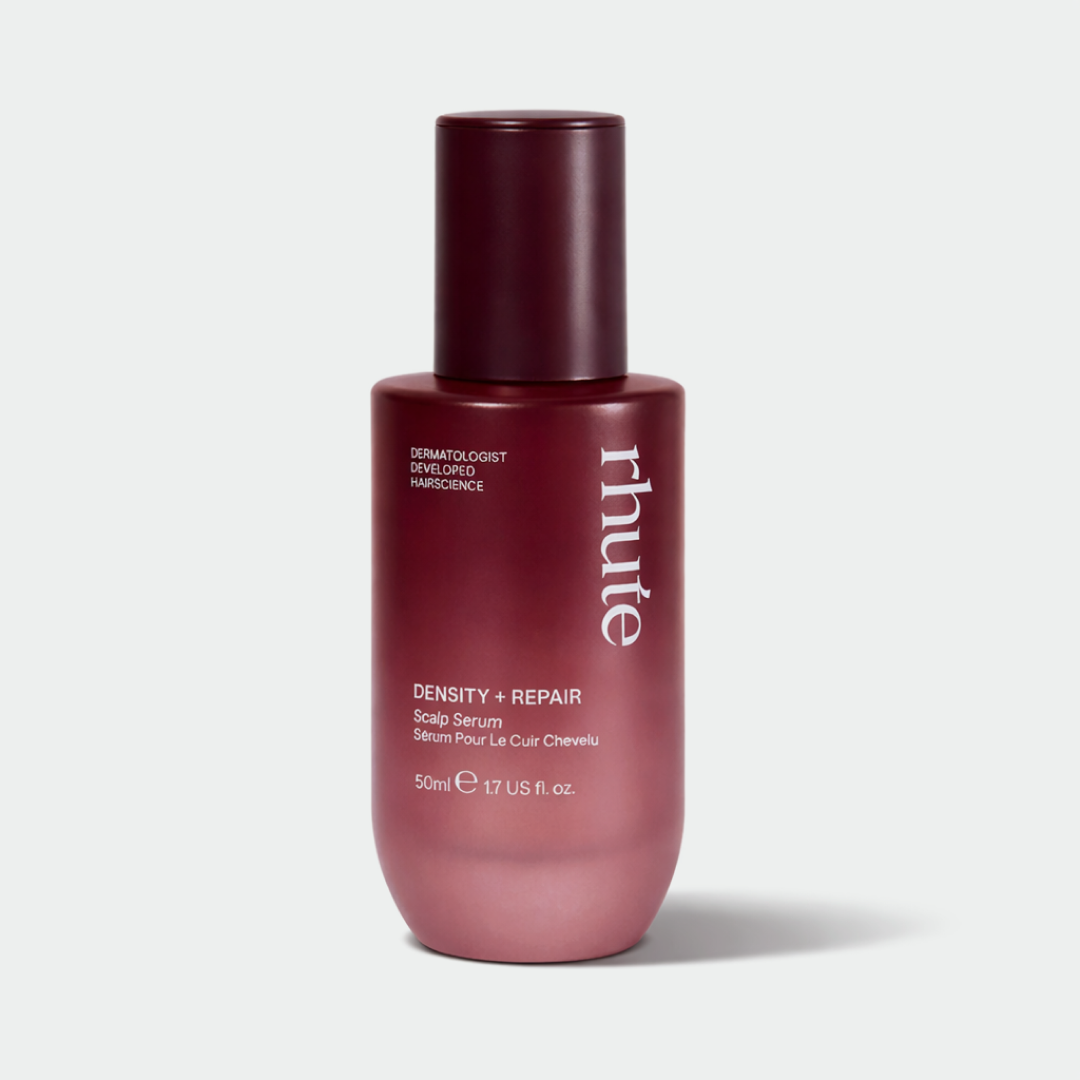
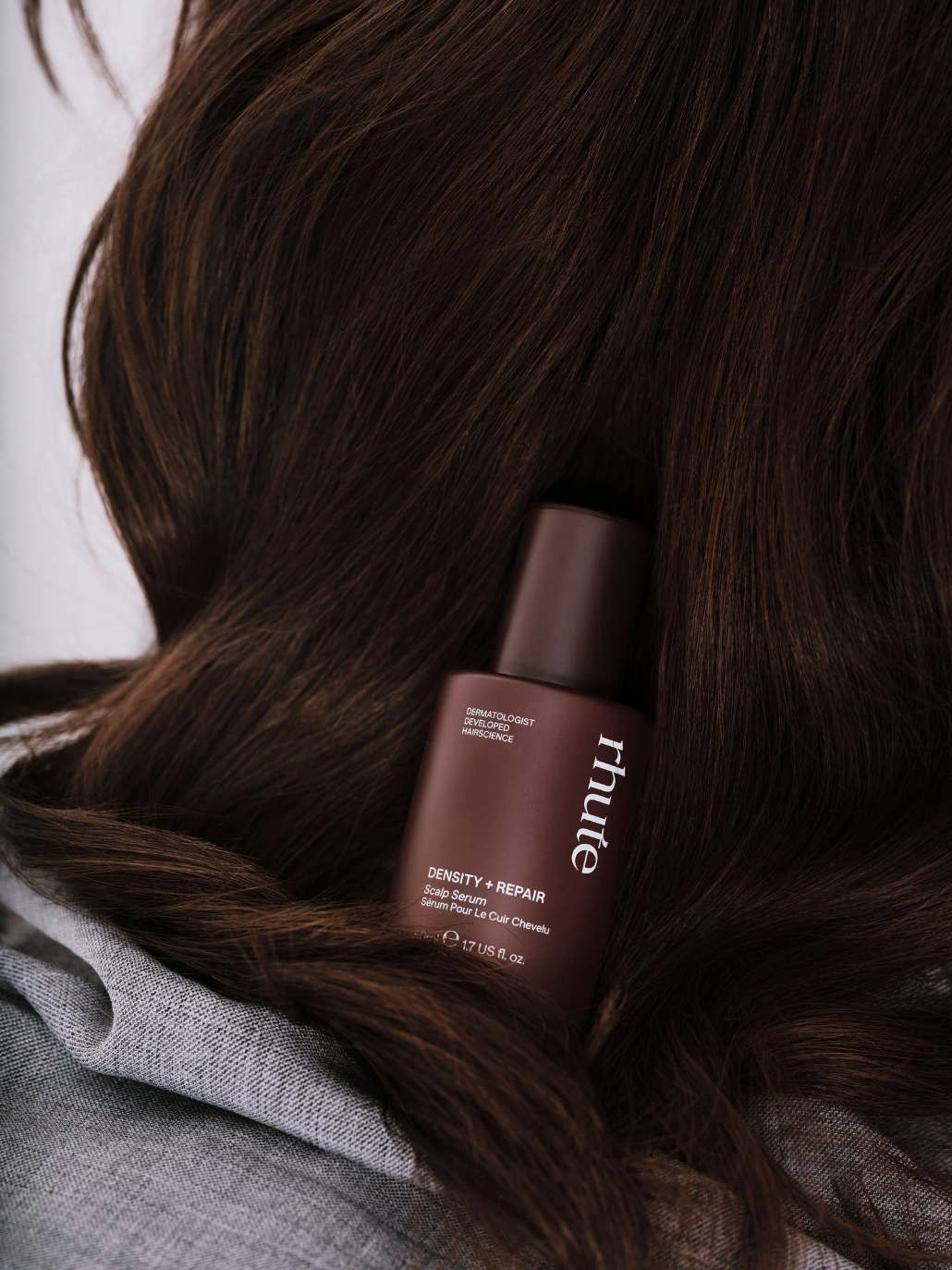
Density + Repair Hair Growth Scalp Serum: for less shedding and more growth. It pairs stem cell extracts (from turmeric plant cells) and bioactive peptides with caffeine to stimulate your follicles (the tiny pockets each hair grows from) and niacinamide, a form of vitamin B3, to strengthen your scalp barrier. Use it daily. Find it in our hair growth serum collection.
-
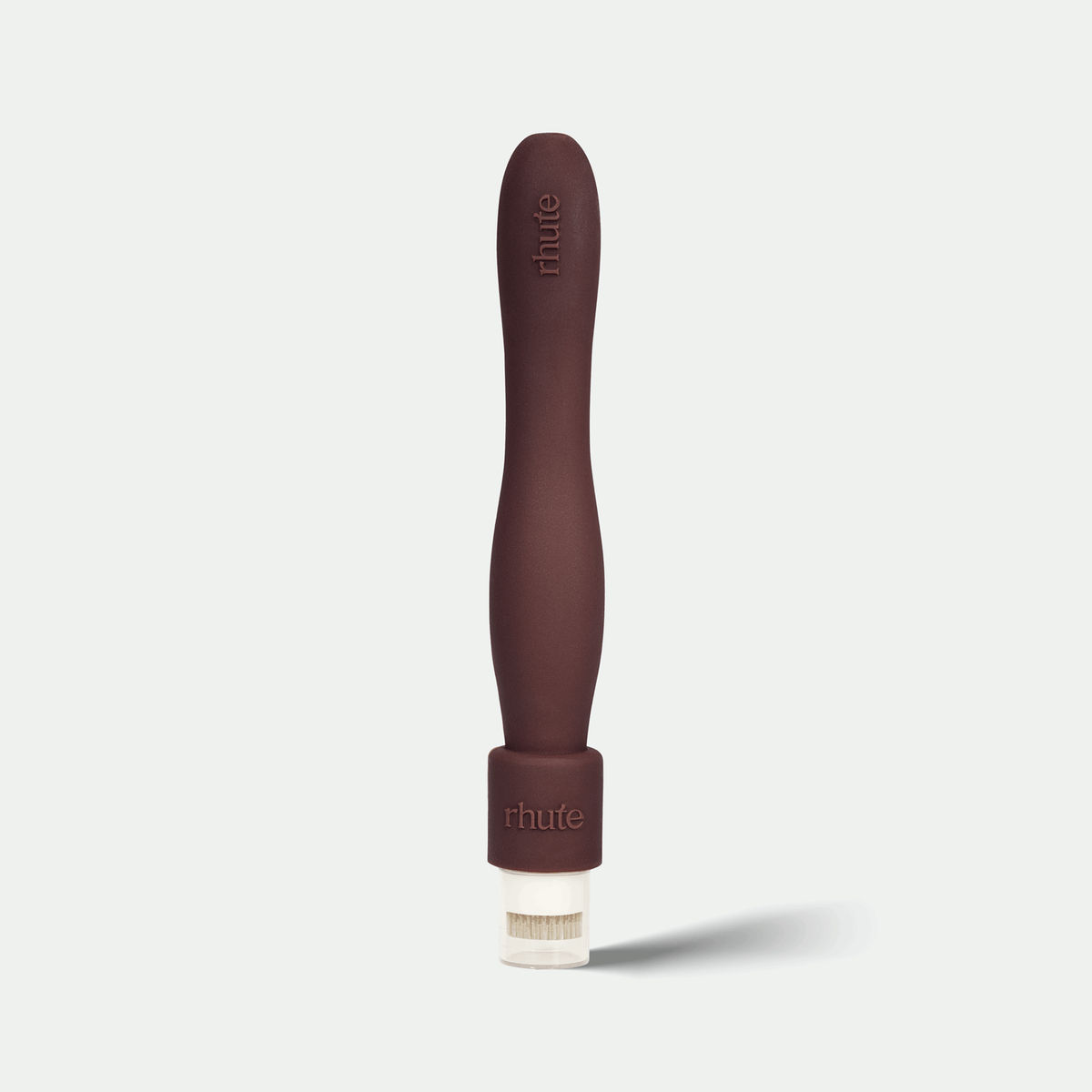
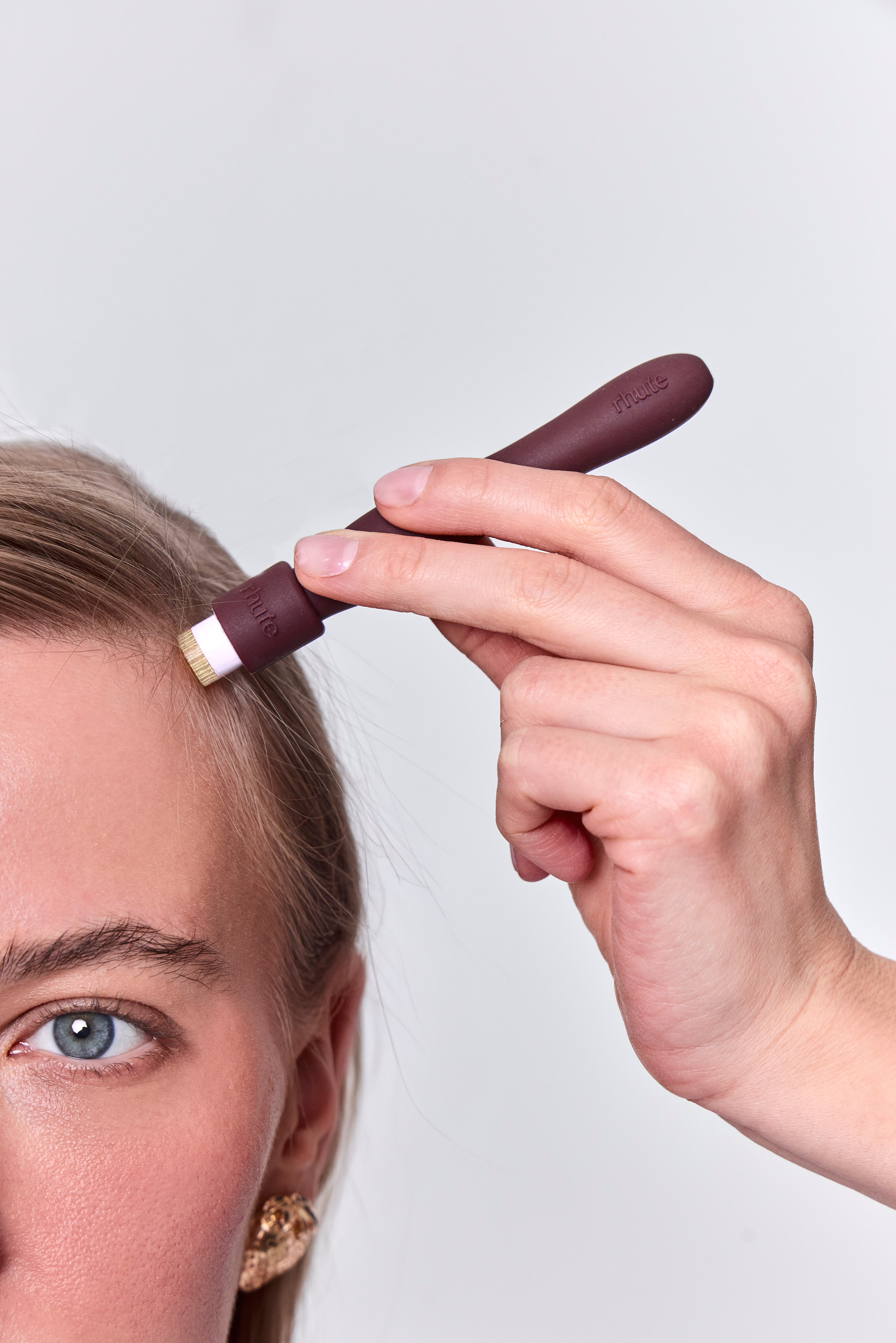
Precision Dermastamp: its 0.3mm needles are the sweet spot, deep enough to reach the dermis (the layer of skin under the surface) and stimulate your follicles, shallow enough to keep things gentle. Use it one to two times a week, with Density + Repair straight afterwards.
All three come together in the Density Rhutine.
Signs to oil less, or more
Oil less often if:
-
your roots go limp by day two
-
your scalp starts flaking or itching
The guide on how to use hair oil has more signs of over-oiling.
Oil your lengths more often if:
-
your ends feel dry again before your next wash
-
you're getting tangles or noticing more breakage
Notice that the "more" signs are all about your lengths. A dry-feeling, flaky scalp is a reason to check for dandruff first, not to add more oil.
FAQs
How often should you wash your hair if you oil it?
Wash after every pre-wash oiling, as that's how the oil comes out. If that means washing more often than you're used to, research suggests frequent washing doesn't harm your scalp or hair (Punyani et al., 2021).
How often should you use rosemary or castor oil?
Follow the directions on your product. Rosemary is usually an ingredient used at a set strength, and pure rosemary essential oil is too strong to go on your skin neat. Our guide to rosemary oil for hair covers how to dilute it.
Castor oil is very thick, so use a small amount, make sure it washes out fully, and stick to the same wash-day schedule as any other oil. More in is castor oil good for hair.
How much hair oil should you use?
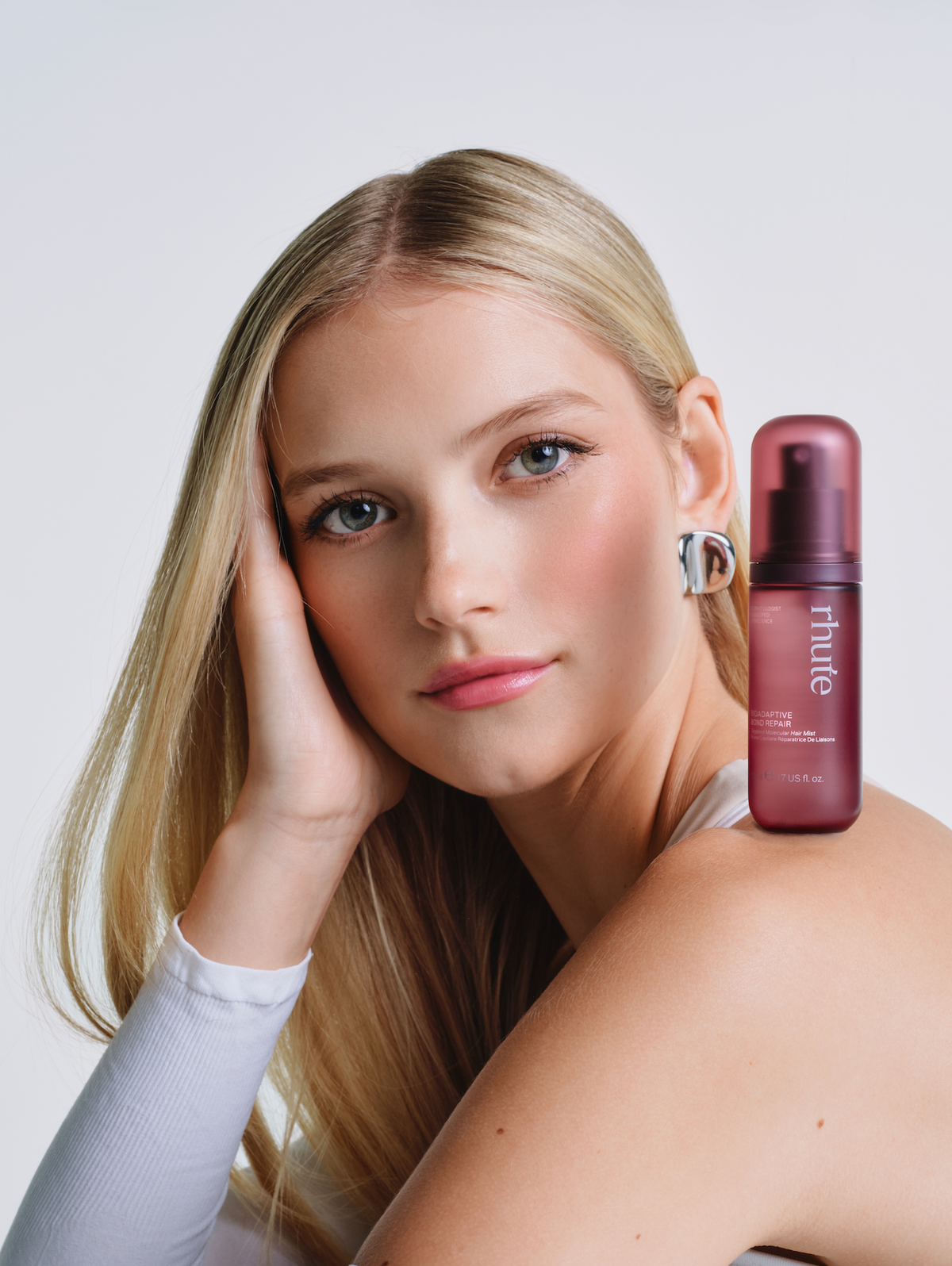
For a pre-wash scalp treatment, two to three droppers of our Triple Density Complex is enough for most people, worked through your scalp and lengths. For your ends, start with one or two drops warmed between your palms, and add more only if you have long, thick or curly hair.
Should you oil more often during postpartum shedding?
Oiling more often won't stop a postpartum shed, which is driven by the drop in pregnancy hormones and usually settles on its own. Keep your routine gentle and consistent rather than adding more. The guide to when postpartum hair loss starts explains what to expect.