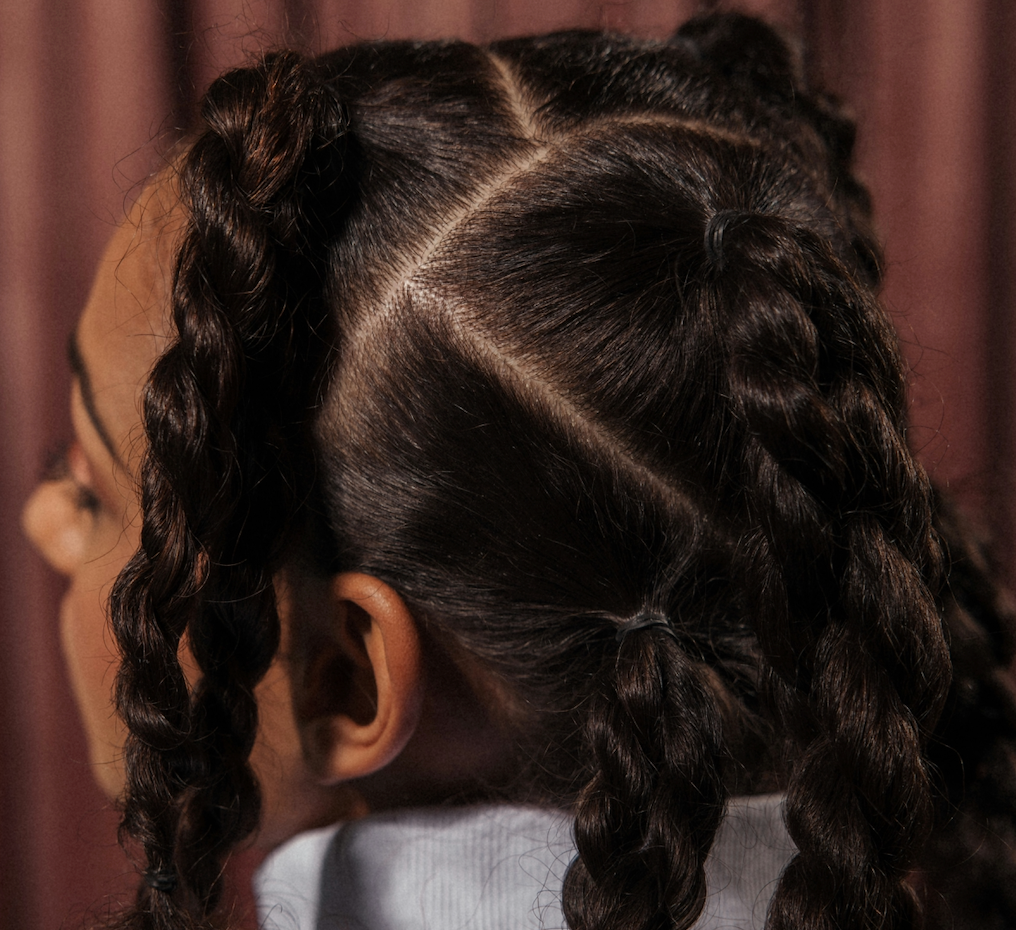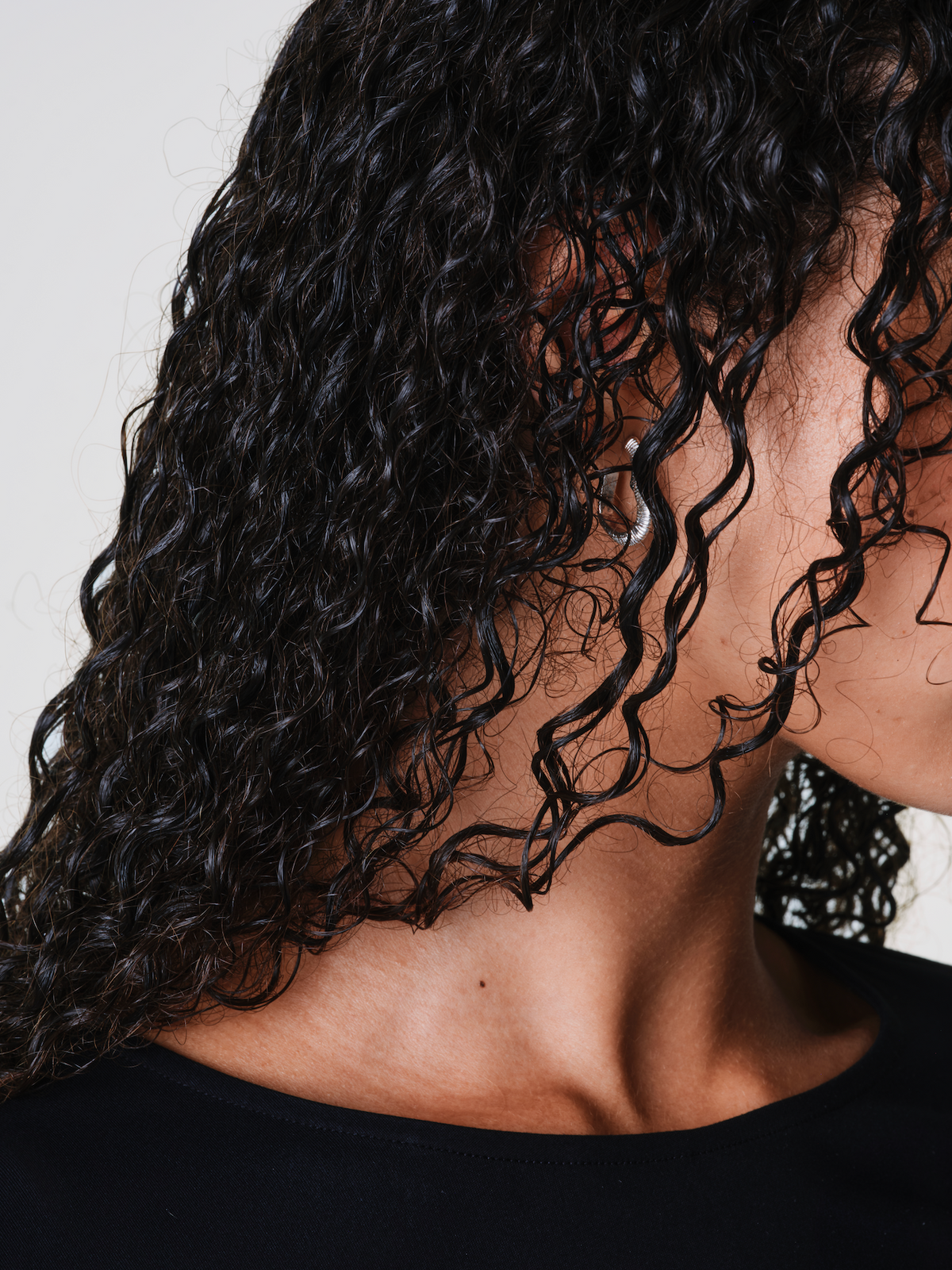


Curly and fine hair often fall out with bond repair for opposite reasons. Curls come out crunchy, and fine hair comes out flat. The good news is that bond repair for curly hair and fine hair comes down to the same thing: a lightweight leave-in you'll happily use every wash, misted onto damp lengths, that doesn't leave your hair stiff or coated. Curly hair needs consistency and slip, fine hair needs a small dose kept off your roots, and if your hair is fine and curly, you need both.
Why curly and fine hair need a different approach
Bond repair works on the links inside each strand that keep it strong and springy (the hair bond repair guide covers the science). What changes with your hair type is how damage builds up, and how much product your hair can carry.
-
Curly hair: the twists in a curl are where strands tend to give way. A lab study on afro-textured hair found that everyday combing and styling causes mechanical damage, leaving tiny cracks inside the strand. They build up quietly until a strand snaps somewhere unexpected, so steady care is recommended across the whole life of your hair rather than one-off rescues (Camacho-Bragado et al., 2015).
-
Fine hair: "fine" means each strand has a small diameter, which isn't the same as having less hair. Size for size, thinner hair can actually be stronger than thicker hair (Yang et al., 2020). The catch is that there's less of it, so both damage and product weight show up sooner. Fine hair has a smaller diameter, so it can be easily weighed down.
So curls need gentle care that keeps going, and fine hair needs a lighter dose rather than a weaker product.
What to look for in bond repair for curly and fine hair
These are the five things worth checking before you buy, plus one extra if you follow a curl routine.
-
A leave-in mist. A bond repair mist spreads thinly and stays on until your next wash, while masks and pre-wash treatments rinse away within minutes. For both hair types, a mist on damp hair is the easiest format to dose lightly.
-
No crunch after the first use. Many bond products contain hydrolysed proteins, which are proteins broken into smaller pieces so your hair can take them in. Size changes how they feel. In a lab study on relaxed, very curly hair, the largest keratin pieces formed a film on the surface and left hair stiffer, even in humid air, while the smallest travelled deep inside without adding stiffness (Malinauskyte et al., 2021).
-
Slip for curls. Damage builds with every comb-through, so a product that also helps your fingers or comb glide is doing two jobs at once.
-
A light feel for fine hair. It should sit on your mid-lengths and ends without leaving them limp or greasy by the next day.
-
Heat protection built in. Fine hair often gets heat-styled and curls often get diffused, so a bond product that also protects against heat means one less layer. Our guide to protecting your hair from heat covers the rest.
A little stiffness isn't a bad sign on its own, since it's part of what helps hair resist snapping. Labels rarely say what size of protein they use, though, so your hair's reaction is your best guide. If your curls feel crunchy or your fine hair feels coated, the formula or the dose is too heavy for you.
How much to use, and how
-
Fine hair: start at the lowest spray count, mist your ends first, and add more only if they still feel rough once dry. Keep it off your roots so they hold their lift.
-
Curly and coily hair: coily means tight spirals or zigzags, usually types 4A to 4C (find yours in our types of hair guide). Mist section by section on soaking-to-damp hair so every curl clump gets some, then scrunch and add your usual curl cream on top. Our leave-in conditioner vs bond repair guide explains the layering order.
-
Fine and curly: a light mist section by section, a lightweight gel or mousse instead of a rich cream, and nothing heavy at your roots.
If a product feels heavy, cut the dose before you rule it out. Give it a couple of washes at the lower amount and judge it once your hair is fully dry. As for timing, little and often beats an occasional big treatment, especially for curls. Our guide to how often to use a bond spray has a wash-by-wash schedule.
Where Bioadaptive Bond Repair fits
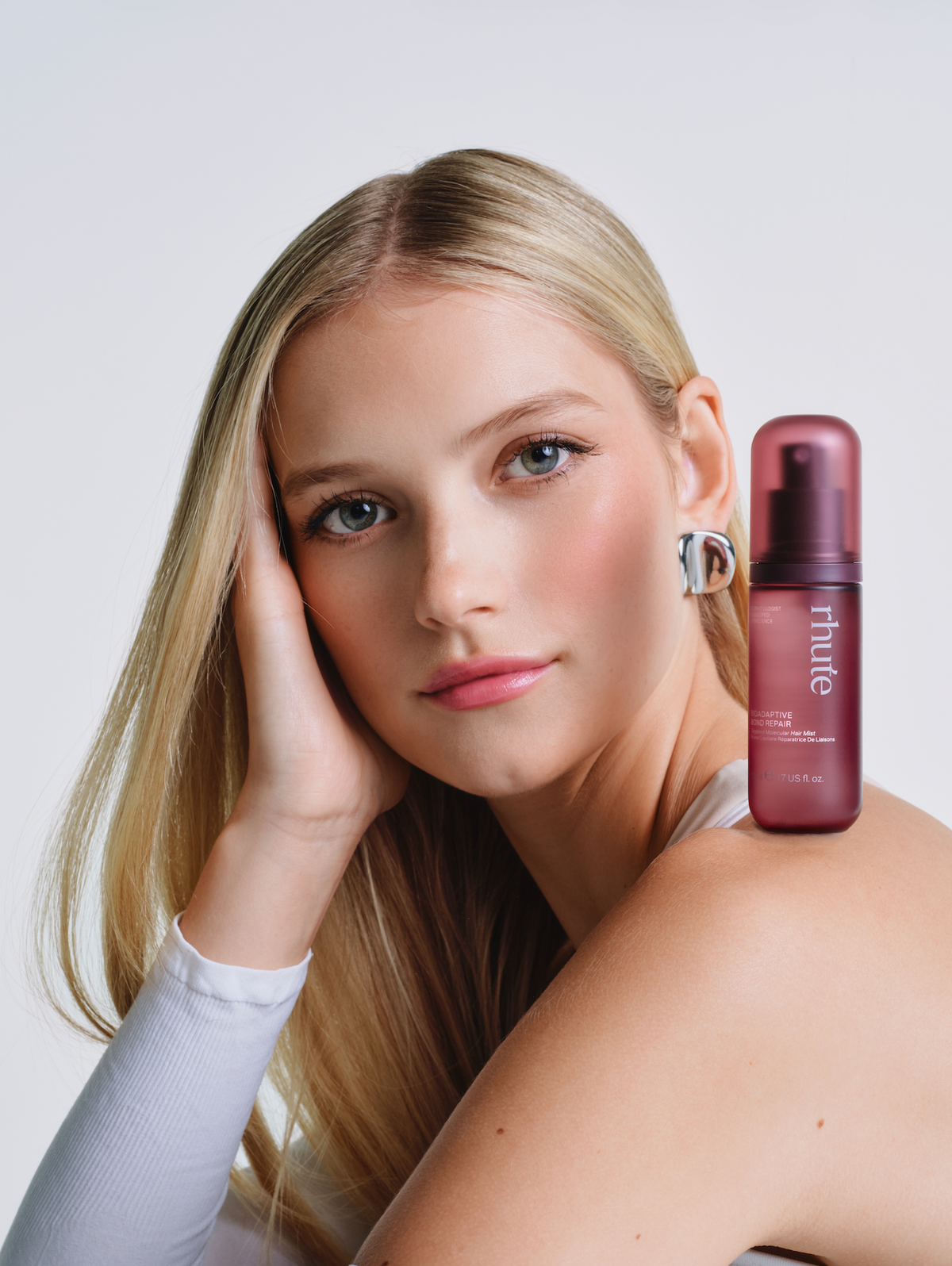
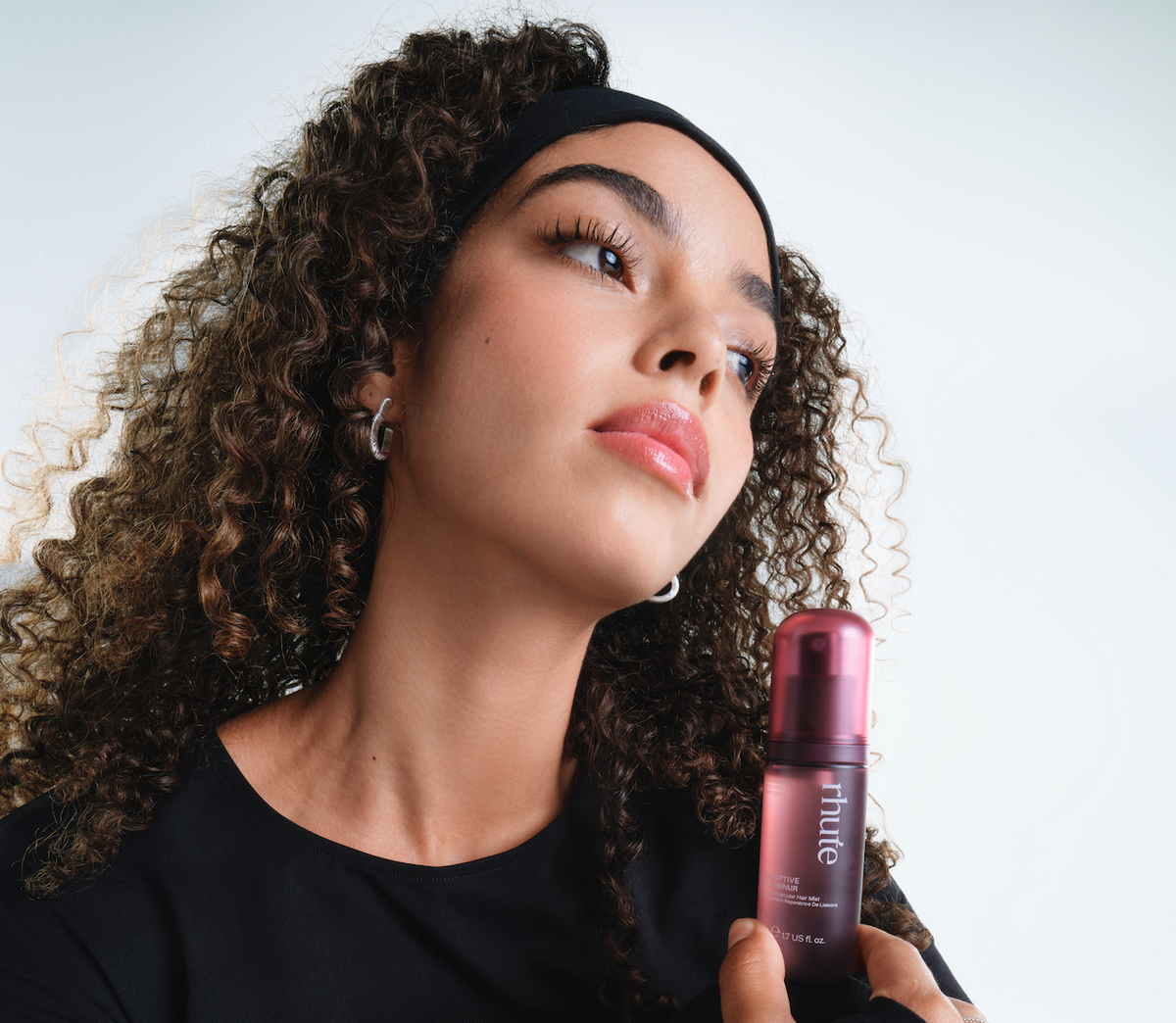
Bioadaptive Bond Repair is our lightweight, water-based leave-in mist for damp hair. It helps strengthen weak spots along each strand with peptides designed to target the most damaged areas, keeps your lengths hydrated with hyaluronic acid, and protects against heat up to 230°C.
It ticks the boxes above: it's a mist made for mid-lengths and ends, it has heat protection built in, and its ingredient list has no silicones, sulphates or drying alcohols. Use two to three sprays for short to medium hair, or up to four for longer hair. Fine hair can start at two, and curls get the best coverage when you spread the sprays across sections.
A note for curls: hyaluronic acid is a humectant, meaning it draws water into your hair. That's lovely on a dry day, but if your curls frizz when it's damp outside, seal them with your usual styler. Our article on sodium PCA and glycerin explains how humectants behave in humid weather.
Don't forget the hair you haven't grown yet
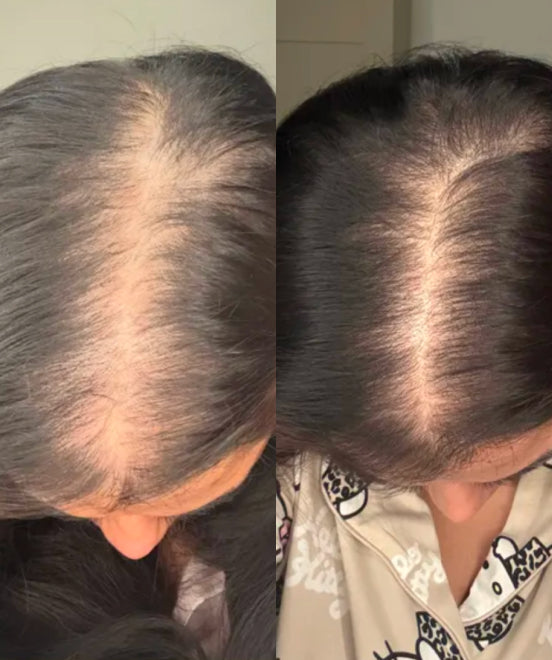
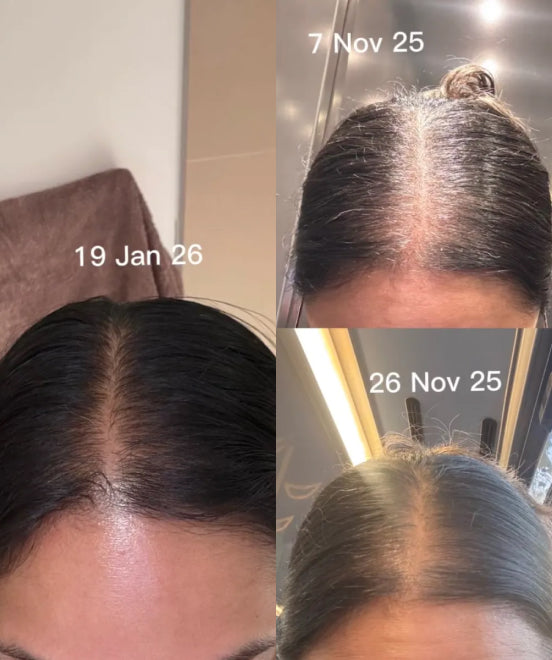
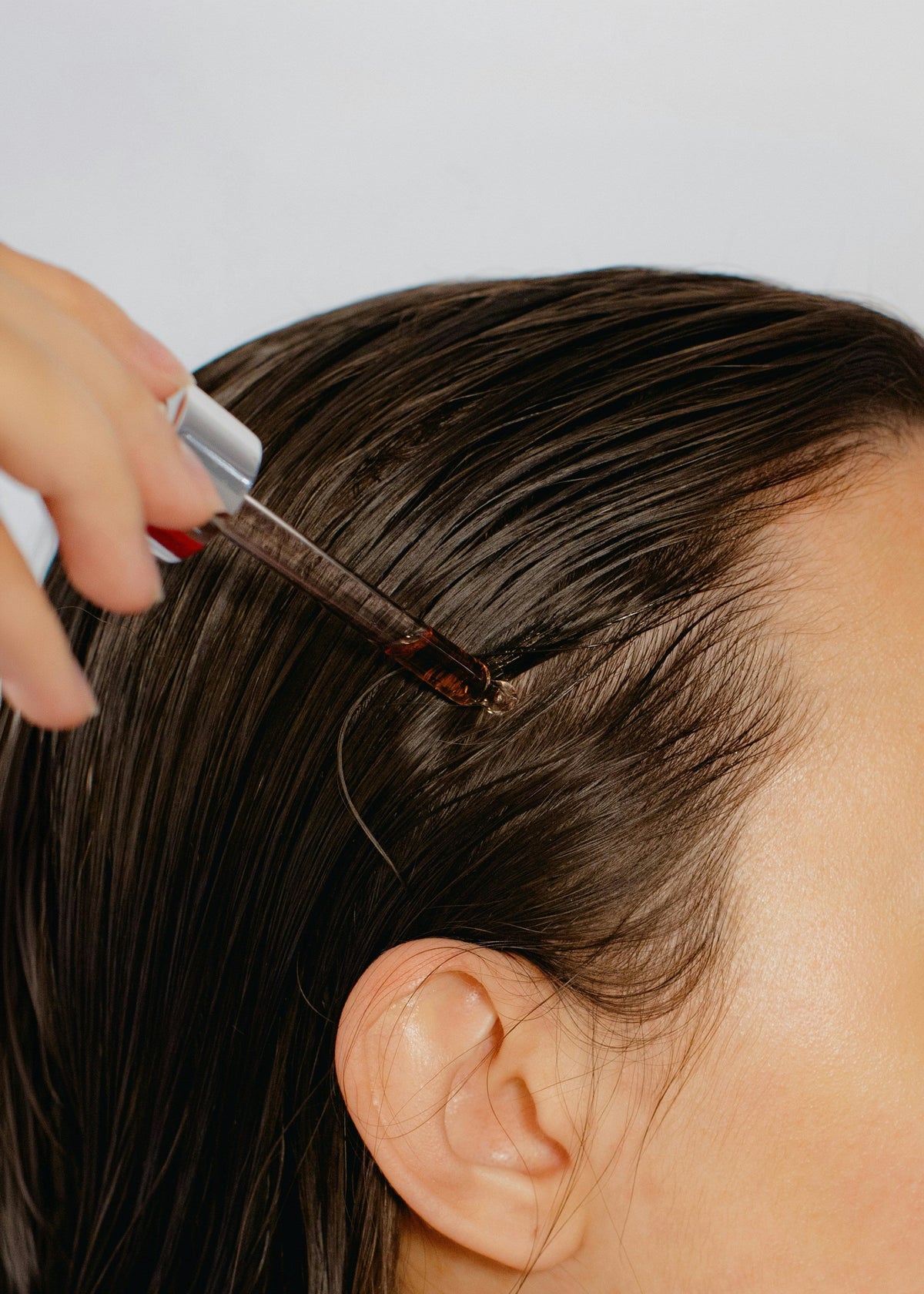
Bond repair looks after the lengths you already have. New growth starts at your scalp, and for fine hair especially, how full your hair looks starts there too.
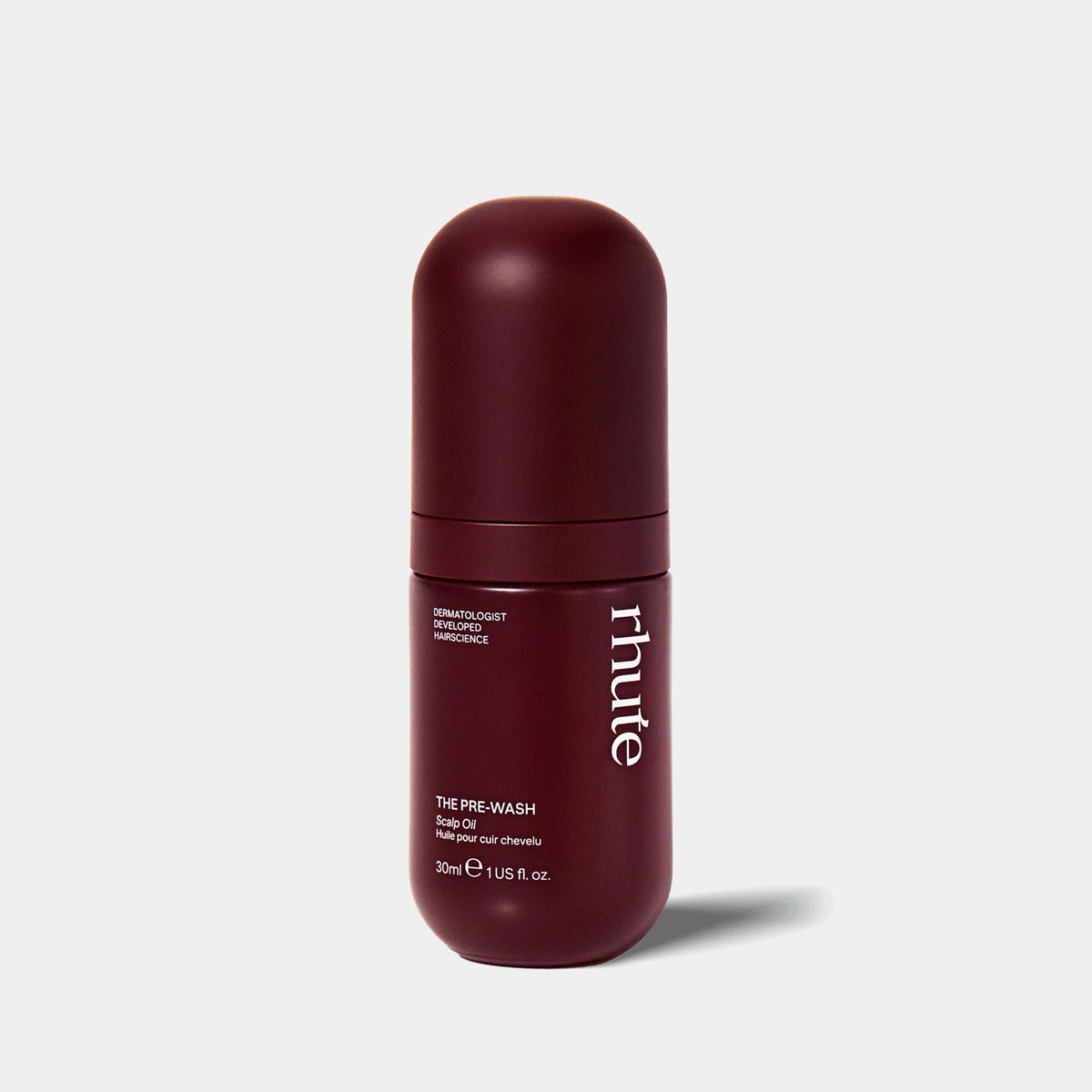
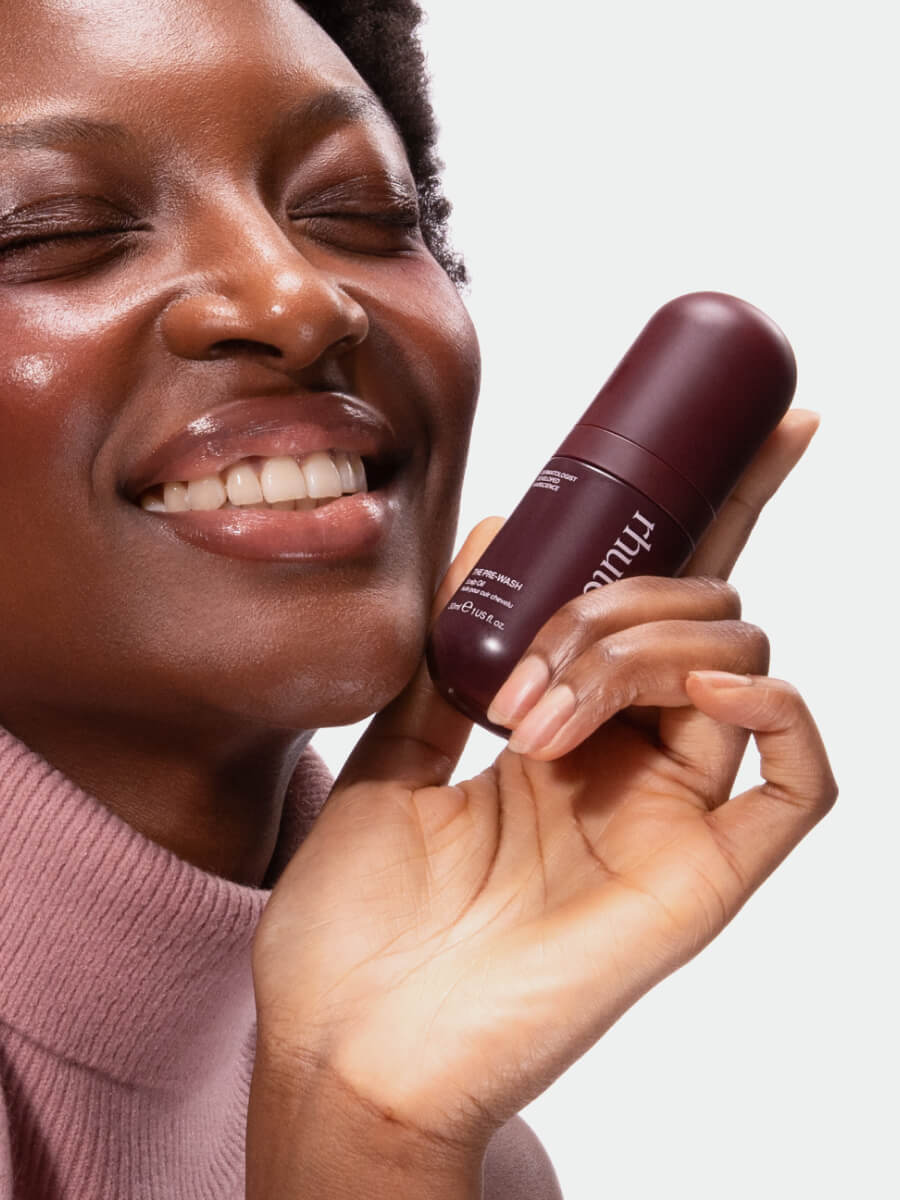
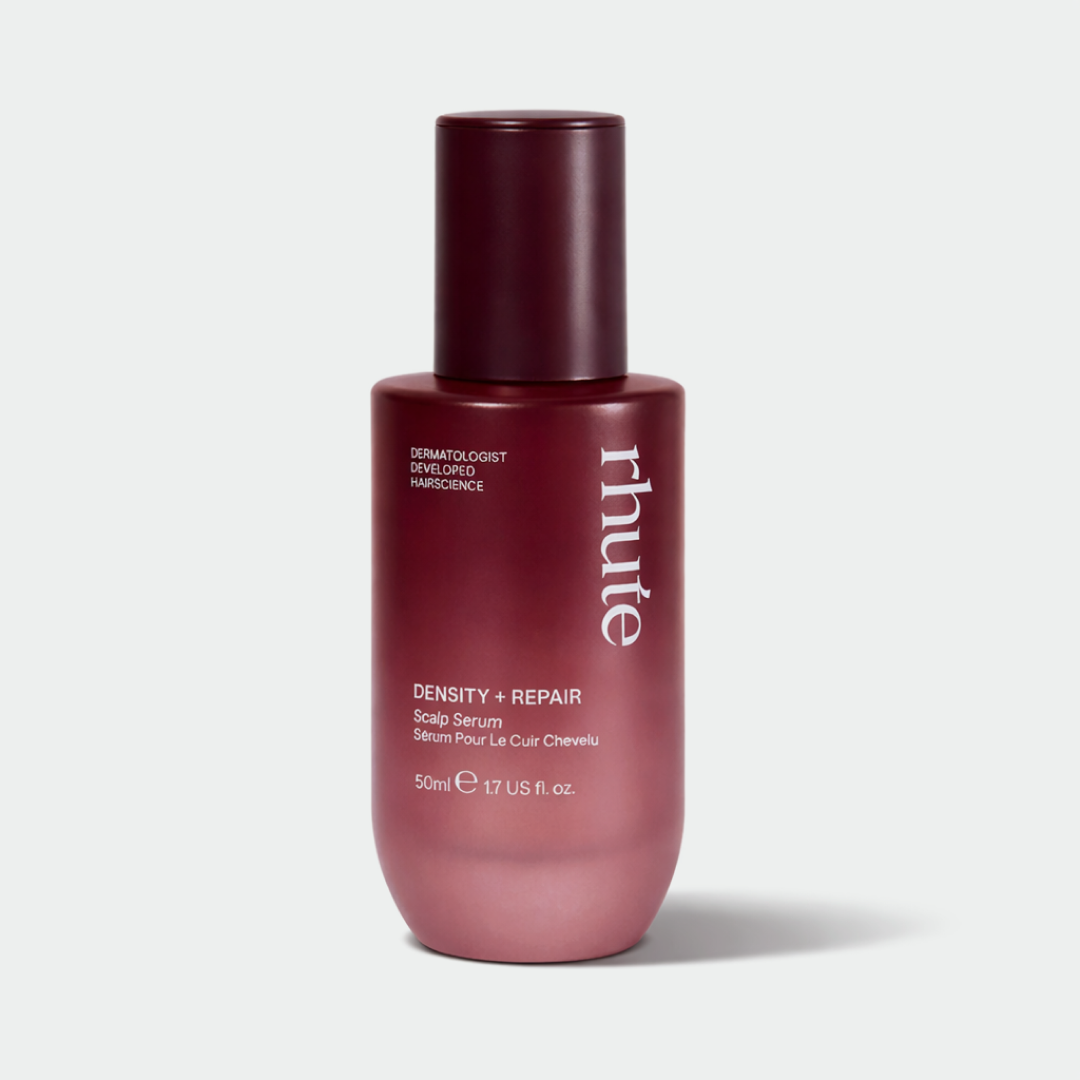
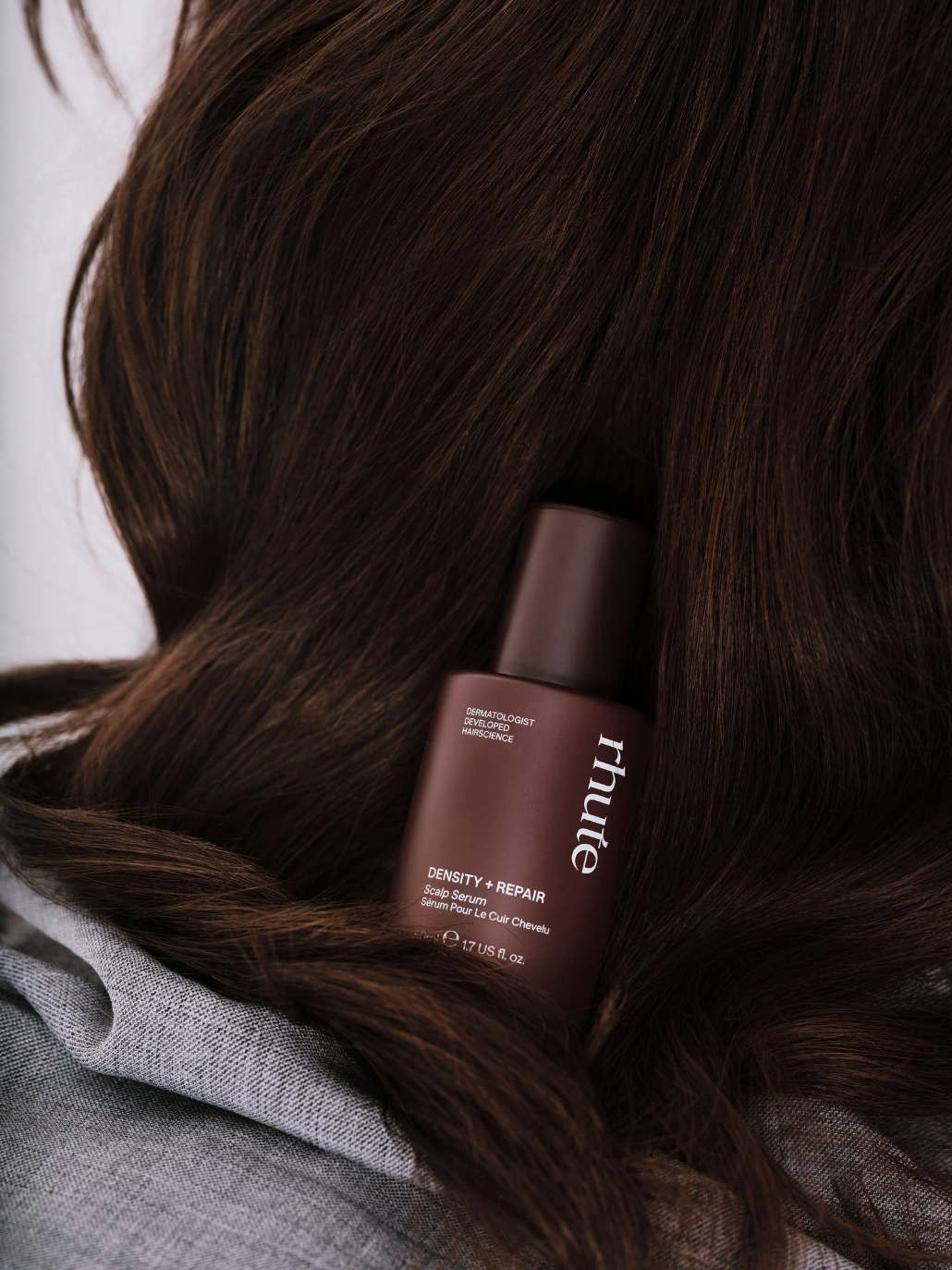
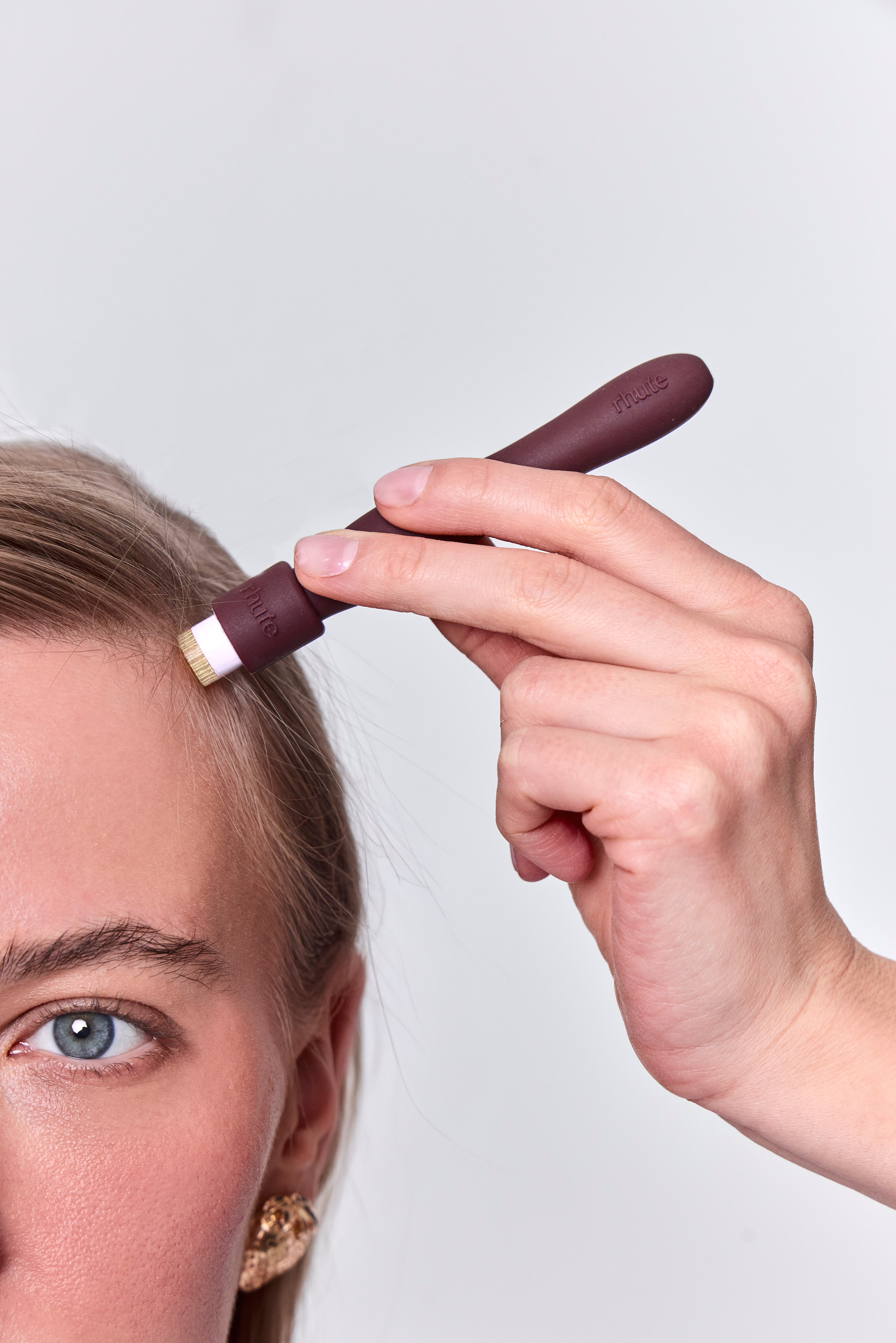
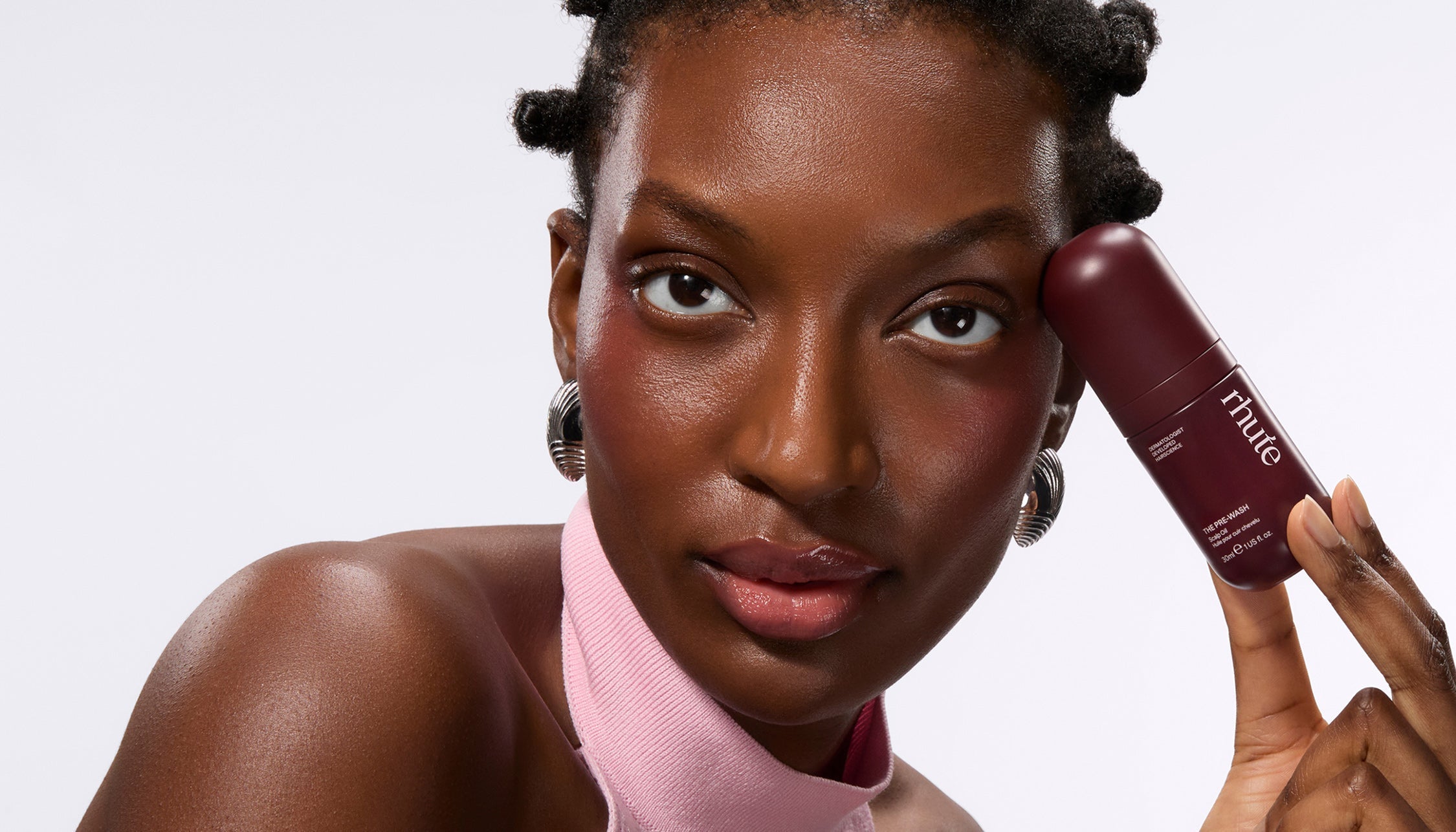
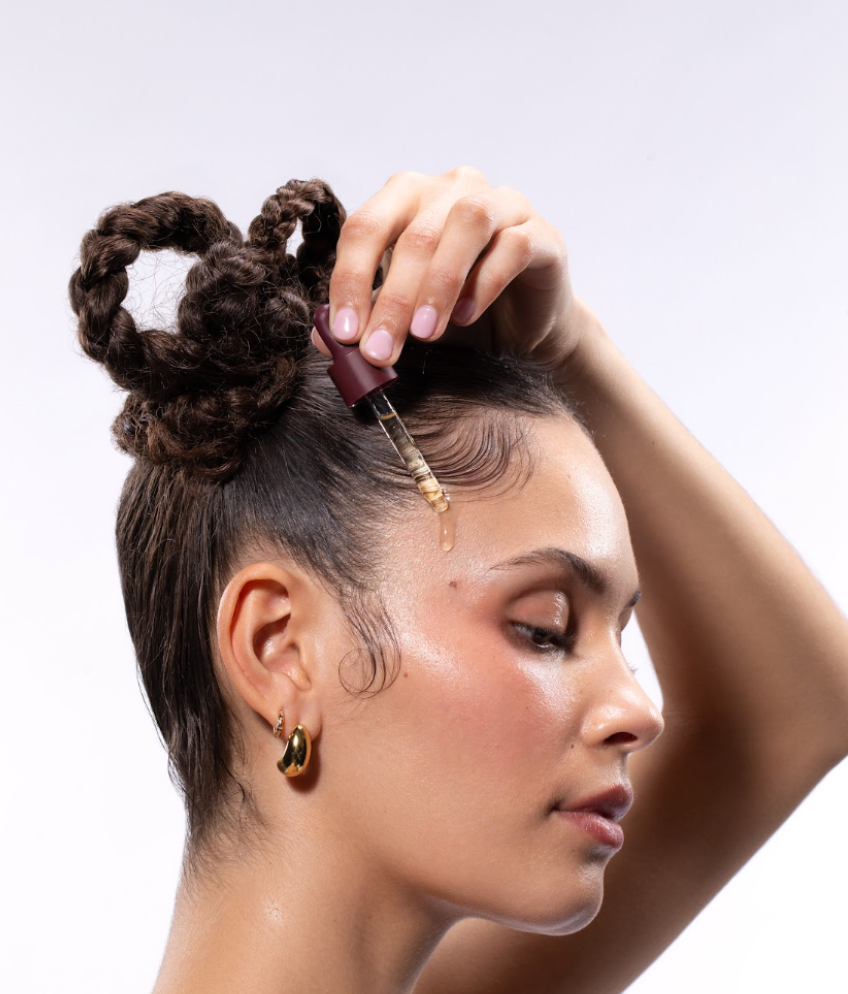
Density + Repair Scalp Hair Serum helps support your scalp barrier with niacinamide and supports growth with stem cell extracts, peptides and caffeine. Before you wash, Triple Density Complex Pre-Wash Hair Oil supports your scalp barrier with ceramides and conditions your lengths with jojoba. Paired with bond repair, they work as one routine from rhute to tip. Browse our scalp serums and hair growth serums to find your fit. Get growing.
FAQs
Is bond repair good for curly hair?
Yes, especially if your curls are coloured, relaxed or regularly heat-styled, because those break bonds in hair that's already prone to snapping at its bends. If your curls have never been coloured or chemically treated, a good leave-in conditioner may be all you need for now.
Which bond repair is best for fine curly hair?
Fine curls tend to drop under heavy products, so look for a lightweight leave-in mist you can apply section by section on damp hair. Once your hair is dry, check your roots. If your curls look looser there than usual, use one spray fewer next time.
Can bond repair change or loosen your curl pattern?
No. Your natural curl is largely set by the shape of the follicle it grows from, which bond repair doesn't touch (types of hair). Damaged curls can lose their spring, though, and looking after your lengths may help them hold their shape. If curls look looser straight after a new product, weight is the likelier cause.
Will bond repair weigh down fine hair?
It can if you use too much or put it on your roots. Dose, format and where you apply it matter more than what the label says. Start with the fewest sprays, keep it to your ends, and wait until your hair is dry before deciding.
Is bond repair "for fine hair" different from regular bond repair?
Usually the difference is the weight of the formula and the conditioners around the bond technology, rather than the bond technology itself. A lighter base with fewer rich oils or butters can be easier for fine hair to carry. How it feels on your hair tells you more than the label.