

Is hair oil good for a dry scalp?
Yes, the right hair oil can help a dry scalp feel softer and less tight, especially if you use it before you wash. If your flakes are actually dandruff, though, some oils can make them worse.
So before you raid the kitchen cupboard (we've all eyed up the olive oil), here's the short version:
-
Better choices: lighter oils rich in linoleic acid, like sunflower and grapeseed, or a blend made to rinse out
-
Go easy on: olive oil on your scalp, and coconut oil if you're prone to dandruff
-
For leave-on hydration: a scalp serum, not an oil
If you're here because of an itchy scalp and a dusting of flakes on your favourite black jumper, you're in good company. Dry scalp comes up in our community more than almost anything else. The good news? A couple of small changes to which oil you pick, and when you use it, can make a real difference to how your scalp feels.
First, make sure it's a dry scalp
Oil can help dryness. It doesn't help dandruff, and it can sometimes make it worse. A quick look at your flakes tells you a lot:
-
Dry scalp: small, white, powdery flakes and a scalp that feels tight, especially after washing
-
Dandruff: bigger, yellowish flakes that look a little oily, often with itch
-
Something else: redness, thick scales, soreness or patches that don't settle
Plenty of people have a bit of both, so don't worry if you can't put yourself neatly in one box. We cover the differences and causes in more depth in our guide to finding the best scalp serum for your dry scalp. For now, the main thing to know is that the oil advice below changes depending on which camp you're in.
Why the type of oil matters more than the label
Every oil is mostly made of fatty acids. Think of them as the building blocks that give each oil its personality: how heavy it feels, how it behaves on your skin, and how your scalp reacts to it. Two matter most for a dry scalp:
-
Oleic acid: the main fatty acid in olive oil
-
Linoleic acid: the main fatty acid in sunflower and grapeseed oil
One study found that sunflower seed oil kept the barrier intact and improved hydration (Danby et al., 2013). Grapeseed oil sits firmly on the linoleic side too, with linoleic acid making up the large majority of its fatty acids (Garavaglia et al., 2016).
Oleic acid matters for flaking as well. Your scalp is home to Malassezia, a yeast that lives on most people's skin and feeds on oil. As it breaks down the oils on your scalp, it releases fatty acids, including oleic acid. Research suggests oleic acid can set off dandruff-like flaking in people who are prone to dandruff, while leaving everyone else unbothered (DeAngelis et al., 2005).
So words like "nourishing" or "cold-pressed" on the bottle tell you far less than what the oil is actually made of.
Oils for a dry scalp, one by one
Here's how the oils people reach for most often stack up for a dry scalp.
|
Oil |
Verdict for a dry scalp |
Why |
|---|---|---|
|
Sunflower and grapeseed |
A gentle choice |
Rich in linoleic acid, and sunflower kept the skin barrier intact in research |
|
Jojoba |
A gentle choice |
Technically a liquid wax. Light and well tolerated, allowing penetration without heavy buildup, which is ideal for the scalp |
|
Coconut |
Depends on your flakes |
Can help hydrate and soothe a truly dry scalp, but best kept off a dandruff-prone one (more below) |
|
Olive |
Go easy |
Mostly oleic acid. Neat olive oil can make seborrheic dermatitis (an inflammatory skin condition) scalps worse |
|
Argan |
Lengths first |
Lovely on dry ends, with little research on dry scalps |
|
Castor |
Blend it |
Very thick and sticky on its own, so mix it with a lighter oil. More in our castor oil guide |
|
Tea tree |
Not a moisturiser |
An essential oil, so always diluted in a carrier oil and patch tested. Often used for dandruff, but it won't hydrate |
|
Rosemary |
Not for dryness |
Studied for hair growth rather than dry scalps. See our rosemary oil guide |
Is coconut oil good for a dry scalp?
It can be. In a 12-week study of 140 women, a twice-weekly coconut oil scalp massage, left on for two hours and then shampooed out, shifted the scalp’s microbiome towards the bacteria linked with healthier scalps (Saxena et al., 2021). By the end of treatment, the researchers also recorded less water escaping through the scalp’s surface, which suggests a stronger skin barrier. The women weren’t chosen for having dry scalps, so treat it as an encouraging sign rather than proof.
Lab research shows Malassezia grows well on coconut and olive oil, which is why dermatologists have suggested keeping oils off the scalp for anyone with seborrhoeic dermatitis, a more stubborn, inflamed relative of dandruff (Mayo et al., 2023). If your flakes look yellowish or greasy, keep coconut oil for your lengths.
Why pre-wash usually beats leave-on for a dry scalp
When you oil a dry scalp matters as much as which oil you use. Shampoo lifts away dirt and buildup, but it takes some of your scalp's own oils with it, which is partly why a dry scalp can feel tightest straight after washing.
Oil applied before you wash gives your scalp a cushion against that. Then it rinses away instead of sitting on your scalp all day, where it can attract dirt and give Malassezia more to feed on.
Leave-on hydration is a different job, and a water-based serum does it better than an oil. So think of them as two steps in the same rhutine rather than a choice between the two. For the bigger picture on oiling before you cleanse, see our guide to the best scalp oil for hair growth.
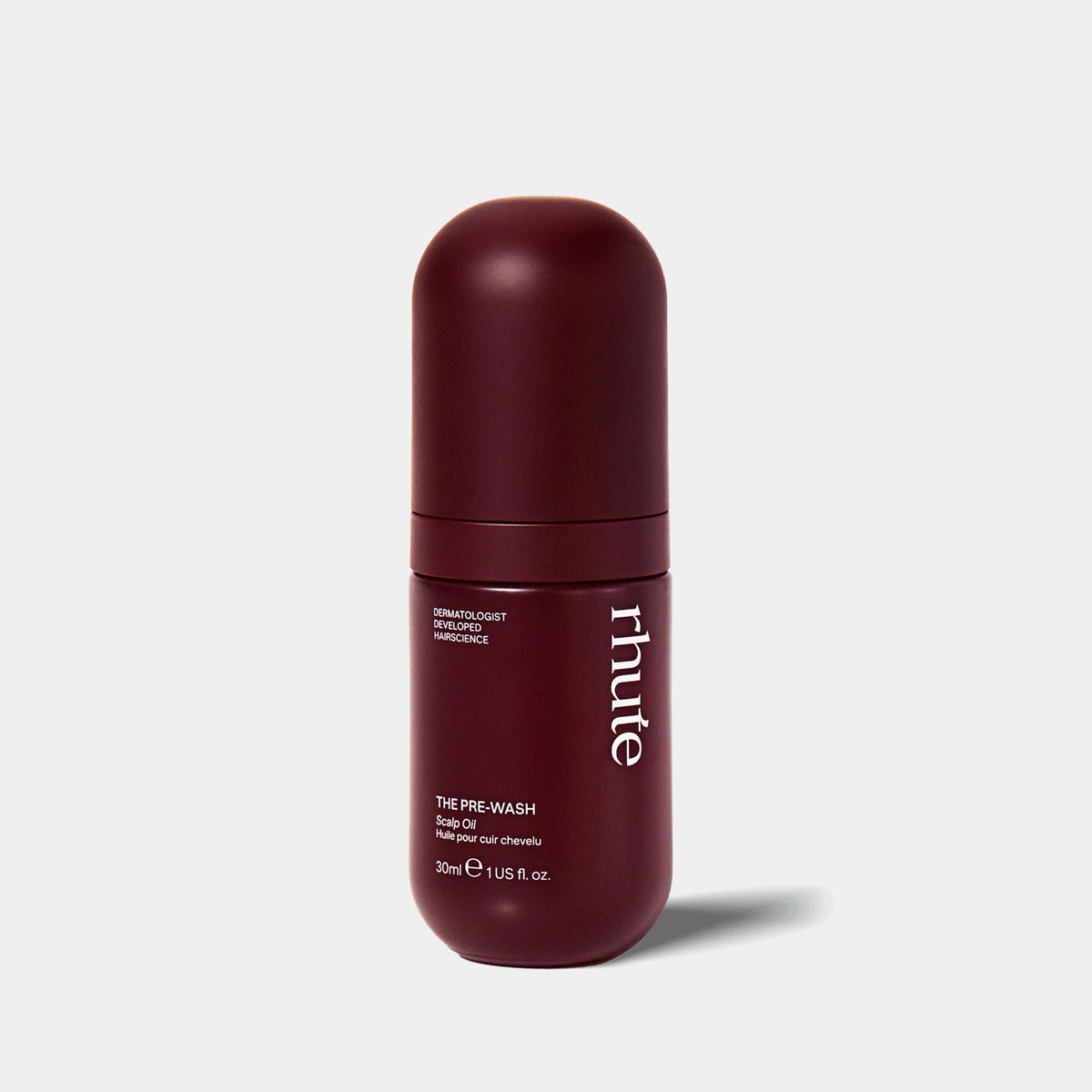
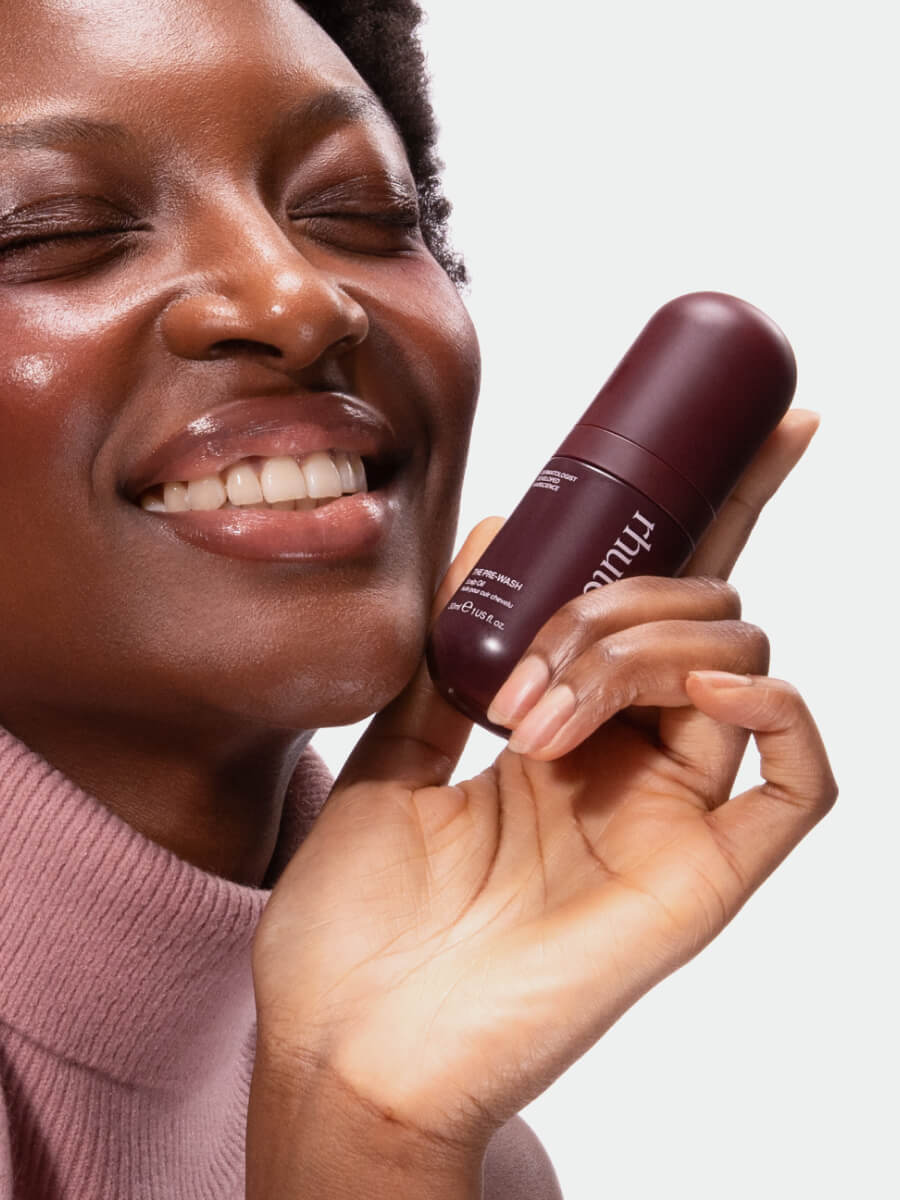
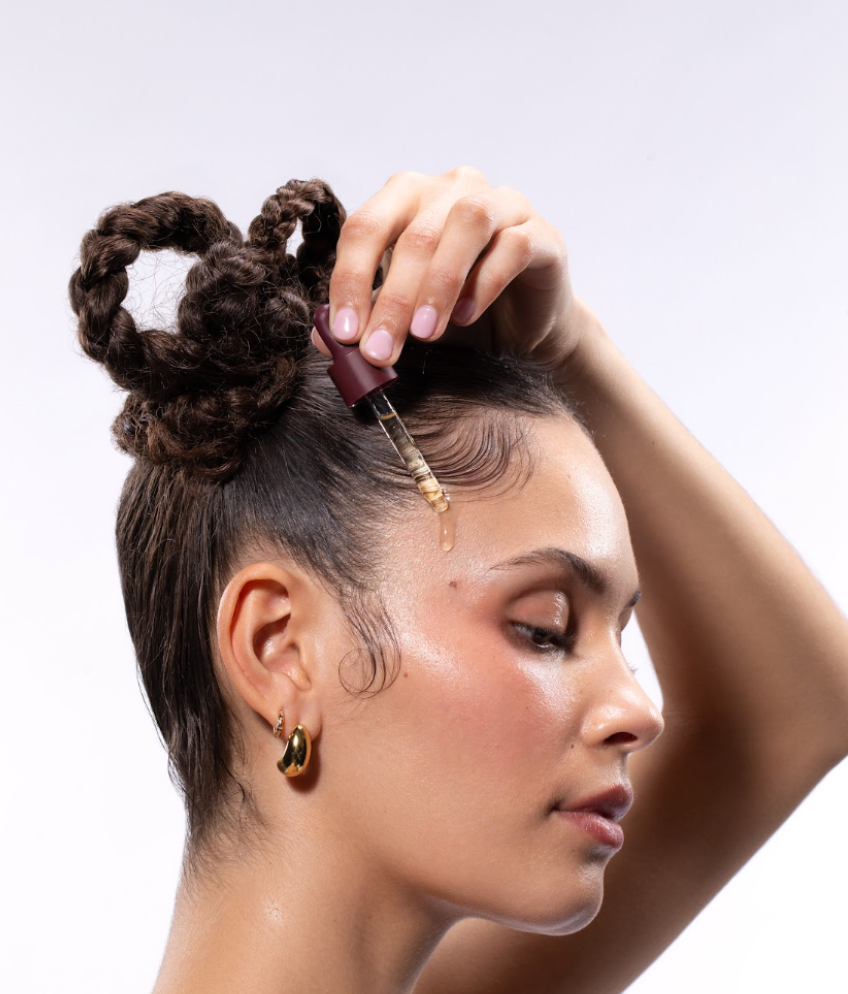
Before you wash: our Triple Density Complex Pre-Wash Scalp & Hair Oil helps support your scalp barrier, leaves your scalp feeling calmer and more comfortable, and softens your lengths, then rinses clean with your usual shampoo. It's a dermatologist-developed scalp treatment, not a basic hair oil.
Ceramides (the fats that help hold your skin barrier together) help lock in moisture, bisabolol (a calming compound first found in chamomile) helps soothe, and a fatty acid, rich antioxidant oil blend adds nourishment and slip. Pumpkin seed oil and saw palmetto are in there to support your scalp for thicker-looking hair.
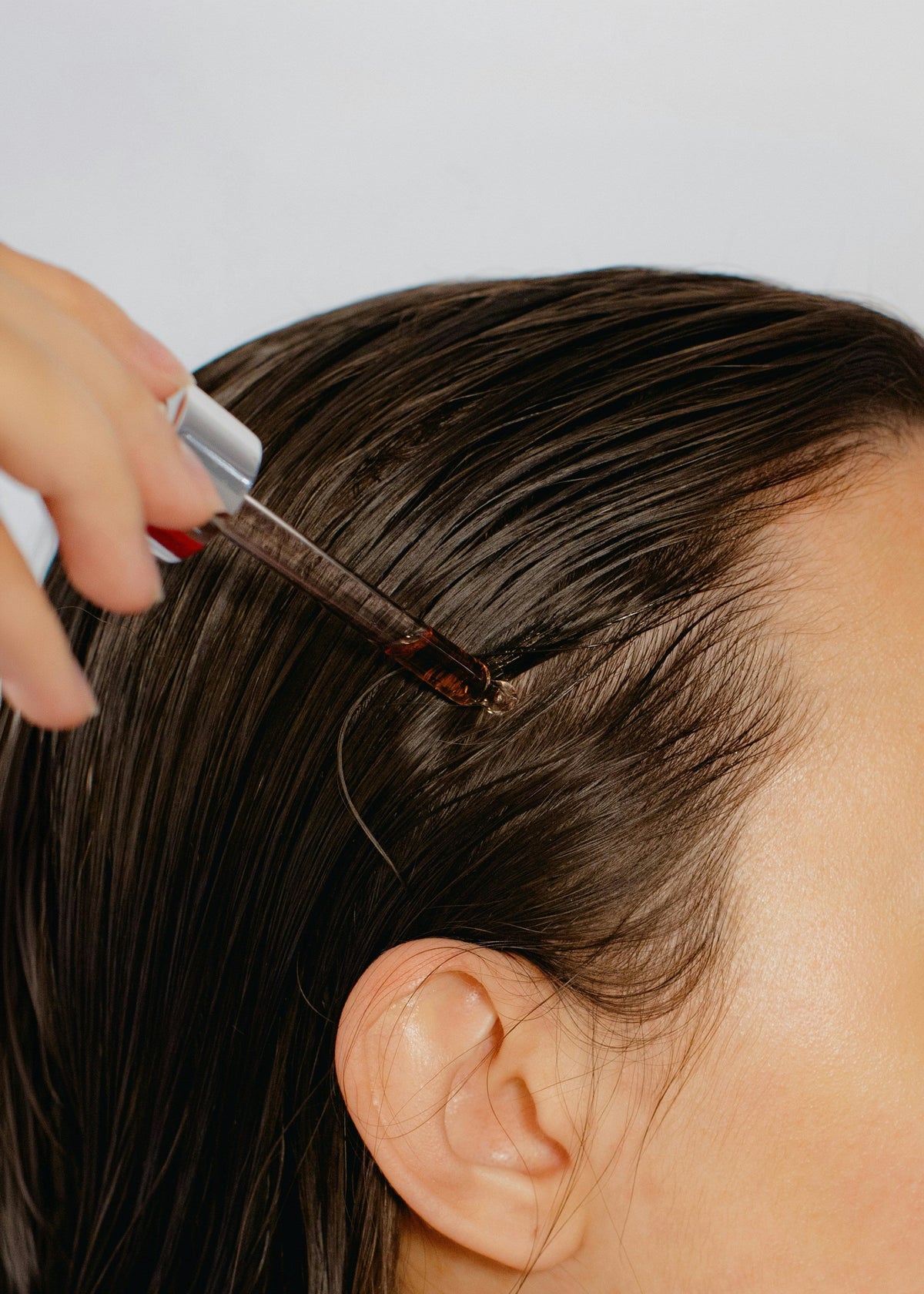
Use two to three droppers on your scalp and through your lengths, leave it for at least 15 minutes and up to six hours, then wash as normal. Two to three times a week is plenty.
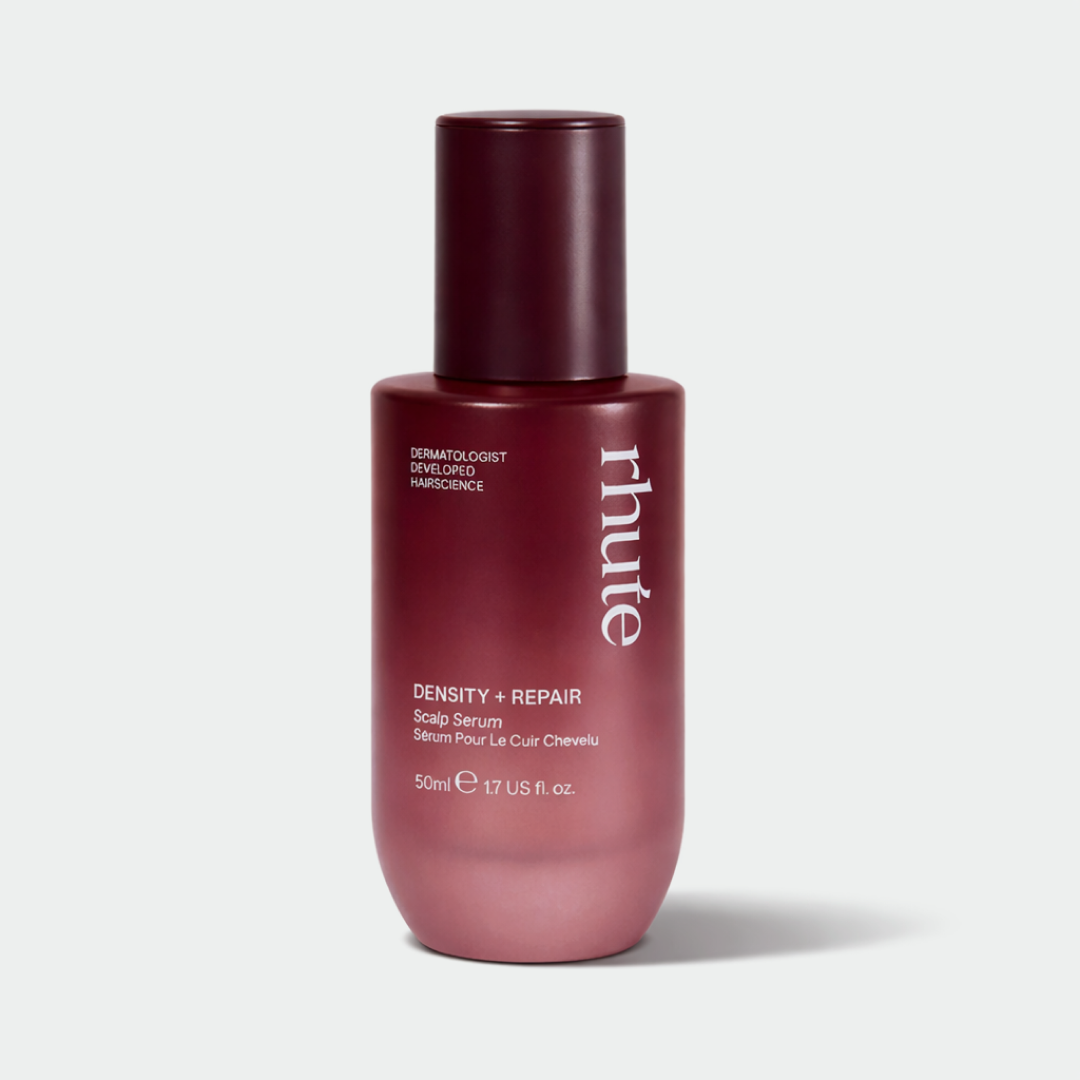
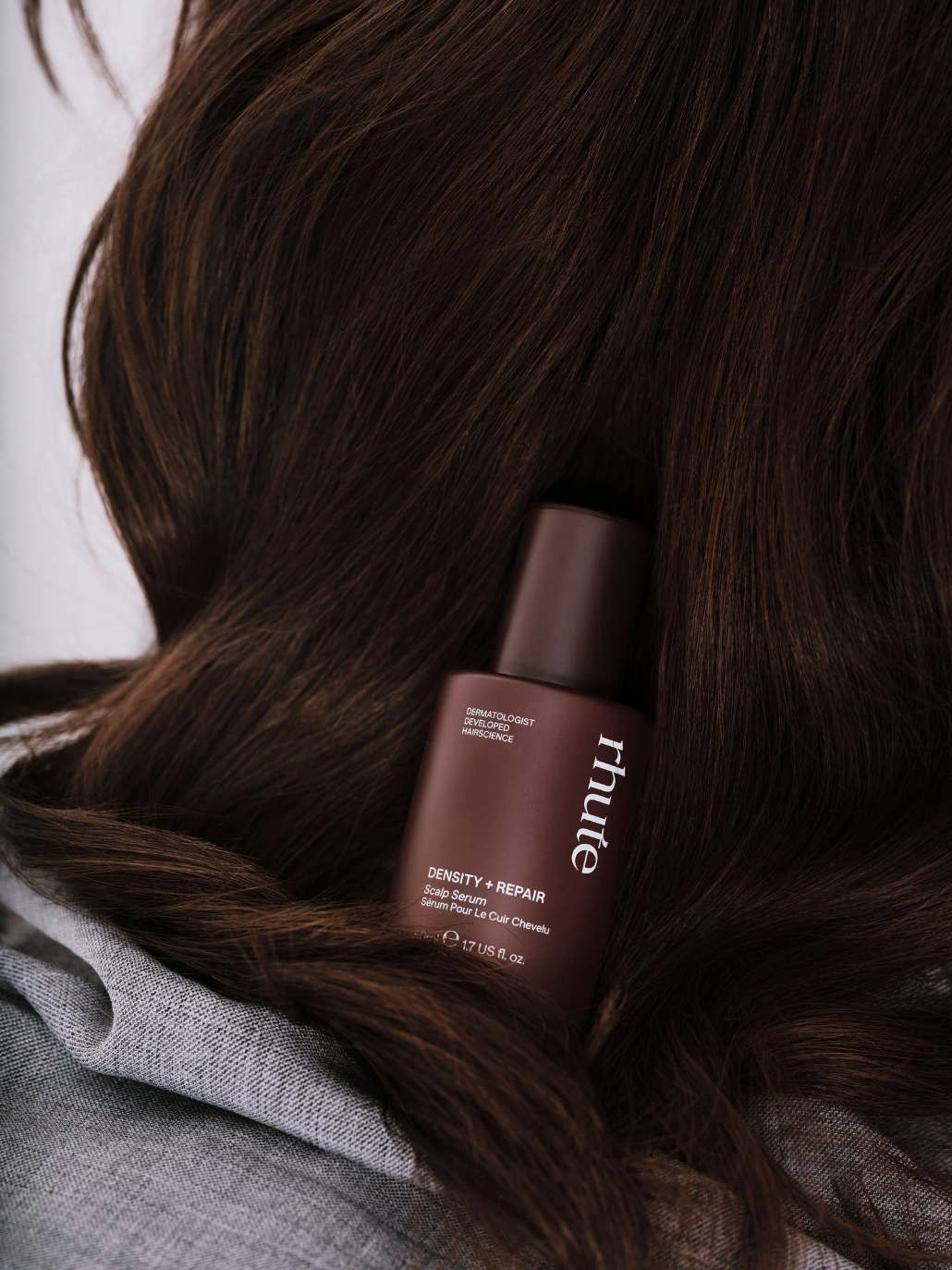
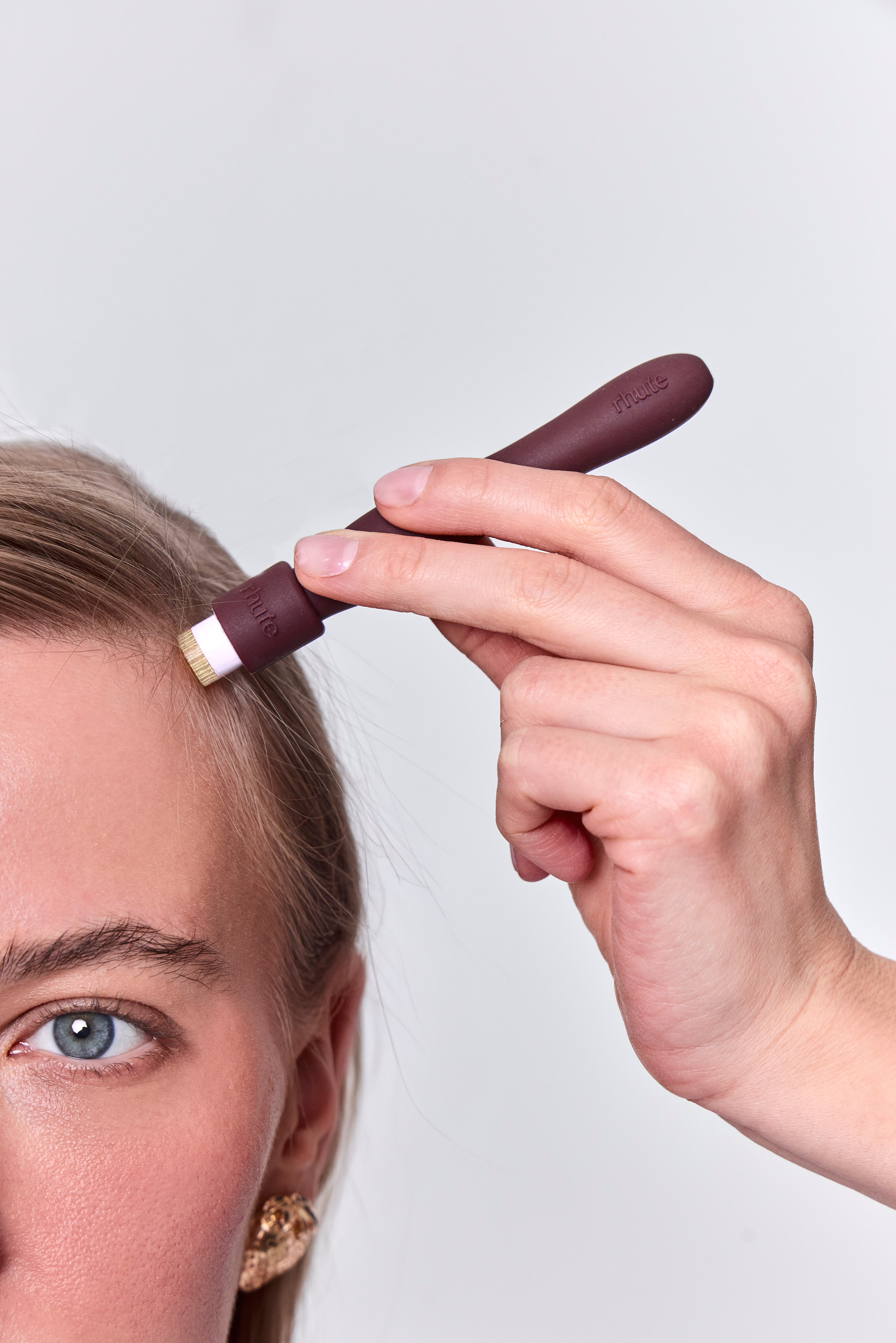
After you wash: Density + Repair Hair Growth Scalp Serum is our oil-free scalp serum for a clean scalp. It helps support your scalp's skin barrier and reduce shedding, with niacinamide to help strengthen the barrier and caffeine to stimulate follicles for fuller-looking hair.
Your scalp is skin, so it deserves the same thought you give your face. Scalpcare is skincare, after all.
How to oil a dry scalp without making it worse
A few dry-scalp tweaks make all the difference:
-
Patch test first. Dab a little behind your ear and wait 24 to 48 hours. Even gentle oils can irritate a sensitive scalp.
-
Use less than you think. Part your hair into sections and apply a small amount along each parting.
-
Use your fingertips, not your nails. Massage gently in small circles, because scratching can leave a dry scalp more irritated.
-
Give it at least 15 minutes before you wash.
-
Wash with lukewarm water and a gentle shampoo, as very hot water can leave a dry scalp feeling tighter.
-
Leave flakes alone. Picking or scrubbing can irritate the skin underneath. If they're stubborn, a gentle exfoliant like salicylic acid can help loosen them.
For the full step-by-step method, our guide on how to use hair oil has you covered.
When it's not just a dry scalp
Sometimes flaking is a sign of a skin condition that needs a different approach. The two most common are seborrhoeic dermatitis (red, flaky, often greasy patches where your skin is oiliest) and scalp psoriasis (thicker, silvery scales linked to an overactive immune system). It's worth seeing a GP or pharmacist if you notice:
-
red, inflamed or sore patches
-
thick, crusty or greasy scales
-
flaking that spreads past your hairline, onto your eyebrows or behind your ears
-
patchy hair loss
-
no improvement after a few weeks of gentle care
None of this is cause for panic. These conditions are common and usually manageable with the right treatment. They just need more than oil.
FAQs
How do you rehydrate a dry scalp?
Oil helps your scalp hold on to the water it already has by slowing down how quickly it escapes (known as transepidermal water loss). That keeps your scalp hydrated, but it can’t add water to a scalp that’s already dry. To increase moisture, use a water-based leave-on product with humectants (ingredients that draw water into your skin, like glycerin) on a clean scalp, and wash with lukewarm water and a gentle shampoo. Our guide to glycerin and sodium PCA explains how humectants work.
What oil is good for both a dry scalp and dry hair?
Your scalp and your lengths want different things. Your scalp is skin, so it suits gentler, lighter oils, while dry lengths can handle richer ones like argan or castor. You can use a different oil on each, or keep it simple with a rinse-out blend made for both, applied to your scalp and through your lengths before you wash.
Can a dry scalp cause hair loss?
Dryness on its own isn't a recognised cause of hair loss. That said, constant scratching can break hairs, and ongoing scalp inflammation may affect your hair over time, so a scalp that stays itchy or sore is worth getting checked. If you're noticing more shedding, our guide to hair loss in women walks through the most common causes.
Is it OK to oil a dry scalp every day?
Usually not. Oil left on your scalp day after day can build up, attract dirt and give the yeast on your scalp more to feed on, which can make flaking worse. Two to three pre-wash sessions a week tends to be plenty, with a lightweight serum for daily care.
Can you leave oil on a dry scalp overnight?
Your lengths can usually handle oil overnight, but for a dry scalp, a few hours before washing is generally enough. If your scalp is flaky or itchy, it's best to skip overnight scalp oiling. The overnight hair oil guide explains what happens to oil after the first few hours.