
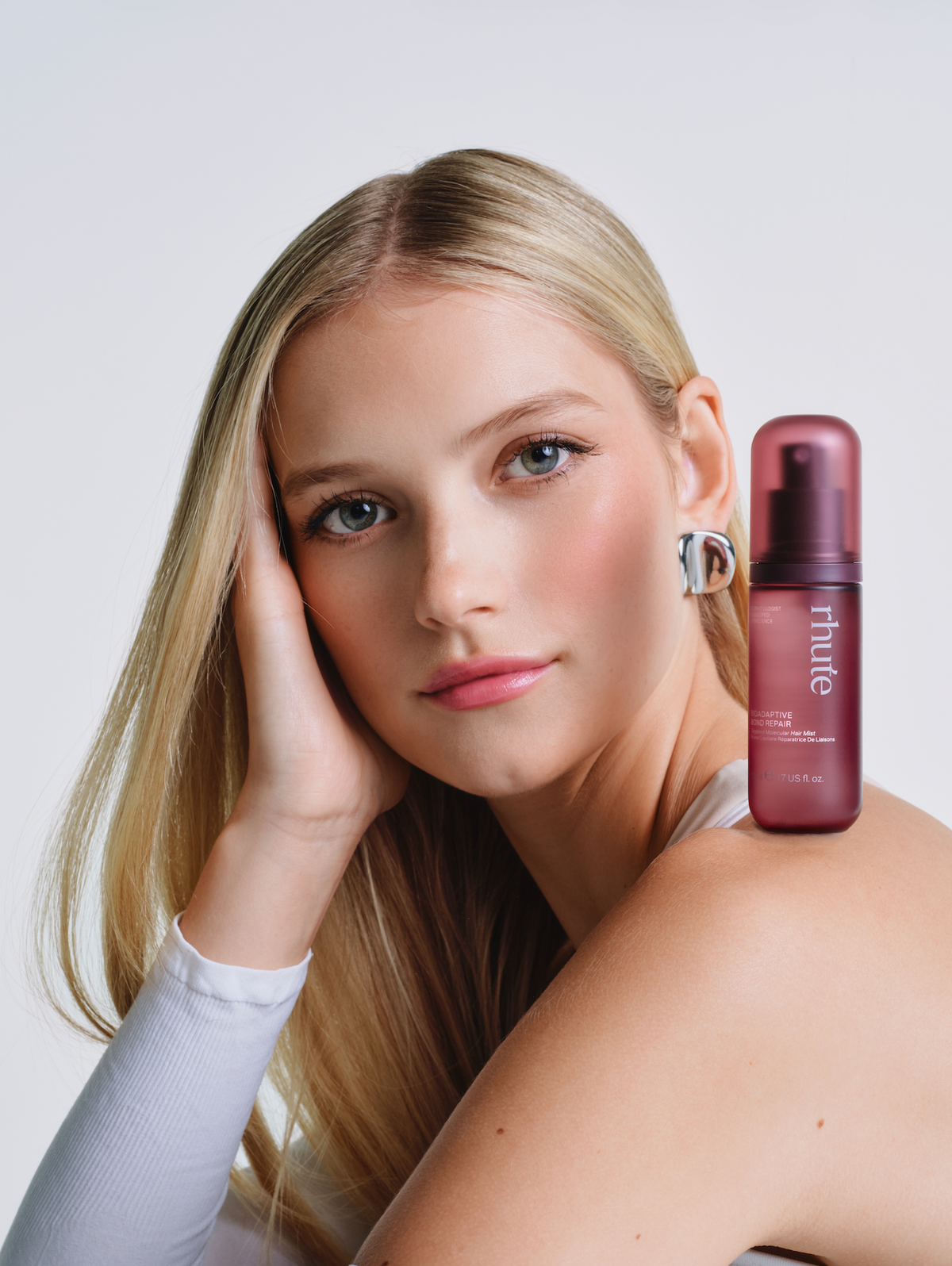

Use it every wash while you're repairing, then every two to three washes once your hair feels stronger, plus an extra use after anything that adds damage. That's how often to use a bond spray, but always start with your product's directions. For our Bioadaptive Bond Repair, that's every wash for the first eight to 10 washes (the treatment phase), then every two to three washes (the maintenance phase).
What a bond repair spray actually does
Bonds are the links that hold the protein chains inside your hair together. Bleach, heat, and everyday wear break them. Our guide to hair bond repair covers the full science.
A bond repair spray is a leave-in. It goes on damp lengths after washing and stays there until your next wash, unlike rinse-off masks and pre-wash treatments, which only sit on your hair for a few minutes. That's why sprays are made for frequent use, and why their schedule is counted in washes, not weeks.
In Bioadaptive Bond Repair, AI-engineered peptides (short chains of the building blocks of protein) seek out the most damaged areas of each strand, hyaluronic acid helps hold moisture in, and it protects against heat up to 230°C.
Why how often matters more than how much
When scientists tested a single application of two well-known bond products on bleached hair, they saw a short-term effect and suggested continued use could show more (Martins et al., 2024). We haven't found any published study that tests the ideal frequency, so every schedule, ours included, is guidance based on how the formula is designed to work.
Independent lab tests on Bioadaptive Bond Repair point the same way (rhute):
-
One use led to 83% less breakage.
-
Infrared analysis, which reads the chemical bonds inside a strand, showed 50% of broken bonds repaired in three minutes.
-
A glowing dye that sticks to damaged sites in the cortex (the inner core of each strand) faded with every use. After 10 applications, there were 65% fewer damaged sites on Caucasian hair and 54% fewer on afro-textured hair.
In a consumer study of 51 people with hair types 1 to 4C (straight through to tightly coiled), 77% said their hair felt stronger and 73% saw less breakage when brushing after six weeks of regular use.
The takeaway: consistency beats a big dose. Spraying extra one day won't make up for skipped washes.
Phase one: the repair phase (every wash)
-
Start here if: you've just bleached or coloured, had a run of heat styling, or your hair snaps when you brush it.
-
How often: every wash, for the first eight to 10 washes.
-
How much: two to three sprays for short to medium hair, up to four for long hair, misted from 15 to 20cm away onto damp mid-lengths and ends.
You’re ready to move on when brushing leaves fewer short, snapped bits behind, your ends feel smoother, and detangling takes less time. Your hair is starting to feel healthier, and now it’s all about keeping it that way.
Not sure it's breakage? The hair breakage guide helps you tell.
Phase two: maintenance (every two to three washes)
Don't stop completely. Washing, brushing and sun keep wearing your hair down, so maintenance keeps pace with that wear rather than chasing damaged hair later. If your hair starts snapping again, go back to every wash for a few washes. Your schedule is a dial, not a switch.
Turn "every few washes" into your week
-
You wash daily: every second or third day
-
You wash three times a week: once or twice a week
-
You wash twice a week: roughly once a week
-
You wash once a week: every two to three weeks
If you wash less often, which is common with curly and coily hair, your repair phase simply takes more weeks. Just don't stretch maintenance beyond every two to three washes. You need to keep on top of damage repair as it accumulates, not as a one-off fix.
Add a top-up after big damage days
-
Bleach or colour: use it on your next wash. See how to fix bleach damaged hair and how bond repair and a leave-in work together on coloured hair.
-
Heat styling: use it on any wash before you style, as it doubles as your heat protection.
-
Holidays: use it every wash while sun, sea and pool water work on your lengths (sun damaged hair).
Adjust for your length and hair type
-
Longer hair: your ends can be years older than your roots (see the hair growth cycle), and research found shampooing takes a bigger toll on weathered ends than on newer hair near the root (Sneath, 1985). Focus sprays on your ends and keep maintenance to every two washes.
-
Fine hair (each strand is narrow): stick to the lower spray count so it doesn't feel weighed down.
-
Coloured or bleached hair: expect a longer repair phase, and restart it after each colour appointment.
Signs you're overdoing it, or not doing enough
-
Too much: hair feels coated, limp or stiff. Use fewer sprays, less often. Our hair bond repair FAQs cover layering several products.
-
Too little: snapping and rough ends creep back. Return to the repair phase.
Your lengths need it, your scalp doesn't
Bond sprays are for your mid-lengths and ends, so keep yours off your scalp. But the hair you'll have next year is growing from your scalp right now, so care starts at the rhute.
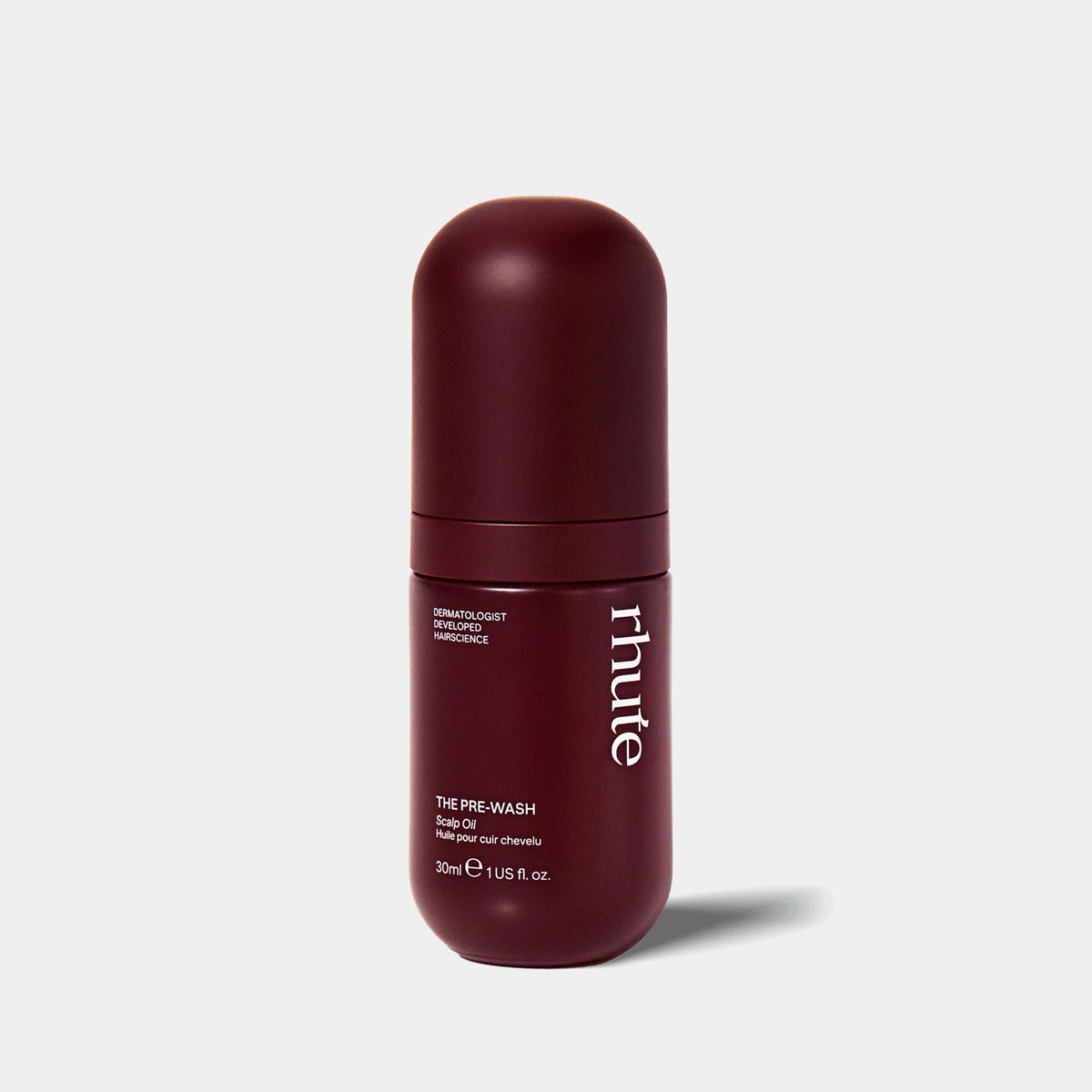
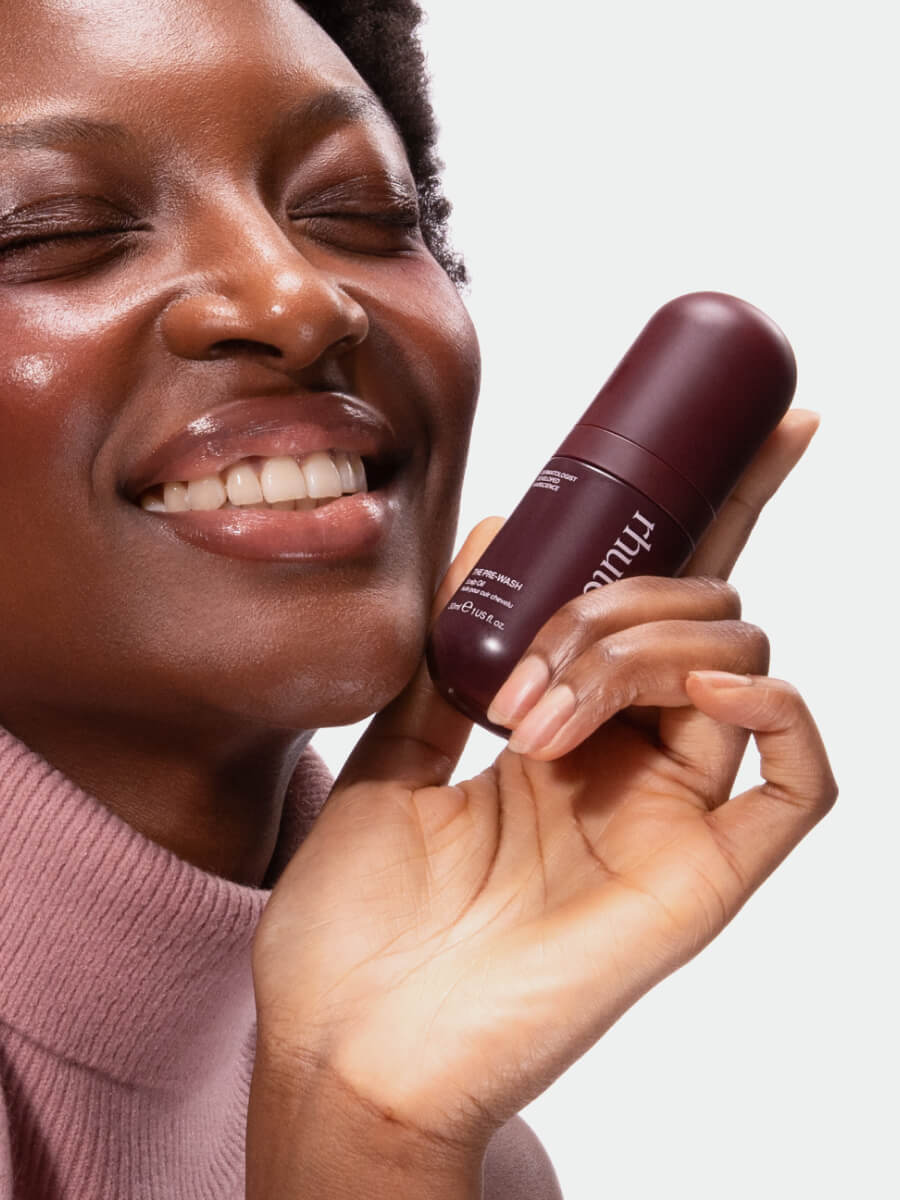
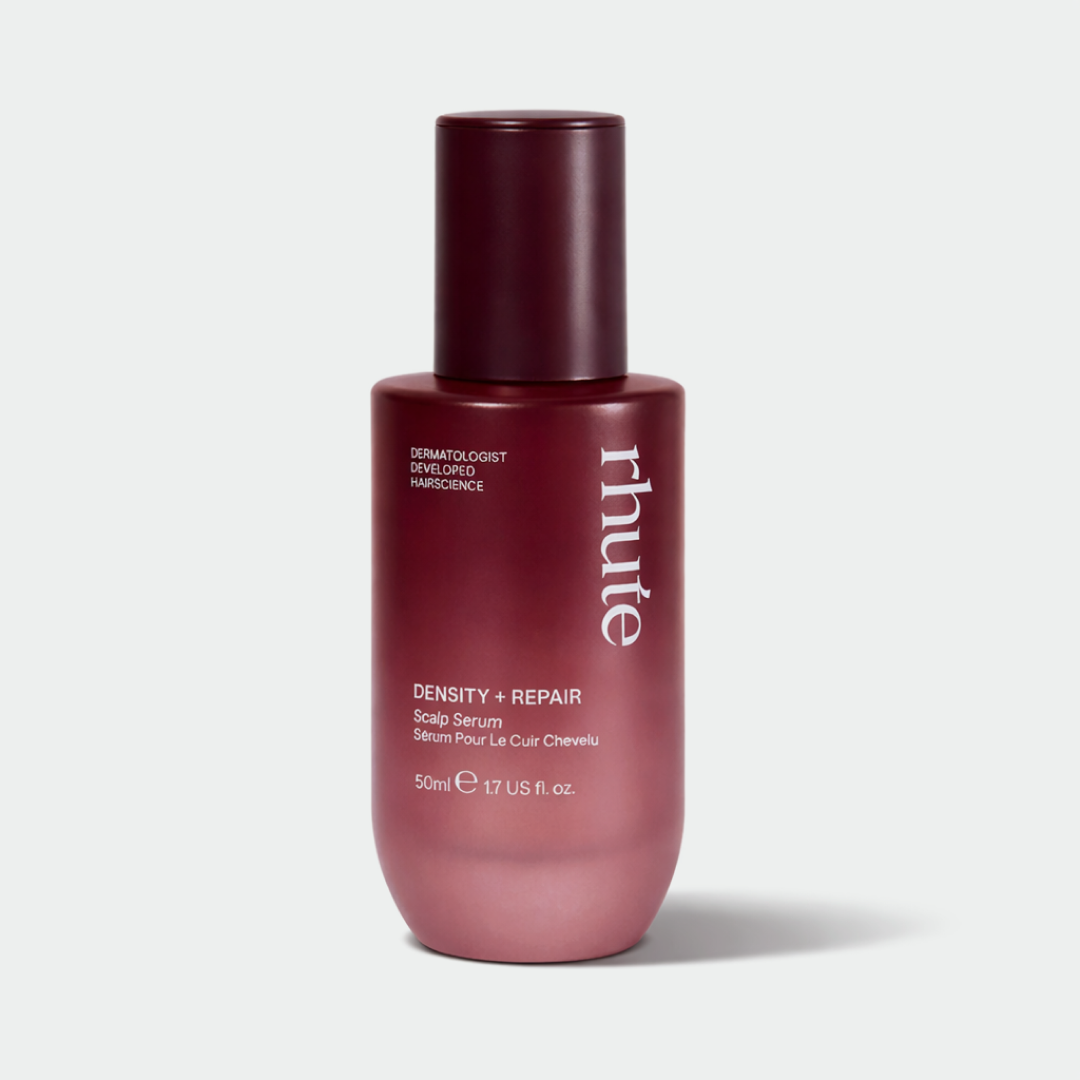
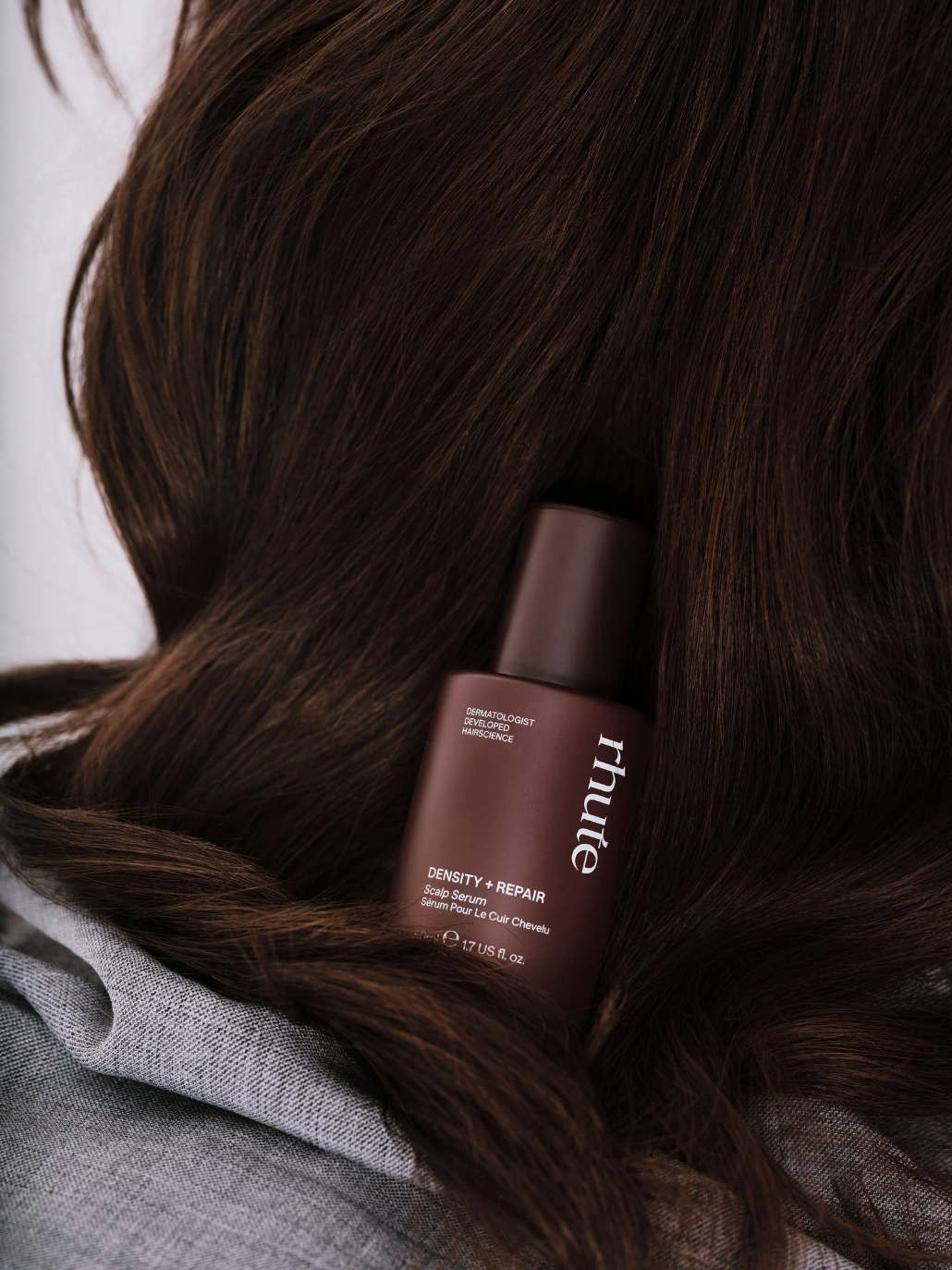
Density + Repair Scalp Serum is designed for less shedding and more growth, with caffeine to help stimulate your follicles and niacinamide (a form of vitamin B3) to help strengthen your scalp barrier.
Before you wash, Triple Density Complex uses pumpkin seed oil and saw palmetto to help balance DHT (a hormone linked to thinning), plus ceramides for your scalp barrier.
FAQs
Can you use a bond spray every day?
If you wash every day, yes: using it after each wash in the repair phase is what it's designed for. Re-spraying on days you don't wash isn't. Bioadaptive Bond Repair is for damp hair only, so keep it for wash days.
Can you use a bond spray on dry hair?
Check your product's directions. Bioadaptive Bond Repair is made for damp, freshly washed hair as part of your wash routine. If your ends need something between washes, a little leave-in conditioner on dry hair is a better fit.
Can bond repair dry out your hair?
It can feel that way. Straw-like hair after bond repair usually means too much product, several strengthening products layered at once, or hair that needs moisture rather than more repair. Go back to one bond product, condition every wash and see how your hair feels after a couple of weeks. Our damaged hair guide explains how to tell dryness from damage.
Does a bond spray replace heat protectant?
Only if the label says it protects from heat. Bioadaptive Bond Repair protects up to 230°C, so it can be your heat protection step on the days you apply it. If you’re heat styling on other days, especially between washes, top up with a heat protectant first. Your tools don’t need to run that hot, though. Our damaged hair FAQs explain why lower straightener temperatures are kinder.
Can you use a bond spray on hair extensions?
Yes, on human hair extensions, but not synthetic hair. Extension hair no longer grows from a scalp, so it can’t replace itself. Check in with your stylist first about your extension type and bonds, as some bonded and taped methods may not suit leave-in products. Look after your own hair underneath too, because constant pulling can lead to traction alopecia.
How long does one bottle last?
It depends on your routine. Bond repair is very specific to how often you wash, and that varies a lot between hair types. Curly and coily hair tends to be washed less often, for example, so a bottle will usually last longer. As a rough guide, washing three times a week with three sprays, you’d use about nine sprays a week while repairing and three to five in maintenance.