


Your scalp feels tight by lunchtime, it starts itching just as you're dropping off to sleep, and you've got into the habit of checking your shoulders before you leave the house. We hear this one a lot.
To get rid of a dry scalp, wash with a gentle shampoo, aim for warm water rather than hot, rinse well if you live in a hard water area, and support your scalp's barrier with a leave-on serum or a pre-wash treatment. Most dry scalps start to feel better within a few weeks of these changes. If yours doesn't, it may not be dryness at all.
Your barrier is the outer layer of your skin that keeps moisture in and irritants out. When it's struggling, water escapes and your scalp feels tight and flaky. Scalpcare is skincare, so the fix looks a lot like what you'd do for dry skin anywhere else.
First, check it's really dry scalp
Tightness and flaking don't automatically mean dryness. Research suggests dandruff scalps also have a weakened barrier and lose water faster than healthy ones, so the two can feel surprisingly alike (Turner et al., 2012). Dandruff is linked to Malassezia, a yeast that lives on everyone's scalp, and it needs a different approach. It can show up whether your scalp feels dry or oily, so it’s worth knowing the difference before you pick a routine.
So rather than guessing, try a simple two-week test:
-
Follow the routine below for two weeks.
-
If your flakes are clearly better, dryness was the likely cause. Keep going.
-
If they're greasy, yellowish or keep coming back, try an anti-dandruff shampoo instead.
Not sure what you're looking at? Our guide to finding the best scalp serum for your dry scalp explains what each type of flake tends to look like.
1. Rethink how often you wash
"Wash less" is one of the most repeated tips for a dry scalp, but the research is more mixed than that. In a controlled study of people without a scalp condition, washing more often improved measures like flaking and itching compared with washing once a week, and the researchers found no sign that frequent washing harmed hair or scalp (Punyani et al., 2021).
That study didn’t look at dry scalps specifically, though. If your scalp is already dry, washing too often may strip away more of its barrier lipids than it needs to, which can leave it feeling dry, tight and itchy.
It's fair to flag the limits. The participants were Asian adults without scalp conditions, and three of the five authors work for a haircare company. Even so, it's the best controlled evidence we could find on wash frequency, and it points the other way.
What to do instead:
-
Wash as often as your scalp feels comfortable.
-
Use a gentle shampoo, and massage it in with your fingertips, not your nails.
-
If your scalp feels tight straight after washing, try washing a little less often and switching to a shampoo with barrier-supporting ingredients like ceramides or hyaluronic acid, which cleanses and hydrates together.
2. Turn the temperature down
Lukewarm water is standard advice, and there's now some evidence behind it. In a controlled study, hot water raised transepidermal water loss (the amount of water escaping through your skin) far more than cold water did (Herrero-Fernandez et al., 2022).
The catch is that the study tested hands, not scalps. Treat it as a strong hint rather than proof for your scalp, but it's an easy change to make. Keep your shower warm rather than hot, and finish with a cooler rinse if you can bear it.
3. If you're in a hard water area, clear the build-up
Much of England has hard water, which means water high in calcium and magnesium. In one study, washing with hard water left more surfactant (the ingredient that helps shampoo foam and lift away oil) sitting on the skin. That leftover residue increased irritation and water loss, while softened water reduced the effect (Danby et al., 2018).
Two caveats: the study was on forearm skin, and it was funded by a water softener company. It's still a useful nudge to rinse properly:
-
Use a little less shampoo than usual.
-
Rinse for longer than feels necessary, especially around your hairline and crown.
-
Check your water supplier's website, as most have a postcode checker for water hardness.
You'll see shower filters sold for this, but we couldn't find research showing they help a dry scalp, so we'd focus on rinsing first. Hard water can affect your lengths too, which we cover in our guide to damaged hair.
Once a week, a clarifying shampoo can help remove the build-up hard water leaves behind. This is the “soap scum” that forms when the minerals in hard water react with your shower products. Clarifying shampoos can be stripping, though, so on those days apply a pre-wash hair oil first to support your scalp barrier, then follow with a hydrating serum to “sandwich” the hydration in.
Shower filters can help too, although the evidence is thin. If you have a dry scalp and live in a hard water area, look for one that specifically removes hard water minerals such as calcium and magnesium. Hard water can affect your lengths too, which we cover in our guide to damaged hair.
4. Support your barrier, on and off your scalp
Once you've taken some stress off your scalp, give your barrier something to work with. Think of these as two steps in the same rhutine, each doing a different job.
-
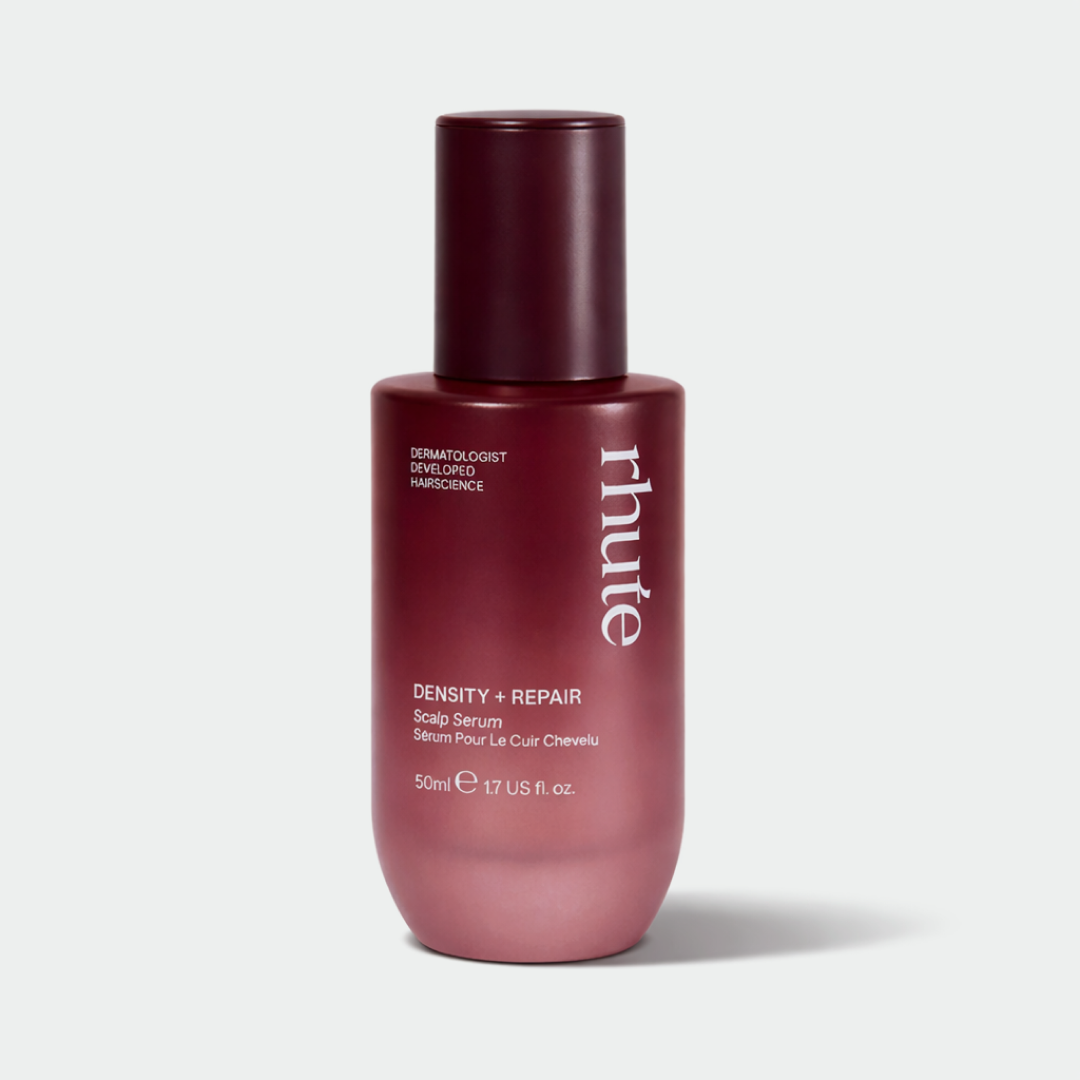
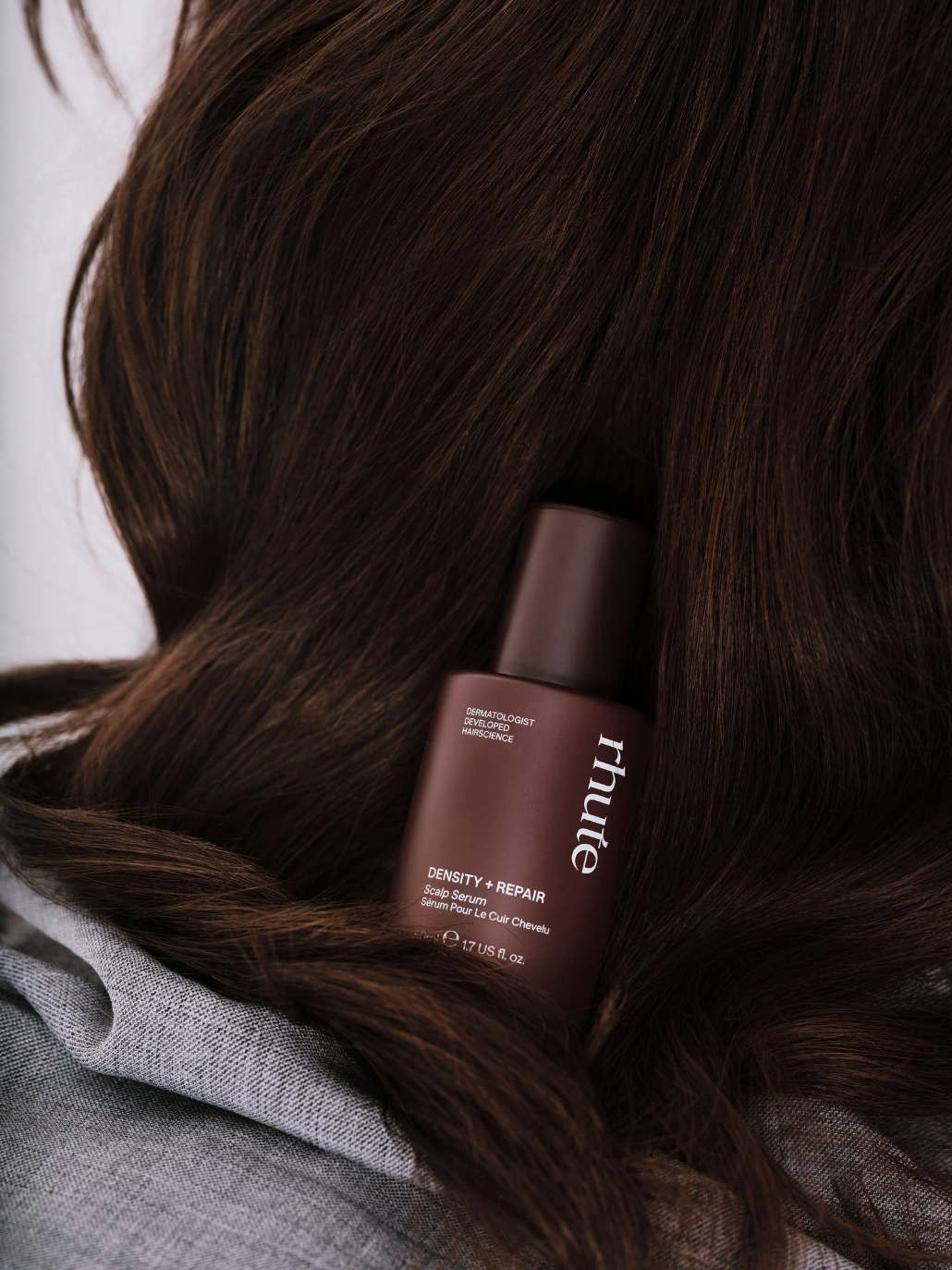
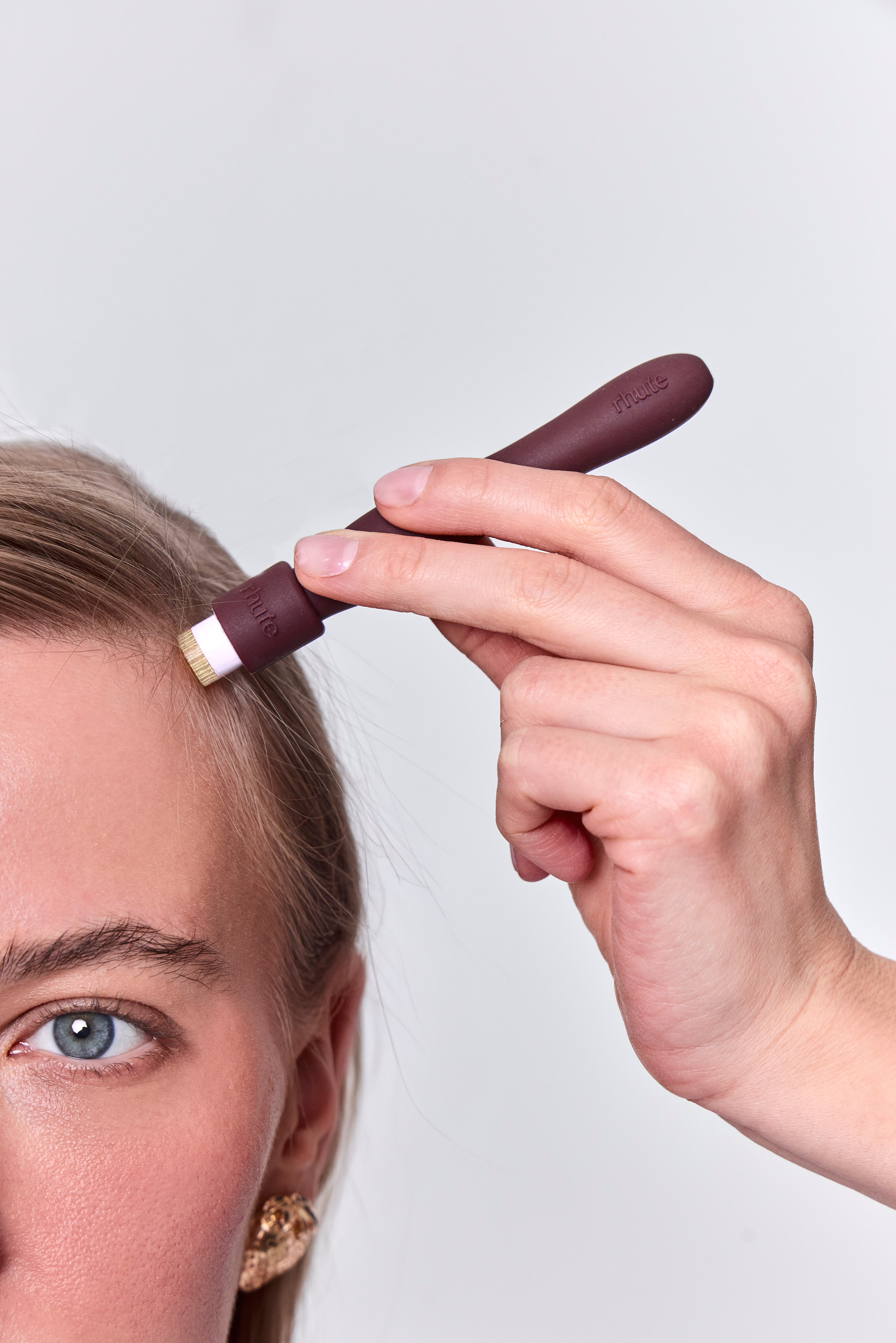
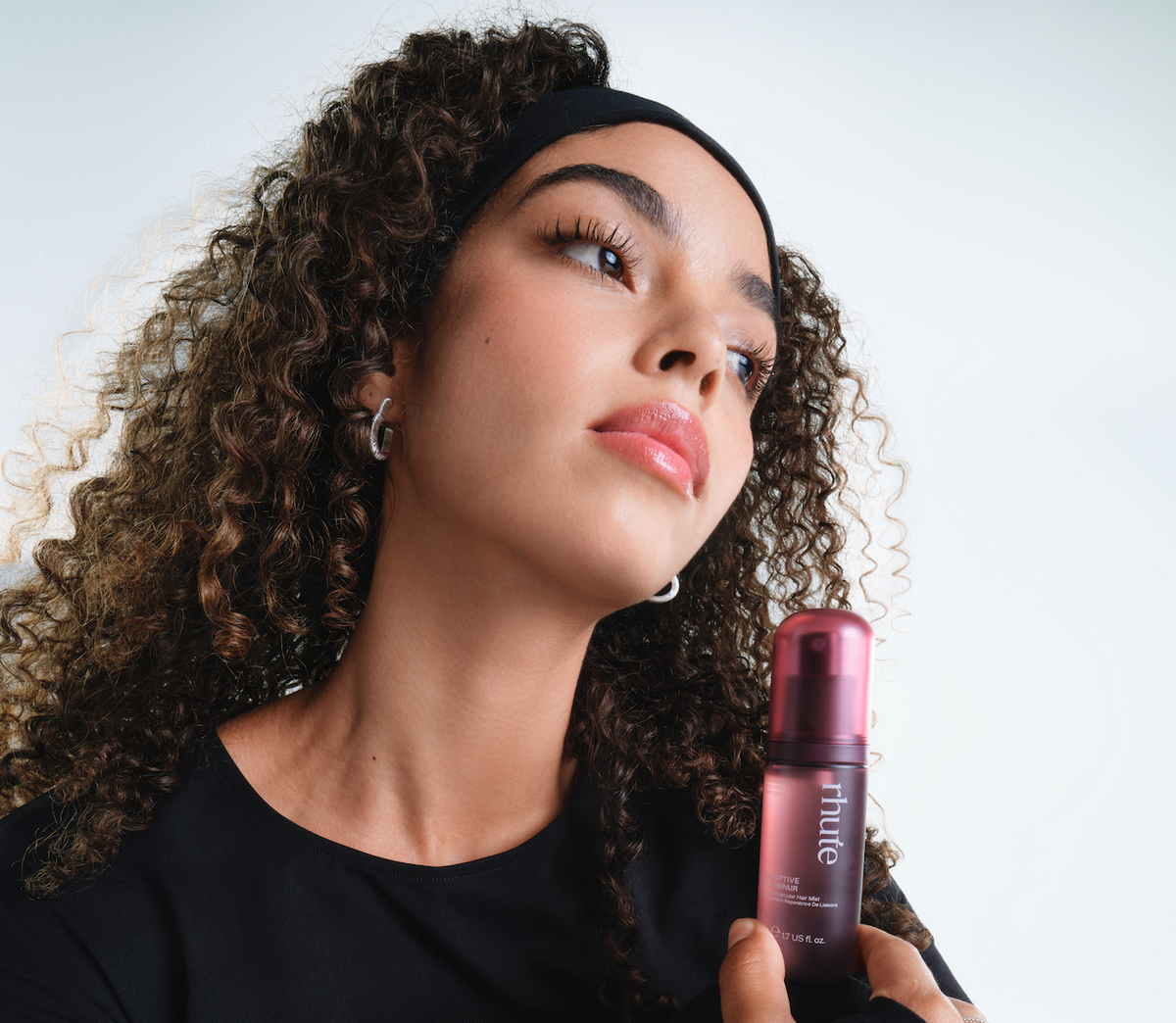
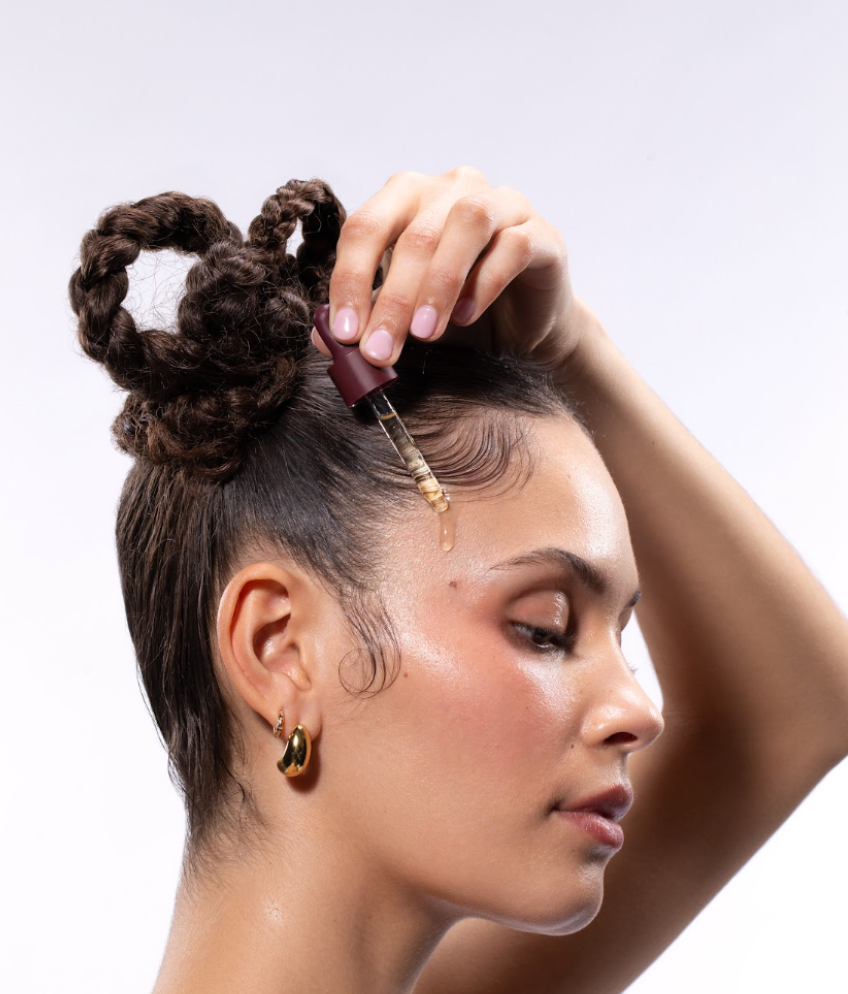
Leave-on: Density + Repair Hair Growth Scalp Serum helps soothe and support your scalp's barrier with niacinamide, while panthenol helps hold moisture in. It's lightweight and oil-free, so it won't weigh your roots down. Our scalp serum guide covers how to choose and apply one.
-
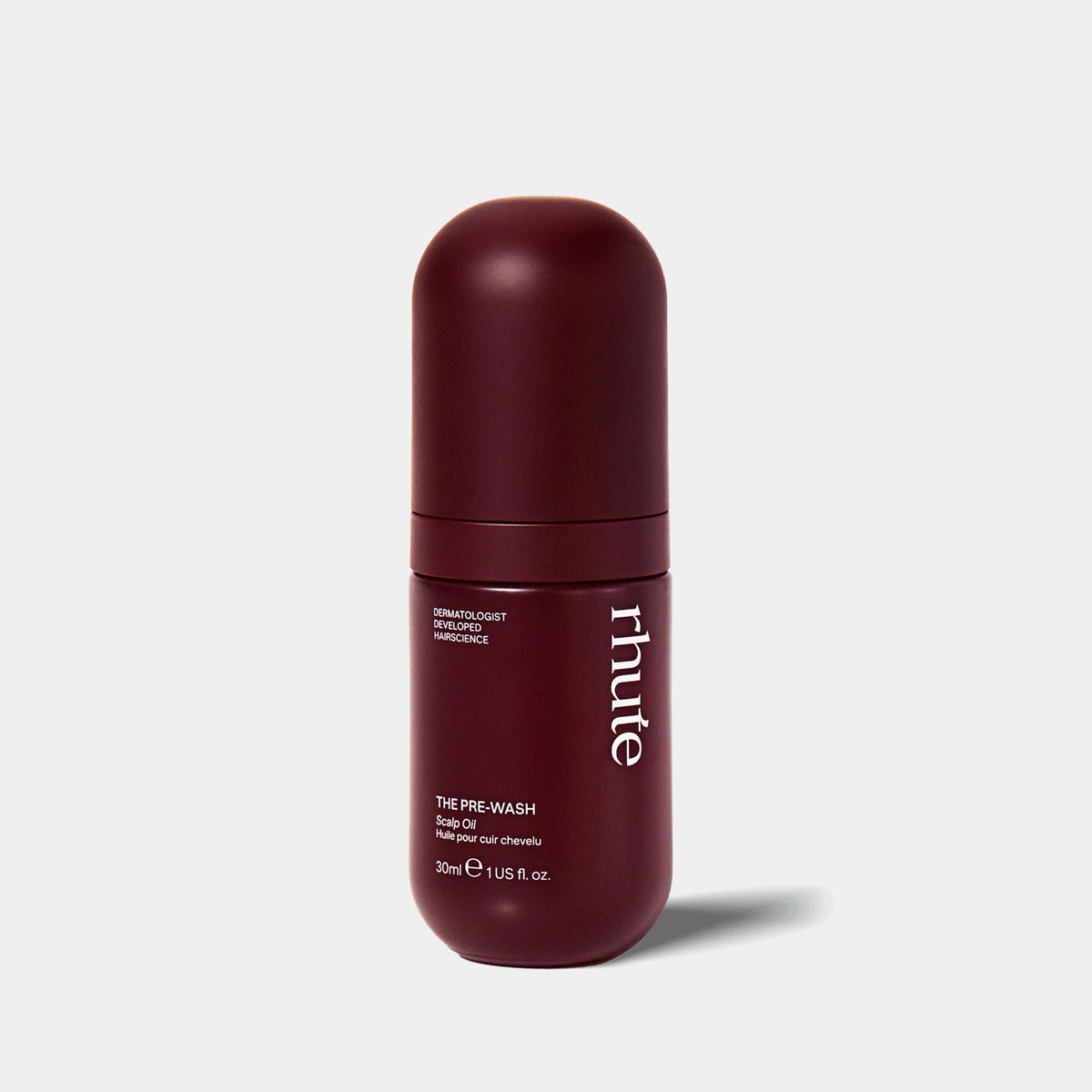
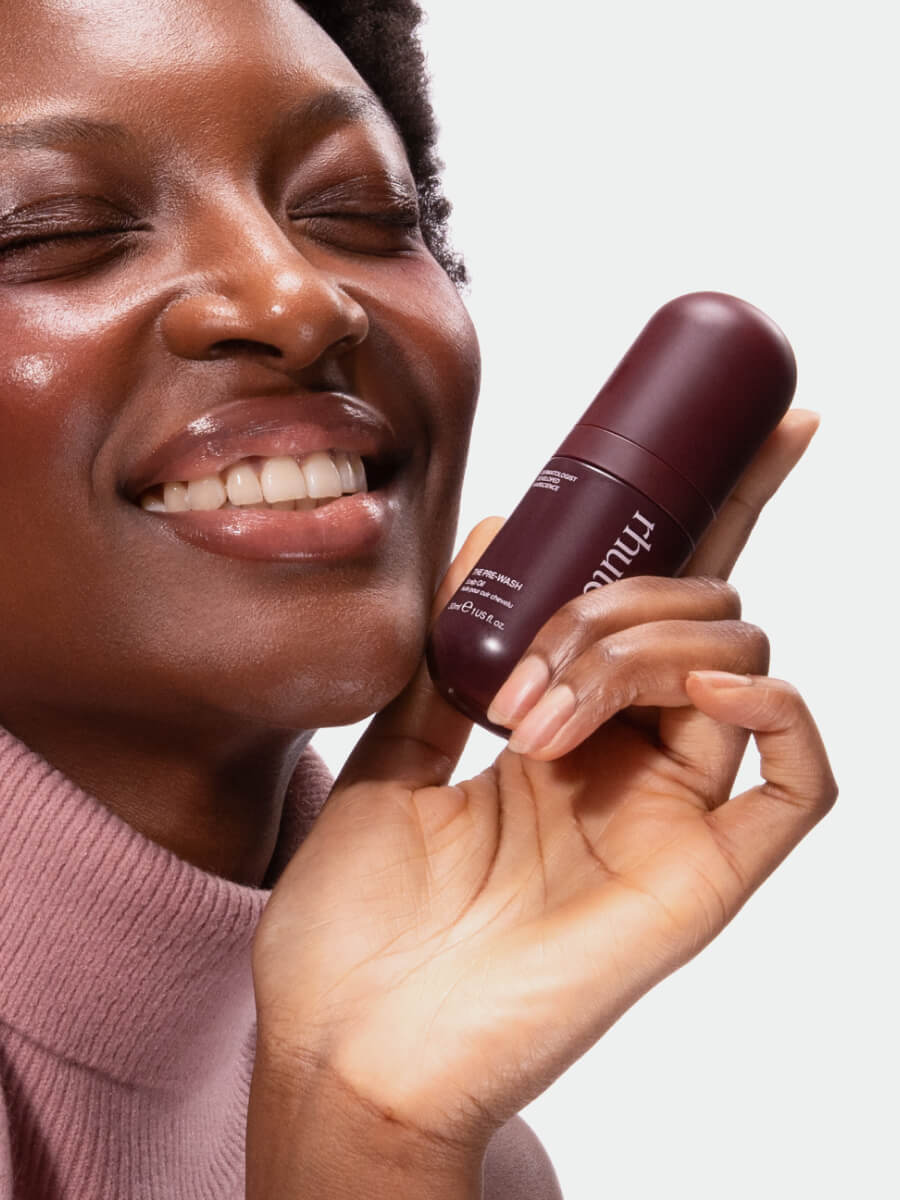
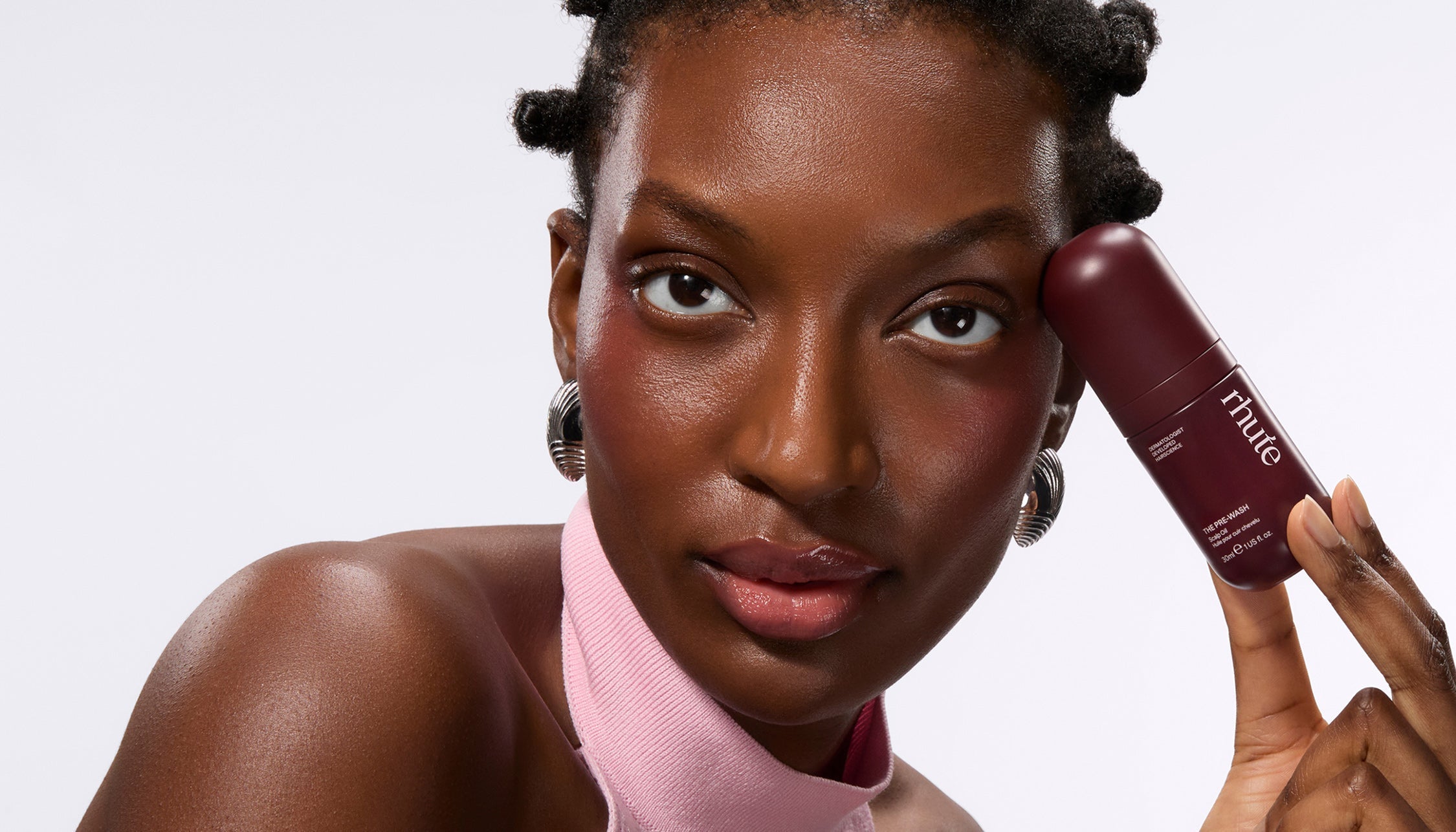
Pre-wash: Triple Density Complex Pre-Wash Hair Oil is a dermatologist-developed scalp treatment that supports your barrier with ceramides (the fats that hold skin cells together like mortar) and helps calm your scalp with bisabolol. Apply it to your scalp and through your hair, leave it for at least 15 minutes, then wash it out with your usual shampoo. Our guide to hair oil for a dry scalp explains which oils suit a dry scalp.
You can find both in our scalp serum and hair and scalp oils collections.
5. Go gentle on exfoliation
Flakes make you want to scrub, but scrubbing isn’t recommended. On an already irritated barrier, it causes tiny bits of damage that let even more moisture out. Chemical scalp exfoliation, which uses ingredients like salicylic acid to loosen flakes, is a better choice than physical exfoliation like scrubs and brushes. A gentle, low-strength exfoliant now and then is plenty.
The same goes for scratching. Scratching irritates your skin, which makes it itchier, so you scratch again. That's the itch-scratch cycle, and breaking it gives your scalp a chance to settle.
6. Look at your room, not just your routine
Central heating and cold winter air both lower the humidity around you. Neither of these is a proven fix, but running a humidifier in your bedroom and not sitting right next to the radiator are easy, sensible changes.
Your life stage can play a part too. Skin often gets drier during perimenopause and menopause as hormone levels shift, and your scalp is skin. Hormones change, healthy hair remains, and our menopause guide explains what else may be going on.
What your two weeks could look like
Here's how the routine fits into a normal week:
-
Every wash: gentle shampoo, warm rather than hot water, a longer rinse if your water is hard, and a cooler finish.
-
Every day: a few drops of a leave-on serum on your scalp, wherever it feels tight.
-
Two to three times a week: a pre-wash scalp treatment for at least 15 minutes before you shampoo.
-
Once a week, if you need it: a gentle exfoliant for stubborn flakes.
-
Day 14: look at your flakes and your comfort levels, then decide whether to carry on or try an anti-dandruff shampoo.
When it isn't dry scalp
Most flaky scalps are nothing to worry about, but a few signs are worth showing to a pharmacist or GP:
-
Thick, silvery scales or raised patches, which could be psoriasis, a condition where your immune system speeds up how quickly skin cells build up.
-
A round, scaly patch with broken hairs, which could be ringworm, a fungal infection that's more common in children and usually needs prescription treatment when it's on your scalp.
-
Redness, a rash or stinging after trying a new product, which could be contact dermatitis, a reaction to something that's touched your skin.
-
No improvement after a few weeks of the routine above.
These are all common and treatable, so there's no need to panic. For everyone else, start with your shower this week, give your barrier some support, and check in with your scalp in two weeks.
FAQs
How do I get rid of a dry scalp fast?
For quick relief, focus on soothing. Rinse with cooler water, stop using any product you've recently introduced, and apply a lightweight leave-on serum. That can help your scalp feel more comfortable fairly quickly, but your barrier takes a few weeks to recover properly, so stick with it.
Will dry scalp ever go away?
Usually, yes, once you've found and fixed the trigger. It can come back with the seasons, especially in winter when heating dries out the air. If it never fully clears, even with a good routine, it's worth checking for dandruff or another scalp condition.
Can you have a dry scalp and oily hair?
Yes. Your scalp can feel tight and dehydrated while your roots still look greasy. The trap is reaching for a harsh, stripping shampoo to fight the grease, which can leave your scalp even drier. A gentle shampoo used regularly is usually the better way to handle both.
What does a circular dry patch on my scalp mean?
A round, clearly defined patch usually isn't ordinary dry scalp. It could be ringworm, psoriasis, or eczema (an inflammatory condition that causes dry, itchy patches), so it's worth showing a pharmacist or GP rather than treating it yourself. If the patch comes with a defined area of hair loss, see your GP sooner rather than later.
Does drinking more water help a dry scalp?
Staying hydrated is good for you, but we couldn't find any research showing that drinking more water fixes a dry scalp. What touches your scalp, from your shampoo to your shower temperature, is where we'd focus first.