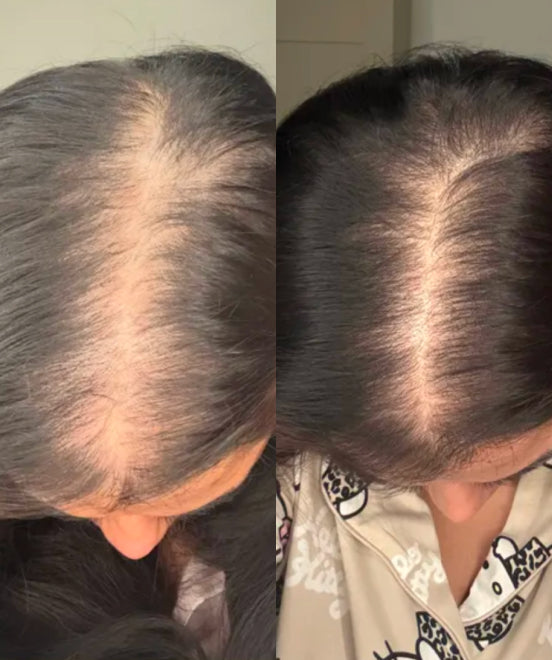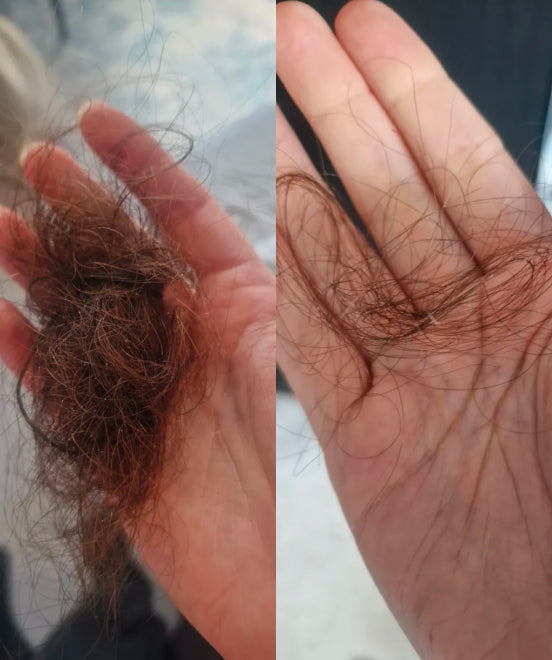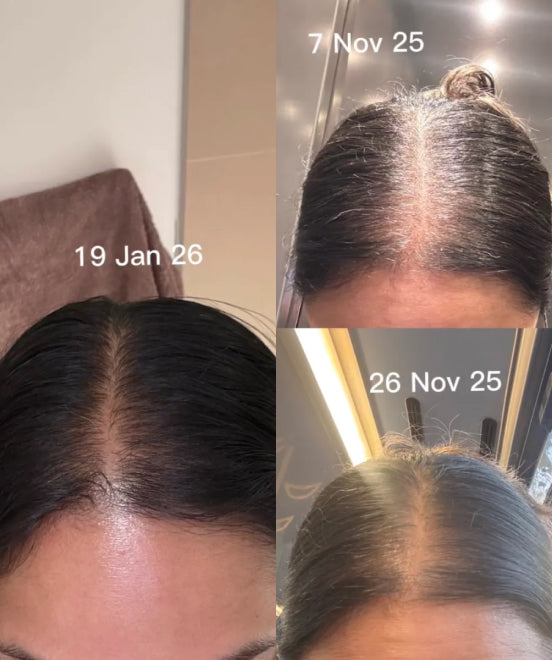

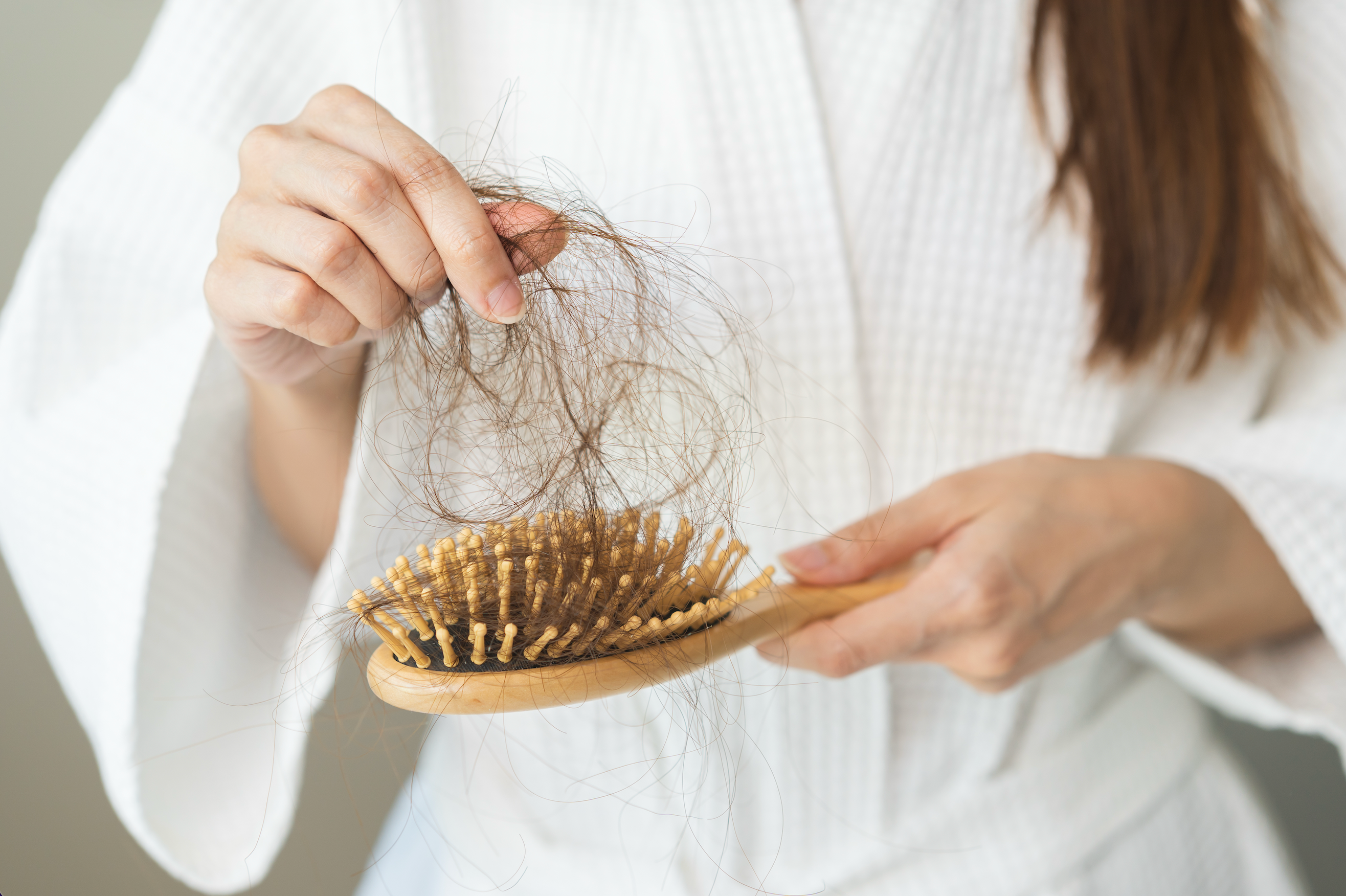

Yes, low iron is one of the most common and most missed causes of hair shedding in women, and here is the reassuring part: it is usually reversible once your iron is back where it should be. So before you buy another product, book a blood test. This is fixed from the inside, and no serum, oil or scalp treatment can top up an empty tank.
Below we explain how low iron causes shedding, how it is properly diagnosed, what actually fixes it, and how to look after your scalp while your hair recovers. The clinical view is clear: iron stores should be checked in women with diffuse (all-over) hair loss before any treatment begins (Trost et al., 2006).
Can low iron really cause hair loss?
Yes, it can, and it is especially common in women. Iron sits behind a surprising amount of hair shedding, and it tends to show up as diffuse thinning across the whole scalp rather than distinct bald patches.
You are more likely to be running low if you have:
-
Heavy periods, which are one of the most common causes of low iron in women (NHS, 2024)
-
Been pregnant recently or are postpartum, when iron demand is high
-
A plant-based or restricted diet, since iron from plants is harder for the body to absorb
-
A condition that affects how you absorb iron, such as coeliac or inflammatory bowel disease
This is a well-studied link, not a fringe theory. Iron deficiency is repeatedly flagged as a driver of diffuse shedding in women, which is why specialists check it early (Trost et al., 2006). If your shedding overlaps with other triggers, our guide to hair loss in women gives you the fuller picture.
How low iron triggers shedding (the science, simply)
Here is what is happening under the surface, minus the jargon.
Iron helps your blood carry oxygen. Your hair follicle is one of the busiest tissues in your entire body, and the cells at the base of the follicle (in the hair bulb) divide rapidly to build each new hair. That constant activity needs a steady supply of iron and oxygen to keep going (Murphrey et al., 2024).
When iron runs low, your body does something sensible: it sends the iron it does have to your vital organs first. Hair, which is not essential for survival, drops down the priority list. Starved of resources, follicles can get nudged out of their growth phase (called anagen) early and into their resting phase (telogen) before they normally would.
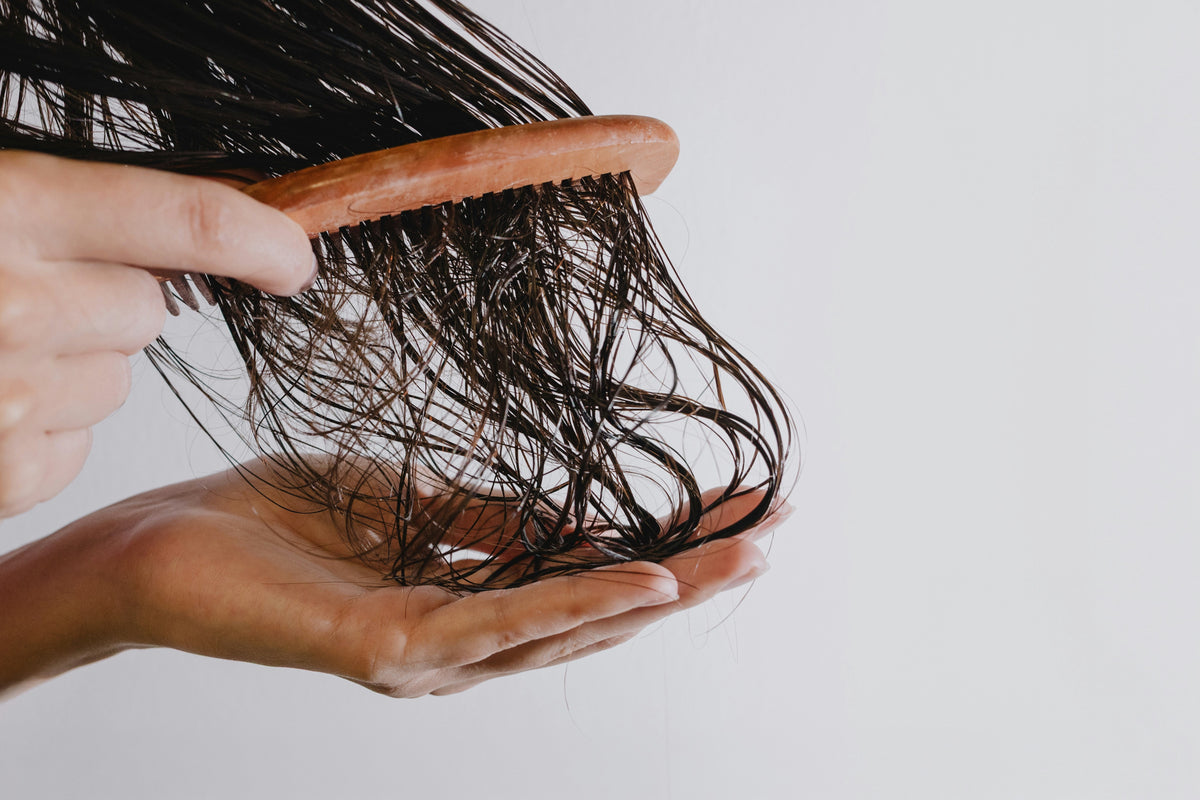
This is a pattern called telogen effluvium, a temporary, diffuse shed where more follicles than usual rest at the same time and then release together. The catch is timing: the shed often shows up a few months after the trigger, so the shower-drain drama can feel like it comes out of nowhere (Cleveland Clinic, 2024). If you have had a stressful stretch or a recent baby on top of low iron, the same mechanism is at play in cortisol and hair loss and when does postpartum hair loss start.
One word you will keep seeing is ferritin. Ferritin is the protein that stores your iron, and it is the blood marker that best reflects whether your stores are low, often before full anaemia shows up (Trost et al., 2006).
The ferritin question: "normal" is not always "enough"
You can be told your iron is "normal" and still not have enough stored iron for comfortable hair growth.
Anaemia, strictly speaking, means your haemoglobin has dropped below a set point, and that can happen for reasons that have nothing to do with iron. When low iron is the cause, it’s called iron deficiency anaemia, and that’s the version we are talking about here. The catch is that your hair seems to want more generous iron stores than the bare minimum that simply keeps iron deficiency anaemia at bay. Many hair specialists therefore look for a higher ferritin level than the lab's lowest "normal" when someone's only real symptom is shedding. As a rough guide, a number in the region of 60 to 80 is often mentioned as a comfortable target for hair, well above the threshold used to diagnose iron deficiency anaemia. Treat that as a conversation starter with your GP, not a self-diagnosis, because reference ranges and individual needs vary.
There is a second, less talked-about trap, and it is worth flagging to your GP.
-
Ferritin alone works well as a marker in otherwise healthy people with straightforward iron deficiency.
-
But ferritin is also an "acute phase reactant", which means it rises whenever your body is inflamed or fighting something off (Dignass, Farrag & Stein, 2018). When you are inflamed, your body deliberately locks more iron away in storage, partly because many bacteria feed off free iron, so keeping it under lock and key is a defence mechanism. This means a reading can look reassuringly high for reasons that have nothing to do with your actual iron stores. If you’ve been unwell recently, it’s worth waiting a few weeks before testing so the reading is not falsely raised.
-
If you have a chronic inflammatory or autoimmune condition, such as Crohn's disease or ulcerative colitis, your ferritin can look normal or even high while you are genuinely iron deficient. In that case a single ferritin number can be misleading, and a full iron studies panel gives a truer picture.
The takeaway: a low ferritin points to deficiency, but a normal or high ferritin does not automatically rule it out. If any of the above applies to you, ask your GP specifically about iron studies rather than settling for "your iron is fine."
Get tested before you treat (and please, do not guess)
We say this with care rather than a wagging finger: the only way to know if iron is behind your shedding is a blood test, ideally one that includes ferritin, not just a basic anaemia check. Ask your GP for it by name.
A few reasons this order matters:
-
Too much iron is genuinely harmful. It can build up in the body, so topping up on a hunch can do more harm than good (NHS, 2024).
-
Supplementing blindly can also mask what’s really going on, delaying the right fix. And over-the-counter doses aren’t always high enough, so it’s worth asking your doctor for the right strength to make sure you’re getting what your body actually needs.
-
A GP can check for other common causes of diffuse shedding at the same time, such as thyroid issues or other deficiencies, so you are not treating the wrong thing (Trost et al., 2006).
In short: test first, then treat with a plan. It is the least glamorous step and the most important one.
What actually fixes iron-related hair loss: the two-front approach
Once iron is confirmed as the culprit, recovery works best on two fronts at once. One corrects the deficiency from within. The other keeps your scalp in good shape so your follicles can bounce back smoothly. Here is the honest version of both.
Front one: restore your iron (the root fix)
This is the half that actually treats the cause, and it is led by your GP.
-
Get the right approach for you. That might be dietary changes, supplements, or investigating why your iron is low in the first place. The "why" matters as much as the "what".
-
Check your other medications. Several everyday medicines interfere with iron absorption, including levothyroxine (for thyroid) and omeprazole (for reflux). These usually need to be spaced hours apart from iron, so confirm the timing with your GP or pharmacist. Levothyroxine and iron bind together into a complex that’s hard to absorb, so each one blunts the other. That’s a double catch, because if your thyroid medication is not absorbed properly your thyroid levels can drift, and thyroid changes can bring on their own shedding (Lui et al., 2023). Spacing them a few hours apart keeps both doing their job. The same goes for calcium supplements and calcium-based antacids, as calcium binds to iron and makes it harder to absorb, so keep those away from your iron too.
-
Ask about alternate-day dosing. Taking prescribed iron every other day rather than daily can actually improve how much your body absorbs, and it tends to be gentler on the stomach, which is the main reason people give up on it (Stoffel et al., 2020).
-
Pair it with vitamin C, done properly. Vitamin C helps you absorb iron. Orange juice is the classic tip, but a measured vitamin C supplement gives a more consistent dose than a variable glass of juice.
-
Eat iron-forward. Red meat, eggs, pulses, leafy greens, and fortified cereals all help, and adding a vitamin C source alongside plant-based iron boosts absorption (NHS, 2024). Eat leafy greens at a different time of day from your iron supplements. Greens contain iron, but also phthalates, which can get in the way of how well that iron is absorbed.
-
Be patient. Iron stores rebuild over months, not days, and your hair follows once the supply is steady.
Front two: support your scalp through recovery
Now the honest part, because we would rather be trusted than oversell. A serum or oil cannot fix an iron deficiency, full stop. What good scalp care can do is keep the scalp barrier healthy and the follicle environment in good shape, so hair re-enters its growth phase as smoothly as possible once your iron is restored.
That is exactly the supporting role our products are built for during a recovery window:
-
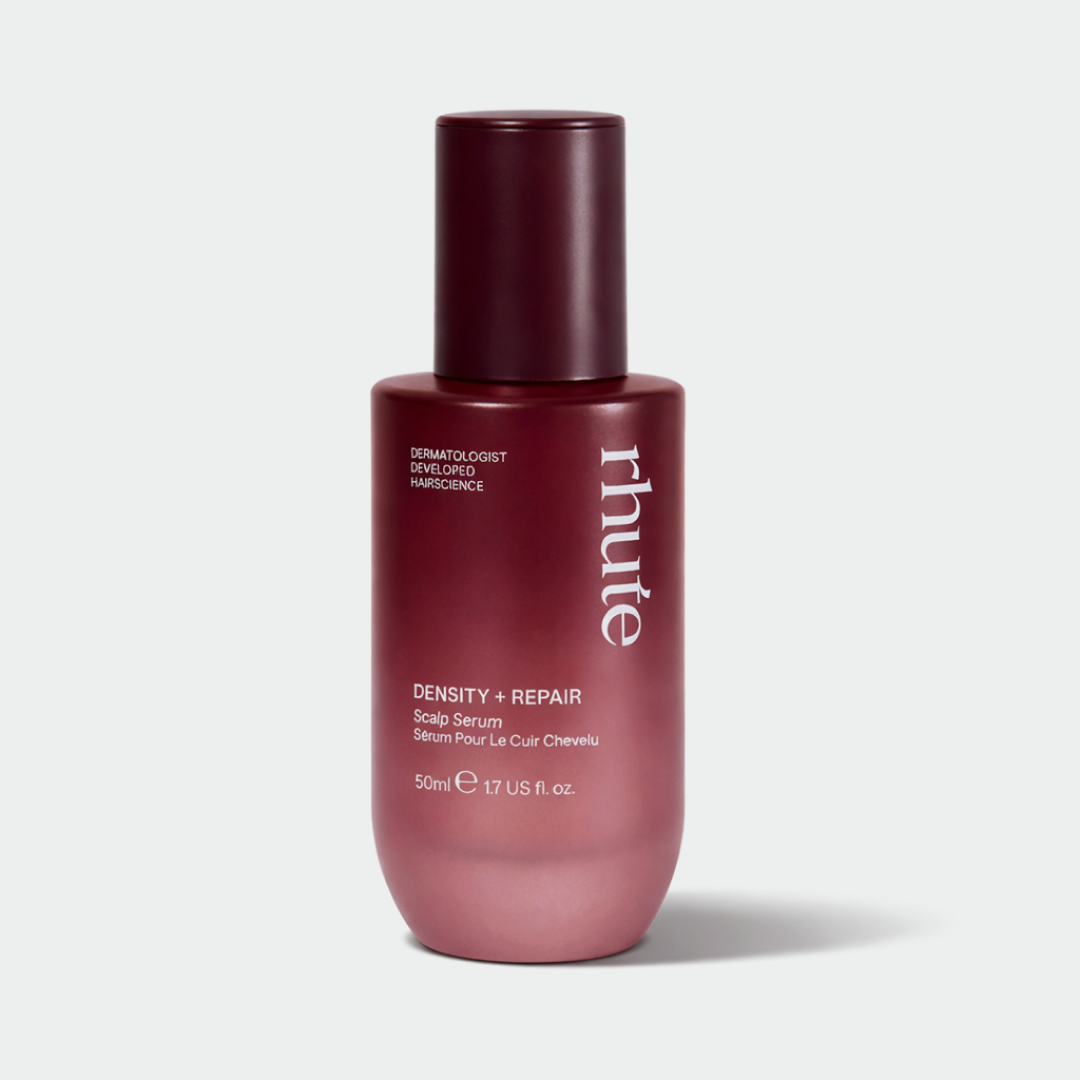
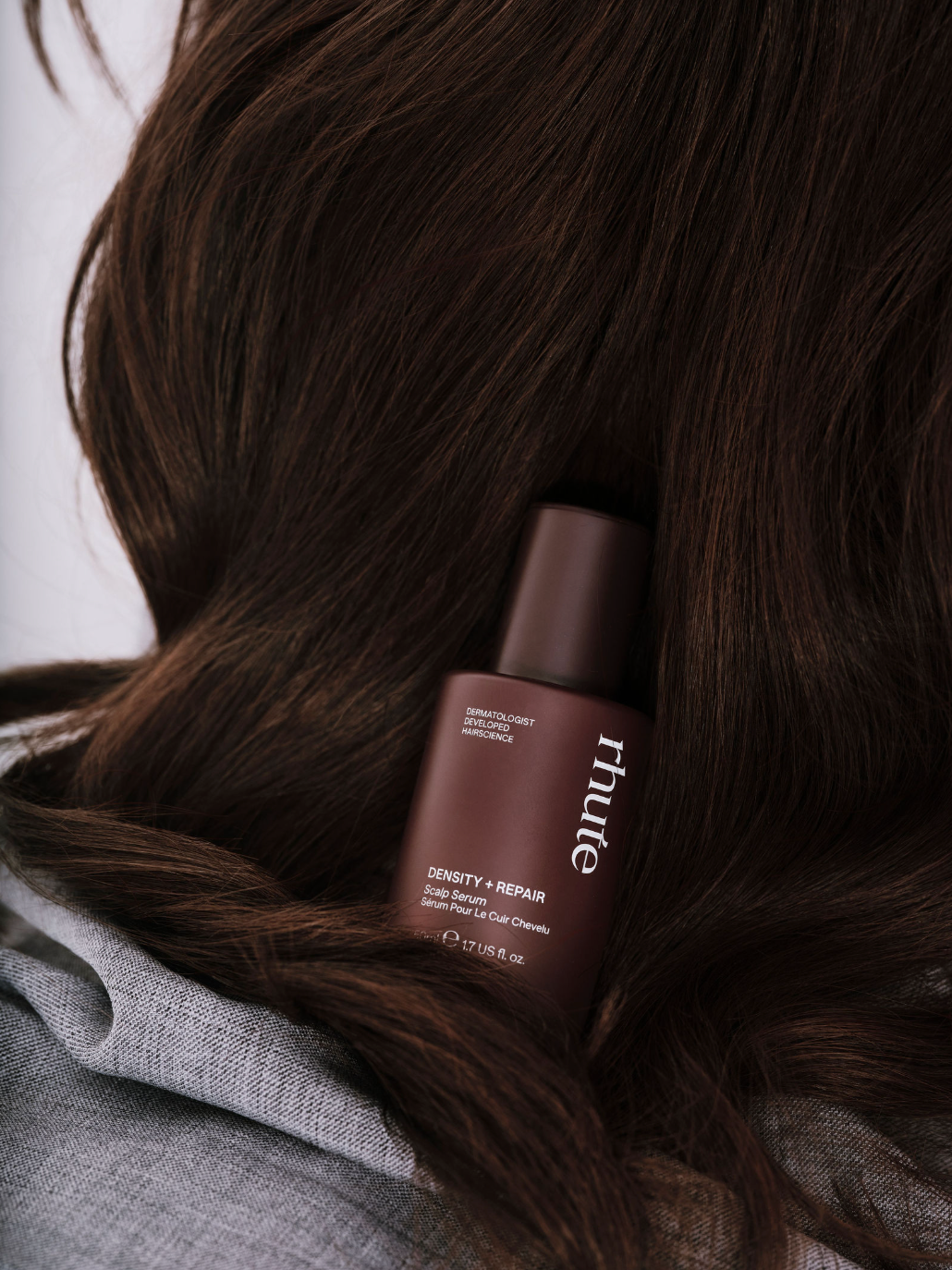
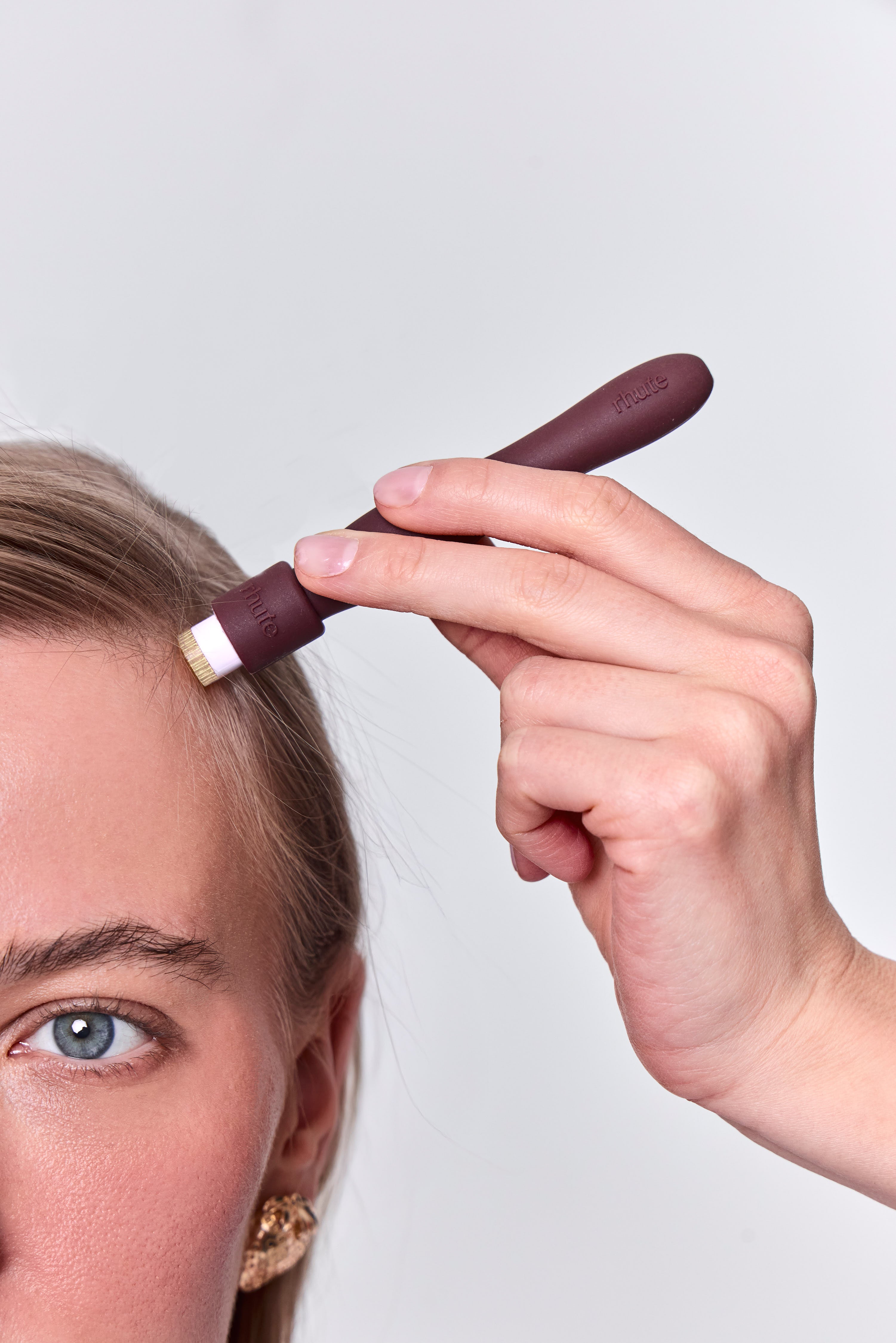
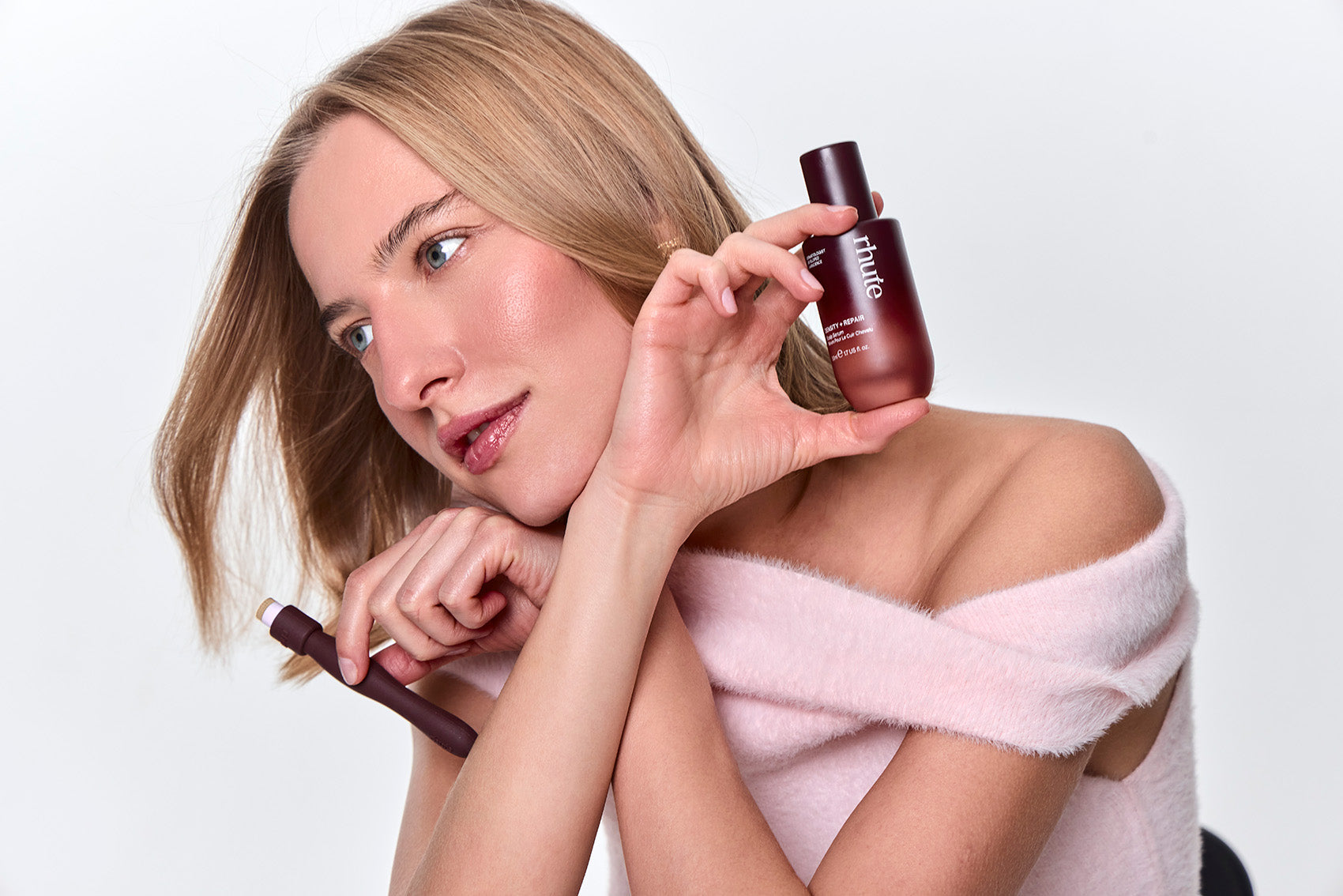
The Density + Repair Scalp Serum is a dermatologist-developed, minoxidil-free serum with stem cell extracts, bioactive peptides, caffeine to support follicles, and niacinamide to soothe and strengthen the scalp barrier. Think of it as looking after the soil while your iron does the real growing.
-
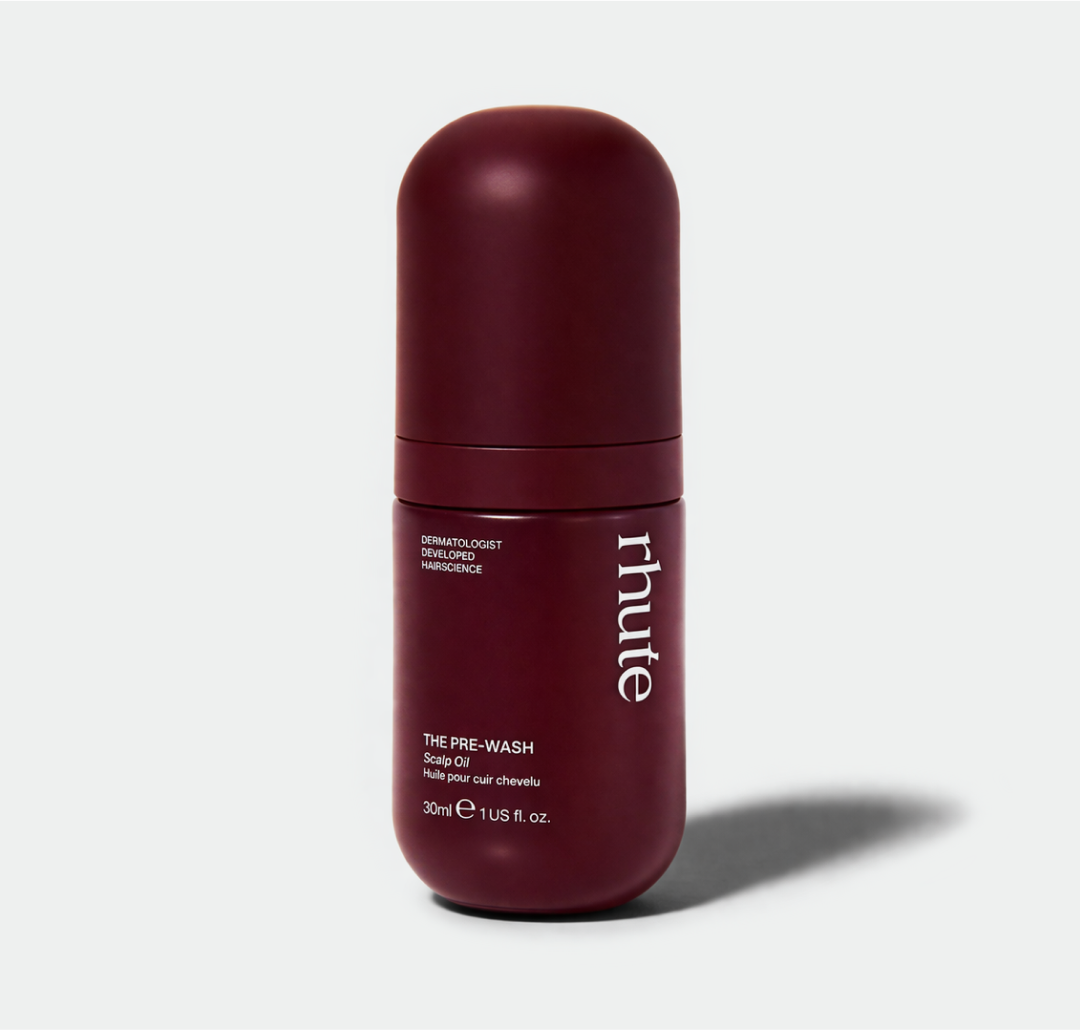
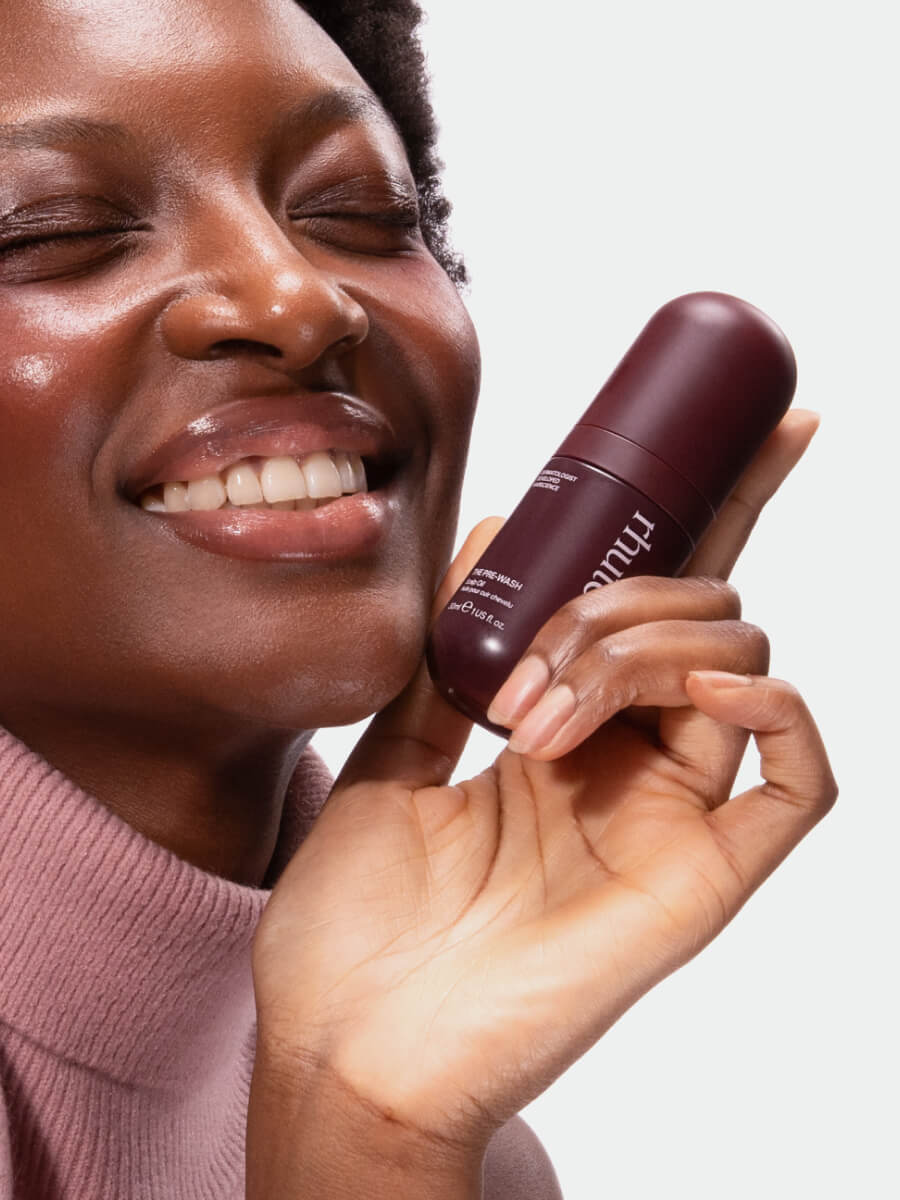
If your scalp feels dry or stressed during a shed, the Pre-Wash Density Complex Scalp Oil offers barrier-supporting comfort before you wash.
Want the unfiltered evidence on what topicals can and cannot do? Our honest breakdown in do hair loss serums actually work is a good next read, and best scalp serums for hair growth helps you choose well. Just remember: support, never a substitute for treating the deficiency.
Will my hair grow back? A realistic timeline
In most cases, yes, once your iron stores are properly restored (Cleveland Clinic, 2024). Deep breath: this is the reassuring part. Recovery follows your hair cycle, so it helps to know roughly what to expect. Timelines vary from person to person, but the pattern usually looks like this:
-
First, the shedding settles. As iron rebuilds and follicles stop being pushed into rest, the daily shed eases off.
-
Then, early regrowth. Short, fine new hairs appear along your hairline and parting. These baby hairs are a good sign.
-
Then, fuller recovery, often over six to 12 months. Density rebuilds gradually as your iron levels stay steady and you keep up consistent scalp care.
It is a marathon, not a sprint. Consistency on both fronts, iron from within and care from the outside, is what gets you there.
When to see your doctor
Book an appointment if you notice any of the following:
-
Shedding that is heavy, or that has not improved after several months of treating your iron.
-
Other signs of low iron alongside the hair loss, such as fatigue, breathlessness, pale skin or brittle nails.
-
Patchy loss, scalp pain, redness or scarring, which can suggest it is not iron at all.
-
Any uncertainty about supplements or dosing, which is always a GP conversation rather than a guessing game.
The bottom line
Low iron is a common, very fixable cause of shedding. It starts with a blood test rather than a product, and once your iron is properly restored, your hair usually recovers over the following months. While that happens, you can absolutely support your scalp so your follicles bounce back at their best.
So be kind to yourself, book the test, and get growing. Healthy hair starts here, from rhute to tip. If you want a simple routine to support your scalp through recovery, the Density + Repair serum or the Density Rhutine bundle is a lovely place to start.
FAQs
How do I know if my hair loss is from low iron or something else?
You cannot tell from the mirror alone, because iron-related shedding looks like general, all-over thinning that overlaps with other causes such as stress, thyroid changes and postpartum shifts. A blood test that includes ferritin is the only way to confirm it, and your GP can rule out other triggers at the same time.
What are the other symptoms of iron deficiency to look out for?
Beyond shedding, low iron often brings fatigue, breathlessness, pale skin, brittle nails, headaches, and sometimes unusual cravings for non-food items like ice. If several of these show up together, it is worth asking your GP for an iron check.
Does biotin or a hair supplement fix iron deficiency hair loss?
No. If iron is the cause, only restoring your iron will fix it, and general hair supplements will not correct a true deficiency. Some multivitamins even contain iron, so taking them without a confirmed need is not risk-free. Get tested first and let the results guide any supplement.
Can vegetarians and vegans reduce their risk of iron deficiency hair loss?
Yes. Iron from plants is harder to absorb than iron from meat, so it helps to eat plenty of pulses, leafy greens, fortified cereals and dried fruit, and to pair them with a vitamin C source to boost absorption. If you are still shedding, ask your GP to check your ferritin rather than guessing.
Should I take iron supplements for hair loss?
Not without a blood test. Too much iron is harmful and can build up in the body, so only supplement if a deficiency is confirmed and your GP advises it. If you do take iron, ask whether alternate-day dosing might suit you, as it can improve absorption and cause fewer stomach side effects.
Can a scalp serum help with iron deficiency hair loss?
A serum cannot fix the deficiency itself, because that has to be corrected from the inside. What good scalp care can do is support a healthy scalp environment so your hair recovers its growth cycle more smoothly once your iron is restored. Think of it as support alongside treatment, never a replacement for it.