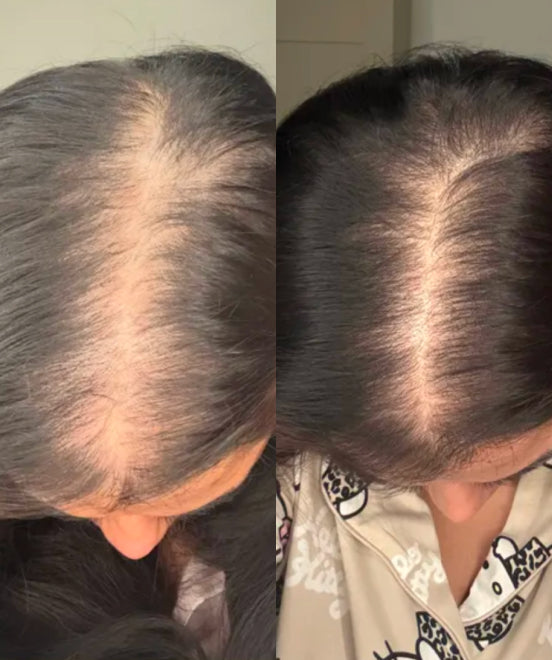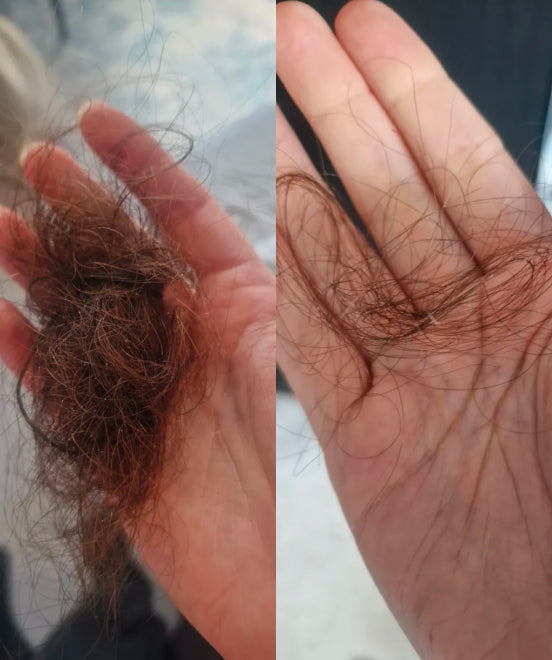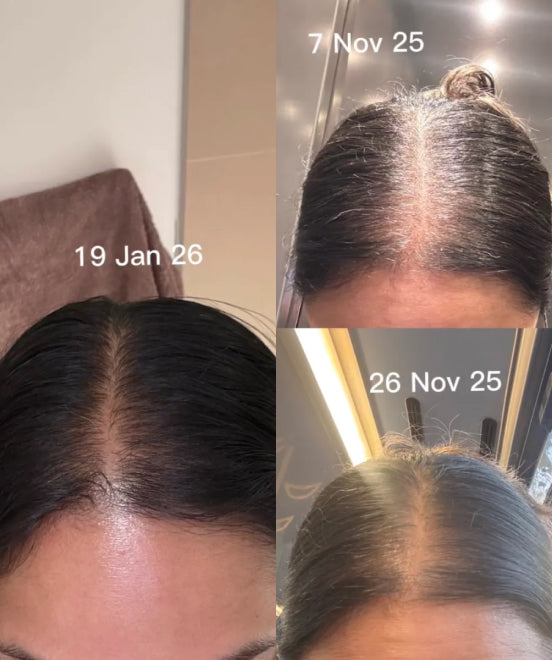

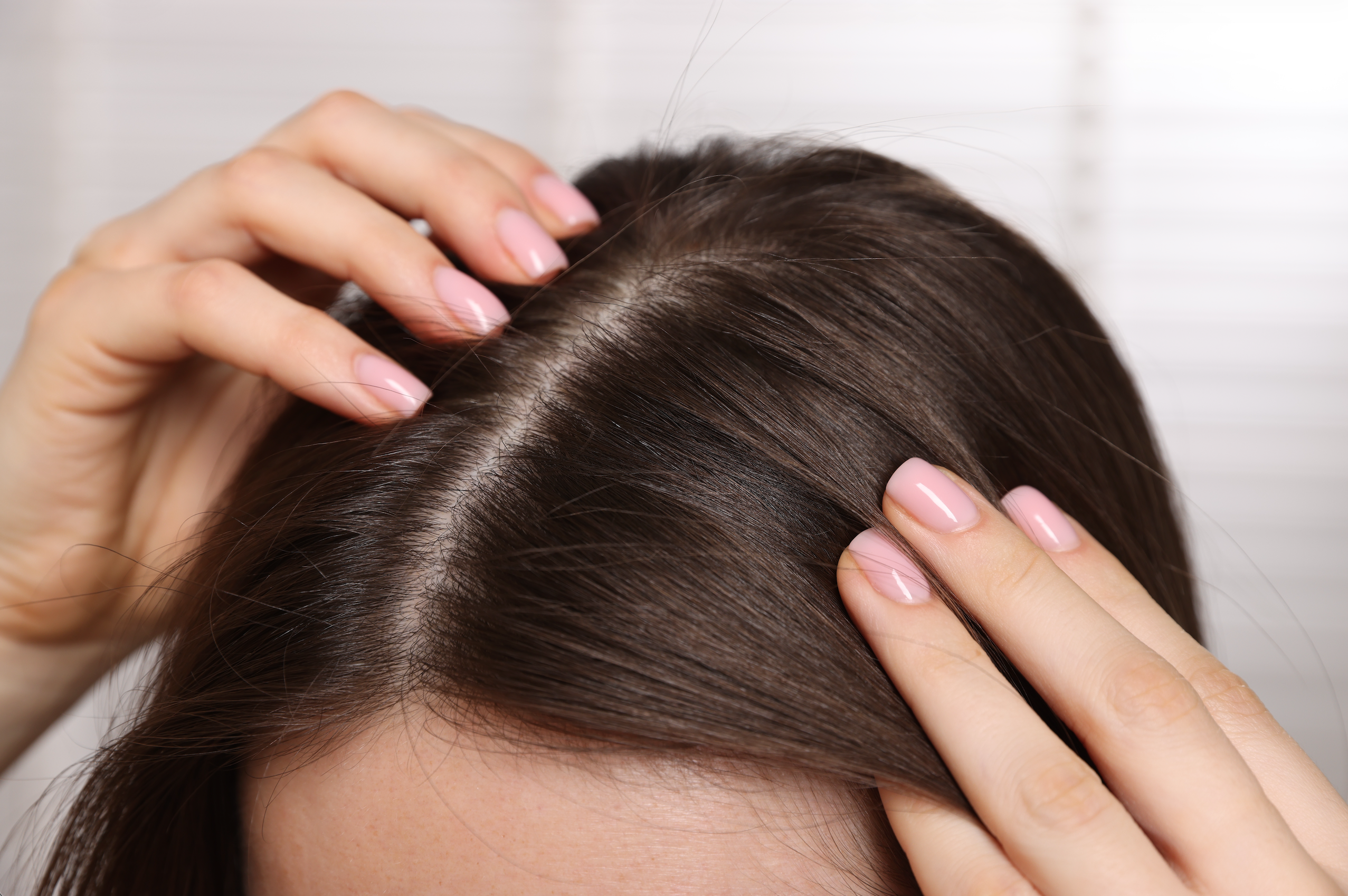

Yes, low vitamin D is linked to several types of hair loss, but the relationship is more nuanced than the internet makes out, and topping up your levels is not a guaranteed regrowth button. Here is the reassuring part: deficiency is genuinely common and very correctable, and your follicles really do care about vitamin D.
Below we cover how vitamin D affects your hair, why so many of us are running low (hello, British weather), what the evidence does and does not show, and what actually helps. Consider it your most clued-up friend talking you through it, minus the hard sell. The clinical picture is that most studies find an inverse link between vitamin D levels and non-scarring hair loss, meaning lower vitamin D tends to go hand in hand with more shedding (Saini & Mysore, 2021).
Does low vitamin D actually cause hair loss?
Low vitamin D is associated with several types of hair loss. But "associated with" is not the same as "proven to cause," and that distinction is the whole story here. It helps to know where the link shows up, so you can place yourself:
-
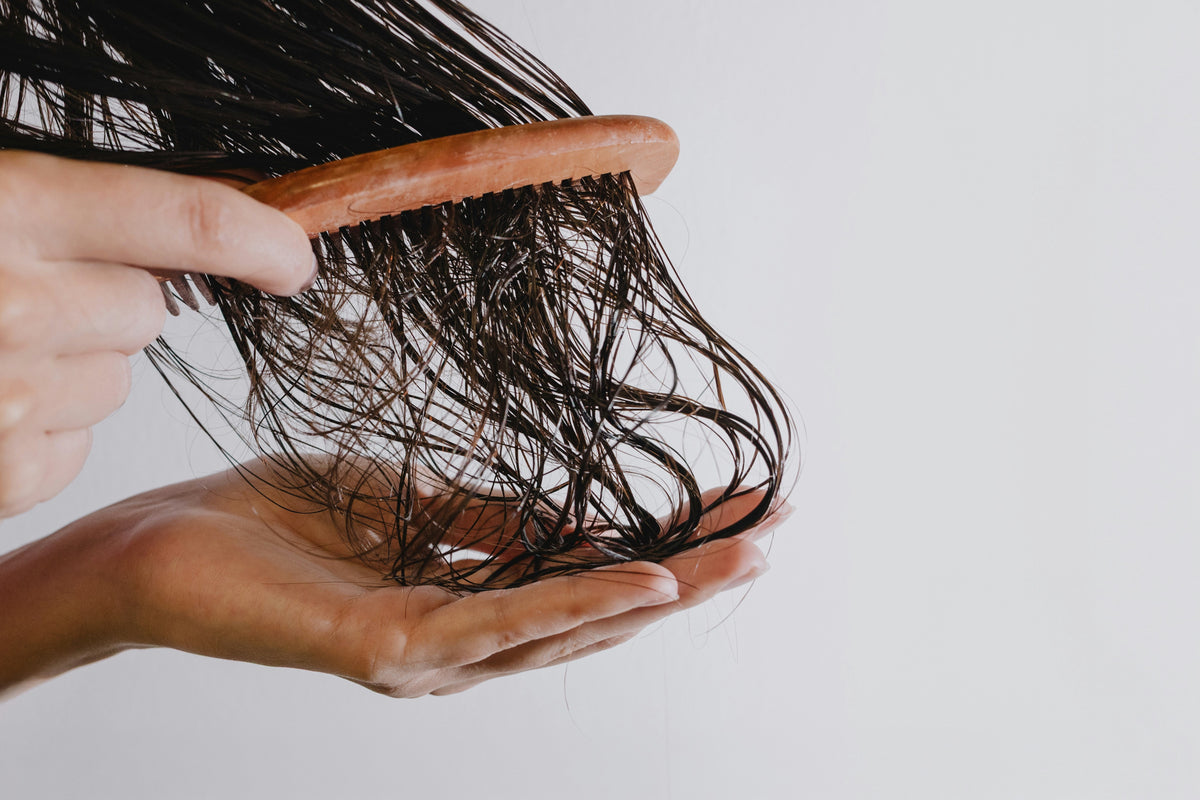
Telogen effluvium, a temporary, diffuse (all-over) shed, the same pattern you see with stress, illness or other deficiencies. Here, low vitamin D can genuinely act as a trigger, so it can be part of the cause.
-
Female pattern hair loss and androgenetic alopecia (gradual thinning along the parting or hairline), where low vitamin D is commonly seen alongside the condition.
-
Alopecia areata, an autoimmune type where the immune system mistakenly attacks the follicles, causing patchy loss. This is where the vitamin D link is strongest and most studied. Many people with alopecia areata are found to have low vitamin D, which raises the risk, though it is a strong association rather than proof that low vitamin D causes it (Tsai & Huang, 2018). Learn about traction alopecia and how to prevent it.
Being low does not automatically mean vitamin D is behind your shedding, which is exactly why testing and a proper look at the whole picture matter. The inverse link between vitamin D and hair loss shows up across these non-scarring types (Saini & Mysore, 2021), and a 2024 review across multiple alopecia types found low vitamin D turning up more often than in people without hair loss (Yongpisarn et al., 2024).
Why vitamin D matters to your follicles (the receptor science, simply)
Vitamin D is one of those quiet all-rounders. It is involved in cell growth, immune regulation and skin repair, so when you are low, a lot of small processes can wobble at once, including the ones your hair relies on. Here is the genuinely clever bit, minus the jargon.
-
Your hair follicles carry vitamin D receptors, which are tiny docking sites that respond to vitamin D and help regulate the cells that build new hair.
-
These receptors help switch the follicle into its anagen phase (the active growth phase of the hair cycle, when new hair is actually produced).
-
Now the part that surprises people: research suggests the vitamin D receptor itself is important for healthy hair cycling, in a way that is partly separate from how much vitamin D is circulating in your blood. In other words, the machinery matters, not just the fuel (Amor et al., 2010).
There is a scalp angle too, and it fits rhute's belief that healthy hair starts with a healthy scalp. Vitamin D helps regulate skin immunity, and low levels have been linked to more severe seborrhoeic dermatitis, the flaky, inflamed scalp condition behind a lot of stubborn dandruff (Akbaş et al., 2023). When the scalp is inflamed and its microbiome (the community of microbes living on your skin) is out of balance, that irritation around the follicle can disrupt healthy growth. So vitamin D is quietly working on two fronts: the follicle's growth switch, and the calm, balanced scalp it likes to grow from (Saini & Mysore, 2021). For more on how the growth cycle works and what topicals can realistically do with it, our guide to do hair loss serums actually work is a good companion read.
Why so many of us are low in vitamin D
If your levels are low, you are in very good company, and it is nothing to feel daft about. Vitamin D is nicknamed the "sunshine vitamin" for a reason, and that is exactly where the problem starts:
-
We make most of our vitamin D from sunlight, and in the UK and other northern places there simply is not enough of it for a good chunk of the year.
-
More time indoors, more screens, and (rightly) wearing SPF all reduce how much we produce.
-
Deeper skin tones make vitamin D more slowly from sunlight, so deficiency is more common.
-
Diet alone rarely covers it, since few foods are naturally rich in vitamin D. Oily fish, egg yolks and fortified foods help, but they do not do all the heavy lifting (NHS, 2024).
-
Some conditions make vitamin D harder to absorb. Because most of it is taken up in your small intestine, gut-related issues like inflammatory bowel disease (IBD), coeliac disease and cystic fibrosis, or procedures like weight loss surgery, can leave you running low even when sunlight and diet are on track. If that sounds like you, it's worth asking your GP for a standardised vitamin D test.
This is why UK advice suggests considering a daily vitamin D supplement in autumn and winter, when sunlight is scarce. A standard over-the-counter maintenance dose is 400 IU (10 micrograms) a day, which suits everyone from age one upward. If you have a deeper skin tone, it is worth taking that maintenance dose all year round rather than just in winter. For the specifics on who should supplement and when, the NHS guidance is the place to check, ideally alongside a quick word with your GP.
Vitamin D rarely travels alone
Here is the thing most articles miss: hair loss is rarely down to a single number. Low vitamin D often shows up alongside other gaps, and the two can quietly compound each other.
The most common companion is low iron, which is such a frequent driver of shedding in women that it deserves its own read. If you are chasing your vitamin D result, it is well worth checking your iron too rather than assuming one is the whole answer. Our guide to iron deficiency hair loss covers that side of the story in detail. Stress and life stage can pile on as well, which is why cortisol and hair loss and our broader look at hair loss in women are worth a look if your shedding has more than one possible trigger.
The takeaway is simple: think about the full picture, and ask your GP for a broader look rather than fixating on one result.
Get tested, and don't mega-dose
We say this warmly, not as a telling-off: a simple blood test tells you where your vitamin D actually sits, and guessing is not worth it when it is this easy to check. The best approach is stepwise.
-
Test first. The blood test measures a form of vitamin D called 25-hydroxyvitamin D. As a rough UK guide, below 25 nmol/L is considered deficient, 25 to 50 nmol/L is on the low side (often called insufficient), and above 50 nmol/L is generally sufficient.
-
Treat a true deficiency properly. If you are genuinely deficient, your GP will usually prescribe a short "loading" course of higher-dose vitamin D to bring your levels up. An ordinary over-the-counter supplement will not do that job, so this is a GP conversation, not a shelf-browsing one.
-
Then maintain sensibly. Once your levels are restored, a daily 400 IU maintenance supplement alongside a balanced diet is usually enough to keep them there.
A word on doses, because the shelves are genuinely confusing. Vitamin D is fat-soluble, which means it is stored in the body and can build up, so more is not better. Sticking to 400 IU a day for maintenance is the safe default. Taking very high doses off your own back, in the region of 4,000 IU a day or more, can be harmful and can cause calcium to build up in the body (a state called hypercalcaemia). That is riskier still for older people and anyone with existing kidney problems, and over-supplementing is a surprisingly common reason people end up unwell and even hospitalised. In short: test, treat under guidance, then maintain (NHS, 2024). Testing before you treat is also the sensible route because your GP can check for other causes of shedding at the same time (Saini & Mysore, 2021).
So, what actually helps?
The honest answer is a two-parter, and we would rather be straight with you than promise you the world.
-
The rightoot move is correcting a confirmed deficiency, sensibly, with your GP. That means the right approach for you, diet, and supplementation if advised. Where low vitamin D is genuinely contributing, restoring healthy levels may help your hair recover. It is not a guaranteed regrowth treatment, though, and the evidence is still developing, so keep your expectations realistic and unhyped (Saini & Mysore, 2021).
-
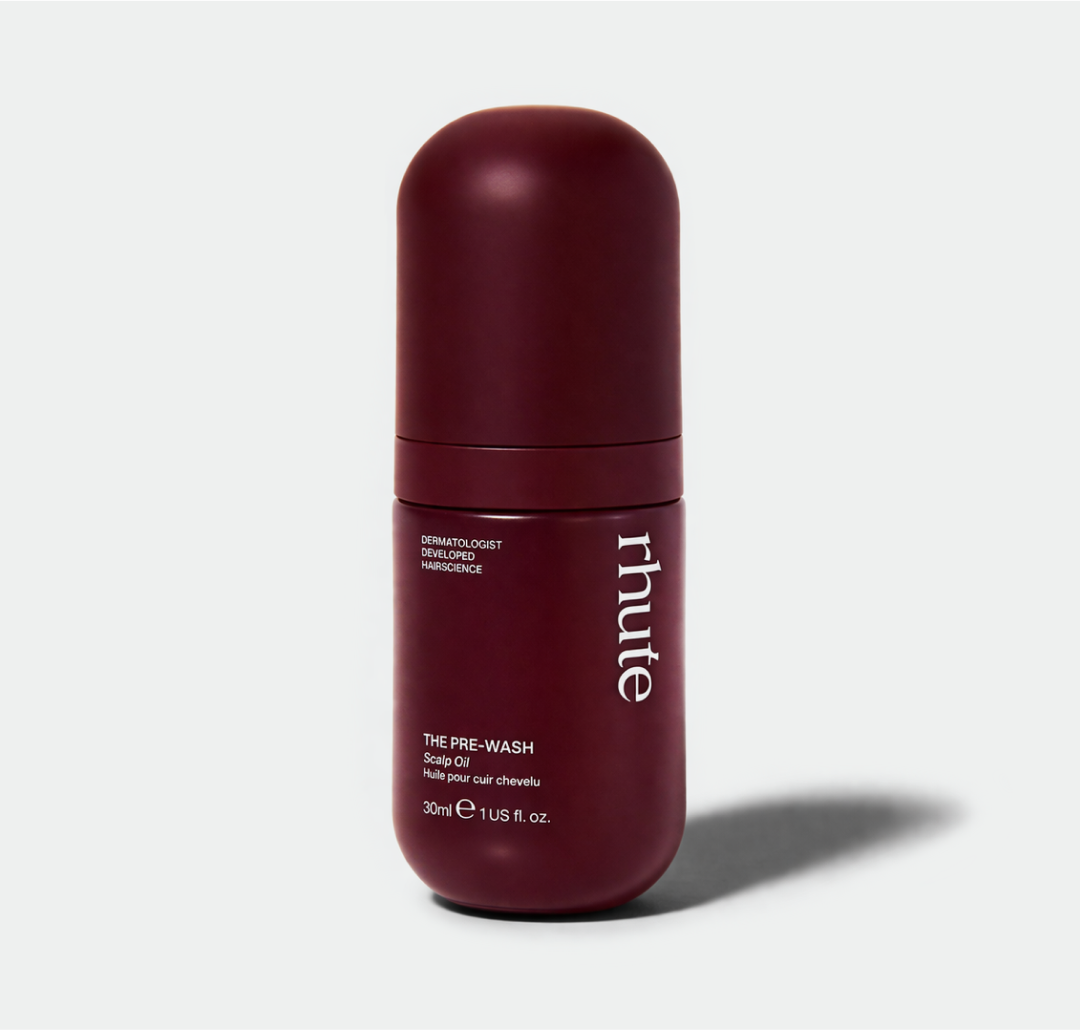
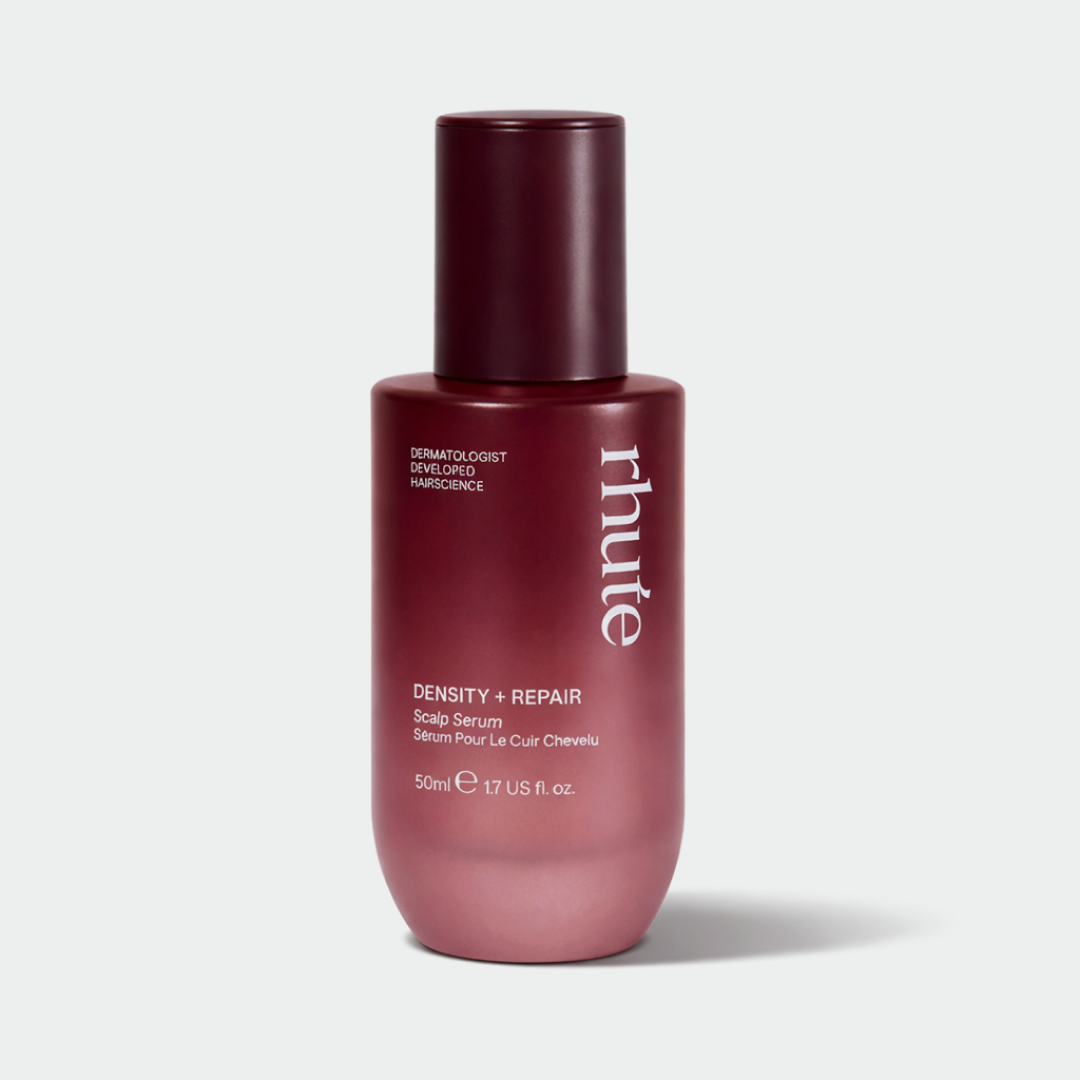
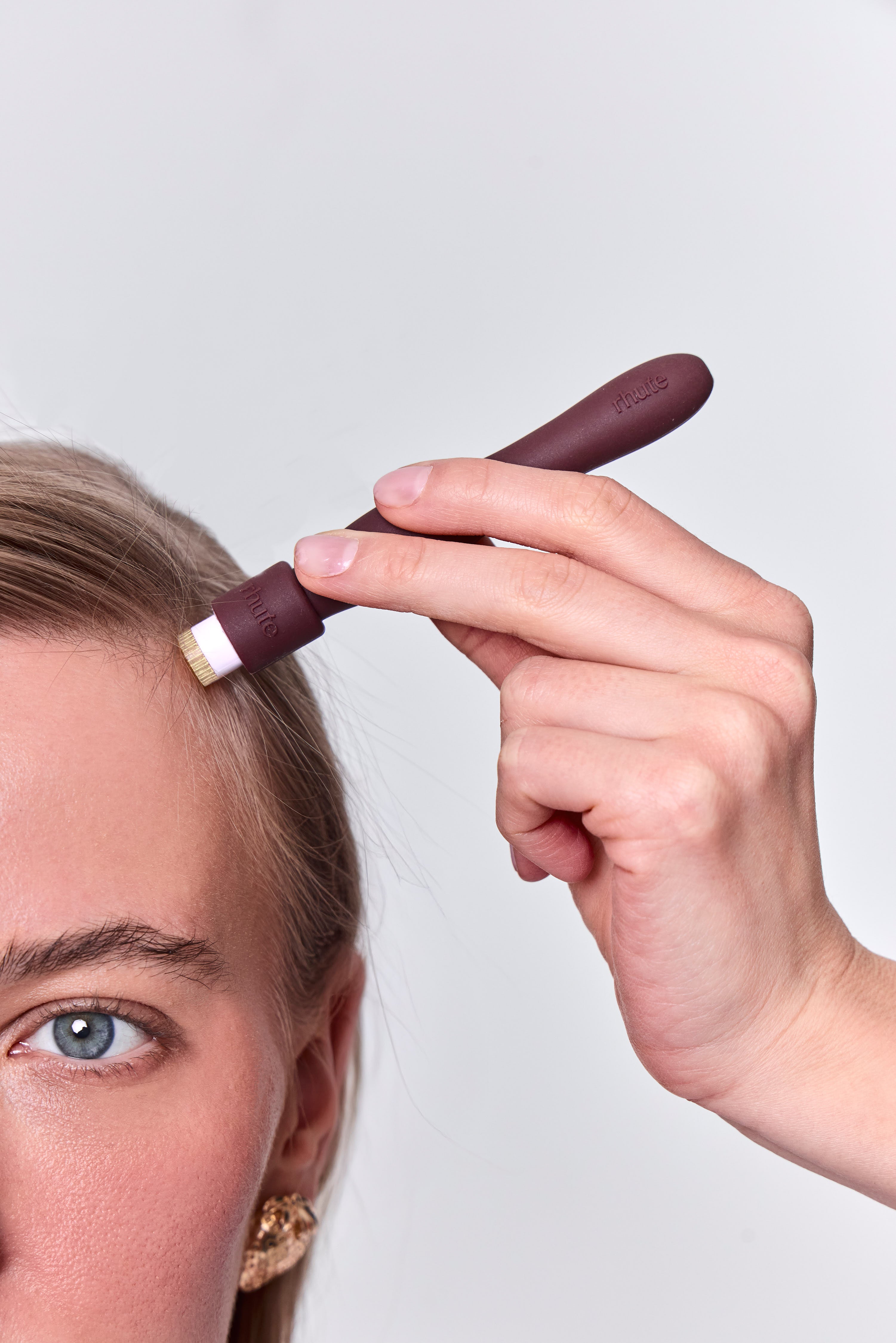
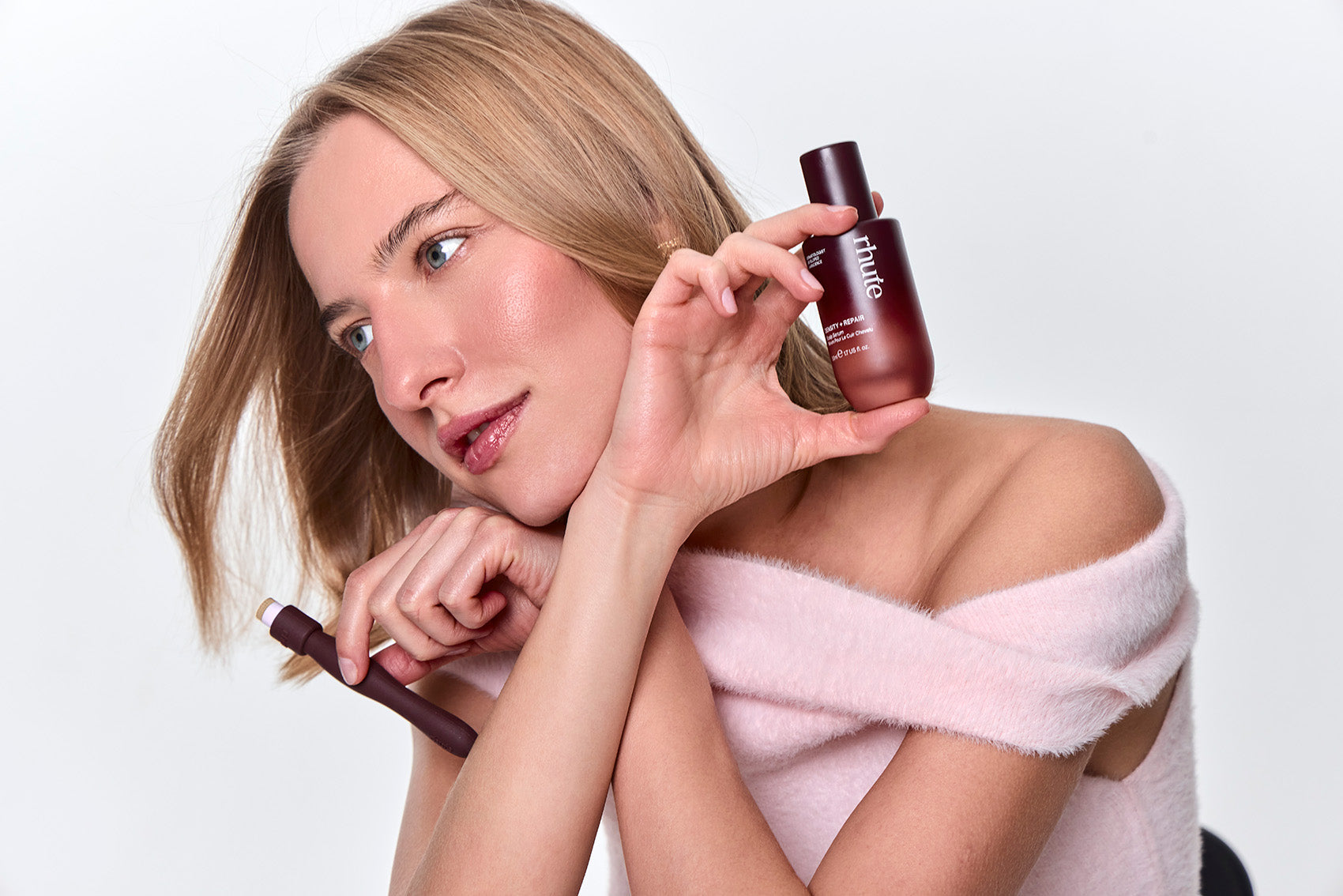
While your levels recover, look after your scalp. A serum cannot fix a vitamin D deficiency, full stop, but supporting a healthy scalp environment gives your follicles the best backdrop to bounce back. The Density + Repair Scalp Hair Serum is dermatologist-developed and barrier-supporting, and it sits here purely as supportive scalp care, never as a fix for the deficiency itself. If your scalp feels dry or irritated, the Pre-Wash Triple Density Complex Scalp Oil can help keep it comfortable.
If you want help choosing scalp care or understanding what topicals can and cannot realistically do, learn about the best scalp serums for hair growth and whether hair loss serums actually work..
Will my hair grow back? A realistic timeline
If low vitamin D was genuinely contributing and you restore healthy levels, hair often improves, though it is gradual and not guaranteed (Saini & Mysore, 2021). A few honest expectations to hold onto:
-
Vitamin D levels and hair recovery both move slowly, so think in months, not weeks.
-
How much improves depends on the type of hair loss and whether vitamin D was really the main driver.
-
Consistency with whatever your GP advises, plus patience, is what pays off.
Because recovery follows your hair's natural cycle, the month-by-month pattern looks much like it does with other deficiency-related shedding. We have mapped that out in detail in our iron deficiency hair loss guide, so we will not repeat it all here.
When to see a doctor
Book an appointment rather than reaching for a supplement if you notice:
-
Patchy, coin-sized bald spots, which can point to alopecia areata and need proper assessment.
-
Shedding that is heavy, or that has not improved after correcting your levels.
-
Other signs of low vitamin D alongside the hair loss, such as fatigue, low mood, or muscle and bone aches.
-
Any uncertainty about testing or supplements, which is always a GP conversation.
Low vitamin D is linked to hair loss and is well worth checking. The receptor science shows your follicles really do rely on it, and a healthy vitamin D status supports a calmer scalp too. But it is rarely the whole story, and correcting it is not a magic switch. So test before you treat, look at the full picture rather than one number, and support your scalp while your levels come back up.
Be kind to yourself, get the test, and get growing. Healthy hair starts here, from rhute to tip. If you would like a simple way to support your scalp meanwhile, the Density + Repair hair serum or the Density Rhutine bundle is a lovely place to begin.
FAQs
What does vitamin D deficiency hair loss look like?
There is no single tell-tale look, which is part of the challenge. Low vitamin D is linked to diffuse, all-over thinning (as in telogen effluvium), to gradual pattern thinning, and to the patchy loss of alopecia areata. Because it overlaps with so many other causes, the only reliable way to know if vitamin D is involved is a blood test.
Can vitamin D regrow hair on its own?
Not reliably. If low vitamin D was genuinely contributing, restoring your levels may help your hair recover, but there is not enough evidence to treat vitamin D as a standalone regrowth treatment. It works best as one piece of a bigger picture that your GP helps you assess.
How is vitamin D deficiency different from iron deficiency for hair?
Both are common, both can cause diffuse shedding, and they frequently occur together, but they are different fixes. Low iron starves the follicle of oxygen, while low vitamin D affects the follicle's growth signalling and scalp health. It is worth checking both rather than assuming one. Our iron deficiency hair loss guide covers the iron side.
Should I get a vitamin D test on my own or through my GP?
A GP test is ideal, because your doctor can interpret the result in context, prescribe a proper loading course if you are truly deficient, and check for other causes of shedding at the same time. Home tests exist, but a professional reading is safer, especially before starting higher doses.
Is topical vitamin D worth trying for hair loss?
Some early research has looked at topical vitamin D for certain types of hair loss, but the evidence is limited and it is not an established treatment. If your levels are low, correcting them from the inside under GP guidance is the more sensible first move.
Can too much vitamin D make hair loss worse?
Piling on very high doses will not speed up recovery, and it can genuinely make you unwell by causing calcium to build up in the body. The goal is to correct a confirmed deficiency and then maintain healthy levels, not to mega-dose in the hope of faster results.