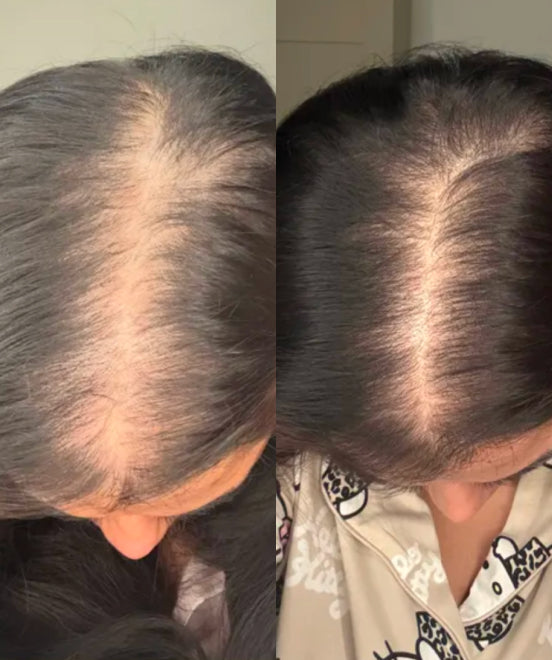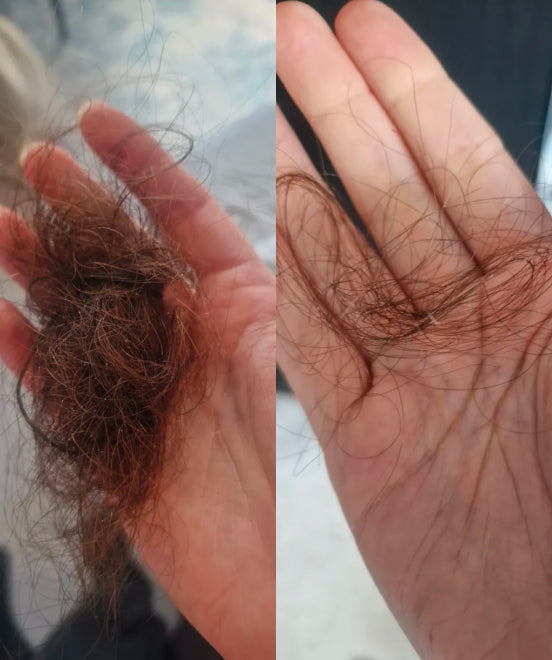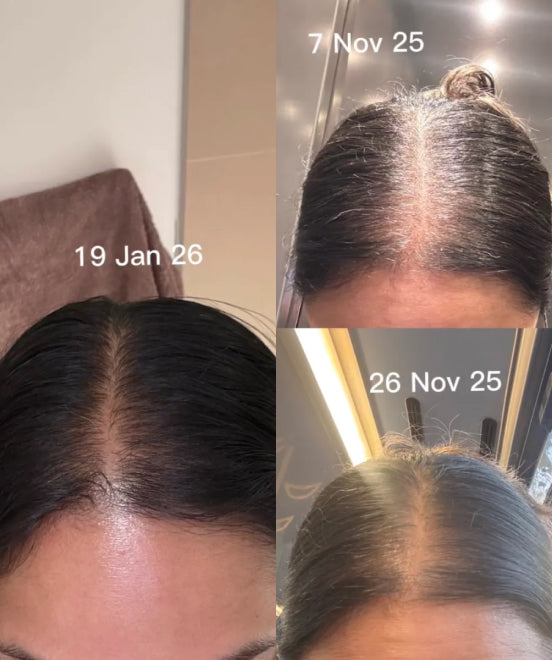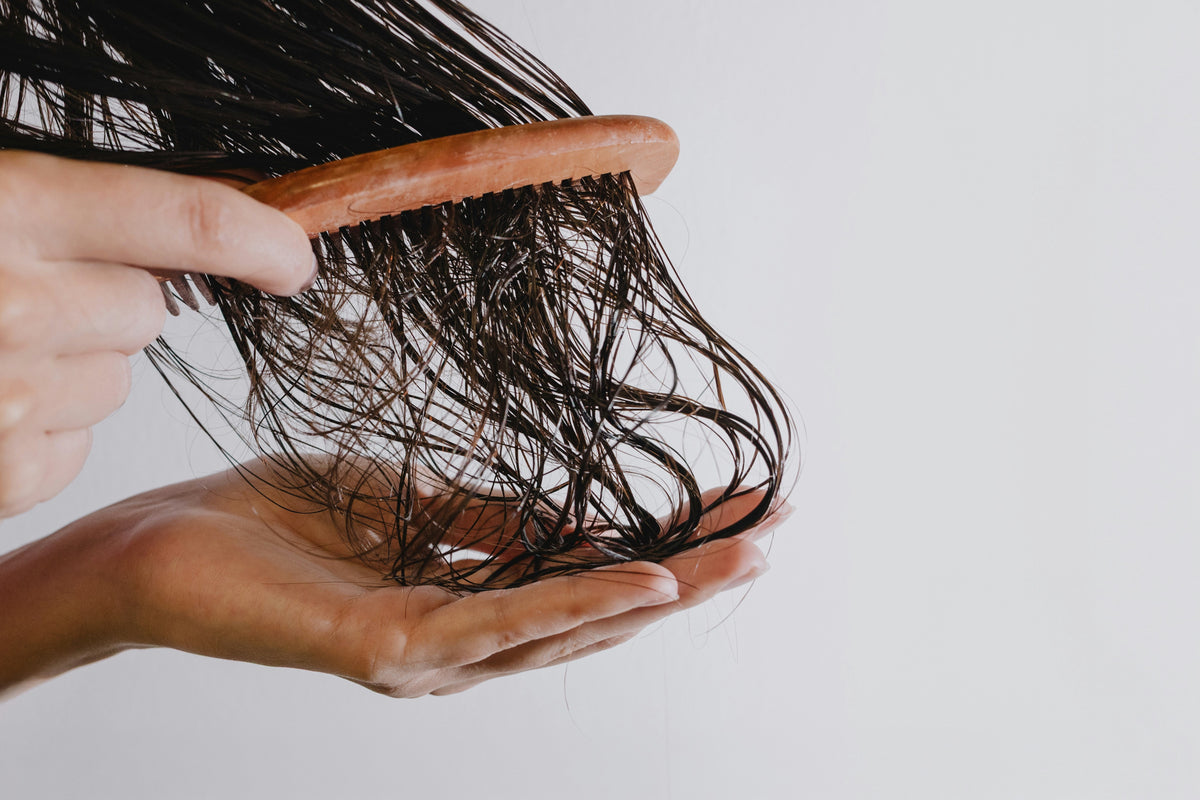


If your hair has been thinning across the top, snapping in your brush, feeling drier or coarser than usual, and you’ve also noticed your energy, mood, or weight doing something strange, your thyroid is worth a conversation. It’s one of the most common medical drivers of diffuse hair loss in women, and once it's diagnosed, the picture is genuinely fixable.
The catch is the lag. Even when your blood tests are corrected, hair takes months to catch up, and the in-between can feel like nothing is changing. Our guide covers Queen Anne's sign, the iron overlap, and the biotin warning.
How thyroid hormones affect your hair
Your thyroid is a small butterfly-shaped gland at the front of your neck that produces two main hormones, T3 (triiodothyronine) and T4 (thyroxine). Together they set the pace of pretty much every cell in your body, including the cells inside your hair follicles (Keck Medicine of USC, 2025). When thyroid hormones are at the right level, your hair cycle ticks along quietly. Too little slows it down, so new hair grows in more slowly and what you have feels drier or coarser. Too much speeds it up, so hairs are pushed through their lifespan faster and more shed at once. Both show up as diffuse thinning across your whole scalp rather than patches (British Thyroid Foundation).
Hypothyroidism (underactive thyroid) and hair loss
Hypothyroidism is the more common version. Your thyroid is making too little hormone, your metabolism slows down, and your hair cycle slows with it. The pattern is diffuse thinning across the top and sides of your scalp, often with hair that feels noticeably dry, brittle or coarser than it used to be (NHS, 2025).
It rarely shows up alone. The classic accompanying symptoms are persistent fatigue, feeling cold when other people are fine, slow unexplained weight gain, low mood or brain fog, constipation, dry skin, a hoarse voice and heavier or more irregular periods (NHS, 2025). In the UK, the most common cause is an autoimmune condition called Hashimoto's disease, with thyroid surgery, radiotherapy, treatment for an overactive thyroid, certain medications and (rarely) low dietary iodine making up the rest.
Hyperthyroidism (overactive thyroid) and hair loss
Hyperthyroidism is the opposite picture. Your thyroid is making too much hormone, your metabolism speeds up, and so does your hair cycle. Hairs are pushed through their lifespan faster, so the overall impression is more shedding, and texture often feels softer and finer rather than coarser (Keck Medicine of USC, 2025).
The accompanying signs are usually the opposite of hypothyroidism:
-
anxiety
-
heart palpitations
-
sweating and/or heat intolerance
-
unintended weight loss
-
lighter periods
-
tremors (uncontrollable shaking)
-
disrupted sleep (LloydsPharmacy Online Doctor)
The most common cause in the UK is Graves' disease, an autoimmune condition where antibodies push your thyroid to overproduce. Slightly counterintuitively, the medications used to bring it back down (carbimazole and propylthiouracil) can themselves rarely cause hair loss as a side effect, which is worth knowing because it can confuse the picture mid-treatment.
Hashimoto's thyroiditis
Hashimoto's is the most common cause of hypothyroidism in the UK, and it deserves its own section because so many articles skim past it (NHS, 2025). It's an autoimmune condition, which means your immune system mistakenly produces antibodies that attack your thyroid gland over time. Gradually, the gland produces less and less hormone, and the hypothyroid picture sets in.
Autoimmune conditions tend to run in families. So if a close relative has any autoimmune condition, thyroid or not, your own risk of an autoimmune thyroid disorder like Hashimoto's or Graves' goes up. It's worth flagging to your GP, especially if you've got other thyroid signs showing up alongside the hair changes.
The hair loss pattern is the same as general hypothyroidism (diffuse, dry, slow-growing), but there can be an additional layer of inflammation that some women feel as a flare. Diagnosis is confirmed with a blood test for thyroid antibodies, specifically thyroid peroxidase antibodies (TPO) and thyroglobulin antibodies. If they show up alongside a raised TSH (thyroid stimulating hormone, the headline blood test for thyroid function), that is Hashimoto's. Treatment is the same as hypothyroidism in general (levothyroxine), but day-to-day life with Hashimoto's often involves paying a bit more attention to inflammation, stress and sleep, all of which interact with autoimmune activity.
Postpartum thyroiditis
Postpartum thyroiditis is the version most directly relevant to a lot of our community. It is a temporary thyroid dysfunction that affects an estimated five to ten percent of women in the year after giving birth, and it is regularly missed because the symptoms overlap with new motherhood (Stagnaro-Green, 2024). The classic pattern is biphasic: a short hyperthyroid phase first (heart racing, sweating, anxiety, weight loss), followed by a hypothyroid phase a few months later (fatigue, weight gain, low mood, hair loss). Some women only get one phase, not both.
If your postpartum hair shedding is heavier than the usual postpartum pattern, lasting longer than the usual nine to 12 month window, or is paired with any of the systemic symptoms above, it is worth asking your GP (general practitioner) for a thyroid check rather than chalking it up to standard postpartum hormones. Our postpartum hair loss article covers the typical timeline so you can compare. Most women with postpartum thyroiditis recover to normal thyroid function within a year, although a portion go on to develop permanent hypothyroidism and need ongoing levothyroxine (Stagnaro-Green, 2024).
The clinical signs to watch for
Thyroid hair loss rarely comes alone, and the other signs help confirm the picture. The detail competitors miss is here.
Diffuse thinning across the whole scalp, not patches. Thyroid hair loss spreads evenly across your scalp rather than turning up as bald patches. Your hairline usually stays intact, but a parting widens, a ponytail gets thinner, and the overall coverage feels less (Keck Medicine of USC, 2025).
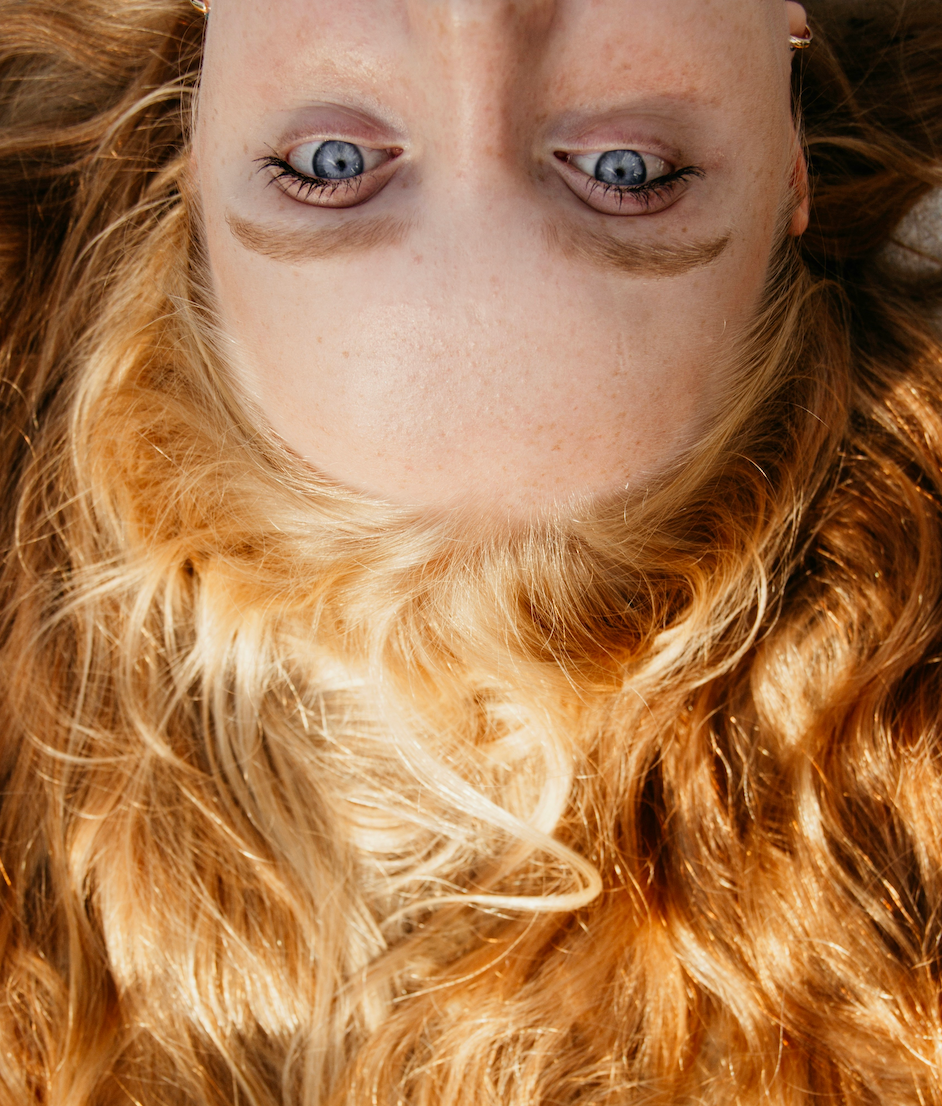
Queen Anne's sign (thinning of the outer third of your eyebrows). If you have noticed your eyebrows fading at the outer edges, that is called Queen Anne's sign (sometimes the Hertoghe sign), and it is one of the classic and most specific clues for hypothyroidism (Taguchi & Nishioka, 2023). Many GPs don't ask about it, so if it rings a bell, flag it at your appointment.
Dry, brittle, or coarser hair. Hair that feels rougher to the touch or breaks more easily than it used to, even with the same washing routine, often points to hypothyroidism (NHS, 2025).
Body-wide symptoms. Brittle, ridged, or slow-growing nails often accompany thyroid hair loss. Alongside that, cold intolerance, fatigue, mood changes, weight changes and changes in your period are the symptom cluster GPs look for. The point is not to self-diagnose, it’s to walk into your appointment with the whole story.
How thyroid hair loss is diagnosed
Thyroid problems are diagnosed with a blood test, not by symptoms alone. Thyroid stimulating hormone (TSH) is the signal your pituitary gland sends to your thyroid to make more hormones. A high TSH level usually means an underactive thyroid (your pituitary is shouting at a gland that isn't responding). A low TSH level usually means an overactive one (NHS, 2025).
The standard NHS reference range for TSH is around 0.4 to 4.0 mIU/L, but the British Thyroid Foundation notes that ranges vary by laboratory and that symptoms should be interpreted alongside numbers, not in isolation. Some women have a TSH that sits inside the standard range but still feel and look hypothyroid, with hair shedding that doesn't improve. Research suggests that for symptom resolution (including diffuse hair loss) a TSH closer to the lower half of the range, around 0.5 to 2.5 mIU/L with free T4 mid-range, tends to work better. Worth knowing because it is sometimes the difference between being told everything is fine and getting your dose adjusted.
A fuller panel might include free T4, free T3, and antibody tests (TPO and thyroglobulin antibodies if Hashimoto's is suspected). If your GP only runs TSH, you can ask for the rest, especially if you have a family history of autoimmune conditions or have recently been pregnant. Persistent symptoms with a normal TSH can be a reason for a private referral or to ask about endocrinology input (Thyroid UK).
The iron and ferritin overlap
Thyroid dysfunction and iron deficiency travel together more often than either condition alone gets credit for, and the combination makes hair loss meaningfully worse. Treating the thyroid alone sometimes does not bring hair back unless the iron picture is also addressed (Thyroid UK).
The marker to ask for is ferritin, the storage form of iron in your body. UK guidance flags ferritin below 30 mcg/L as depleted, and research links levels below around 70 mcg/L to hair shedding in women, even when overall haemoglobin is normal and you do not technically have anaemia (Trost et al., 2006; Vincent & Yogesh, 2021). If your hair shedding hasn't budged after your thyroid is in range, ask for ferritin (and ideally a full iron panel) to be checked. Topping it up is straightforward, and it tends to be the missing piece for a lot of women.
Treatment: what GPs and endocrinologists actually offer
For hypothyroidism, the standard treatment is daily levothyroxine (NHS, 2025), a synthetic version of T4 taken on an empty stomach (usually first thing in the morning, then no food or coffee for 30 to 60 minutes). Your dose is titrated by retesting TSH at six to eight weeks until it lands in your sweet spot. Some patients respond better to T3 (liothyronine) or to a T4 plus T3 combination, both of which are usually accessed via endocrinology referral or privately, and both of which are now more openly discussed than they used to be (Keck Medicine of USC, 2025).
For Hashimoto's, the treatment is the same as general hypothyroidism, with extra attention to inflammation, sleep, stress and iron. For hyperthyroidism, the options are antithyroid medications (carbimazole or propylthiouracil), radioactive iodine, or surgery, depending on the cause and severity (NHS). One important caveat: none of these is a one-size-fits-all fix. The right option depends on the cause, the severity, and you specifically, so it's a conversation to have with your GP or endocrinologist rather than a decision made on paper. Pregnancy is the clearest example. Radioactive iodine isn't used if you're pregnant or trying to conceive, and carbimazole is usually reviewed and often swapped too, so treatment gets tailored to where you are in life.
If shedding gets worse partway through antithyroid treatment, mention it to your prescriber, because both drugs can rarely cause hair loss as a side effect themselves (LloydsPharmacy Online Doctor).
How long until the hair comes back
Shedding typically slows down around one dose cycle (six to eight weeks) after TSH lands in range. Visible regrowth tends to follow over the next three to six months. Full recovery of density usually takes six to 12 months from the point your thyroid stabilises (British Thyroid Foundation). The most important things to control during that window are consistency with your medication (same time of day, on an empty stomach), getting the dose right (rather than just in range), and addressing iron if it is low.
If your hair hasn’t started to recover after six months at a stable, well-dosed level, ask for ferritin to be re-checked and, if relevant, a free T3 test. Persistent shedding with a normal TSH is one of the most common reasons women end up with an endocrinology referral.
Supporting your scalp during the treatment lag
The medical fix takes months to translate into visible hair, and during that lag your scalp environment can quietly do a lot of work in the background. Follicles that are still alive but slowed down (or accelerated, in the hyperthyroid version) do better when your skin barrier is intact, the area is calm, and ingredients with research behind them are showing up consistently. This is scalp-side support, not a replacement for your thyroid medication, and both of our products mentioned below are safe to use alongside levothyroxine and the antithyroid medications.
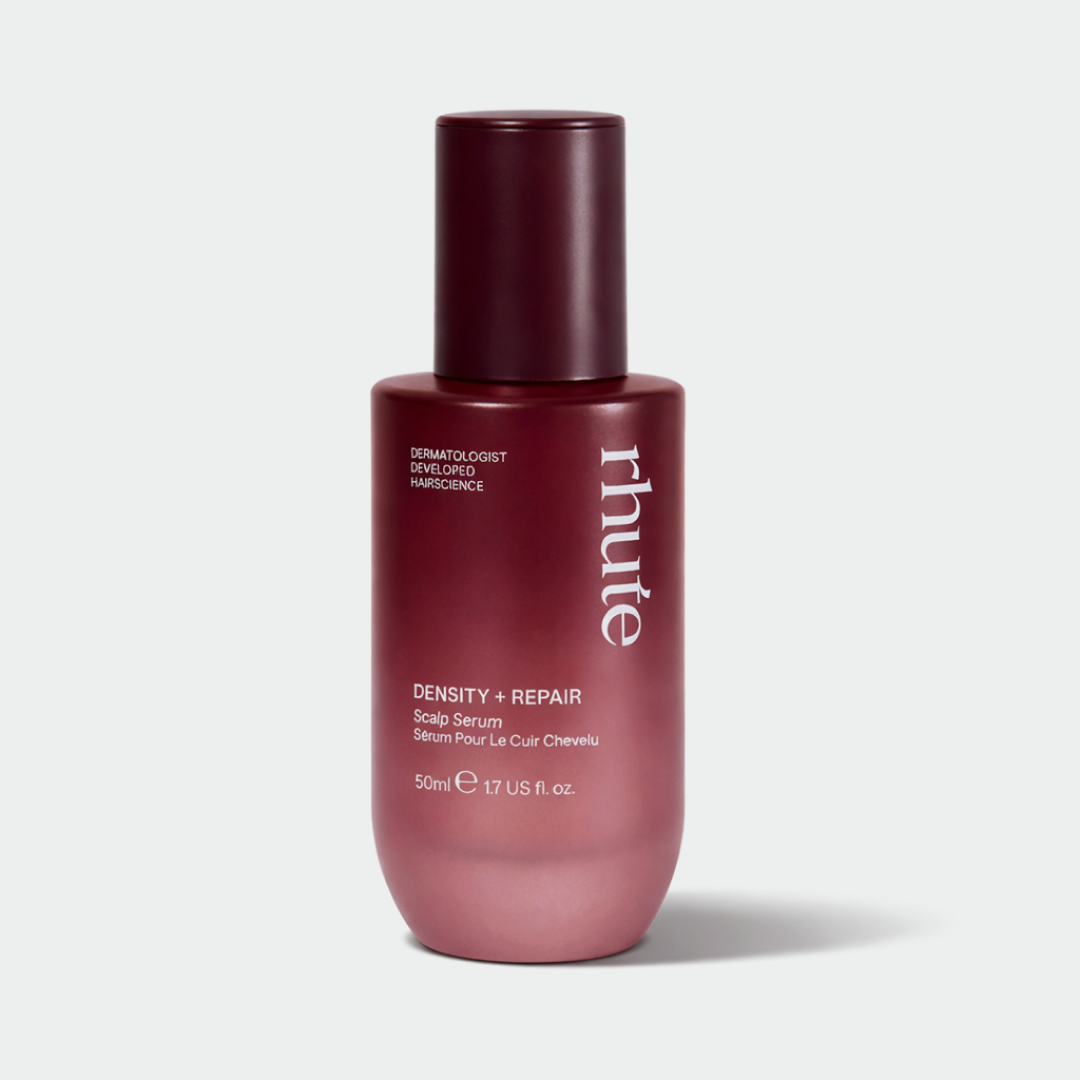
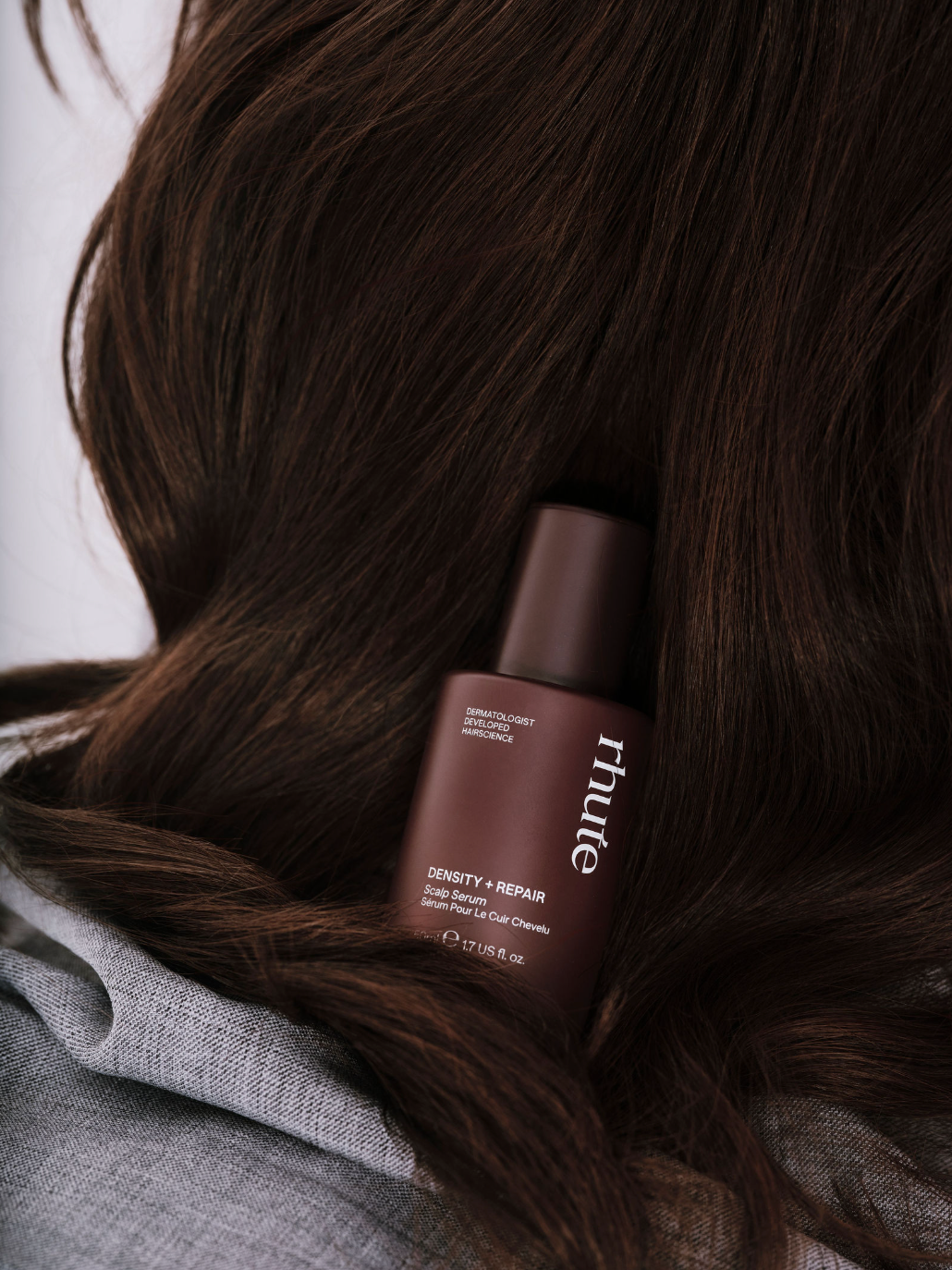
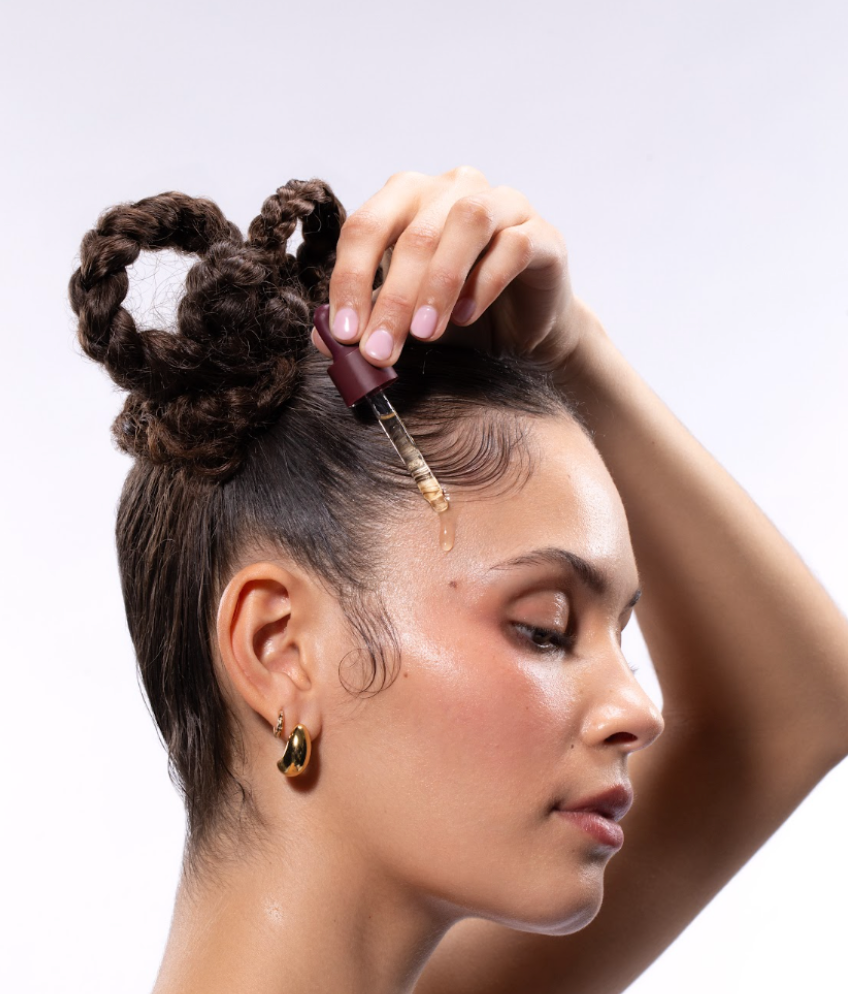
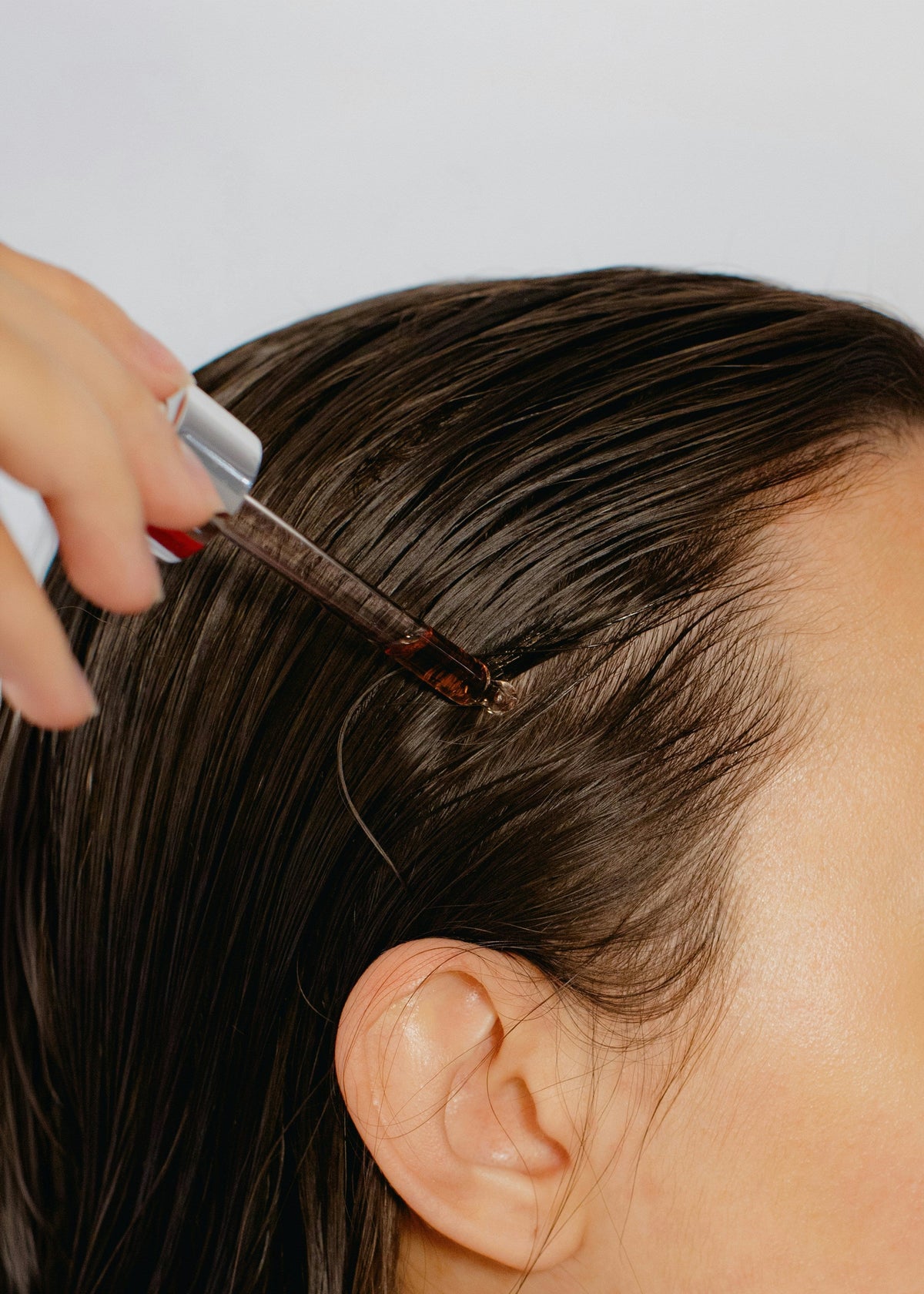
The Density + Repair Scalp Serum is the hero product for this kind of recovery routine. Caffeine and peptides support follicle activity, niacinamide and panthenol look after the barrier, and the formula is minoxidil-free, ultra-lightweight and oil-free, so it sits well under a styling product or on its own. The brand promise of less shedding, more growth is the same here: a calmer, better-supplied scalp environment for the follicles that are still alive to grow back into.
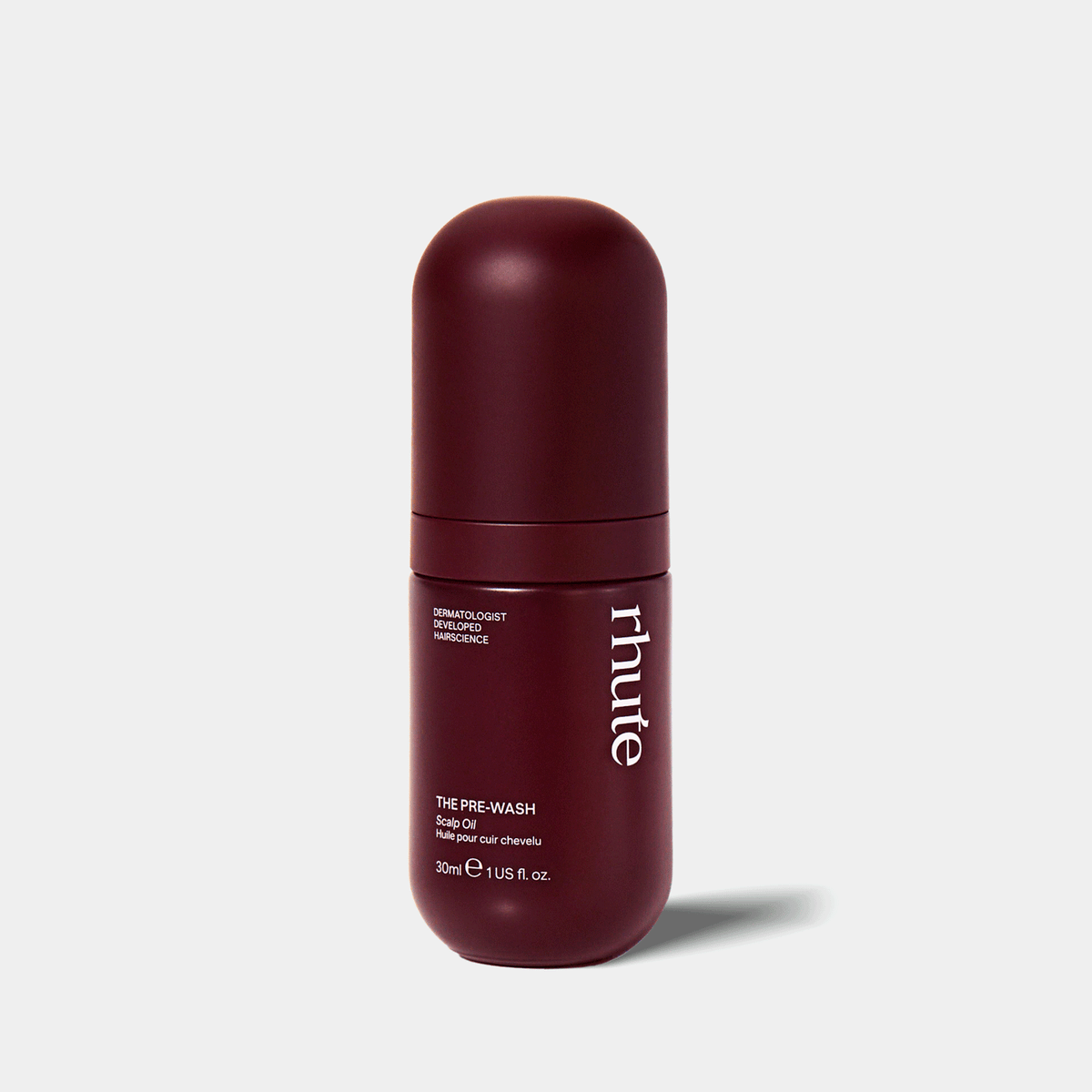
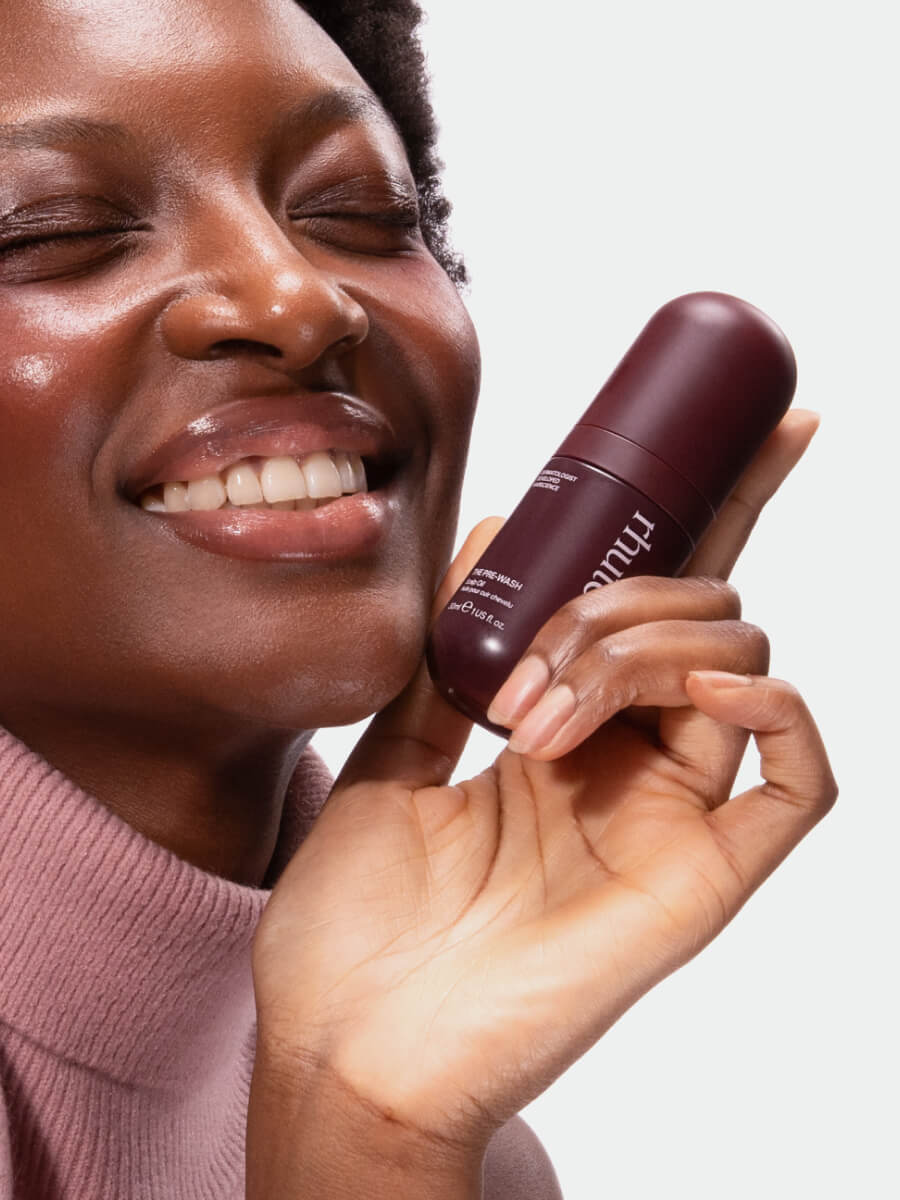
The Pre-Wash Density Complex Scalp & Hair Oil adds another layer. It is a pharmacologically intentional pre-wash treatment (not just a hair oil) that goes on dry scalp, sits for one hour (or up to six hours), and rinses out with shampoo. Pumpkin seed oil, saw palmetto and beta-sitosterol are botanicals studied for the hormonal drivers of hair thinning, ceramides and bisabolol soothe and support a barrier that has had a hard time, and black seed oil, jojoba and antioxidant oils condition the hair shaft. Use two to three times a week.
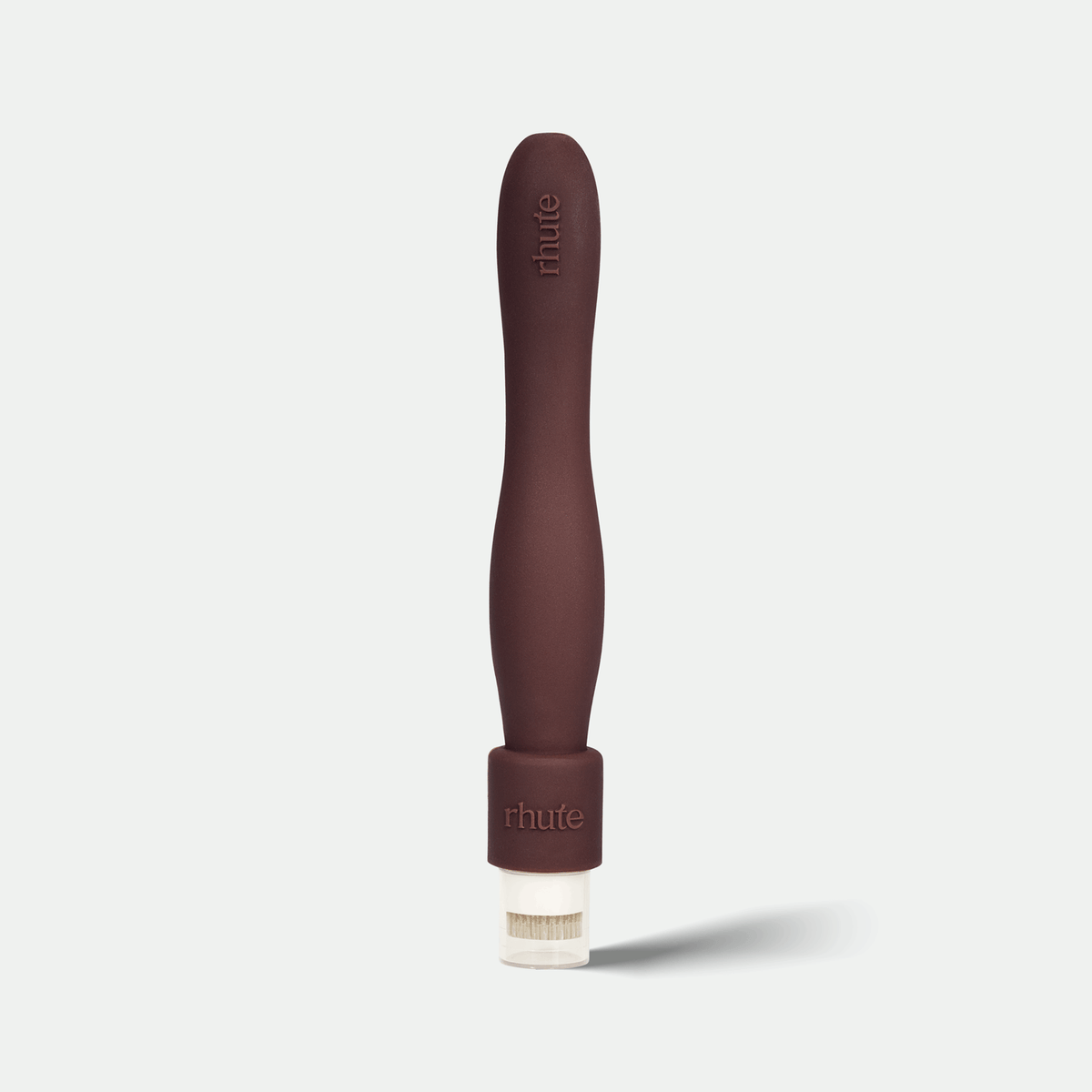
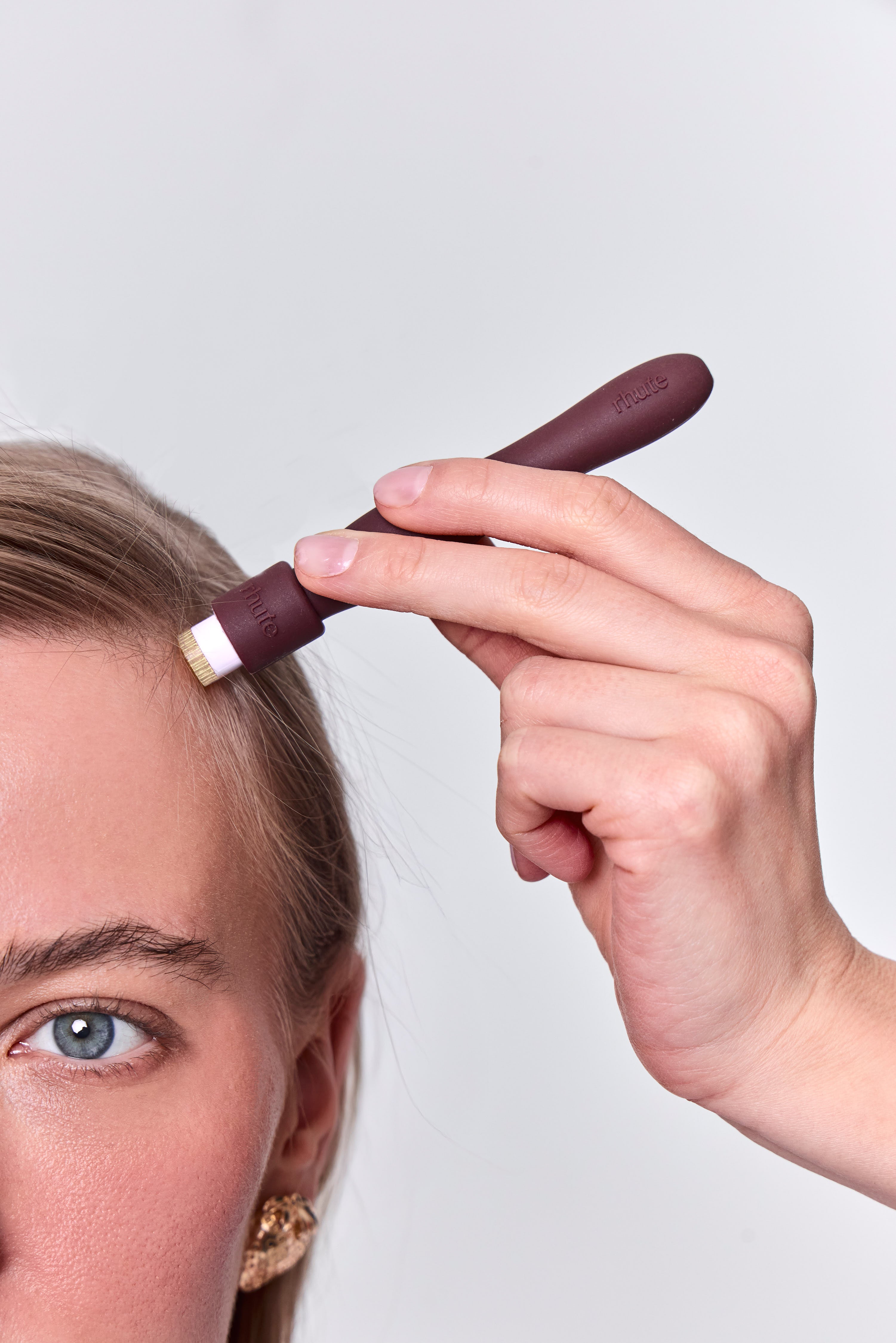
Once your scalp is calm, the Precision Dermastamp can layer on top. The 24ct gold-plated surgical-grade steel needles are set at 0.3mm, the sweet spot for at-home use (deep enough to reach the dermis, shallow enough to keep things gentle). 1 to 2 times a week, light pressure, all directions, and clean before and after using the lid as a sanitising vessel (see our microneedling guide). For broader context, read our hair loss in women and hormonal hair loss guides for the wider picture.
Lifestyle considerations (including the biotin warning)
A few practical levers genuinely help during thyroid hair recovery, and one common supplement to avoid before your bloods are done.
Eat enough protein, because hair is largely made of keratin and a chronic shortfall makes everything harder. Keep an eye on iron (food sources include red meat, lentils, dark leafy greens, and fortified cereals, but supplements are sometimes needed and worth discussing with your GP). Vitamin D, selenium, and zinc all support thyroid function, although doses matter and high-dose supplementation is not the same as making sure you are not deficient. Stress and sleep are not optional extras here, because cortisol and the HPA (hypothalamic-pituitary-adrenal) axis genuinely interact with thyroid function and the immune system. Our cortisol and hair loss guide covers that interaction in more detail.
On biotin. Skip the high-dose biotin supplements marketed for hair growth. Two reasons. First, the evidence that biotin supplementation grows hair in people who aren't deficient is genuinely thin (most people get plenty from a normal diet). Second, and more importantly for thyroid testing, biotin at typical supplement doses can interfere with the immunoassays used to measure TSH, free T4 and free T3, producing falsely low TSH and falsely high T4 and T3 results that can look like hyperthyroidism on paper when nothing of the kind is happening (U.S. Food and Drug Administration, 2019; American Thyroid Association, 2018). The American Thyroid Association recommends stopping biotin for at least two days before any thyroid blood test. If you have been told your TSH is suppressed and you take a hair vitamin, this is the first thing to mention to your GP.
When to see a GP or endocrinologist
A GP appointment is the first step for anyone with thyroid suspicion, and for most people it's also where things are managed from start to finish. Straightforward hypothyroidism and hyperthyroidism are usually handled in primary care, with an endocrinology referral kept for specific situations like pregnancy, complex or unstable cases, or when the picture isn't adding up.
Bring a list of symptoms beyond the hair (fatigue, weight, mood, periods, cold or heat intolerance, anxiety, brain fog), and mention any family history of thyroid or autoimmune conditions. Ask specifically for a full thyroid panel: TSH, free T4, free T3, and thyroid antibodies, which together check for hypothyroidism and what's driving it. If your GP runs TSH on its own and your symptoms stick around, it's reasonable to ask for the rest.
A GP appointment is the first step for anyone with thyroid suspicion. Bring a list of symptoms beyond the hair (fatigue, weight, mood, periods, cold or heat intolerance, anxiety, brain fog), and if you have a family history of thyroid or autoimmune conditions, mention it. Ask specifically for the full panel where possible: TSH, free T4, and antibodies if an autoimmune cause like Hashimoto’s and Graves’ disease are suspected.
For UK-based patient support, the British Thyroid Foundation and Thyroid UK both run patient information, online communities and telephone support. If you’ve ever had PCOS (polycystic ovary syndrome), our PCOS hair loss guide is also worth a look, because Hashimoto's and PCOS commonly co-occur.
FAQs
Can thyroid cause hair loss?
Yes. Both an underactive (hypothyroid) and overactive (hyperthyroid) thyroid can cause diffuse hair shedding across your whole scalp. The pattern is usually a widening parting and a thinner ponytail rather than bald patches, often with other symptoms like fatigue, weight or mood changes (NHS, 2025).
Will my hair grow back after thyroid treatment?
Usually, yes. Once your thyroid hormone is in range and stable, your hair cycle normalises and regrowth follows. The catch is the lag: shedding slows down around six to eight weeks after TSH normalises, and visible regrowth follows over the next three to six months.
How long for thyroid hair loss to reverse?
Most women see shedding settle within six to eight weeks of TSH normalising, visible regrowth between three and six months later, and full density recovery somewhere between six and 12 months from when the thyroid is properly stabilised (British Thyroid Foundation).
What does thyroid hair loss look like?
Diffuse thinning across your whole scalp rather than patches, often with hair that feels noticeably drier, coarser or more brittle (in hypothyroidism) or softer and finer with more shedding (in hyperthyroidism). Thinning at the outer third of your eyebrows (Queen Anne's sign) is a classic accompanying clue for hypothyroidism.
Does levothyroxine cause hair loss?
Levothyroxine itself is unlikely to cause hair loss when you are at the right dose. A small amount of shedding can sometimes happen in the first few weeks of starting or adjusting treatment as your hair cycle resets. If shedding persists once you are stable, the most common causes are an underdosed thyroid (TSH still too high), an iron or ferritin shortfall, or something separate going on alongside the thyroid.
Can stress make thyroid hair loss worse?
Yes. Chronic stress raises cortisol, which interacts with thyroid hormone metabolism and immune activity, particularly in Hashimoto's. It can also drive a separate stress-related shedding pattern (telogen effluvium) that piles on top of the thyroid picture. Learn more about cortisol and hair loss.
What blood tests do I need for thyroid hair loss?
TSH is the headline test, but for a full picture ask about free T4, free T3, and (if Hashimoto's is suspected) TPO and thyroglobulin antibodies. Ferritin and a full iron panel are worth running alongside, because iron deficiency is a common co-pilot in thyroid hair loss. Stop any biotin supplements at least two days before testing, because biotin can produce falsely abnormal results (American Thyroid Association, 2018).