


A genuine vitamin B12 deficiency can contribute to hair shedding, but the link is more limited than the internet suggests, and topping up B12 will not help your hair if your levels are already fine.
So this guide sticks to what the evidence actually shows. We cover what B12 really does for your hair, who is genuinely at risk of running low, why the "B12 causes hair loss" claim is often overstated, and why those trendy B12 injections and drips are a waste of money for anyone who is not deficient (yes, we are looking at you, wellness drip). Calm, honest, and firmly on your side rather than a supplement.
Can low vitamin B12 actually cause hair loss?
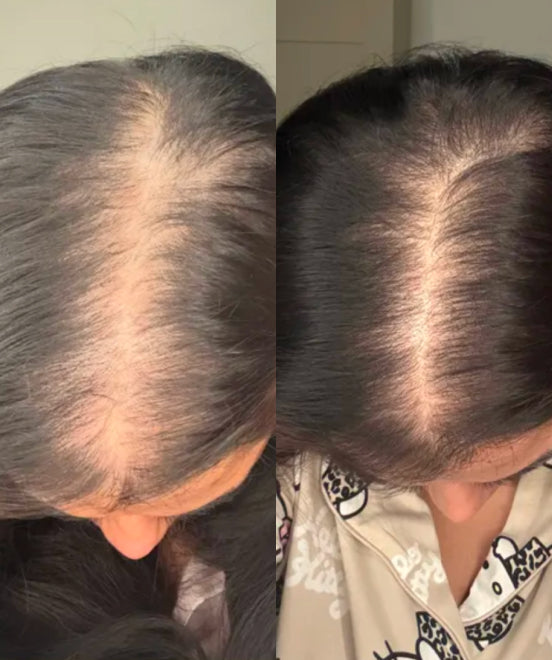
Yes, but with a big caveat. A real, confirmed B12 deficiency can play a part in hair shedding, usually as one thread in a bigger picture rather than the sole cause. Where it gets overstated is the leap from "B12 is important for the body" to "low B12 must be why your hair is falling out," which does not reliably hold up.
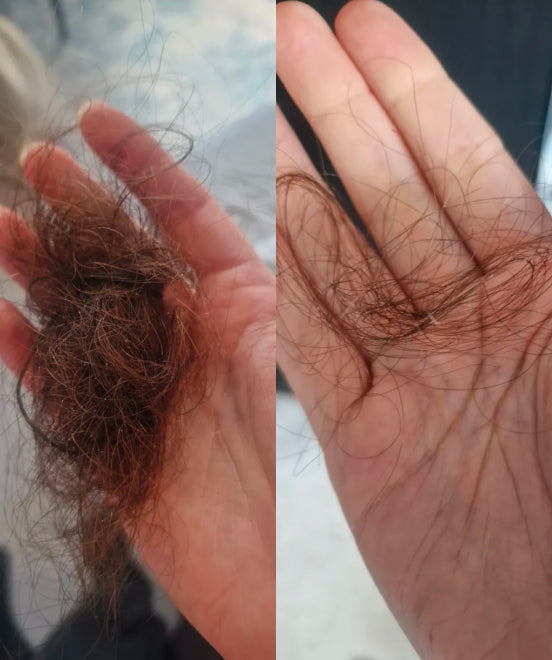
When B12 is genuinely involved, it tends to show up as telogen effluvium (TE). This is a temporary, all-over shed where more hairs than usual slip into their resting phase and fall out at once. It’s the same diffuse pattern behind most nutrient and stress related shedding, which is exactly why a shed on its own can’t blame B12.
The honest position is this: B12 matters for your hair mainly when you are actually deficient. If your levels are normal, extra B12 will not give you thicker hair, it will simply be passed out in your urine (more on that later). So the useful question is not "should I take B12?" but "am I actually low, and if so, why?"
What vitamin B12 actually does for your hair
Vitamin B12 is a busy background nutrient, and a couple of its jobs matter for your hair:
-
Making red blood cells. B12 is essential for building healthy red blood cells, which carry oxygen around your body, including to your scalp and follicles.
-
Building new cells. It is needed for DNA synthesis (the copying of genetic material every time a cell divides), and your hair follicle is one of the fastest-dividing tissues you have.
When B12 runs very low, the body cannot make red blood cells properly and produces large, immature ones that do not work well. This is called megaloblastic anaemia, and in plain terms it means less oxygen reaching your tissues. Follicles, being high-maintenance and non-essential to survival, can feel that shortfall and shift towards shedding (Almohanna et al., 2019). The key word, though, is very low. This is about genuine deficiency, not a slightly unremarkable blood result.
What B12-related hair loss looks like
When B12 is involved, the shedding tends to be diffuse, meaning all over the scalp rather than in distinct patches, much like other nutrient-related shedding. On its own that pattern is not a smoking gun, because stress, illness, iron and thyroid issues cause the same look.
What makes B12 more plausible is the company it keeps. A real deficiency usually brings body-wide clues, such as:
-
Persistent fatigue and weakness
-
Pins and needles or tingling in the hands and feet
-
Pale or slightly yellow-tinged skin
-
Brain fog and low mood
-
A sore, red, smooth tongue
One honest note: many articles list hair changes as a classic sign of low B12, but the hair-specific evidence is genuinely thin. Treat shedding as a prompt to look at the whole picture, not as proof that B12 is the culprit (NHS, 2025).
Who's actually most at risk
This is the part competitors skim, and it is the most useful bit, because B12 deficiency is really about who is likely to be low. You are more at risk if you fall into one of these groups:
-
Vegans and vegetarians. B12 comes almost entirely from animal foods, so plant-based eaters are among the most likely to run low without fortified foods or a supplement.
-
People with pernicious anaemia. This is an autoimmune condition where the body attacks the cells that make an intrinsic factor, a protein you need in order to absorb B12 from food. No intrinsic factor means poor absorption, no matter how much B12 you eat.
-
Older adults and people with gut conditions. Absorption naturally declines with age, and conditions like coeliac disease and Crohn's, or surgery on the stomach or gut, can all reduce how much B12 you take in.
-
People on certain long-term medications. Metformin (for type 2 diabetes) interferes with B12 absorption. And long-term proton pump inhibitors (PPIs) or antacids (for reflux) block stomach acid, which is needed to release B12 from food, lowering B12 over time (NHS, 2025).
If none of these apply to you, a B12 deficiency is a less likely explanation for your shedding, which is worth bearing in mind before you spend money chasing it.
The honest bit: is the B12 and hair loss link overstated?
Often, yes. Every ranking article seems to state confidently that low B12 causes hair loss, but the research is genuinely mixed, and the direct evidence in hair-loss patients is limited (Almohanna et al., 2019).
A 2024 study makes the point nicely. Researchers compared women with chronic telogen effluvium (a persistent, diffuse shed) against women without it, measuring a whole panel of nutrients. They found no meaningful difference in B12 levels between the two groups, even though low zinc did stand out (Durusu Turkoglu et al., 2024). In other words, B12 was not the villain here.
The takeaway is not that B12 never matters. It is that B12 is worth correcting when you are genuinely deficient, and it is not a proven hair-growth booster for everyone else. That honesty is exactly why testing beats guessing.
The folate and iron connection
B12 rarely gets looked at alone, and for good reason. It works closely with folate (vitamin B9), and the two can mask each other. Taking lots of folate, for example, can hide a B12 deficiency on some tests while nerve damage quietly progresses, which is why doctors check them together (NHS, 2025).
Iron is the other regular companion, and low iron is a far more common driver of shedding in women than B12. Rather than repeat it here, our dedicated iron deficiency hair loss guide covers that in full, and it is well worth reading alongside this one. The theme across all of these is the same: look at the whole panel, not one number.
How a B12 deficiency is diagnosed in the UK
The reassuring news is that this is a straightforward GP conversation, not a job for guesswork or home kits. A typical UK work-up includes:
-
A blood test for B12, sometimes including an active B12 test, which measures the portion of B12 your body can actually use.
-
A full blood count, which looks at your red blood cells, including a marker called MCV that flags the enlarged cells seen in megaloblastic anaemia.
-
Folate levels, tested at the same time for the reasons above.
-
Intrinsic factor antibodies if pernicious anaemia is suspected, to check whether an autoimmune absorption problem is behind it (NHS, 2025).
Your GP can also check the other usual suspects, like iron and thyroid, in one go, so you are not treating the wrong thing.
Treatment: injections, tablets and diet (and the drip myth)
If a deficiency is confirmed, treatment is genuinely effective and depends on the cause:
-
Injections (hydroxocobalamin) are used when the problem is absorption, such as pernicious anaemia or gut conditions, because they bypass the gut entirely.
-
Oral B12 tablets work well when the shortfall is dietary, and often for maintenance afterwards.
-
Diet does a lot of the heavy lifting for prevention. Good sources include meat, fish, eggs, dairy, and fortified foods like some plant milks, cereals and nutritional yeast, which matter especially for plant-based eaters (NHS, 2025).
Now the myth-bust nobody else offers. B12 injections and IV "wellness" drips are widely marketed for hair and skin glow, but here is the science: B12 is water-soluble, so once your blood proteins that carry it are full, your body simply filters the excess out through your kidneys and into your urine. If you are not deficient, an expensive B12 drip does not top up your hair, it mostly tops up your toilet (NHS, 2025). These drips have a real place for treating a diagnosed deficiency or absorption problem, but as a hair-growth hack for people with normal levels, they are money down the drain.
B12, women and plant-based diets
Because rhute's community is mostly women, a few situations are worth naming:
-
Plant-based diets. Vegans and vegetarians are among the most likely to run low, since B12 is scarce outside animal foods. A fortified food or a sensible supplement usually sorts it, and it is worth staying on top of.
-
Pregnancy and breastfeeding. Demand rises during pregnancy and while breastfeeding, so B12 status is worth keeping an eye on with your midwife or GP.
-
The postpartum window. Shedding after a baby is incredibly common and usually driven by hormones rather than B12, but it is a sensible time to make sure your nutrition is solid. Our guide to when postpartum hair loss starts sets expectations, and hair loss in women gives the broader view.
If your B12 turns out fine, it is worth checking iron, vitamin D and zinc too, since these deficiencies often travel together. Pernicious anaemia also tends to keep company with other autoimmune conditions like Hashimoto's, so if thyroid issues are in the mix, our thyroid hair loss guide is a useful read.
Supporting your scalp while your levels recover
Correcting a deficiency takes time, because your hair can only show the benefit as it grows, and hair grows slowly (roughly a centimetre a month). That waiting window is where good scalp care earns its keep, with one honest caveat: it complements fixing the deficiency, it never replaces it.
-
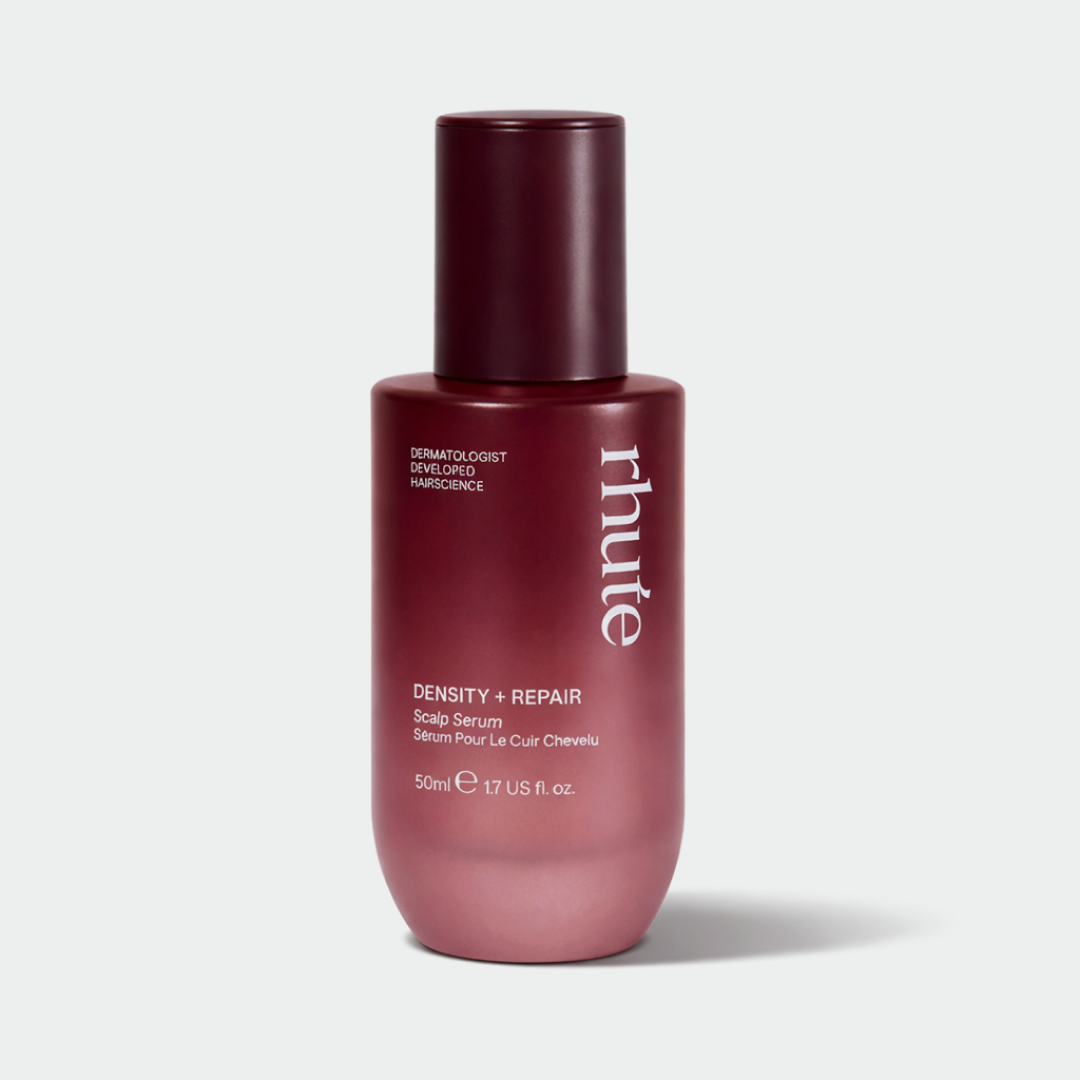
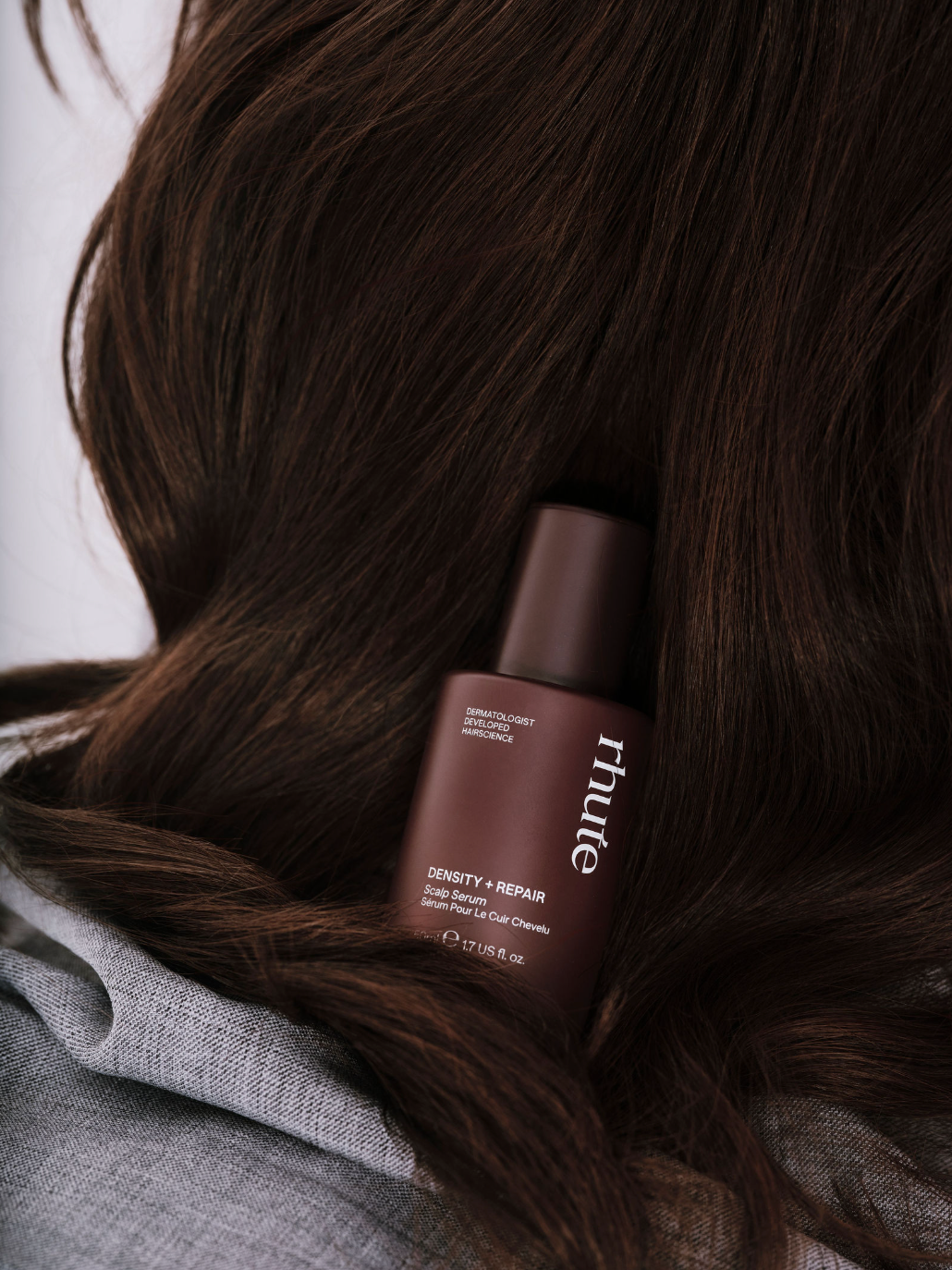
Our Density + Repair Hair Growth Scalp Serum is dermatologist-developed and barrier-supporting, keeping the scalp calm and comfortable so your hair has the best backdrop to recover once your levels are back up.
-
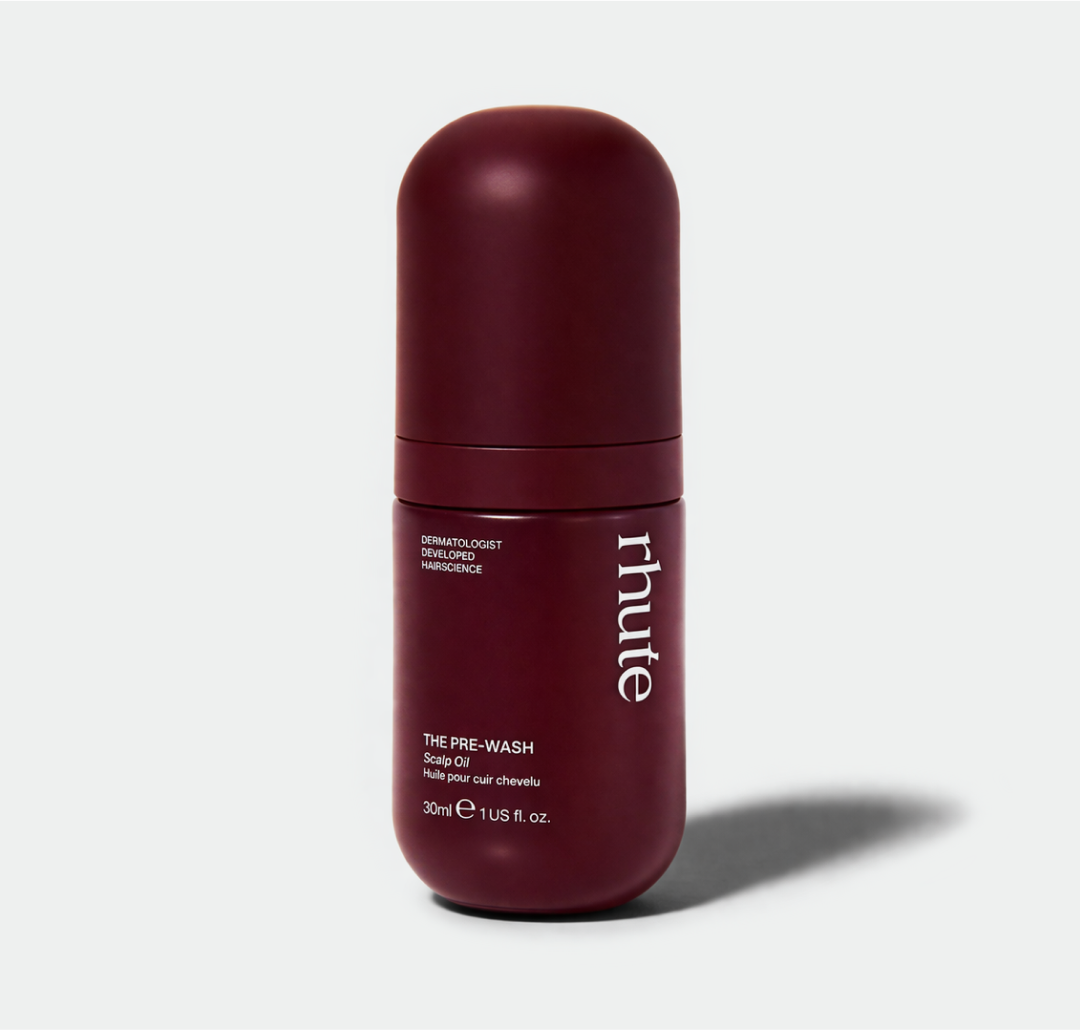
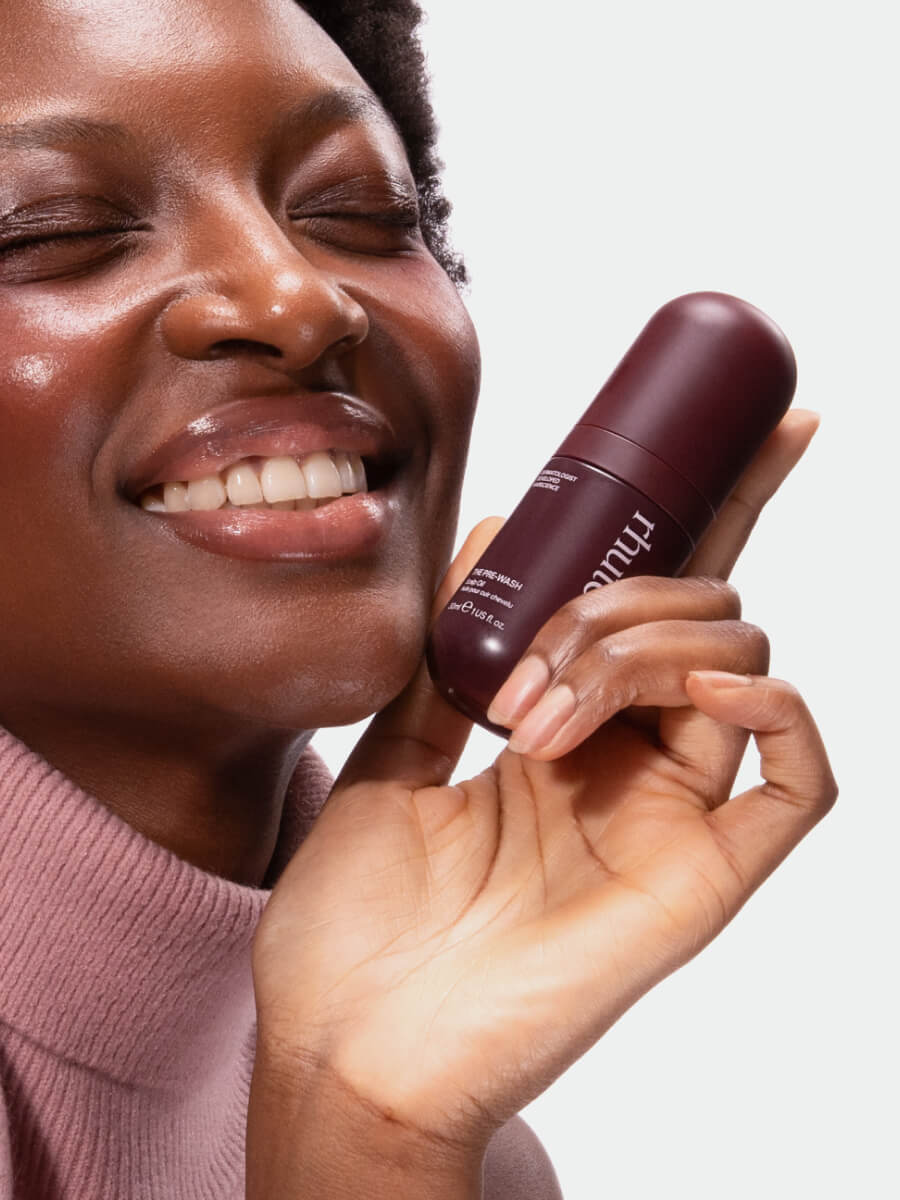
If your scalp feels dry or stressed, the Triple Density Complex Pre-Wash Hair & Scalp Oil offers gentle comfort between washes.
For an honest look at what topicals realistically can and cannot do, our guides to do hair loss serums actually work and best scalp serums for hair growth go deeper. Just remember: support, not a substitute.
When to see your GP
Most of this is handled easily in primary care. Book an appointment if you notice:
-
Neurological symptoms such as numbness, tingling, or changes to your balance, which need prompt attention as they can point to a more advanced B12 deficiency.
-
Shedding alongside fatigue, breathlessness, a sore tongue or a pale complexion.
-
Ongoing shedding that has not settled despite eating well.
-
Any uncertainty about testing or supplements, which is always a GP or pharmacist conversation rather than a guessing game.
The bottom line
Low B12 can contribute to hair shedding, but mainly when you are genuinely deficient, and the link is weaker than the headlines suggest. If you are vegan, have absorption issues, or take certain long-term medications, it is well worth checking. If your levels are normal, B12 injections and drips will not grow your hair, they will just be filtered away. So test rather than guess, look at the whole picture with your GP, and support your scalp while things recover.
Be kind to yourself, and get growing. Healthy hair starts here, from rhute to tip. If you would like a simple way to look after your scalp meanwhile, the Density + Repair hair serum or the Density Rhutine bundle is a lovely place to start.
FAQs
Can B12 deficiency cause hair loss?
A genuine deficiency can contribute to diffuse, all-over shedding, usually as one factor among several rather than the whole story. The evidence is mixed, and B12 is a less common cause of hair loss than iron. It is most worth investigating if you are in a higher-risk group, such as vegans or people with absorption problems.
Will my hair grow back after treating a B12 deficiency?
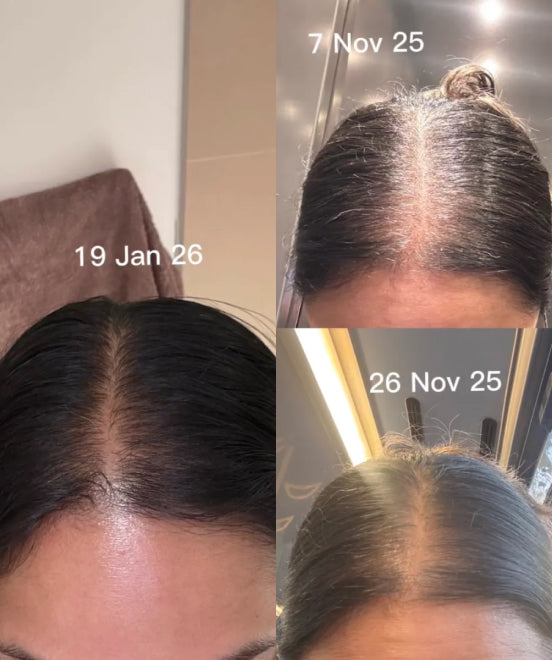
If low B12 was genuinely contributing, correcting it often helps your hair recover, but it is gradual. Because hair grows slowly, expect months rather than weeks, and remember that recovery depends on whether B12 was really the driver or just one piece of the puzzle.
Do B12 injections help regrow hair?
Only if you are actually deficient and cannot absorb B12 from food, in which case injections treat the underlying cause. For anyone with normal levels, injections and drips will not boost hair growth, because your body simply excretes the excess. They are a treatment for deficiency, not a hair-growth hack.
How long does it take to correct a B12 deficiency?
Blood levels can improve within weeks of starting the right treatment, but repairing the knock-on effects, including any hair shedding, takes longer. Most people are looking at a few months of consistent treatment, and your GP may recheck your levels along the way.
Is B12 or folate more important for hair?
They work as a pair and are usually tested together, because a shortfall in either can affect the blood cells that carry oxygen to your follicles. Neither is a magic hair nutrient on its own, and for most people a balanced diet covers both without supplements.
Can you take too much vitamin B12?
Because B12 is water-soluble, your body passes out what it does not need, so toxicity is very rare. That safety is also the catch: taking more than you need does not benefit your hair, it just gets filtered into your urine, which is exactly why routine mega-dosing is pointless if you are not deficient.