

Here’s the honest answer before you spend a penny: if you eat a reasonably balanced diet, vitamins probably won’t grow you more hair. Where they genuinely help is when your body is actually low in something your hair needs, and correcting that real shortfall can make a real difference.
So think of this as the "do you even need these?" guide. We cover which nutrients actually matter, what the evidence says versus what the marketing claims, how to tell if you need anything, and the one thing no supplement can do. The clinical picture backs this up: micronutrients matter for a normal hair cycle, but the evidence is genuinely mixed, and it is deficiency, not topping up when you are already fine, that is the factor worth acting on (Almohanna et al., 2019).
One quick thing on wording first, because it saves a lot of confusion. People often use “supplement” and “vitamin” to mean the same thing, but they’re not. Vitamins are your essentials, like vitamin D, the B vitamins and vitamin C. Minerals are things like iron, zinc and calcium. “Supplement” is the broad umbrella term: it covers topping up those vitamins and minerals, but it also gets used for hair-specific formulas built around herbal and botanical ingredients, which work in a different way. This guide is about vitamin and mineral supplementation only, so whenever we say supplement here, that’s what we mean.
Do vitamins for hair growth actually work?
Only really when you are deficient, and most people on a varied diet are not. That is the single most useful reframe in this whole guide, so here it is plainly:
-
A supplement can top up a genuine shortfall, and that can help your hair.
-
Flooding your system with extra when your levels are already normal does not buy you more or faster hair.
-
In some cases, overdoing it actively causes harm (more on that shortly).
This is not us being anti-supplement. It is about spending your effort and money where it counts. UK health guidance takes the same food-first view: most people get the nutrients they need from a balanced diet (NHS, n.d.), and a 2025 systematic review concluded that the nutrients most worth getting right for your hair are vitamin D and iron, rather than a cabinet full of pills (Gomes et al., 2025). If your shedding has you worried, our guide to hair loss in women covers the broader causes beyond nutrition.
How vitamins and minerals support hair growth (the science, simply)
Here is what’s actually going on under the surface, minus the jargon.
Your hair follicle is one of the busiest, most demanding tissues in your whole body. The cells at the base of the follicle (in the hair bulb) divide rapidly to build each new hair, and that constant activity needs a steady supply of nutrients and oxygen (Almohanna et al., 2019).
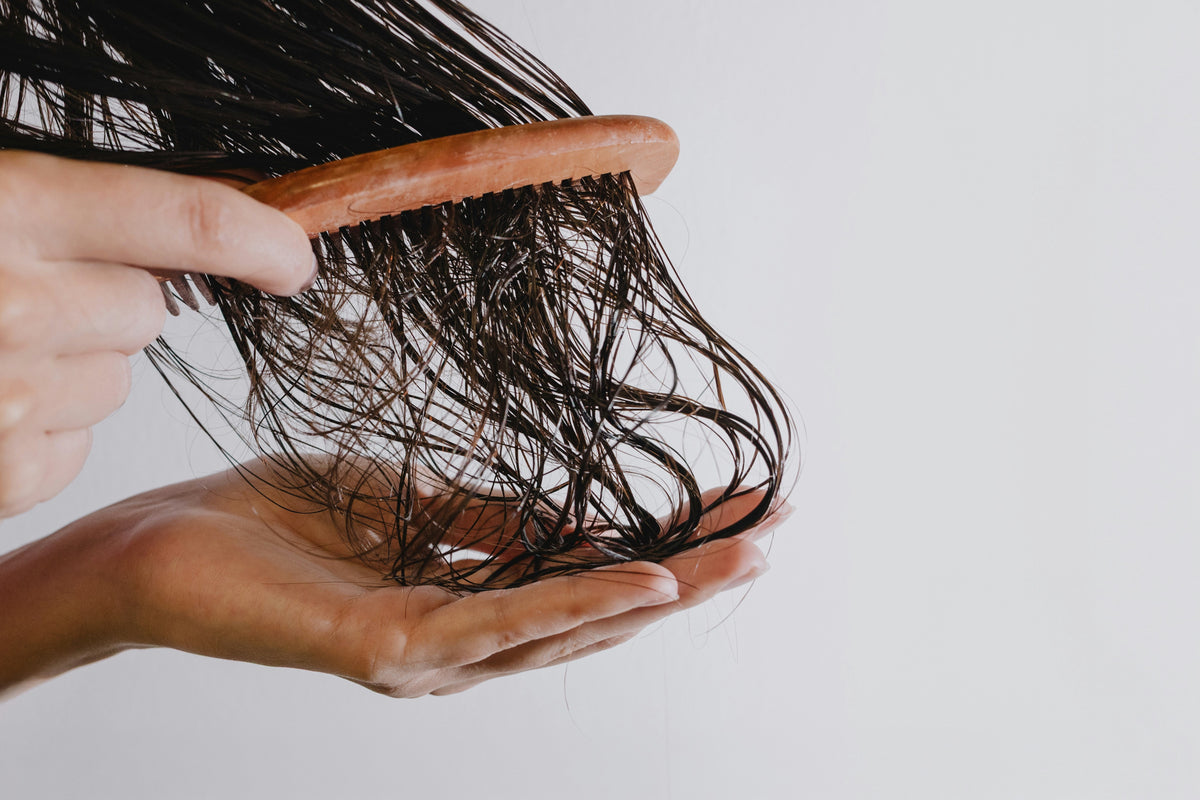
When a key nutrient runs short, your body does something sensible: it prioritises vital organs, and hair, which is not essential to survival, drops down the list. Follicles can then get nudged out of their growth phase early and into their resting phase. This kind of diffuse, all-over shed is often a form of telogen effluvium (a temporary shed where more follicles than usual rest at once and then release together), and it can show up a couple of months after the trigger.
That’s the whole logic in one line: a real deficiency can genuinely affect your hair, and correcting it can help, while topping up nutrients you already have plenty of does nothing for the follicle. The same shedding mechanism shows up with stress and the seasons too, which we cover in cortisol and hair loss and seasonal hair shedding.
The vitamins and minerals that actually matter
Here’s the roster, roughly in order of how much the evidence supports each one. For each, what it does, how strong the evidence is, and a quick food note.
-
Iron (ferritin): the strongest and most consistent link, especially in women, and often tied to heavy periods, pregnancy or plant-based diets. Low iron stores can push follicles into shedding before a standard blood count flags anything, and ferritin is the marker that reflects your stored iron. Food: red meat, pulses, leafy greens and fortified cereals, with a vitamin C source alongside plant iron to aid absorption. Our full iron deficiency hair loss guide goes deep on this one.
-
Vitamin D: plays a role in the hair growth cycle, and low levels are common in the UK, especially through autumn and winter, with deeper skin tones, or with little time outdoors. Food: oily fish, eggs and fortified foods. More in our vitamin D and hair loss guide.
-
Zinc: has a structural role in follicle cycling. Genuine deficiency is uncommon but real, and more likely with restricted diets or absorption issues. Food: meat, shellfish, pulses and seeds. See our zinc for hair loss guide for the nuance.
-
B12 and folate: worth checking if you are vegetarian, vegan, or have a history of low levels, and both are easy to test. Food: B12 mainly from animal foods and fortified products, folate from leafy greens, pulses and fortified foods. Our vitamin B12 and hair loss guide has the detail.
-
Biotin (vitamin B7): the most marketed and the least supported for healthy people. True biotin deficiency is rare, and the best-quality evidence shows no benefit over placebo for hair growth in people who are not deficient (Yelich et al., 2024). There is also a practical catch: high-dose biotin can skew common blood tests, including thyroid panels, so it is sensible to pause it before bloods.
-
Vitamin C: supports the absorption of plant-based iron and helps build collagen, so it earns a supporting role rather than a starring one. Easy to get from fruit and veg.
-
Vitamin A: genuinely needed, but a cautionary tale. Too much, usually from supplements rather than food, can actually trigger hair loss and is toxic at high doses. A clear "more is not better" example.
-
Vitamin E and selenium: limited, mixed evidence for hair. Selenium in particular is harmful in excess and has been linked to hair loss when overdone, so it is not one to megadose.
The honest summary across the board: correct a real shortfall and you may see a benefit; pile extra on top of normal levels and you mostly will not, and with a few of these you can do harm (Almohanna et al., 2019).
The honest truth about hair gummies and vitamin "growth" supplements
Here’s the bit the pretty packaging skips:
-
Most heavily marketed hair gummies and blends lead with biotin and a long list of nutrients at doses pitched for the label, not for fixing a real shortfall.
-
Proprietary blends often hide exactly how much of each ingredient you are getting, which makes it impossible to judge whether they would do anything at all. This is more than an annoyance: if a skin-and-hair product contains an undisclosed dose of vitamin A, you could unknowingly stack it on top of a multivitamin, or on top of a vitamin A-based medication like oral isotretinoin (often prescribed for acne), and tip into too much. Vitamin A toxicity can harm both the hair cycle and your skin, which is the opposite of what you were hoping for.
-
If you are not deficient, a fancy vitamin gummy mostly makes for expensive urine. If you are deficient, a targeted fix guided by a blood test does far more than a scattergun gummy ever will.
None of this is anti-supplement. It is pro getting results, and the evidence simply does not support taking vitamins when you are not short of anything (Almohanna et al., 2019).
How to know if you actually need a supplement (test, don't guess)
The only way to know if a nutrient is behind your shedding is to check, not to guess:
-
Get a blood test. A GP can check ferritin, vitamin D, B12, folate, thyroid function, and a full blood count from a single draw, which quickly shows what, if anything, you are low in.
-
Food first. For most people a varied, balanced diet covers the bases. The common UK exception worth supplementing is vitamin D through autumn and winter (NHS).
-
Do not self-diagnose and megadose. Iron, vitamin A and selenium are genuinely harmful in excess, so more is not better and guessing can backfire (Almohanna et al., 2019).
-
One practical flag. If you take a high-dose biotin supplement, pause it for a few days before any blood test and mention it, as it can distort the results, including thyroid readings (Yelich et al., 2024).
What vitamins can't do (and what your scalp also needs)
Vitamins and scalp care are not rivals, they are two halves of the same job: inside-out and outside-in.
-
Supplements work from the inside, topping up what is circulating in your blood so your follicles can draw on it. That is a real and useful job, but it is only half the picture.
-
Hair grows from a follicle that sits inside your scalp, and the scalp environment matters too: barrier health, circulation, and the local hormonal influences (like DHT, the hormone involved in pattern thinning) that no capsule can reach.
-
What good scalp care can do is keep your skin barrier healthy and the follicle environment in good shape, so hair cycles as smoothly as possible.
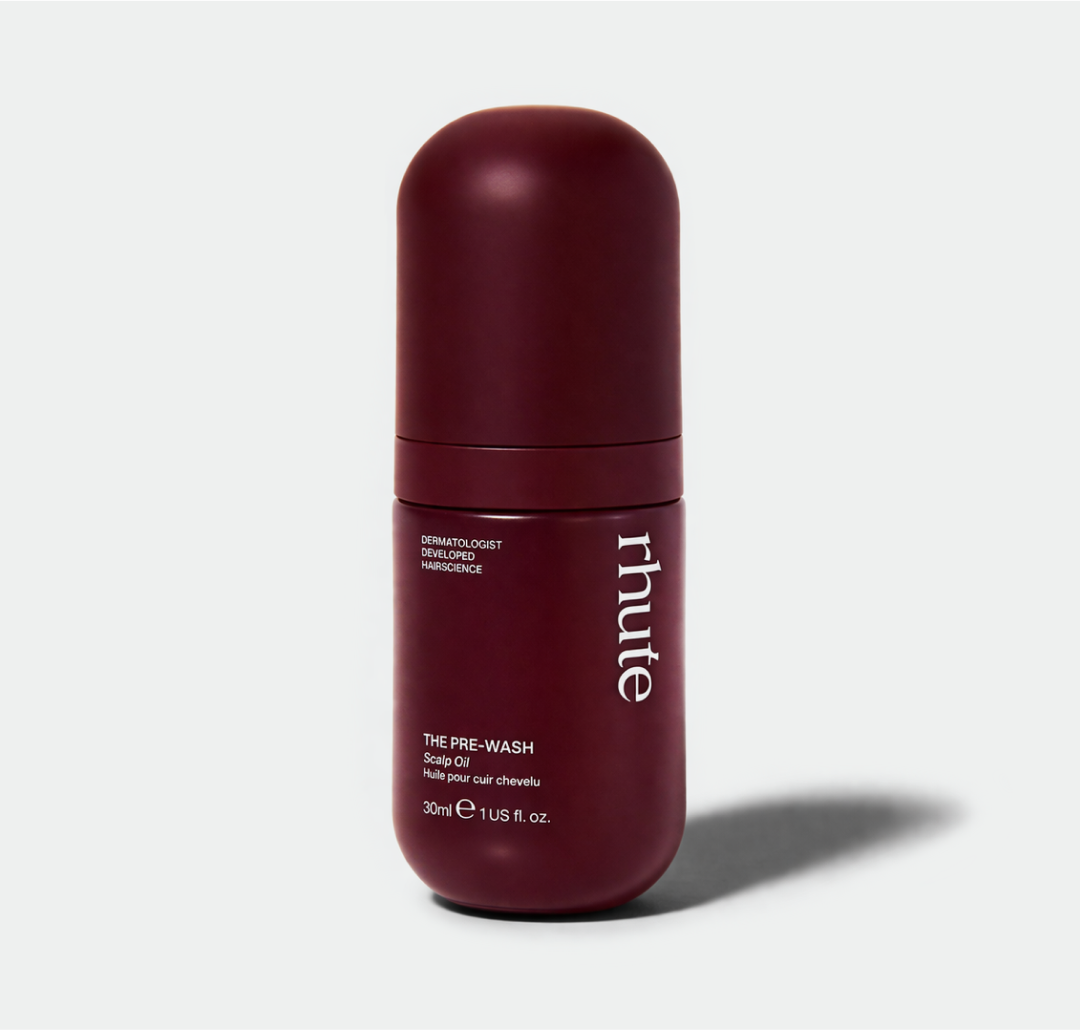
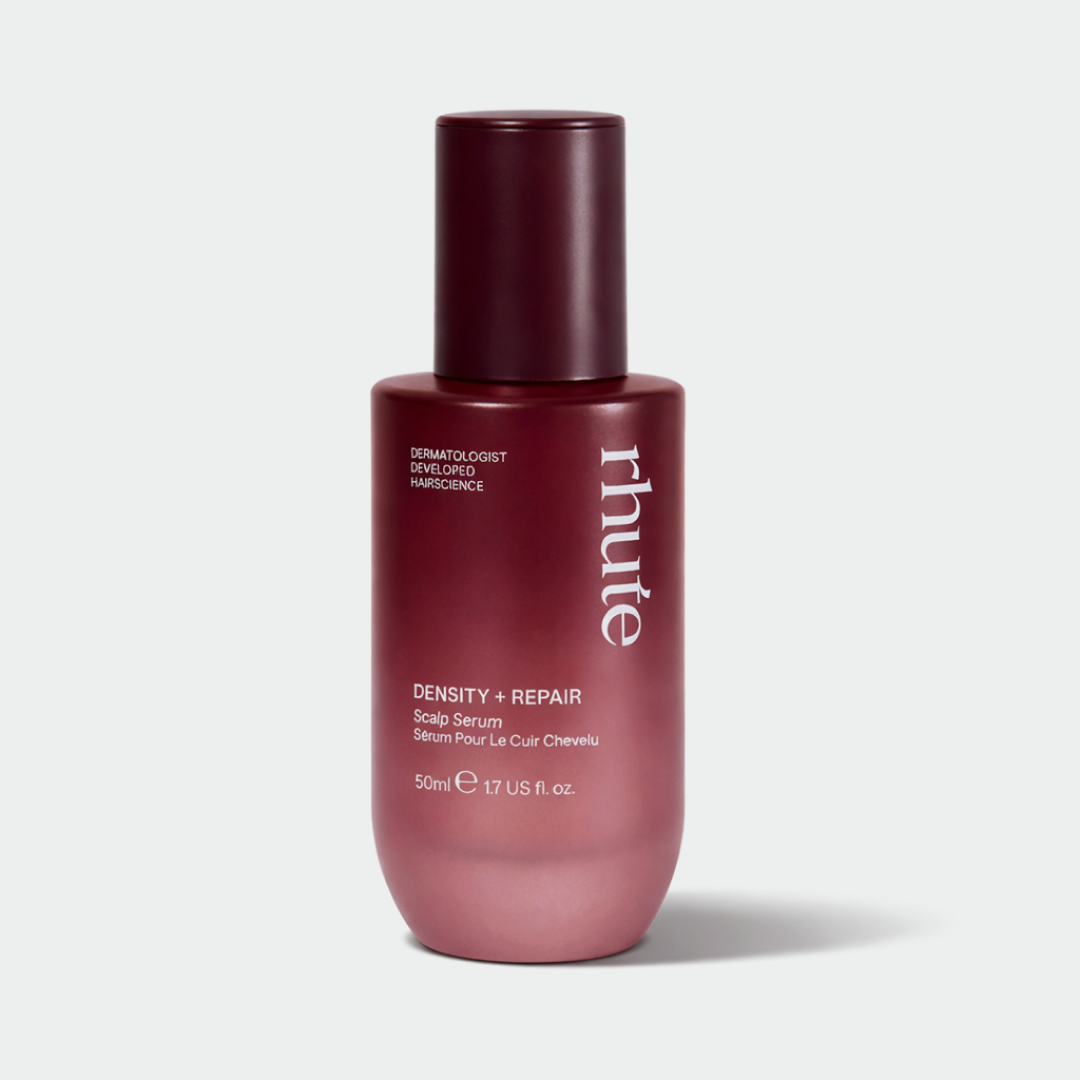
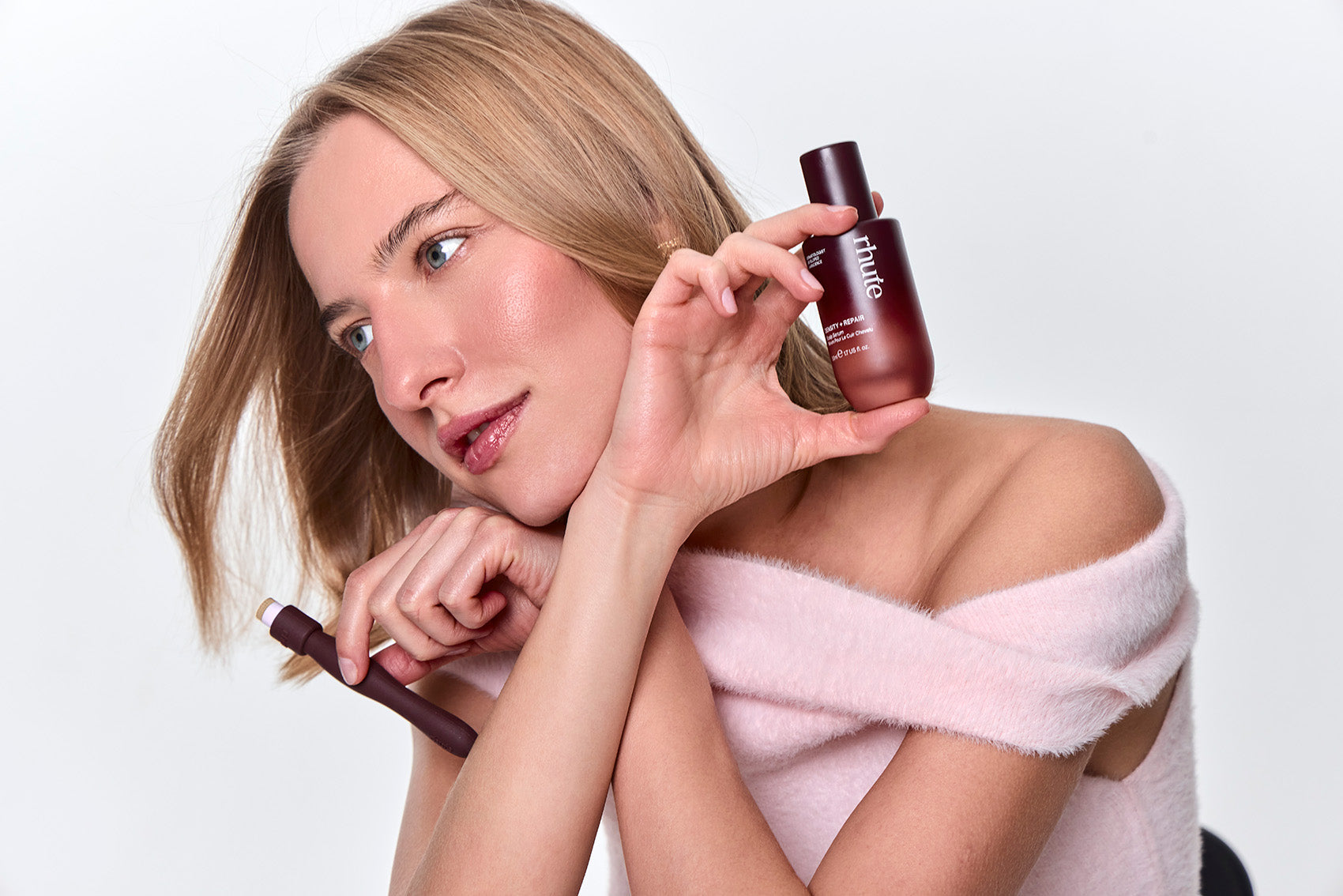
That outside-in half is exactly what our dermatologist-developed HairScience is built for. The Density + Repair Scalp Serum is a daily leave-on that supports your scalp barrier and follicle function, using bioactive peptides and caffeine to support growth at the source, plus niacinamide to soothe and strengthen, and it is minoxidil-free. For a pre-wash step, the Triple Density Complex Pre-Wash Hair Oil pairs DHT-modulating botanicals like pumpkin seed oil and saw palmetto with barrier support, used two to three times a week before you shampoo.
One thing to be crystal clear about: scalp care is not a replacement for correcting a real deficiency, and fixing a deficiency is not a replacement for scalp care. They are two halves, not a choice. For the honest evidence on what topicals can and cannot do, see do hair loss serums actually work, and for help choosing, best scalp oil for hair growth.
How long before you see results?
Patience is the unglamorous truth here, so set your expectations kindly:
-
Hair grows slowly, roughly one centimetre a month, and the follicle cycle takes its time, so nothing here works in days.
-
If you are correcting a genuine deficiency, think months, not weeks. It is sensible to reassess at around three to four months rather than checking the mirror daily (Almohanna et al., 2019).
-
If you are not deficient, no amount of patience will make a supplement grow more hair, which loops right back to testing first.
When to see your GP or a dermatologist
Most of this is handled easily in primary care. Book an appointment if you notice:
-
Shedding that is sudden, heavy, or has not settled after a few months.
-
Other symptoms alongside the hair loss, such as persistent fatigue, breathlessness or pale skin, which can point to low iron.
-
Patchy loss, scalp pain, redness or scarring, which suggest it may not be nutritional at all.
-
Any uncertainty about supplements or doses, which is always a GP or pharmacist conversation.
The bottom line
For most people, a balanced diet does the job, and vitamins genuinely help only when you are truly low in something your hair needs, most often iron or vitamin D. So test before you supplement rather than guessing, go food-first, and support your scalp from the outside while you sort the inside.
Be kind to yourself, and get growing. Healthy hair starts here, from rhute to tip. If you would like the outside-in half sorted simply, the Density + Repair serum or the Density Rhutine bundle is a lovely place to start.
FAQs
Which is the single best supplement to take for hair?
There is no one hero pill, and any brand promising one is overselling. If a blood test shows you are low, correcting iron or vitamin D tends to matter most, because those are the nutrients with the strongest and most consistent links to hair. For someone who is not deficient, the best "supplement" is genuinely a balanced plate.
Can I just take a multivitamin to cover my hair?
A general multivitamin is unlikely to harm you, but it will not target the specific shortfall that might be driving your shedding, and it can give false reassurance. If something is off, a blood test and a targeted fix beat a broad multivitamin, and if nothing is low, the multivitamin will not add hair either.
Do collagen supplements help hair growth?
Collagen is having a big marketing moment, but the direct evidence for hair growth is thin. Your body needs protein and vitamin C to build its own structural proteins, so a balanced diet arguably does the same job. It is not harmful, but do not expect it to outperform correcting a real deficiency.
Are hair vitamins safe to take in pregnancy?
Some are fine and some are not, which is exactly why this is a pregnancy-specific GP or midwife conversation. Vitamin A in particular can be harmful in high doses during pregnancy, and dedicated pregnancy supplements are formulated with that in mind, so do not simply carry on with a standard hair gummy.
Is it better to get hair nutrients from food or supplements?
Food first, almost always. A varied diet delivers these nutrients in balanced amounts your body absorbs well, with far less risk of the toxicity you can hit with high-dose supplements. Supplements earn their place when a test confirms a shortfall, or for the common UK vitamin D top-up in the darker months.
Why isn't my hair growing even though I take vitamins?
The most likely reason is that you were not deficient to begin with, so the vitamins have nothing to correct. Hair loss also has many non-nutritional causes, from genetics and hormones to stress and scalp health, so if you have been consistent for a few months with no change, it is worth seeing your GP to look at the whole picture.