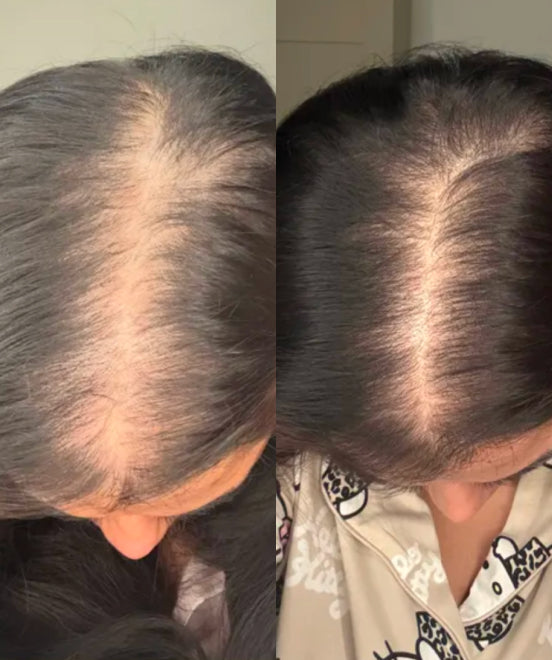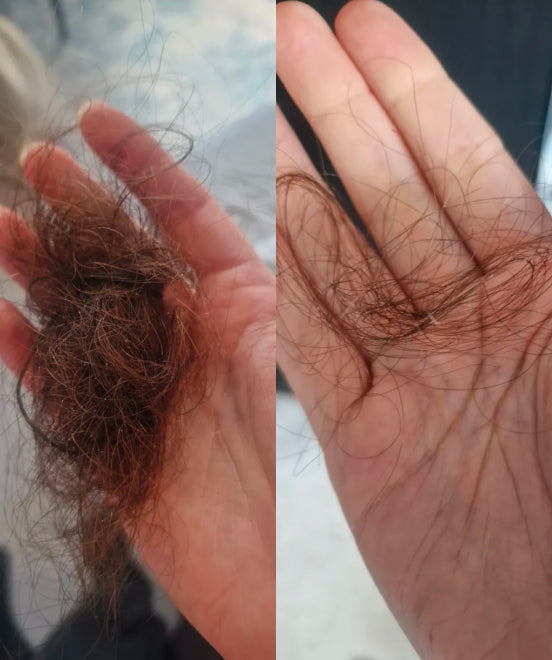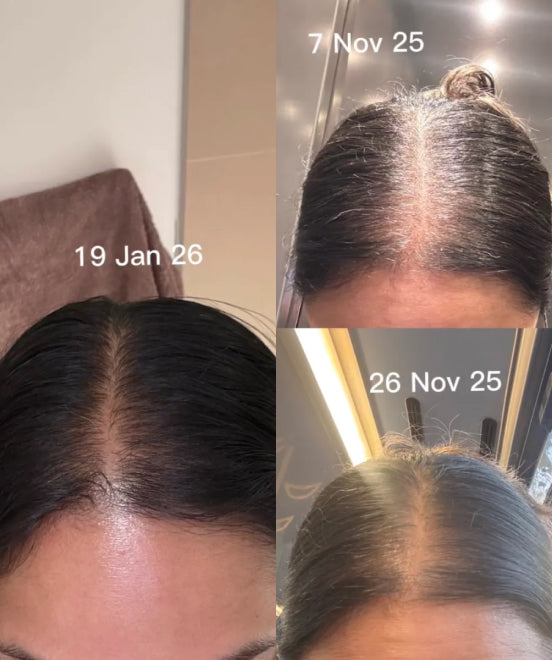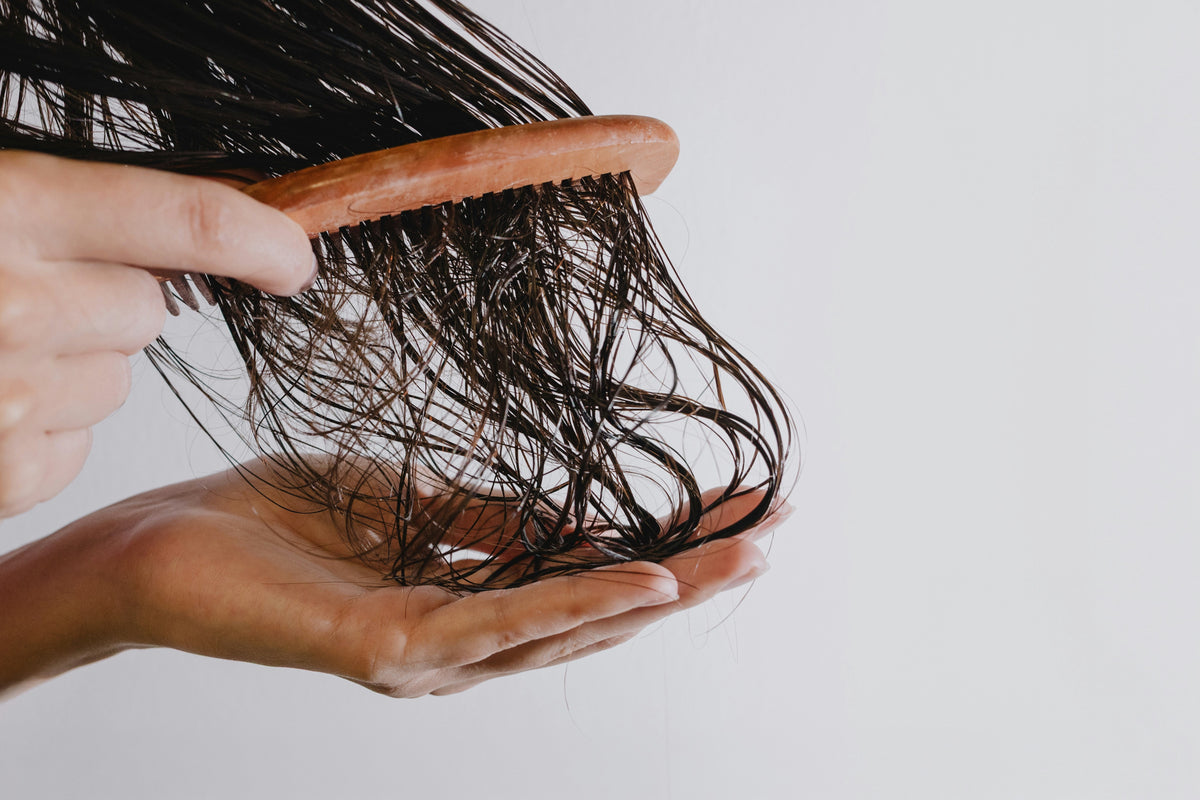


If you’ve noticed more hair in your brush since starting Mounjaro, take a breath, because the news is more reassuring than the internet makes out. Yes, some people do shed more on Mounjaro, but for most it’s a temporary type of shedding triggered by rapid weight loss, not the drug damaging your follicles. When your body loses weight quickly, it puts its energy and nutrients towards keeping vital organs going first, and hair is one of the first things it treats as non-essential. So more hairs than usual get nudged into their natural resting-and-shedding phase (known as telogen effluvium). This is why the extra shedding tends to show up a few months in, and it usually recovers.
Below we explain why it happens, whether it grows back, and the scalp-care routine that supports recovery, all in plain language and with a proper plan rather than a panic. For context, in the SURMOUNT-1 trial, hair loss was reported by around 6% of people on 15mg tirzepatide (Mounjaro's active ingredient), and 5% of people on 5mg and 10mg tirzepatide, compared with about 1% on placebo, so it’s more common than a dummy treatment but still very much a minority, and usually temporary (Jastreboff et al., 2022).
Does Mounjaro actually cause hair loss?
Hair loss is a recognised side effect, but it is not inevitable, and the nuance really matters. It is not that tirzepatide is poisoning your follicles. Tirzepatide works by copying two hormones your gut naturally makes after you eat: GLP-1 (glucagon-like peptide-1) and GIP (glucose-dependent insulinotropic polypeptide). Their job is to manage your blood sugar and tell your brain you are full. The medication acts on both, which curbs your appetite and leads to significant weight loss. And that is the real reason hair can shed: it is the fast, dramatic drop in weight stressing the body, not the drug attacking your hair.
A few honest points to hold onto:
-
The majority of people on Mounjaro do not report hair loss at all (Jastreboff et al., 2022).
-
In trials, people lost up to roughly a fifth of their body weight, and that scale and speed of change is the real trigger, not a toxic effect on the scalp.
-
A 2026 systematic review of GLP-1 medications and hair loss found that where shedding did happen, it most often took the form of telogen effluvium linked to rapid weight loss, and that women appeared to be affected more often than men (Gupta et al., 2026).
So if you’re a woman noticing this, you’re not imagining it, and you’re not doing anything wrong. There are a few likely reasons women feel it more: many start out with lower iron stores thanks to periods, so a diet-related dip hits harder, and the shed can also reveal early female pattern thinning that was quietly on its way. None of that means the shedding is permanent, but it does explain why the same medication can affect two people very differently.
Why rapid weight loss triggers shedding (telogen effluvium, explained)
Here’s the science, kept simple, because understanding it takes a lot of the fear away. The shedding is almost always a pattern called telogen effluvium: a temporary, all-over shed where a larger-than-usual number of follicles get nudged early out of their growth phase and into their resting phase, then let go together a few months later (Cleveland Clinic, 2024).
With Mounjaro, two things drive that:
-
The metabolic stress of fast weight loss. Big, quick changes register as a physical stress, and stress can flip follicles into resting mode.
-
Lower nutrient intake. Eating much less means less protein and fewer key nutrients like iron, zinc and B vitamins. Hair is low on the body's priority list when supplies are tight, and keratin (the protein your hair is built from) needs raw materials to be made (Gupta et al., 2026; Bariatric surgery-induced telogen effluvium, 2021).
The bit that trips everyone up is the timing. The shed usually shows up about three to four months after the trigger, which is why your hair can start falling out just when the weight loss is going brilliantly. It feels cruel, but it is a delayed echo of a change that already happened, not a sign things are getting worse. The same mechanism sits behind stress-related shedding, which we cover in excess cortisol and hair loss, and it is the very same pattern many women recognise from after having a baby, explained in when does postpartum hair loss start.
Will my hair grow back after Mounjaro?
In the vast majority of cases, yes. Telogen effluvium is reversible, so once your weight stabilises and your nutrition steadies, your follicles return to their normal cycle and hair regrows (Cleveland Clinic, 2024). The important word is patience, because regrowth follows the hair cycle and happens gradually rather than overnight.
One honest caveat: if your shedding is severe, drags on, comes out in patches, or simply does not settle, it is worth getting checked. Sometimes rapid weight loss can unmask genetic thinning that was on its way anyway, and sometimes another cause like low iron is involved (Gupta et al., 2026). Getting to the bottom of it early only helps.
How to support your hair on Mounjaro: the two-front approach
This is where rhute does things differently. The best way to support recovery is to work on two fronts at once: nourish the follicle from within, and support the scalp from the outside. Most advice out there only covers the first half.
Front one: nourish from within
-
Prioritise protein at every meal, since your hair is built from it and intake often drops on Mounjaro. This doubles as good advice for protecting your muscle during weight loss.
-
Keep an eye on iron, vitamin D, and your B vitamins. A clinician can check your levels if you are worried, and it is best to supplement only where there is a genuine need rather than by default. Our vitamins for hair growth guide explains which nutrients actually matter.
-
Stay hydrated and eat as nutrient-dense as you can within a smaller appetite, so every bite counts.
Front two: support the scalp
-
Healthy hair starts at the scalp, so the aim is to keep the scalp barrier strong and the follicle environment in good shape, so hair re-enters its growth phase as smoothly as possible once the shed settles.
-
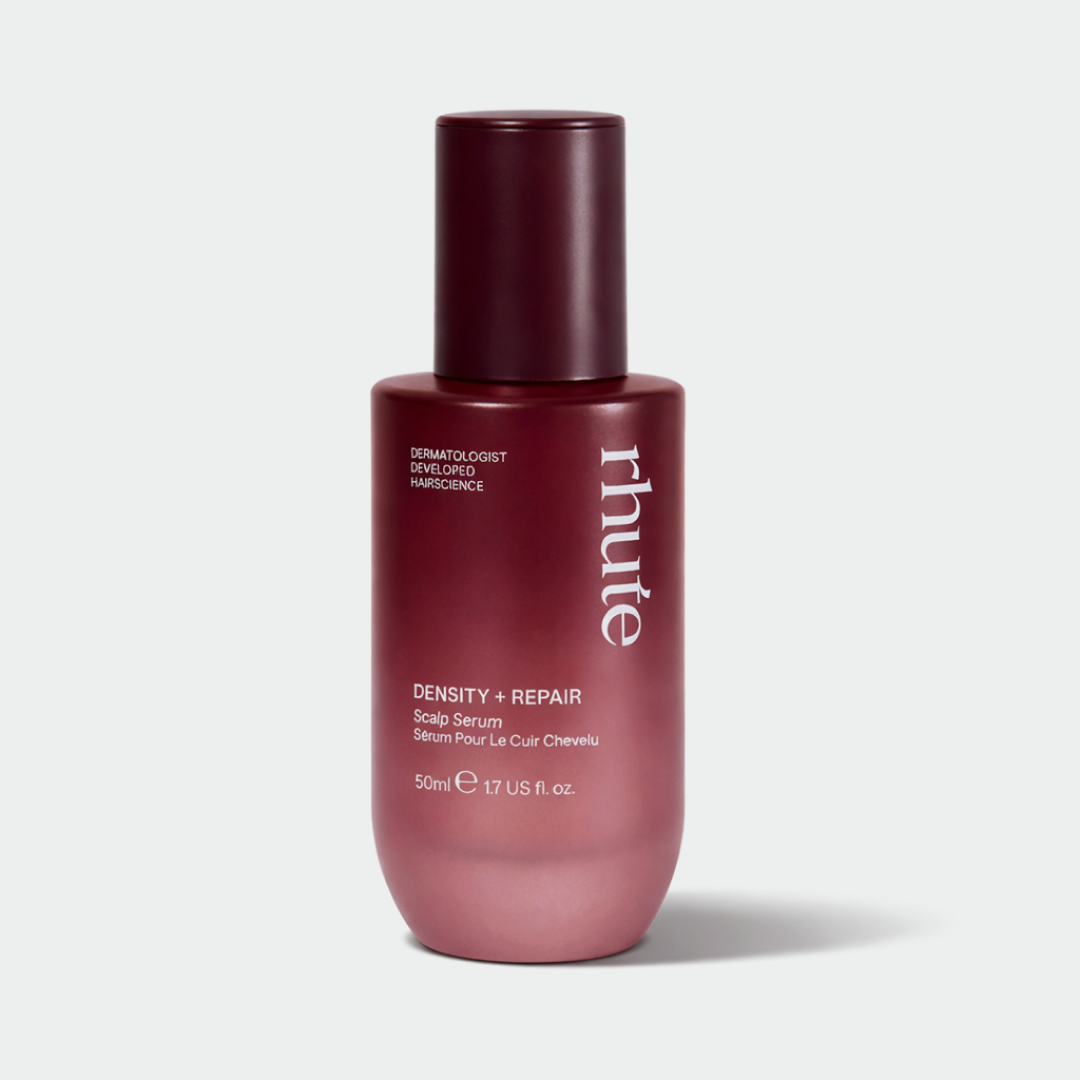
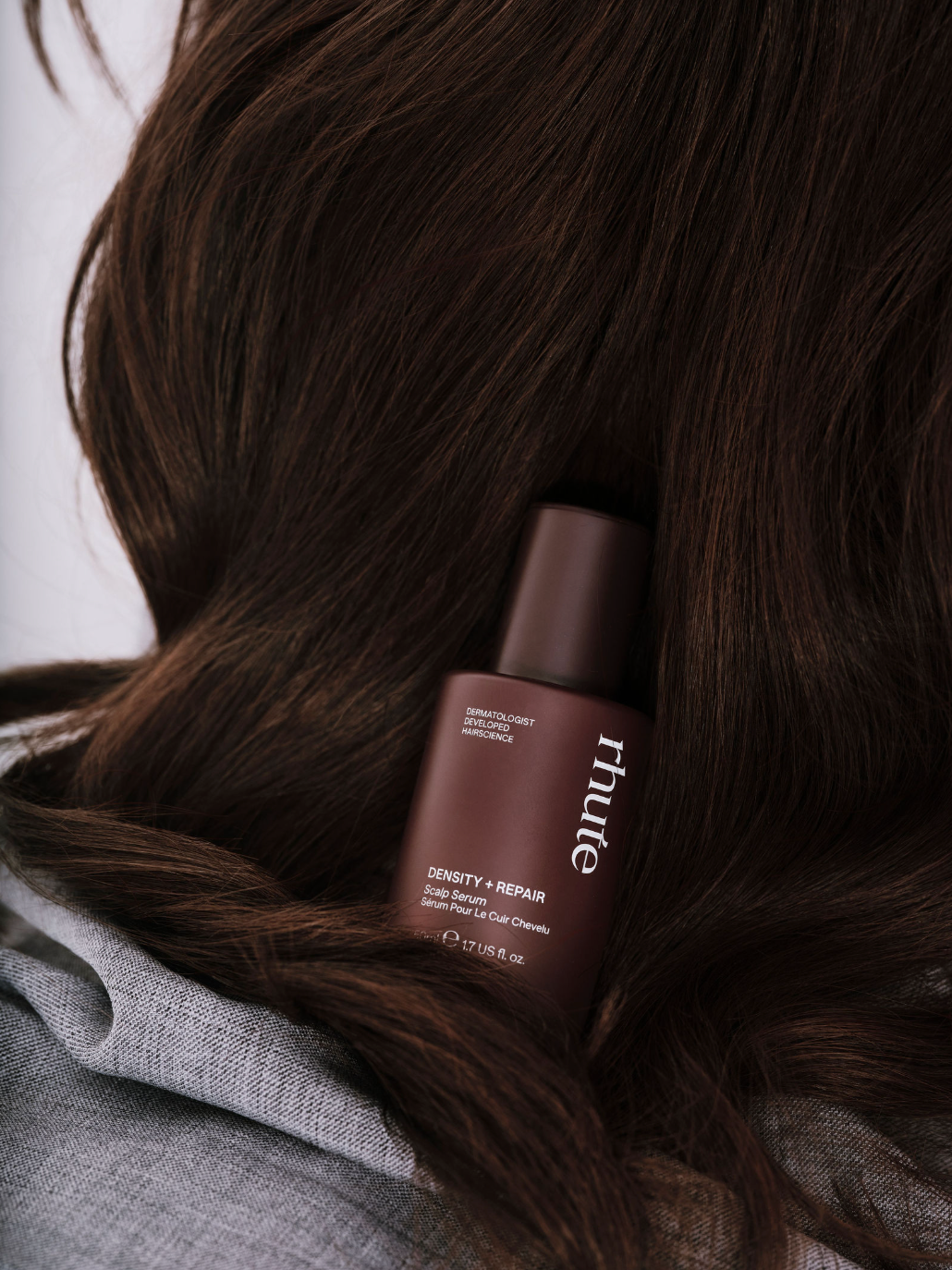
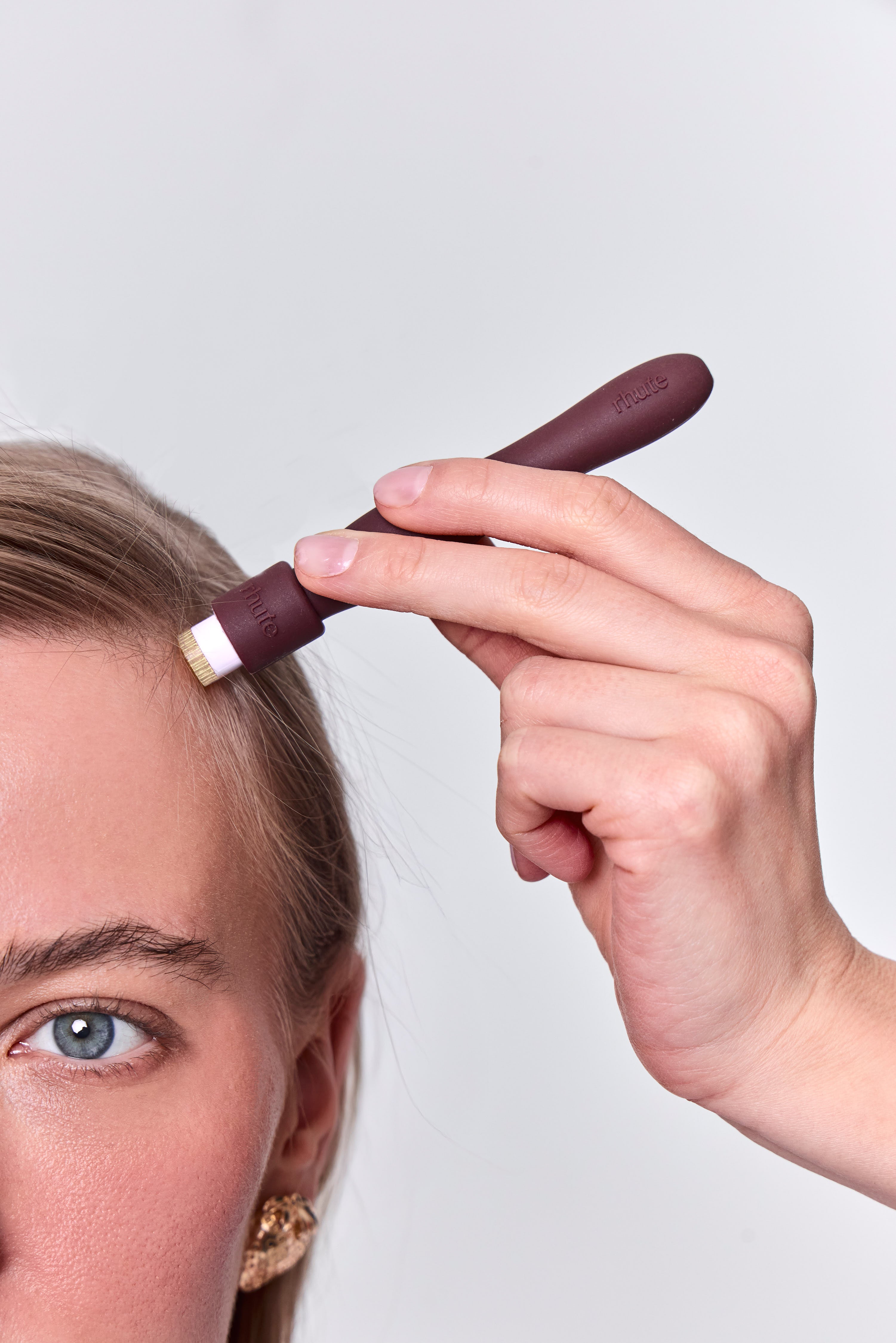
This is exactly where a lightweight, barrier-supporting serum earns its place. The Density + Repair Scalp Serum is a dermatologist-developed, minoxidil-free serum with stem cell extracts, bioactive peptides, caffeine, and niacinamide that supports the scalp barrier and growth at the source. Think of it as support for the recovery environment, not a cure for a medication side effect.
-
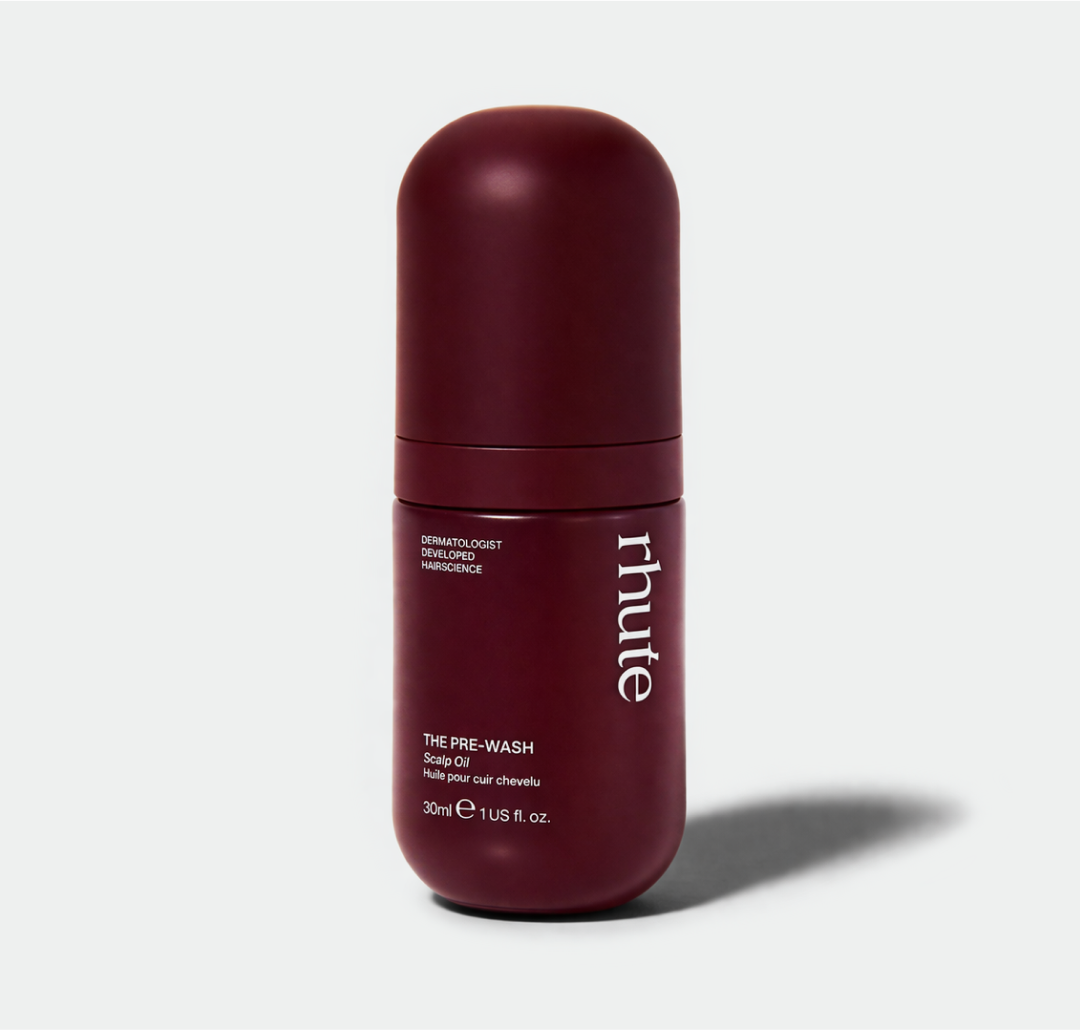
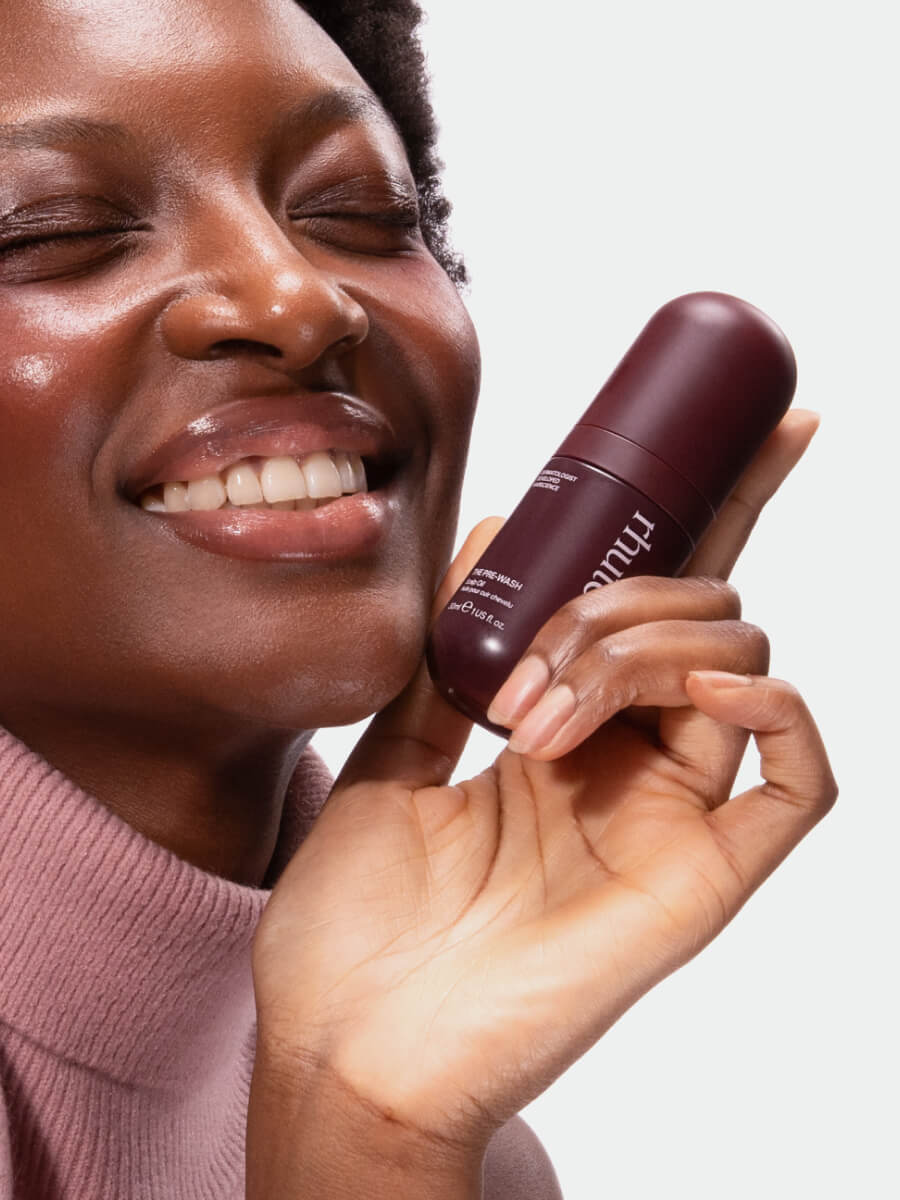
If your scalp feels dry or stressed, the Pre-Wash Density Complex Scalp Oil is a gentle, nourishing pre-wash step for barrier comfort.
Want the honest evidence on what topicals can and cannot do? Our guides to do hair loss serums actually work and best scalp serums for hair growth go deeper. One honest aside: many "hair growth" gummies lean on biotin and collagen, which are not the reliable fix they are sold as, so your energy is better spent on real food and scalp care.
A realistic recovery timeline
Knowing roughly what to expect helps you stay consistent instead of panicking. Timelines vary with your body, your pace of weight loss and your nutrition, but the pattern usually looks like this:
-
The shed, around three to four months after the big changes start: noticeable shedding, often just as the weight loss is going well. Distressing, but expected.
-
Settling, once weight and nutrition stabilise: the shedding slows as follicles stop being pushed into rest.
-
Early regrowth, a few months on: short, fine baby hairs appear along your hairline and parting.
-
Fuller recovery, over six to 12 months: density rebuilds gradually with consistent scalp care and steady nutrition (Cleveland Clinic, 2024).
If you want broader context on shedding patterns in women, our hair loss in women guide is a good companion read.
When to speak to your doctor
Most Mounjaro-related shedding settles on its own, but see a professional rather than reaching for another product if you notice:
-
Shedding that is severe, or has not settled after several months.
-
Patchy bald spots rather than even, all-over thinning.
-
Hair loss alongside scalp pain, redness or scarring.
-
Any worry about the medication itself, your dose, or stopping it, which is a conversation for your prescriber, not a serum.
Getting checked early only helps, and there is no need to tough it out alone.
The bottom line
Shedding on Mounjaro is usually temporary telogen effluvium driven by rapid weight loss rather than the drug harming your hair, it tends to grow back, and you can genuinely support recovery by feeding your hair from within and looking after your scalp.
You should not have to choose between feeling good in your body and keeping your hair, and the right routine helps you support both. Be kind to yourself, and get growing. Healthy hair starts here, from rhute to tip. If you would like a simple way to care for your scalp through the recovery window, the Density + Repair hair serum or the Density Rhutine bundle is a lovely place to start.
FAQs
Is Mounjaro hair loss different from Ozempic or Wegovy hair loss?
Not likely, because they are all the same type of drugs (GLP-1), but can vary with different medications. It’s the rapid weight loss, not the specific drug, that tends to trigger shedding. A 2026 review found the effect showed up most with the medications that produce the biggest, fastest weight loss, which is why it is talked about a lot with tirzepatide, but the recovery approach is identical.
Does a higher Mounjaro dose mean more hair loss?
There is no neat dose-for-dose rule, but because shedding tracks the speed and scale of weight loss rather than the dose itself, faster losing tends to carry more risk of a shed. That is one reason a steady pace, guided by your prescriber, is kinder to your hair as well as the rest of you.
Should I stop Mounjaro if my hair is falling out?
That is a decision for your prescriber, not something to do on your own, and stopping is often not necessary since the shedding is usually temporary and tied to the weight-loss phase. Raise it at your review, and they can talk through pacing, nutrition and whether any adjustment makes sense for you.
Can I take collagen or biotin to stop Mounjaro hair loss?
These are heavily marketed for hair, but the evidence is weak unless you’re genuinely deficient. And even then, supplements alone rarely help much, because the shedding is usually driven by rapid weight loss and eating less rather than a lack of any one nutrient. High-dose biotin can also interfere with the reliability of certain blood tests. You’re far better off prioritising protein and a nutrient-rich diet, and getting your iron and other levels checked if shedding continues.
Does Mounjaro hair loss mean I'm losing weight too fast?
It can be a gentle signal that the pace is intense for your body, since faster weight loss is more likely to trigger a shed. It is not a reason to panic, but it is worth mentioning to your prescriber, who may suggest easing the pace or tightening up your nutrition to support both your hair and your overall health.
Will eating more protein really make a difference to my hair?
It genuinely helps, because your hair is built from protein and intake often drops a lot on Mounjaro. Meeting your protein needs gives your follicles the raw materials to rebuild once the shed settles, and it protects your muscle during weight loss too, so it is one of the highest-value things you can do.