

Here’s the honest, unhyped version: zinc helps your hair when low zinc is genuinely part of the problem, and it does very little when your levels are already fine. The internet loves to sell zinc as a one-size-fits-all fix (spoiler: it is not), and the real answer depends on the type of hair loss you have and whether you’re actually deficient.
We break zinc down by hair-loss type using recent research, explain what zinc actually does for your hair, and cover how to get enough through food and sensible supplementation.
Does zinc actually help with hair loss?
Short answer: sometimes, and it depends. Zinc is an essential mineral, which means your body can't make it, so it has to come from food. It's also a trace mineral, so you only need it in tiny amounts. But it does a lot with a little. Zinc is the second most abundant trace mineral in your body, and it quietly powers hundreds of everyday jobs. It helps run your metabolism, supports your immune system, switches genes on and off, and builds the proteins your cells are made from. It even has antimicrobial and antifungal properties. That antifungal side is also why zinc turns up in scalp and hair products: zinc pyrithione, the classic anti-dandruff ingredient, works by calming Malassezia, a yeast that naturally lives on the scalp and is a common cause of dandruff (Gupta et al., 2014). Your follicles lean on that same behind-the-scenes work too, which is why low zinc can show up in your hair (Yao et al., 2025).
The evidence broadly agrees: low zinc is linked to several types of hair loss, so correcting a deficiency is far more likely to help than piling on zinc when you already have enough (Almohanna et al., 2019). The trick is knowing which camp you are in, which is where the "test, don't guess" part comes in later.
What zinc actually does for your hair
Zinc is a quiet multitasker. A few of its real jobs matter directly to your hair:
-
Building hair. Zinc helps make keratin, the tough protein your strands are made from, and supports the protein synthesis that keeps hair strong rather than brittle.
-
Fuelling growth. Your follicle is one of the fastest-dividing tissues in the body, and zinc is needed for the cell division that keeps new hair being built.
-
Keeping the growth cycle on track. Your hair naturally moves through phases: it grows for a while, then rests, then sheds and starts over. Zinc seems to help keep that rhythm steady. Early research, mostly in animals, suggests it stops follicles winding down into the resting phase too soon and helps them bounce back afterwards, so the cycle keeps ticking over as it should (Kil et al., 2013).
-
Calming your scalp. Zinc has anti-inflammatory and immune-regulating roles, which help keep your scalp environment settled. It also helps regulate the oil (sebum) your scalp produces, so things stay balanced rather than greasy or dry (Almohanna et al., 2019).
In short, zinc is less a "grow hair faster" nutrient and more a "keep the whole system working" one. That distinction matters for what comes next.
Zinc and the different types of hair loss
The strength of the zinc link genuinely depends on the type of hair loss:
-
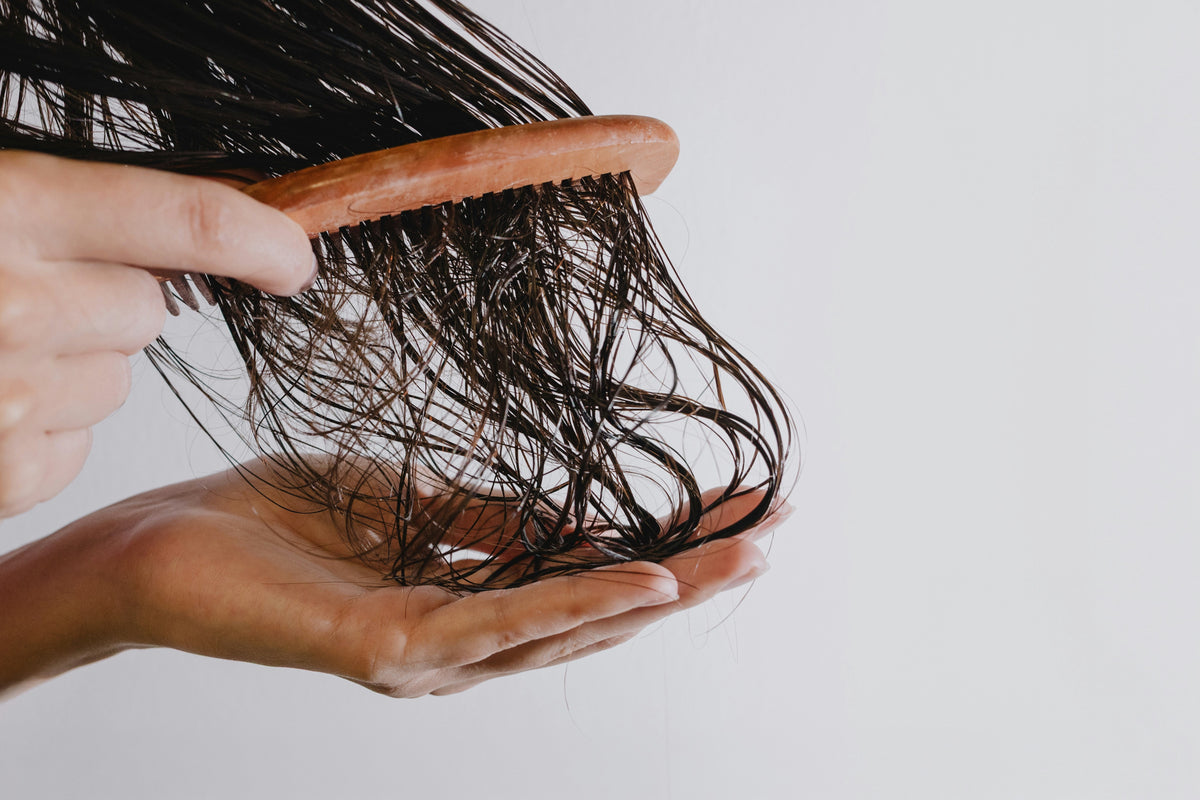
Telogen effluvium (temporary, diffuse shedding after stress, illness or having a baby): one of the strongest links. This is the all-over shed where more hairs than usual enter the resting phase and fall together, and low zinc is a recognised trigger (Almohanna et al., 2019). We explain this pattern in depth in our guide to iron deficiency hair loss, since low iron drives the same mechanism.
-
Alopecia areata (patchy, autoimmune loss): consistently associated with lower zinc. A recent meta-analysis pulling together multiple studies found people with alopecia areata tended to have lower serum zinc than those without it (Yang et al., 2024). That is an association, not proof zinc causes it, but the pattern is reliable.
-
Androgenetic (pattern) hair loss: the most mixed picture. Some studies find lower zinc in pattern hair loss and some do not, so the evidence is genuinely inconsistent (Wang et al., 2024; Chang et al., 2022). There is a suggested theory that zinc may influence 5-alpha-reductase, the enzyme that produces DHT (the hormone involved in pattern thinning), but this is early lab-level thinking rather than a reason to reach for supplements.
The takeaway: zinc is most worth thinking about with diffuse shedding and patchy loss, and least reliable as a lever for pattern thinning.
Signs your hair loss might be zinc-related
Zinc-related shedding tends to have a certain shape, and it usually travels with clues elsewhere in the body. It is plausibly worth investigating if you notice hair signs like:
-
Diffuse shedding across the whole scalp rather than distinct bald patches
-
Strands that feel brittle, weak or dull
-
Slow regrowth or gradual thinning over time
Alongside non-hair clues such as:
-
Changes in taste or smell
-
Slow wound healing or frequent minor infections and colds
-
Reduced appetite
None of these confirm zinc is the culprit on their own, but together they make it more plausible, especially if you are in a higher-risk group (which we come to shortly). Zinc deficiency itself is uncommon in the UK, so it is worth holding these signs lightly rather than jumping to conclusions (Almohanna et al., 2019).
The catch: why more zinc isn't better
Zinc follows what scientists call a U-shaped curve, meaning both too little and too much can cause problems, including hair shedding. So loading up "just in case" is not a smart move.
The main reason is the delicate balance between zinc and copper. These two minerals compete for absorption, so taking high-dose zinc over time can quietly deplete your copper, and low copper can itself contribute to hair and pigment problems. Studies looking at zinc and copper together in people with hair loss show why both sides of that balance matter (Kil et al., 2013). In other words, more zinc can paradoxically make shedding worse rather than better, which is exactly why guessing is risky.
How much zinc you actually need (UK guidance)
Most people in the UK get what they need from food, so the numbers are reassuringly modest. The UK reference nutrient intake (the amount considered enough for almost everyone) is:
-
Around 9.5 mg a day for men
-
Around 7 mg a day for women
If you do choose to supplement, UK guidance is to keep it sensible. Taking 25 mg a day or less is unlikely to cause harm, but consistently high doses can trigger the copper problem above (NHS, 2024). For most women, a good diet comfortably covers the daily requirement without any pills at all, which brings us neatly to food.
Zinc-rich foods (and why plant sources are trickier)
Food is the easiest, safest way to keep your zinc topped up, and it comes with a built-in ceiling that supplements do not. Good sources include:
-
Shellfish, especially oysters, plus crab
-
Red meat and poultry
-
Dairy like cheese and yoghurt
-
Pulses such as chickpeas and lentils
-
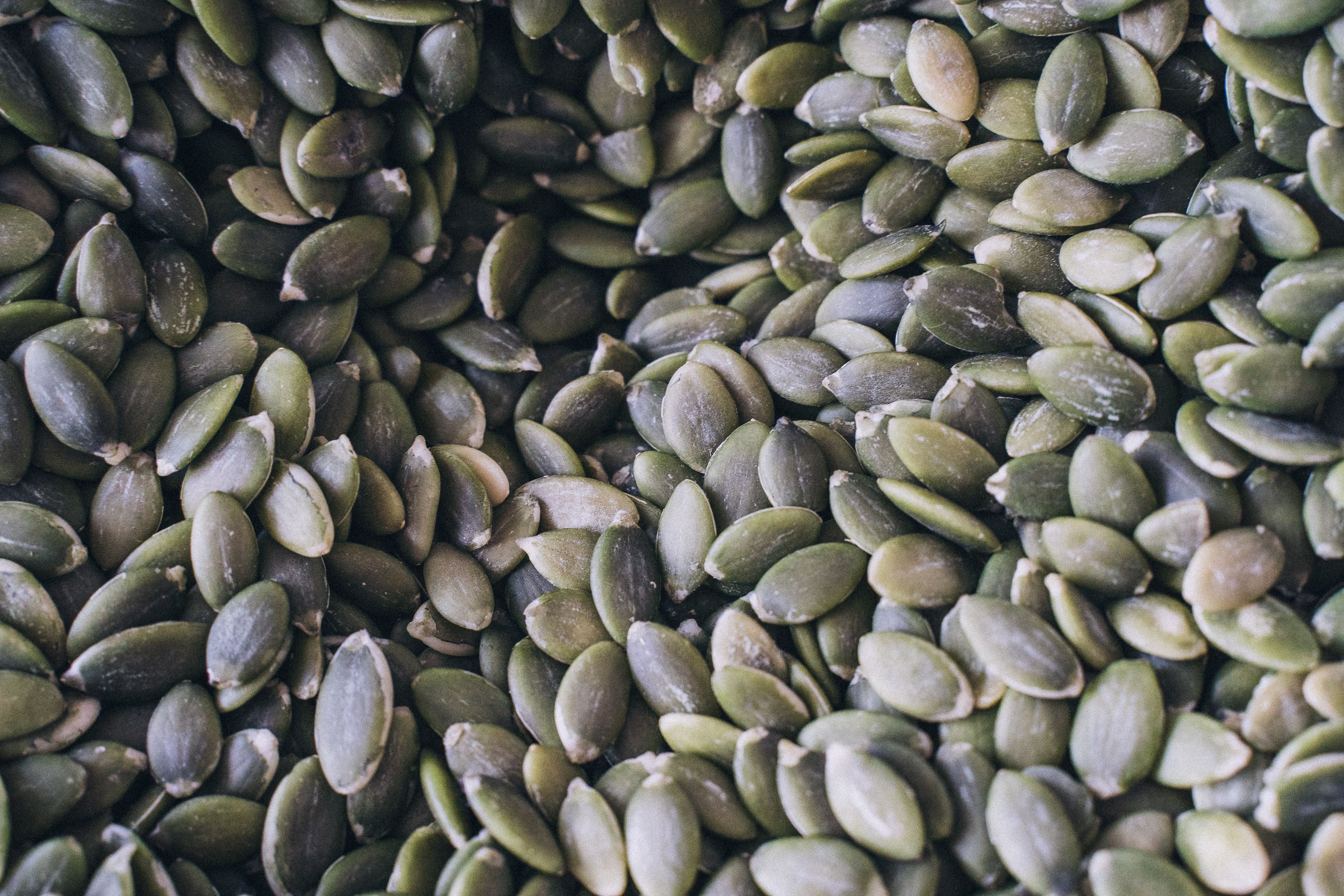
Nuts and seeds, especially pumpkin and sesame seeds
-
Fortified breakfast cereals
There’s an important catch for anyone eating mostly plants. Plant foods contain compounds called phytates, which bind to zinc in the gut and make it harder to absorb, so the zinc in beans, grains and seeds is less available to your body than the zinc in meat or shellfish. That means vegetarians and vegans, who make up a meaningful share of women watching their hair, may need a bit more zinc overall and benefit from a varied, thoughtful diet (Almohanna et al., 2019). Soaking, sprouting or fermenting pulses and grains can help reduce phytates and free up more of the zinc.
Should you get tested before supplementing?
We’re firmly in the "test, don't guess" camp, but there is a specific, important quirk with zinc to know about.
Unlike iron (ferritin), vitamin D, B12 and folate, zinc is a trace element and isn’t part of a routine NHS blood panel when investigating hair loss. That’s because zinc deficiency is genuinely uncommon and mostly affects people with absorption issues, like those who have had weight-loss surgery or who have Crohn's disease or ulcerative colitis, along with some vegetarians and vegans. Zinc blood tests can also be unreliable and are affected by recent illness, since zinc its level can dip when you are unwell, so timing matters. For the detail on trace-element testing, this York NHS Trust guidance is a useful reference.
So the sensible order is:
-
Ask your GP to check the common culprits first, like ferritin, vitamin D, B12, folate and thyroid.
-
Only pursue zinc testing if your history points to it, and if you are testing, wait a couple of weeks after any illness for a more accurate reading.
-
Treat unexplained shedding as a whole-picture question rather than chasing one mineral.
If your iron or vitamin D turns out to be low, those are far more common drivers, and our guides to iron deficiency hair loss and vitamin D and hair loss walk you through them.
Zinc for women: postpartum, menopause and PCOS
Because rhute's community is largely women, it is worth naming the life stages where zinc status and shedding can overlap:
-
Postpartum. The months after having a baby bring a well-known shed, and nutrient stores can run low after pregnancy and breastfeeding. Zinc is one of several minerals worth eating well for during this time. Our guide to when postpartum hair loss starts sets expectations.
-
Menopause. Shifting hormones, changing appetite and gut changes can all nudge nutrient balance, and thinning is common here. See menopause hair loss for the fuller story.
-
PCOS. Polycystic ovary syndrome (recently renamed to polyendocrine metabolic ovarian syndrome) comes with its own hormonal drivers of thinning, and nutrition is one supportive piece of the puzzle. More in our PCOS hair loss guide.
In each case, zinc is a supporting player rather than the headline act, and stress often sits in the mix too, which we cover in excess cortisol and hair loss guide.
Supporting your scalp while you sort the inside out
Correcting a deficiency takes months, because your hair can only show the benefit as it grows. That waiting window is exactly where good scalp care earns its place, as long as we are honest about what it is and is not doing.
To be clear: a serum or oil cannot fix a zinc deficiency. That has to be corrected from the inside, through diet and, if genuinely needed, supplementation guided by your GP. What scalp care can do is keep the follicle environment calm and healthy so your hair recovers as smoothly as possible once your levels are back on track.
-
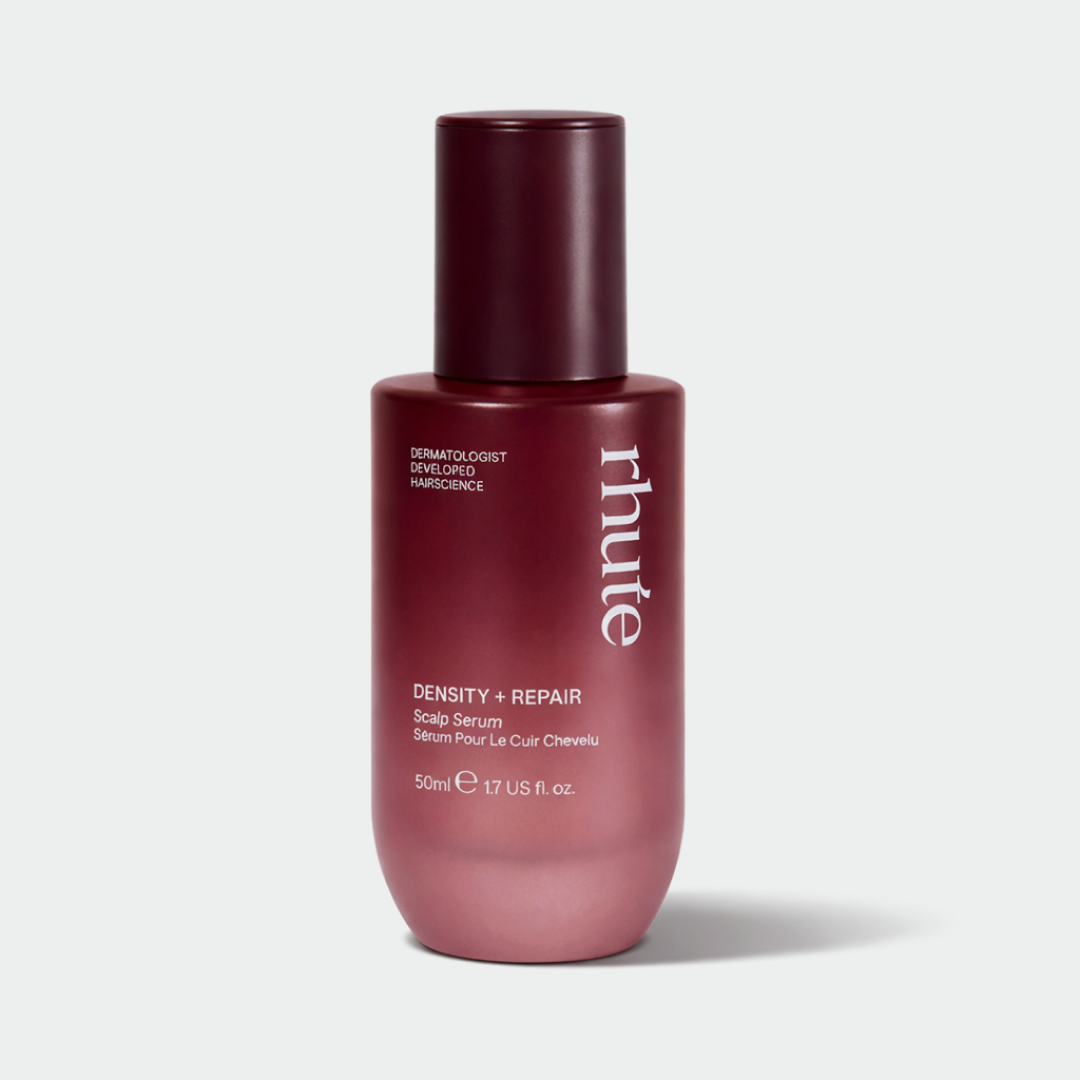
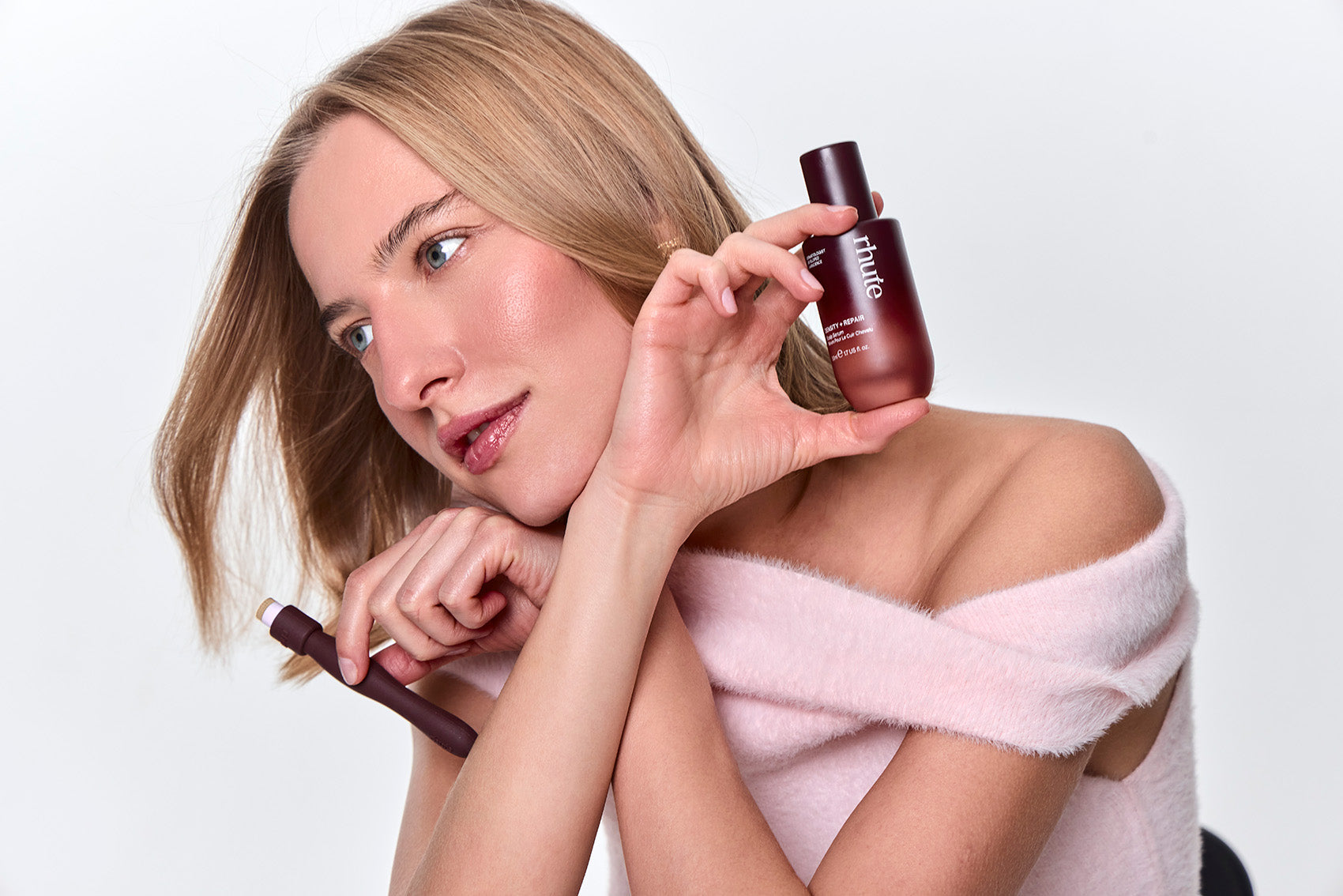
Our Density + Repair Scalp Serum is dermatologist-developed and barrier-supporting, with niacinamide to soothe and strengthen the scalp. It sits here purely as supportive care during recovery, never as a replacement for fixing the underlying cause.
-
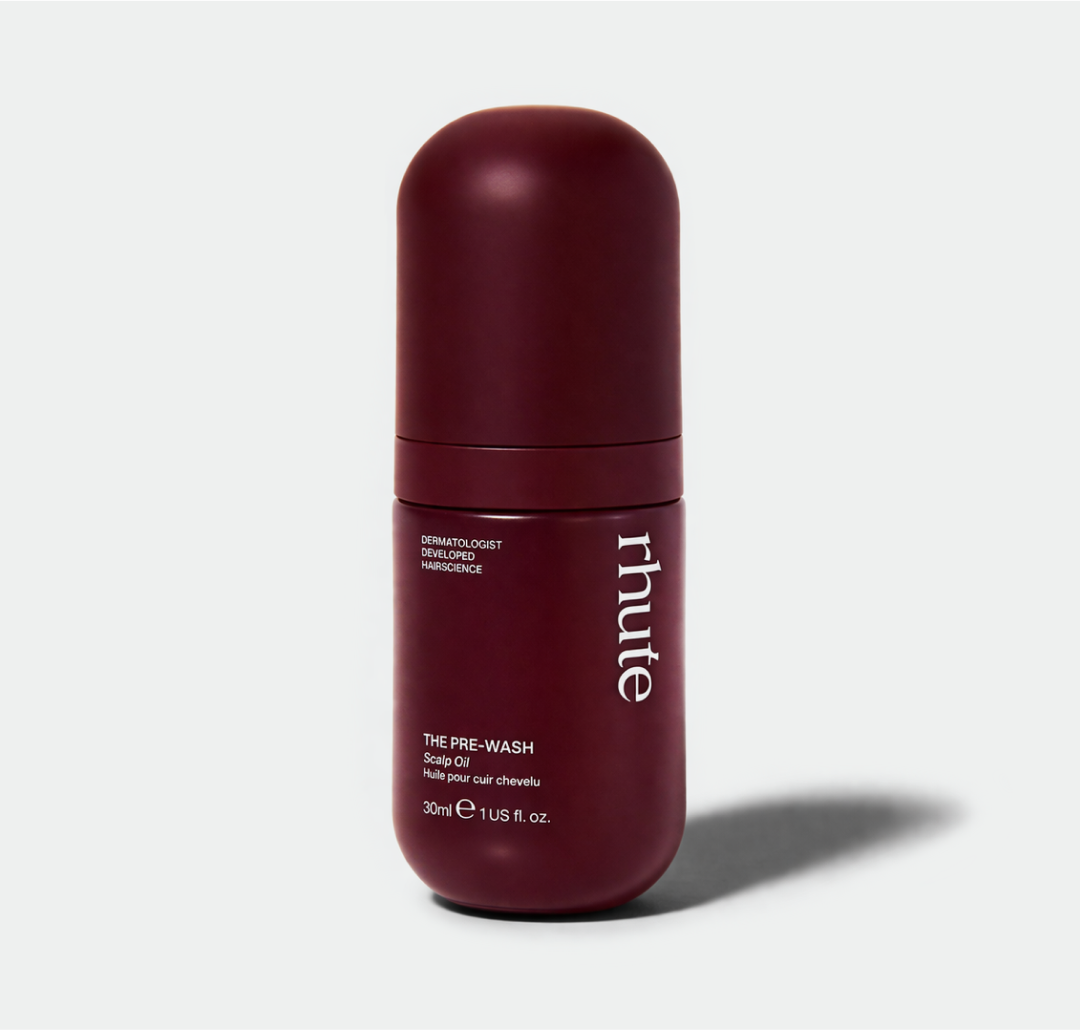
If your scalp feels dry or irritated, the Triple Density Complex Pre-Wash Hair & Scalp Oil can keep it comfortable between washes.
For an honest look at what topicals realistically can and cannot achieve, our guides to do hair loss serums actually work and best scalp serums for hair growth go deeper.
When to see your GP or a dermatologist
Most of this is managed sensibly in primary care. Book an appointment rather than self-supplementing if you notice:
-
Sudden, heavy shedding or patchy, coin-sized bald spots, which need proper assessment.
-
Shedding that has not settled despite eating well and addressing any confirmed deficiencies.
-
Other symptoms alongside the hair loss, such as fatigue, taste changes or frequent infections.
-
Any uncertainty about supplements, doses or interactions, which is always a conversation worth having with your GP or pharmacist.
The bottom line
Zinc matters for healthy hair, but it is not a universal fix. It helps most when you are genuinely low, especially with diffuse shedding and patchy loss, and it does little when your levels are already fine. More is not better, food is the safest source, and unexplained shedding deserves a whole-picture look rather than a guess at one mineral.
So eat well, be sensible with supplements, and look at the bigger picture with your GP. Then support your scalp while your hair catches up. Healthy hair starts here, from rhute to tip. If you would like a simple way to look after your scalp meanwhile, the Density + Repair hair growth scalp serum or the Density Rhutine bundle is a lovely place to start.
FAQs
Does zinc regrow hair?
Only when a genuine zinc deficiency is behind the shedding. In that case, correcting your levels can help hair recover, but zinc is not a proven regrowth treatment for people whose levels are already normal, and it will not reverse pattern (genetic) thinning on its own.
Can too much zinc cause hair loss?
Yes, which surprises people. High-dose zinc over time can deplete copper and upset the mineral balance your hair relies on, which can worsen rather than improve shedding. It can also cause nausea and stomach upset. This is why more is not better and why a food-first approach is safest.
How long until zinc works for hair?
Think months, not weeks. If a deficiency is corrected, your hair still has to grow the benefit out along its natural cycle, so shedding usually settles first and visible regrowth follows over several months. Consistency with a good diet and any advised supplement is what pays off.
What is the best form of zinc to take?
If you and your GP decide a supplement is warranted, gentler, well-absorbed forms such as zinc citrate or zinc gluconate are commonly used, and taking it with food can reduce stomach upset. The form matters far less than getting the dose right and not overdoing it, so keep within sensible limits unless advised otherwise.
Zinc or biotin: which matters more for hair?
They do different jobs, and neither is a magic bullet. Biotin deficiency is rare and, unless you are genuinely low, extra biotin is unlikely to help (and can interfere with some blood tests). Zinc is more consistently linked to shedding when you are deficient. For most people, a varied diet covers both, and treating an actual deficiency beats stacking supplements.
Can I take zinc and iron together?
They compete for absorption, so high-dose supplements of both at the same time can blunt each other. If your GP has advised both, spacing them out or taking them with different meals can help. For most people, getting these minerals from food avoids the issue entirely.